
Tangaek — Decoctions · Trees
海桐皮 Castor Aralia
 Related Crop · Castor Aralia →
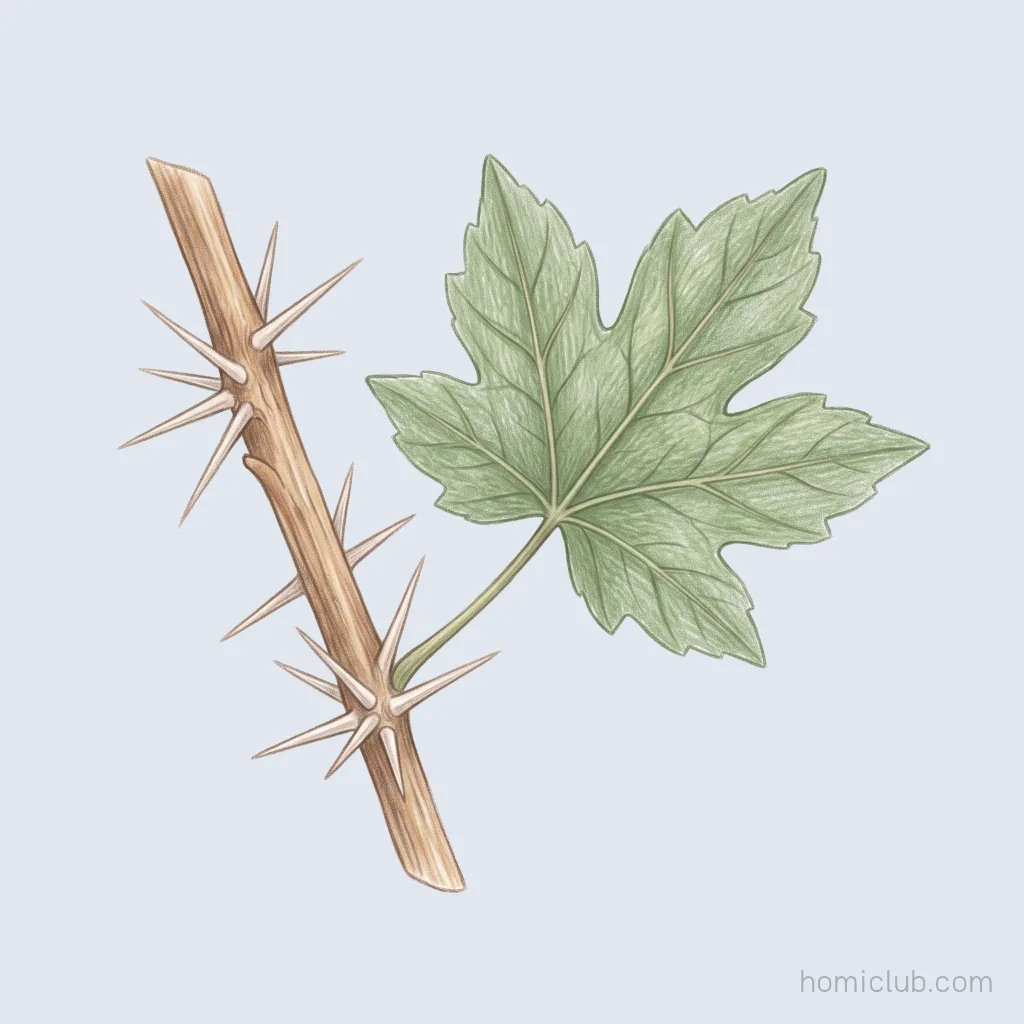
Haedongpi is the stem bark of the castor aralia. It is the same tree as the eomnamu in the crop guide, thorny-branched, its spring shoots eaten as a green and its bark dropped into pots of chicken soup. The Donguibogam noted that in Korea it was found only on Jeju.
Original, read line by line 東醫寶鑑 · Tangaek — Decoctions vol. 3
-
性平一云溫, 味苦, 無毒.
Its nature is balanced (one source says warm), its taste bitter, and it is without toxicity.
-
主腰脚不遂, 麻痺疼痛, 赤白瀉痢.
It governs an unresponsive lower back and legs, numbness with pain, and red-and-white diarrhea and dysentery.
-
治中惡霍亂, 療疳䘌疥癬, 牙齒痛, 及目赤, 除風氣.
It treats zhong'e (malignity strike) and sudden turmoil disorder, heals ganni (childhood malnutrition sores), scabies and ringworm, toothache and red eyes, and removes wind qi.
-
似梓白皮, 不拘時月採. 《本草》
It resembles the white bark of zi, the catalpa, and is gathered without regard to season. 《Bencao》
HomiclubZi is the catalpa. The comparison is to the grain and tone of its bark.
-
我國惟濟州有之. 《俗方》
In our country it grows only on Jeju. 《Sokbang》
HomiclubHaedong originally names a southern tree, and this text records it as growing only on Jeju in Korea. What Korean markets call eomnamu today is the castor aralia, thickly set with stout thorns, dropped whole into the pot when chicken is simmered.
Related Crop
Castor Aralia →
Trees — more entries
This is a cultural and historical record from a classical text, not a claim about any food’s effects. Nothing here is a health supplement or intended to prevent or treat disease. Consult a medical professional about health concerns. · Text: Korean Medicine Classics DB · Reading: Homiclub