
Tangaek — Decoctions · Herbs
水萍 Gaeguribap (개구리밥)
Supyeong is duckweed, the plant that floats in green sheets over ponds and paddies. Its round leaves run about an inch across, and the old text separates it by size from the smaller duckweed common in ditches. Fresh spring growth was dusted with rice flour and steamed as a vegetable, or pickled in vinegar to go with drink.
Original, read line by line 東醫寶鑑 · Tangaek — Decoctions vol. 3
-
性寒, 味辛酸, 無毒. 治熱毒, 風熱疾, 熱狂, 㶸腫毒, 湯火瘡, 風疹, 暴熱, 身痒.
Its nature is cold; its taste is pungent and sour, and it is non-toxic. It treats heat toxin, illnesses of wind heat, mania from heat, the toxin of jeongjong (㶸腫, deep-seated boils), scalds and burns, wind rashes, sudden fever, and itching of the body.
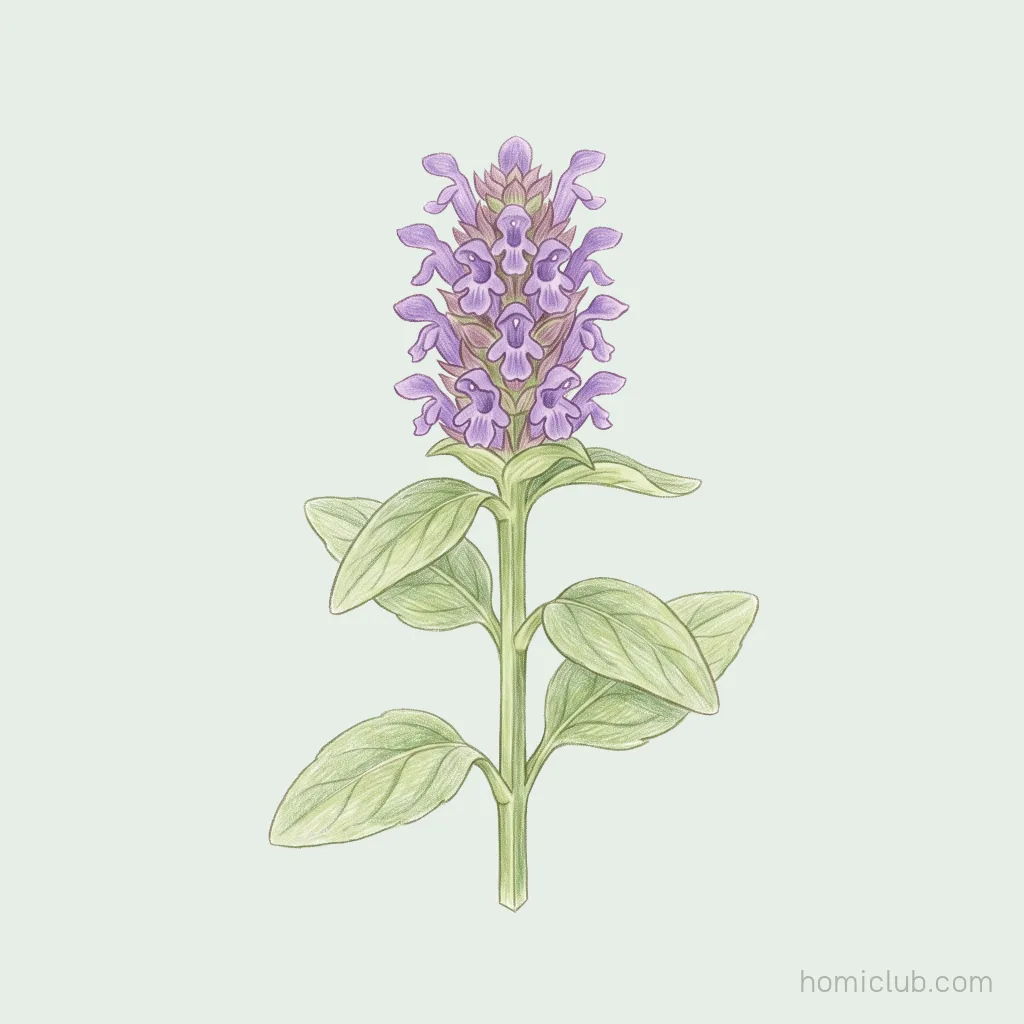
HomiclubSupyeong is duckweed, floating on ponds and paddy fields. From its flat, leaf-like body a thread of root trails down into the water.
-
下水氣, 勝酒, 長鬚髮, 止消渴.
It brings down water qi, overcomes the effects of wine, makes the beard and hair grow, and stops wasting-thirst.
-
卽是水中大萍. 葉圓滑寸許, 葉下有一點如水沫. 其麄大者, 謂之蘋. 春初生, 可糝蒸爲茹. 又可苦酒淹以按酒. 《本草》
This is the large duckweed of open water. Its frond is round and smooth, about an inch across, and beneath it hangs a single point like a bubble of water. The coarser, larger kind is called bin (蘋). Those sprouting in early spring can be dusted with rice flour and steamed as a vegetable dish. They can also be pickled in vinegar to serve with wine. 《Boncho (本草)》
HomiclubThe single point hanging beneath the frond is the root trailing into the water. The text's distinction between the large open-water kind and the small ditch kind matches the modern separation of greater duckweed from common duckweed.
-
水萍發汗, 甚於麻黃. 此水中大萍, 非今溝渠所生者. 紫背者佳. 《丹心》
Supyeong induces sweating more strongly than mahwang (麻黃, ephedra). This means the large duckweed of open water, not the kind now growing in ditches. Those purple on the underside are the good ones. 《Dansim (丹心)》
-
紫萍多蛭, 須寒月於山沼取之, 洗淨去泥, 略蒸乾用. 《正傳》
Purple duckweed harbours many leeches, so it must be taken from mountain pools in the cold months, washed clean of mud, lightly steamed, dried, and then used. 《Jeongjeon (正傳)》
-
採萍歌曰, 天生靈草無根幹, 不在山間不在岸, 始因飛絮逐東風, 泛梗靑靑漂水面, 神仙一味起沈痾, 採我之時七月半, 選甚癱風與瘓風, 些少微風都不算, 豆淋酒內下三丸, 鐵【巾+僕】頭上也出汗. 《高供奉》
The Song of Gathering Duckweed says: Heaven bore this numinous herb without root or stalk; it dwells neither in the mountains nor on the shore. It began when flying willow-down chased the east wind, and its green stems now drift upon the water. One taste of this immortals' herb raises a man from long illness; the time to gather me is the middle of the seventh month. However severe the tanpung (癱風) and the tanpung (瘓風, paralytic winds) you would choose it for, slight winds are not even worth counting. Swallow three pills in bean-steeped wine, and sweat will break out even on a head clad in an iron cap. 《Gogongbong (高供奉)》
Herbs — more entries
This is a cultural and historical record from a classical text, not a claim about any food’s effects. Nothing here is a health supplement or intended to prevent or treat disease. Consult a medical professional about health concerns. · Text: Korean Medicine Classics DB · Reading: Homiclub