
Tangaek — Decoctions · Herbs
柴胡 Moenminari (묃미나리)
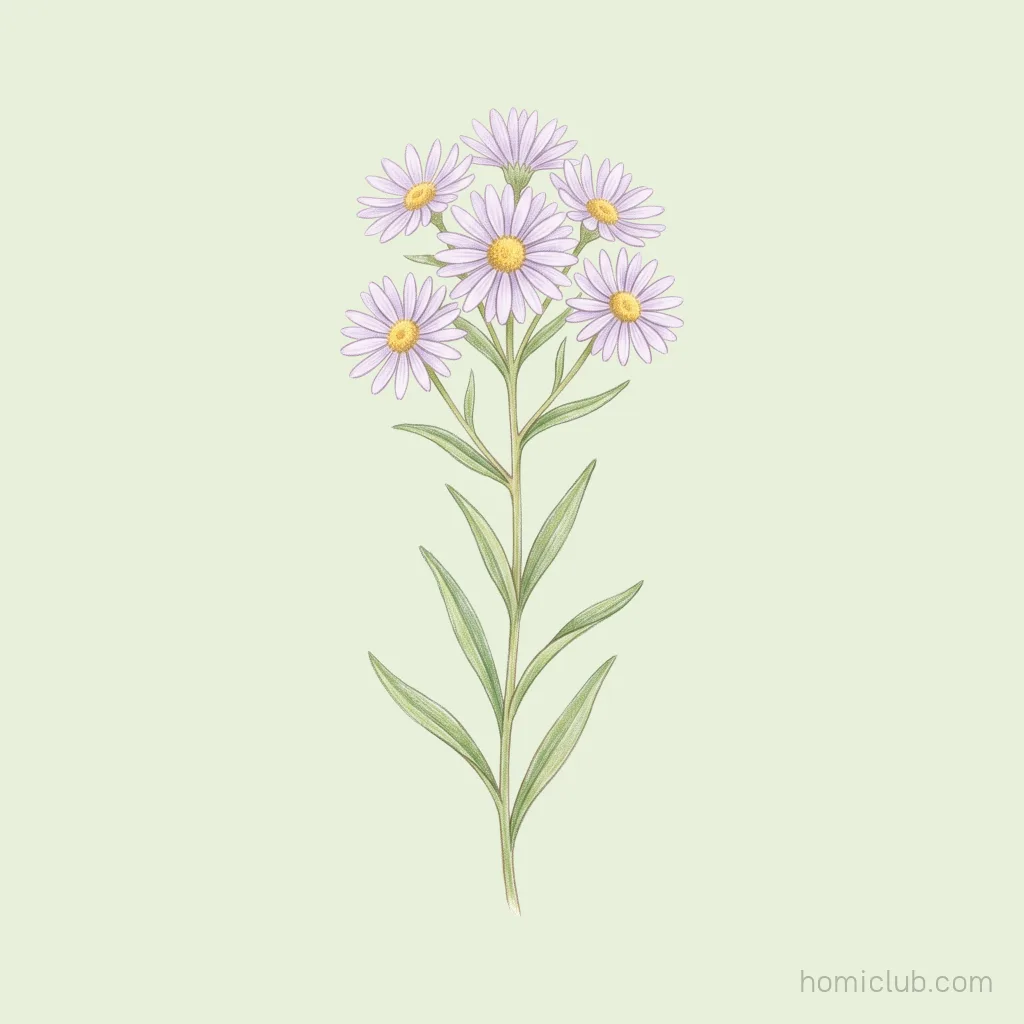
Siho is the root of a slender umbellifer. Its old Korean name, myoenminari, means mountain dropwort; the leaves are narrow like bamboo and yellow flowers open in the seventh month. Dongui Bogam has the root dug in the second and eighth months and sun-dried, and warns against letting it touch copper or iron.
Original, read line by line 東醫寶鑑 · Tangaek — Decoctions vol. 2
-
性微寒一云平, 味微苦一云甘, 無毒.
Its nature is slightly cold, though one account calls it neutral; its taste is slightly bitter, though one account calls it sweet, and it is non-toxic.
HomiclubSiho is the root of a perennial in the carrot family. The old Korean name in the heading, myoetminari, means "mountain minari" — minari being water dropwort — a name showing that earlier observers had already placed it in the same family.
-
主傷寒寒熱往來, 天行時疾, 內外熱不解. 治熱勞, 骨節煩疼.
It chiefly treats alternating chills and fever from cold damage, seasonal epidemic illness, and heat inside and outside that will not resolve. It treats heat taxation and vexing pain in the bones and joints.
-
除虛勞寒熱, 解肌熱, 早晨潮熱, 能瀉肝火, 除寒熱往來瘧疾, 及胸脇痛滿.
It removes chills and fever from taxation depletion, resolves heat in the flesh, addresses early-morning tidal fever, can drain fire from the gan (肝, liver), and clears malarial disorder with alternating chills and fever as well as pain and fullness in the chest and flanks.
-
處處有之, 二月生苗. 甚香, 莖靑紫, 葉如竹葉, 亦似麥門冬葉而短.
It is found everywhere and sprouts in the second month. Its scent is very strong, its stem green-purple, and its leaves are like bamboo leaves, also resembling those of maengmundong but shorter.
HomiclubSiho leaves show clear parallel veins, giving them a bamboo-leaf look. In summer the yellow flowers open in an umbrella-ribbed spray, the arrangement that marks it as a member of the carrot family.
-
七月開黃花. 二月八月採根, 暴乾. 《本草》
It opens yellow flowers in the seventh month. Dig the roots in the second and eighth months and dry them in the sun. 《Boncho (本草)》
-
足少陽ㆍ厥陰行經藥也. 能引淸氣而行陽道, 又能引胃氣上行, 升騰而行春令, 是也. 《湯液》
It is a medicine that travels the foot soyang and foot gworeum channels. It can lead the clear qi to move along the yang path and can also lead the wi (胃, stomach) qi upward; this is what is meant by rising and carrying out the ordinance of spring. 《Tangaek (湯液)》
-
如鼠尾獨窠而長者, 好, 莖長軟皮黃赤者, 佳. 忌犯銅鐵.
Roots that run out long and single from one clump, like a rat's tail, are good; those with a long stalk and soft, yellow-red skin are the best. Contact with copper and iron is to be avoided.
-
外感生用, 內傷升氣酒炒, 有咳汗者, 蜜水炒, 瀉肝膽火之, 以猪膽汁拌炒, 去蘆用. 《入門》
For external contraction use it raw; to raise the qi in internal damage stir-fry it with wine; when there is cough and sweating stir-fry it with honey water; to drain fire from the gan (肝, liver) and dam (膽, gallbladder) mix it with pig bile and stir-fry it; remove the rootstock crown before use. 《Immun (入門)》
Herbs — more entries
This is a cultural and historical record from a classical text, not a claim about any food’s effects. Nothing here is a health supplement or intended to prevent or treat disease. Consult a medical professional about health concerns. · Text: Korean Medicine Classics DB · Reading: Homiclub