
Tangaek — Decoctions · Trees
金櫻子 Geumaengja (금앵자)
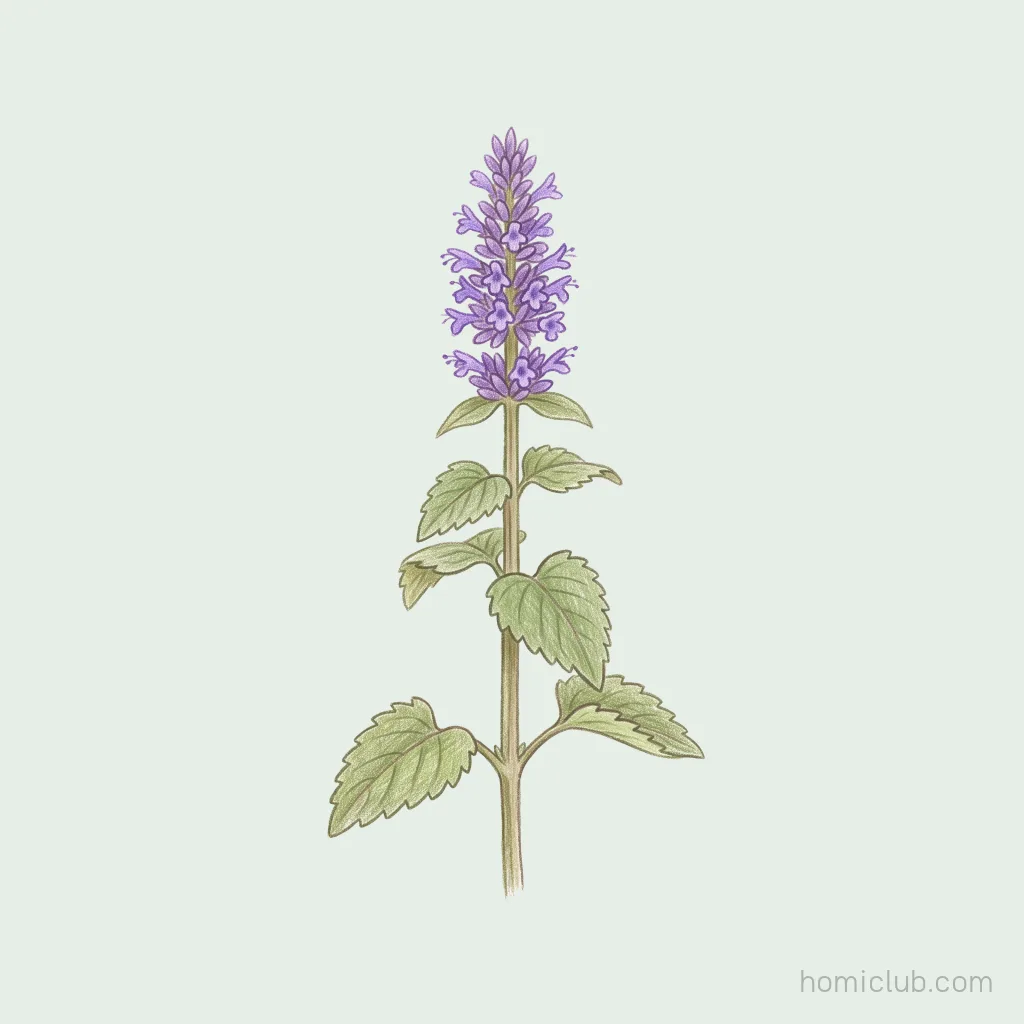
Geumaengja is the hip of a thorny climbing rose. It is shaped like a small pomegranate, prickly and yellow-red, and the plant grows in thickets along hedges and hill skirts. The Donguibogam marked it 【唐】 as an import from China and had it picked while still half ripe.
Original, read line by line 東醫寶鑑 · Tangaek — Decoctions vol. 3
-
性平溫, 味酸澁, 無毒. 療脾泄下利, 止小便利, 澁精氣, 止遺精泄精.
Its nature is neutral and warm, its taste sour and astringent, and it is non-toxic. It addresses biseol (脾泄, spleen diarrhoea) and loose stool, checks frequent urination, astringes jeonggi (精氣, essence qi), and halts yujeong (遺精) and seoljeong (泄精, seminal emission and discharge).
HomiclubGeumaengja is the fruit of a scrambling rose of the rose family. Stiff prickles cover both stem and fruit, and it bears the white flowers known in the West as the Cherokee rose.
-
其子有刺, 黃赤色, 形如小石榴.
Its fruit bears prickles, is yellowish red, and is shaped like a small pomegranate.
-
九月十月半黃熟時採, 紅熟則却失本性. 《本草》
Gather it in the ninth and tenth months when it is half ripened to yellow; once it ripens red it loses its original nature instead. 《Boncho (本草)》
HomiclubPicking it before it ripens and its turning red only after frost sit at odds within the same entry. The two statements come from different cited sources, each giving a different gathering time.
-
叢生於籬落山野間, 類薔薇有刺, 經霜方紅熟. 《日用》
It grows in clumps along hedgerows and among hills and fields, resembles a rose and bears prickles, and only turns red-ripe after passing through frost. 《Ilyong (日用)》
Trees — more entries
This is a cultural and historical record from a classical text, not a claim about any food’s effects. Nothing here is a health supplement or intended to prevent or treat disease. Consult a medical professional about health concerns. · Text: Korean Medicine Classics DB · Reading: Homiclub