
Tangaek — Decoctions · Herbs
白蒺藜 Baekjillyeo (백질려)
Jillyeo is the fruit of the puncture vine, armored with hard three-cornered spines that jab underfoot. The plant trails low over sandy coastal ground. Donguibogam separates the spiny du jillyeo from baek jillyeo, whose seed is shaped like a sheep's kidney, and says to roast the spines off and crush it before use.
Original, read line by line 東醫寶鑑 · Tangaek — Decoctions vol. 2
-
性溫, 味苦辛, 無毒.
Its nature is warm, its taste bitter and pungent, and it is non-toxic.
HomiclubBaekjillyeo is the fruit of namgasae, a low-trailing annual that spreads over coastal sand. The old Korean name in the heading is napgeosae.
-
主諸風, 身體風痒, 頭痛, 及肺痿吐膿. 又治水藏冷小便多, 及奔豚腎氣陰㿉.
It chiefly treats the various winds, wind itching of the body, headache, and lung wilting with expectoration of pus. It also treats frequent urination from cold in the water viscus, and bundon (奔豚, running piglet qi), kidney qi disorder, and swelling of the genitals.
-
生原野, 布地蔓生細葉, 子有三角刺人, 狀如菱而小.
It grows in open country, trailing flat along the ground with fine leaves; its fruit bears three-cornered spines that prick, shaped like a water-caltrop fruit but smaller.
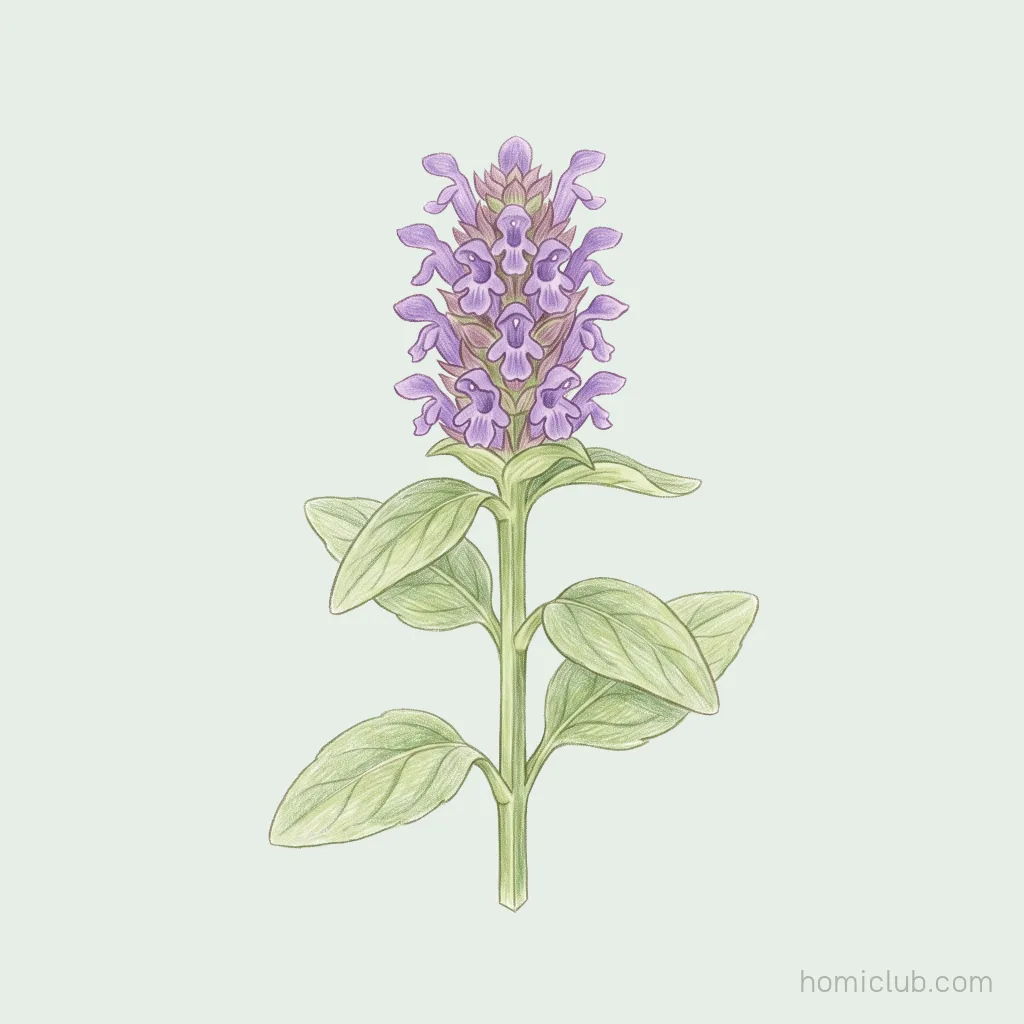
HomiclubThe namgasae fruit carries hard three-cornered spines pointing upward that drive deep into a bare foot. The same trait earned it the name "devil's thorn" in the West, and its leaves are divided into small leaflets paired like a feather.
-
七月八月九月採實, 暴乾.
Gather the fruits in the seventh, eighth, and ninth months and dry them in the sun.
-
蒺藜有兩種. 杜蒺藜, 卽子有芒刺者, 風家多用之.
There are two kinds of jillyeo. Dujillyeo (杜蒺藜) is the one whose fruit bears awn-like spines, and those who treat wind disorders use it much.
-
白蒺藜, 出同州沙苑, 子如羊內腎, 入補腎藥.
Baekjillyeo (白蒺藜) comes from Sawon in Dongju; its seeds are like a sheep's kidney, and it goes into medicines that supplement the sin (腎, kidney).
-
今多用有刺者, 炒去刺, 搗碎用之. 《本草》
Nowadays the spined kind is mostly used; roast it to remove the spines, then pound it broken for use. 《Boncho (本草)》
Herbs — more entries
This is a cultural and historical record from a classical text, not a claim about any food’s effects. Nothing here is a health supplement or intended to prevent or treat disease. Consult a medical professional about health concerns. · Text: Korean Medicine Classics DB · Reading: Homiclub