
Tangaek — Decoctions · Trees
葉 Dangnamu Ip (닥나무 잎)
Leaf (葉)
This entry covers the leaf of the paper mulberry tree (dangnamu), and appears as a short supplement to the preceding entry on the tree's fruit, jeosil (楮實).
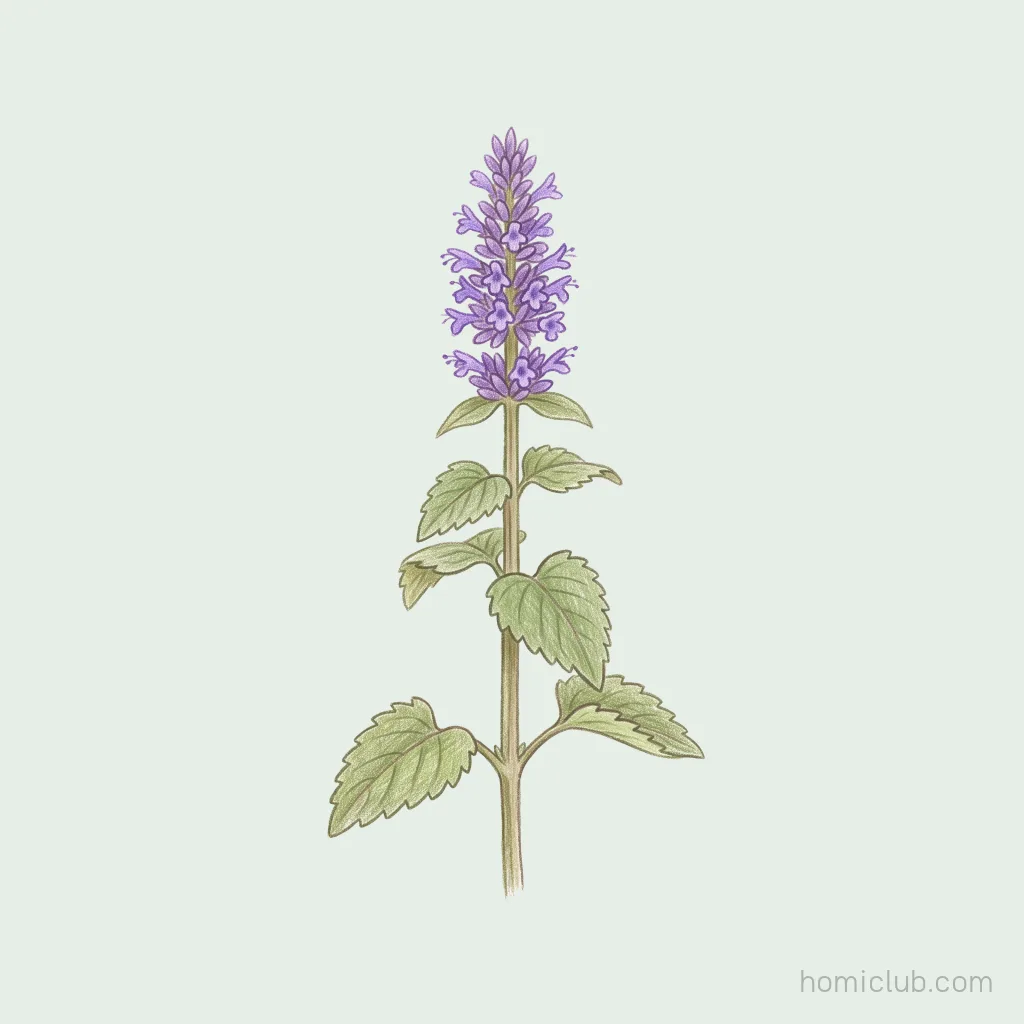
The paper mulberry is a shrub in the mulberry family (Moraceae). Its leaves grow alternately along the branch and have finely toothed edges; curiously, a single tree bears a mix of deeply lobed and unlobed leaves.
The original text records only one use for the leaf: it can be boiled to prepare bathwater. Unlike many entries in the Dongui Bogam, this brief supplement does not specify the leaf's nature and flavor (seongjil and mat — the traditional classification of a medicinal substance as warming or cooling, and by taste) or the organs it acts upon.
Today, the paper mulberry is far better known for its bark than its leaves: the inner bark is stripped and used to make hanji, traditional Korean handmade paper.
Original, read line by line 東醫寶鑑 · Tangaek — Decoctions vol. 3
-
主刺風身痒惡瘡. 生肌.
It governs japung (刺風, stabbing wind), itching of the body, and akchang (惡瘡, malignant sores). It generates flesh.
HomiclubPaper mulberry leaves grow alternately with fine teeth along the margin, and a white milky sap seeps out when leaf or stem is cut, a trait shared across the mulberry family.
-
可作浴湯. 《本草》
It can be made into a bath decoction. 《Boncho (本草)》
Trees — more entries
This is a cultural and historical record from a classical text, not a claim about any food’s effects. Nothing here is a health supplement or intended to prevent or treat disease. Consult a medical professional about health concerns. · Text: Korean Medicine Classics DB · Reading: Homiclub