
Tangaek — Decoctions · Herbs
羌活 Ganghori (강호리)
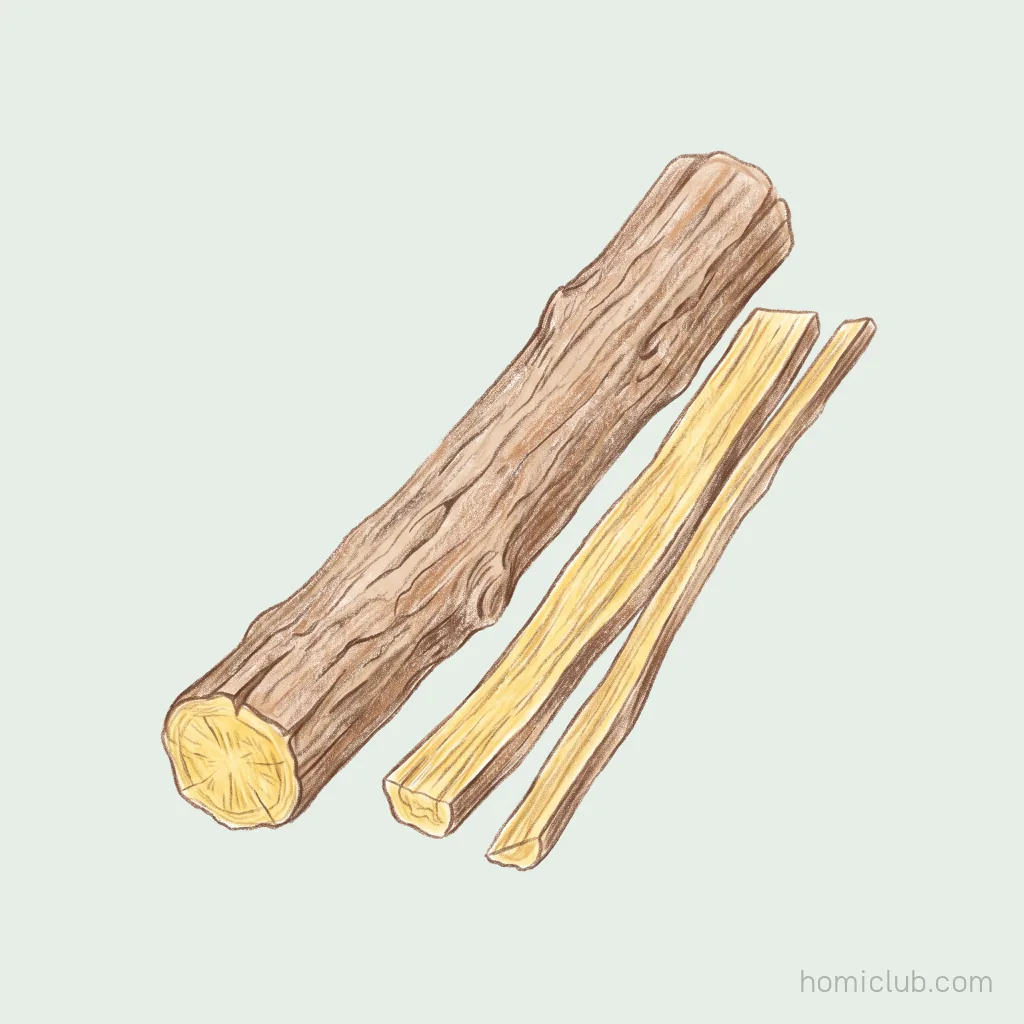
Ganghwal is the root of an umbellifer perennial, known in older Korean as 'ganghori'. It closely resembles dokhwal, the related udo root, so the two are habitually paired and still sit side by side in herb markets. The Donguibogam noted that in Korea both grew only in Gangwon Province.
Original, read line by line 東醫寶鑑 · Tangaek — Decoctions vol. 2
-
性微溫, 味苦辛, 無毒. 主治, 與獨活大同小異. 《本草》
Its nature is slightly warm, its taste bitter and pungent, and it is non-toxic. What it chiefly treats is largely the same as dokhwal, with small differences. 《Boncho (本草)》
HomiclubGanghwal is the root of a perennial in the carrot family; the old Korean name in the heading is ganghori. It belongs to a different family from dokhwal, which is in the ginseng family, but the two roots look alike, so the old texts always paired them — as herbal markets still do.
-
羌活, 乃手足太陽ㆍ足厥陰少陰, 表裏引經之藥也.
Ganghwal is a medicine that leads the channels — hand and foot taeyang, foot gworeum and foot soeum — through both exterior and interior.
-
撥亂反正之主, 大無不通, 小無不入. 故一身百節痛, 非此不能治. 《入門》
It is the master that clears disorder and restores what is upright: there is no large place it does not reach, no small place it does not enter. Therefore pain in every joint of the whole body cannot be treated without it. 《Immun (入門)》
-
羌活氣雄, 故入足太陽, 獨活氣細, 故入足少陰. 俱是治風, 而有表裏之殊. 《湯液》
Ganghwal has bold qi and so enters the foot taeyang channel; dokhwal has fine qi and so enters the foot soeum channel. Both treat wind, but they differ as exterior and interior. 《Tangaek (湯液)》
-
我國, 惟江原道, 獨活羌活俱産焉. 《俗方》
In our country, only in Gangwon Province do both dokhwal and ganghwal grow. 《Sokbang (俗方)》
HomiclubThe mountains of Gangwon remain the main ganghwal-growing region, with field cultivation around Pyeongchang and Jeongseon. That fits the plant's preference for cool, well-drained high ground.
Herbs — more entries
This is a cultural and historical record from a classical text, not a claim about any food’s effects. Nothing here is a health supplement or intended to prevent or treat disease. Consult a medical professional about health concerns. · Text: Korean Medicine Classics DB · Reading: Homiclub