
Tangaek — Decoctions · Herbs
牛膝 Ox knee
 Related Crop · Ox knee →
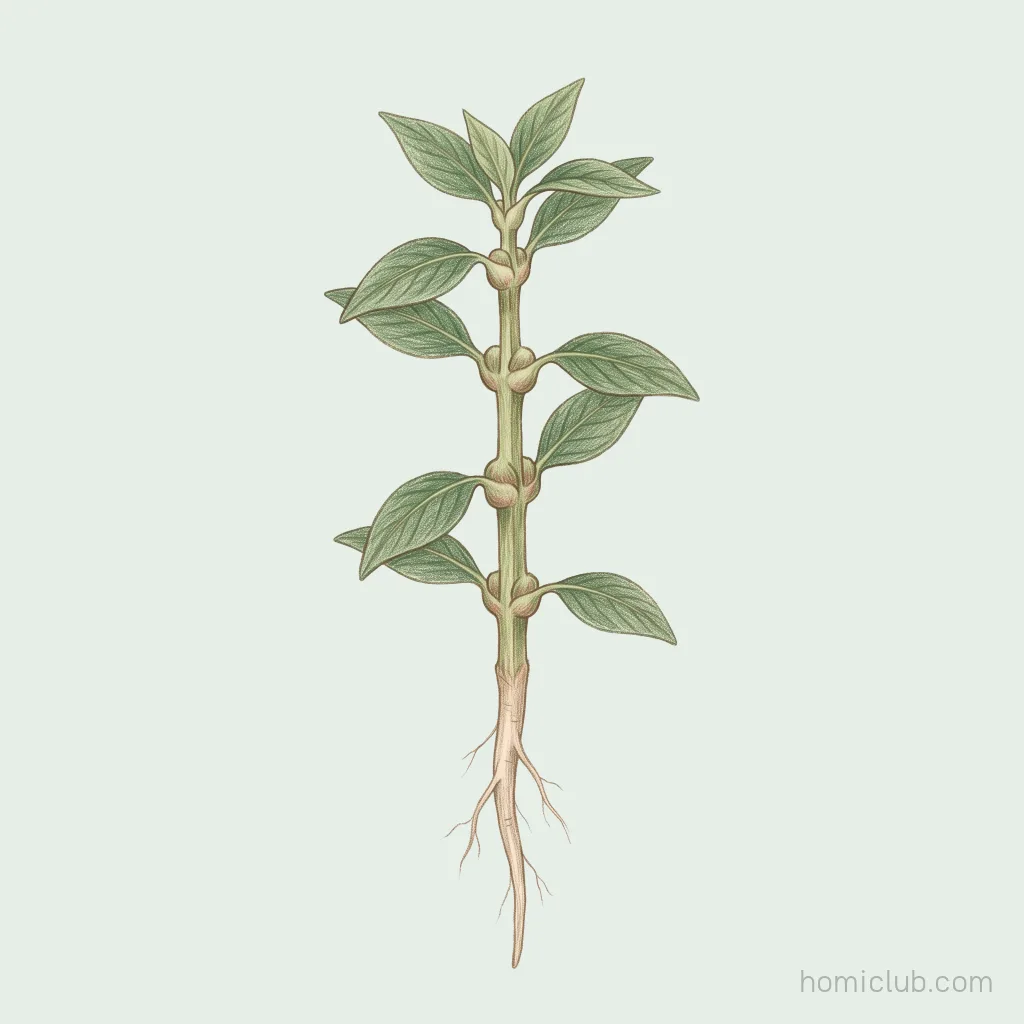
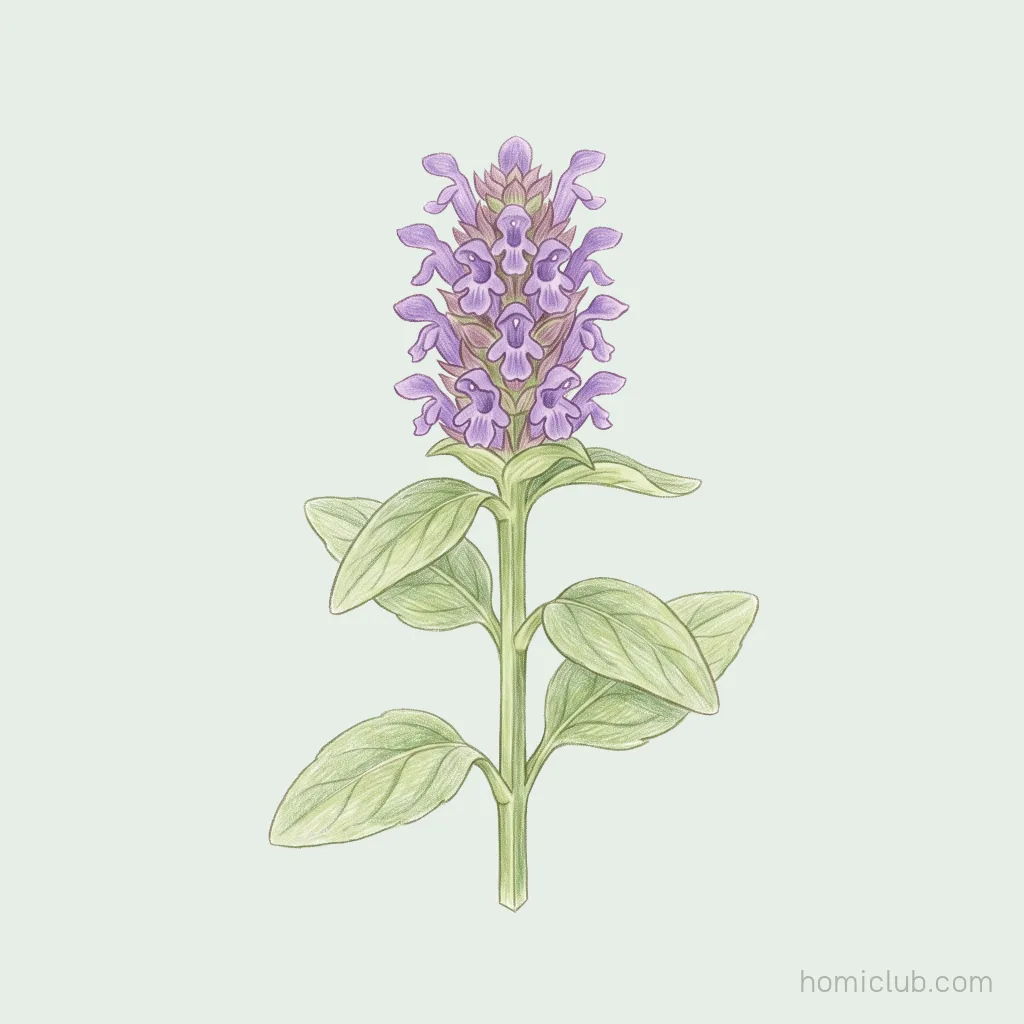
Useul is the root of soemureup, a perennial in the amaranth family. The old Korean name comes from its swollen stem joints, which look like an ox's knee. Also called baekbae, it was judged best when the root ran long, thick, and glossy.
Original, read line by line 東醫寶鑑 · Tangaek — Decoctions vol. 2
-
性平, 味苦酸, 無毒.
Its nature is neutral, its taste bitter and sour, and it is non-toxic.
HomiclubUseul is the root of soemureup, a perennial in the amaranth family. It is common along paths and hill slopes, and its autumn fruits cling readily to clothing, making it one of the plants that spread their seeds by hitching a ride on passers-by.
-
主寒濕痿痺, 膝痛不可屈伸, 男子陰消, 老人失尿.
It chiefly treats wilting and impediment disorders from cold and damp, knee pain that prevents bending and stretching, wasting of the male genitals, and incontinence of urine in the elderly.
-
塡骨髓, 利陰氣, 止髮白, 起陰痿, 療腰脊痛, 墮胎, 通月經.
It fills the marrow, frees the eum (陰) qi, halts the whitening of the hair, raises impotence, treats pain in the lower back and spine, brings down a fetus, and opens the menses.
-
處處有之, 有節如鶴膝, 又如牛膝狀, 以此名之.
It is found everywhere; it has joints like a crane's knee, and also resembles an ox's knee, and from this it takes its name.
HomiclubThe Korean name soemureup, "ox knee," comes from the same observation. The swollen, knobby stem nodes that resemble an ox's knee are the easiest way to recognize this plant.
-
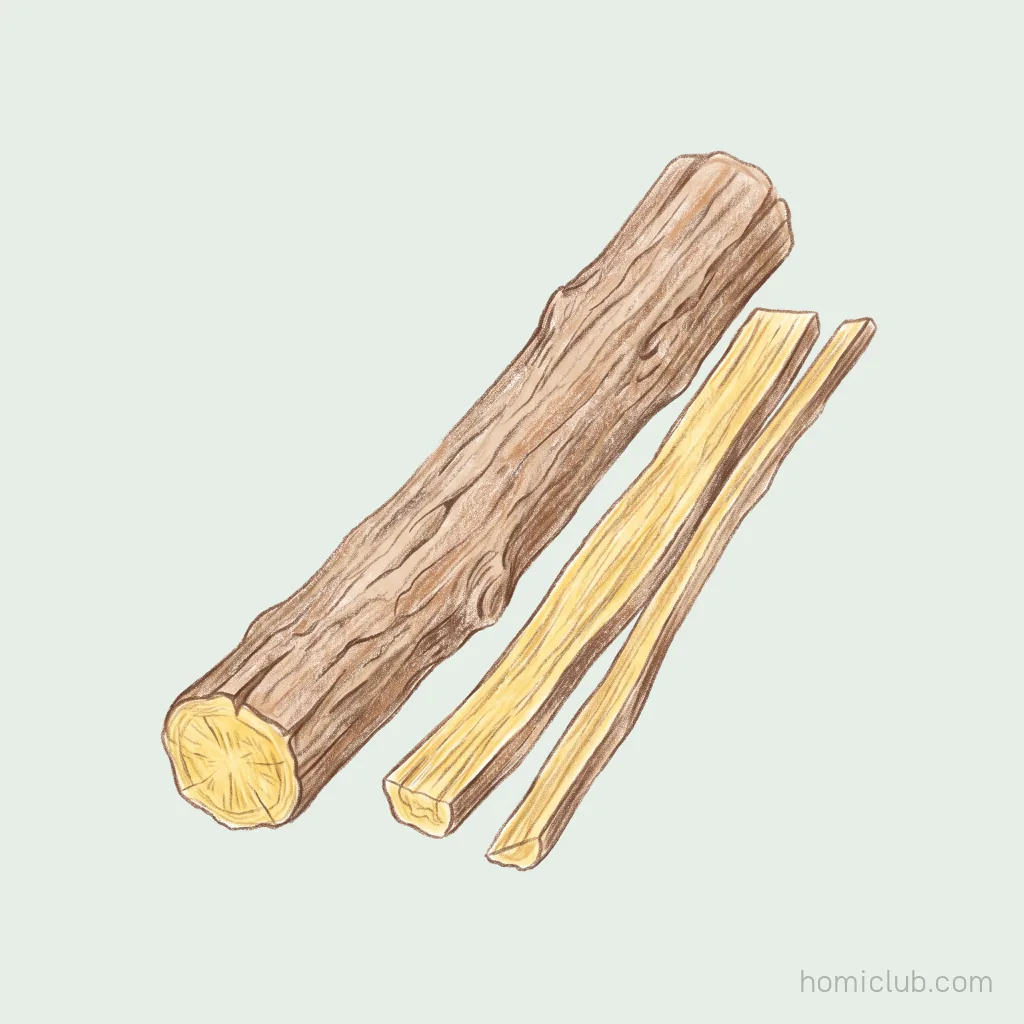
一名百倍, 以長大而柔潤者佳. 二月八月十月採根, 陰乾. 《本草》
One of its names is baekbae (百倍, hundredfold); long, large, soft, and glossy roots are the good ones. Dig the roots in the second, eighth, and tenth months and dry them in the shade. 《Boncho (本草)》
-
助十二經脉, 活血生血之劑也. 引諸藥, 下行于腰腿, 酒洗用之. 《入門》
It aids the twelve channels and is an agent that quickens and engenders blood. It leads other medicines downward to the waist and legs; wash it with wine before use. 《Immun (入門)》
Related Crop
Ox knee →
Reading on Ox knee
Herbs — more entries
This is a cultural and historical record from a classical text, not a claim about any food’s effects. Nothing here is a health supplement or intended to prevent or treat disease. Consult a medical professional about health concerns. · Text: Korean Medicine Classics DB · Reading: Homiclub