
Tangaek — Decoctions · Herbs
實 Neosam Ssi (너삼 씨)

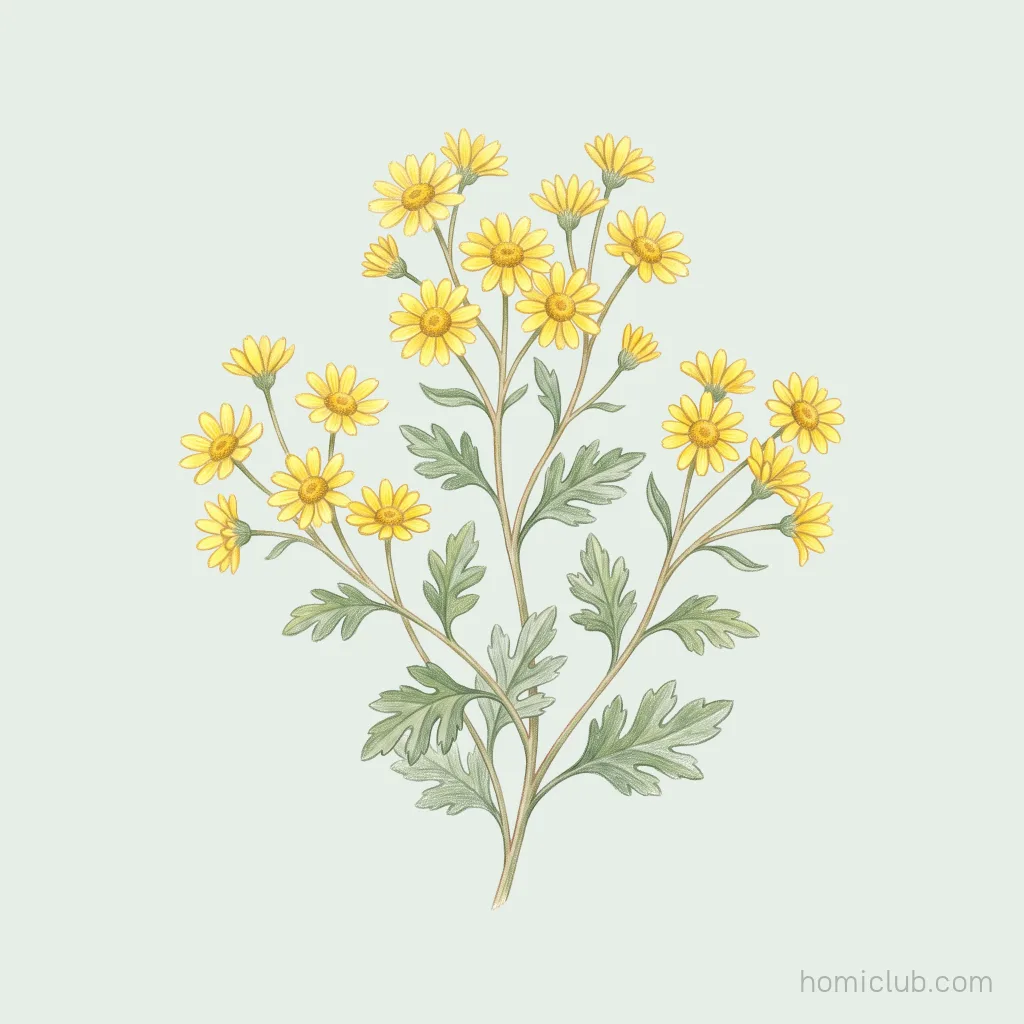
Neosam seed is the seed of gosam (Sophora flavescens), a perennial of the legume family. Gosam grows on sunny slopes in the hills and fields, and its root is intensely bitter, which is why the character go (苦, bitter) is in its name; in Korean it was called neosam. The original says the seeds are gathered in the tenth month and taken in the same way as pagoda-tree seeds. As befits a legume, the seeds sit in a row inside a pod that narrows between each one.
Original, read line by line 東醫寶鑑 · Tangaek — Decoctions vol. 3
-
以十月, 收其子, 餌如槐子法.
In the tenth month gather its seeds and take them in the same manner as the seeds of the pagoda tree.
HomiclubNeosam, known today as gosam (Sophora flavescens), is a leguminous perennial of sunny hillsides and open ground in Korea. Its pods are constricted between the seeds like a string of beads, with the seeds set in a row inside. The method for sophora tree seeds is given in the entry on goesil (槐實) in the wood section of the same book: the seeds and pods, picked early in the tenth lunar month, are put in a new earthenware jar and moistened with ox bile, and the mouth is sealed with clay for a hundred days before they are taken out.
-
久服, 輕身不老, 明目, 有驗. 《本草》
Taken over a long time it lightens the body, staves off ageing, and brightens the eyes, with proven effect. 《Boncho (本草)》
Herbs — more entries
This is a cultural and historical record from a classical text, not a claim about any food’s effects. Nothing here is a health supplement or intended to prevent or treat disease. Consult a medical professional about health concerns. · Text: Korean Medicine Classics DB, collated with the Jangseogak copy of the 1613 wooden movable-type edition · Reading: Homiclub