
Tangaek — Decoctions · Herbs
香蒲 Cattail
 Related Crop · Cattail →
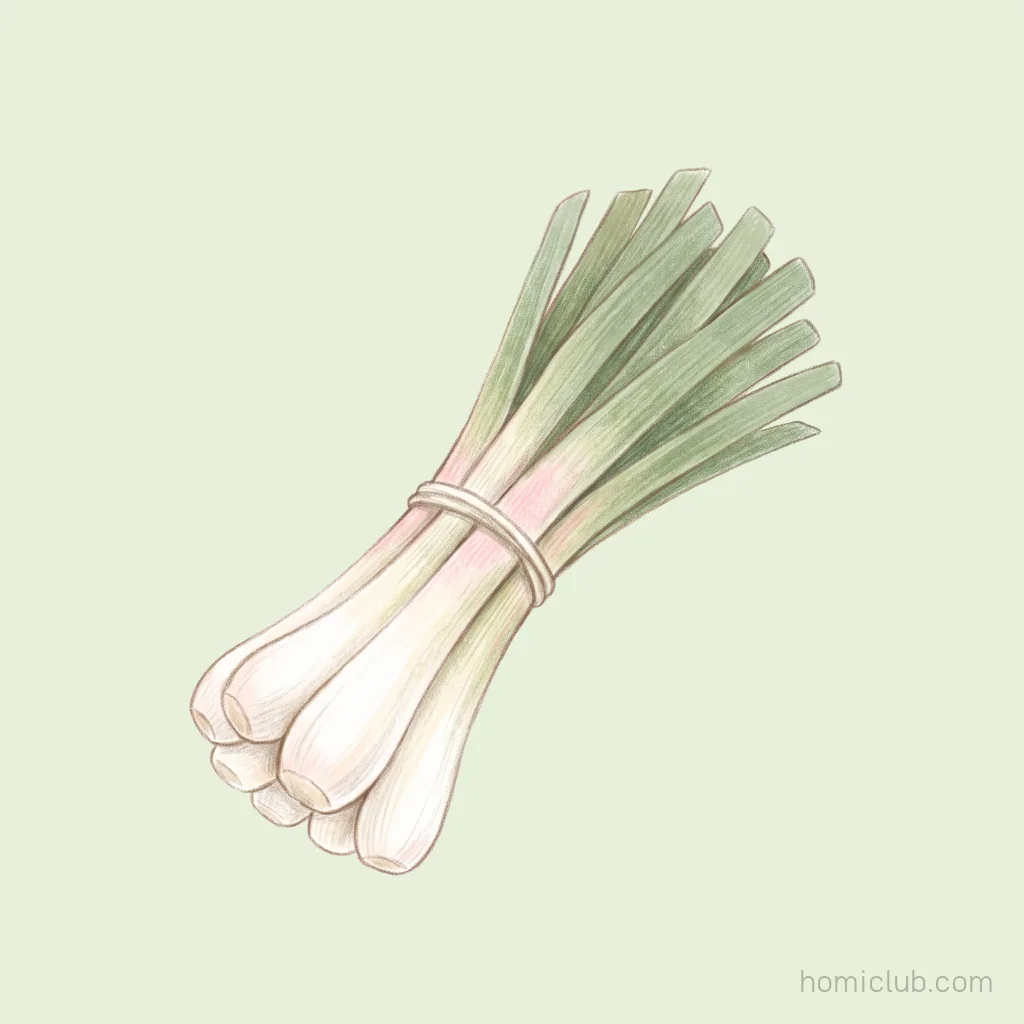
Hyangpo is the young shoot of cattail, the same plant whose pollen is pohwang (蒲黃). The text identifies it as the gampo woven into mats, and describes the early spring shoots as red and white, sweet and crisp, steeped in vinegar and eaten like bamboo shoots or salted and pickled.
Original, read line by line 東醫寶鑑 · Tangaek — Decoctions vol. 2
-
卽蒲黃苗也. 主五藏邪氣, 口中爛臭. 堅齒, 明目, 聰耳.
It is the shoot of the same cattail that yields pohwang. It chiefly addresses evil qi of the ojang (五藏, five viscera) and a foul, ulcerated mouth. It firms the teeth, brightens the eyes, and sharpens the hearing.
HomiclubHyangpo is the tender shoot of the cattail, the very plant that yields the pollen called pohwang. It refers to the pale base that pushes up at the waterside in early spring.
-
此卽甘蒲作薦者. 春初生嫩茸, 紅白色, 生啖之甘脆.
This is the same gampo (甘蒲, sweet cattail) from which mats are woven. In early spring it puts up tender shoots, red and white in color, sweet and crisp when eaten raw.
HomiclubWeaving mats and cushions from cattail leaves is an old household craft, and the leaves are still used in handicraft today. They are long, flat, and tough enough to plait.
-
以苦酒浸如食笋, 大美, 可爲鮓或爲葅. 《本草》
Steeped in vinegar and eaten as one eats bamboo shoots it is very fine, and it can be made into ja (鮓, salted ferment) or jeo (葅, pickle). 《Boncho (本草)》
Related Crop
Cattail →
Herbs — more entries
This is a cultural and historical record from a classical text, not a claim about any food’s effects. Nothing here is a health supplement or intended to prevent or treat disease. Consult a medical professional about health concerns. · Text: Korean Medicine Classics DB · Reading: Homiclub