
Tangaek — Decoctions · Herbs
附子 Buja (부자)
Buja is the tuber of a monkshood that grows off to the side of the main root like a small taro corm. Odu, cheonung, and cheukja come from the same plant, told apart by where and how they form. The Dongui Bogam calls it strongly poisonous and insists it be roasted and stripped of skin and navel before use.
Original, read line by line 東醫寶鑑 · Tangaek — Decoctions vol. 3
-
性大熱, 味辛甘, 有大毒. 補三焦厥逆, 六府寒冷, 寒濕, 痿躄, 墮胎, 爲百藥長.
Its nature is greatly hot, its taste pungent and sweet, and it carries great toxicity. It supplements reversal cold of the three burners, addresses cold in the six bowels, cold damp, and withering paralysis of the legs, and drops the foetus; it is the chief of the hundred medicines.
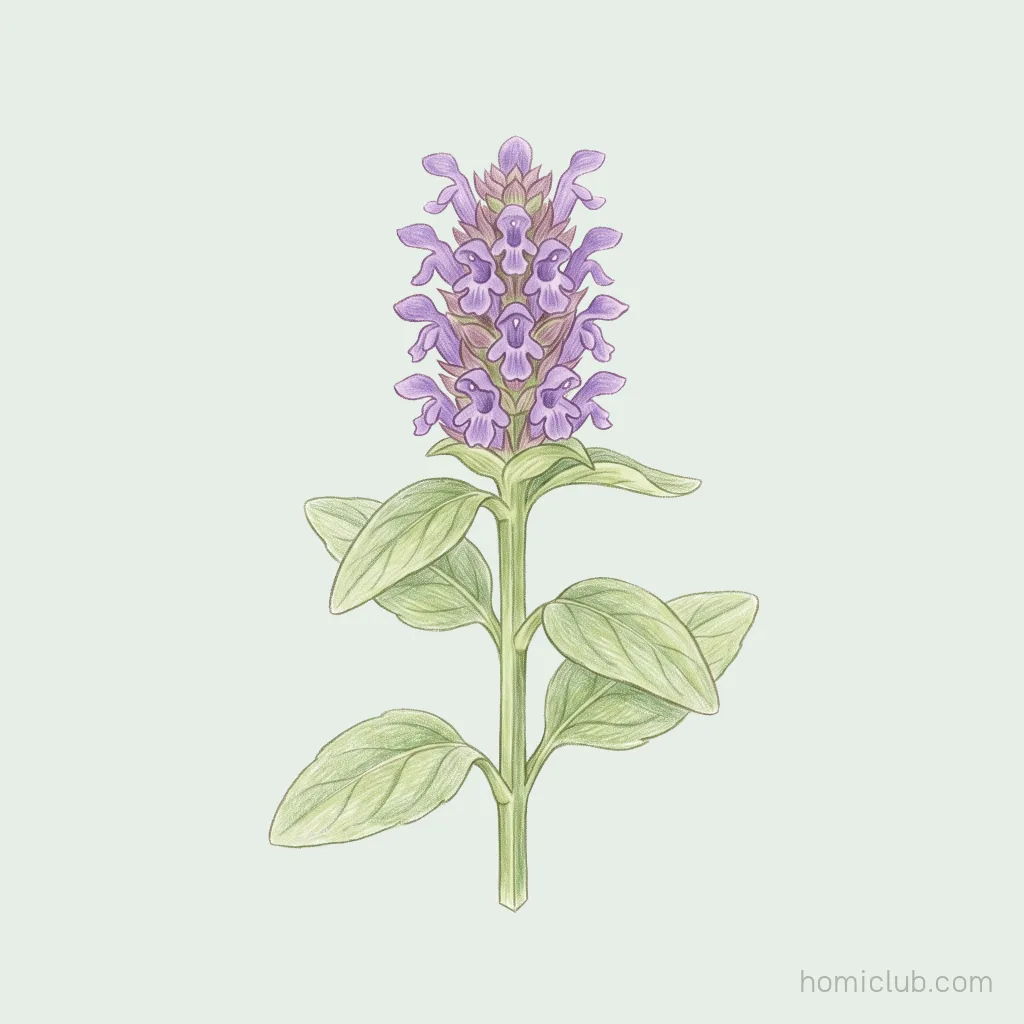
HomiclubBuja is the daughter tuber that grows attached to the side of an aconite root like a taro corm. The monkshood found on Korean mountains belongs to the same genus, and as the text itself states, it carries great toxicity and is not a plant to handle casually.
-
烏頭ㆍ烏喙ㆍ天雄ㆍ附子ㆍ側子, 皆一物也.
Odu (烏頭), ohwe (烏喙), cheonung (天雄), buja (附子), and cheukja (側子) are all one and the same thing.
-
形似烏頭者爲烏頭, 兩岐者爲烏喙, 細長至三四寸者爲天雄, 根傍如芋散生者爲附子, 傍連生者爲側子, 五物同出而異名也. 《本草》
What is shaped like a crow's head is odu; what forks in two is ohwe; what is slender and long, reaching three or four chi, is cheonung; what grows scattered beside the root like taro is buja; and what grows joined to its side is cheukja: five things issuing from one source under different names. 《Boncho (本草)》
HomiclubThis passage explains how one root yields five names according to where and how each part grows, and it is why the Donguibogam gives odu and cheonung their own separate entries.
-
附子小者力弱, 大者性惡, 五錢重者佳. 《丹心》
A small buja is weak in force and a large one is harsh in nature; one weighing five don is good. 《Dansim (丹心)》
-
古方用大附子重一兩者, 取其力大. 凡用須炮令裂, 去皮臍使之. 《丹心》
Old prescriptions used a large buja weighing one nyang, taking advantage of its greater force. Whenever it is used it must be roasted until it splits, and the skin and navel removed. 《Dansim (丹心)》
-
有用童便浸煮, 以助下行.
There is also a method of steeping and boiling it in dongbyeon (童便, a boy's urine) to aid its downward action.
-
本手少陽命門及三焦藥也. 通行諸經, 浮中沈無所不至. 《入門》
It is fundamentally a medicine of the hand soyang myeongmun (命門, life gate) and the three burners. It travels through all the channels, reaching everywhere, floating, middle, and sunken alike. 《Immun (入門)》
-
甘草ㆍ人參ㆍ生薑相配, 正制其毒也. 《入門》
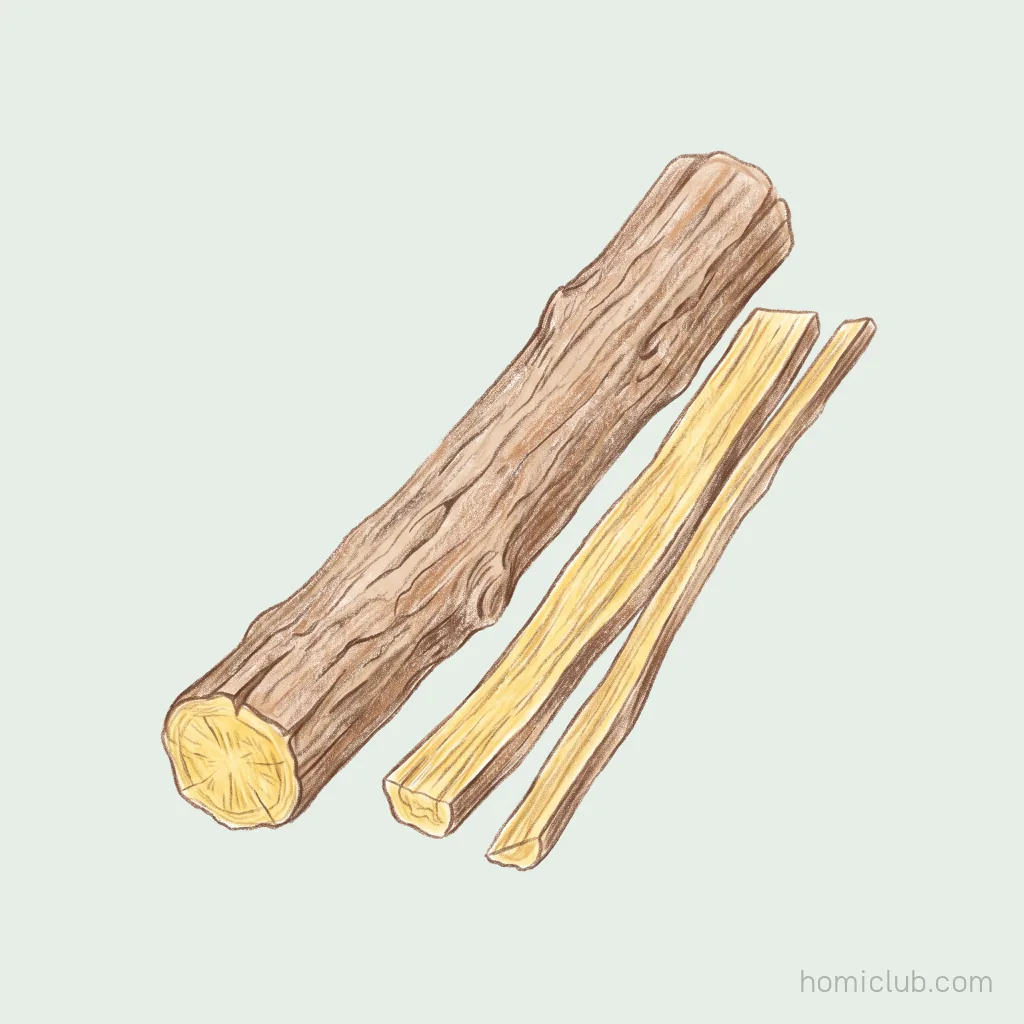
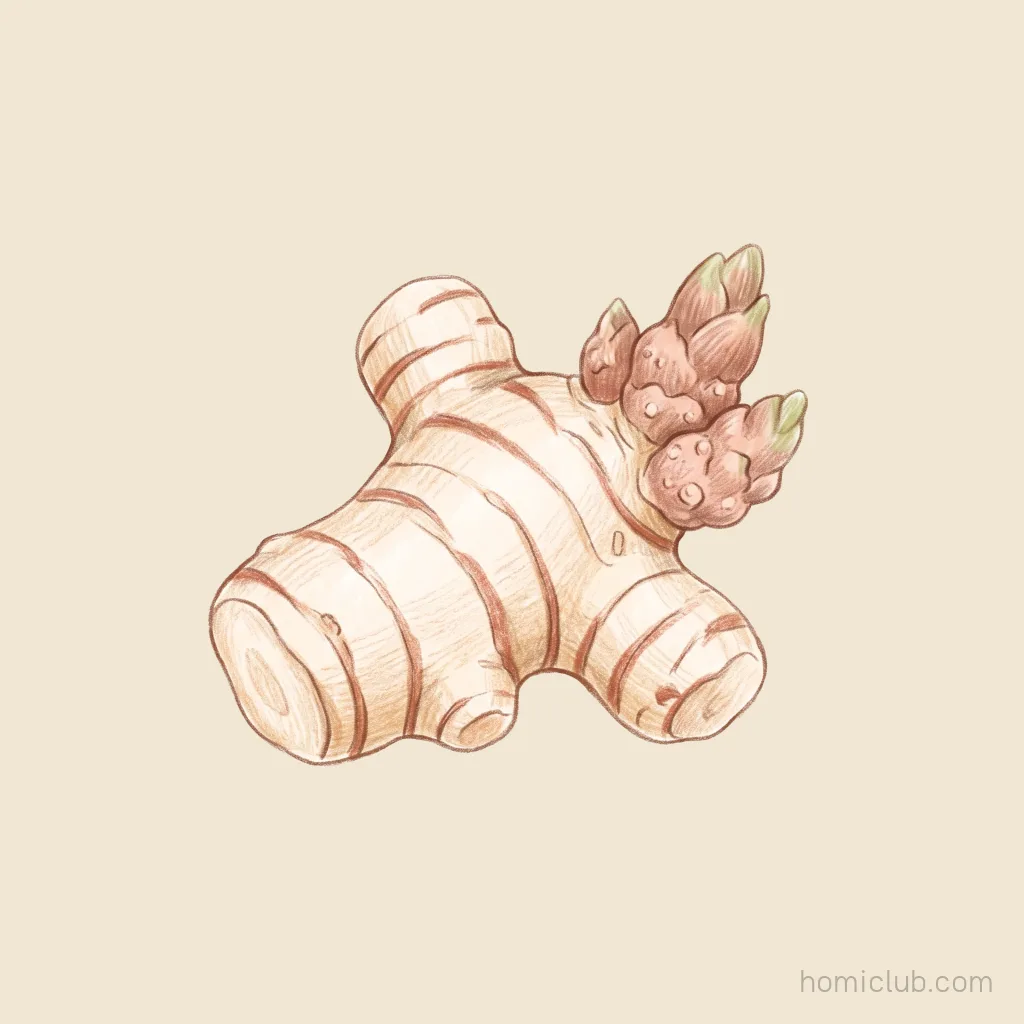
Pairing it with gamcho (甘草, licorice), insam (人參, ginseng), and fresh ginger properly restrains its toxicity. 《Immun (入門)》
Herbs — more entries
This is a cultural and historical record from a classical text, not a claim about any food’s effects. Nothing here is a health supplement or intended to prevent or treat disease. Consult a medical professional about health concerns. · Text: Korean Medicine Classics DB · Reading: Homiclub