
Tangaek — Decoctions · Herbs
款冬花 Gwandonghwa (관동화)
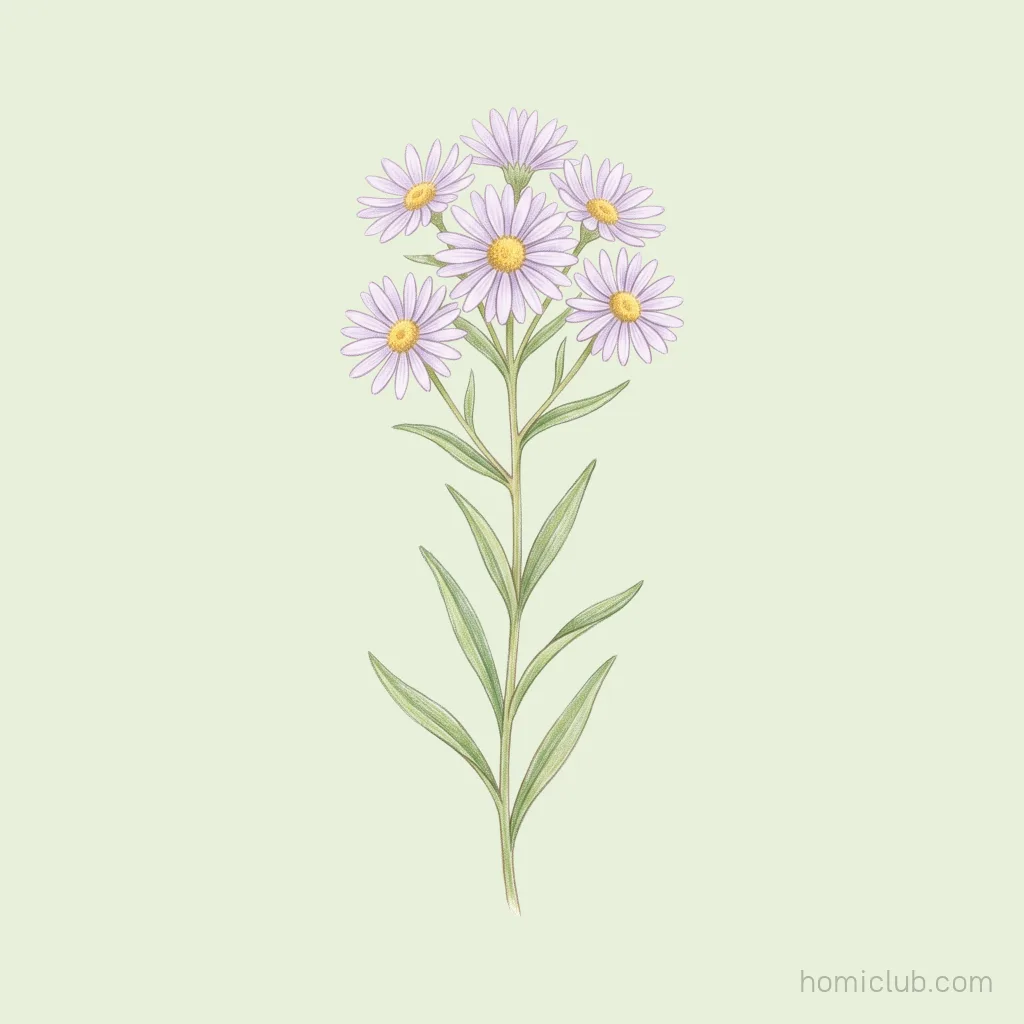
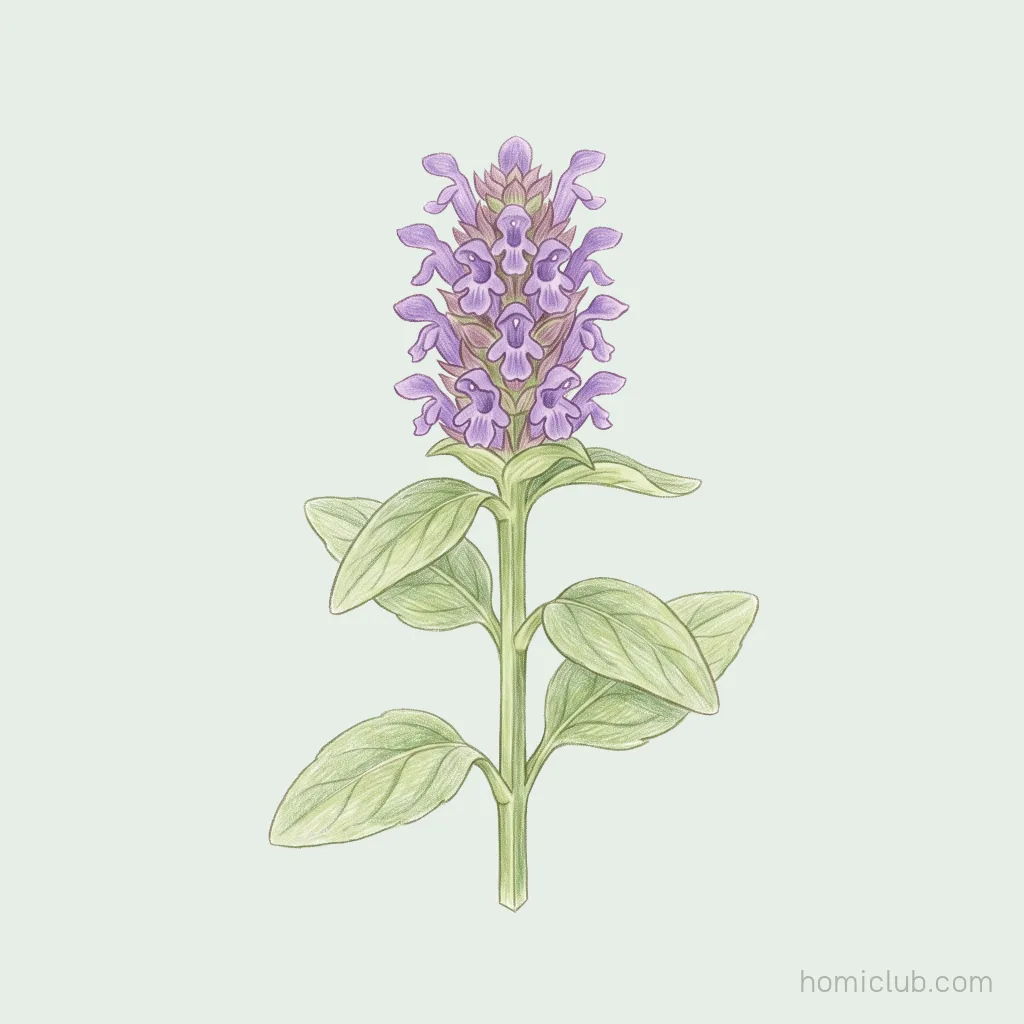
Gwandonghwa is the unopened flower bud of coltsfoot. Alone among plants it pushes a purple-red bloom up through ice and snow in the eleventh and twelfth months, and that is where the name comes from. An older classic placed it in Korea; a Korean note in Donguibogam replies that it is no longer found there.
Original, read line by line 東醫寶鑑 · Tangaek — Decoctions vol. 3
-
性溫, 味辛甘, 無毒. 潤肺消痰, 止咳嗽. 治肺痿, 肺癰吐膿血, 除煩補勞.
Its nature is warm; its taste is pungent and sweet, and it is non-toxic. It moistens the lung, dissolves phlegm, and stops coughing. It treats pyewi and pyeong (肺癰, lung abscess) with vomiting of pus and blood, removes vexation, and supplements taxation.
HomiclubGwandonghwa is the flower bud of a composite-family herb, Tussilago farfara. Its flowering stalk rises in very early spring before any leaf appears; in the West the plant is called coltsfoot.
-
根紫色, 莖靑紫, 葉似萆薢. 十一月十二月雪中出花, 紫赤色.
The root is purple, the stem blue-purple, and the leaves resemble those of bihae (萆薢). In the eleventh and twelfth months the flowers come up through the snow, purplish red in colour.
-
百草中, 惟此不顧氷雪, 最先春氷雪中, 亦生花. 十一月採花, 陰乾. 或云, 正月旦採之. 花半開者, 良, 如已芬芳則都無力. 《本草》
Among all the herbs, this alone pays no heed to ice and snow, and ahead of spring it blooms even amid ice and snow. Pick the flowers in the eleventh month and dry them in the shade. Some say to pick them on the first day of the first month. Flowers half open are the good ones; once they are already giving off fragrance they have no strength at all. 《Boncho (本草)》
HomiclubThe instruction to select half-opened buds matches the modern standard for flower-bud drugs. Fully opened flowers were not used.
-
一名顆冬, 治嗽之最要者也. 去枝用. 《入門》
It is also called gwadong (顆冬), and is the most essential thing for treating cough. Remove the stalks before use. 《Immun (入門)》
-
本經云, 生我國, 今無之. 《俗方》
The Bongyeong (本經) says it grows in this country, but today there is none. 《Sokbang (俗方)》
HomiclubThe Sokbang passages record conditions specific to Korea. Here the compiler leaves standing the discrepancy between the older record and what was actually available in his own day.
Herbs — more entries
This is a cultural and historical record from a classical text, not a claim about any food’s effects. Nothing here is a health supplement or intended to prevent or treat disease. Consult a medical professional about health concerns. · Text: Korean Medicine Classics DB · Reading: Homiclub