
Tangaek — Decoctions · Trees
雷丸 Noehwan Gyundeongi (뇌환 균덩이)
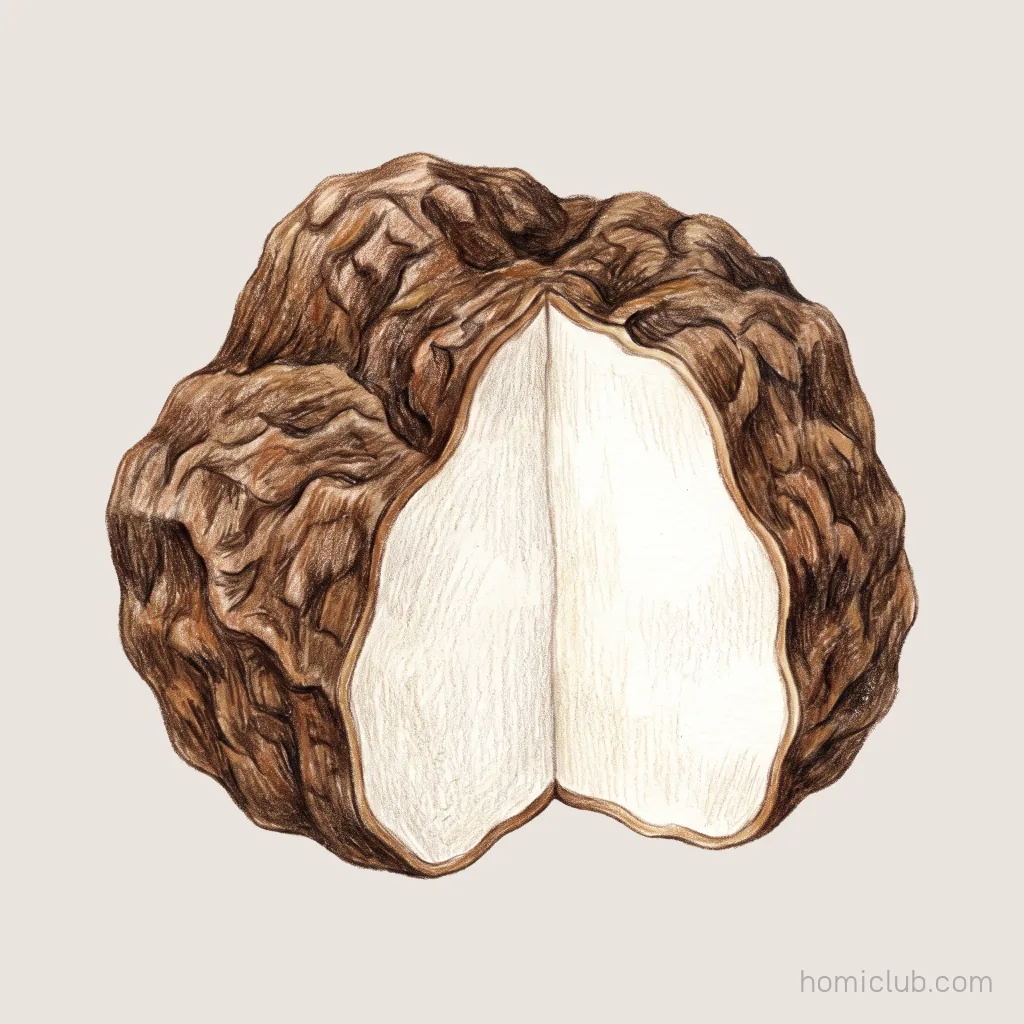
Noehwan is a fungal body forming at bamboo roots, described as 'the bokryeong of bamboo.' White ones were rated best; they were steeped in vinegar, roasted, peeled of black skin, and dried over a low flame. The 【唐】 tag marks it as brought in from China.
Original, read line by line 東醫寶鑑 · Tangaek — Decoctions vol. 3
-
性寒, 味苦醎, 有小毒.
Its nature is cold, its taste bitter and salty, and it carries slight toxicity.
HomiclubNoehwan is a hard fungal mass that forms underground around bamboo roots. As the text calls it the ryeong (苓) of bamboo, it grows in a lump like bokryeong, dark on the outside and white within.
-
殺三蟲及寸白蟲, 去蠱毒, 竹之苓也.
It kills the samchung (三蟲, three worms) and the tapeworm and removes godok (蠱毒, gu poisoning); it is the ryeong (苓) of bamboo.
-
色白者善. 醋浸炮, 去黑皮, 焙用. 《入門》
Those white in color are the better ones. Steep them in vinegar, roast them, strip off the black skin, and dry them over a low fire before use. 《Immun (入門)》
Trees — more entries
This is a cultural and historical record from a classical text, not a claim about any food’s effects. Nothing here is a health supplement or intended to prevent or treat disease. Consult a medical professional about health concerns. · Text: Korean Medicine Classics DB · Reading: Homiclub