
Tangaek — Decoctions · Herbs
零陵香 Yeongneunghyang (영릉향)
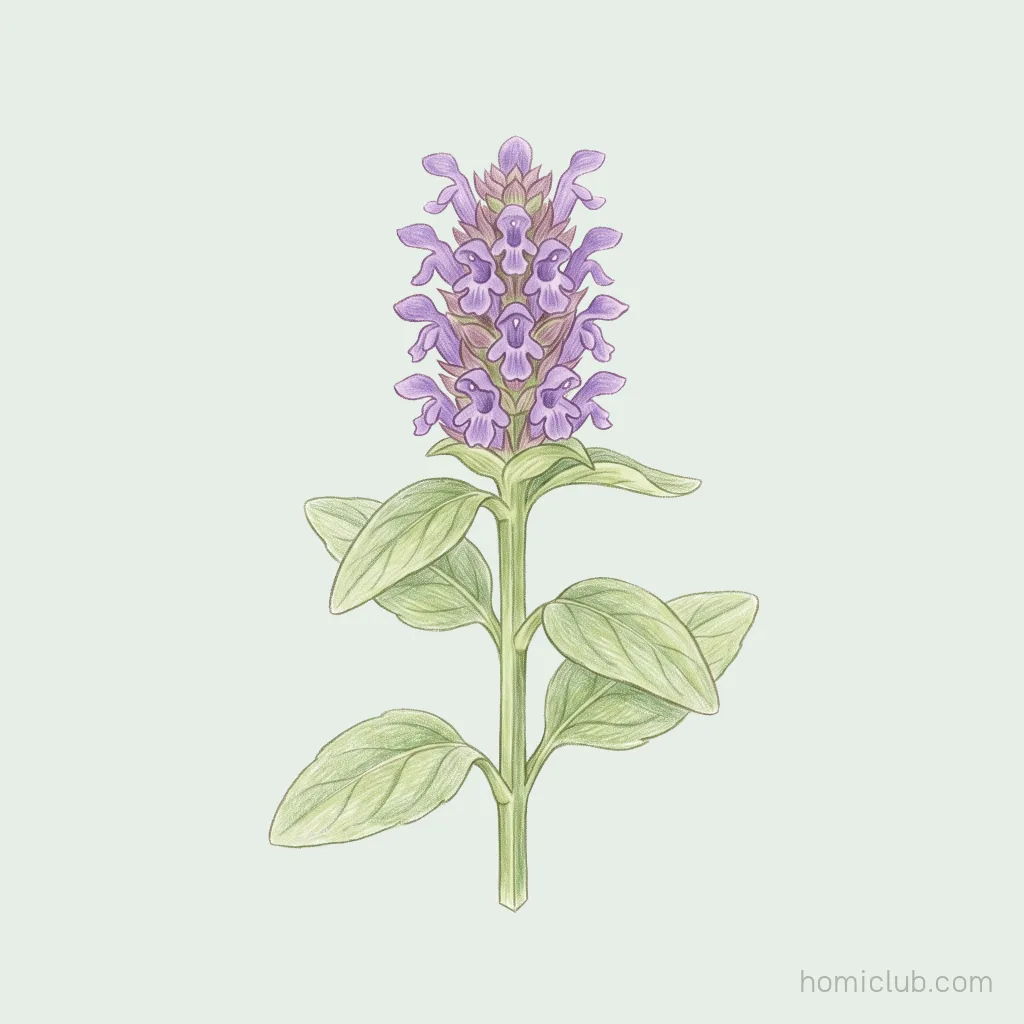
Yeongneunghyang is a fragrant herb with hemp-like leaves on a squared stem. Its stem and leaf were called hye and its root hun, and the book likens its scent to that of mimu. Dongui Bogam marks it 【唐】 yet adds that in Korea it grows only on Jeju and is hard to come by.
Original, read line by line 東醫寶鑑 · Tangaek — Decoctions vol. 3
-
性平一云溫, 味甘一云辛, 無毒. 主惡氣疰心腹痛, 令體香.
Its nature is neutral, though one account calls it warm; its taste is sweet, though one account calls it pungent; and it is non-toxic. It governs pain in the chest and abdomen from malign qi lodging within, and makes the body fragrant.
HomiclubYeongneunghyang is a dried aromatic herb whose leaves resemble hemp and whose stem is square in section. As the line about making the body fragrant suggests, it was handled more often as an incense material than as a medicine.
-
麻葉方莖, 氣如蘼蕪. 其莖葉謂之蕙, 其根謂之薰, 得酒良. 三月採. 《本草》
Its leaves are like hemp leaves, its stem square, and its scent like that of mimu (蘼蕪). Its stem and leaves are called hye (蕙) and its root is called hun (薰); it fares well with liquor. It is gathered in the third month. 《Boncho (本草)》
-
我國惟濟州有之, 然難得. 《俗方》
In this country it is found only on Jeju, yet it is hard to obtain. 《Sokbang (俗方)》
HomiclubAs the text's mention of Jeju alone suggests, this plant barely held on in Korea's warm southern islands, and it is still seldom encountered in the wild here.
Herbs — more entries
This is a cultural and historical record from a classical text, not a claim about any food’s effects. Nothing here is a health supplement or intended to prevent or treat disease. Consult a medical professional about health concerns. · Text: Korean Medicine Classics DB · Reading: Homiclub