
Tangaek — Decoctions · Herbs
甘菊花 Gamguk (Indian Chrysanthemum)
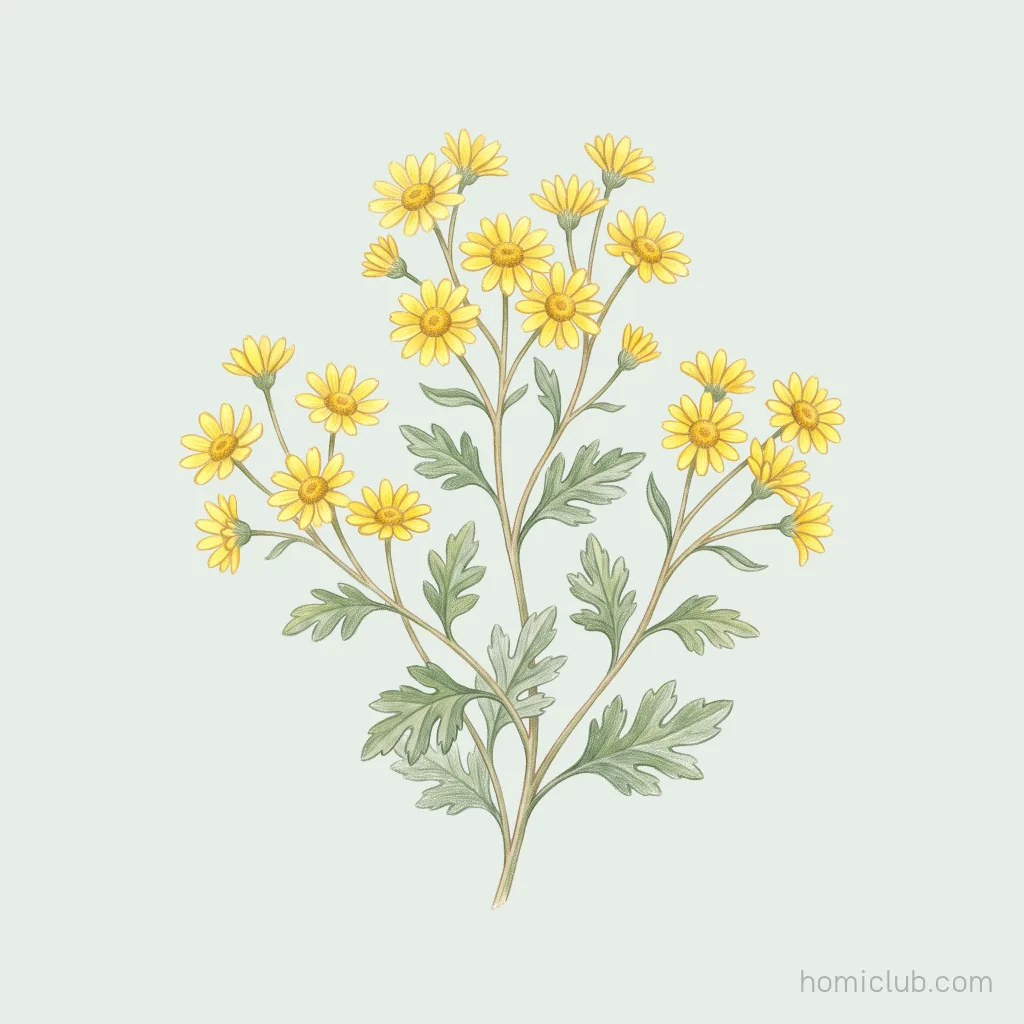 Related Crop · Gamguk (Indian Chrysanthemum) →
Gamgukhwa is the flower of the sweet chrysanthemum, which opens in single yellow rows each autumn. It is the same plant as the gamguk in the crop guide, and its dried flowers are still steeped as chrysanthemum tea. The Donguibogam set the smaller, sharper field kind apart as ui and kept only the sweet one.
Original, read line by line 東醫寶鑑 · Tangaek — Decoctions vol. 2
-
性平, 味甘, 無毒. 安腸胃, 利五脉, 調四肢.
Its nature is neutral, its taste sweet, and it is non-toxic. It settles the intestines and stomach, benefits the five vessels, and regulates the four limbs.
HomiclubGamgukhwa is the flower of gamguk, the chrysanthemum that opens single yellow blooms in autumn. The old gloss writes it 'gangsyeonghwang', and the dried flowers are still steeped as chrysanthemum tea.
-
主風眩頭痛. 養目血, 止淚出, 淸利頭目, 療風濕痺.
It governs punghyeon (風眩, wind dizziness) and headache. It nourishes the blood of the eyes, stops the flow of tears, clears the head and eyes, and treats pungseupbi (風濕痺, wind-damp impediment).
-
處處種之. 菊類甚多, 惟單葉, 花小而黃, 葉綠色深, 小而薄, 應候而開者, 是眞也.
It is planted everywhere. The chrysanthemum kinds are very many, but the true one is single-petalled, with small yellow flowers and deep-green leaves that are small and thin, opening in step with the season.
HomiclubThe criterion here — single-petalled, small, yellow — is still how the medicinal gamguk is picked out. The many-petalled garden chrysanthemums are set apart from this group.
-
甘者入藥, 苦者不用.
The sweet kind goes into medicine; the bitter kind is not used.
-
野菊爲薏. 菊甘而薏苦. 甘菊延齡, 野菊瀉人. 花小氣烈莖靑者, 爲野菊.
The wild chrysanthemum is ui (薏). The chrysanthemum is sweet, the ui bitter. Gamguk lengthens one's years, while the wild kind purges a person. The one with small flowers, a fierce scent and a green stem is the wild chrysanthemum.
-
正月採根, 三月採葉, 五月採莖, 九月採花, 十一月採實, 皆陰乾用之. 《本草》
The root is dug in the first month, the leaves gathered in the third, the stem cut in the fifth, the flowers picked in the ninth, and the fruit taken in the eleventh; all are dried in the shade for use. 《Boncho (本草)》
Related Crop
Gamguk (Indian Chrysanthemum) →
Reading on Gamguk (Indian Chrysanthemum)
Herbs — more entries
This is a cultural and historical record from a classical text, not a claim about any food’s effects. Nothing here is a health supplement or intended to prevent or treat disease. Consult a medical professional about health concerns. · Text: Korean Medicine Classics DB · Reading: Homiclub