
Tangaek — Decoctions · Herbs
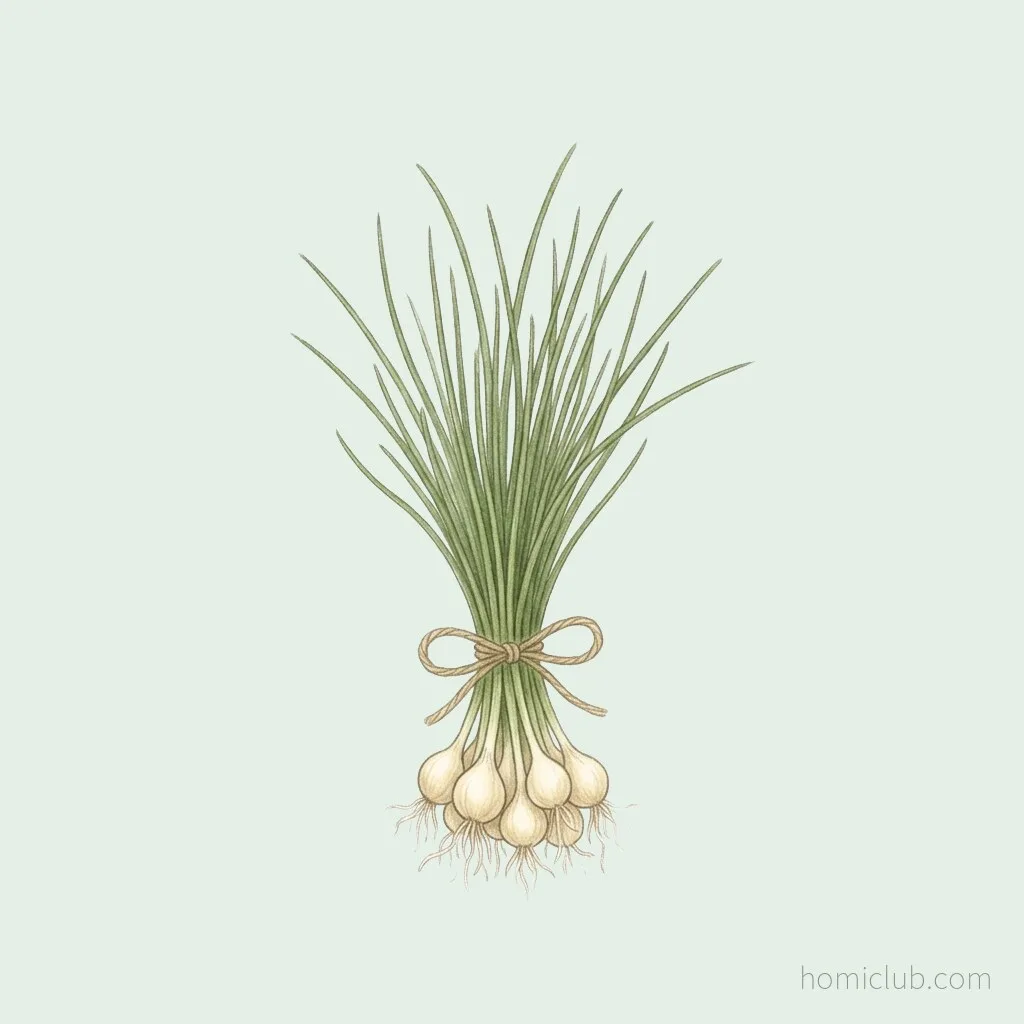
根 Jjillenamu Ppuri (찔레나무 뿌리)
API Error: Fable 5's safeguards flagged this message (https://www.anthropic.com/legal/aup). This sometimes happens with safe, normal conversations. Claude Code can't respond to this message with Fable 5.
Try rephrasing the request in a new session or change your model.
Learn more: https://support.claude.com/en/articles/15363606
Details: `[reasoning_extraction]`
Request ID: req_011CeLpFrcqBP3KA5g4ctNLN
Original, read line by line 東醫寶鑑 · Tangaek — Decoctions vol. 2
-
性冷, 味苦澁, 無毒. 治熱毒風, 癰疽惡瘡.
Its nature is cold, its taste bitter and astringent, and it is non-toxic. It treats heat toxin and wind, ongjeo (癰疽, deep abscesses), and malign sores.
HomiclubThe fruit, yeongsil, is described as warm while the root is called cold, an instance of the text assigning different natures to different parts of one plant.
-
止赤白痢, 腸風瀉血, 小兒疳蟲肚痛. 《本草》
It stops red and white dysentery, bleeding from jangpung (腸風, intestinal wind), and belly pain in children from gamchung (疳蟲, malnutrition worms). 《Boncho (本草)》
Herbs — more entries

This is a cultural and historical record from a classical text, not a claim about any food’s effects. Nothing here is a health supplement or intended to prevent or treat disease. Consult a medical professional about health concerns. · Text: Korean Medicine Classics DB · Reading: Homiclub