
Tangaek — Decoctions · Herbs
天雄 Cheonung (천웅)
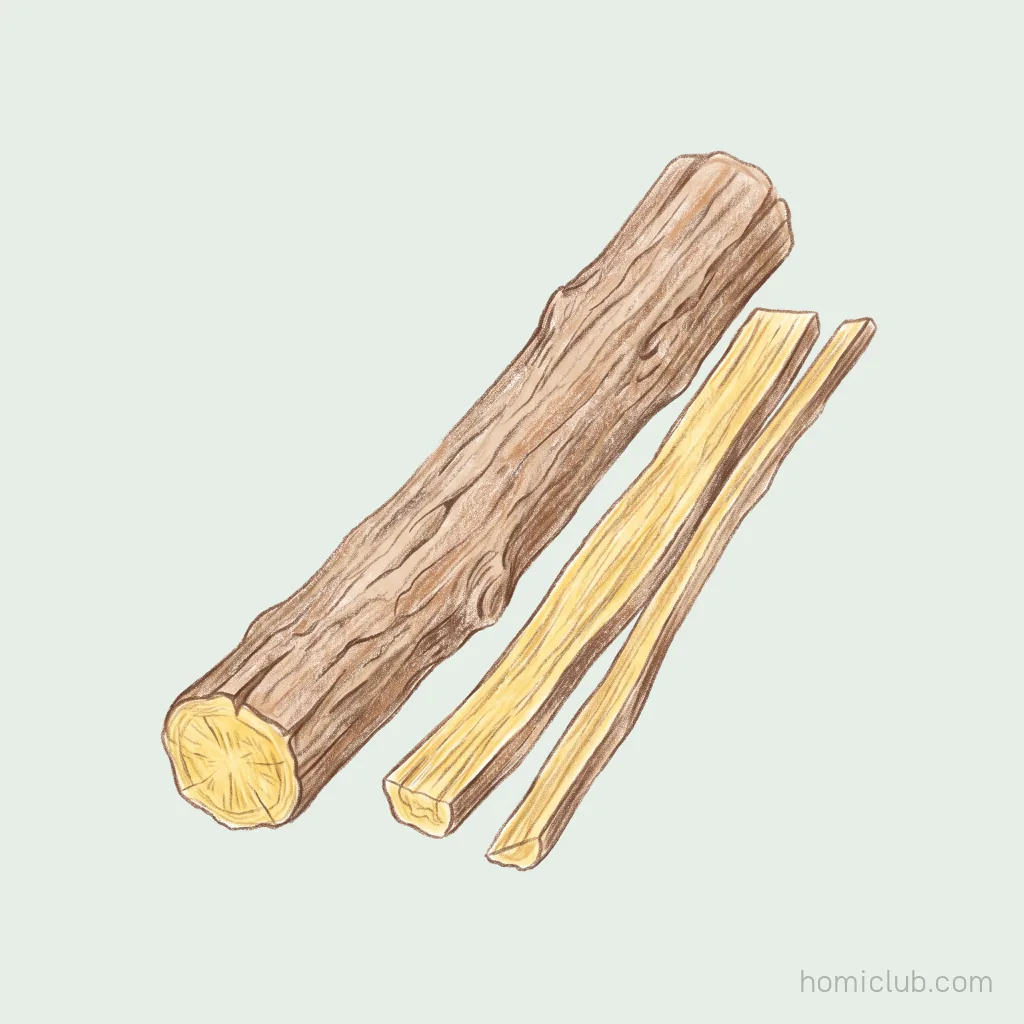
Cheonung is the slender, elongated root of a monkshood, three or four chon long, from the same plant that yields buja at its side. The Dongui Bogam marks it 【唐】, an import from China, records it as strongly poisonous, and says that for pills and powders it is roasted and stripped of skin and navel first.
Original, read line by line 東醫寶鑑 · Tangaek — Decoctions vol. 3
-
性大熱, 味辛甘, 有大毒. 主風寒濕痺, 歷節痛. 强筋骨, 輕身健行, 除骨間痛, 破積聚, 又墮胎.
Its nature is greatly hot, its taste pungent and sweet, and it carries great toxicity. It governs bi (痺) patterns from wind, cold and damp, and yeokjeoltong (歷節痛, pain running through the joints). It strengthens sinew and bone, lightens the body for vigorous walking, removes pain between the bones, breaks accumulations, and also drops the foetus.
HomiclubCheonung is the aconite root that grows slender and long, up to three or four chi. It is one of the forms split off from the same root as buja and odu, and the text itself records that it carries great toxicity.
-
似附子, 細而長. 凡丸散, 炮去皮臍用, 飮藥則和皮生使, 甚佳. 《本草》
It resembles buja but is slender and long. For pills and powders it is roasted with the skin and navel removed; for decoctions to be drunk it is very good used raw with the skin. 《Boncho (本草)》
-
非天雄不能補上焦之陽虛. 又天雄走上, 烏頭達下. 《入門》
Without cheonung one cannot supplement yang deficiency of the upper burner. Moreover cheonung runs upward while odu reaches downward. 《Immun (入門)》
Herbs — more entries
This is a cultural and historical record from a classical text, not a claim about any food’s effects. Nothing here is a health supplement or intended to prevent or treat disease. Consult a medical professional about health concerns. · Text: Korean Medicine Classics DB · Reading: Homiclub