
Tangaek — Decoctions · Herbs
麥門冬 Liriope
 Related Crop · Liriope →
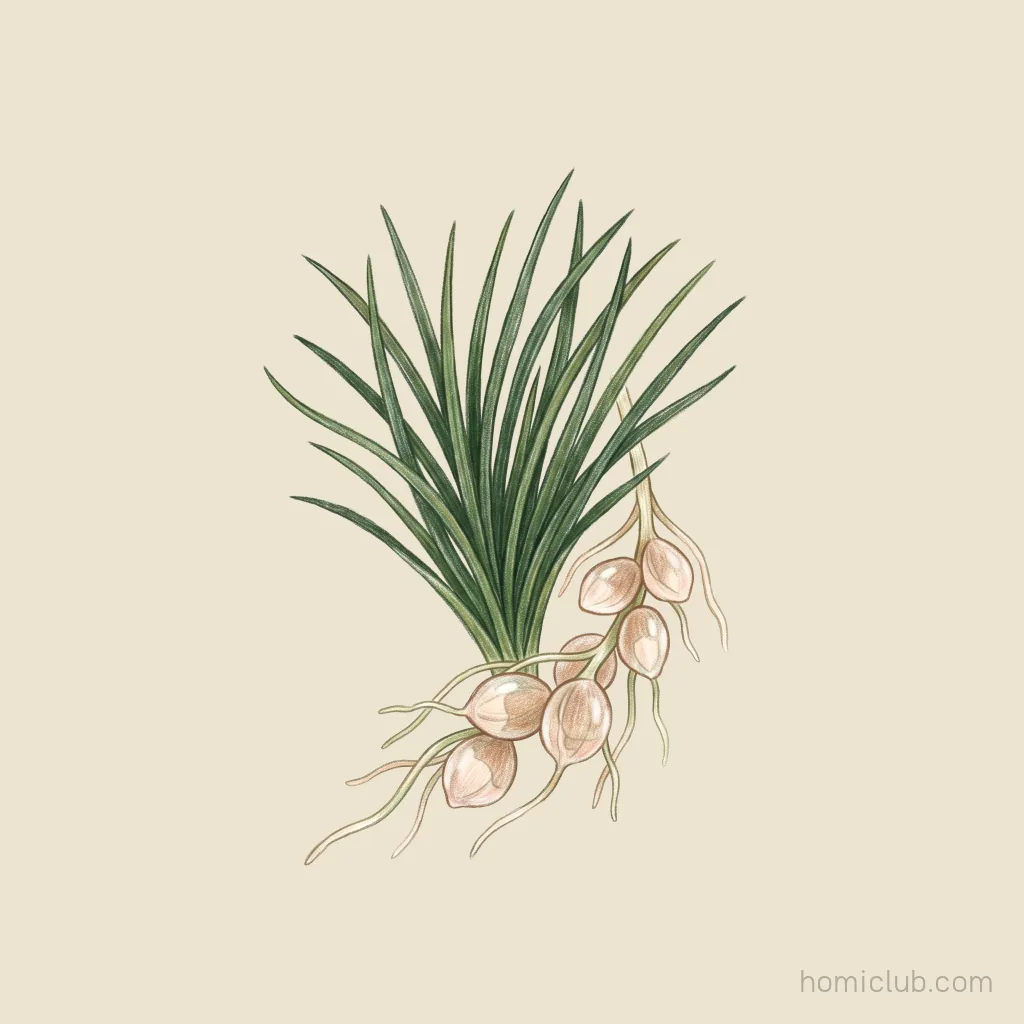
Maengmundong is the tuberous root of a lily-family perennial. The roots run in a string of beads and look like grains of barley, which is where the name comes from; today the plant is seen most often as ground cover under street trees. Dongui Bogam records it from the Gyeongsang, Jeolla and Chungcheong provinces.
Original, read line by line 東醫寶鑑 · Tangaek — Decoctions vol. 2
-
性微寒一云平, 味甘, 無毒.
Its nature is slightly cold, though one account calls it neutral; its taste is sweet, and it is non-toxic.
-
主虛勞客熱, 口乾燥渴. 治肺痿吐膿, 療熱毒身黑目黃. 補心淸肺, 保神, 定脉氣.
It chiefly treats visiting heat from taxation depletion and a dry mouth with thirst. It treats lung wilting with expectoration of pus, and heat toxin that darkens the body and yellows the eyes. It supplements the sim (心, heart), clears the pye (肺, lung), guards the sin (神, spirit), and settles the qi of the vessels.
-
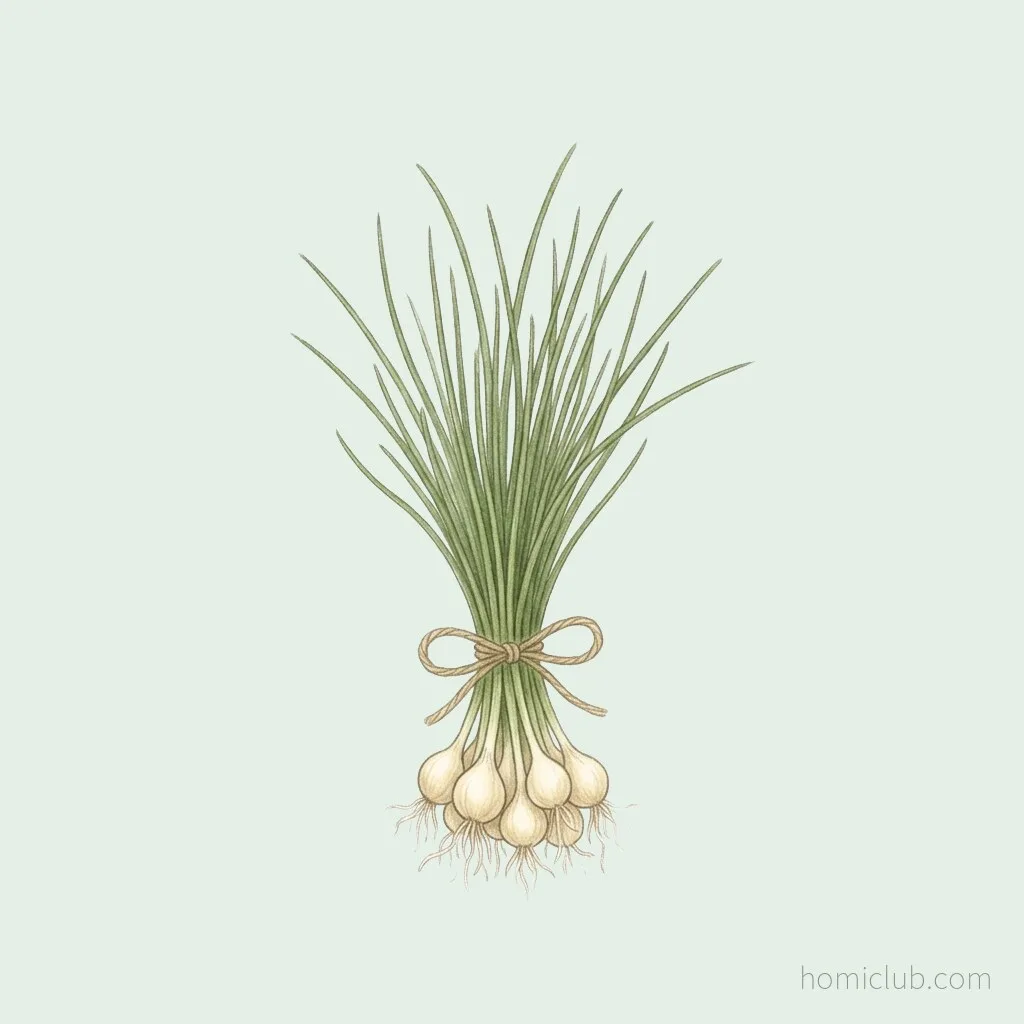
葉靑似莎草, 四季不凋. 根作連珠, 形似穬麥顆, 故名麥門冬.
Its leaves are green and resemble those of sedge, and they do not wither through the four seasons. Its roots form a string of beads shaped like grains of naked barley, and from this it is named maengmundong.
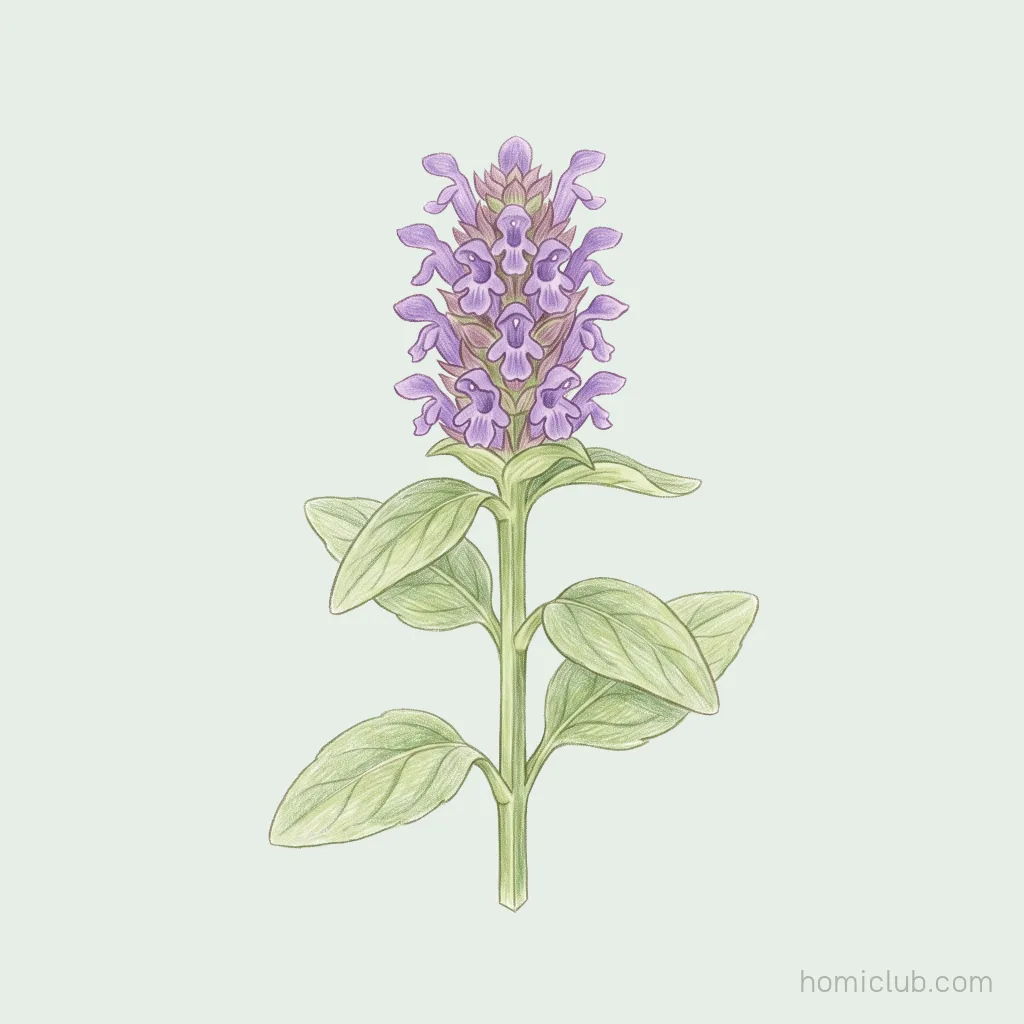
HomiclubMaengmundong is a perennial in the lily family, most often seen today as a shade groundcover under street trees and in building planters. It sends up pale violet flower spikes in summer and bears black bead-like fruits in autumn, and when dug up its roots show the bead-like swellings the text describes.
-
二三月九十月採根, 陰乾. 以肥大者爲好. 用之, 湯潤, 抽去心, 不爾令人煩. 《本草》
Dig the roots in the second and third months and in the ninth and tenth, and dry them in the shade. Plump, large ones are considered good. In use, soften them in hot water and pull out the core; otherwise they cause vexation. 《Boncho (本草)》
-
入手太陰經, 行經酒浸. 《入門》
It enters the hand taeeum channel; to make it travel the channel, steep it in wine. 《Immun (入門)》
-
我國慶尙全羅忠淸道有之, 生肥土及海島中. 《俗方》
In our country it is found in Gyeongsang, Jeolla, and Chungcheong provinces, growing in rich soil and on sea islands. 《Sokbang (俗方)》
HomiclubThe three provinces named in the text remain maengmundong-growing regions today, with field cultivation concentrated around Miryang in South Gyeongsang and Cheongyang in South Chungcheong. The mention of sea islands fits the plant's preference for mild, well-drained ground.
Related Crop
Liriope →
Reading on Liriope
Herbs — more entries
This is a cultural and historical record from a classical text, not a claim about any food’s effects. Nothing here is a health supplement or intended to prevent or treat disease. Consult a medical professional about health concerns. · Text: Korean Medicine Classics DB · Reading: Homiclub