
Tangaek — Decoctions · Herbs
獨活 Udo
 Related Crop · Udo →
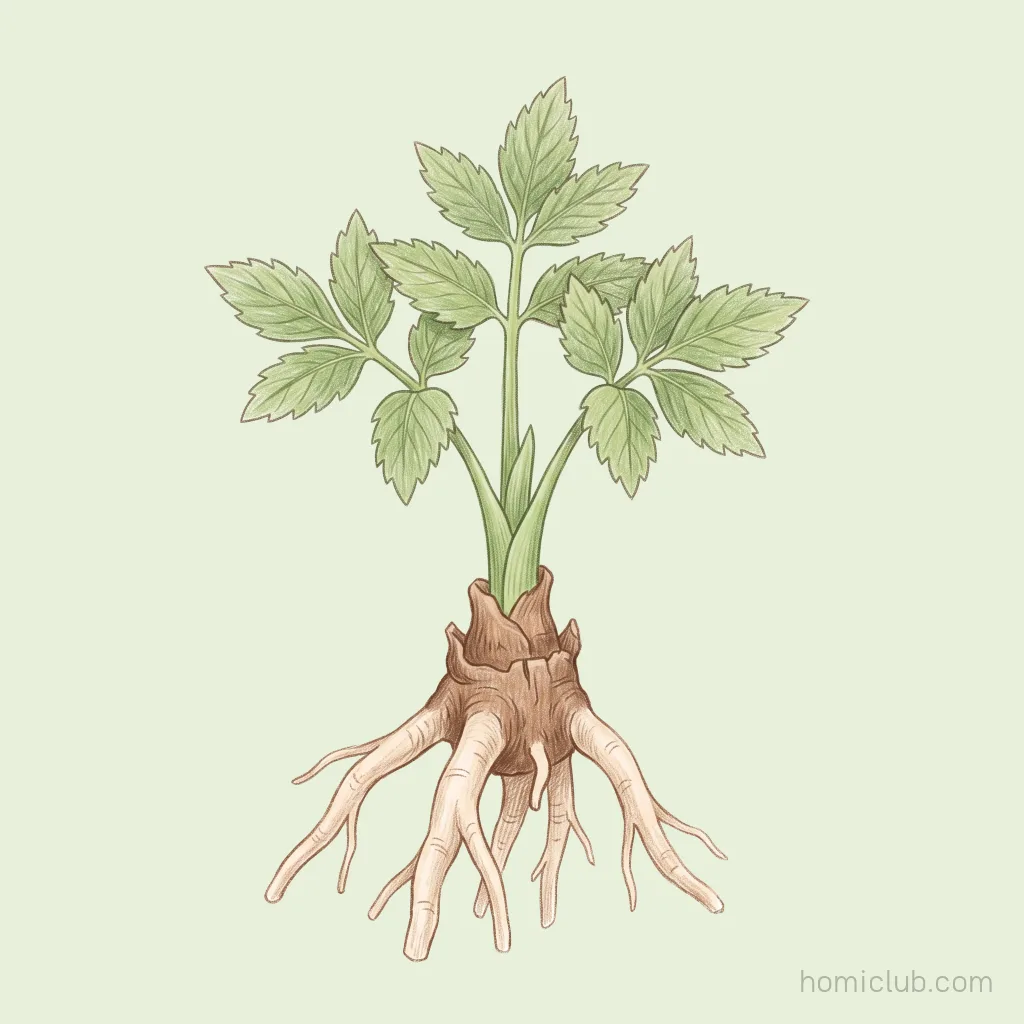
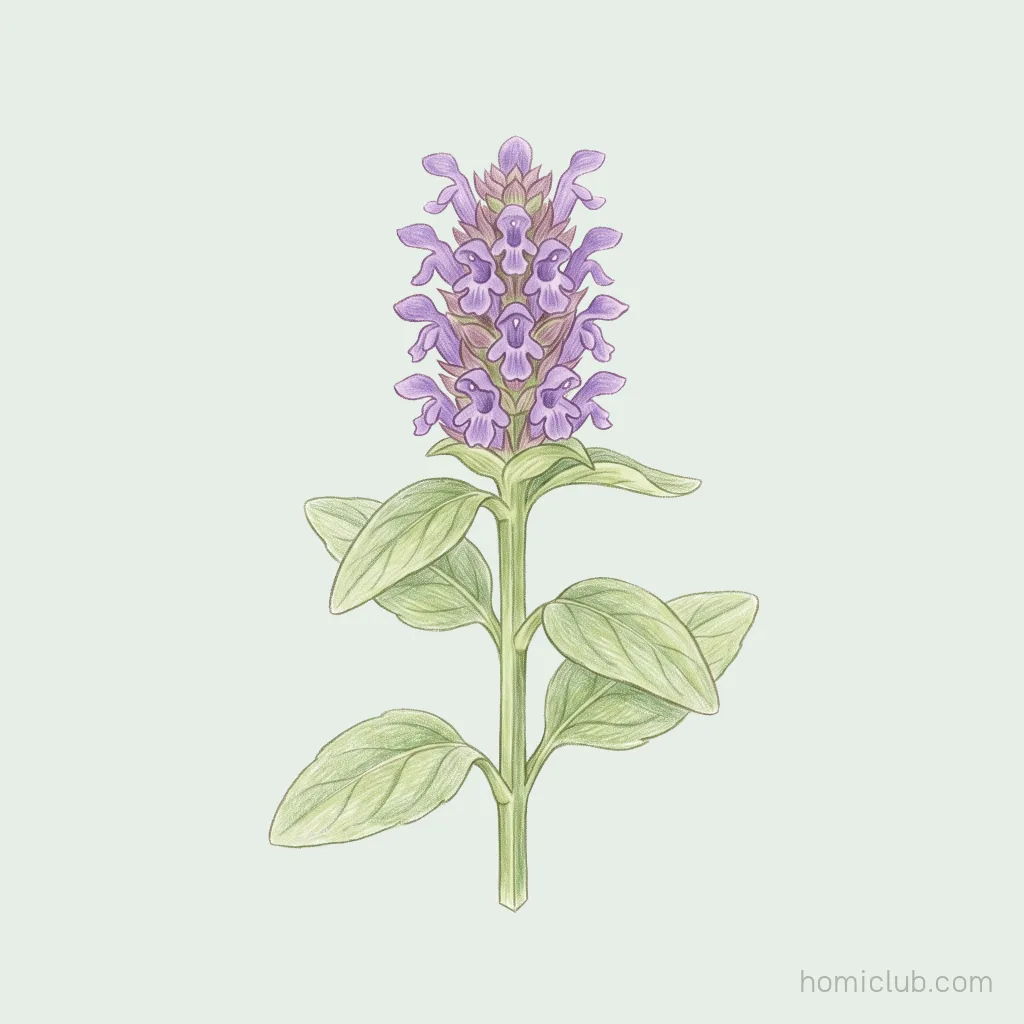
Dokhwal is the root of Korean spikenard, a member of the aralia family. The Dongui Bogam gives its old Korean name as ttat-dulheup, ground ureup, and the spring shoots of the same plant still reach the table as a green. The book relays the naming story that the stalk does not sway even in wind.
Original, read line by line 東醫寶鑑 · Tangaek — Decoctions vol. 2
-
性平一云微溫, 味甘苦一云辛, 無毒.
Its nature is neutral, though one account calls it slightly warm; its taste is sweet and bitter, though one account calls it pungent, and it is non-toxic.
HomiclubDokhwal is the root of ttangdureup, a perennial in the ginseng family. The thick shoots it pushes up in spring are still called ttangdureup and eaten as a namul vegetable; it is a herbaceous plant, distinct from dureup, the shoot picked from the angelica tree.
-
療諸賊風, 百節痛風, 無久新者. 治中風失音, 喎斜癱瘓, 遍身㿏痺, 及筋骨攣痛.
It treats the various jeokpung (賊風, thief winds) and painful wind in all the joints, whether long-standing or newly arisen. It treats loss of voice from wind stroke, a twisted mouth with paralysis, numb stiffness throughout the body, and cramping pain in the sinews and bones.
-
生山野中, 二月三月九月十月採根, 暴乾. 此草得風不搖, 無風自動, 故一名獨搖草. 《本草》
It grows in mountains and open country; dig the roots in the second, third, ninth, and tenth months and dry them in the sun. This plant does not sway when the wind blows and moves of itself when there is no wind, and so one of its names is dogyocho (獨搖草, the grass that sways alone). 《Boncho (本草)》
HomiclubTtangdureup is a stout perennial that can grow taller than a person, with a thick, rigid stem that barely stirs in the wind. The name dogyocho in the text was given by earlier observers watching exactly that.
-
一莖直上, 得風不搖, 故曰獨活, 乃足少陰行經藥也. 獨活氣細, 羌活氣雄. 《入門》
A single stalk rises straight and does not sway in the wind, and so it is called dokhwal; it is a medicine that travels the foot soeum channel. The qi of dokhwal is fine, that of ganghwal bold. 《Immun (入門)》
-
療風宜用獨活, 兼水宜用羌活. 今人以紫色節密者爲羌活, 黃色而作塊者爲獨活. 《本草》
For treating wind it is fitting to use dokhwal, and where water is also involved it is fitting to use ganghwal. People today take the purple root with dense nodes to be ganghwal, and the yellow one that forms lumps to be dokhwal. 《Boncho (本草)》
-
獨活氣細而色白, 治足少陰伏風. 故兩足寒濕痺不能動, 非此不除. 《湯液》
Dokhwal has fine qi and a white color, and it treats hidden wind of the foot soeum. Therefore when both feet are numbed by cold and damp and cannot move, nothing but this will remove it. 《Tangaek (湯液)》
Related Crop
Udo →
Herbs — more entries
This is a cultural and historical record from a classical text, not a claim about any food’s effects. Nothing here is a health supplement or intended to prevent or treat disease. Consult a medical professional about health concerns. · Text: Korean Medicine Classics DB · Reading: Homiclub