
Tangaek — Decoctions · Trees
桐葉 Meogwinamo Nip (머귀나모 닙)
Dongyeop is the leaf of the paulownia. The text sorts paulownias into four kinds, cheongdong, odong, baekdong and gangdong, and specifies baekdong, the one that flowers and fruits and whose wood was cut for geomungo and bipa zithers. The Korean gloss reads meogwinamo nip.
Original, read line by line 東醫寶鑑 · Tangaek — Decoctions vol. 3
-
性寒, 味苦, 無毒. 主惡蝕瘡着陰.
Its nature is cold, its taste bitter, and it is non-toxic. It chiefly governs aksikchang (惡蝕瘡, malign eroding sores) settled on the genitals.
HomiclubDongyeop is the leaf of the paulownia. Heart-shaped blades far broader than an adult's palm, set in opposite pairs, are the clue by which the paulownias are recognized.
-
桐有四種. 靑桐無子. 梧桐, 皮白葉靑有子.
There are four kinds of dong. The cheongdong (靑桐) bears no fruit. The odong (梧桐) has white bark, green leaves, and fruit.
-
白桐, 有花與子, 堪作琴瑟者. 崗桐, 似白桐, 惟無子. 藥中所用是白桐也. 《本草》
The baekdong (白桐) has both flowers and fruit and is the one fit for making the geomungo and the bipa. The gangdong (崗桐) resembles the baekdong but bears no fruit. The one used in medicine is the baekdong. 《Boncho (本草)》
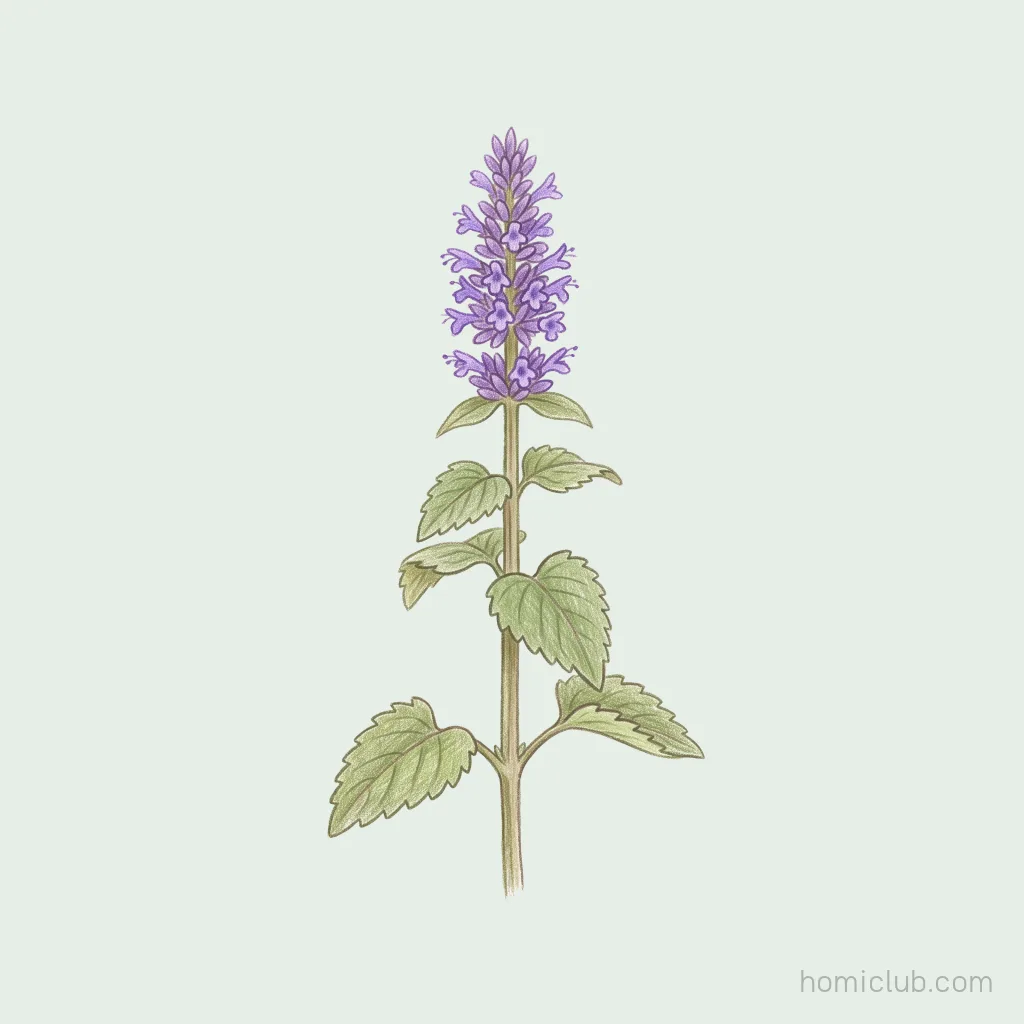
HomiclubThe old cheongdong and odong are taken to mean the byeogodong, the Chinese parasol tree, while baekdong and gangdong point to the true paulownias. The byeogodong has a green trunk and palm-lobed leaves; the paulownia hangs clusters of pale purple trumpet flowers in May.
-
白桐, 二月開淡紅花, 結子可作油. 《入門》
The baekdong opens pale red flowers in the second month, and when it sets fruit an oil can be made from it. 《Immun (入門)》
-
桐子, 似蔓荊子而稍大, 靑綠色. 《俗方》
The paulownia fruit resembles manhyeongja (蔓荊子, chaste tree fruit) but is somewhat larger and blue-green. 《Sokbang (俗方)》
Trees — more entries
This is a cultural and historical record from a classical text, not a claim about any food’s effects. Nothing here is a health supplement or intended to prevent or treat disease. Consult a medical professional about health concerns. · Text: Korean Medicine Classics DB · Reading: Homiclub