
Tangaek — Decoctions · Herbs
防風 Saposhnikovia
 Related Crop · Saposhnikovia →
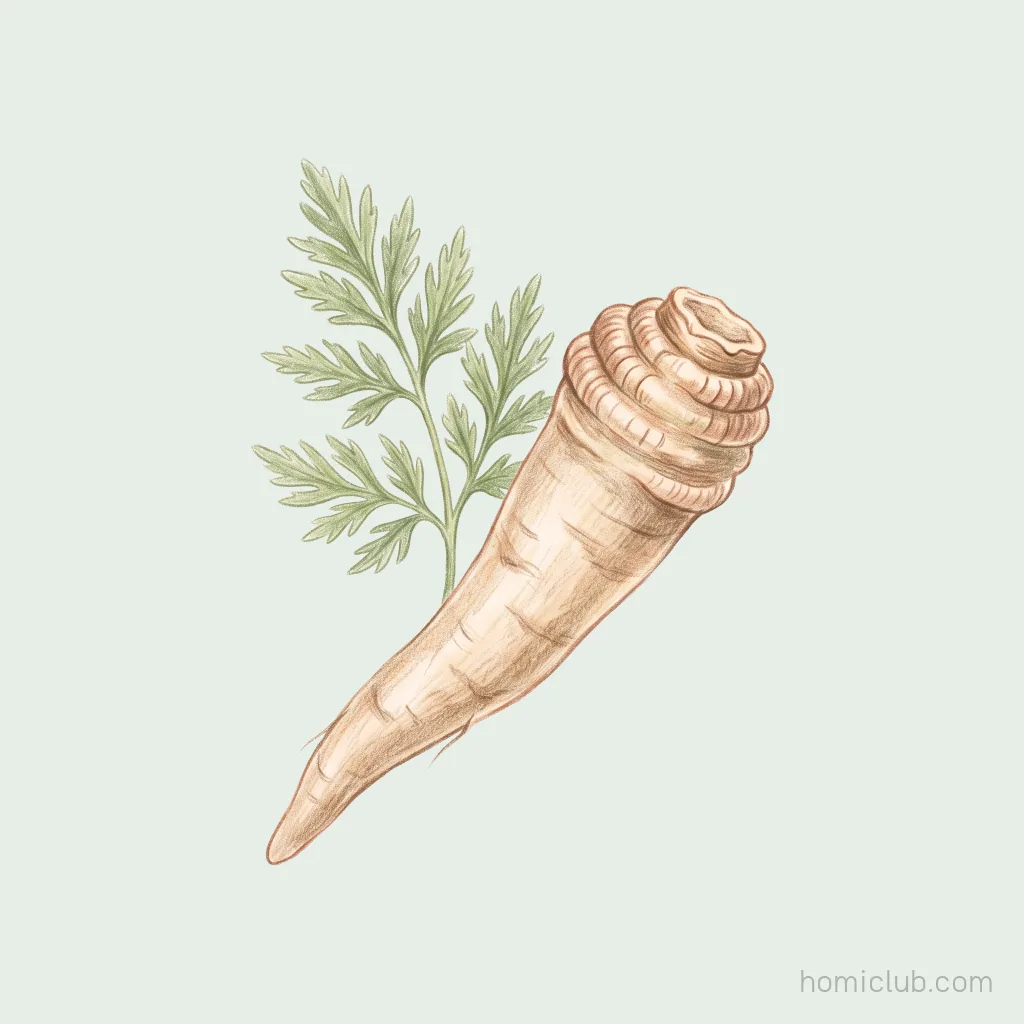
Bangpung is the root of an umbellifer, entered in the Donguibogam under the Korean name 'byeongpung-namul root.' Its young leaves are still eaten in Korea as bangpung-namul, blanched and dressed or pickled in soy. The original text told gatherers to discard roots with a split head or a split tail.
Original, read line by line 東醫寶鑑 · Tangaek — Decoctions vol. 2
-
性溫, 味甘辛, 無毒. 治三十六般風, 通利五藏關脉, 風頭眩, 痛風, 赤眼出淚, 周身骨節疼痺.
Its nature is warm, its taste sweet and pungent, and it is non-toxic. It treats the thirty-six kinds of pung (風, wind), frees the gwanmaek (關脉, gate vessels) of the ojang (五藏, five viscera), and addresses wind dizziness of the head, tongpung (痛風, painful wind), red eyes that water, and aching, numb joints throughout the body.
HomiclubBangpung is the root of an umbellifer, and the Donguibogam records its Korean name as "byeongpung-namul root." Koreans still call the plant bangpung-namul and blanch the young leaves for seasoned side dishes or pickle them in soy. It is distinct from the coastal plant gaetbangpung.
-
止盜汗, 安神, 定志.
It stops night sweats, calms the spirit, and settles the mind.
-
生山野中, 隨處有之. 二月十月採根, 暴乾.
It grows in hills and fields and is found wherever one goes. Dig the root in the second and tenth months and dry it in the sun.
-
惟實而脂潤, 頭節堅如蚯蚓頭者, 爲好. 去蘆及叉頭叉尾者. 叉頭令人發狂, 叉尾發痼疾. 《本草》
Only roots that are solid and oily, with a head node as firm as an earthworm's head, are counted fine. Discard the rootstock crown and any root forked at the head or at the tail. A forked head is said to derange a person, and a forked tail to bring on a chronic ailment. 《Boncho (本草)》
HomiclubThe instruction to pick roots whose upper node is as firm as an earthworm's head still describes how bangpung roots are sorted. Roots that fork at the head or tail were culled out.
-
足陽明ㆍ足太陰之行經藥也. 足太陽本經藥也.
It is a channel-coursing medicine for the foot yangmyeong and foot taeeum, and a medicine of the foot taeyang's own channel.
-
治風通用, 頭去身半以上風邪, 梢去身半以下風邪. 《湯液》
It is used generally for treating wind: the head of the root removes wind evil above the midline of the body, and the tip removes wind evil below it. 《Tangaek (湯液)》
-
除上焦風邪之仙藥也. 《入門》
It is a divine medicine for removing wind evil from the sangcho (上焦, upper burner). 《Ipmun (入門)》
Related Crop
Saposhnikovia →
Herbs — more entries
This is a cultural and historical record from a classical text, not a claim about any food’s effects. Nothing here is a health supplement or intended to prevent or treat disease. Consult a medical professional about health concerns. · Text: Korean Medicine Classics DB · Reading: Homiclub