
Tangaek — Decoctions · Trees
桂枝 Gyepinamu Gajikkeopjil (계피나무 가지껍질)
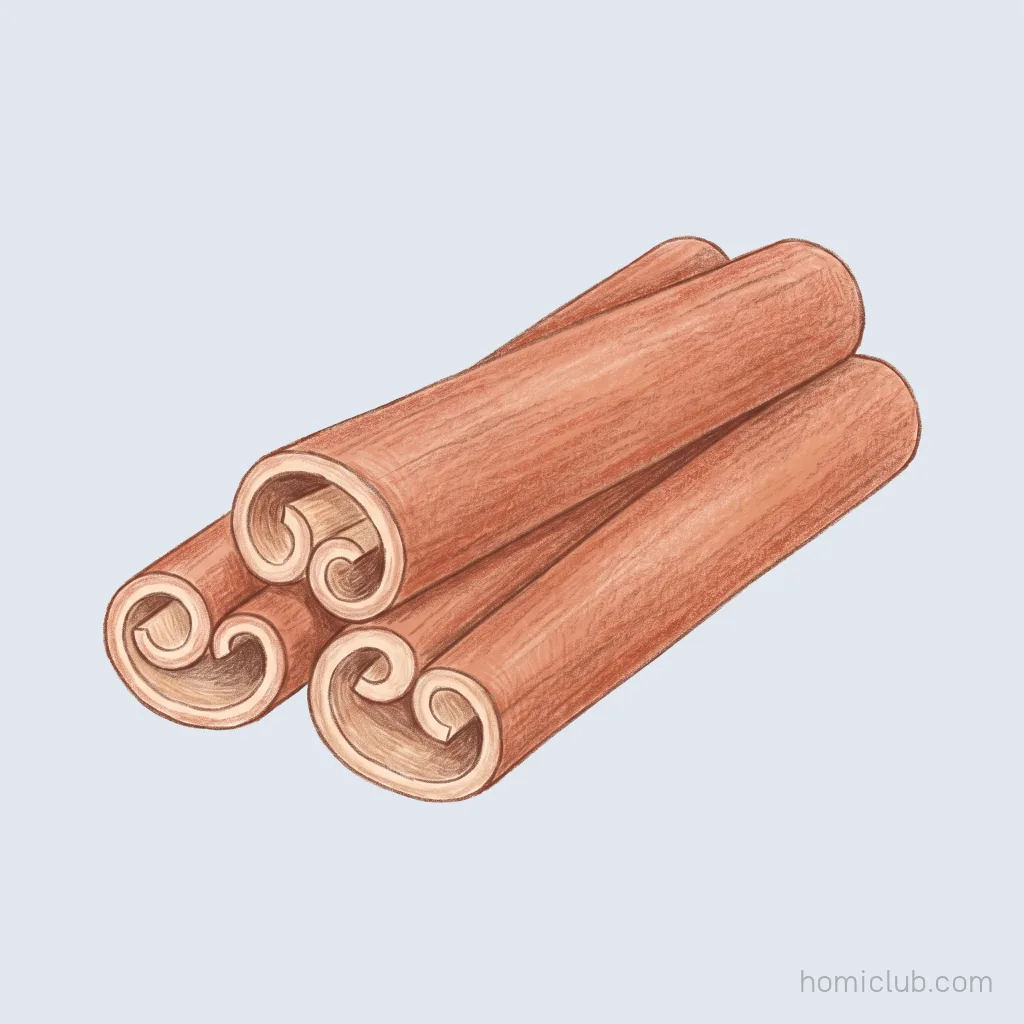
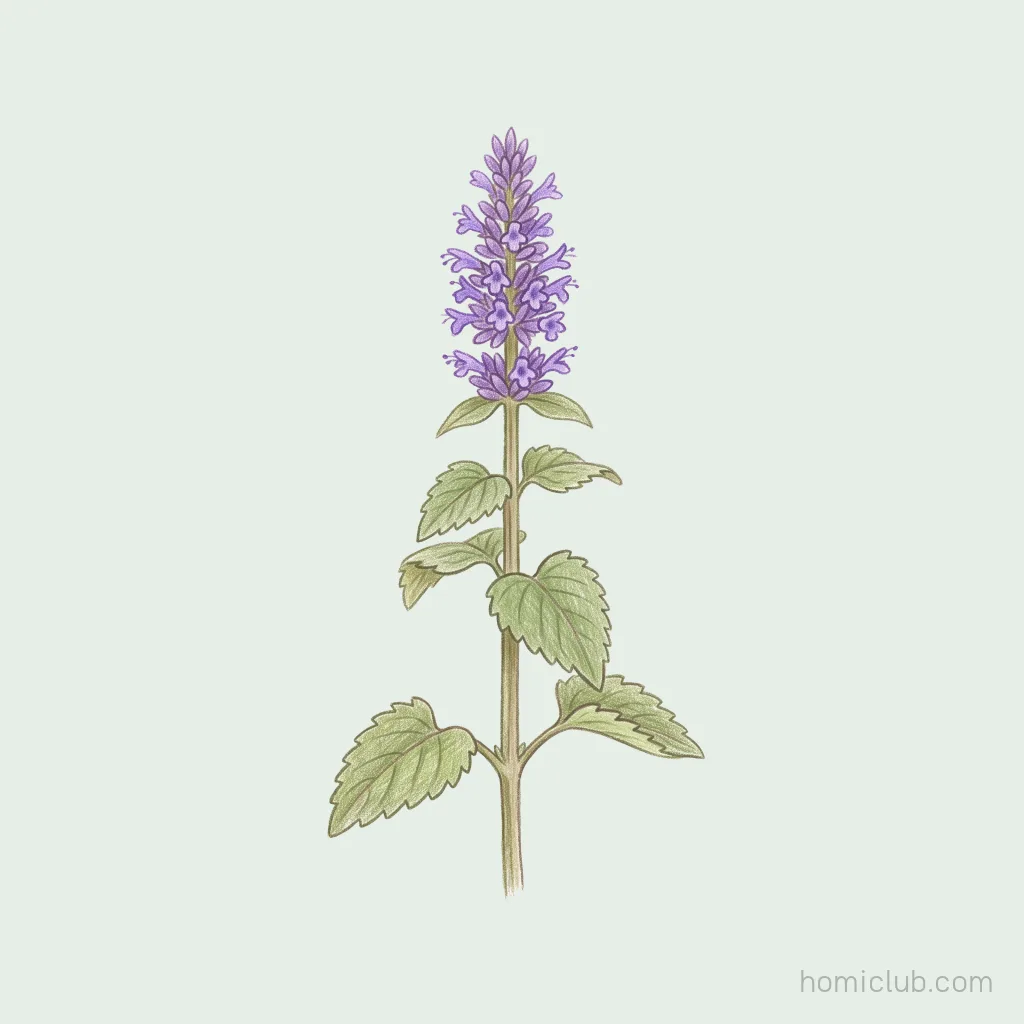
Gyeji is the bark of a cinnamon tree's young twigs. It is taken from the branches rather than the trunk — a thin, light peel — and comes from the same tree as the spice sold today as cinnamon. Dongui Bogam keeps gyeji, the twig bark, separate from yukgye, the thick bark of the trunk.
Original, read line by line 東醫寶鑑 · Tangaek — Decoctions vol. 3
-
枝者, 枝條, 非身幹也.
Ji (枝) means the branch, not the trunk or the main stem.
HomiclubGyeji is the bark of the cinnamon tree's slender branches. It comes from the same tree as the spice called cinnamon, but is stripped from a different part than the trunk bark, yukgye.
-
盖取其枝上皮, 取其輕薄而能發散, 正合內經辛甘發散爲陽之義.
Taking the bark from the branch is to take what is light and thin and therefore able to effuse outward, which accords exactly with the Naegyeong (內經, Inner Classic) saying that pungent and sweet effuse and thereby become yang.
-
入足太陽經, 能散血分寒邪. 《本草》
It enters the foot taeyang channel and can scatter cold evil in the blood aspect. 《Boncho (本草)》
-
表虛自汗, 以桂枝發其邪, 衛和則表密, 汗自止, 非桂枝能收汗也. 《丹心》
When the exterior is vacuous and sweat runs of itself, using gyeji to effuse the evil harmonises the wi (衛, defensive qi) so that the exterior grows tight and the sweat stops of itself; it is not that gyeji gathers in the sweat. 《Dansim (丹心)》
-
桂枝氣味俱輕, 故能上行, 發散於表. 《丹心》
In gyeji both qi and taste are light, so it can travel upward and effuse at the exterior. 《Dansim (丹心)》
-
仲景用桂枝發表, 肉桂補腎. 本乎天者親上, 本乎地者親下, 自然之理也. 《湯液》
Jungyeong (仲景, Zhang Zhongjing) used gyeji to effuse the exterior and yukgye to supplement the sin (腎, kidney). What is rooted in heaven is akin to what is above, and what is rooted in earth is akin to what is below; this is the natural principle. 《Tangaek (湯液)》
HomiclubJungyeong is Zhang Zhongjing, the Later Han physician who compiled the Treatise on Cold Damage. The formula he set down, Gyejitang, takes its name from this branch bark.
Trees — more entries
This is a cultural and historical record from a classical text, not a claim about any food’s effects. Nothing here is a health supplement or intended to prevent or treat disease. Consult a medical professional about health concerns. · Text: Korean Medicine Classics DB · Reading: Homiclub