
Tangaek — Decoctions · Herbs
葉及根 Asian plantain
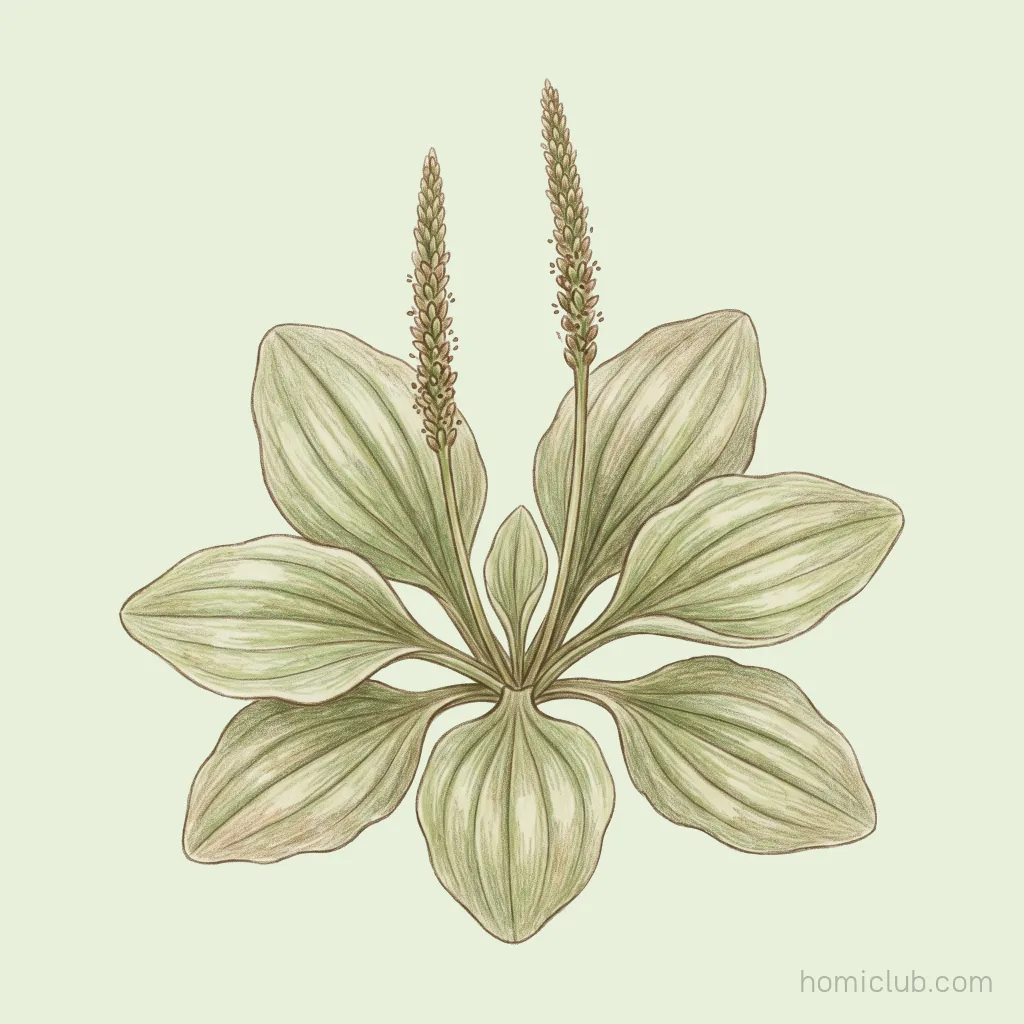 Related Crop · Asian plantain →
Yeopgeupgeun means 'leaf and root'. In the Donguibogam's herb section it is a sub-entry gathering the leaf and root of the plant heading above it, and all that survives is the line about pressing out the juice. The heading carries no plant name, so this panel alone cannot identify it.
Original, read line by line 東醫寶鑑 · Tangaek — Decoctions vol. 2
-
主吐衄尿血血淋.
It chiefly treats vomiting of blood, nosebleed, blood in the urine, and hyeollim (血淋, bloody strangury).
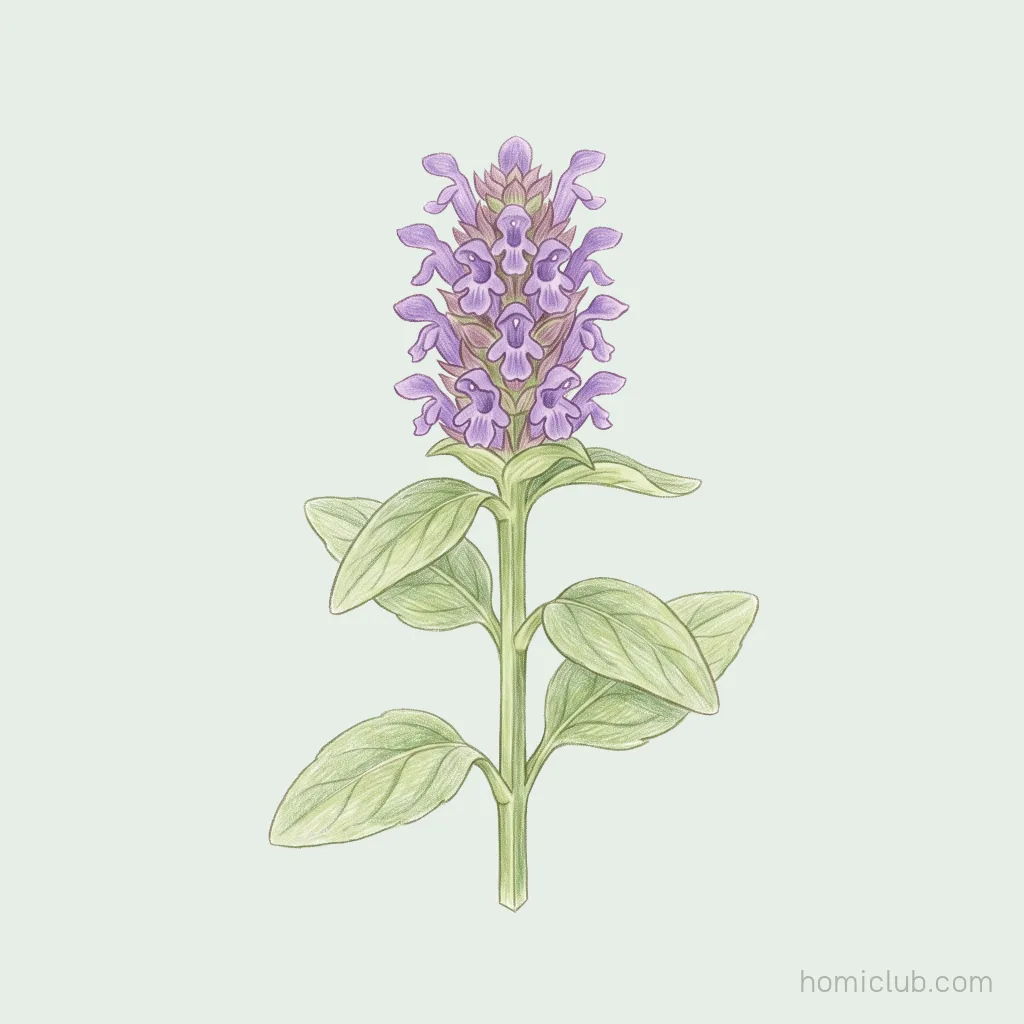
HomiclubThis entry sets apart the leaf and root of the plantain, the plant behind chajeonja in the preceding entry. Jilgyeongi spreads its leaves in a flat rosette straight from the root, with a spike rising from the center, and its young leaves are still blanched and eaten as a namul vegetable.
-
取汁服之. 《本草》
Take its juice and drink it. 《Boncho (本草)》
Related Crop
Asian plantain →
Reading on Asian plantain
Herbs — more entries
This is a cultural and historical record from a classical text, not a claim about any food’s effects. Nothing here is a health supplement or intended to prevent or treat disease. Consult a medical professional about health concerns. · Text: Korean Medicine Classics DB · Reading: Homiclub