
Tangaek — Decoctions · Herbs
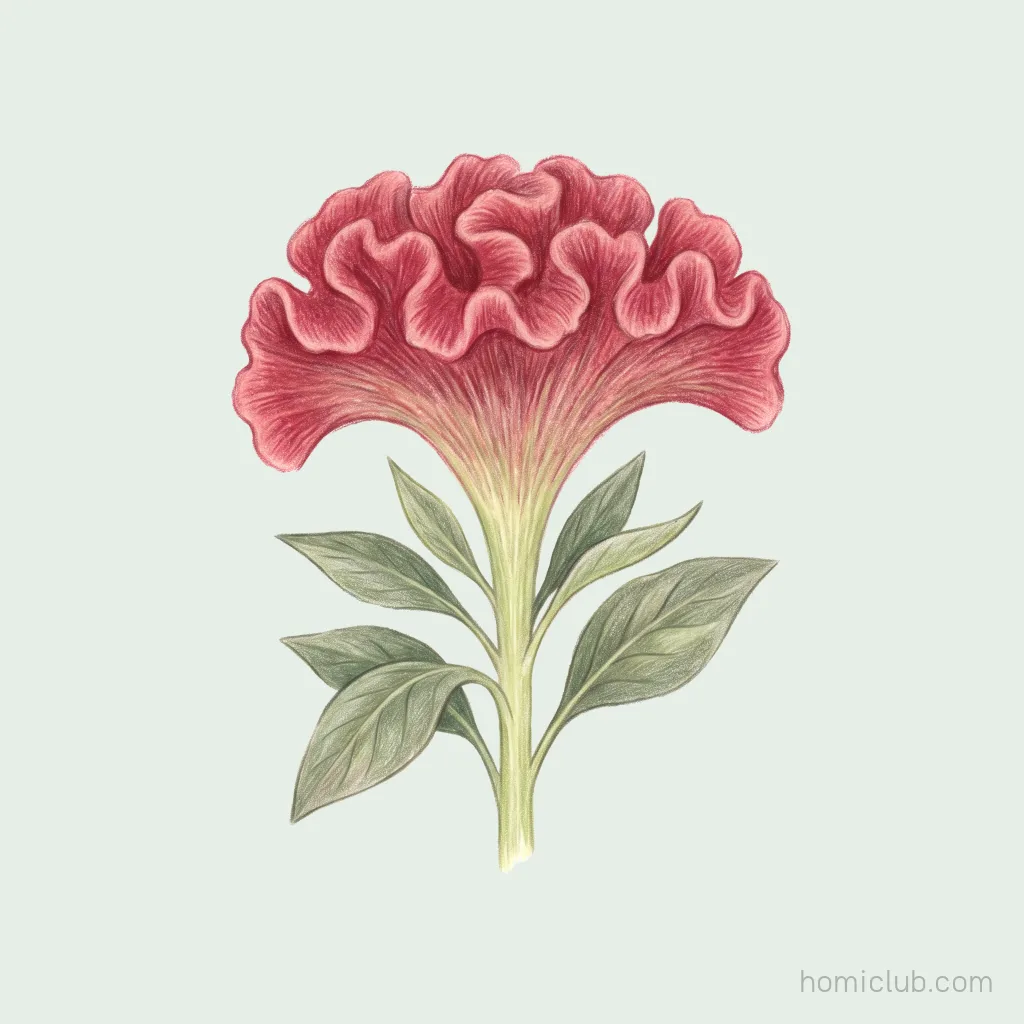
雞冠花 Cockscomb
 Related Crop · Cockscomb →
Gyegwanhwa is the flower of the cockscomb, the crested annual common in summer beds. The Dongui Bogam gives the old Korean name mandaramit-got and explains the name: the bloom looks like a rooster's comb. It notes the flower is roasted before being put into a preparation.
Original, read line by line 東醫寶鑑 · Tangaek — Decoctions vol. 3
-
性凉, 無毒. 止腸風瀉血, 赤白痢, 婦人崩中帶下.
Its nature is cool and it is non-toxic. It stops the discharge of blood in intestinal wind, red and white dysentery, and flooding and vaginal discharge in women.
HomiclubGyegwanhwa is the flower of the cockscomb commonly grown in summer flower beds. It belongs to the same amaranth family as the gaemaendeurami of the preceding entry, and its flower head broadens into crested folds shaped like a rooster's comb.
-
花似雞冠, 故以名之. 入藥炒用. 《本草》
Its flower resembles a rooster's comb, and so it is named. When put into medicine it is parched for use. 《Boncho (本草)》
Related Crop
Cockscomb →
Reading on Cockscomb
Herbs — more entries
This is a cultural and historical record from a classical text, not a claim about any food’s effects. Nothing here is a health supplement or intended to prevent or treat disease. Consult a medical professional about health concerns. · Text: Korean Medicine Classics DB · Reading: Homiclub