
Tangaek — Decoctions · Herbs
黃連 Hwangnyeon (황련)
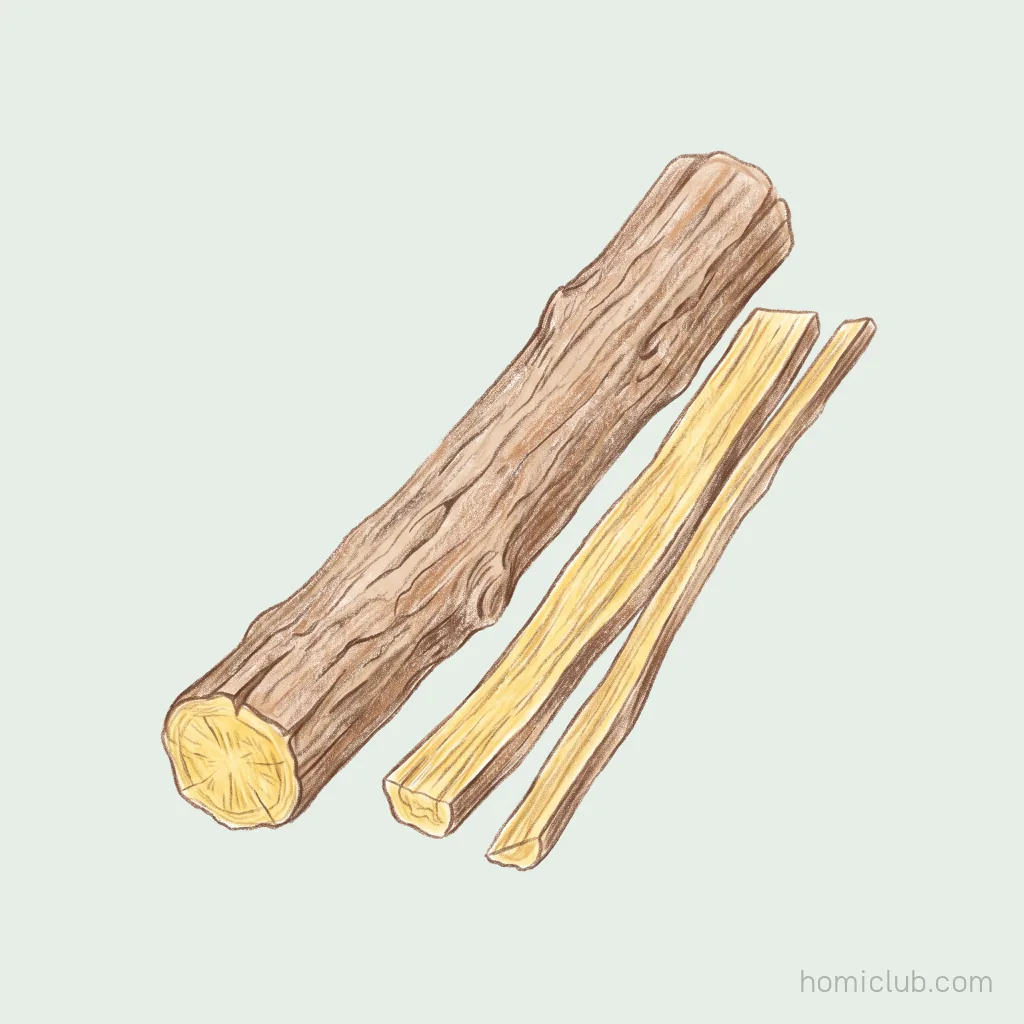
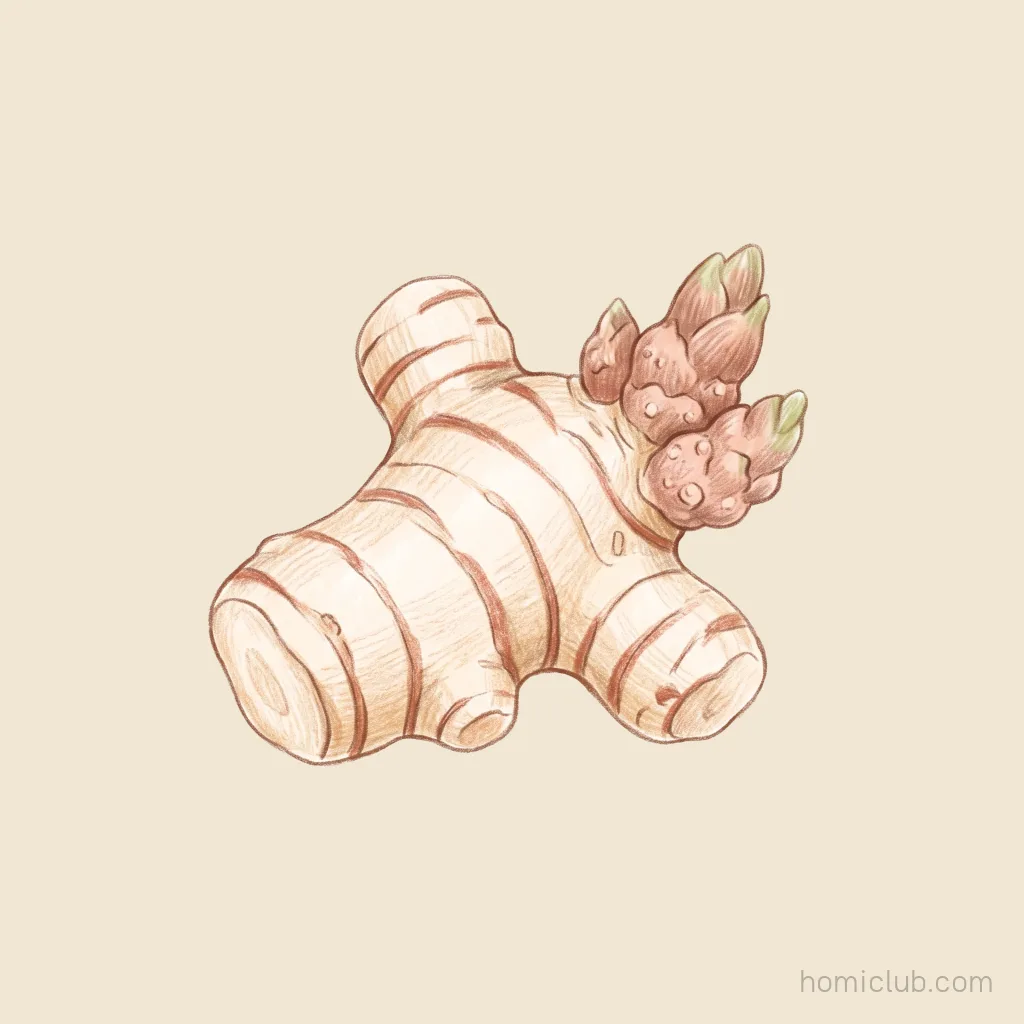
Hwangnyeon is the rhizome of a buttercup-family herb, bright yellow where it is cut. Its knotted joints run together like a string of beads, which is where the name — 'yellow chain' — comes from. Dongui Bogam marks it 【唐】 as an import from China and says the fine rootlets are stripped off first.
Original, read line by line 東醫寶鑑 · Tangaek — Decoctions vol. 2
-
性寒, 味苦, 無毒.
Its nature is cold, its taste bitter, and it is non-toxic.
HomiclubHwangnyeon is the rhizome of a plant in the buttercup family, and its cut surface is a vivid yellow. It does not grow in Korea, so the Donguibogam marked it 【唐】, an imported material, and it is still brought in from China.
-
主明目, 止淚出, 鎭肝, 去熱毒, 點赤眼昏痛. 療腸澼下痢膿血, 止消渴.
It chiefly brightens the eyes and stops tearing, calms the gan (肝, liver), removes heat toxin, and is dropped into eyes that are red, dim, and painful. It treats jangbyeok (腸澼) with purulent bloody diarrhea and stops wasting-thirst.
-
治驚悸煩躁, 益膽, 療口瘡, 殺小兒疳蟲.
It treats fright palpitations and vexed restlessness, augments the dam (膽, gallbladder), treats mouth sores, and kills gan (疳) worms in children.
-
二月八月採, 節如連珠, 堅重, 相擊有聲者, 爲勝.
Dig it in the second and eighth months; those whose nodes run like a string of beads, hard and heavy so that they ring when struck together, are held superior.
HomiclubThe name hwangnyeon, "yellow strung together," comes from the form described here. The rhizome pinches in at each node so that it runs like beads on a string, and a cut reveals deep yellow inside.
-
一云, 如鷹爪者佳. 用之去毛. 《本草》
One account says those shaped like an eagle's talon are the best. Remove the fine hairs before use. 《Boncho (本草)》
-
酒浸炒, 則上行頭目口舌. 薑汁炒, 則辛散衝熱有功. 生用, 治實火.
Steeped in wine and stir-fried, it travels upward to the head, eyes, mouth, and tongue. Stir-fried with ginger juice, it has merit in pungently scattering surging heat. Used raw, it treats repletion fire.
-
以吳茱萸水炒, 則調胃厚腸. 黃土炒, 治食積安蛔蟲. 鹽水炒, 治下焦伏火. 《入門》
Stir-fried with evodia-infused water, it harmonizes the wi (胃, stomach) and thickens the intestines. Stir-fried with yellow earth, it treats food accumulation and quiets roundworms. Stir-fried with salt water, it treats fire lurking in the lower burner. 《Immun (入門)》
-
生用瀉心淸熱. 酒炒厚腸胃. 薑製止嘔吐. 《回春》
Used raw, it drains the sim (心, heart) and clears heat. Stir-fried with wine, it thickens the intestines and stomach. Processed with ginger, it stops vomiting. 《Hoechun (回春)》
-
入手少陰經. 苦燥故入心, 火就燥也. 能瀉心, 其實瀉脾胃中濕熱也. 《湯液》
It enters the hand soeum channel. Being bitter and drying it enters the sim (心, heart), for fire moves toward dryness. It can drain the heart, but in truth it drains damp-heat within the bi (脾, spleen) and wi (胃, stomach). 《Tangaek (湯液)》
Herbs — more entries
This is a cultural and historical record from a classical text, not a claim about any food’s effects. Nothing here is a health supplement or intended to prevent or treat disease. Consult a medical professional about health concerns. · Text: Korean Medicine Classics DB · Reading: Homiclub