
Tangaek — Decoctions · Herbs
常山 Jopamnamuppuri (조팝나무뿌리)
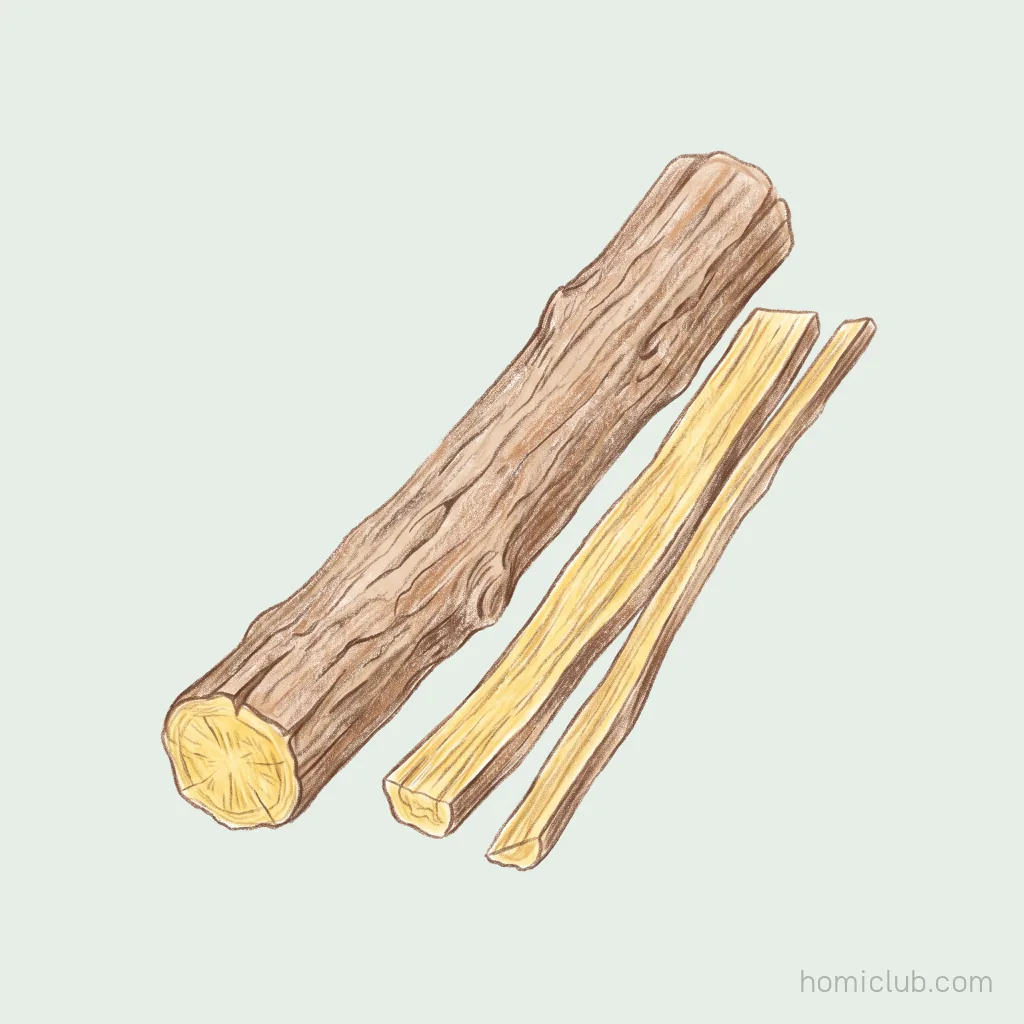
Sangsan is a root dug in the eighth month and dried in the shade; in Korea the name attached to the root of the meadowsweet shrub. Thin, solid, yellow pieces were graded highest and called chicken-bone sangsan. The old text warned again and again that it is toxic and violent, never to be used freely.
Original, read line by line 東醫寶鑑 · Tangaek — Decoctions vol. 3
-
性寒, 味苦辛, 有毒. 治諸瘧, 吐痰涎, 去寒熱.
Its nature is cold, its taste bitter and pungent, and it is toxic. It treats all forms of malarial disorder, brings up phlegm and drool, and dispels cold and heat.
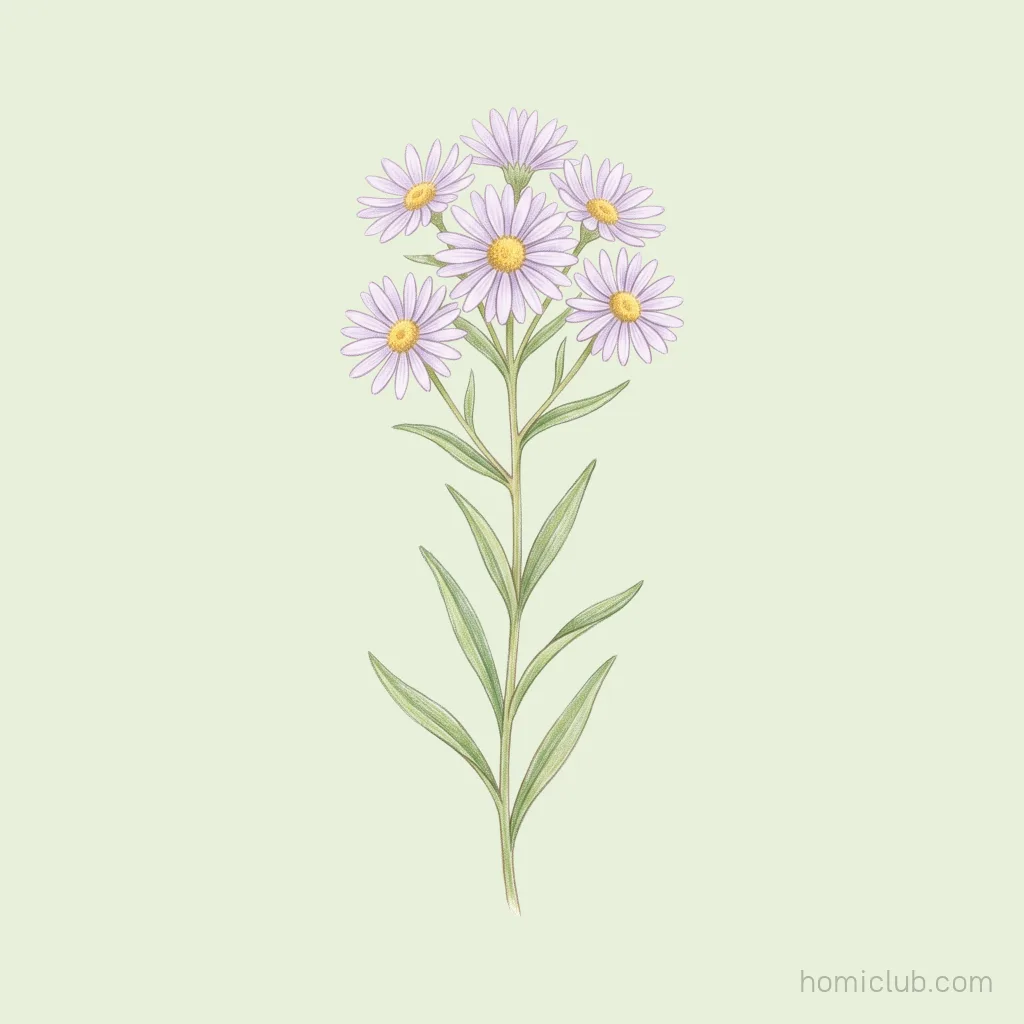
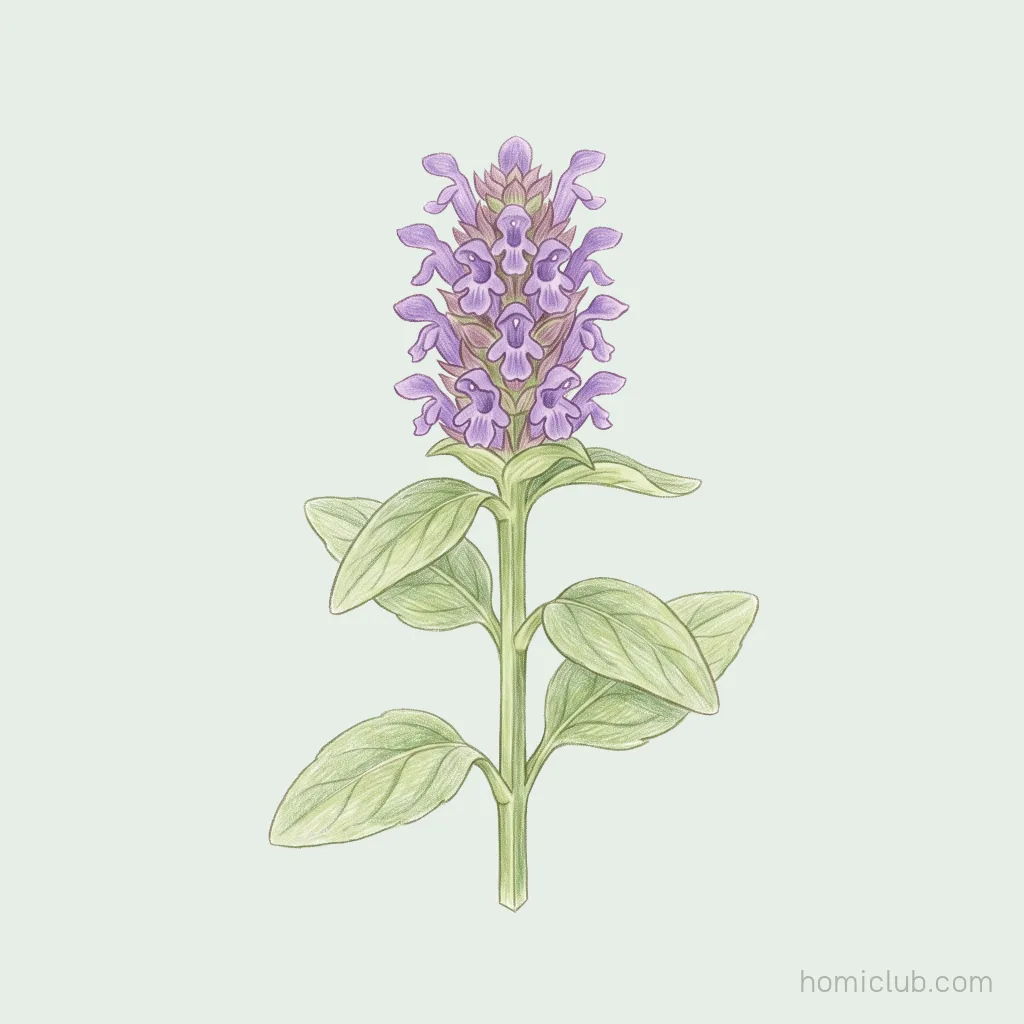
HomiclubSangsan is a root dug and dried in the shade; in Korea the name was applied to the root of the josap tree (Spiraea). Josap is a rose-family shrub whose small white flowers smother the branches in spring, common on hill slopes and along hedgerows.
-
處處有之, 卽蜀漆根也. 八月採根, 陰乾. 細實黃者, 呼爲雞骨常山, 最勝. 《本草》
It is found everywhere and is the root of chokchil (蜀漆). The root is dug in the eighth month and dried in the shade. The slender, solid, yellow kind is called gyegol sangsan (雞骨常山, chicken-bone sangsan) and is the finest. 《Boncho (本草)》
-
性暴悍, 善驅逐, 能傷眞氣, 不可多用, 令人大吐. 《丹心》
Its nature is violent and fierce and it drives things out well, but it can damage the true qi; it must not be used in quantity, for it makes a person vomit heavily. 《Dansim (丹心)》
-
生用令人大吐, 酒浸一宿, 蒸熟或炒, 或醋浸煮熟, 則善化痞而不吐. 《入門》
Used raw it makes a person vomit heavily, but if steeped in liquor overnight and then steamed through or parched, or steeped in vinegar and boiled through, it dissolves glomus well without causing vomiting. 《Immun (入門)》
Herbs — more entries
This is a cultural and historical record from a classical text, not a claim about any food’s effects. Nothing here is a health supplement or intended to prevent or treat disease. Consult a medical professional about health concerns. · Text: Korean Medicine Classics DB · Reading: Homiclub