
Tangaek — Decoctions · Herbs
白斂 Gahuitop (가희톱)
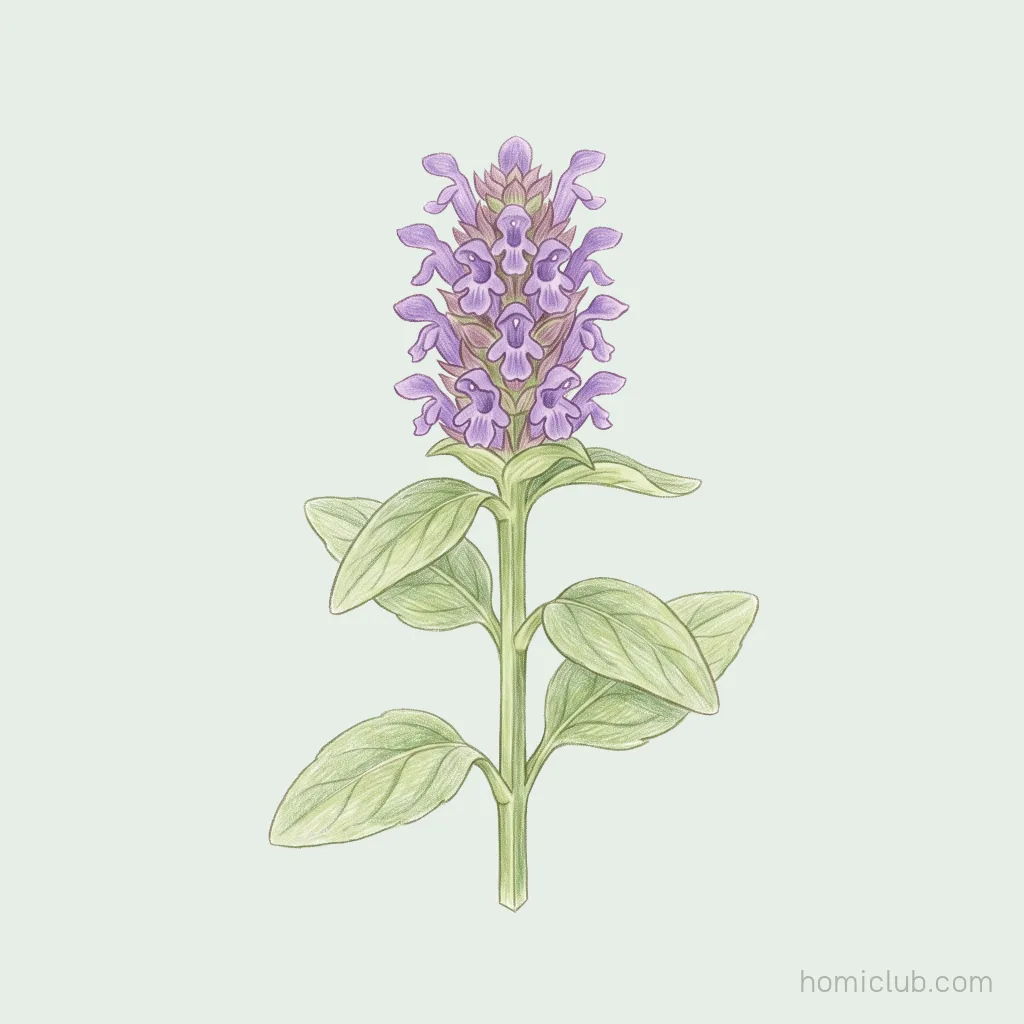
Baengnyeom is the root of gahuitop, a climbing vine in the grape family. Five leaflets spread from each branch tip like a palm, and the roots resemble asparagus fern, a dozen or so to a plant. A red-through variant was set apart under the name jeongnyeom.
Original, read line by line 東醫寶鑑 · Tangaek — Decoctions vol. 3
-
性平一云微寒, 味苦甘, 無毒. 主癰疽, 瘡腫, 發背, 瘰癧, 腸風, 痔瘻, 面上疱瘡, 撲損傷, 刀箭傷, 生肌止痛. 塗腫毒及湯火瘡.
Its nature is neutral, though one account calls it slightly cold; its taste is bitter and sweet, and it is non-toxic. It governs ongjeo (癰疽, abscesses), sores and swellings, back-erupting abscesses, narok (瘰癧, scrofula), intestinal wind, fistulous piles, blistering sores on the face, injuries from blows, and wounds from blades and arrows; it generates flesh and stops pain. It is applied to swelling toxin and to scalds and burns.
HomiclubBaengnyeom is the root of gahuitop, a vine of the grape family. The graph baek (白, white) in its name comes from the white flesh of the root, and the entry that follows, jeongnyeom (赤斂), names its counterpart, red both inside and out.
-
蔓生, 枝端有五葉. 根似天門冬, 一株下有十餘根, 皮赤黑肉白. 二月八月採根, 暴乾. 《本草》
It grows as a vine, with five leaflets at the tip of each branch. Its root resembles cheonmundong (天門冬), and a single plant bears a dozen or so roots, with dark red skin and white flesh. The root is dug in the second and eighth months and dried in the sun. 《Boncho (本草)》
HomiclubThe five leaflets spread palm-wise at the tip of each branch are the clue for recognising gahuitop. It sprawls through thickets on hill slopes.
Herbs — more entries
This is a cultural and historical record from a classical text, not a claim about any food’s effects. Nothing here is a health supplement or intended to prevent or treat disease. Consult a medical professional about health concerns. · Text: Korean Medicine Classics DB · Reading: Homiclub