
Tangaek — Decoctions · Herbs
白頭翁 Baekduong (백두옹)

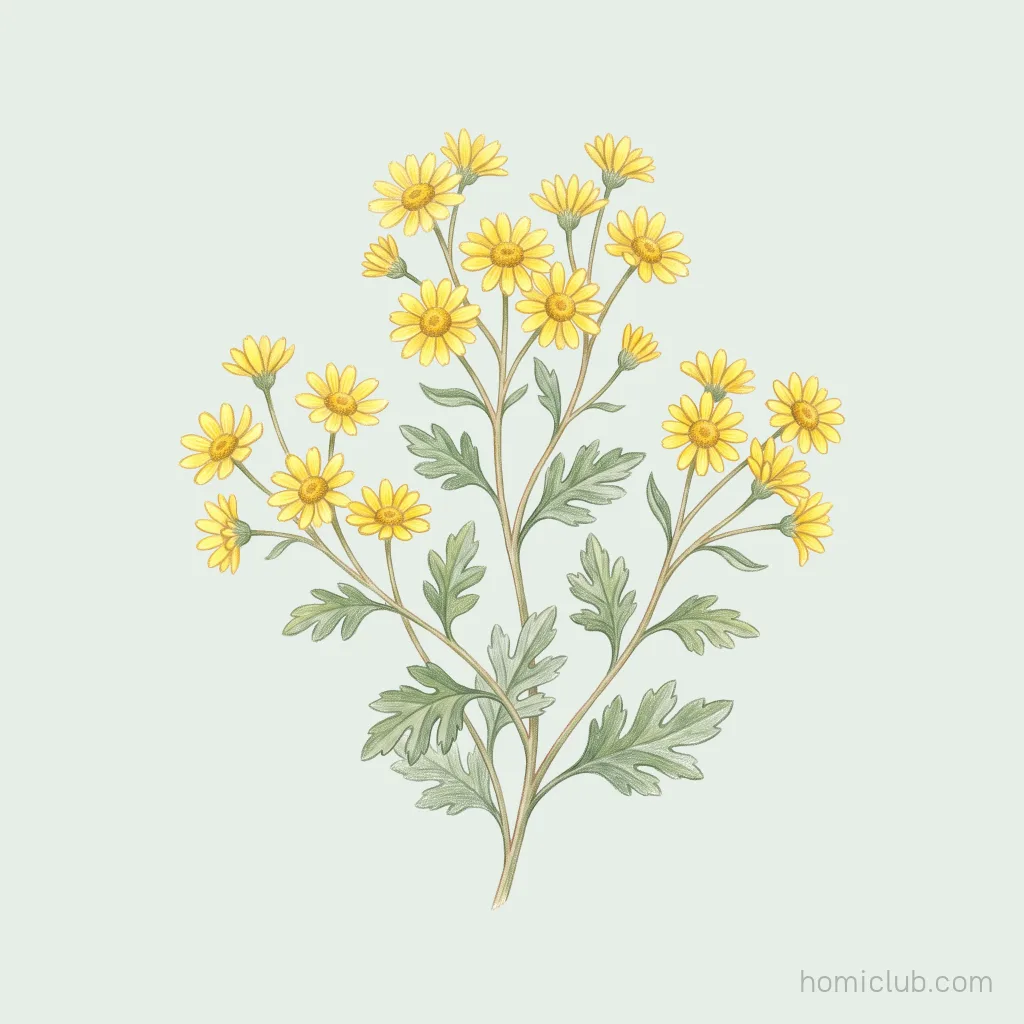
Baekduong is the root of the Korean pasque flower. White hairs an inch long trail from the stem tip like an old man's head, which is where the name comes from. Also called howangsaja, the root is dug in the eighth month and sun-dried. The entry notes slight toxicity.
Original, read line by line 東醫寶鑑 · Tangaek — Decoctions vol. 3
-
性寒, 味苦, 有小毒.
Its nature is cold, its taste bitter, and it is slightly toxic.
HomiclubPulsatilla koreana contains protoanemonin, formed when its glycoside breaks down, which damages the skin. Medical journals have reported three cases of chemical burns after massage with chopped Pulsatilla, and a case of acute blistering irritant contact dermatitis after a Pulsatilla koreana extract was applied.
-
主赤毒痢及血痢.
It governs red toxic dysentery (赤毒痢) and bloody dysentery.
-
治項下瘤癧, 消贅子, 療頭癩.
It treats lumps and scrofulous nodes (瘤癧) below the neck, dissolves warts, and heals scabby sores of the head (頭癩).
-
一名胡王使者, 處處有之.
It is also called howangsaja (胡王使者), and it is found everywhere.
-
其苗有風則靜, 無風自搖, 與赤箭獨活同.
Its shoots are still when there is wind and sway by themselves when there is none, the same as jeokjeon (赤箭) and dokhwal (獨活).
-
莖端有白細毛寸餘披下, 如白頭老翁, 故以爲名.
At the tip of the stem fine white hairs more than an inch long hang down, like a white-headed old man, and so it was named for this.
HomiclubThe white hairs hanging from the stem tip are the feathery styles that lengthen on each fruit after flowering.
-
八月採根, 暴乾. 《本草》
The root is dug in the eighth month and dried in the sun. 《Boncho (本草)》
Herbs — more entries
This is a cultural and historical record from a classical text, not a claim about any food’s effects. Nothing here is a health supplement or intended to prevent or treat disease. Consult a medical professional about health concerns. · Text: Korean Medicine Classics DB, collated with the Jangseogak copy of the 1613 wooden movable-type edition · Reading: Homiclub