- Type
- Trees & Vines
- Difficulty
- Hard
- Season
- Fall·Winter
- Sowing
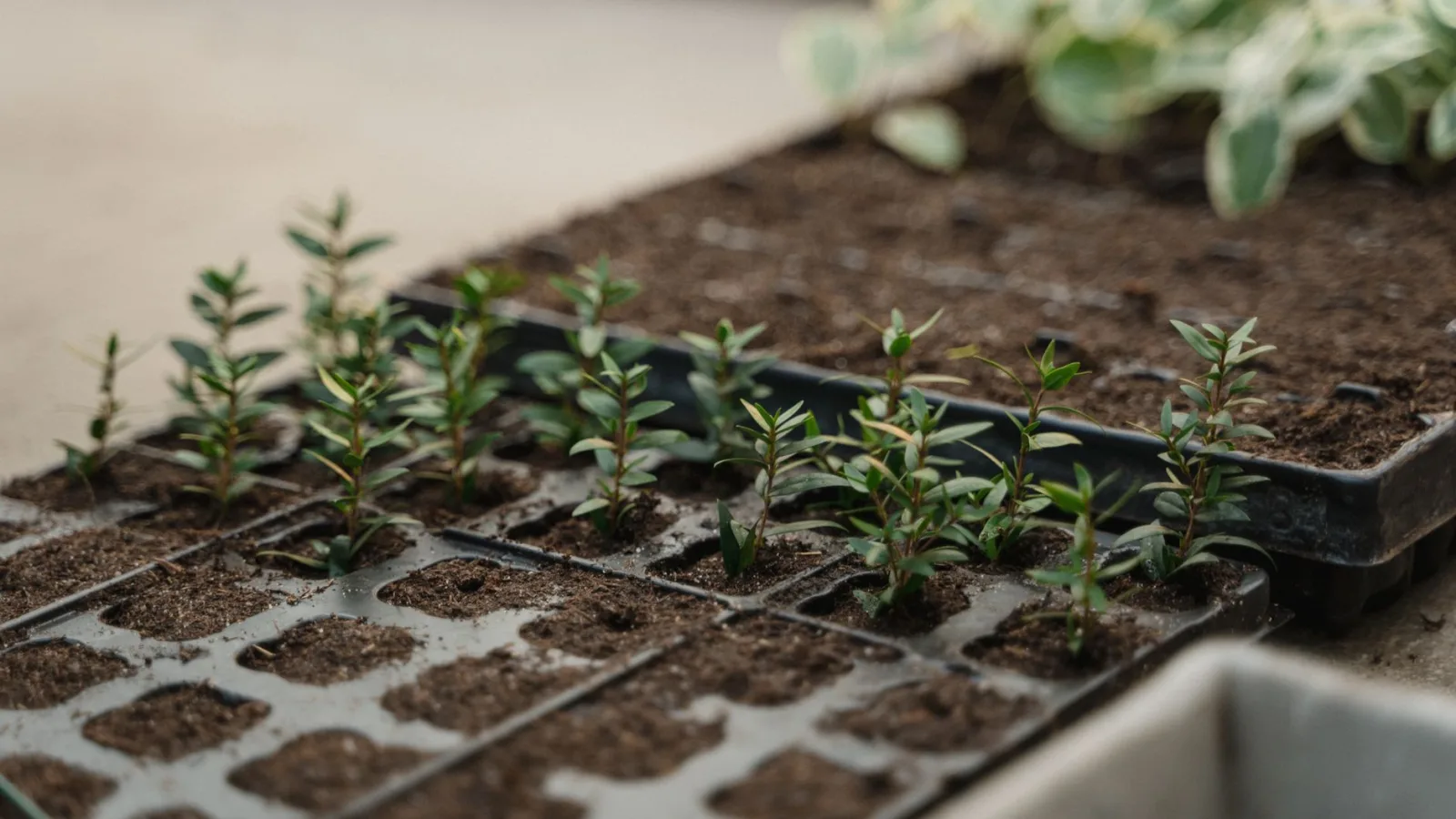
- Plant a sapling
Yuja (Yuzu)
Citrus junos
Hesperidin, vitamin C · the winter citrus you use for its peel
Yuja is a thick-skinned, knobbly citrus. By modern taste it is too sour and bitter to eat straight, so it gets sliced whole, peel included, and layered into a sugar preserve. The Donguibogam separated it from the mandarin by its larger size and thicker rind. The main Korean growing areas are Goheung and Wando in South Jeolla and Geoje in South Gyeongsang, with fruit arriving from late October into November. Nearly all the aroma lives in the oil glands of the peel, so discarding the peel defeats the point of using yuja at all.
Year-Round Calendar
- 1
- 2
- 3
- 4
- 5
- 6
- 7
- 8
- 9
- 10
- 11
- 12
- 3
- 4
- 10
- 11
Where It Grows
-
Main producer
Kochi Prefecture on Shikoku is the largest growing area in the world, followed by Tokushima and Ehime. Unripe green yuja is picked in summer and yellow, ripened fruit in late autumn, in two separate harvests. Harvest August, September, November, December
- 8
- 9
- 11
- 12
-
Main producer
The growing areas are Goheung, Wando and Jindo in South Jeolla and Geoje and Namhae in South Gyeongsang. Because so much of the crop is sliced peel and all and steeped into a syrup preserve, large fruit with thick peel is preferred. Harvest October, November
- 10
- 11
- Origin The upper and middle Yangtze appears to be its place of origin, and it is still grown in Hubei, Hunan and Zhejiang under the name xiangcheng (fragrant citrus).
Yuja is thought to have originated in the Yangtze basin of China and travelled to Korea and Japan; today it is those two adoptive countries that lead production and consumption. In all three, growing areas are concentrated in the warm-wintered southern coasts and river valleys, and further north the trees cannot survive outdoors.
- Optimum
- 15~25℃
- Range
- 10~35℃
- Hardiness
- Half-hardy
Among citrus, yuja is one of the hardiest against cold: it can take -7 to -9℃ for short spells, but branches freeze if temperatures stay below that. The best sites are near the sea, where the annual mean temperature is 13℃ or above and winter lows rarely drop below -5℃. Because the sea keeps winter temperatures from falling as far, growing areas cluster along the coast.
Harvested 3–4 years after planting. A grafted sapling starts bearing fruit from its third or fourth year, with a proper harvest from the sixth or seventh. A tree raised from seed takes more than ten years to its first fruit. There is no harvest in the year of planting.
In Korea Jeju and the south coast
The main growing areas are Goheung, Wando and Jindo in South Jeolla and Geoje and Namhae in South Gyeongsang, and it is also grown on Jeju. Saplings go in during March and April, and the fruit is picked from late October into November once the peel turns yellow. In the central regions and further north, the trees cannot overwinter (survive the winter) outdoors, so they are brought inside pot and all.
How to grow
- Light
- Six hours of direct sun or more. A south-facing wall that throws back heat suits it well.
- Soil and depth
- Free-draining, slightly acidic soil. For pots, mix about 30 percent coarse grit into potting soil.
- Spacing
- Four to five metres in the ground. In a pot, at least 45 cm across, repotted every three or four years.
- Watering
- Water deeply when the top of the soil dries. Indoor winter air dries the leaf tips, so mist the foliage.
- Feeding
- Split feeding across March, June, and September. Citrus goes yellow between the leaf veins when magnesium runs short.
- Harvest
- Late October into November. Cut the stalk with scissors once the skin has coloured fully; twisting by hand tears the peel.
What makes the difference. The branches carry long, stiff thorns, so wear leather gloves for repotting and harvest. A seedling-grown tree can take more than ten years to fruit, so buy a grafted one. For winter, a bright spot at 5 to 10 degrees works best; a warm living room exhausts the tree instead of resting it.
Why this one is harder. Cold tolerance is poor, and sustained temperatures below minus five will kill it. North of the central region it cannot overwinter outdoors, so the pot has to come inside.
Common problems
- Citrus red mite You will see Leaves go dull and pale, with tiny moving red dots underneath. What to do Wash the leaf undersides with water and raise the humidity indoors over winter.
- Scale insects You will see Brown shell-like bumps on branches and leaf stalks, followed by sooty mould. What to do Scrape them off with a toothbrush and apply horticultural oil in winter.
- Swallowtail caterpillars You will see New leaves disappear entirely, with a large caterpillar sitting on the stem. What to do There are never many, so pick them off by hand and relocate them.
This page describes how a crop is grown and used. It does not claim health effects for any food, nor is it intended to prevent or treat disease. Component and study notes are references only and do not mean the same result occurs in people. Consult a medical professional about health concerns.
Health Benefits
What the old record says. Yuja appears in the Donguibogam's fruit section as yuja. The entry separates it from the mandarin by its larger size and thicker rind, and treats the fragrant peel as the part that matters. This is a record from a seventeenth-century medical text, not a modern medical judgement.
What studies have observed. Studies have reported on antioxidant markers and aroma compounds in yuja peel extract. Human trials are few, so this cannot be restated as an effect on any disease.
Nutrition
- Vitamin C (About 105 mg per 100 g of whole fruit, peel included) — High even among citrus
- Hesperidin (A flavonoid in the peel and white pith) — Commonly reported in citrus peel
- Limonene (The main aroma compound in the oil glands of the peel) — Gives yuja its distinctive scent
- Pectin (The soluble fibre of peel and membrane) — Why the syrup thickens
Vitamin C The national food composition table puts yuja at about 105 mg of vitamin C per 100 g, measured on the whole fruit with the peel included; as with the aroma, more of it sits in the peel. The preserve is a different story: it takes an equal weight of sugar, and a mug of yuja tea contains only a spoonful of actual fruit. Making it without heat and keeping the jar refrigerated limits the losses.
Flavonoids in the peel Hesperidin and naringin concentrate in the peel and the white pith. The bitterness comes from naringin and limonin; hesperidin itself is close to tasteless. Stripping all the pith reduces the bitterness but takes those compounds with it. Slicing finely so the bitterness spreads out is an easier balance to strike.
The sugar in the preserve Yuja preserve is normally one part fruit to one part sugar. Two spoonfuls in a mug means about 15 g of sugar. Several mugs across a day add up fast. Cutting the sugar invites mould, so instead of reducing it, refrigerate the jar and use it within two months.
Pairings
○ Ginger and honey — Thin slices of ginger layered into the preserve make a good winter drink. The heat of the ginger holds down the bitterness of the peel. Replacing part of the sugar with honey lowers the total sugar. Ginger
○ Radish or pear salad — A little yuja juice takes the sharp edge off raw radish. Shred the peel very finely into the mix and the aroma carries. Let it sit ten minutes after dressing so the scent spreads. Asian Pear · Korean Radish (Mu)
○ White fish and shellfish — Juice and grated peel cut the fishy note. Long cooking drives the aroma off, so add it at the end. Use only the coloured outer layer, not the pith.
△ The preserve if you are managing blood sugar — Half the weight of yuja preserve is sugar. Thinking of it as fruit and drinking it often adds up quickly. If you are managing blood sugar, cooking with the fresh fruit and peel is the better route. When you do drink it, one spoonful per mug with plenty of water.
△ Using unwashed peel — This is a fruit you use whole, so how you wash it matters. Scrub with coarse salt, rinse under running water, then dip in boiling water for ten seconds. Anything lodged in surface blemishes will not come off with water alone.
△ If you take regular medication — Grapefruit juice is well known for inhibiting liver enzymes involved in drug metabolism, and related compounds have been reported in yuja, a fellow citrus. The effect is described as weaker than grapefruit's, but check with your pharmacist before making a strong daily drink of it.
Varieties
- Native yuja (Sapling) — The long-grown Korean line. Thick peel, deep fragrance.
- Seedless yuja (Sapling) — Few seeds, so less work when making syrup.
- Green yuja (Sapling) — Picked unripe in September. A sharper, brighter scent.
- Yuja on trifoliate rootstock (a rootstock difference, not a cultivar) (Sapling) — Grafted onto trifoliate orange rootstock. Slightly hardier and stays smaller.
Source: Donguibogam, Fruit Section (柚子) · Rural Development Administration (nongsaro.go.kr)