
Columns
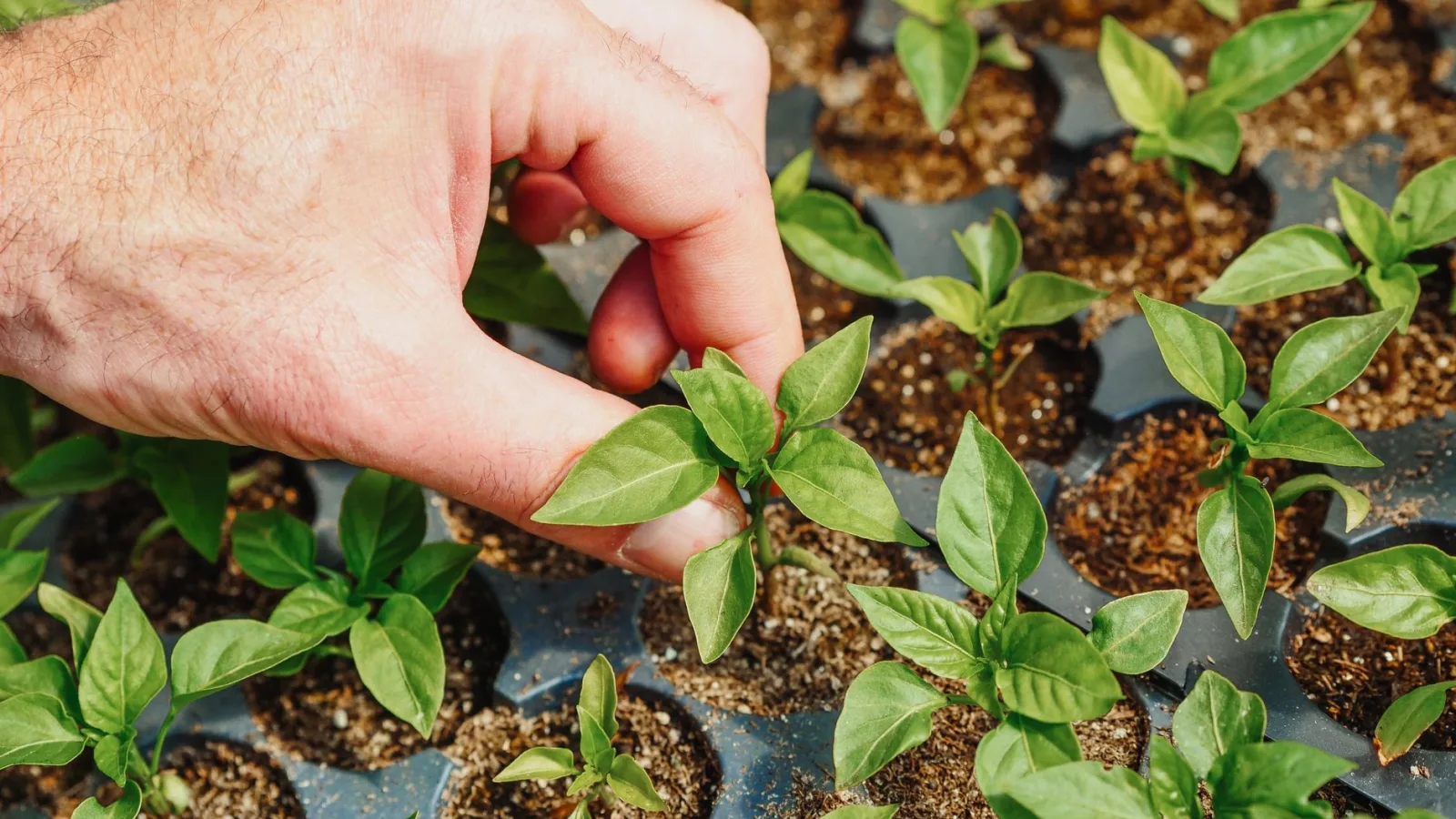
Gobagi: The Bitter Leaf That Makes It Through Winter
Sow gobagi in the beds your summer crops leave empty. It lives through winter and gives you leaves again in spring. We compare what a 400-year-old Korean medical text said about this bitter green with what modern nutrition science shows.
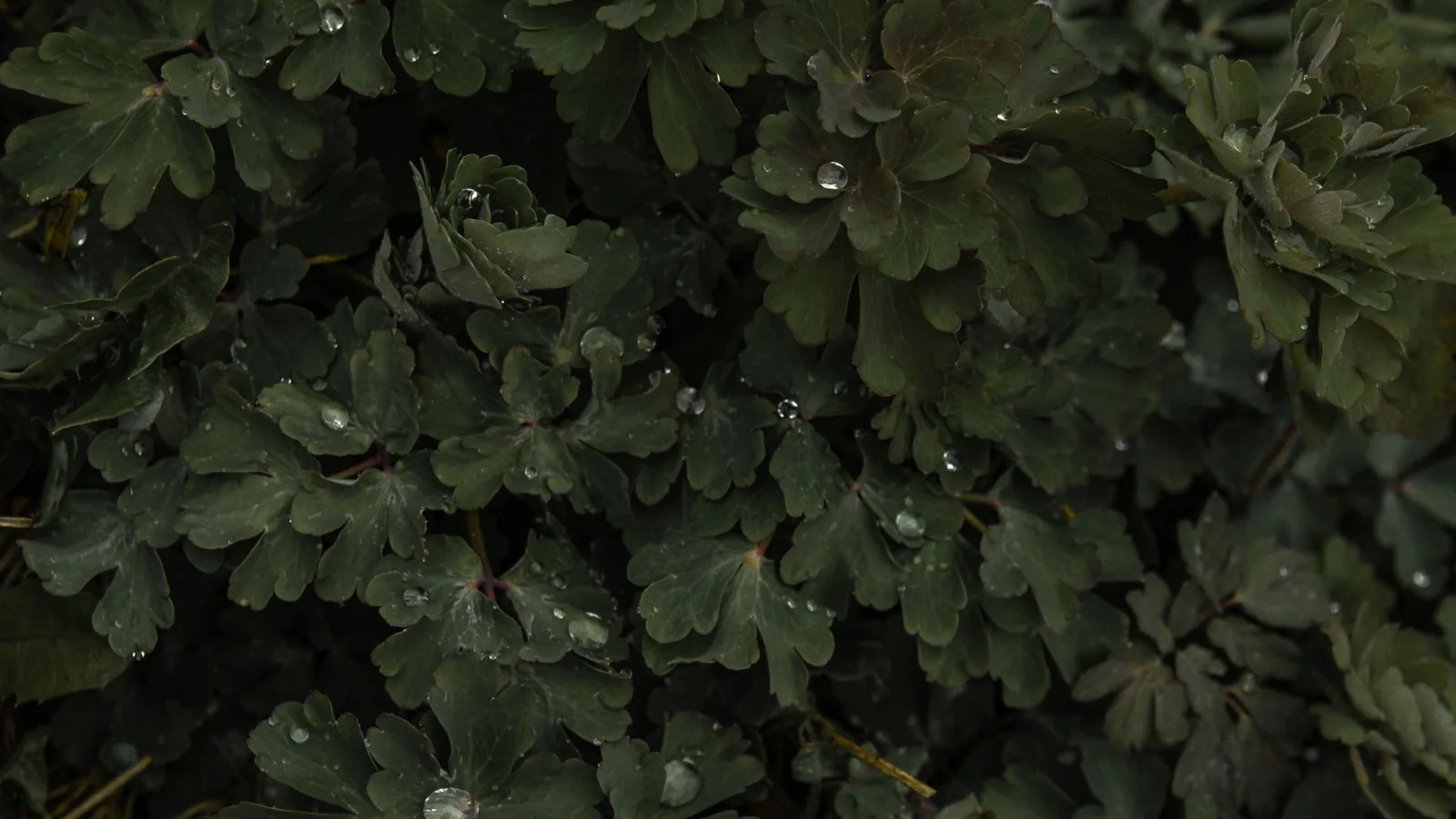
Minari and Health Through the Eyes of the Donguibogam
Minari, the fragrant water dropwort of the Korean spring table, gets a detailed entry in the Donguibogam, Korea's 17th-century medical classic. Here's what that old text said about it and how it compares with modern nutrition.
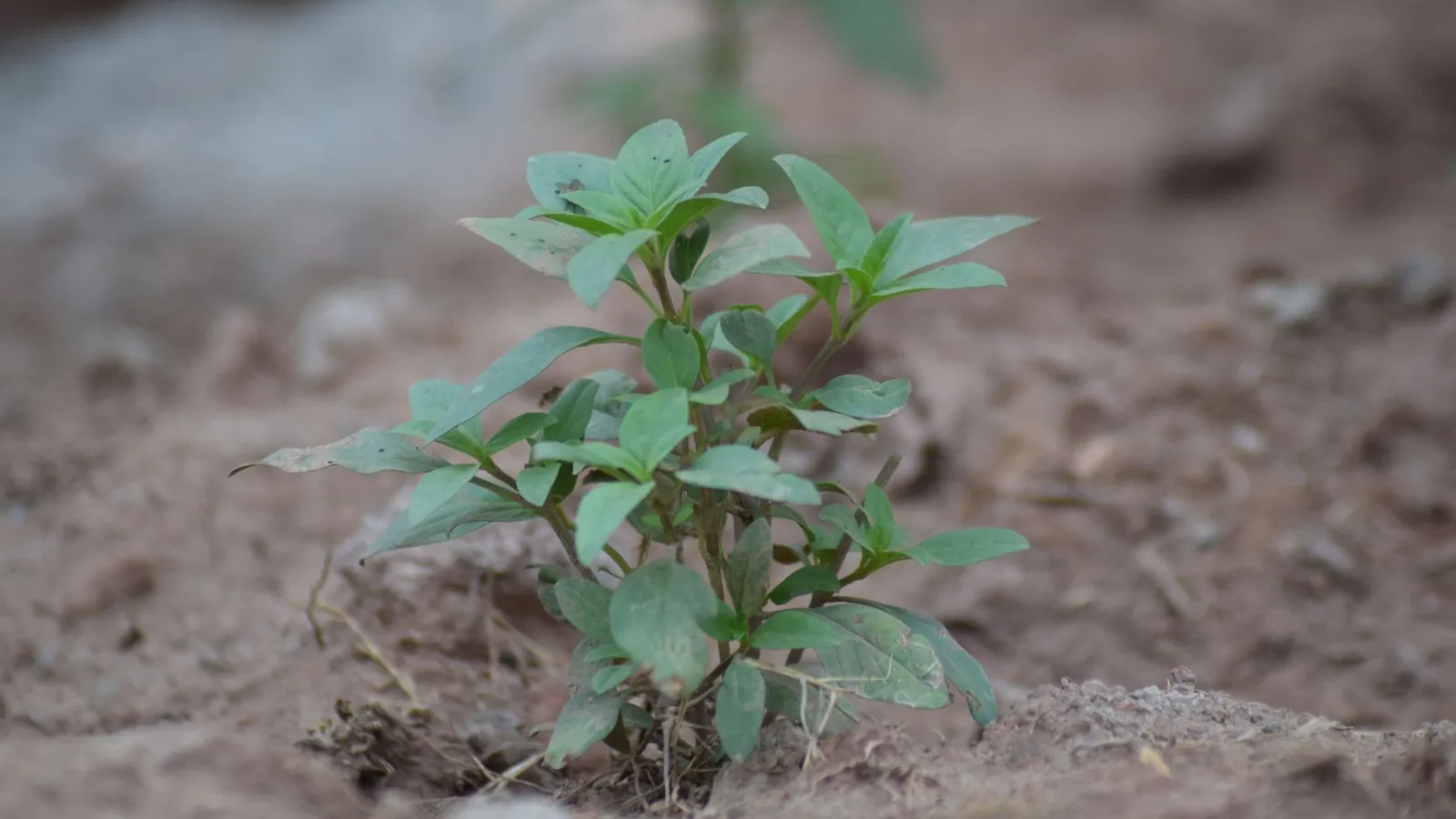
Kochia, the Yard-Broom Plant: From the Donguibogam's Jibuja to Today's Table
Korean households once got both food and yard brooms from kochia. This column follows the plant from its entry in the Donguibogam to modern analysis, then explains how to grow it, harvest it, and cook its young leaves and seeds.
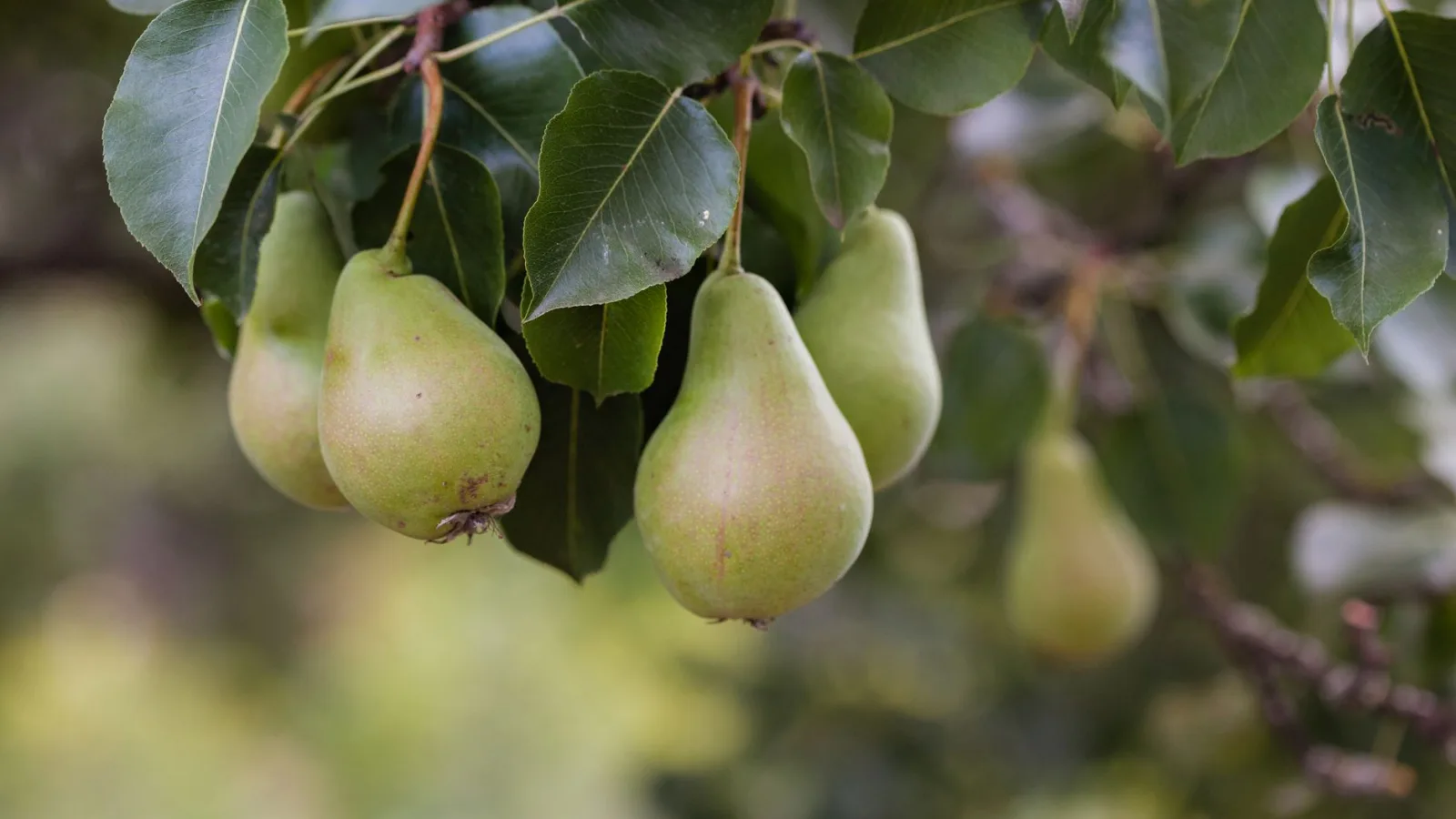
What an In-Season Pear Really Does for Your Body
Crisp Asian pears are more than 85% water and contain sorbitol, a sugar alcohol that can upset a sensitive gut in large amounts. Here's how the trees grow, what we can and can't say about their health effects, and how to enjoy them.
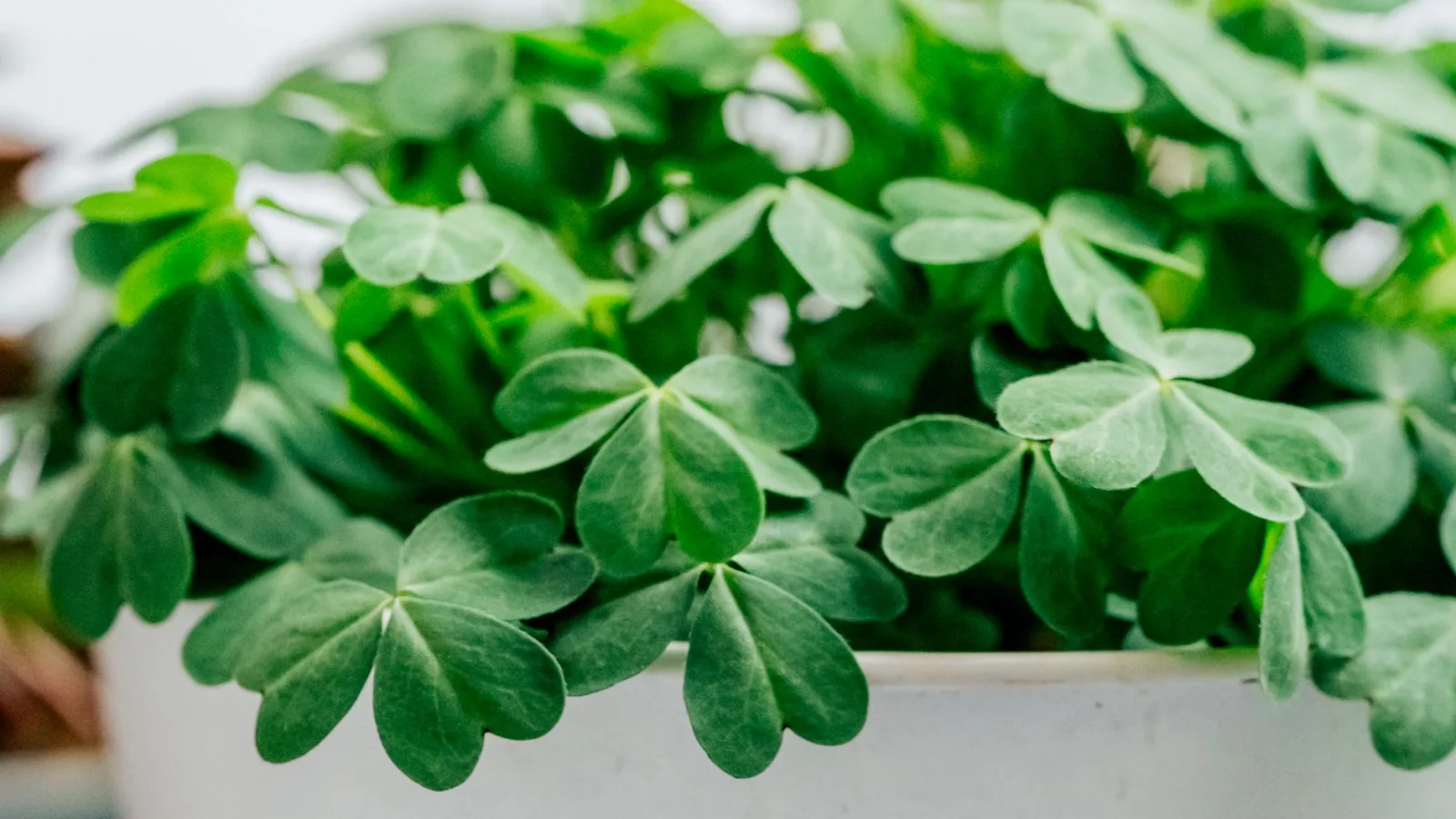
Horopa in an Old Medical Classic, Fenugreek in Tonight's Pot
The 17th-century Korean medical classic Dongui Bogam described fenugreek seed as warm and bitter, and modern chemistry traces its maple-like scent to a compound called sotolon. Here's where the old record and today's science meet, plus how to grow, toast, and cook with the seed.
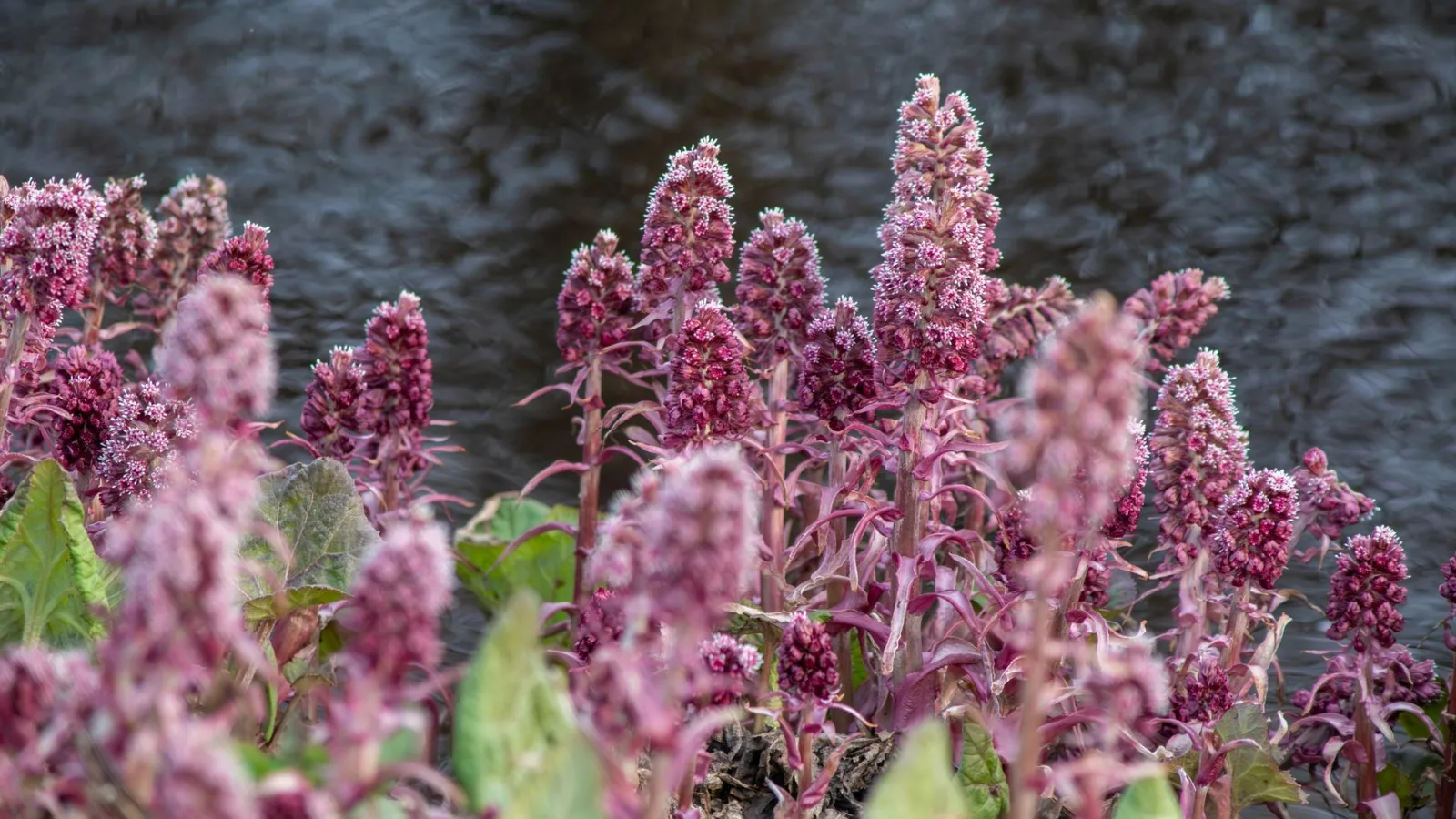
Butterbur Through the Eyes of the Dongui Bogam
Butterbur comes back to the same shady corner of the garden every spring. Here's how traditional Korean medicine viewed this bitter green, what modern science says about it, and how to prepare it safely.
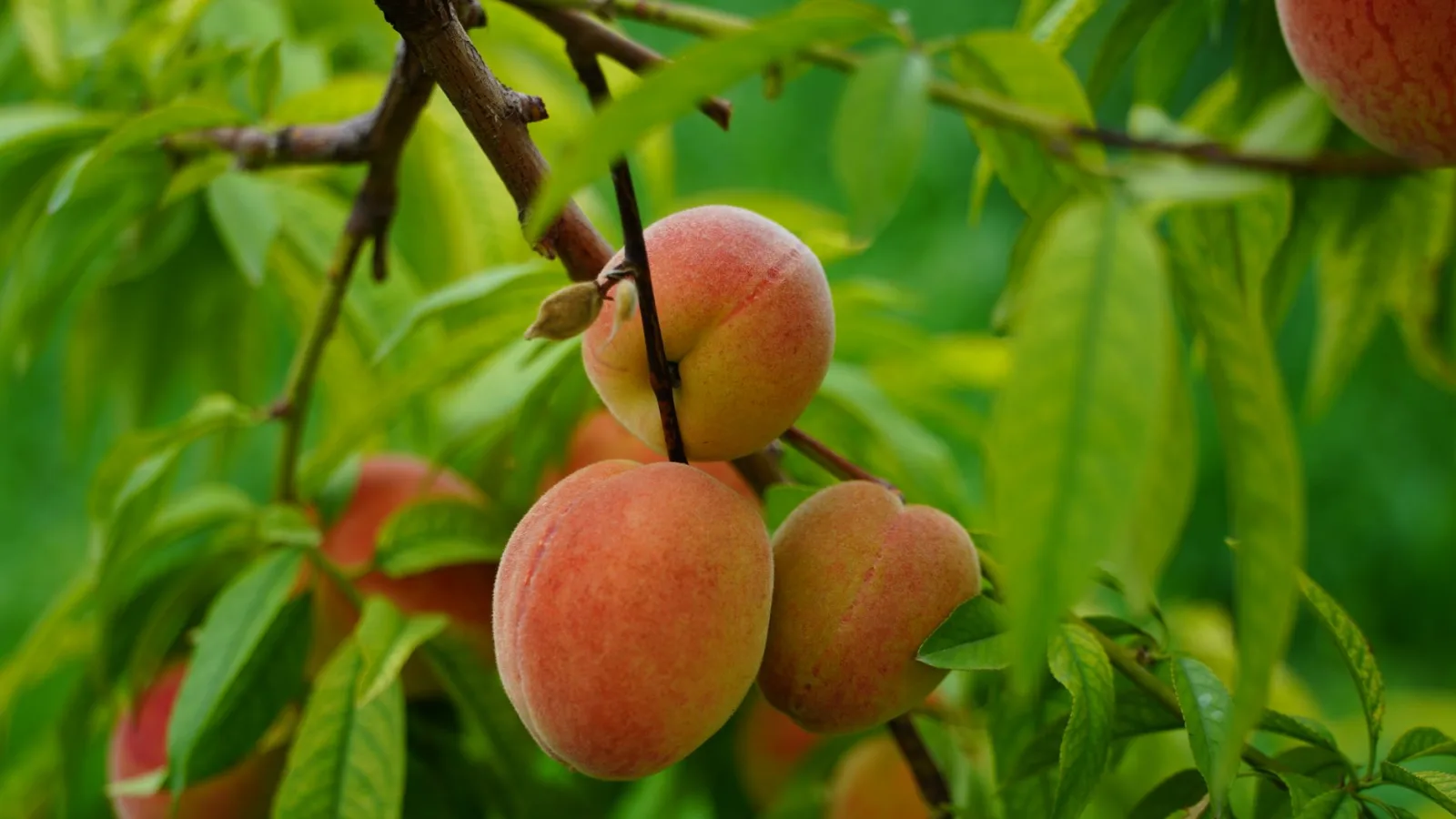
Growing Peach Trees and Handling the Pits: Leave the Kernel Uncracked
Peach trees need winter cold, dry summers, and well-drained soil to bear fruit. Here's how to grow them from saplings and when to harvest, and why you should throw the pits away without cracking them.
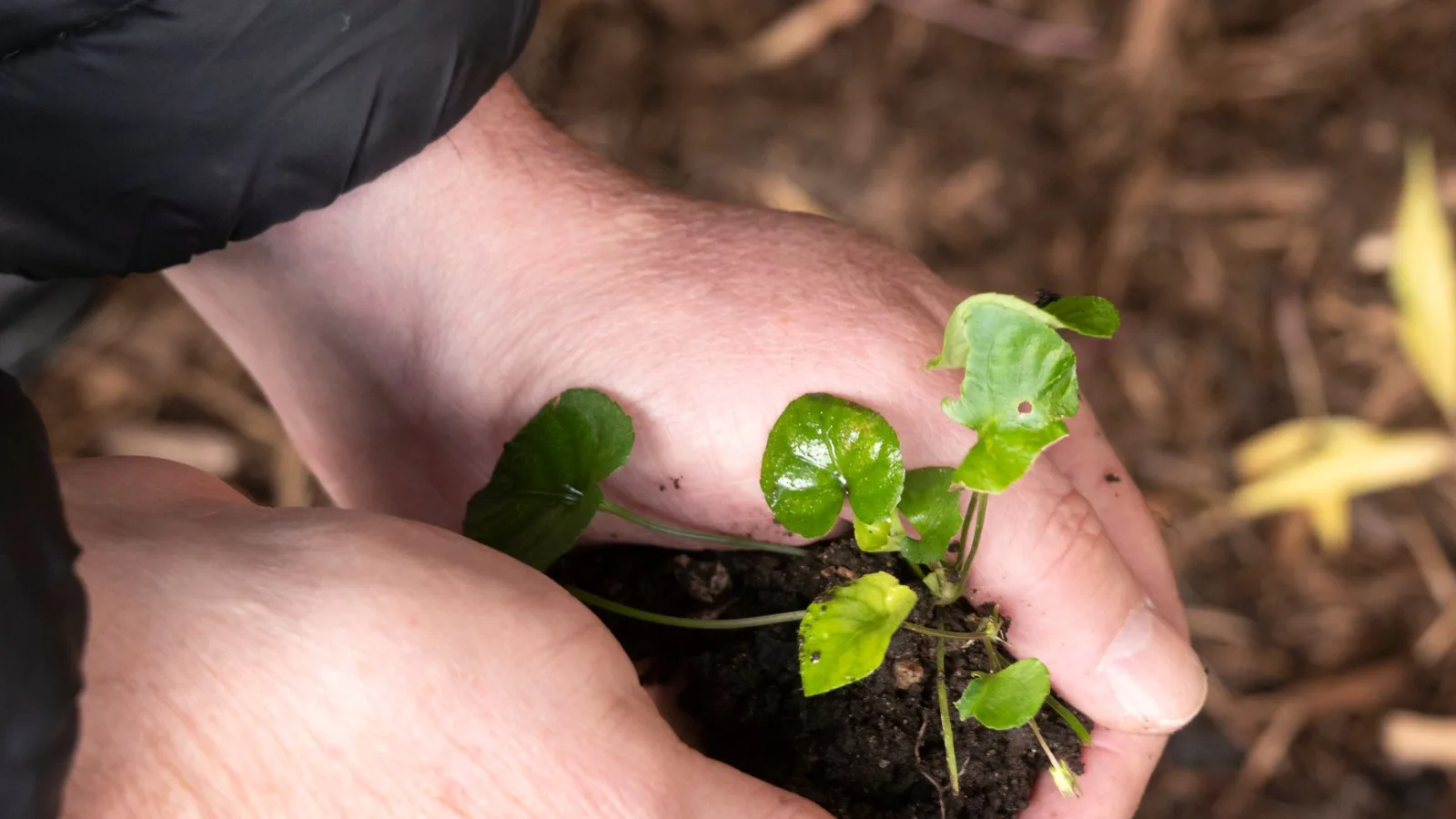
Tart Neunggeum Shines with Sugar, Rich Meat, and Cinnamon
Neunggeum is a small, tart apple that Koreans ate long before Western apples arrived. It's too sour to enjoy raw, but it's very useful in the kitchen: steep it into syrup, roast it with pork or duck, or simmer it with cinnamon and cloves.
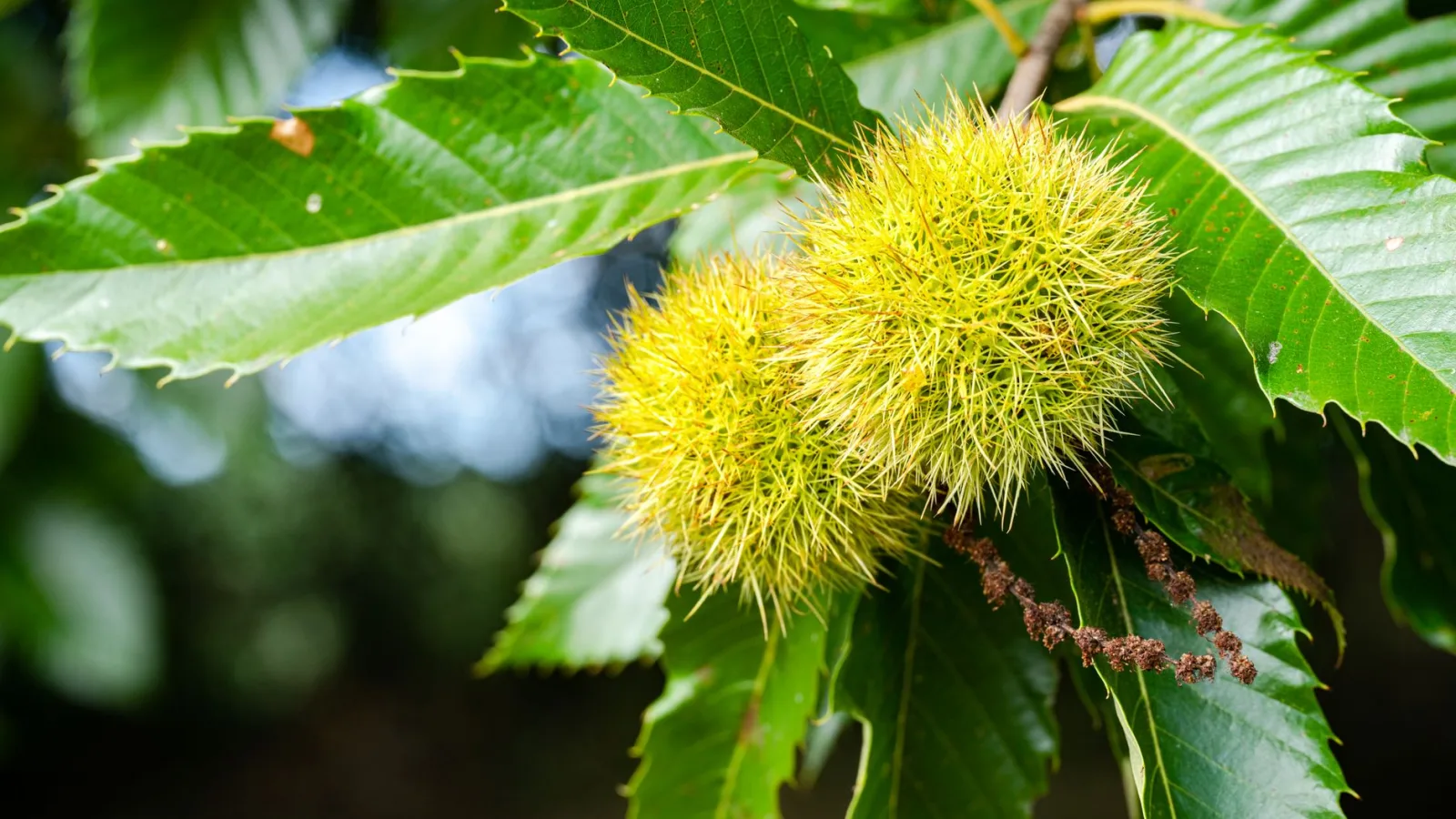
Chestnuts, the Dongui Bogam's First Among Fruits: A Fresh Look From Today's Garden
The Dongui Bogam, a 17th-century Korean medical classic, ranked chestnuts first among fruits. We compare that old record with modern nutrition data and share ways to harvest, store, and cook chestnuts this fall.
When Your Fruit-Syrup Jars Keep Turning Slimy: Thyme and Oregano
A new study found that a blend of oregano and thyme essential oils reduced how much yeast stuck to surfaces more than either oil alone. Here is what that means for your kitchen, and why boiling water is still the way to sterilize your jars.
Can Good Soil Carry Your Garden Through a Drought?
Soil rich in organic carbon produces bigger harvests in normal years, but research from Colorado State University found that the advantage disappears in severe drought. Here's why compost still matters, and what else to do when the rain doesn't come.
AI Comes to Farming, Right Down to Your Garden Bed
Researchers at the University of Missouri are using AI to work out how densely to plant each part of a field, so the same land produces more. The same idea works in a backyard garden, too.
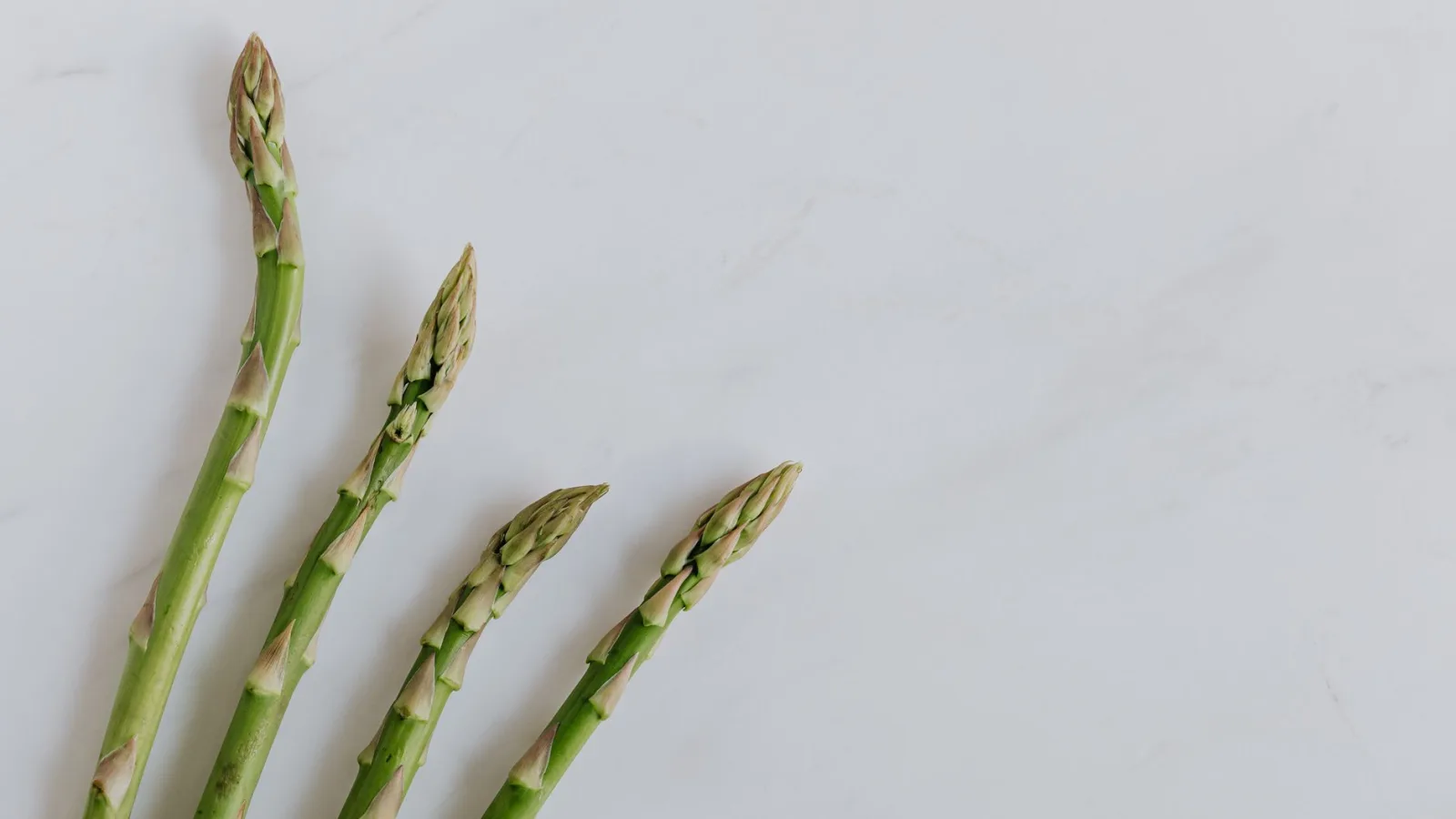
Asparagus Through the Lens of the Dongui Bogam
Korea's classic medical text, the Dongui Bogam, says little about the asparagus we eat, and its herbal cousin cheonmundong is a different plant. Here's why we keep them apart, and what modern nutrition says about asparagus instead.
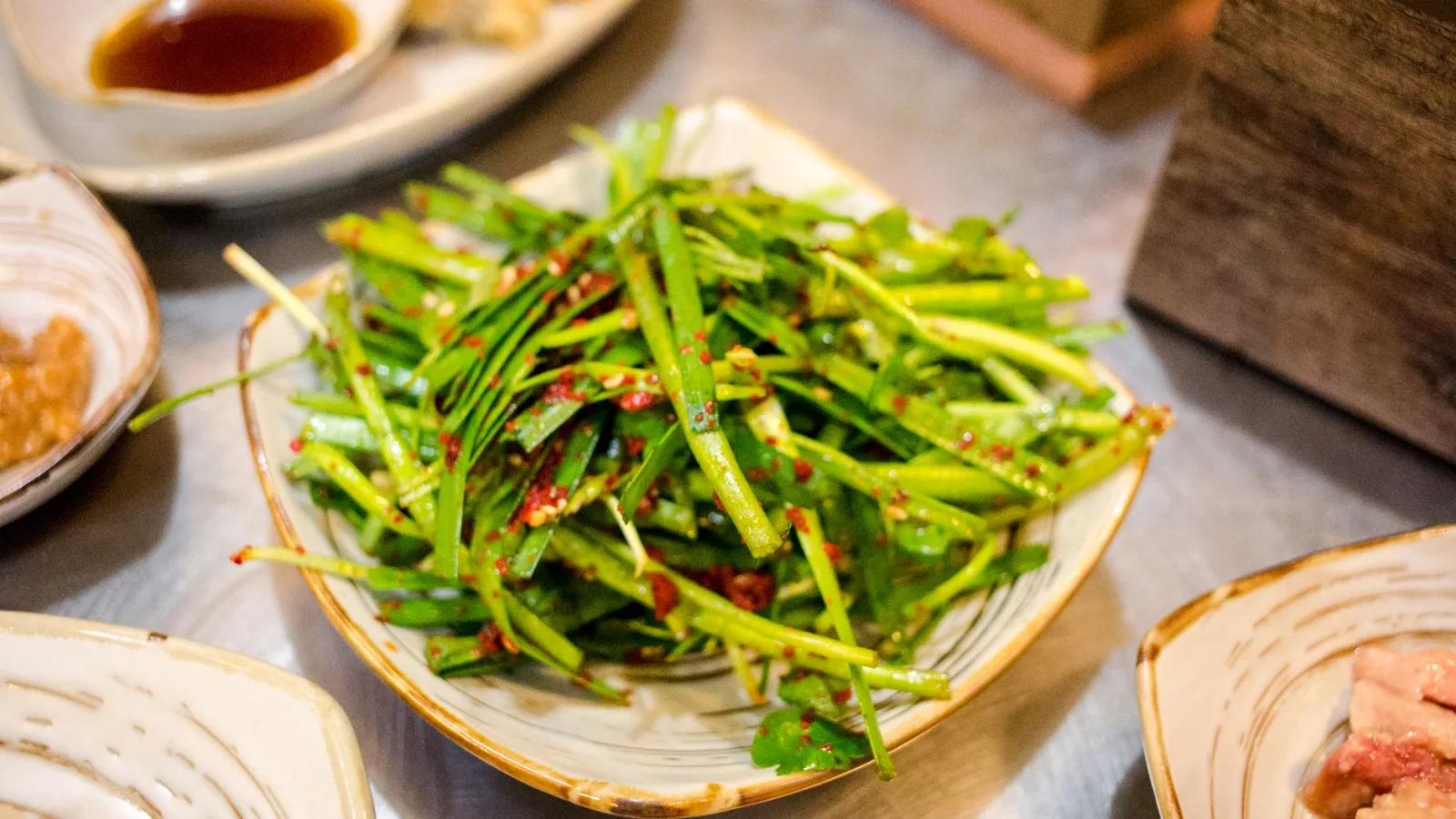
Garlic Chives, Through the Eyes of the Dongui Bogam
Garlic chives keep growing back however often you cut them, and the Dongui Bogam called them the warmest and most beneficial of all vegetables. Here's what the old text said, how it compares with modern nutrition, and how to bring them from the garden to your table.
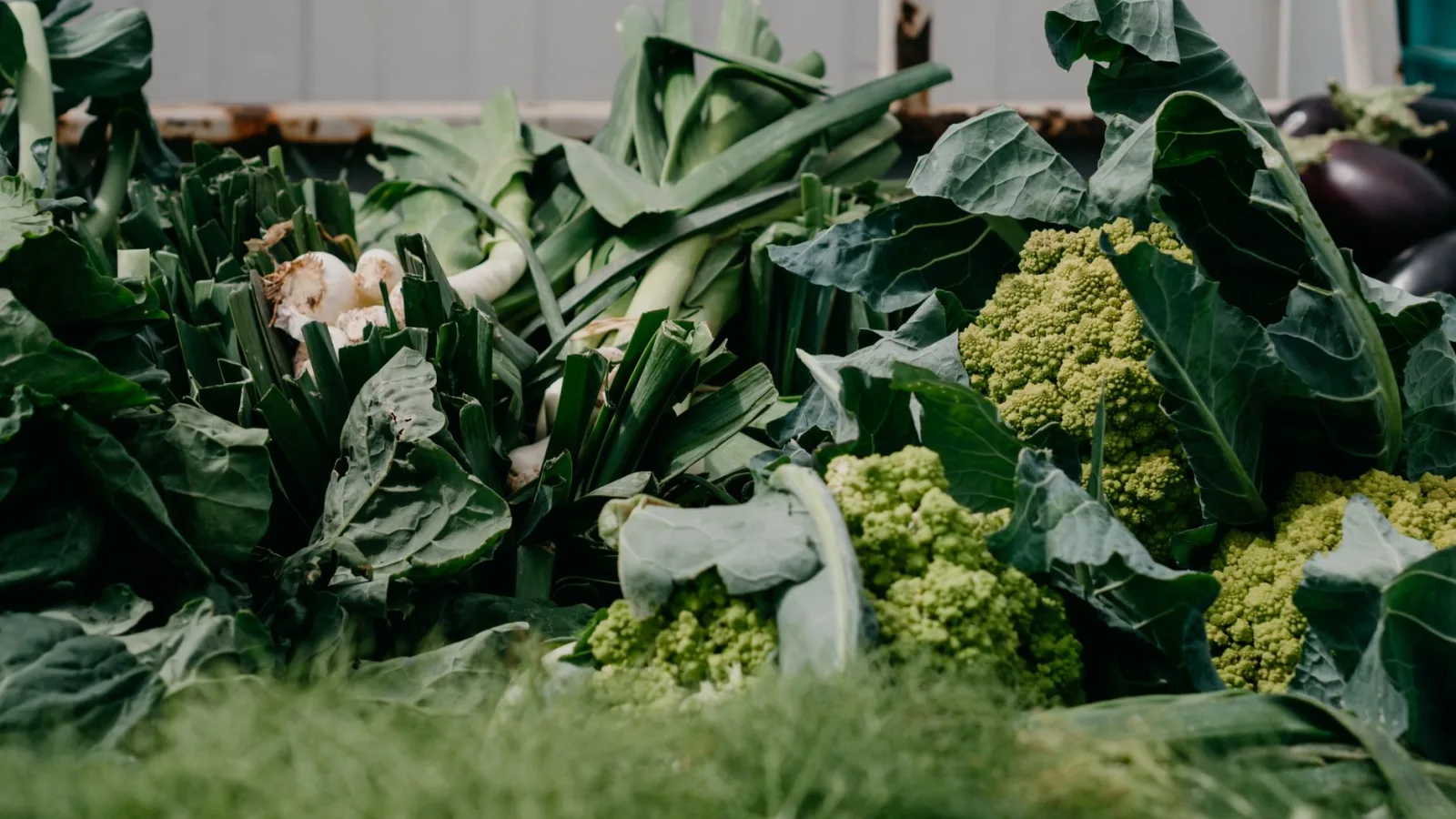
Quercetin from Onions and Broccoli Shows Up in Lung Cancer Research
A computer-modeling study found that a form of quercetin, a compound in onions, broccoli, and apples, attached firmly to seven proteins linked to lung cancer. It hasn't been tested in a lab yet, but it's still a good reason to change how you prepare what you grow.
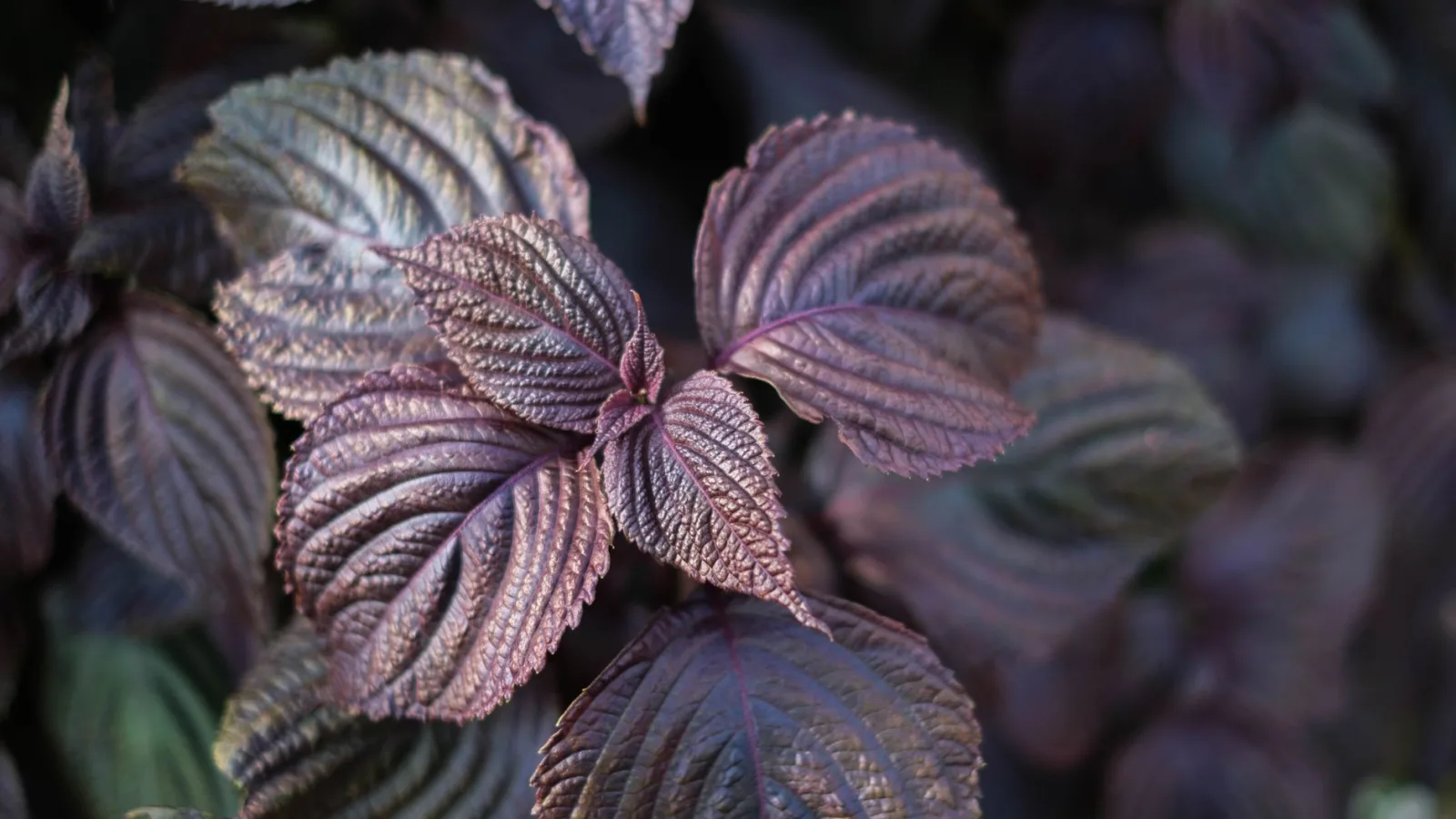
A Spoonful of Perilla Oil: How to Make Sure Your Body Keeps the Goodness
Perilla and flaxseed oils are full of plant-based omega-3s, but much of that goodness can be lost before your body absorbs it. Here's how to store, use, and pair these oils so more of it stays with you.

The Village That Mapped What Its River Gave
In South Africa's Kat River catchment, 54 residents mapped what their river gives them and traced how those gifts have dwindled since around 2000. Their story shows how a gardener's everyday notes can become a valuable environmental record.
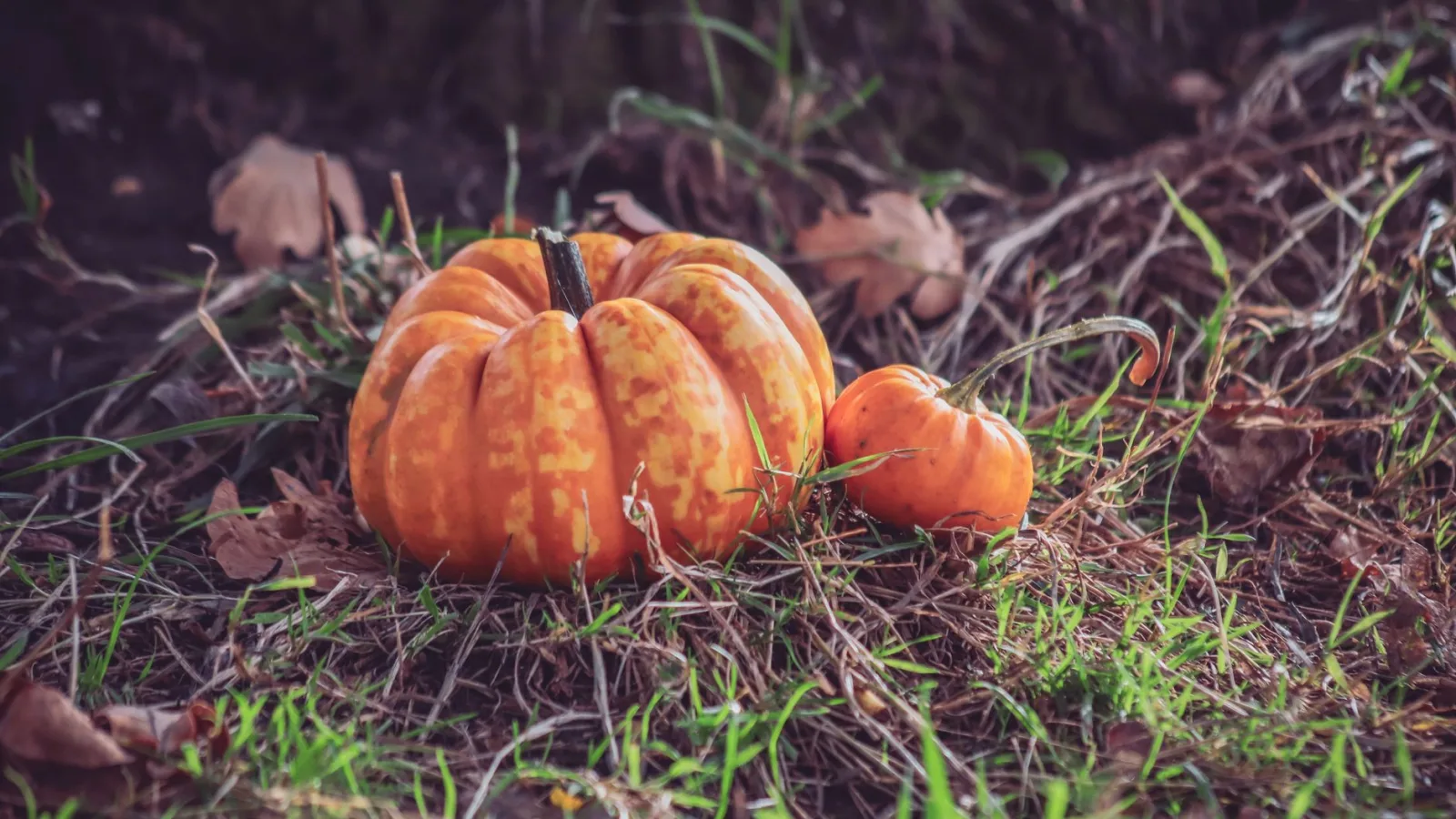
The Deep Orange of Ripe Pumpkin: A Pigment That May Help a Weary Heart
The orange color of ripe pumpkin comes from carotenoids, antioxidant pigments that may protect heart cells from damage caused by a common chemotherapy drug, according to a recent animal study. Here's what the researchers found, why it's still early, and how to get the most out of the pumpkins on your table.
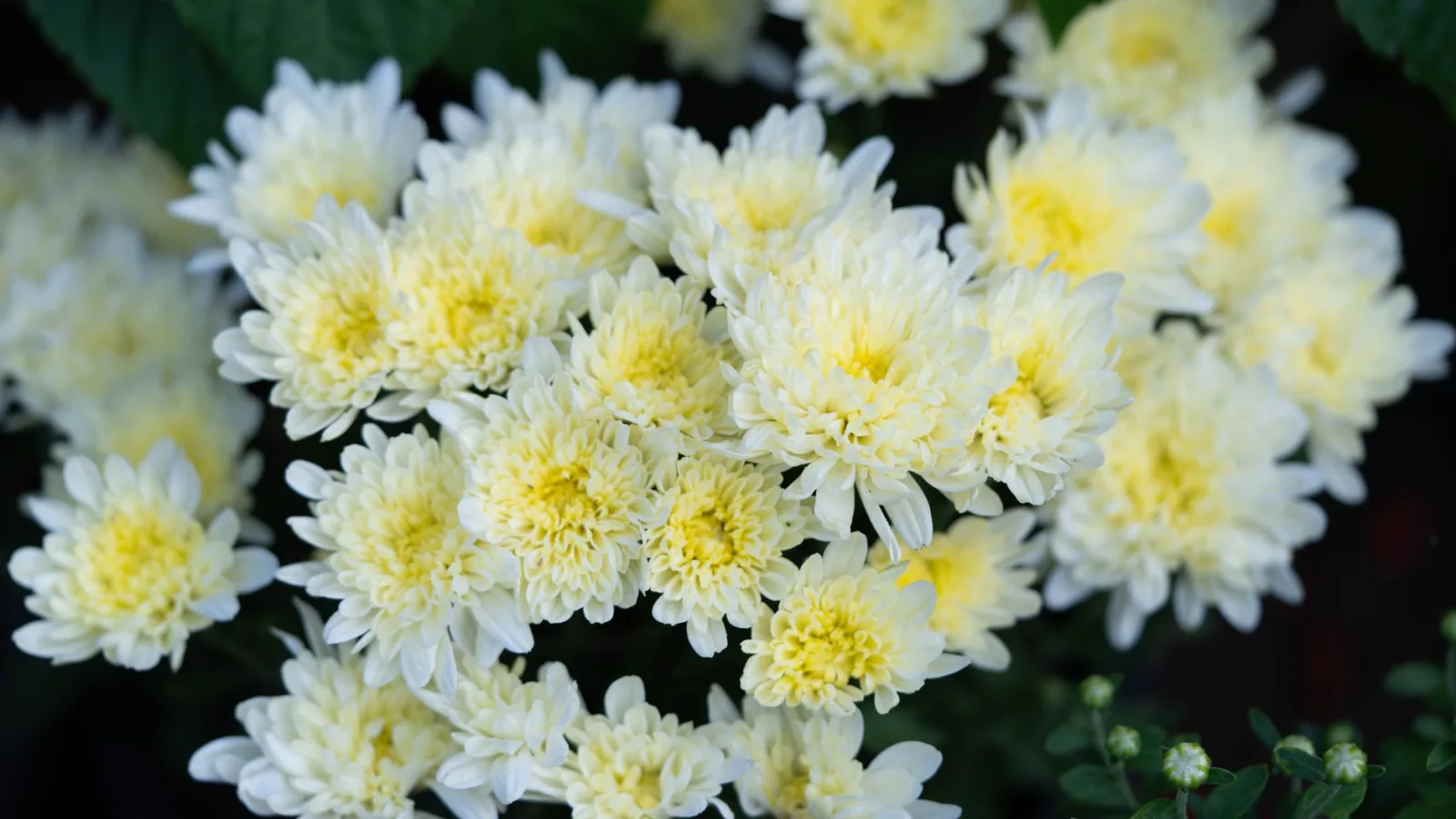
White Chrysanthemum: The White Flowers You Can Drink, and the Ones You Can't
Some white flowers in the fall garden are not safe to brew. Here's how to tell white chrysanthemum from its lookalikes by its leaves, flower center and origin, and then how to dry and steep it.
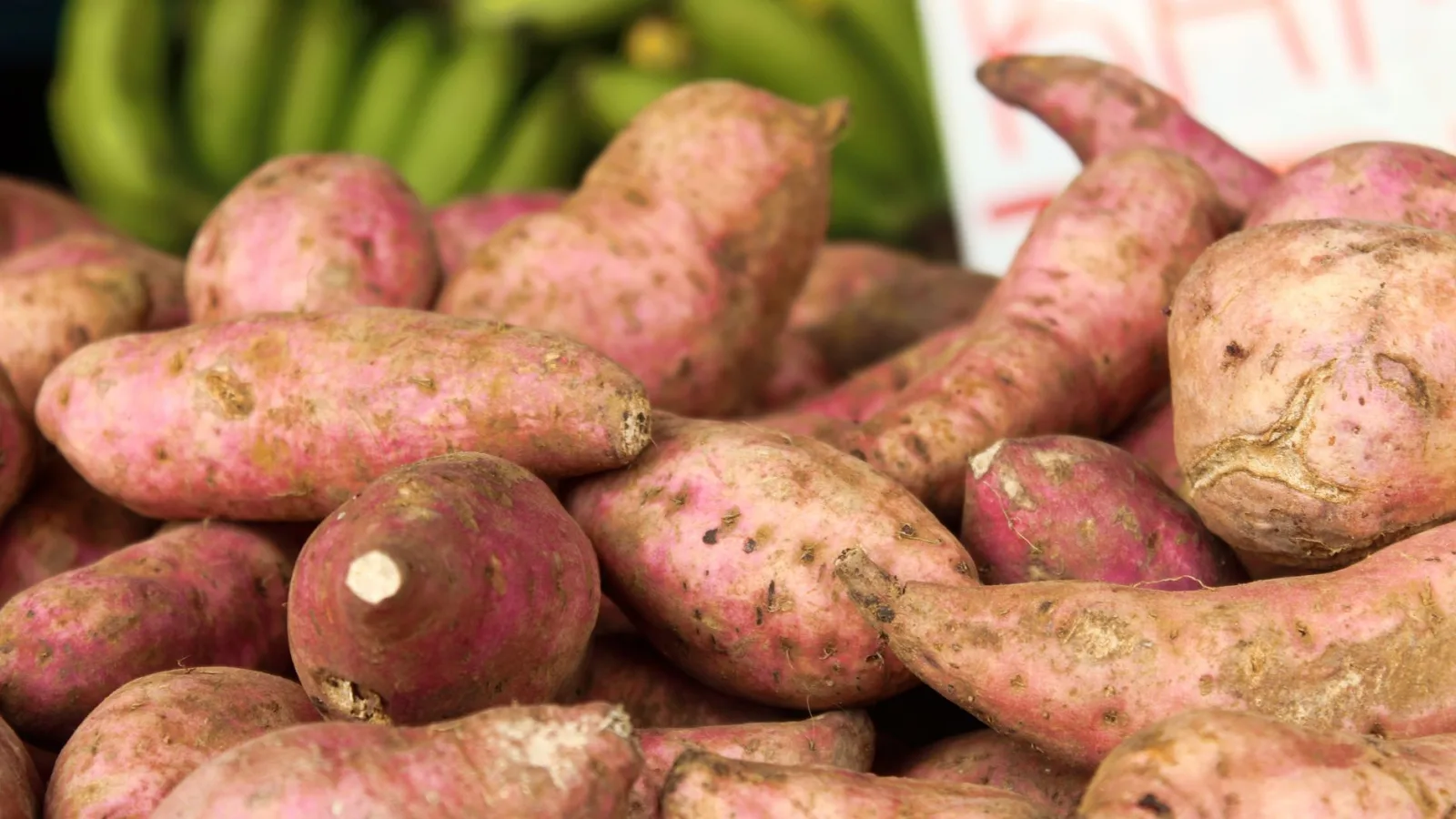
What a Spoonful of Black Rice Does in Your Rice Cooker
The spoonful of black rice that turns your rinse water purple is doing more than adding color. Here's what black and red rice offer that white rice doesn't, and how to cook them well.
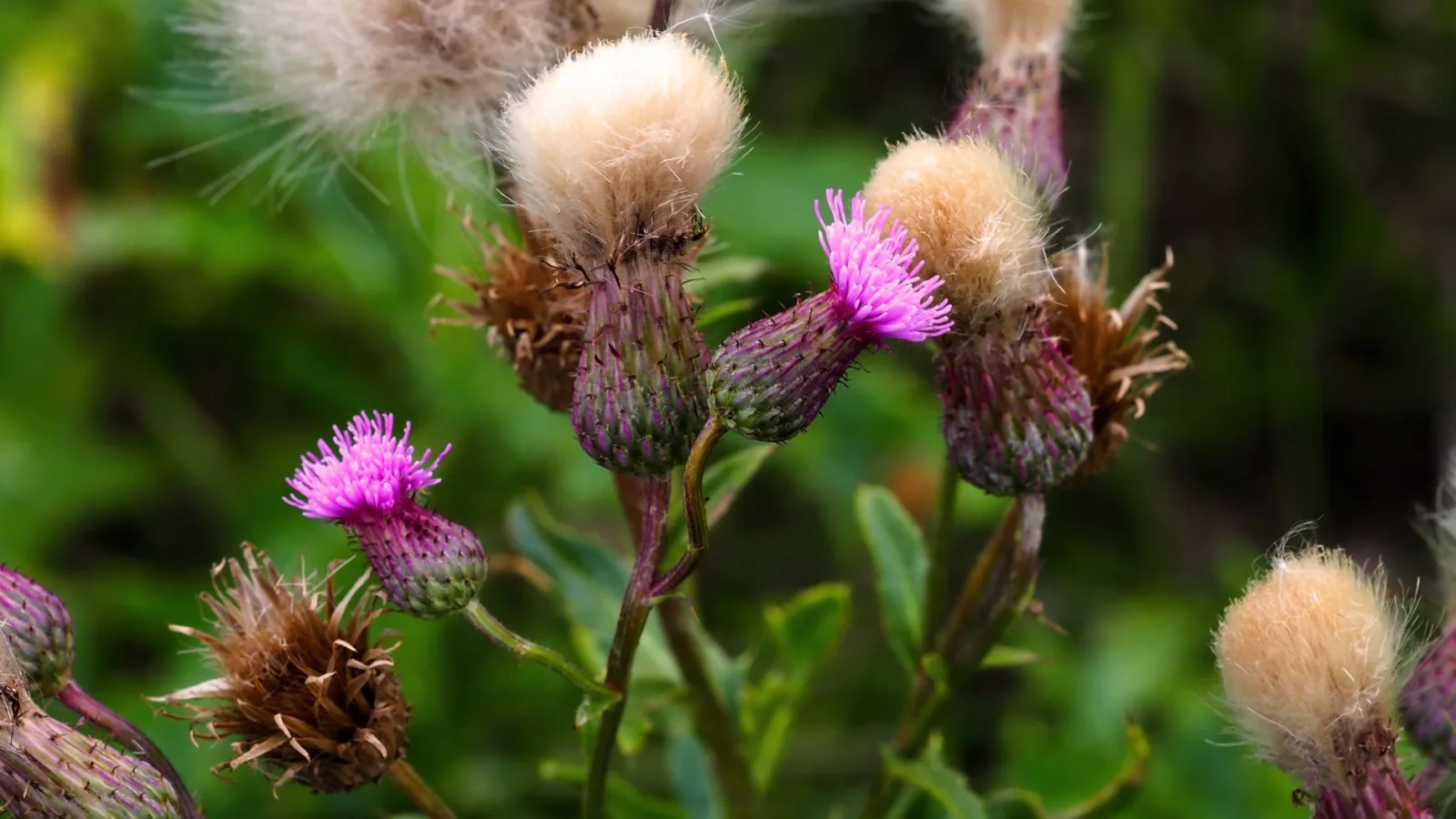
Burdock and Health Through the Eyes of the Donguibogam
Burdock root is a familiar crunchy side dish, but the Donguibogam, Korea's classic medical text, prized the plant's fruit as medicine. Here's how the old view compares with modern nutrition science, plus tips for taking burdock from your garden to your table.
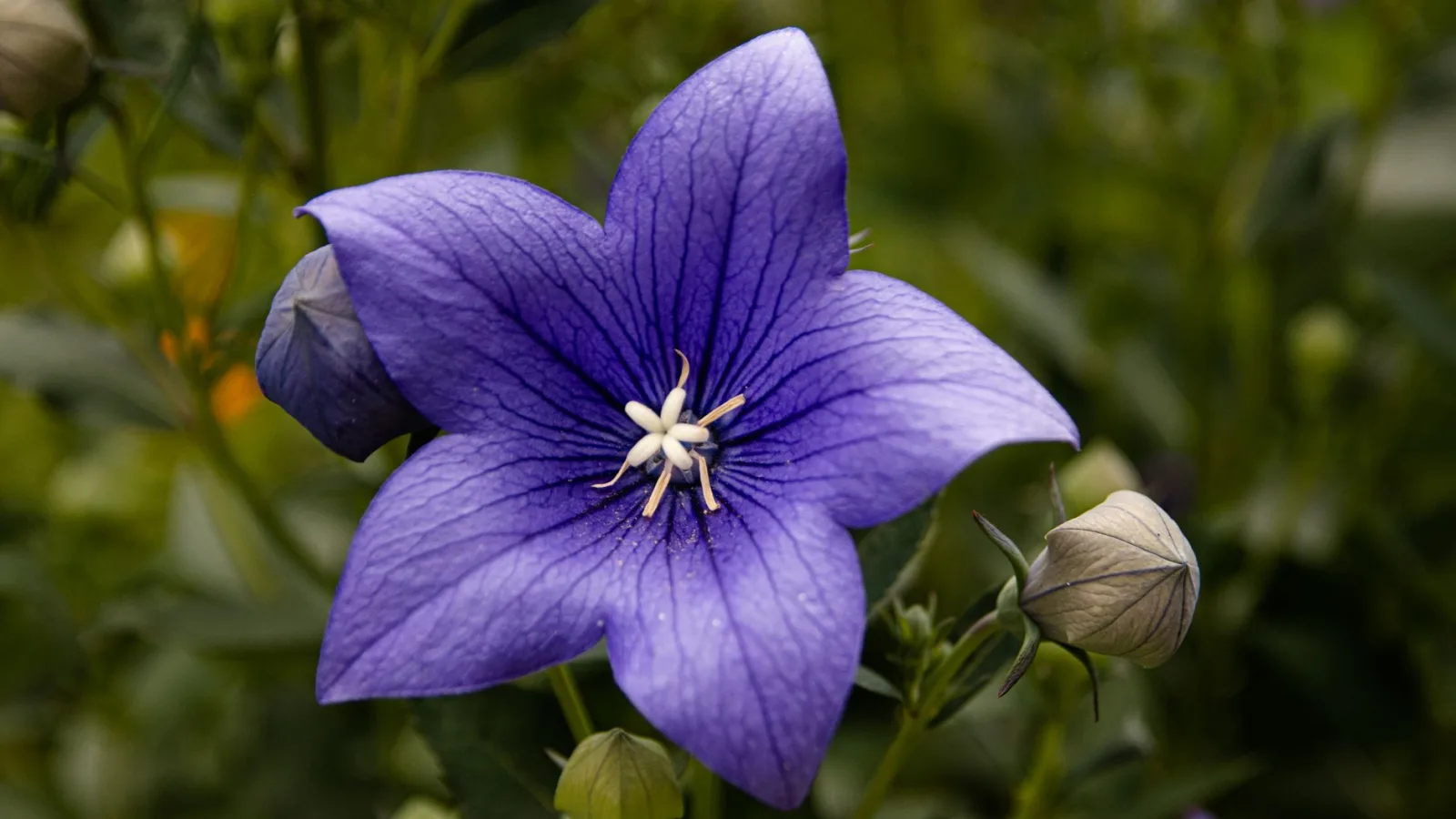
Balloon Flower Root Through the Eyes of the Donguibogam
Doraji, or balloon flower root, is a familiar Korean side dish and a traditional remedy for scratchy throats. Here's what Korea's 17th-century medical classic said about it, how that compares with modern research, and how to enjoy it at home.
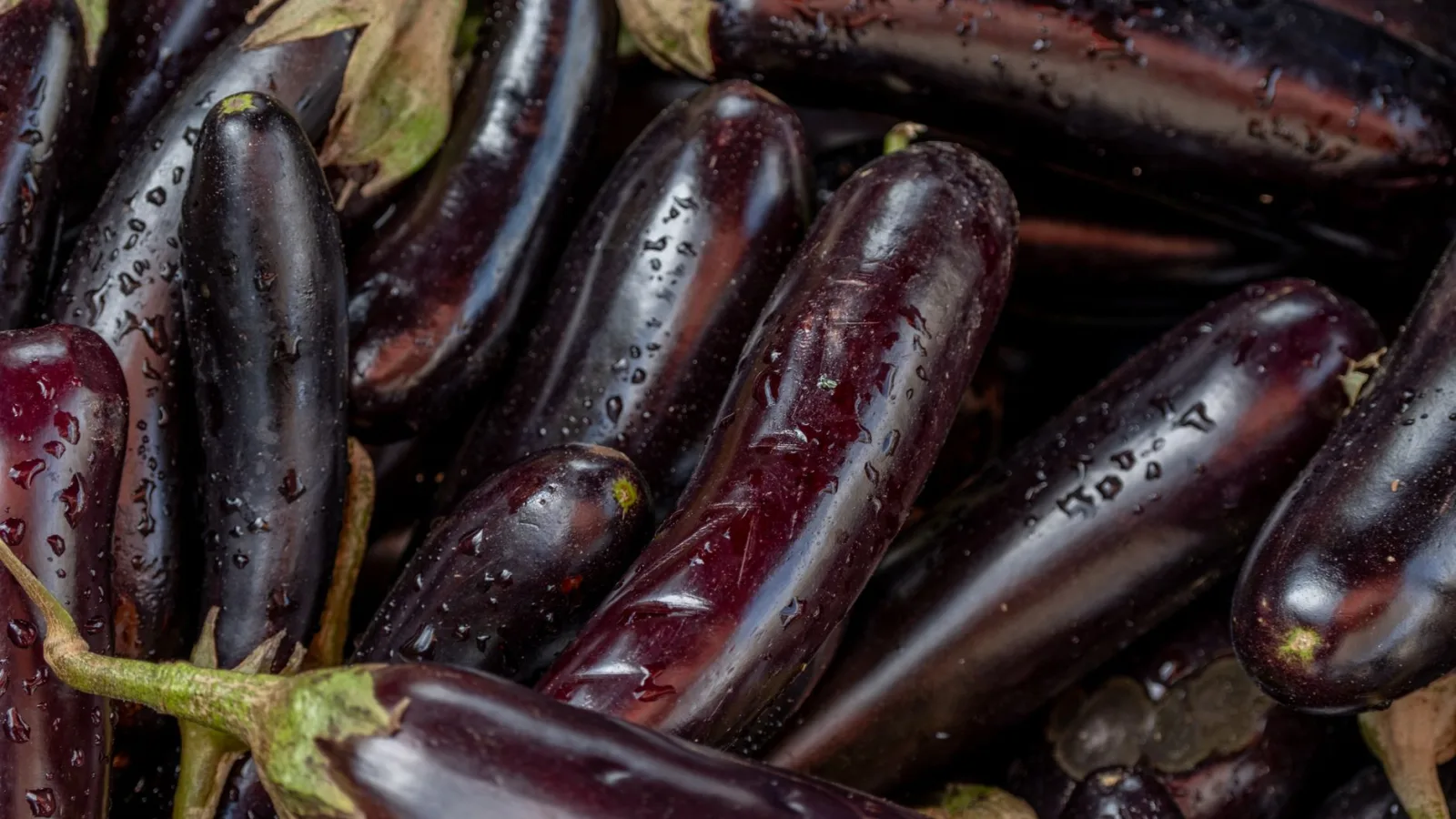
Why Don't We Wipe Our Pruners, Even When We Know Better?
Most of us know we should disinfect our garden tools, and most of us still don't. A review of livestock-farm biosecurity studies suggests more rules won't fix that, but making the right habit easy to reach will.
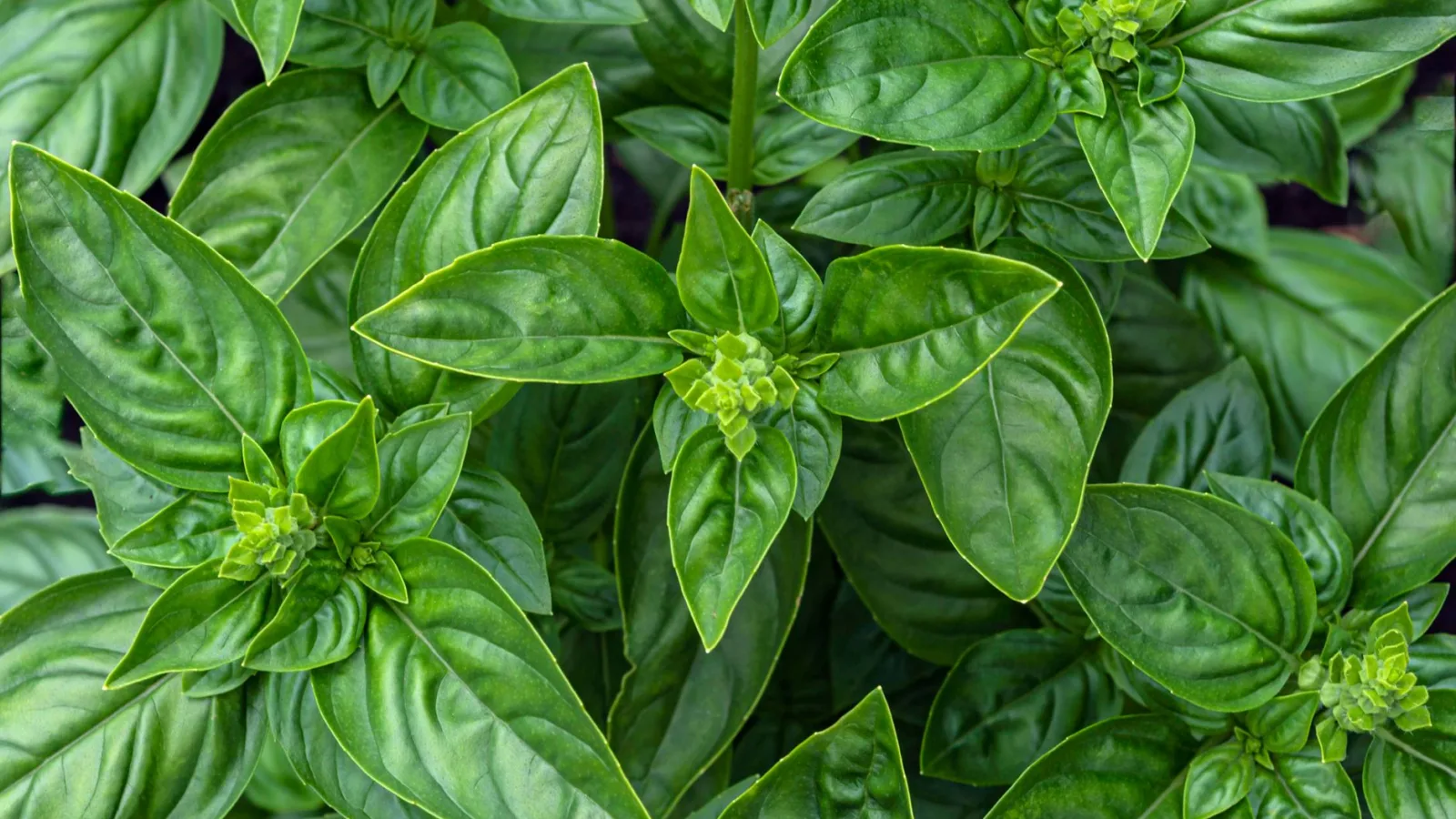
Just Watering Your Basil? Feed It Well and It Can Grow 60 Times More
Same seeds, same windowsill, same watering, yet the two plants turn out completely different. In one hydroponic study, basil fed a proper nutrient solution produced about 43 to 60 times more leaves than basil given plain water, and it had a stronger aroma and more vitamin C.
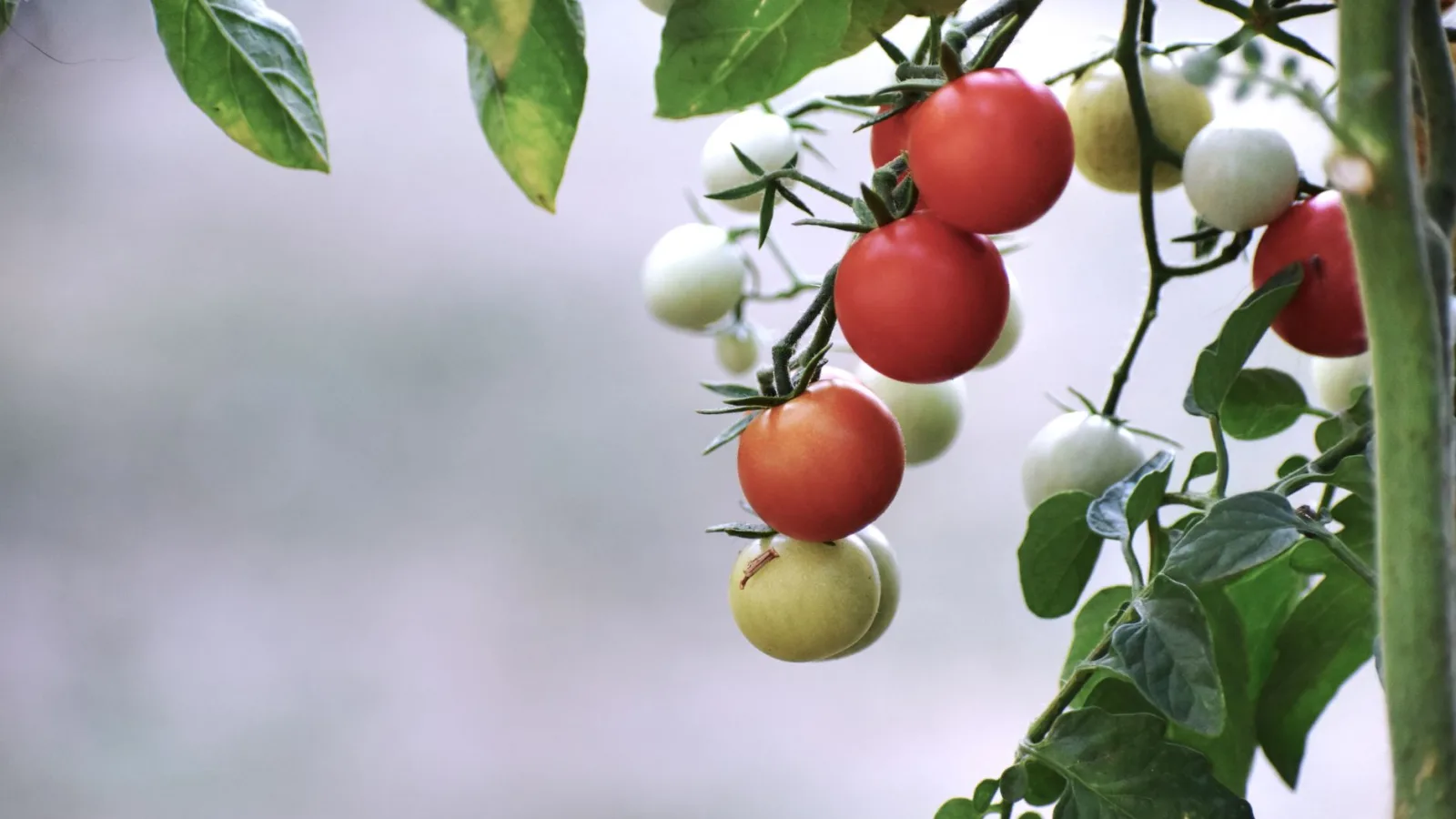
Keep Your Cherry Tomatoes from Going Soft with a Natural Coating
Food scientists made an edible coating from milk protein, chitosan from shellfish and a grain antioxidant, and it kept cherry tomatoes firm and nutritious for 25 days in the fridge. Here's what home gardeners can borrow from it.
Don't Toss the Duckweed Covering Your Rain Barrel
The duckweed that carpets a rain barrel after summer storms pulls nutrients, heavy metals, and pesticides out of the water. Here's how to put it to work in your garden, and why it should only go into compost or chicken feed if it grew in clean water.
What Belongs in a Bowl of Hyacinth Beans
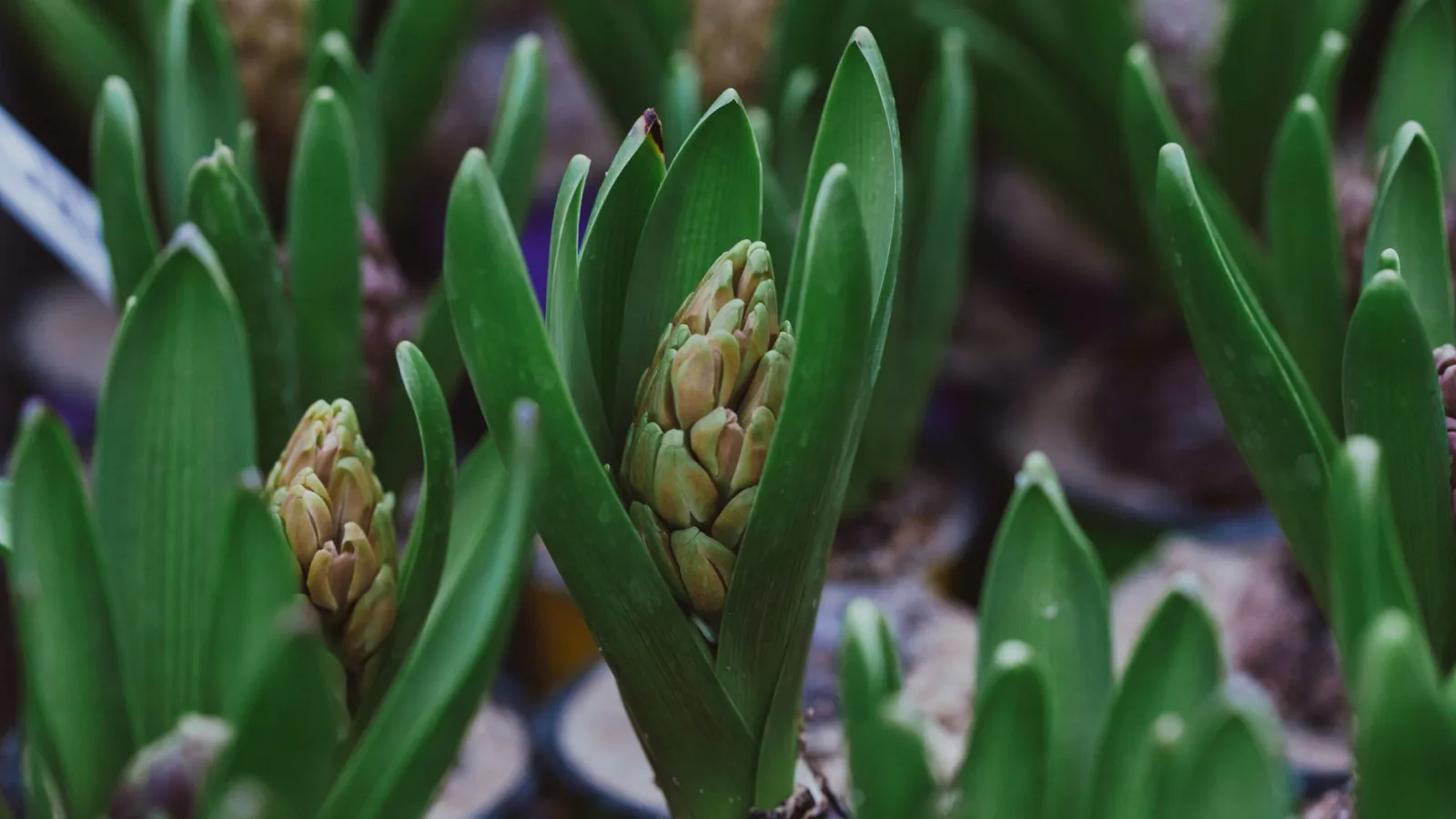
In September, the hyacinth bean vine finally blooms and sets its flat purple pods. Young pods and mature seeds need different treatment in the kitchen, and here's how to handle each one, plus a tip on ginger from a 17th-century Korean medical classic.
A Spoonful of Hemp Seeds — The Kernel You Have to Shell First
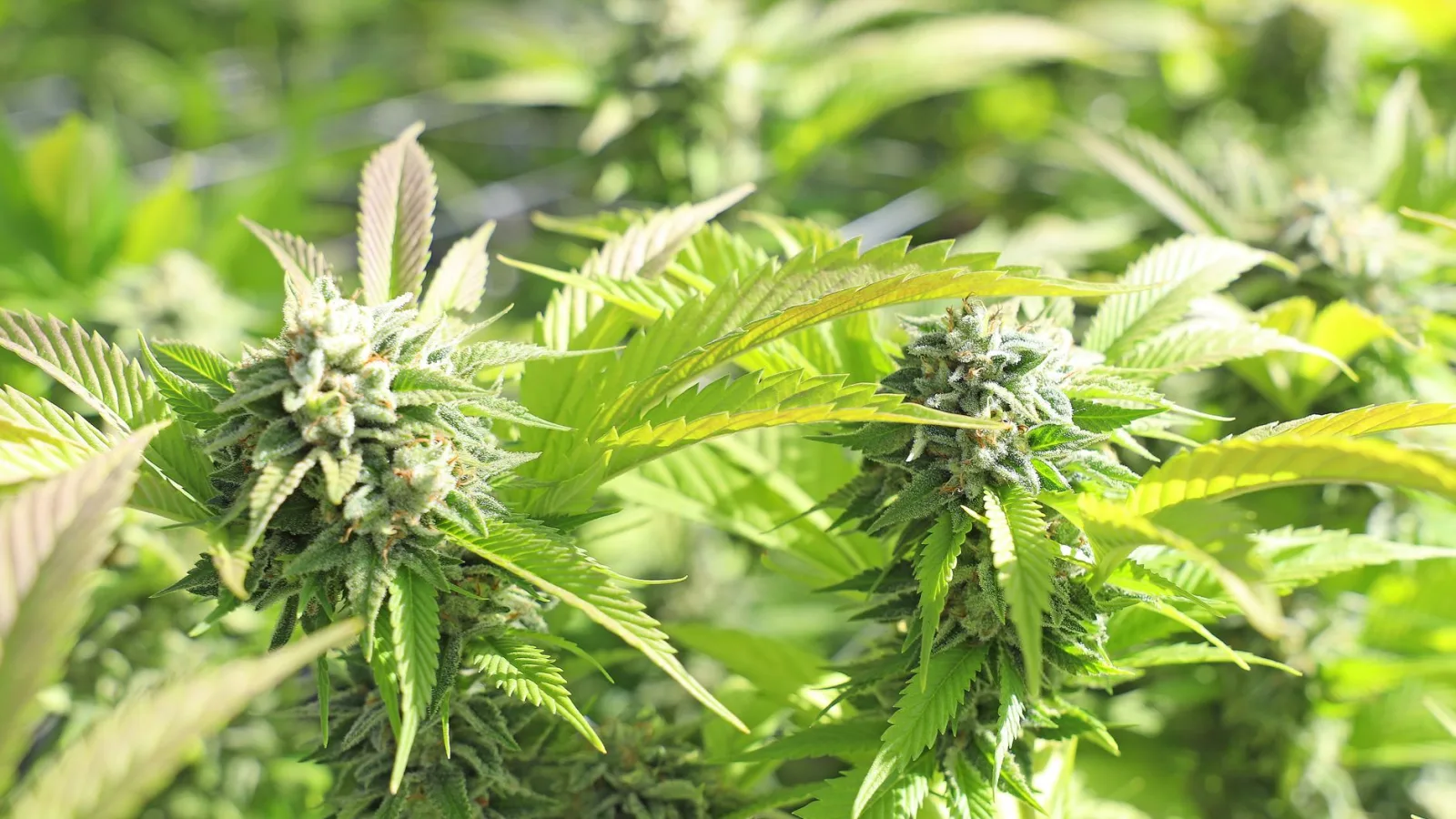
You probably can't grow hemp in your backyard, but shelled hemp seeds are easy to add to your meals. Here's what's inside them, what a 17th-century Korean medical classic said about them, and how to eat and store them.
Growing a Cinnamon Tree in a Pot
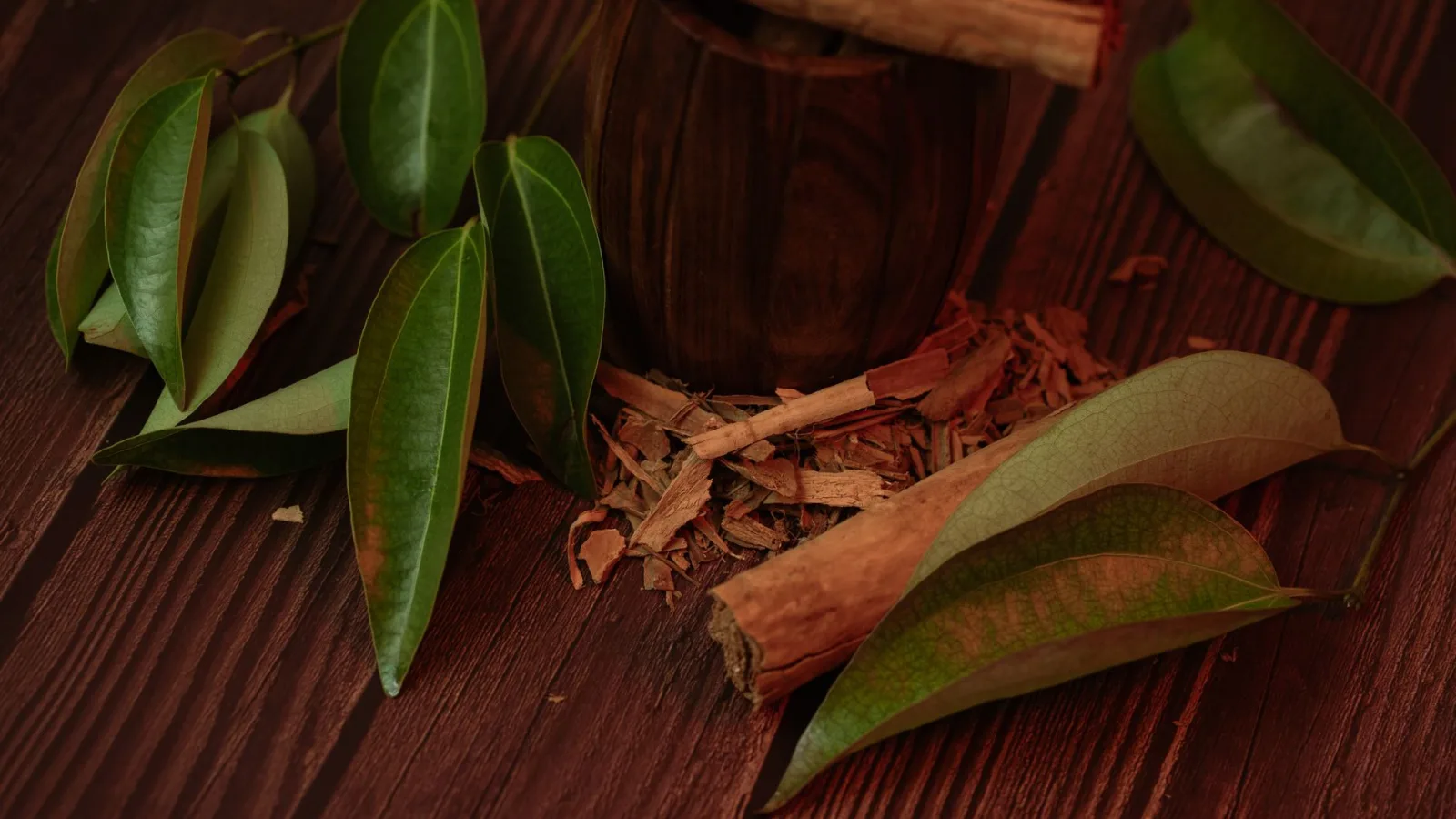
Cinnamon is a tropical tree that a single frost will finish off, so in cold-winter climates it lives in a pot. Here's how to plant one, carry it through the winter indoors, peel and dry your own bark — and how much cinnamon is actually safe to eat.
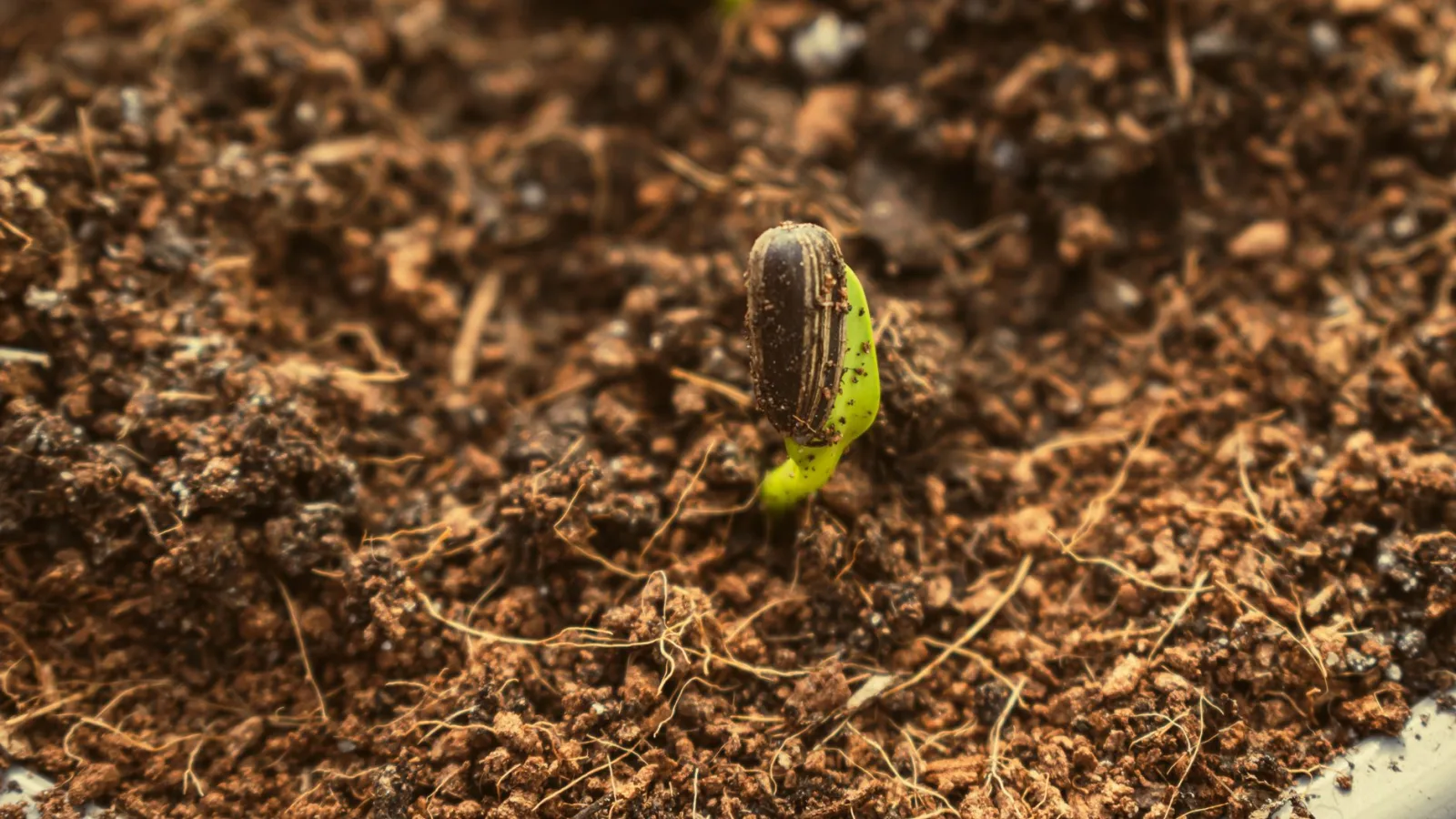
Sesame and Health Through the Eyes of the Donguibogam
Sesame grows in the corner of the garden and turns up on nearly every Korean table, and old herbal texts valued it as a food that builds strength over time. We look at how traditional medicine saw sesame, where modern nutrition science agrees, and how to enjoy it sensibly.
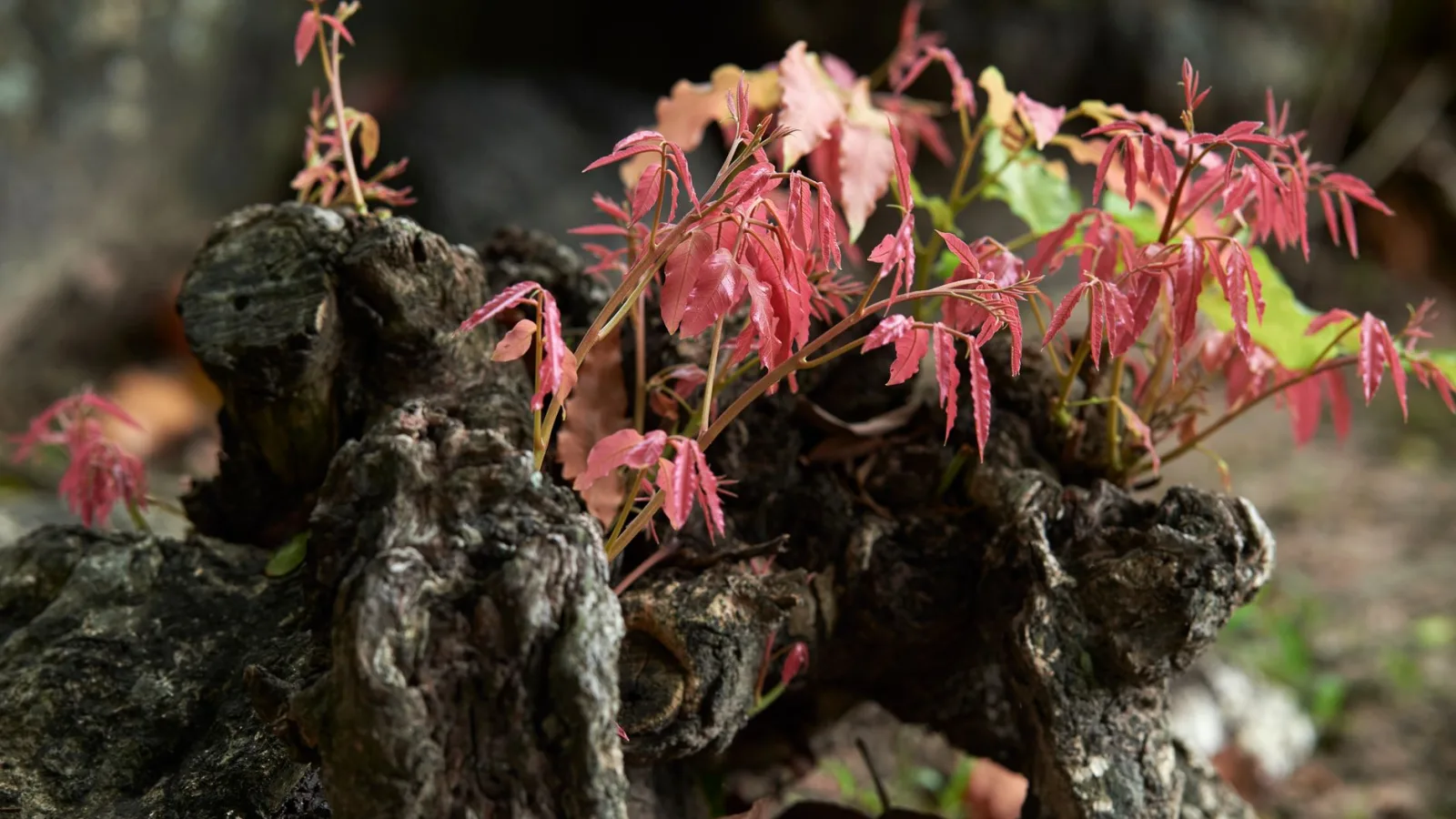
Akebia Splits Open in September: An Old Herbal's "Tongcho" and Today's Nutrition Data
In mid-September, the akebia vine on the fence splits open to reveal soft white pulp studded with black seeds. Here's what a classic Korean herbal recorded about this vine, where modern composition data agrees, and how to grow, pick, and eat it.
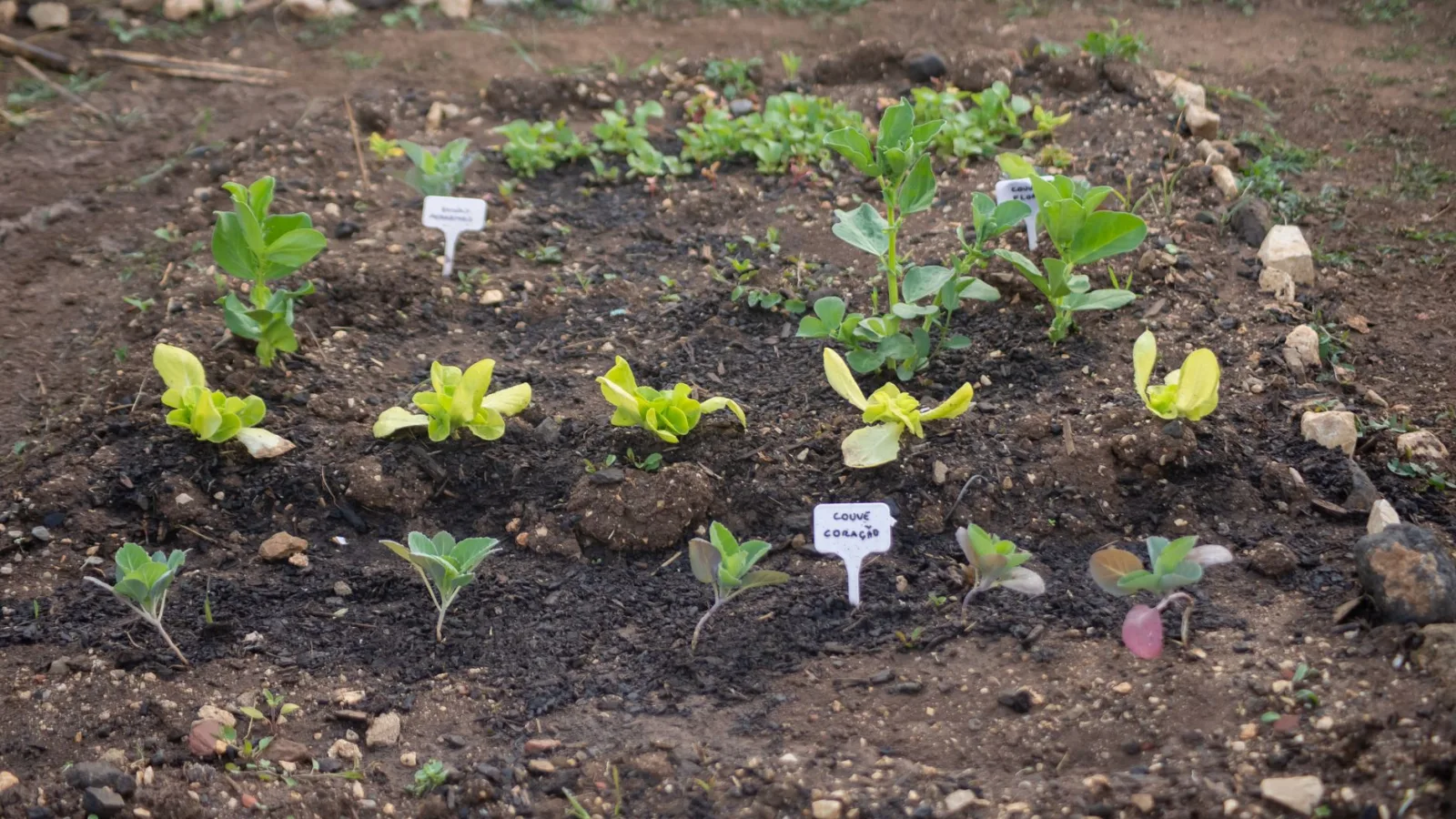
The Cabbage That Never Closes: What Bomdong Does All Winter
Bomdong is Korean spring cabbage sown in autumn and harvested at winter's end, spreading flat rosettes instead of packing a head. The cold is what makes it sweet — and a quick hand in the kitchen is what keeps it that way.
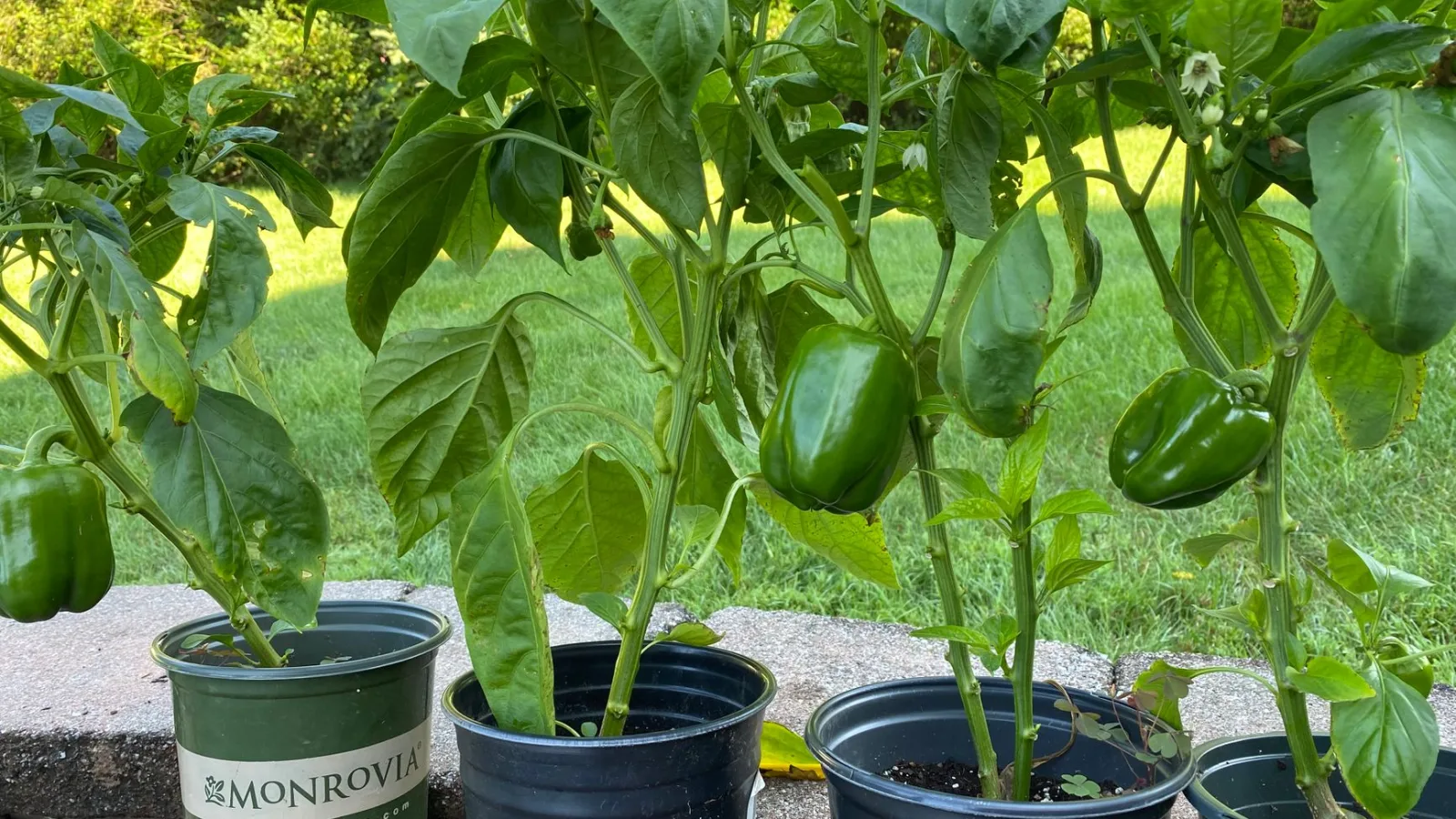
Cowpeas That Insects Leave Alone: Is the Nutrition Still There?
Bt cowpea was engineered to fend off the pod-boring caterpillars that can wipe out half a West African harvest. A recent study broke the seed down compound by compound and found its protein, zinc, and iron essentially intact.
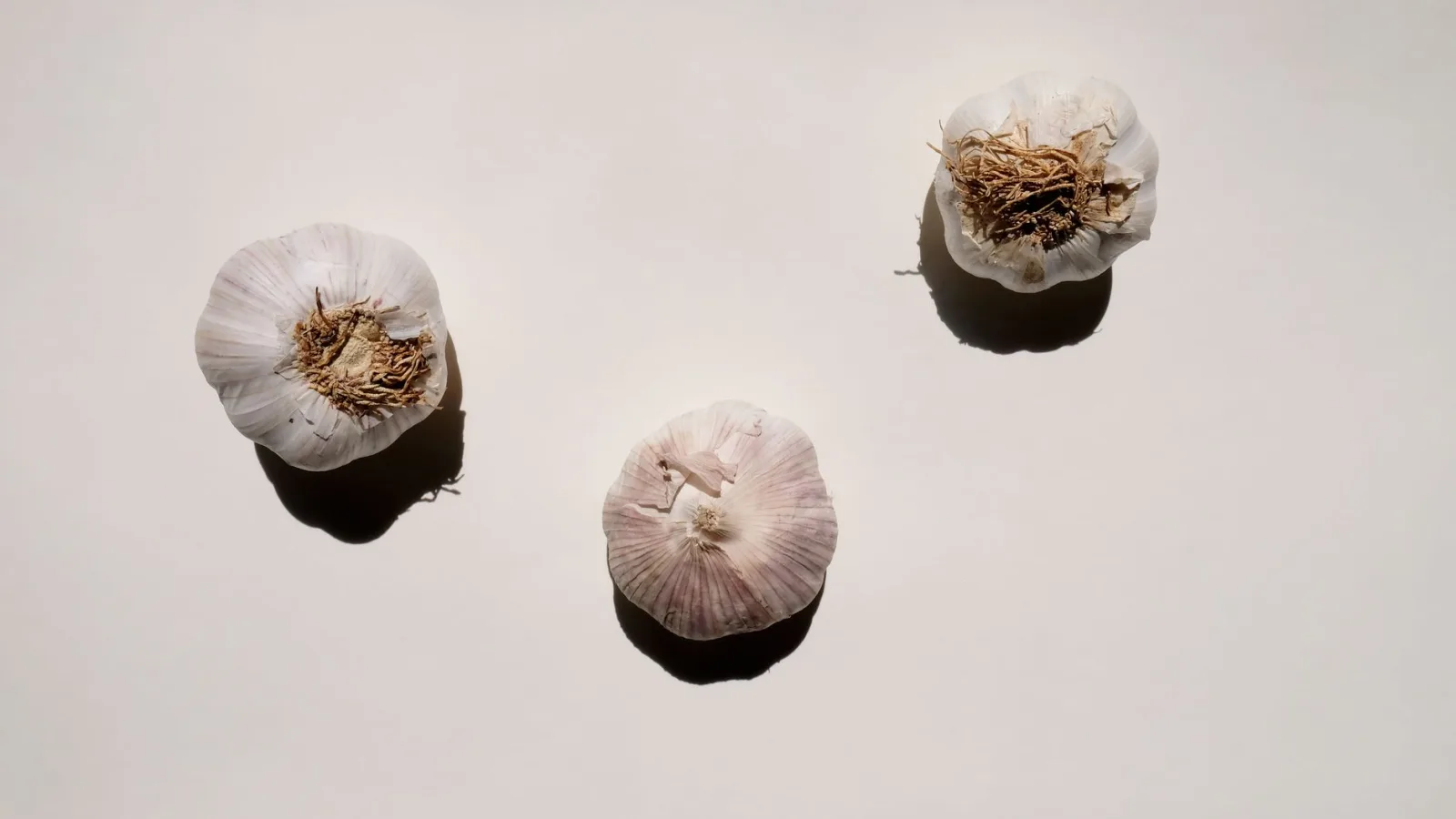
Garlic: Health as the Donguibogam Saw It
Tuck a few cloves into the ground in autumn and you'll pull up plump bulbs the following summer. Here's how Korea's great classical medical text read this everyday crop — and where its account meets what we know today.
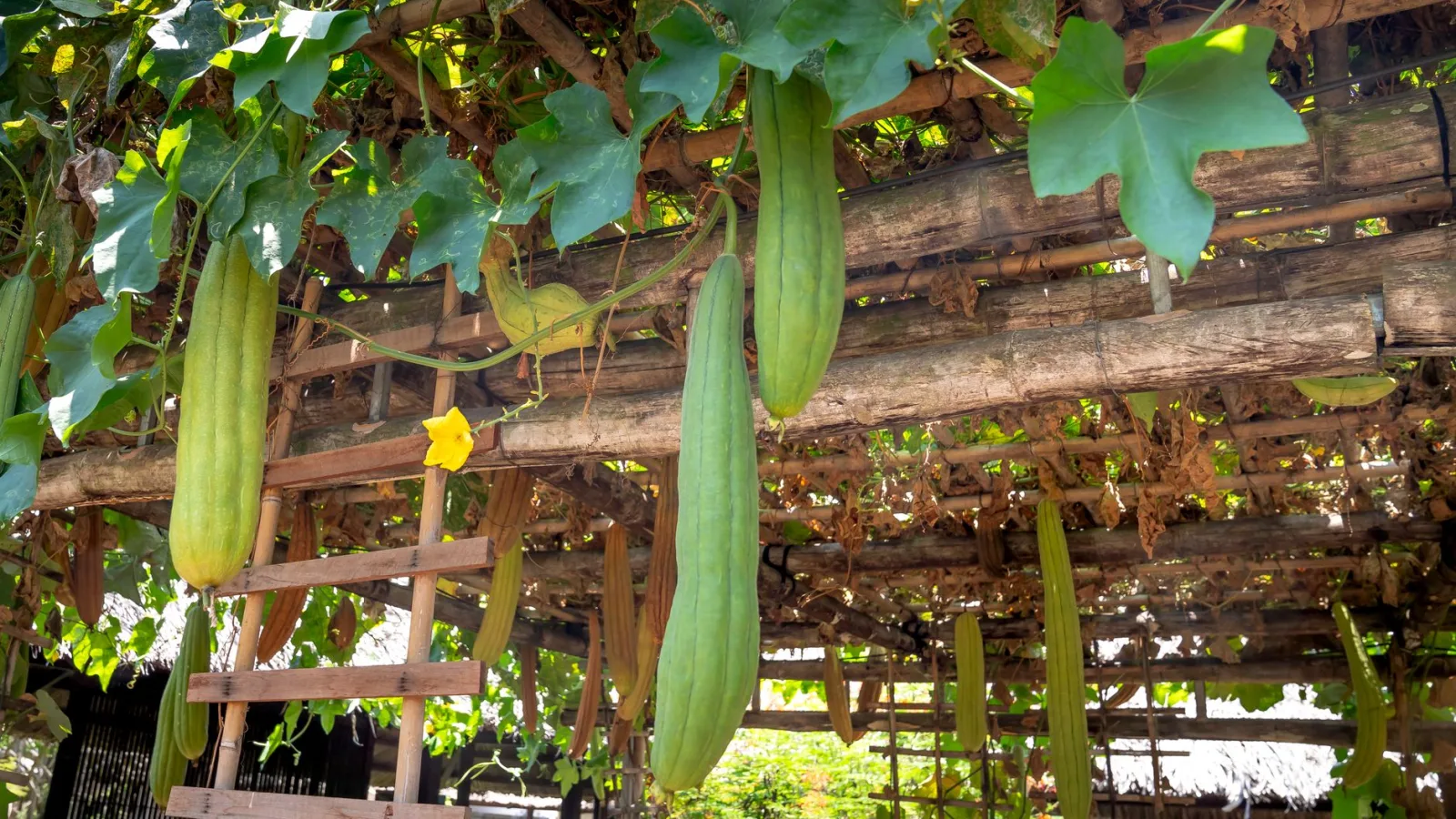
Luffa: How Much of It Can You Actually Eat?
Edible luffa and inedible luffa hang on the same vine, and the difference comes down to bitterness, size, and which parts you leave alone. Here's how to tell them apart before you cook.
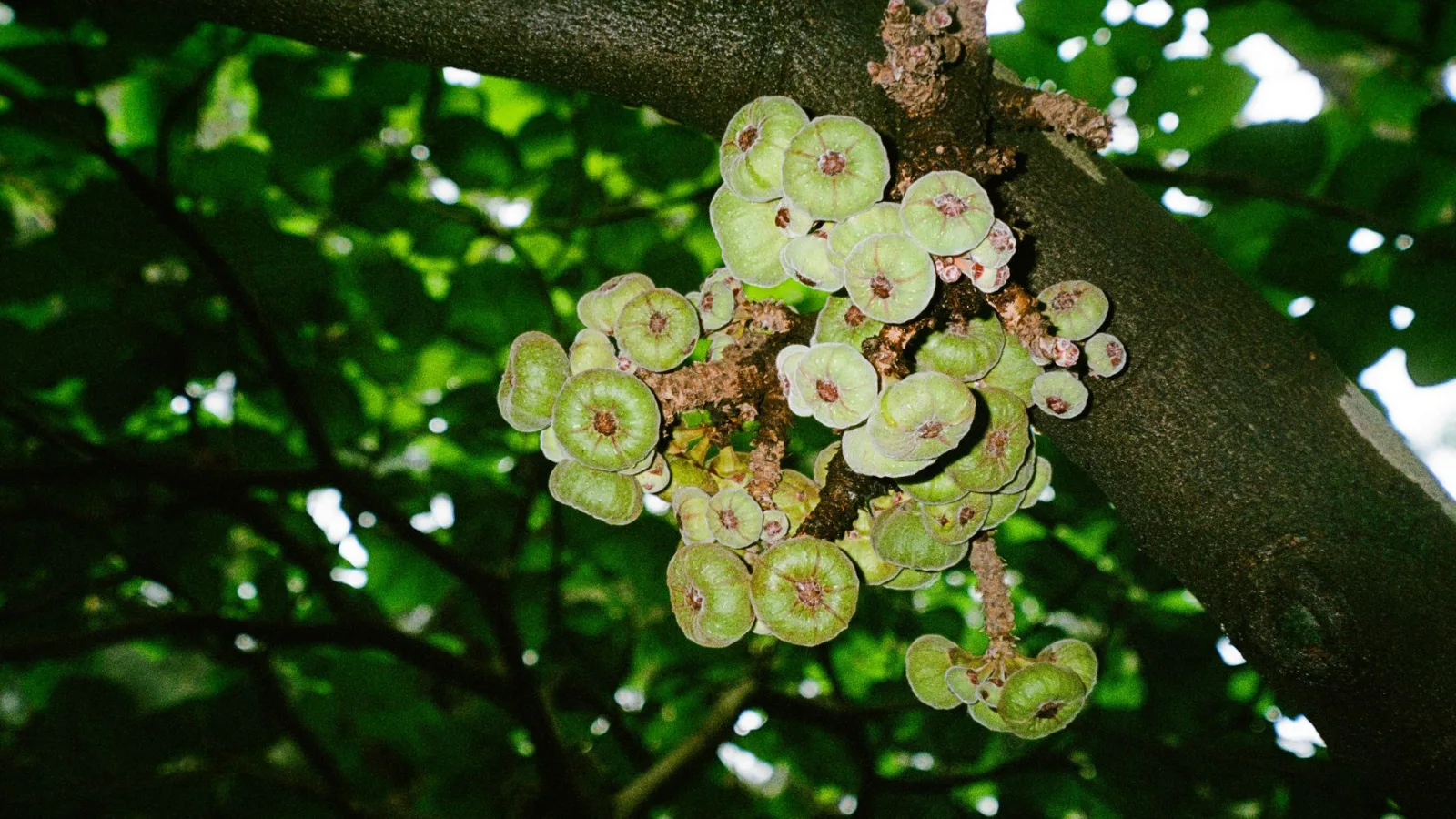
Where Does the Fox Nut in That Bag Come From?
Prickly water lily seeds — makhana, or fox nuts — turn up in snack aisles everywhere, but the wild plant is a protected species in Korea. Here's why the bag on the shelf and the pond you shouldn't harvest from are two different things.
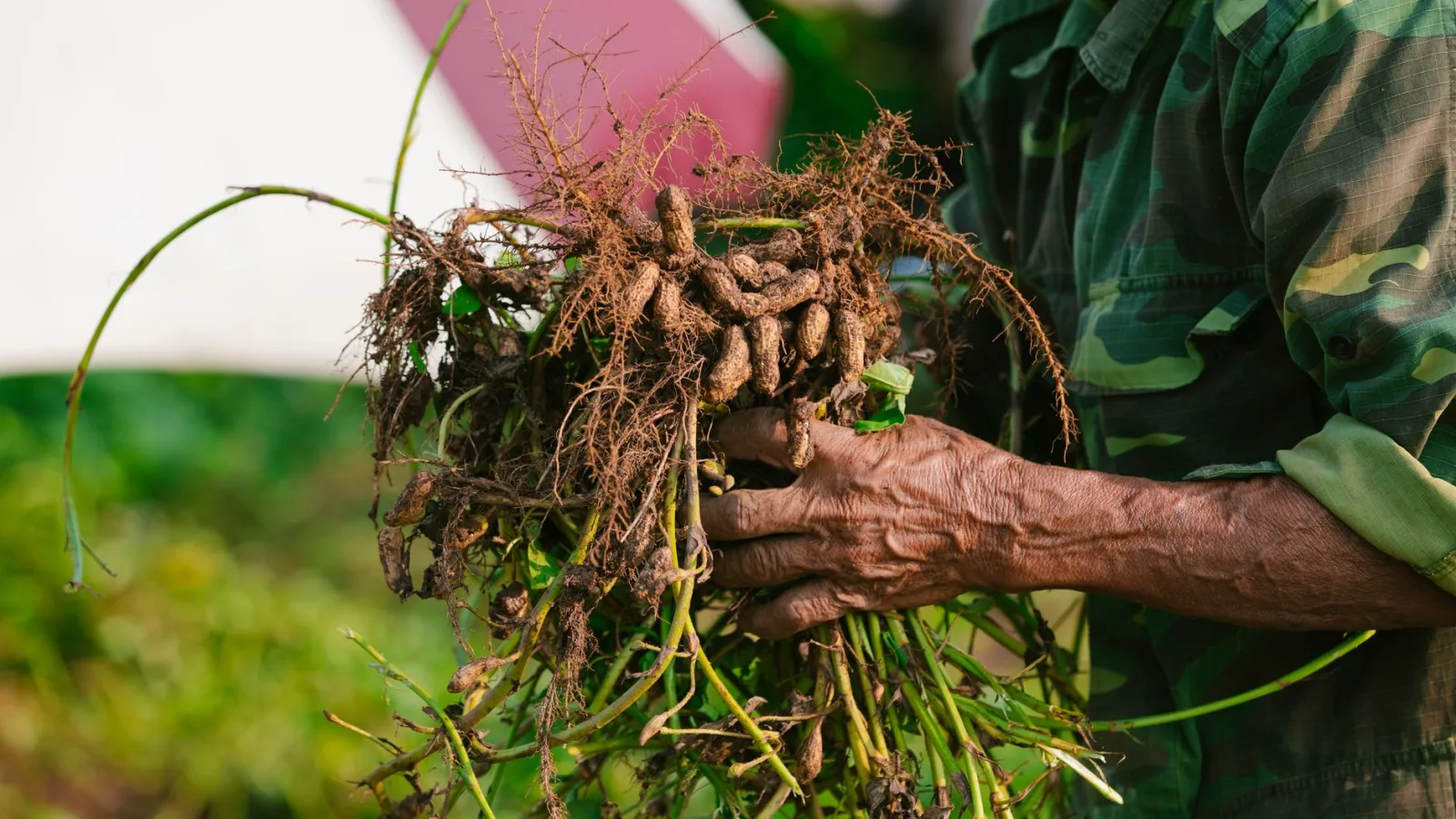
Peanuts: Health Through the Eyes of Dongui Bogam
Peanuts grow underground after their flowers fade, which earned them the old name "fallen-flower fruit." Korean medical tradition saw them as sweet and neutral in nature—a nourishing food that strengthens digestion and moistens the lungs—a view modern nutrition echoes in its own language.
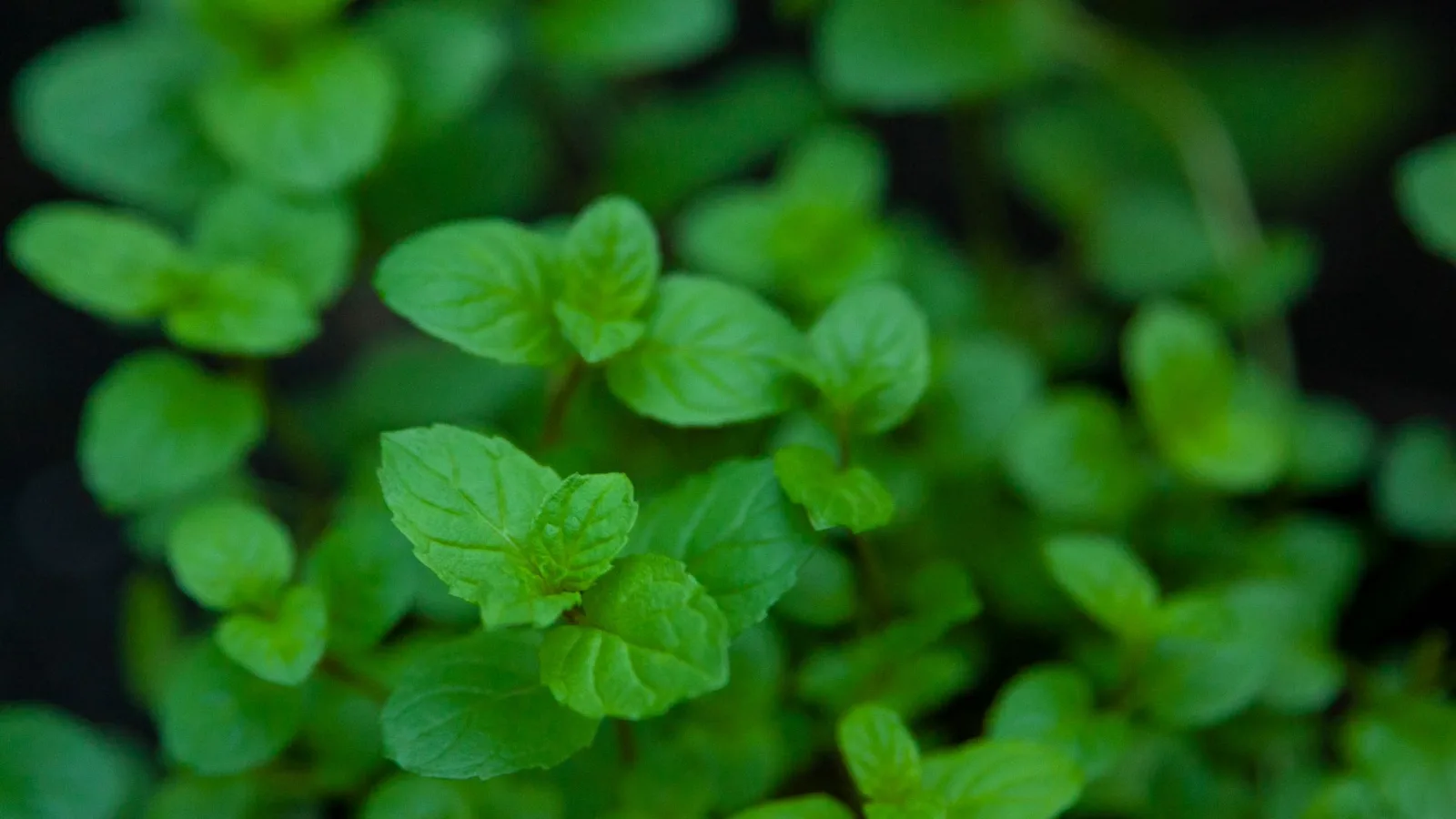
Mint: Health as the Donguibogam Saw It
Mint spreads through a garden corner on its own and turns into iced water or tea by evening. The Donguibogam recorded it as bakha, a pungent, cooling herb said to clear the head and eyes — a view that still tracks with how that menthol scent feels today.
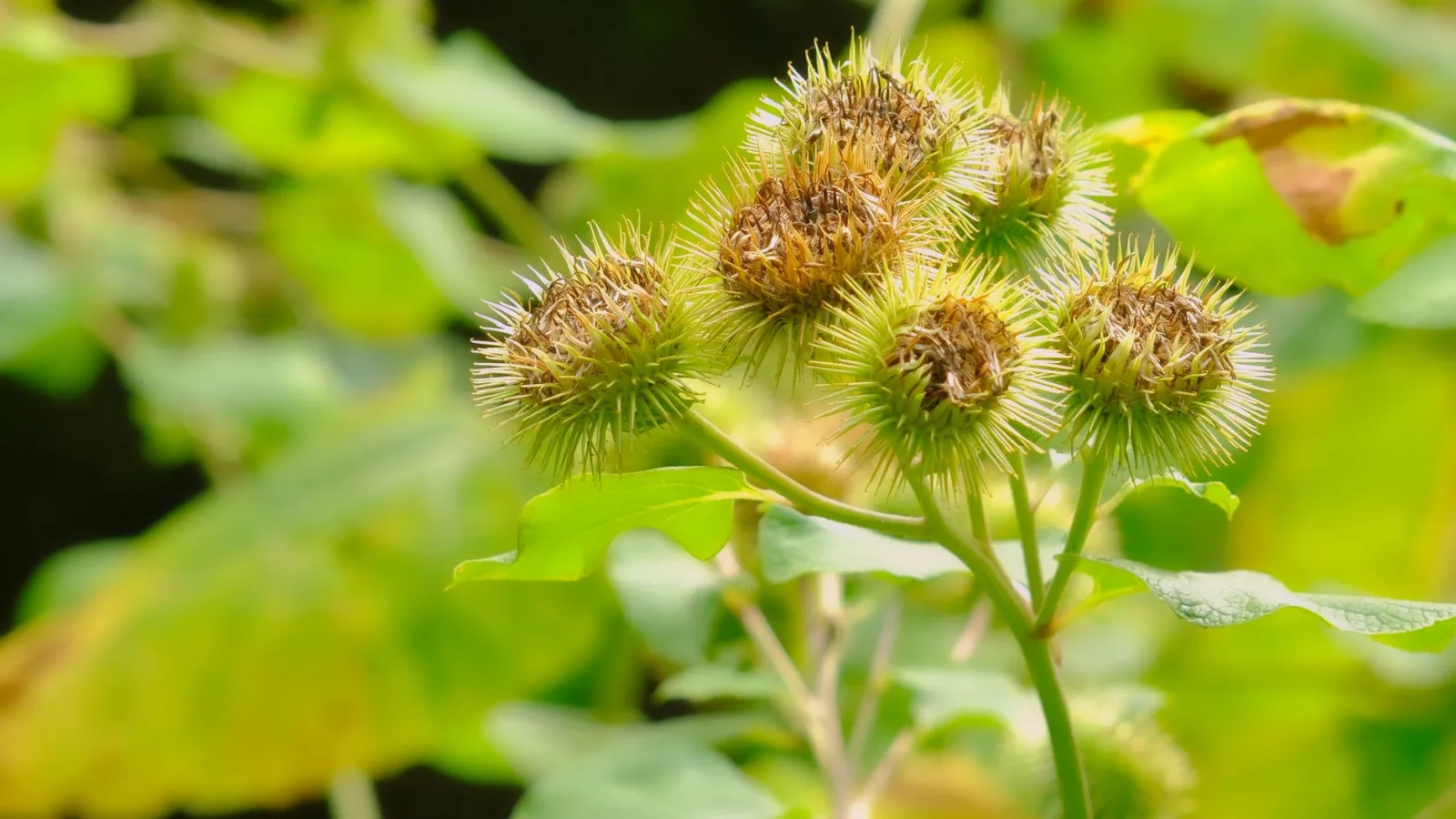
Thistle: Daegye in the *Donguibogam*, and the Young Leaves You Pick in Spring
The *Donguibogam* listed thistle as daegye, told gardeners to take leaves and roots in different months, and separated it from its smaller cousin by leaf and height. Modern chemistry points to pectolinarin — and to the bitterness that still shapes how Koreans cook the young spring leaves.
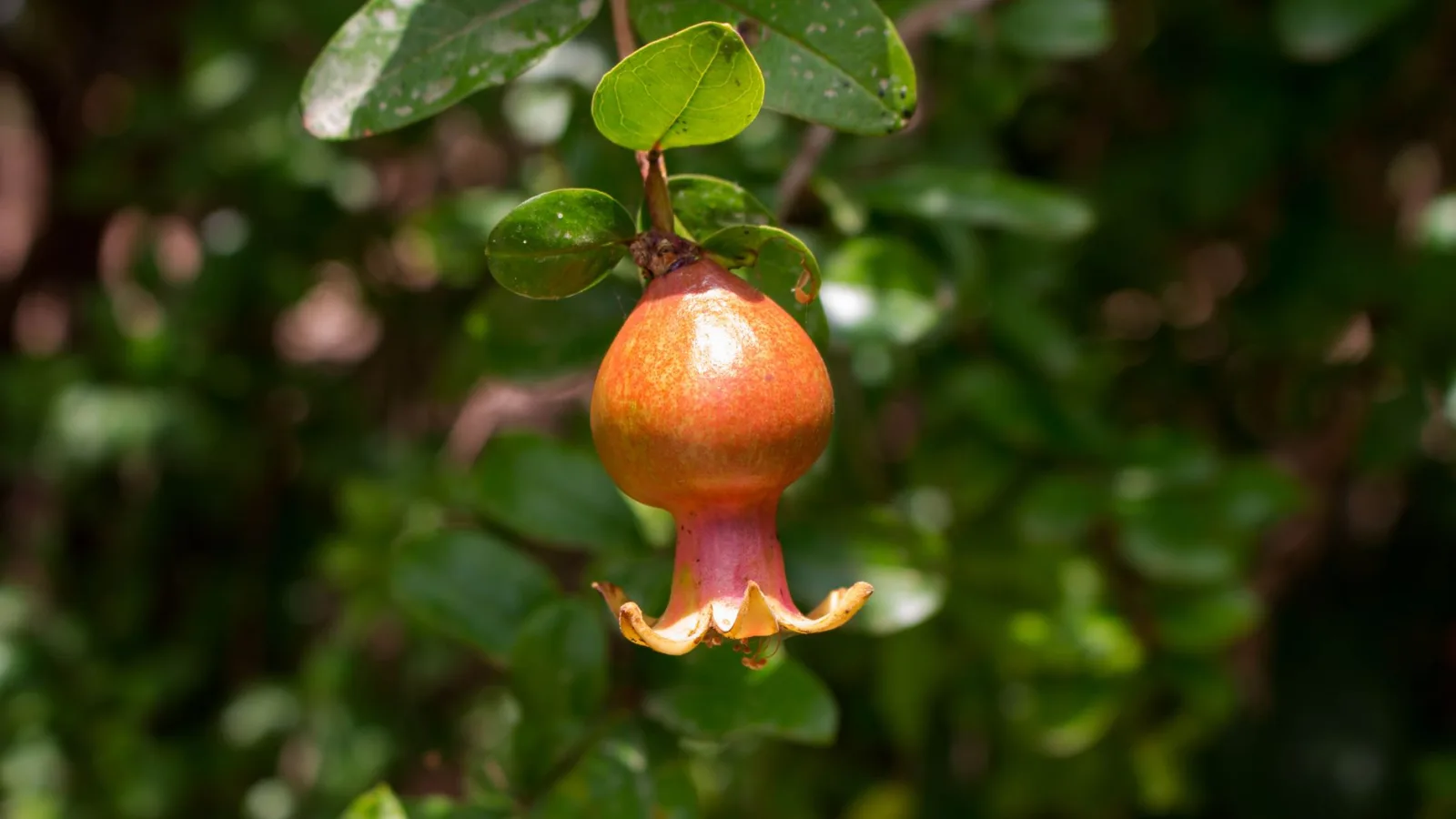
What Pomegranate Seeds and Ginger Root Do in Your Gut
Diabetes researchers have proposed "envbiotics," a name for compounds that act on the body first and change the gut microbiome as a result. Several of the leading candidates come from pomegranate, ginger, and other things ripening right now.
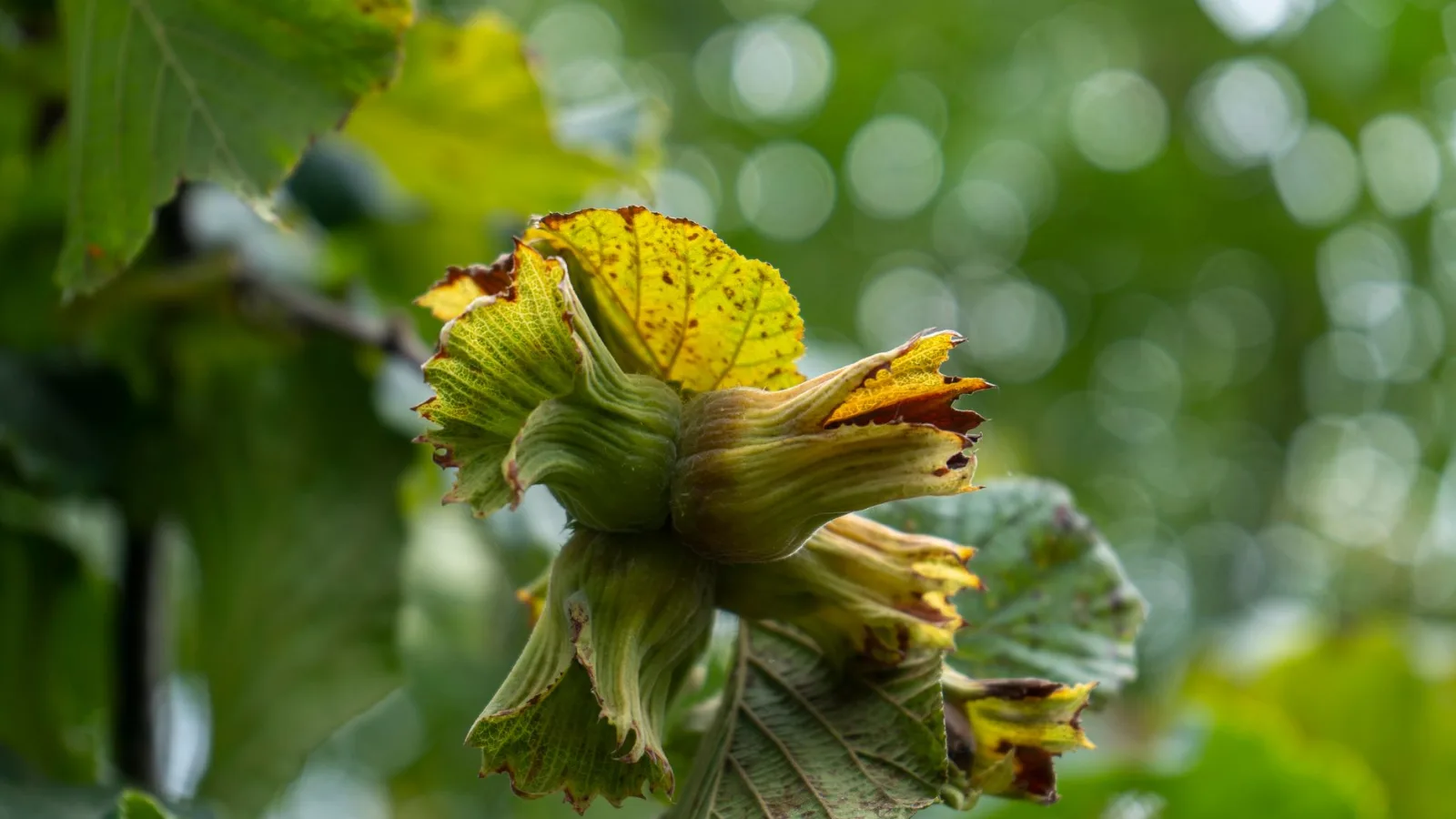
One Hazelnut: What the Donguibogam Recorded, and How We Eat It Today
Korea's seventeenth-century medical compendium gives the hazelnut only a few lines: where it grows, when to gather it, how to eat it. Set that entry beside today's nutrition data and you'll find they agree on the method and part ways on the amount.
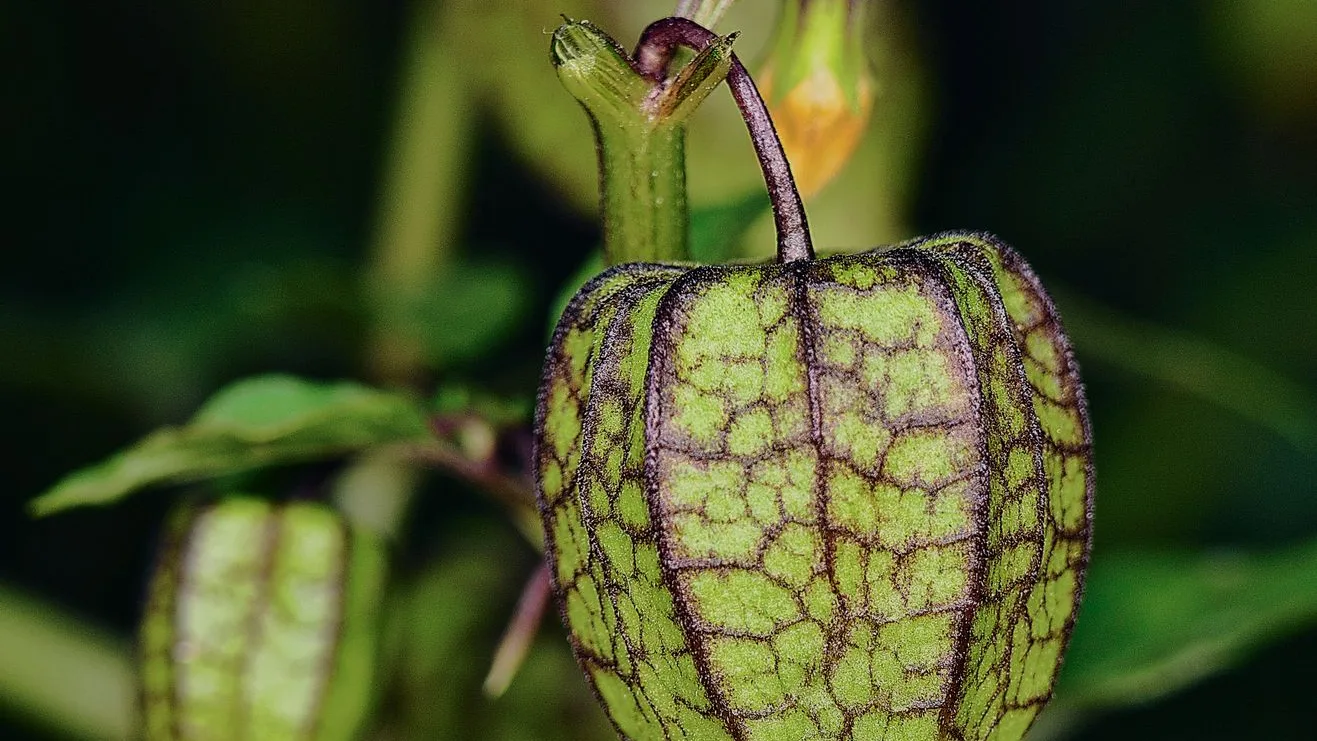
Physalis: Start by Deciding Which Kind You're Planting
Not every physalis is edible — the ornamental red lantern is strictly for the flower bed, while cape gooseberry, ground cherry, and tomatillo are the ones you grow for fruit. A season-long guide to sowing, reading the husk for ripeness, and eating them the day you pick.
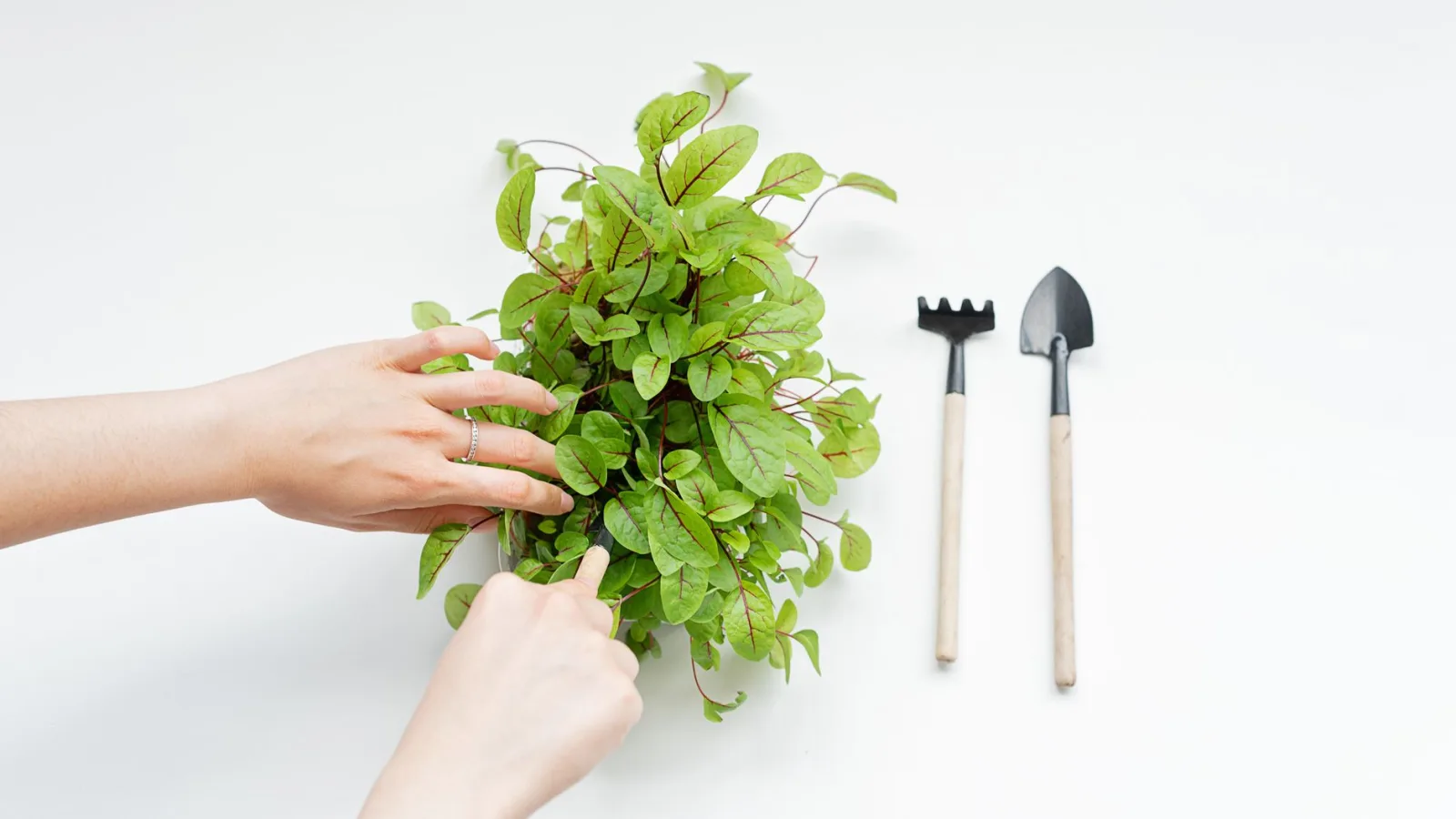
Sorrel for September Soil: How to Sow, Tend, and Pick a Tart Leaf
Sorrel is a cold-loving perennial that comes into its own just as the summer greens give out. Sow it in September and it will leaf out before fall ends, hold through winter on its root, and come back every spring — here's how to grow it and how to use its clean sourness.
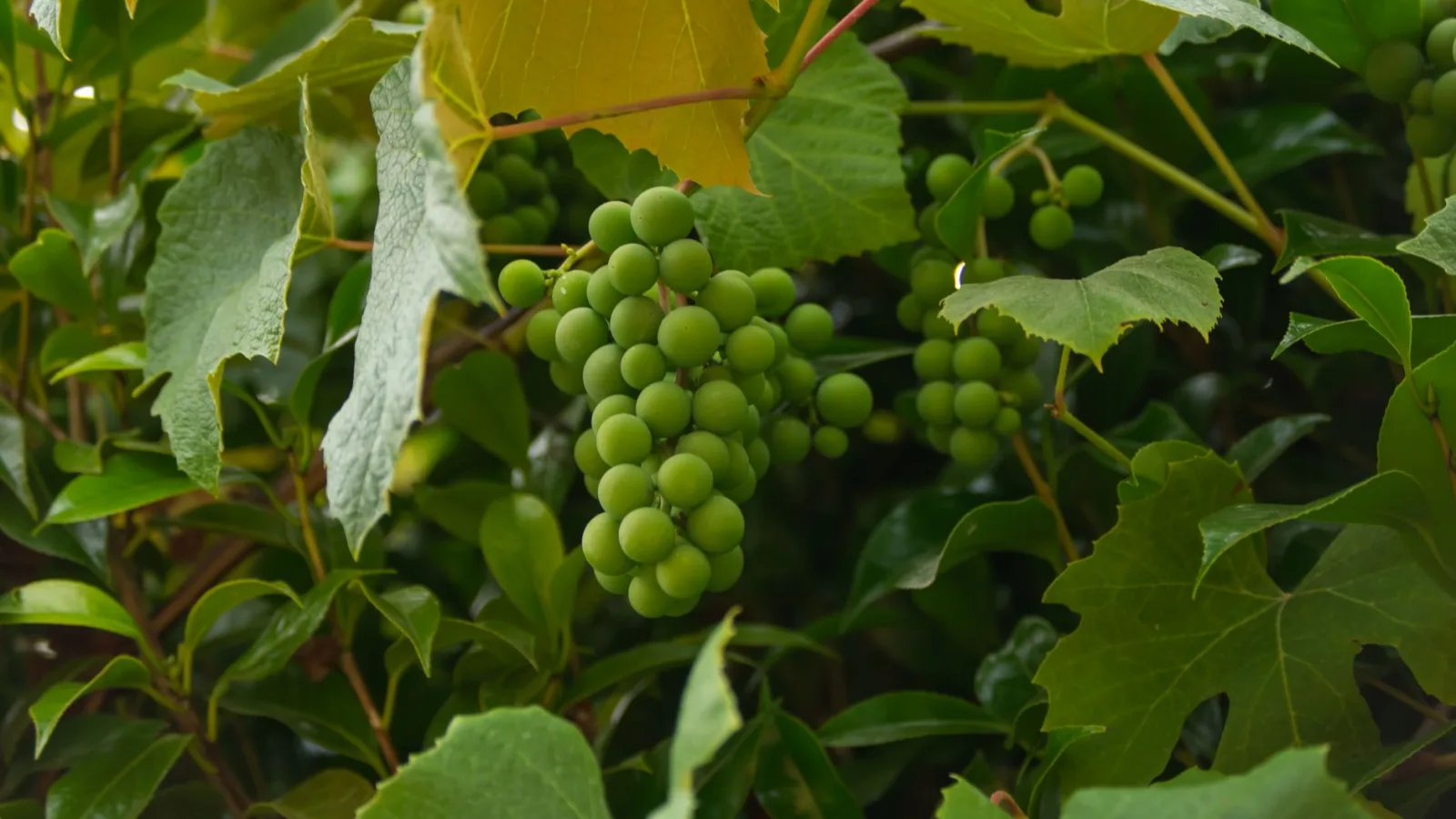
Training a Grapevine Along a Rooftop Railing
Grapes climb, which makes them one of the few fruits you can raise on a rooftop or a balcony railing. Here's how to plant a young vine, train it up a railing, and read the sun and rain that decide how sweet the late-summer harvest turns out.
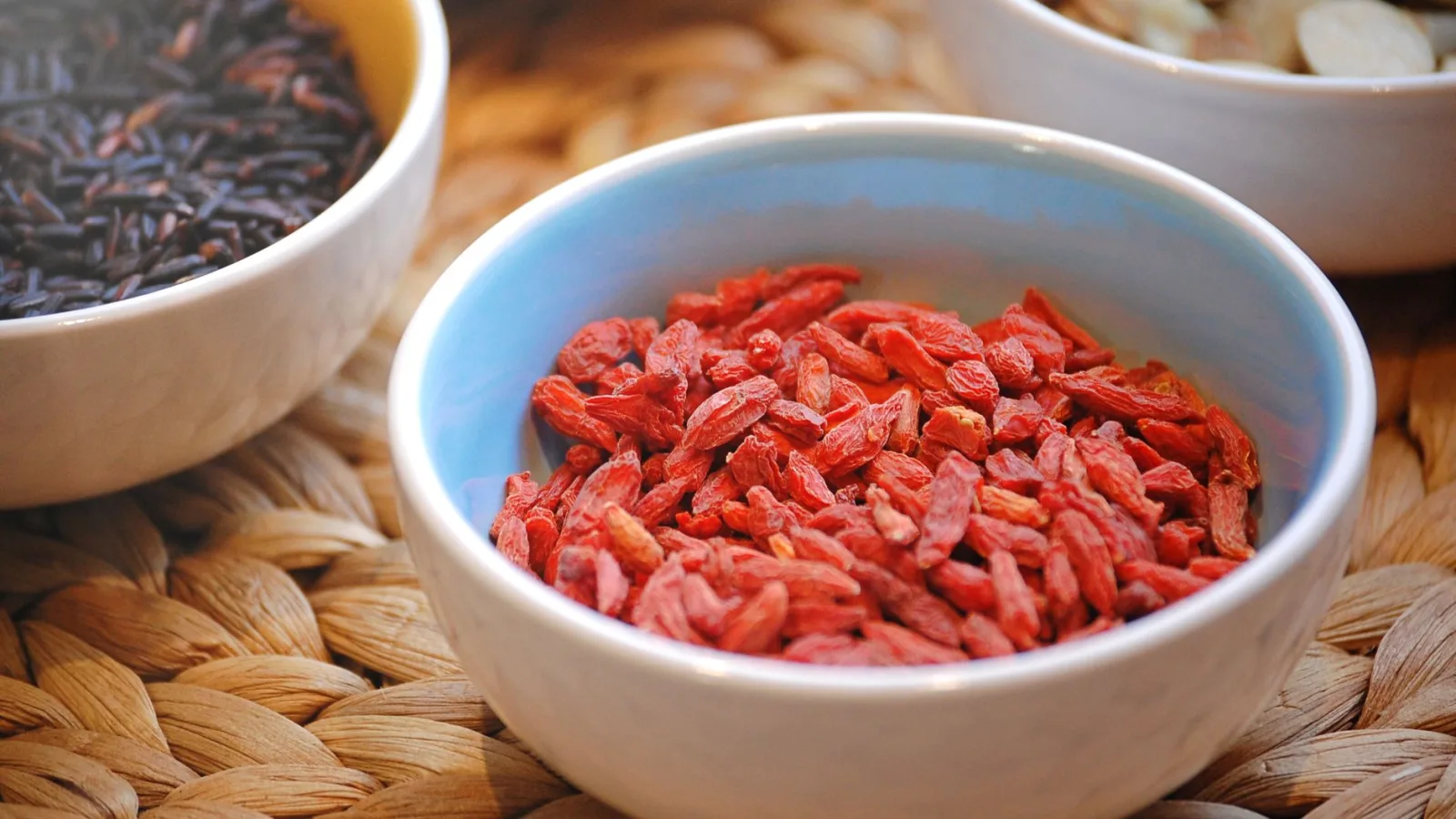
What Goes Well with Red Goji — Jujube, Ginger, and a Little Oil
Goji berries ripen from August through October, but eaten straight off the branch they're oddly flat. Here's how steeping with jujube and ginger, cooking with oil, and blanching the spring shoots each bring out something different.
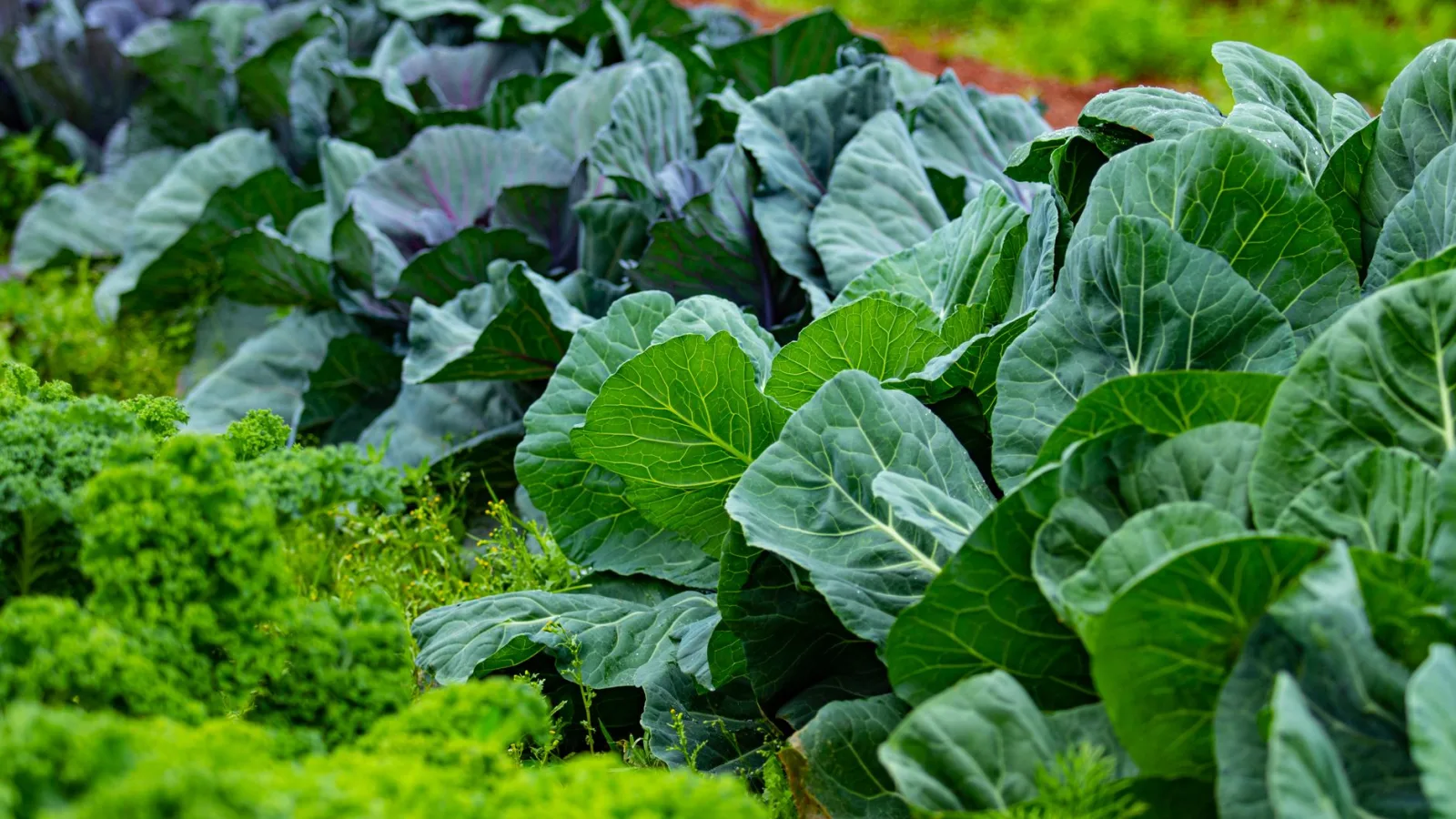
On the Days You're Running on Empty, a Plate of Garden Greens
Dark leafy greens from the garden — kale, spinach, Swiss chard — are loaded with vitamin K, and a recent study links higher intake to fewer depressive symptoms. Here's what the research says, and how to get more of it on your plate.
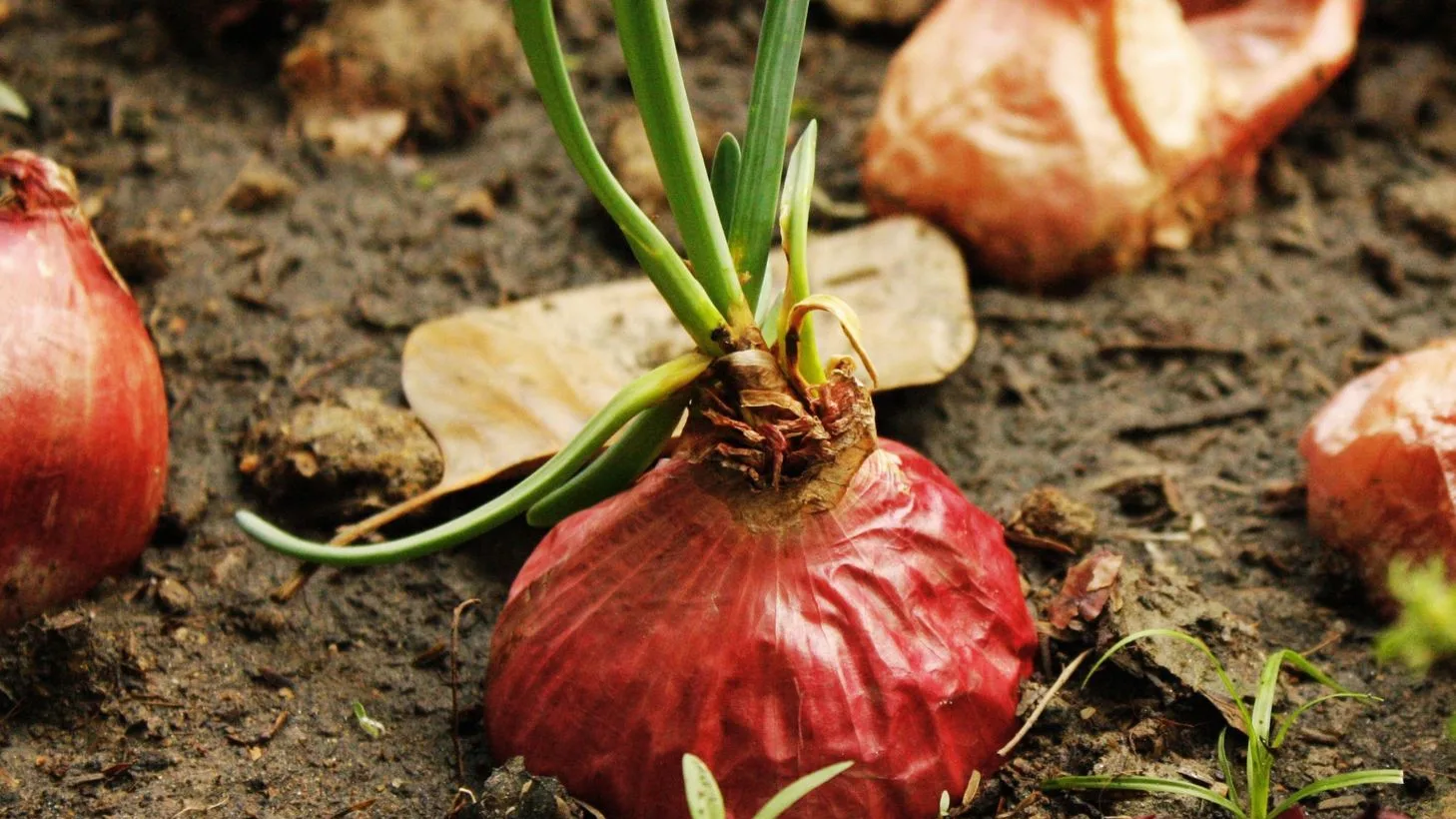
Shallots: Plant in Fall, Dig in Early Summer — Split the Bulb, Plant the Cloves
Shallots go into the ground in early fall, sit quietly through winter, and come out fat in early summer. Here's how to split the sets, get the spacing and drainage right, cure the harvest, and cook what you dig.
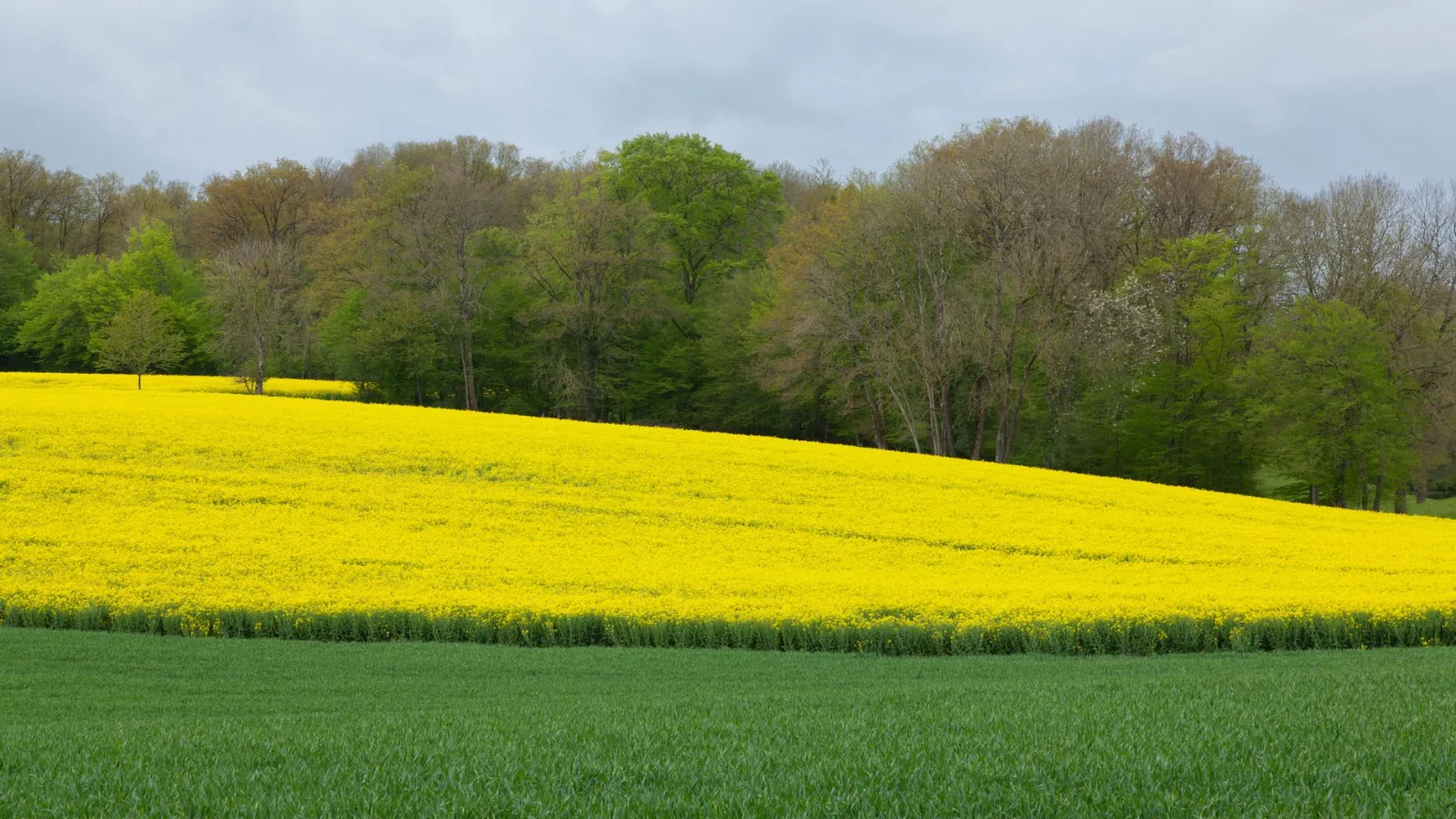
Rapeseed Greens: What Do You Set Against That Peppery Finish?
Rapeseed sown in September winters over and comes back tender in early spring — and 30 seconds in boiling water is only half the job. Here's how chogochujang, perilla oil, and doenjang each handle the leaf's peppery, faintly bitter finish.
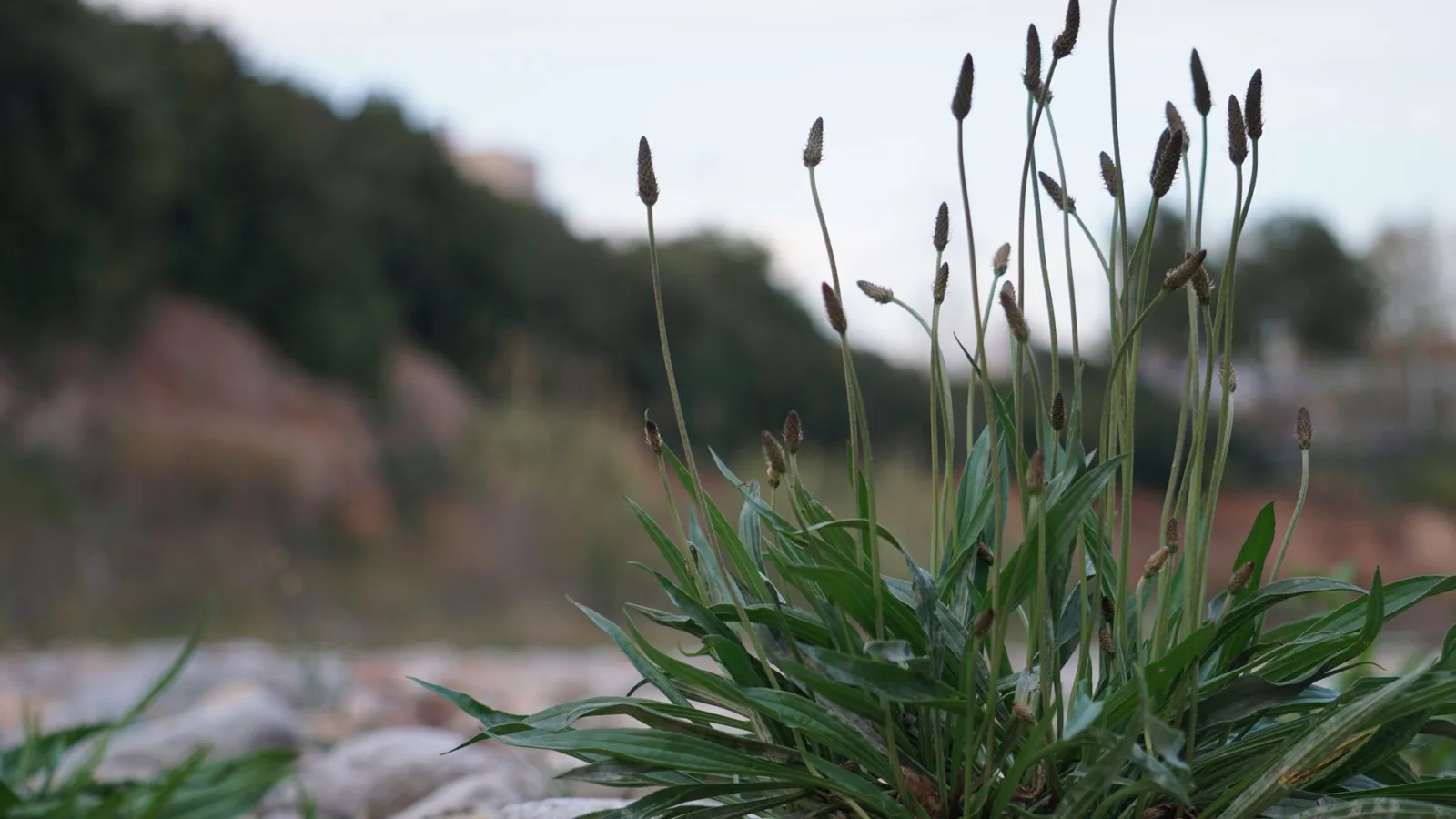
The Plant Recorded as 車前子: Sowing Plantain in September
Plantain (Plantago asiatica) is the weed you pull when you turn the beds and hunt for again come spring. September is the time to sow it — and a good moment to set a 17th-century Korean medical record beside what modern analysis actually finds in the leaves.
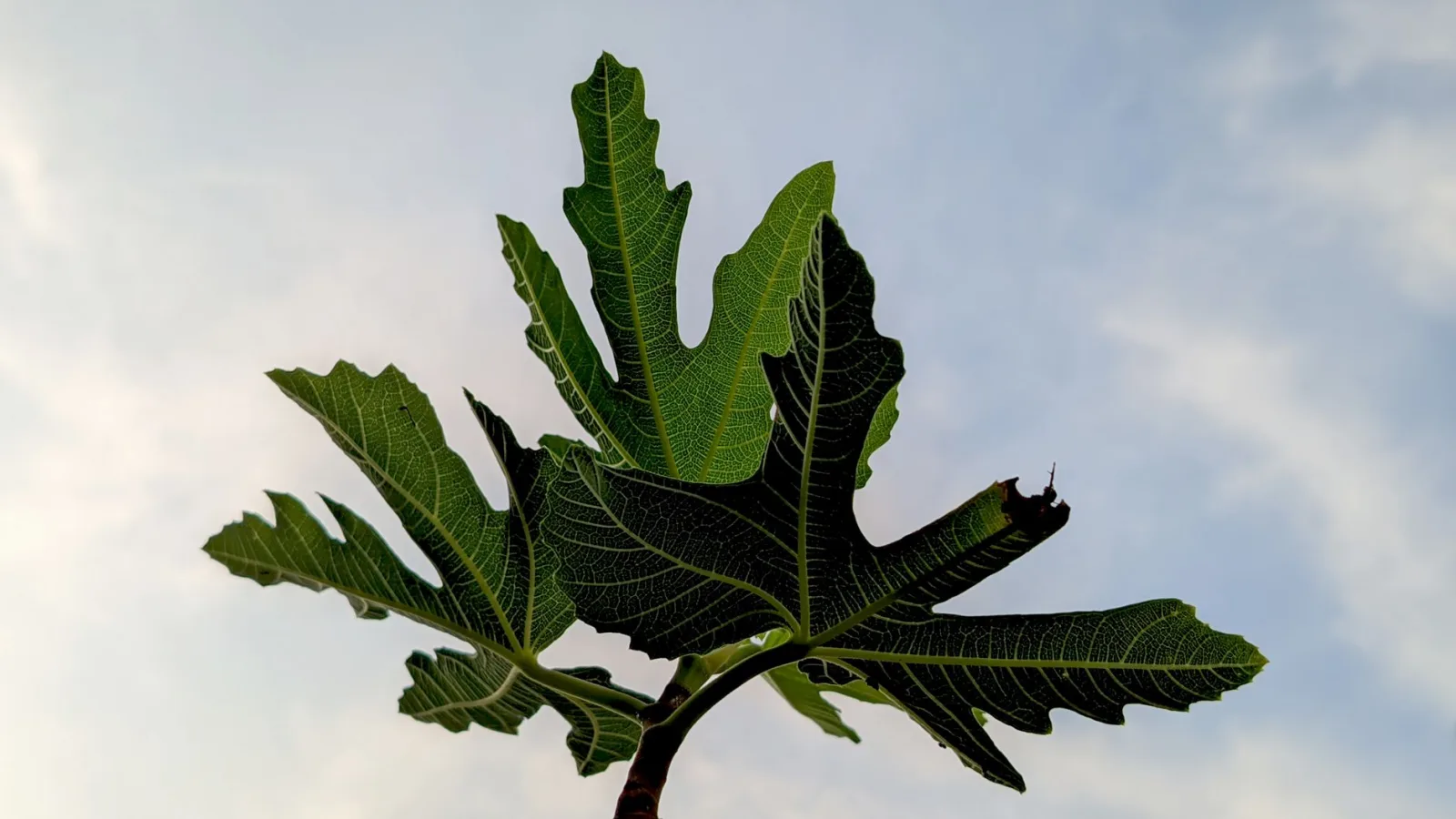
The Fig: A Tree That Ripens With Its Flowers Hidden Inside
The fig keeps hundreds of flowers inside the fruit itself — they're the red grains you see when you cut one open. Here's how to plant a sapling, get it through the cold months, and pick at the right moment during an August-to-October harvest.
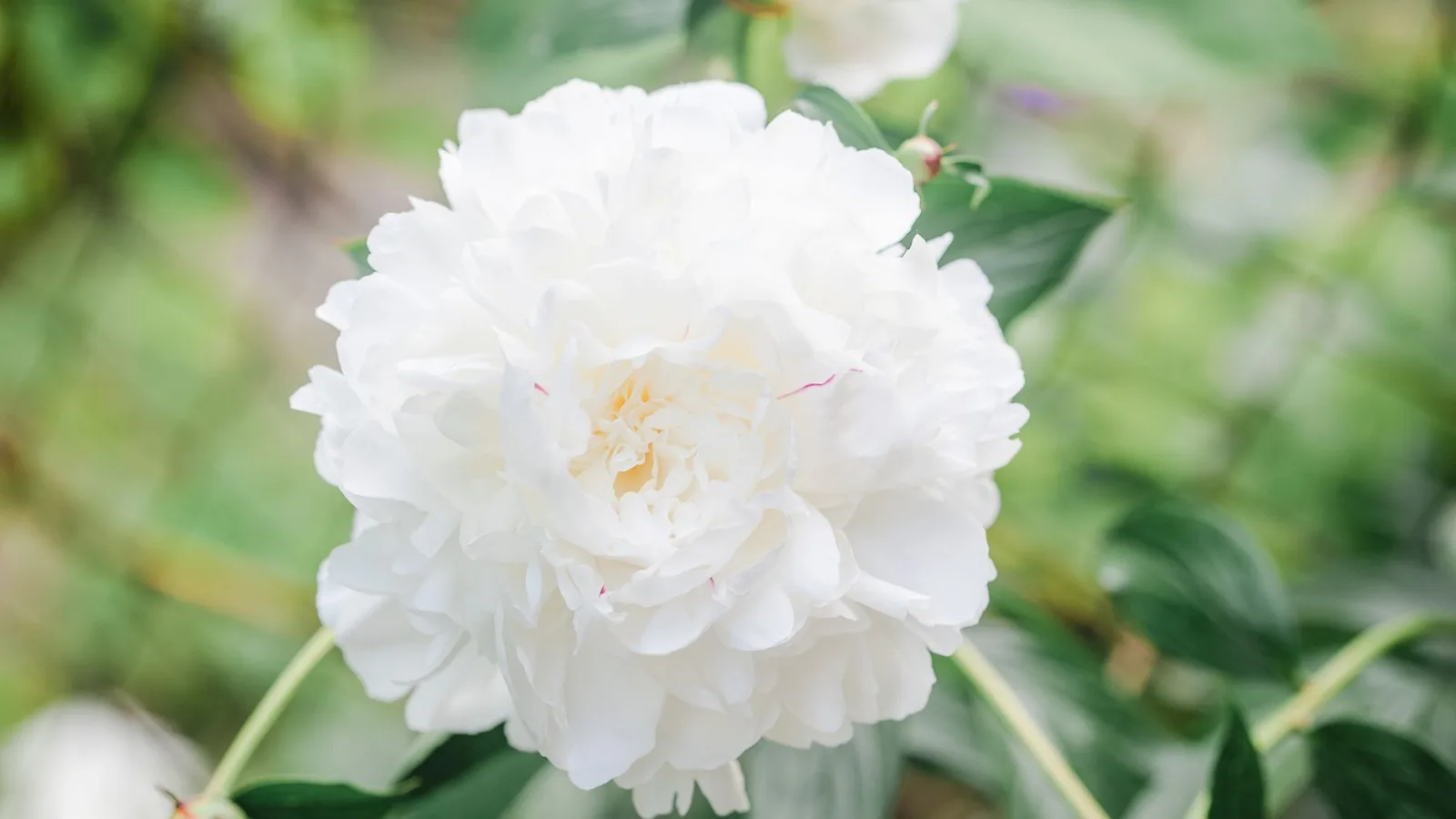
September Peonies: The Root the Old Medical Texts Wrote Down
The peony in your border and the root handled as a medicinal ingredient are the same plant, and September is the season for both planting and digging. A 1613 Korean medical text and a modern pharmacopoeial standard agree on one thing — look at the root — and disagree on almost everything else.
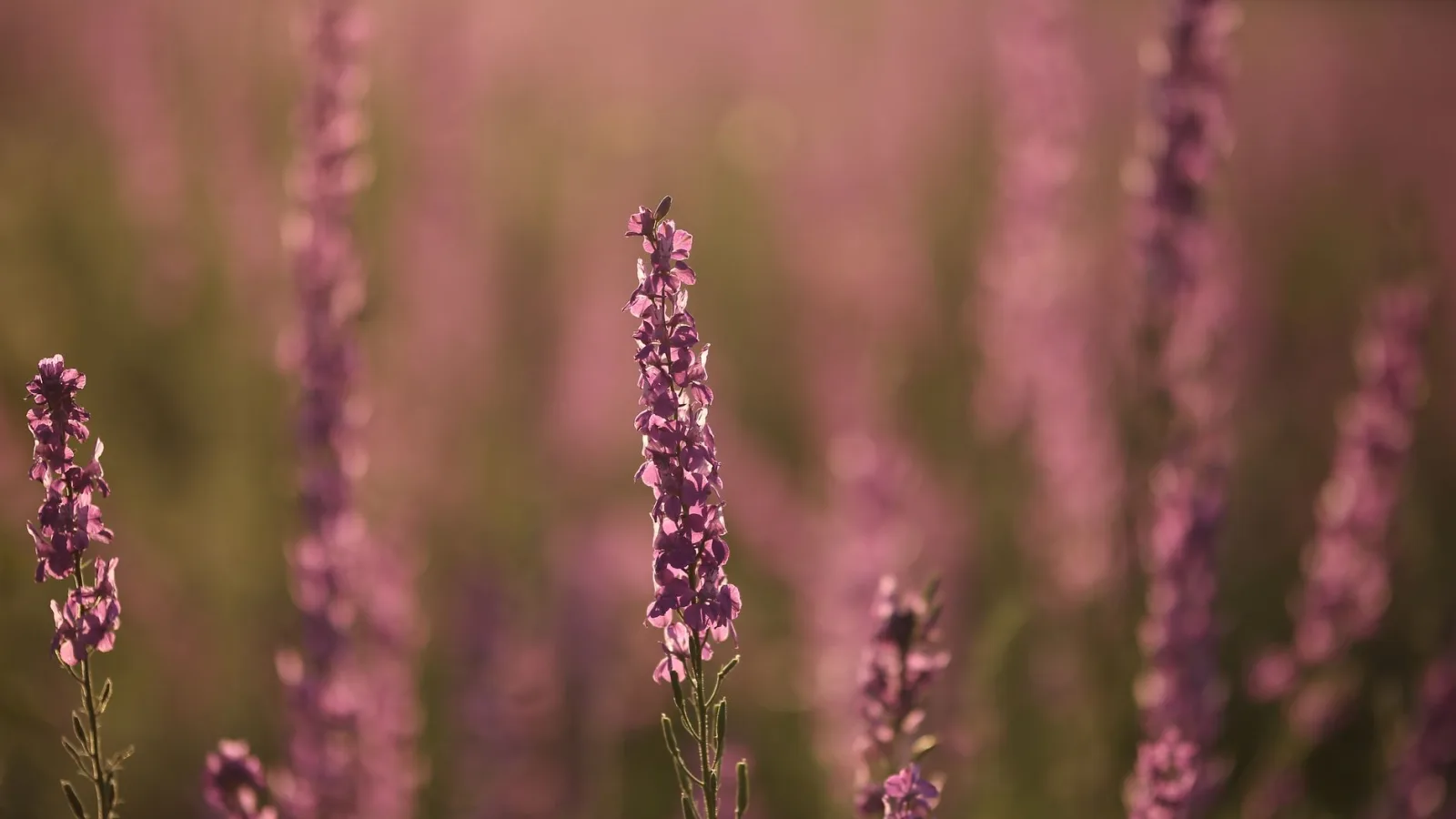
Sow It in Fall, Pick It in Early Spring: Field Pennycress
Field pennycress goes into the ground in fall, holds the bed through winter as a low rosette, and hands you the first greens of spring before anything else is ready. Here's the sowing window, when to cut, and how to blanch and dress it.
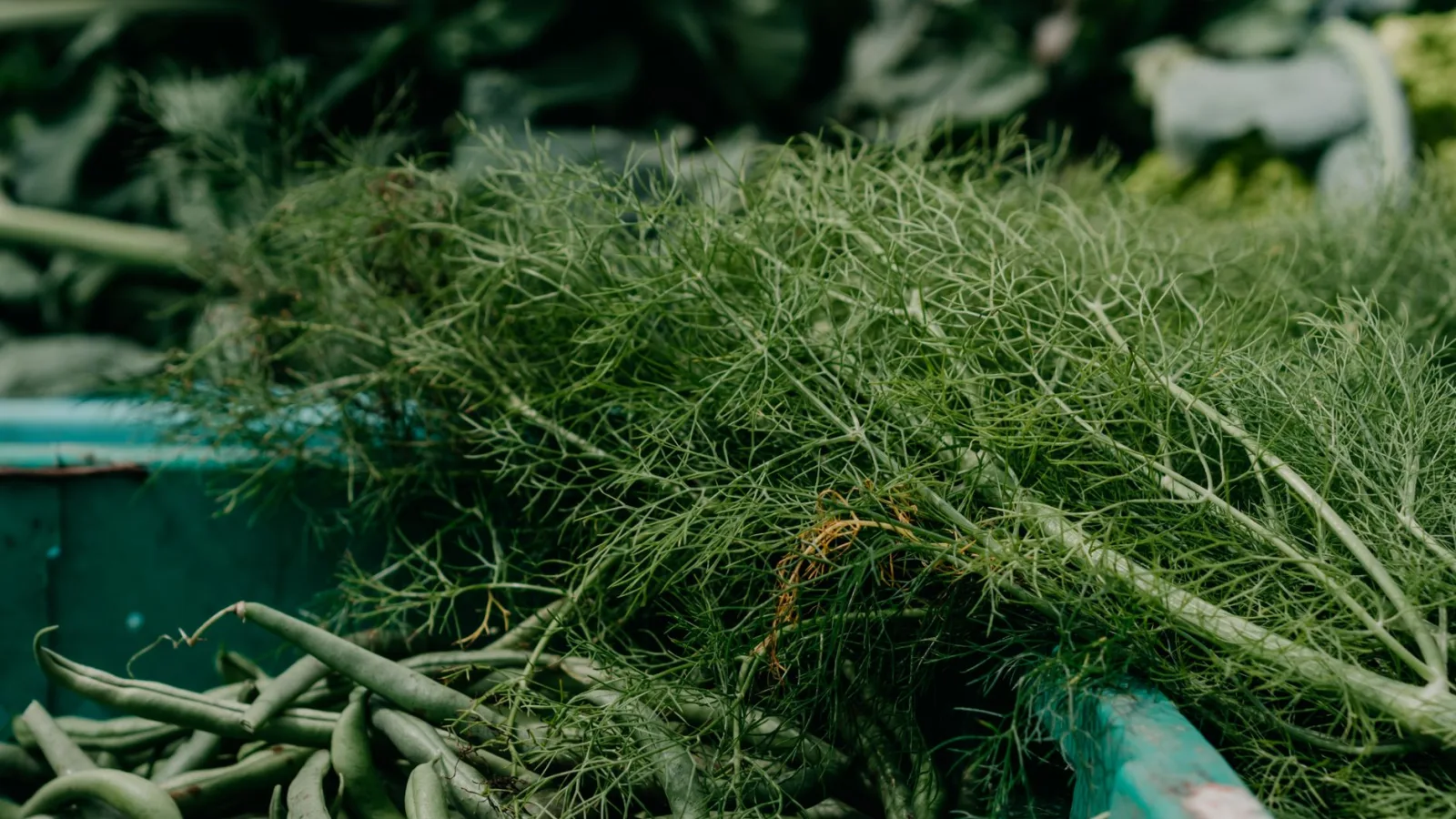
Fennel in the *Dongui Bogam*: The Season Its Seeds Ripen in Your Garden
Late August is when garden fennel finishes flowering and starts setting seed. We compare what Korea's *Dongui Bogam* recorded about the plant with what chemists find in its essential oil today — and close with three ways to use the leaves and seeds.
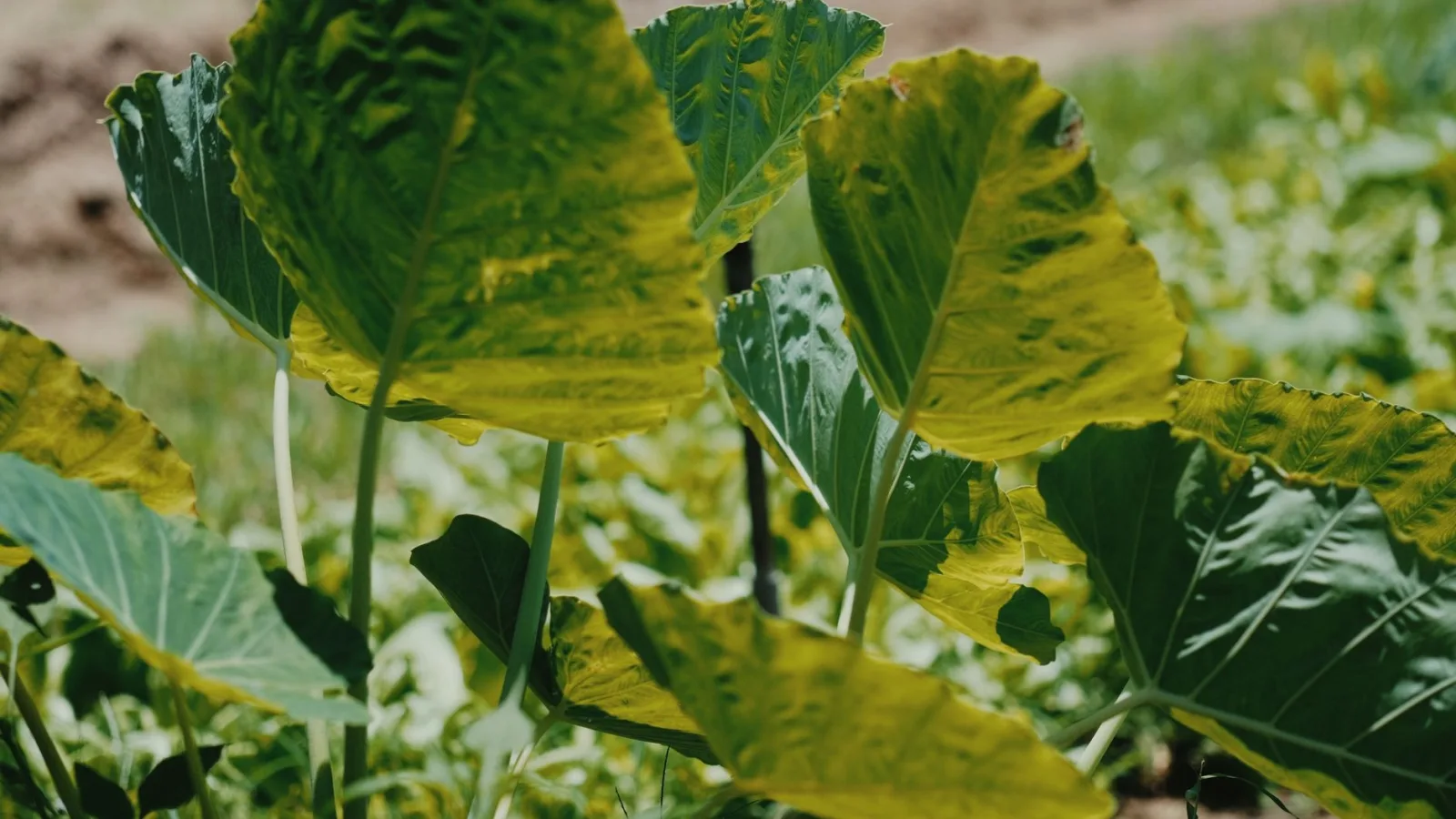
Taro, Through the Eyes of the Donguibogam
The Donguibogam, Korea's seventeenth-century medical compendium, called taro toxic raw and nourishing cooked, good for the gut, the skin, and anyone recovering their strength. Here's what the old text says, how it lines up with what we know today, and how to handle the corms safely in your own kitchen.
Good Partners for Mugwort: Rice Flour, Doenjang, and Roasted Soybean Flour
Mugwort returns on its own every spring, but its bright, bitter punch needs a partner. Rice flour, doenjang, and roasted soybean flour each tame it in a different way — and when you add the leaves decides how much of the scent survives.
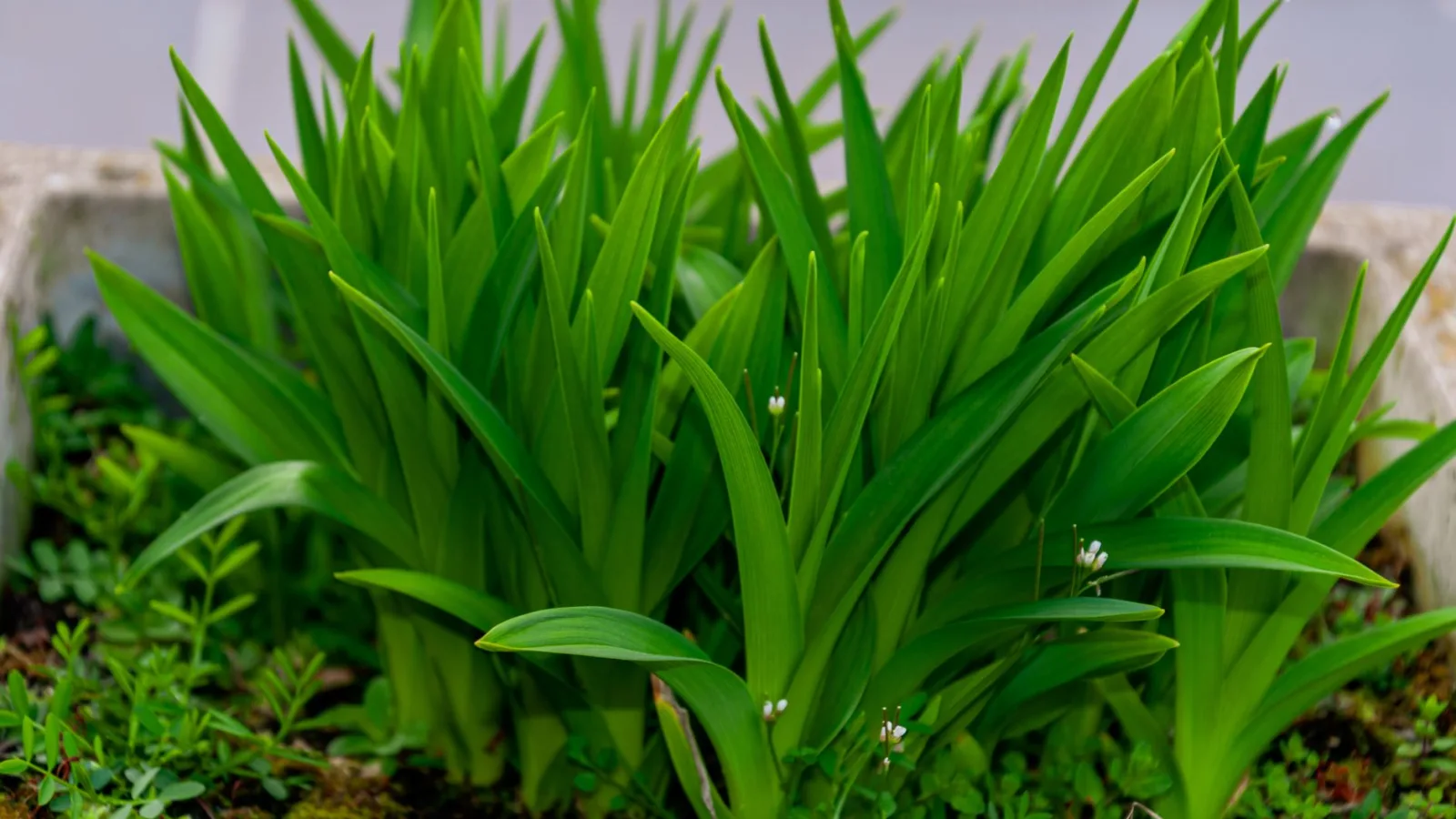
What to Have on Hand When You Simmer Lilyturf Root
September is division season for lilyturf, but a clump split now won't give you roots for a while — so start in the kitchen with dried tubers instead. Pull the core, add jujube and Korean pear, and let the ginger go in at the very end.
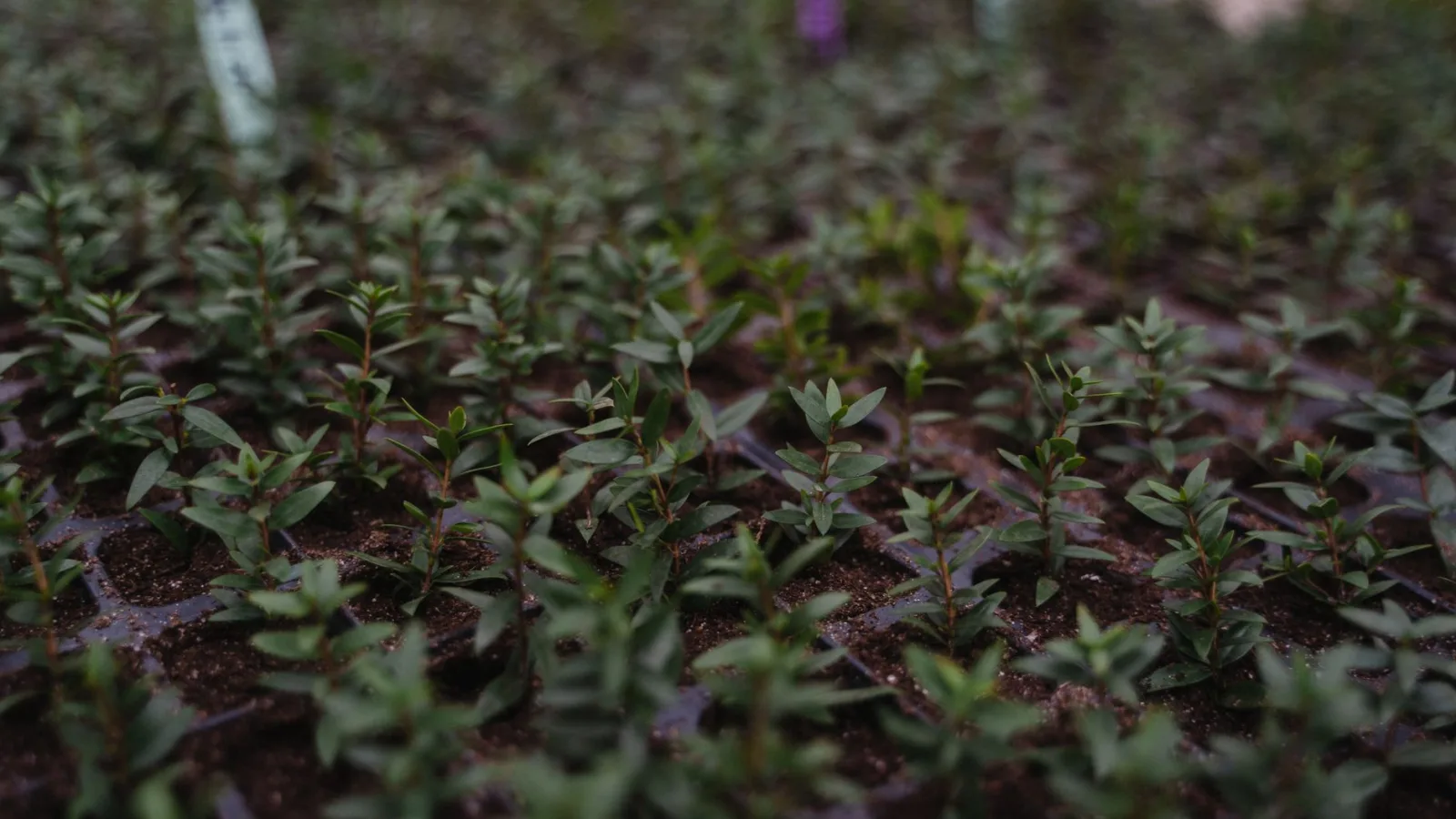
Sowing Cow Parsley in the Autumn Beds: The Old Record and the Living Plant, Side by Side
Cow parsley — jeonho in Korean — goes into the ground in September and comes back as one of the first greens of early spring. Its name matches an entry in Korea's old medical canon, but the plant doesn't, and it's worth knowing where the two lines cross and where they don't.
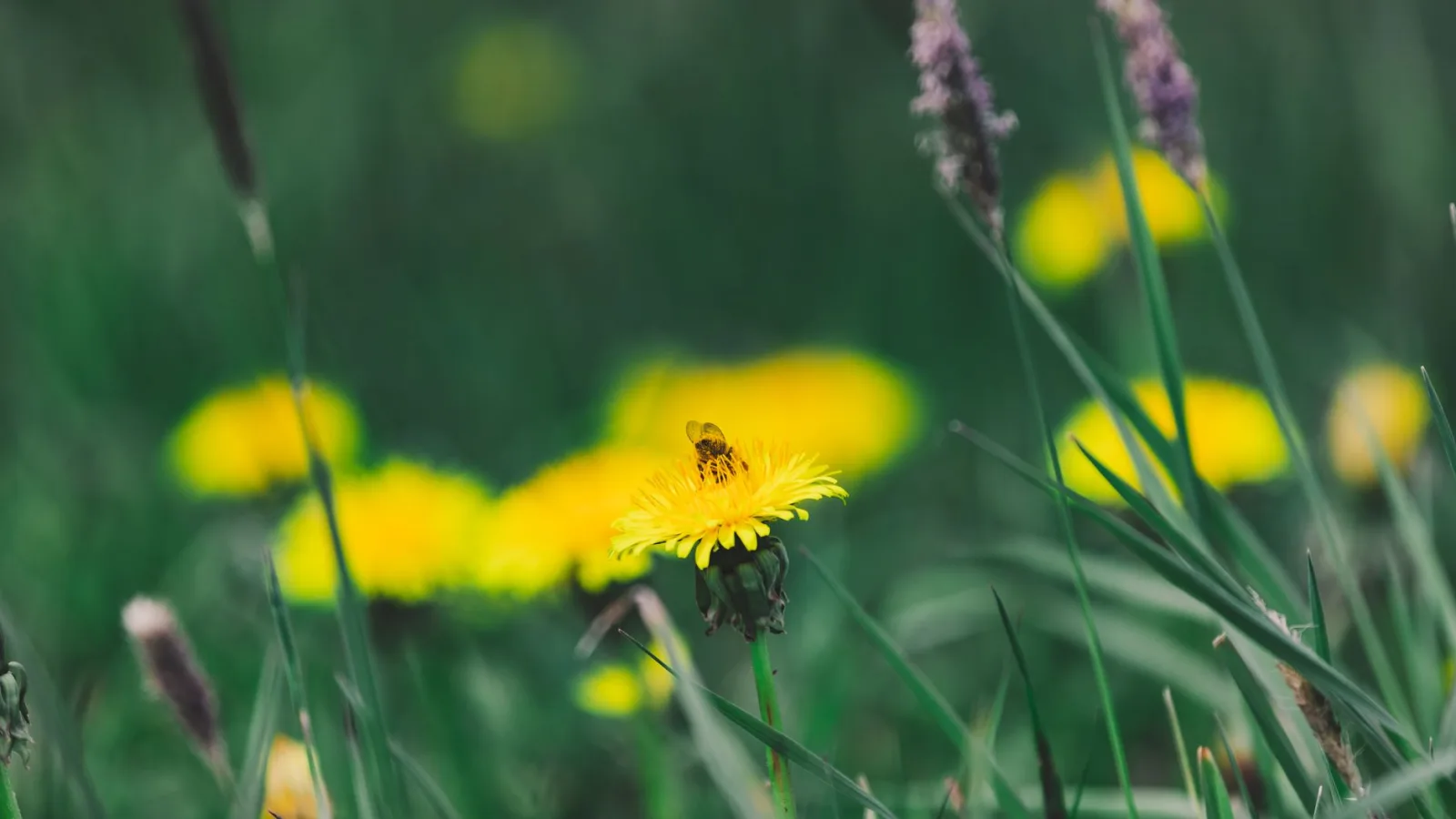
Dandelion in a Deep Pot: One Sowing, Both Leaves and Root
Dandelion drives a straight taproot into ground too compacted for most crops, which makes it a good fit for the bare edges left behind when the summer vegetables come out. Sow in September, eat the thinnings this fall, and dig roots for roasting a year later.
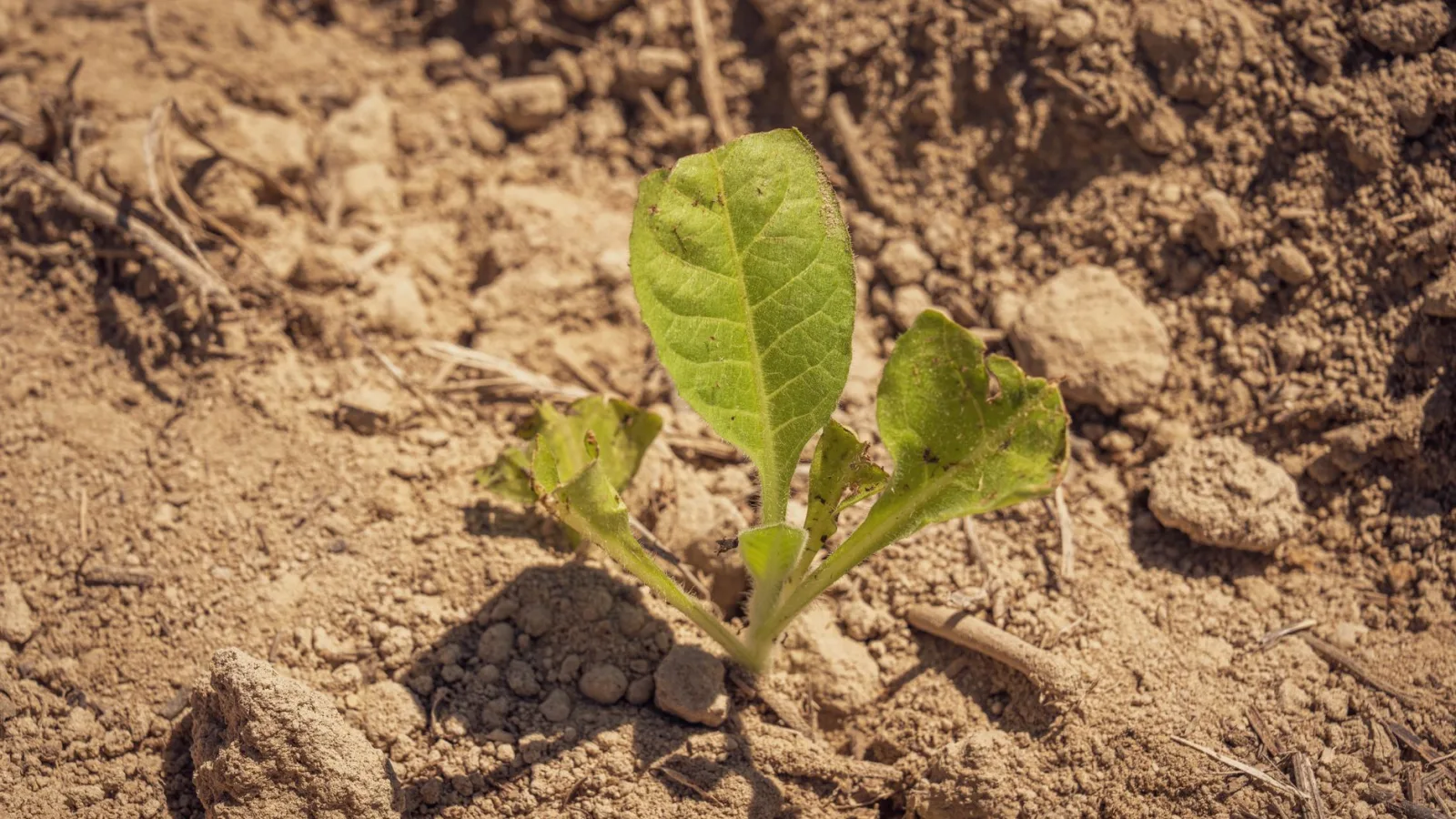
Curly Dock: The Part You Eat Is the Young Leaf
Curly dock is a hardy perennial green you sow in fall and harvest the next spring, when nothing else in the garden has woken up yet. The whole method comes down to two things: take only the young leaves, and always start with a pot of boiling water.
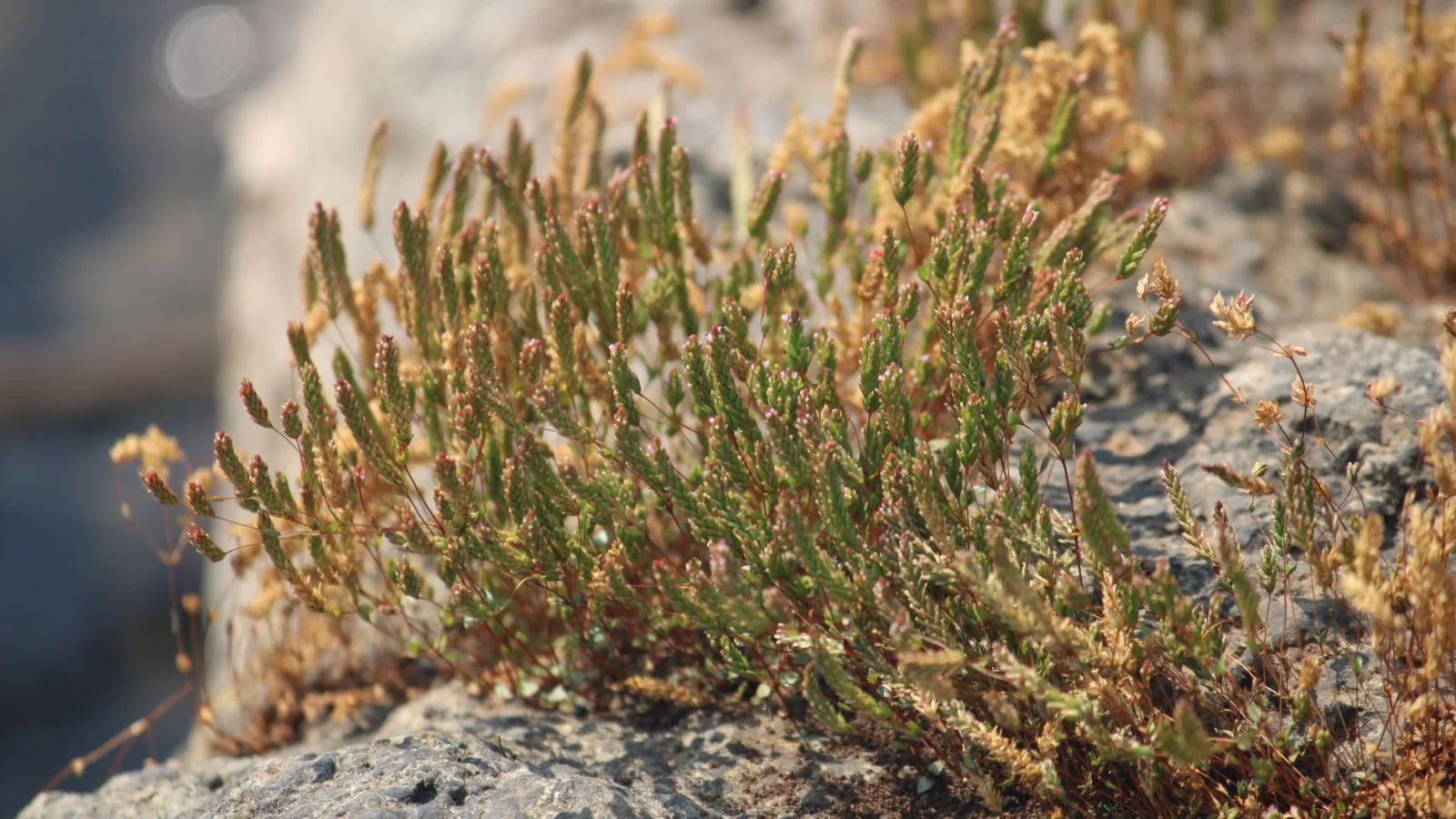
Jersey Cudweed: A Wild Green You Sow in Fall and Eat in Spring
Jersey cudweed (tteoksuk) is a soft, wool-covered biennial that sprouts in fall, winters over flat against the ground, and offers up tender shoots in April and May. Here's how to sow it now, how to tell it from mugwort, and what to do with it come spring.
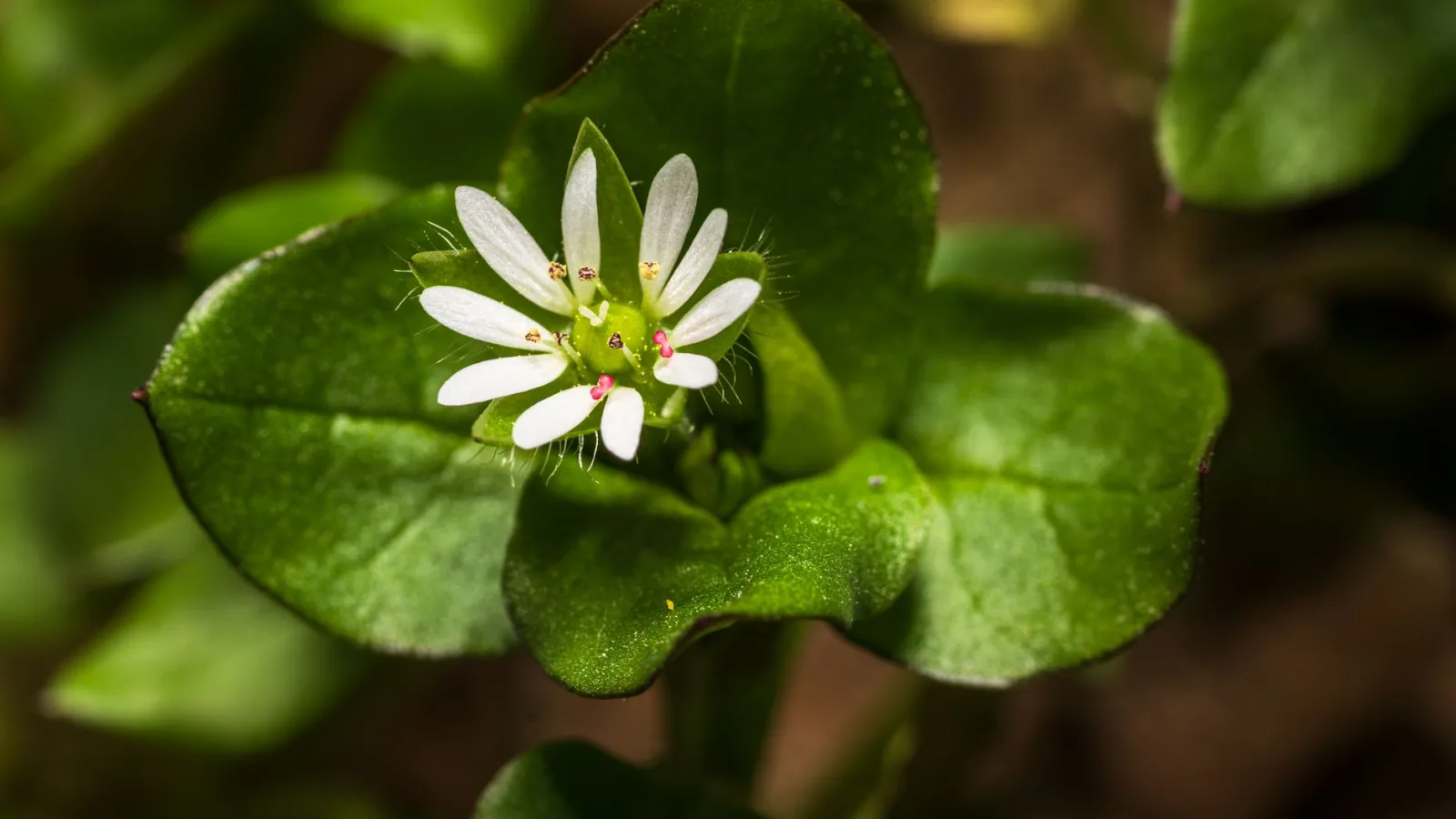
Chickweed: An Old Medical Text's Name for It, and Spring's First Green in Today's Garden
The low, sprawling weed you scrape out of September beds is chickweed — listed in the 17th-century Dongui Bogam as beollu, "chicken-intestine herb." A look at what the old text recorded, what modern analyses actually say, and how to grow, gather, and cook it.
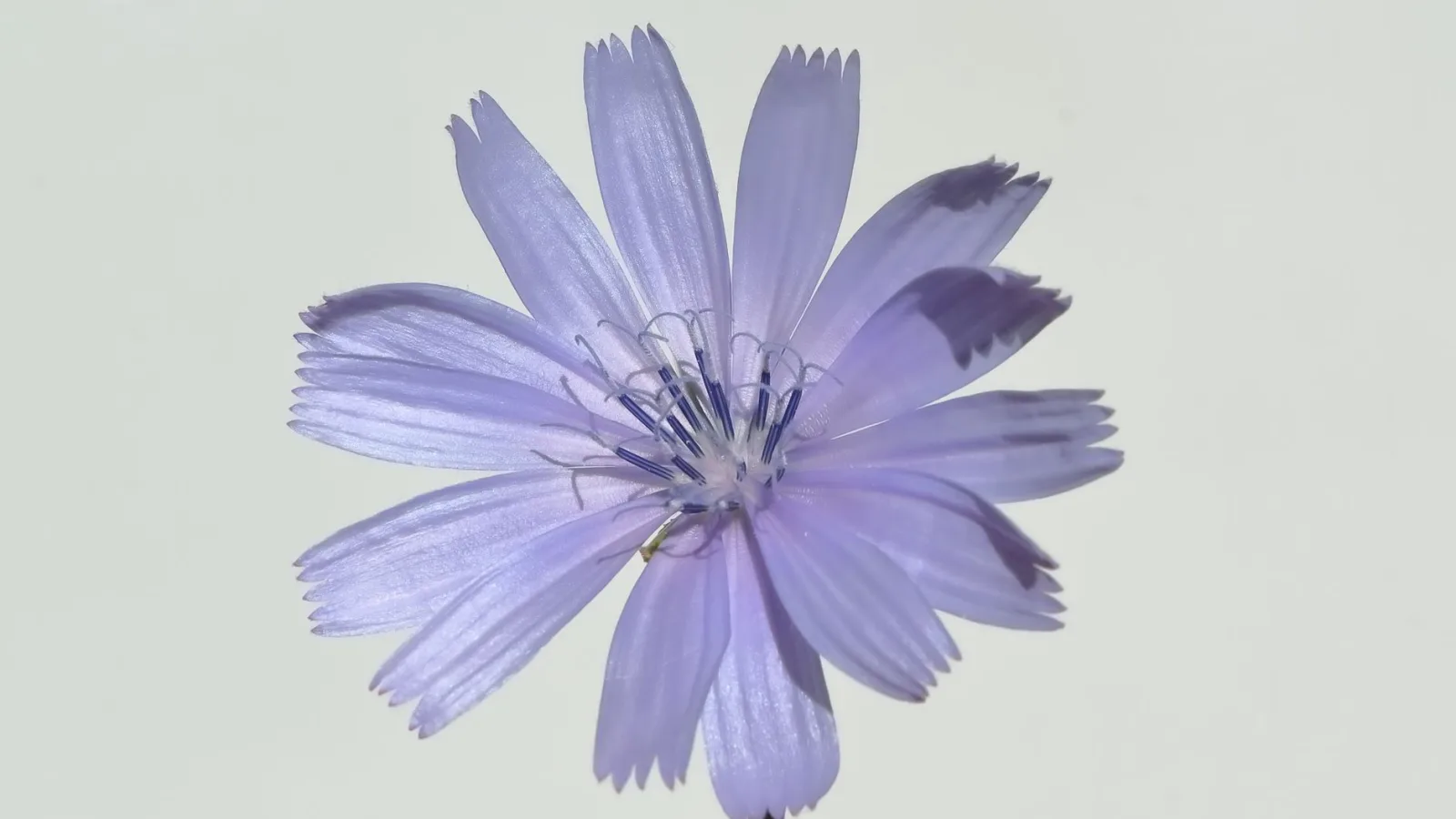
Why Chicory Tastes Bitter — and the Ten Days That Soften It
Chicory's bitterness comes from lactucopicrin and lactucin — a flavor question, not a health one, and one you can settle out in the garden bed. Block the light for the last ten days before harvest and the leaves come up pale and mild.
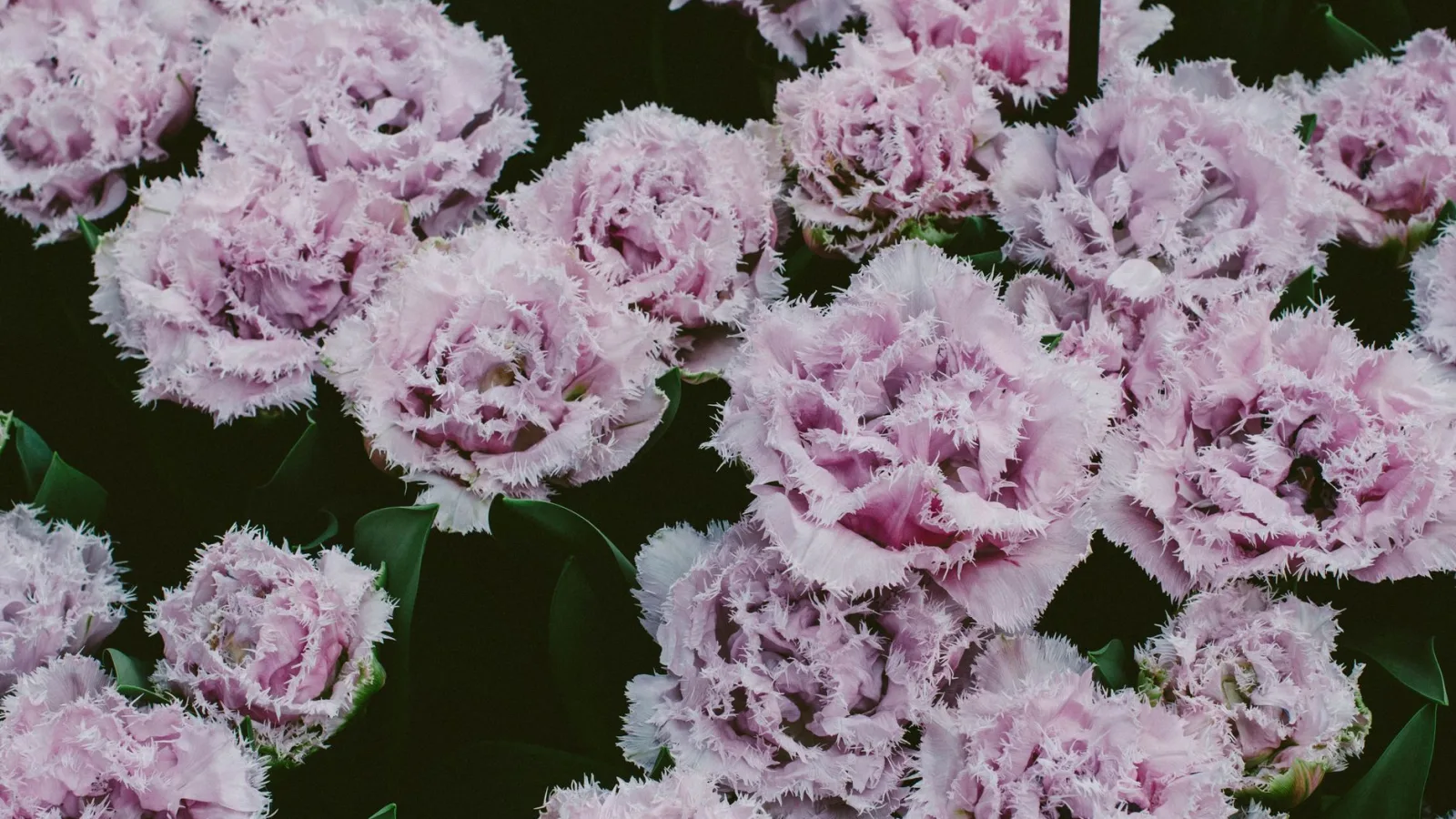
The Flower They Called Gumaek — China Pink in the Old Records and in Today's Garden
Korea's seventeenth-century Donguibogam listed China pink as gumaek and told readers to dry its seeds and leaves in the shade after early August. Modern analysis names the saponins and the anthocyanins — and stops there, which is why this flower belongs in a salad rather than a remedy.
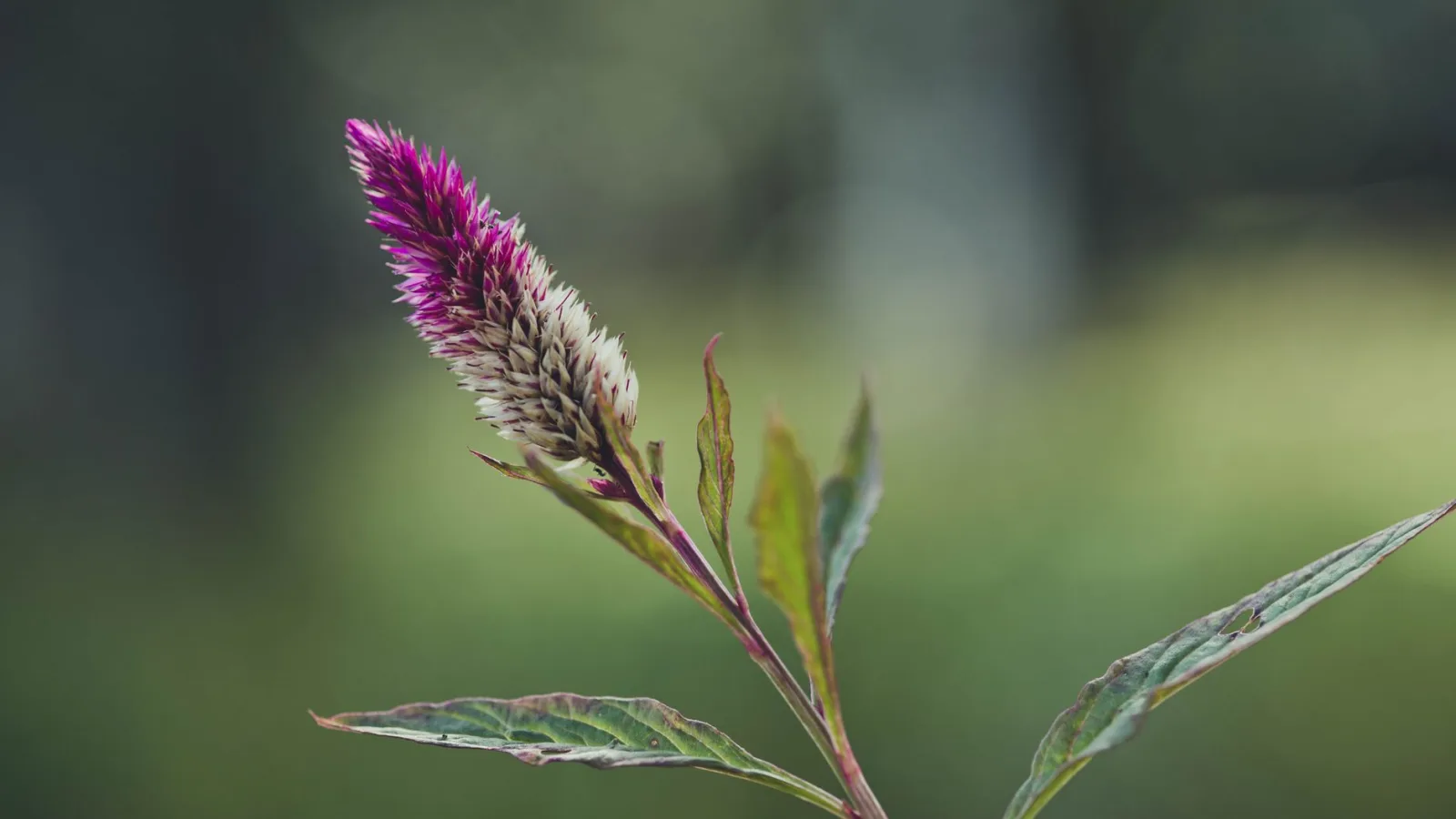
Silver Cockscomb: A Handful of Blanched Leaves, a Pinch of Toasted Seed
Silver cockscomb shrugs off midsummer heat and drought, keeping its lower leaves tender well into August. Blanch a handful for a namul side dish now, and leave the flower stalks standing for black seed in September.
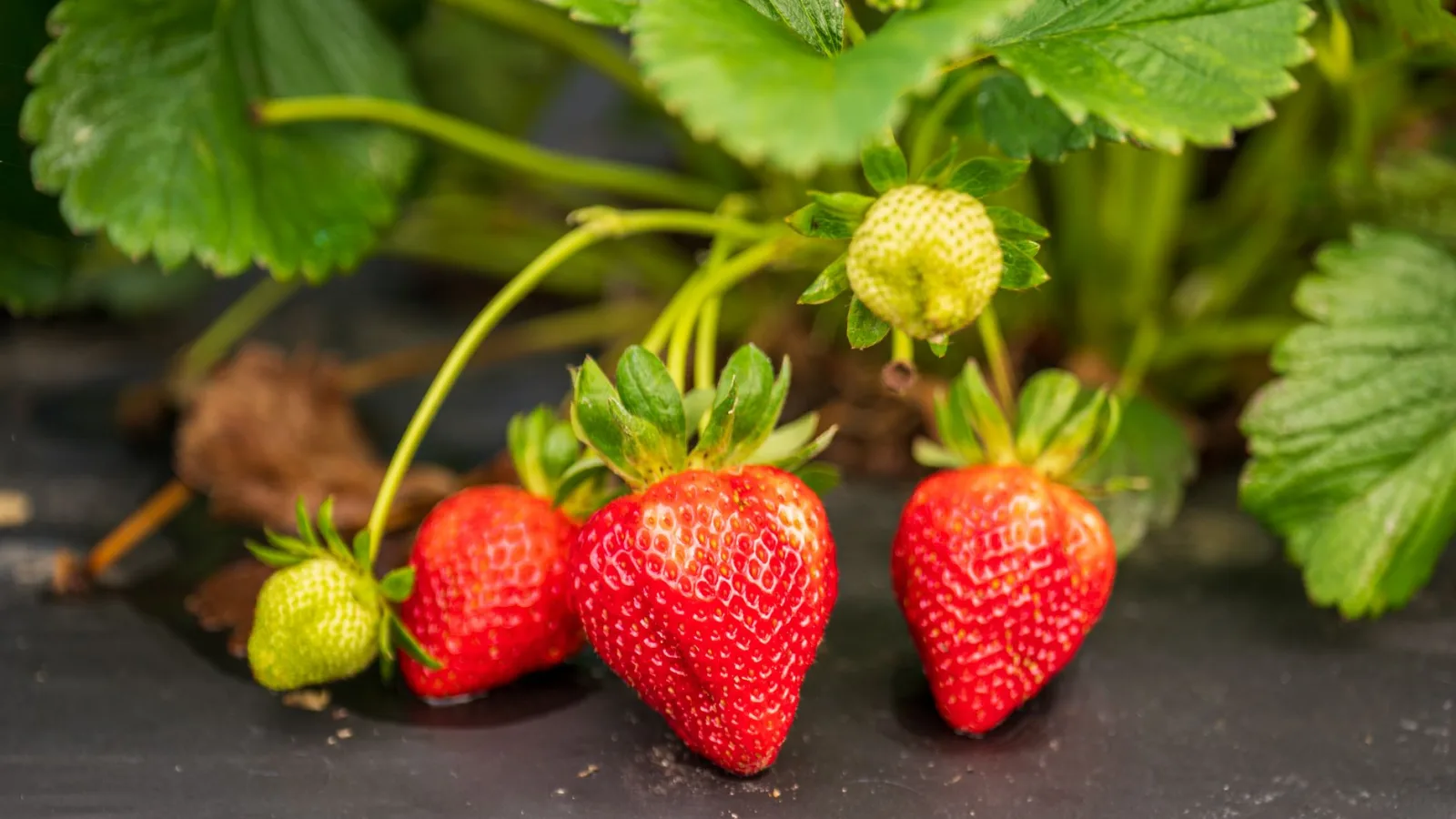
Neo-P: The New Headache in the Strawberry Patch
A fungus once considered harmless has turned into one of the toughest problems in strawberry growing, attacking leaves, crowns, and fruit all at once. Here's how to recognize Neo-P in your own patch and stop it before it spreads down the row.
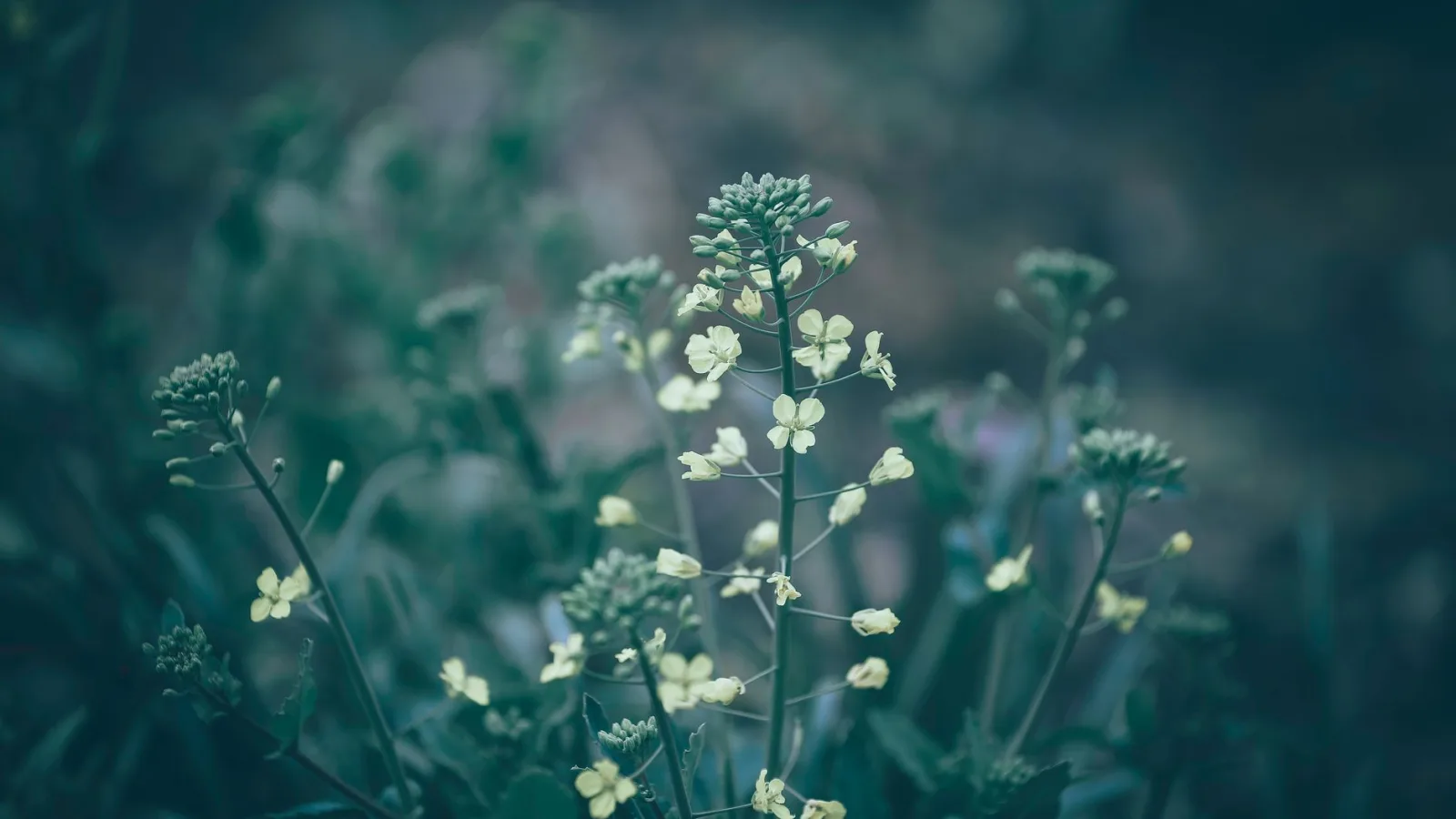
Shepherd's Purse: What the Dongui Bogam Saw
Shepherd's purse is the first wild green to appear when winter loosens its grip on the garden. Korea's classic 17th-century medical text recorded it as a plant that benefits the liver and sharpens eyesight — and modern nutrition, in its own language, points in a similar direction.
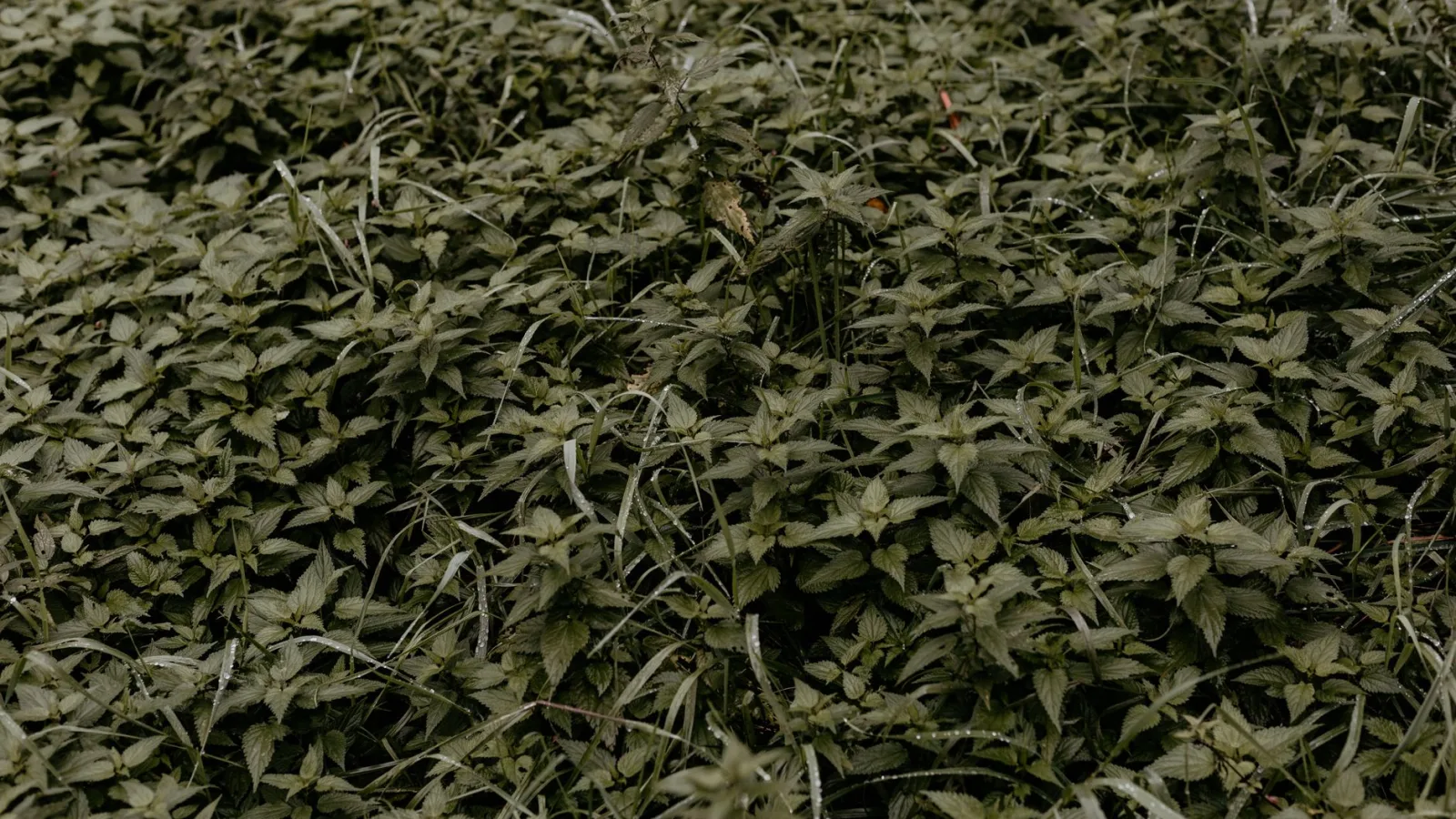
False Daisy, Simmered with Two Jujubes
False daisy grows low and damp along ditches and paddy banks, and its sap turns black the moment you break a stem. Here's how to gather it in August, dry it, toast it, and simmer it with a couple of jujubes so it's actually pleasant to drink.
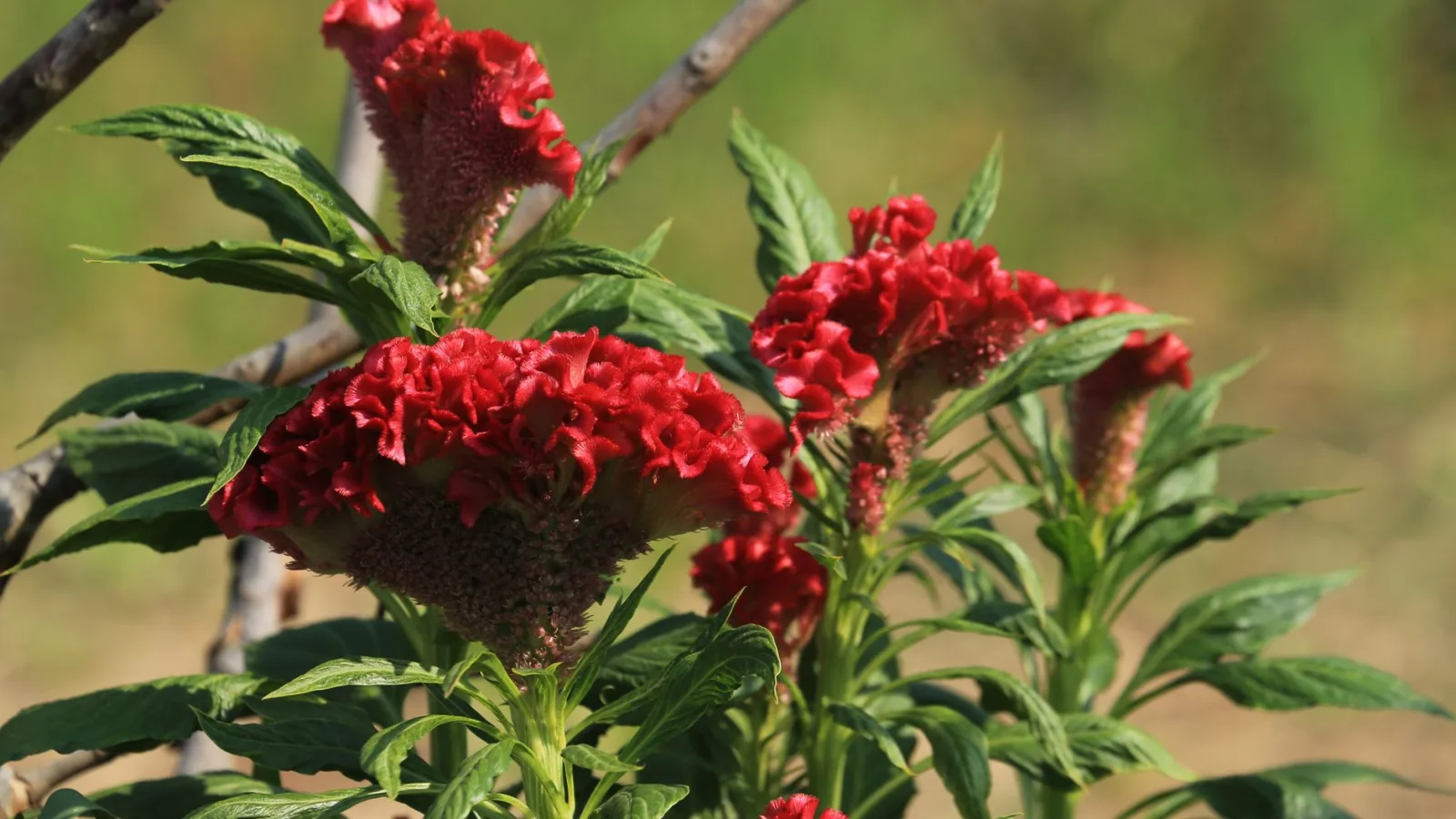
Cockscomb: The Longer the Sun, the Deeper the Red — From Sowing to Drying the Flowers
Cockscomb is an easy annual that pays back the sunniest corner of the garden with the deepest red plumes. Here's how to sow it once frost has passed, keep it happy through summer, and dry the heads for red tea that lasts all winter.
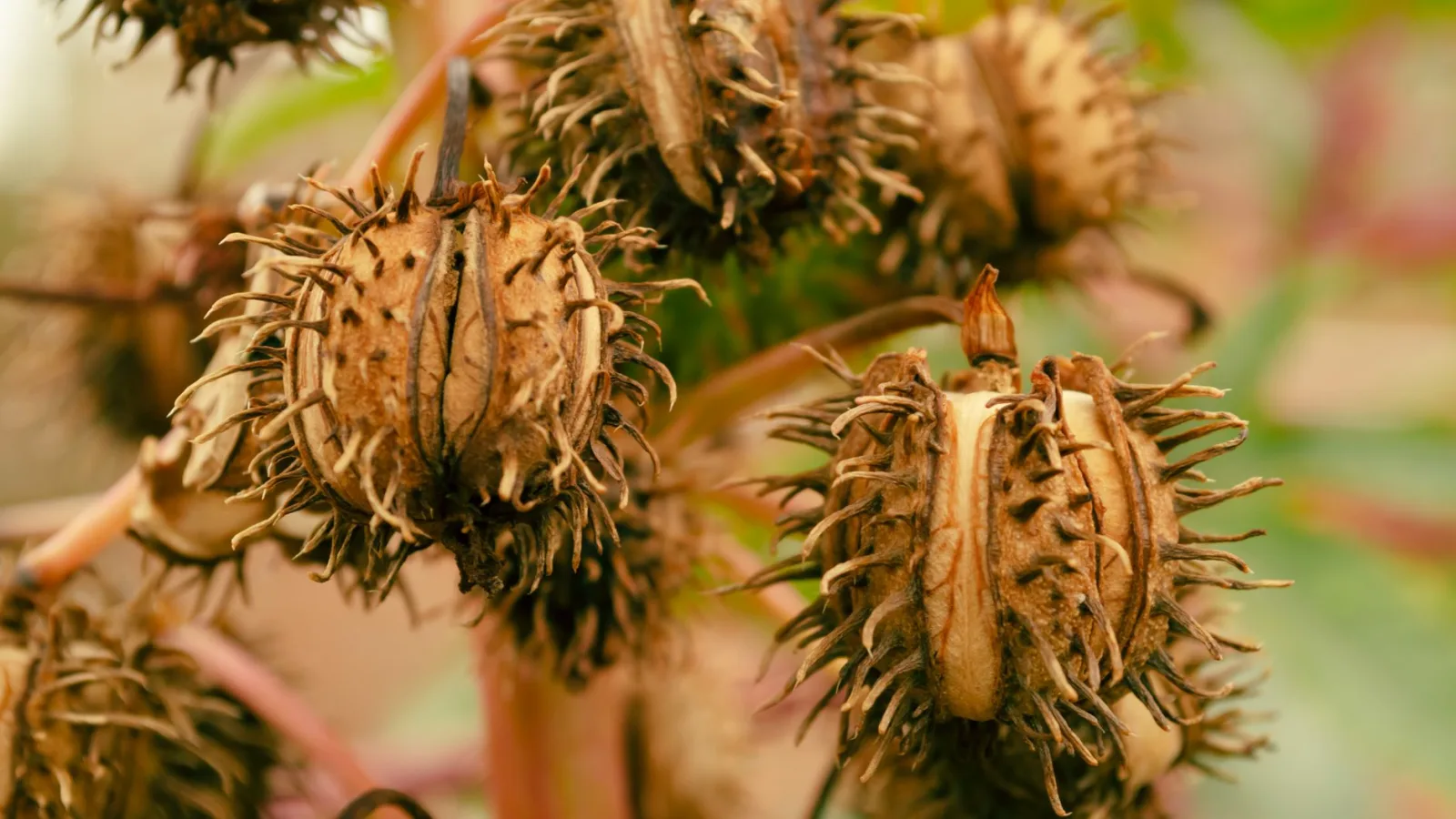
Castor Bean: Leave the Seeds, Take the Leaves — Bimaja in the *Dongui Bogam* and Today's Kitchen
Late summer is castor leaf season: the tender leaves can be blanched, rinsed, and dried for a winter's worth of namul. The seeds are a different story entirely — they never come into the kitchen.
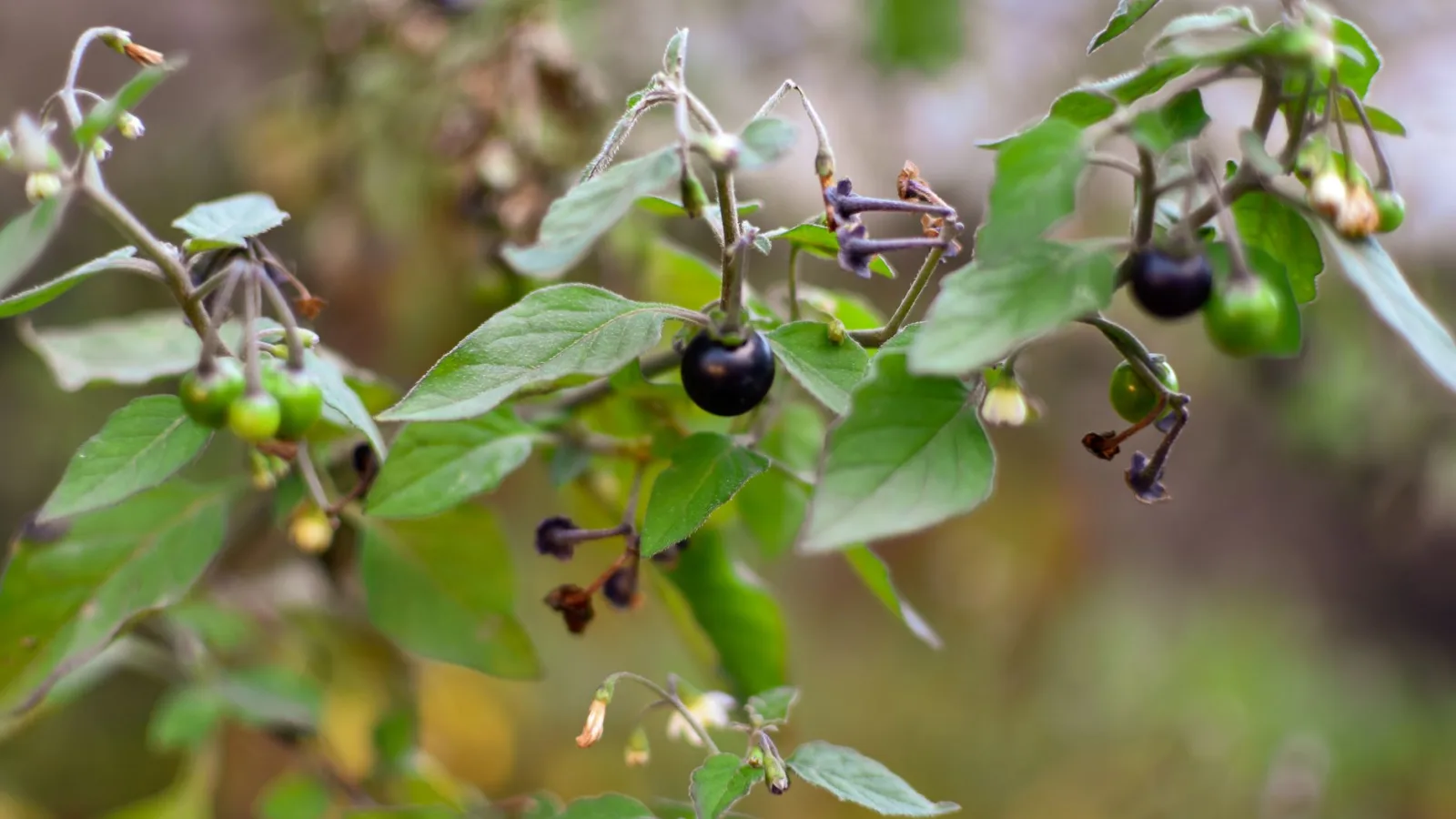
Kkamajung: Waiting for the Berries to Turn Black
Black nightshade comes up on its own along field banks and returns from dropped seed year after year, which makes it one of the easiest things a new gardener can grow. The rule for picking is simple: wait until the berries are completely black.
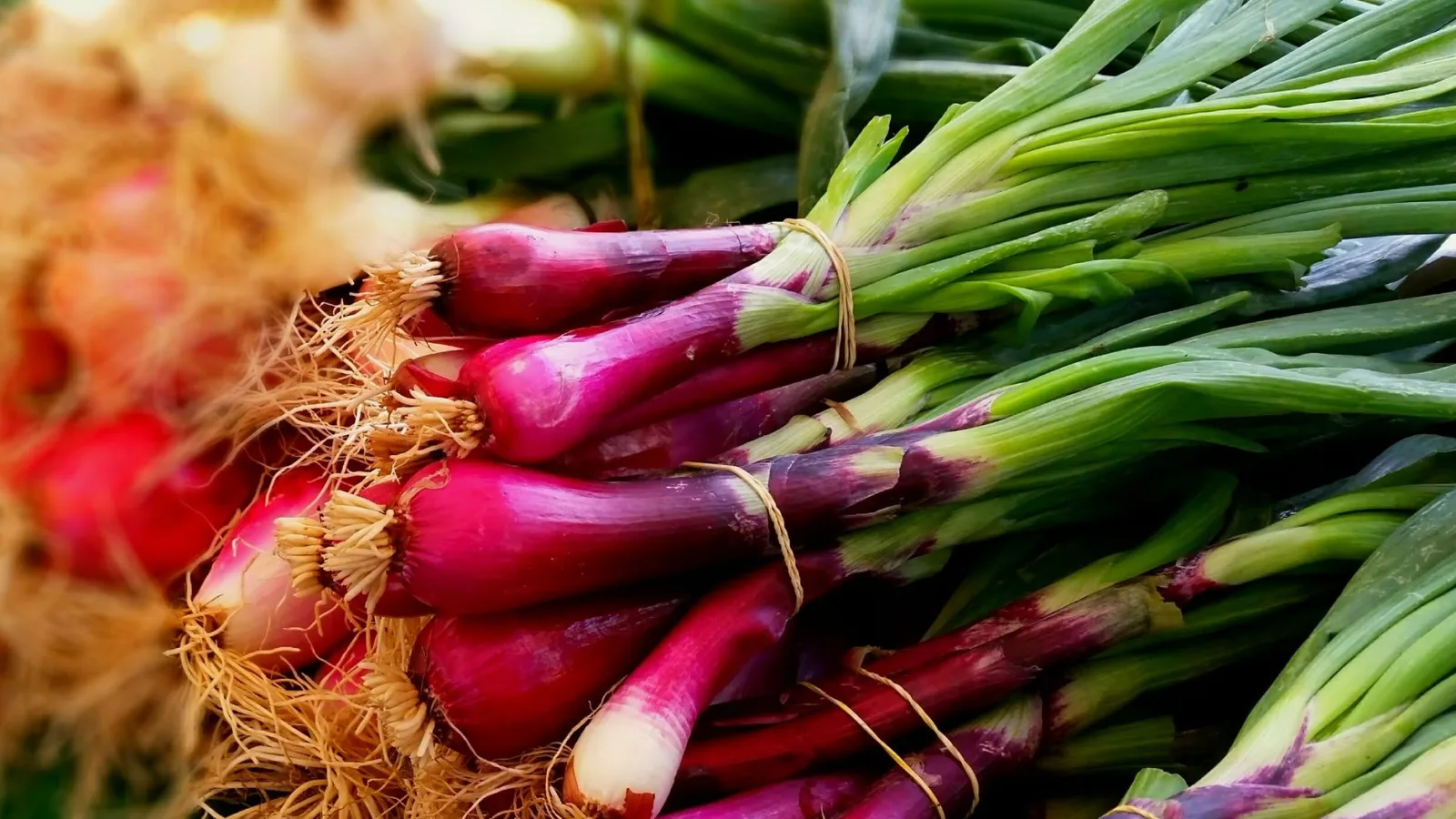
Rakkyo: What Two or Three Pickled Bulbs Do in the Body
Rakkyo (yeomgyo) is the tart little pickle served beside sushi and Japanese curry — and a nearly hands-off perennial you plant in late summer and dig the following June. Here's how to grow it, why it tastes the way it does, and what the research on its fructans and saponins does and doesn't show.
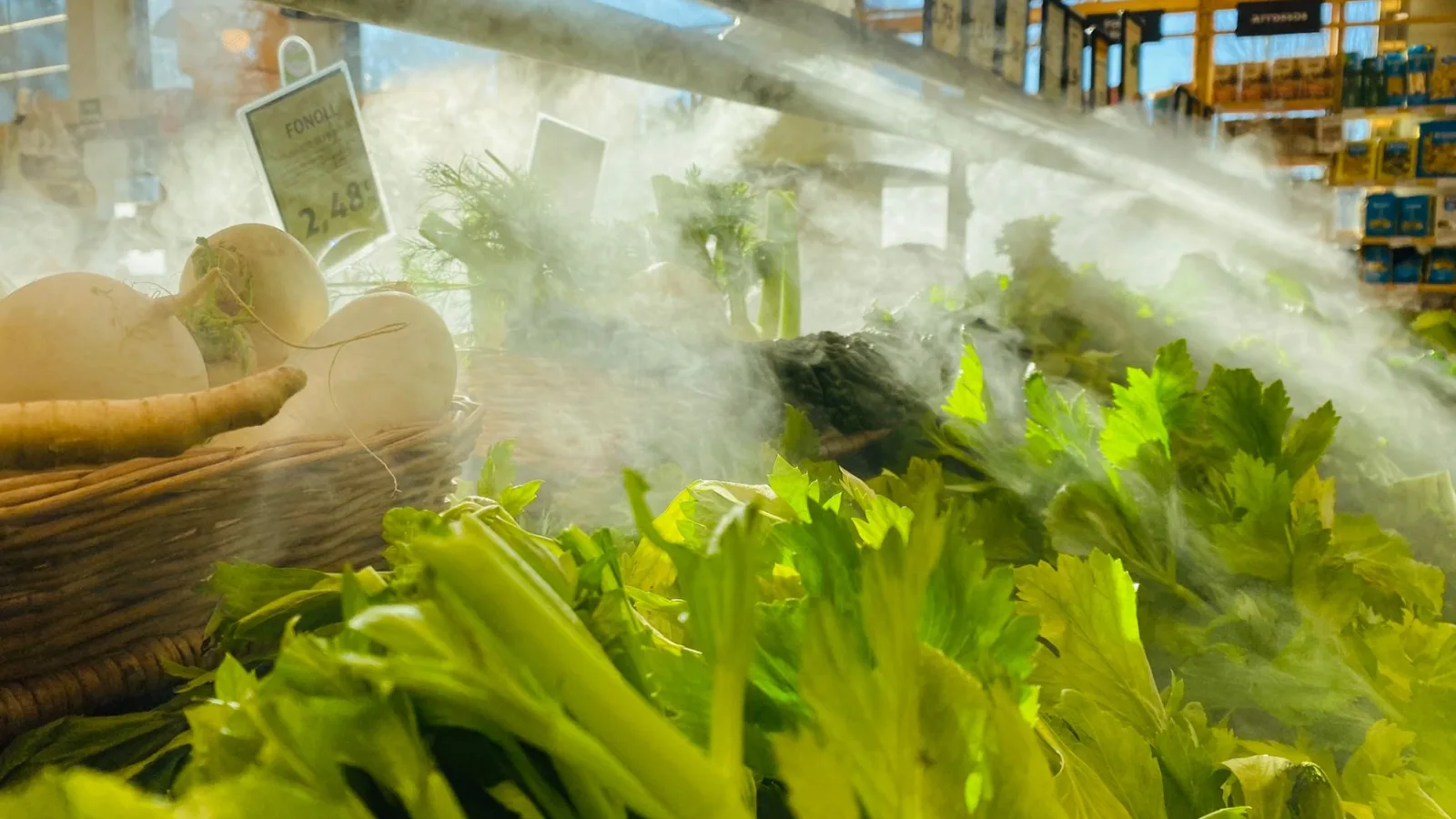
Celery: Potassium in the Stalks, Flavonoids in the Leaves
Celery goes in the ground in late summer and thickens as the weather cools, but it fails in two directions: heat makes it stringy, and a cold snap makes seedlings bolt. Here's how to grow it, why the leaves are worth keeping, and what the research on celery actually covers.
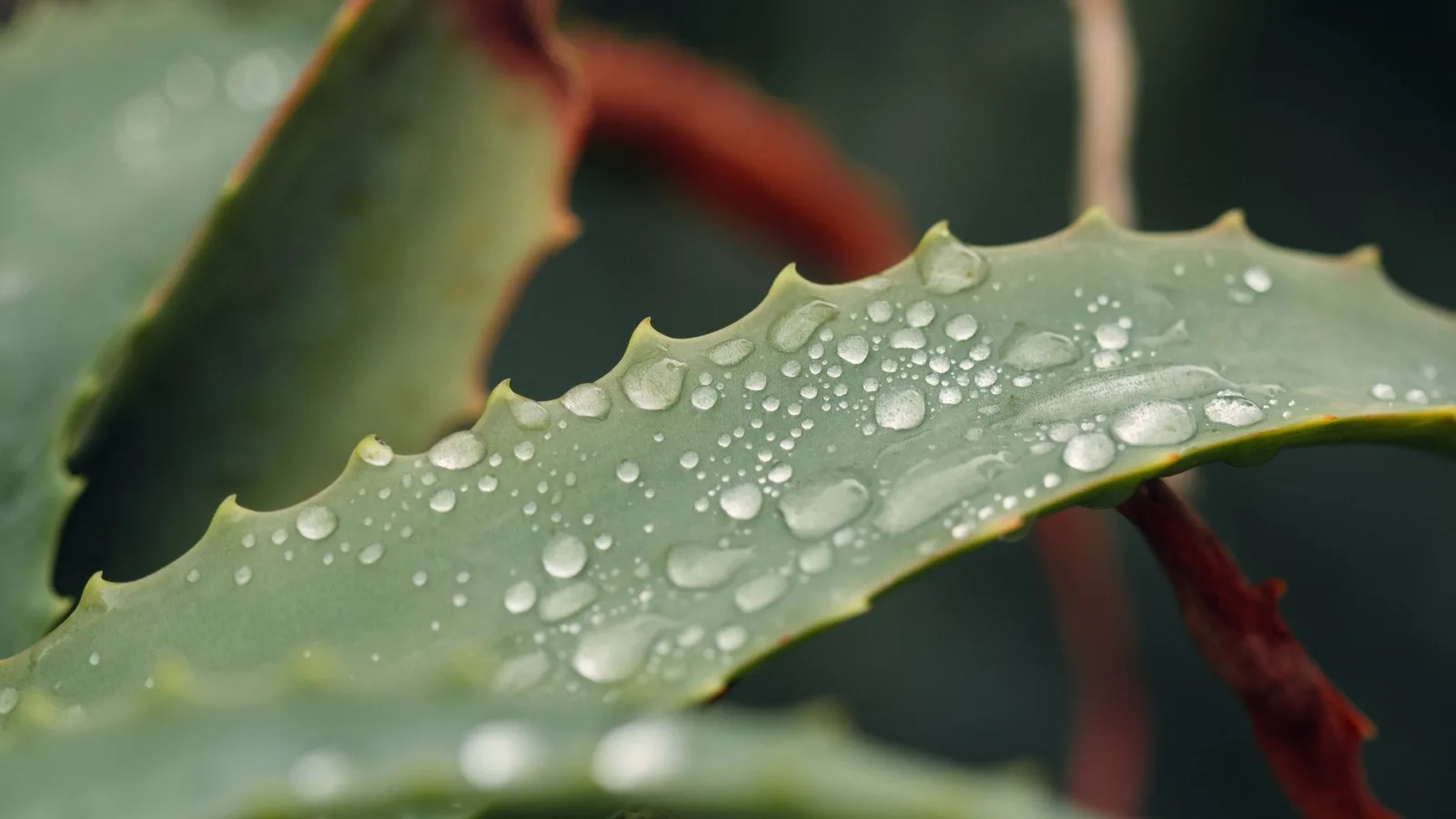
One Aloe Leaf: The Part You Eat, and the Part You Rinse Away
August is peak leaf-harvest season for potted aloe, and a single leaf holds two very different things: the clear gel inside and the bitter yellow sap just under the skin. Here's how to tell them apart, rinse one away, and eat the other.
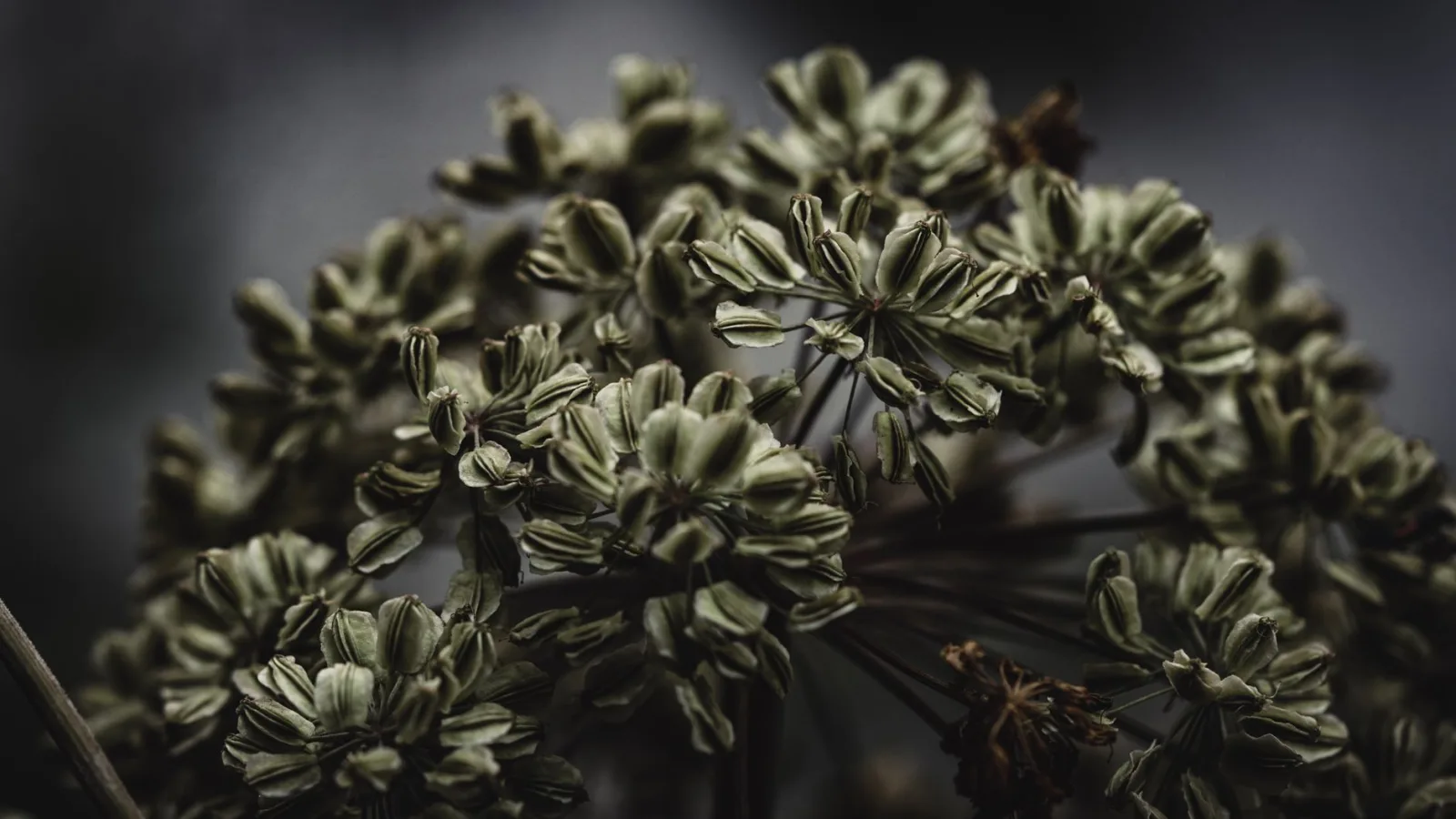
Korean Angelica: The Root the Old Medical Texts Describe, and the Wrap Leaves We Pick Today
August is the last month to pick Korean angelica leaves, but the root's season is only beginning. A 17th-century Korean medical text and a modern lab report describe the same plant — and the places where they diverge matter more than the places where they agree.
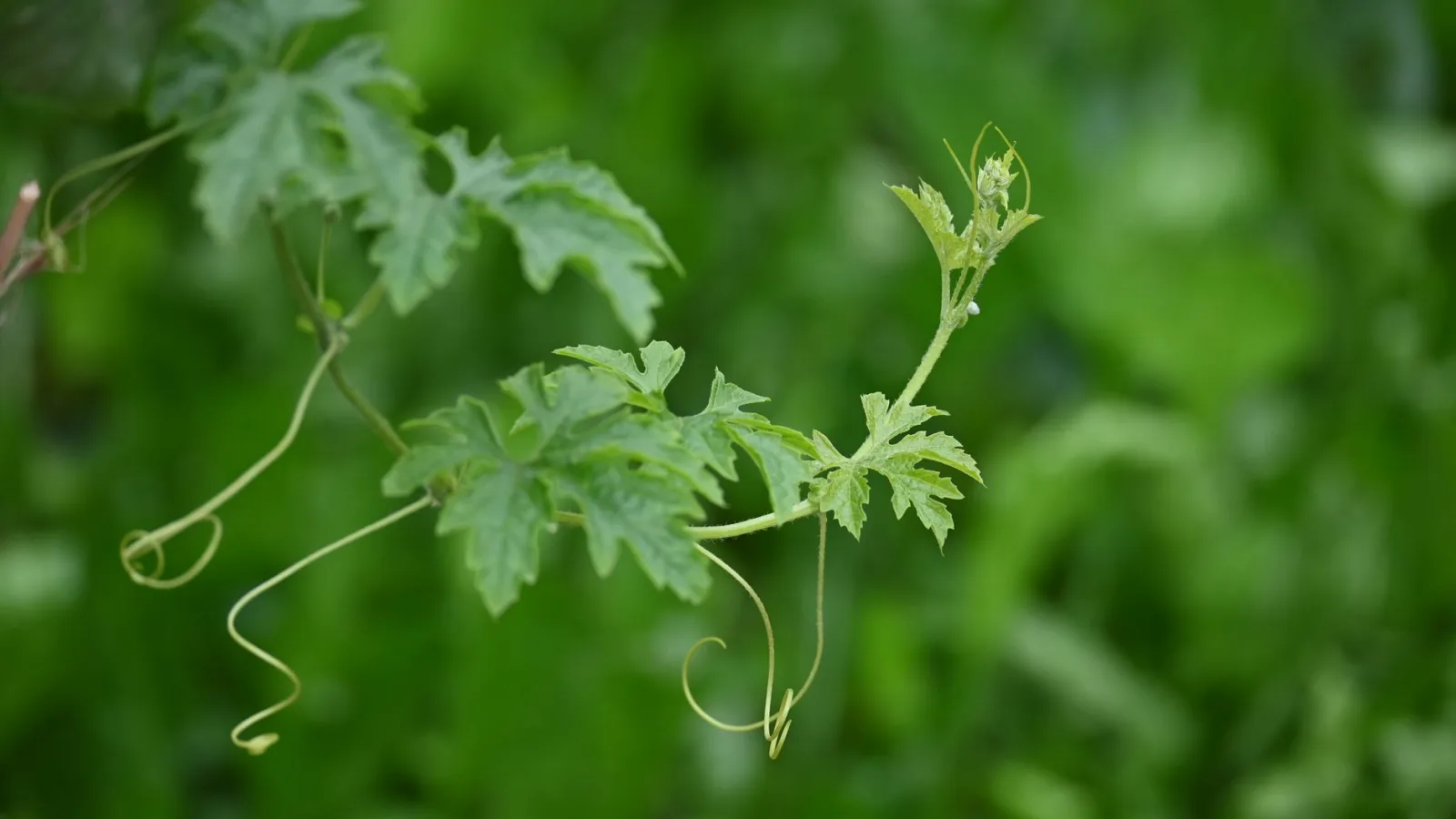
If Blood Sugar Is Why You Came to Bitter Melon
Bitter melon's blood-sugar reputation rests on lab-isolated compounds and supplement trials, not on a plate of stir-fried slices. Here's what the research does and doesn't say, plus how to tame the bitterness and which seeds to leave out.
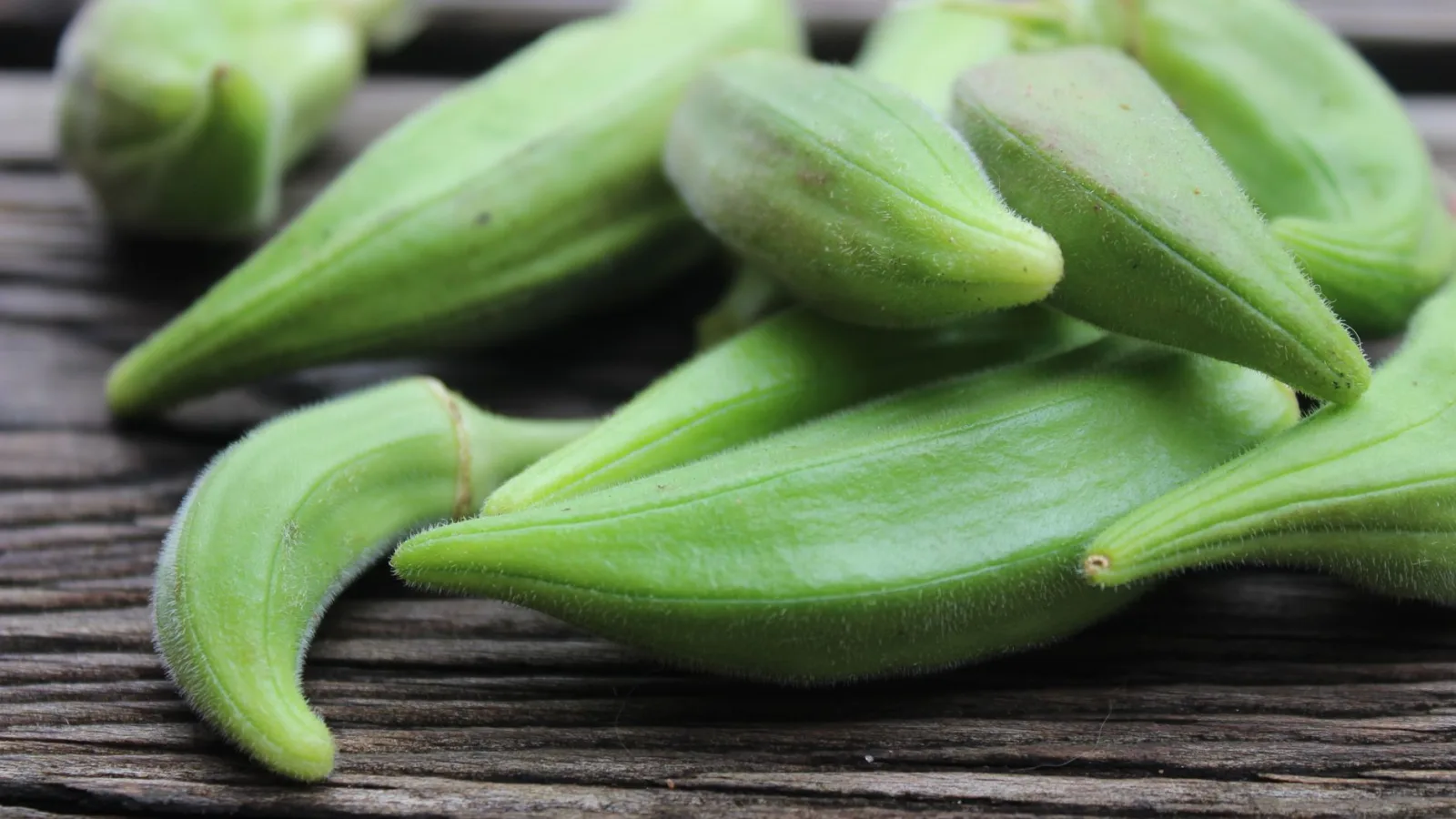
Okra: Health Through the Eyes of the Donguibogam
Okra reached Korea too late to appear in the Donguibogam, so instead of inventing an old remedy for it, we look at the plant the way the old texts looked at vegetables — and find that its slick mucilage lines up neatly with what modern nutrition says about soluble fiber.
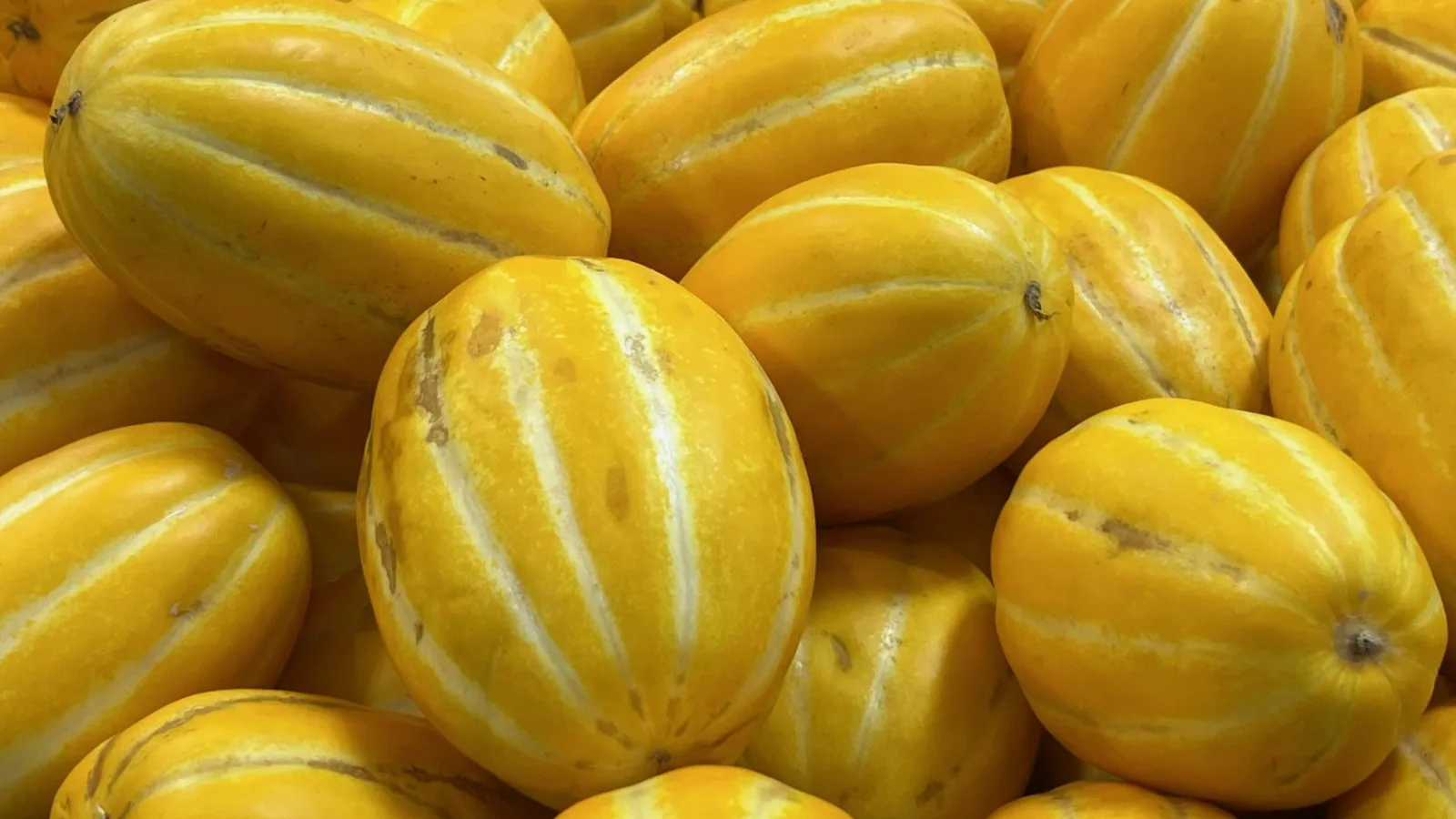
The Korean Melon, as the Donguibogam Saw It
The Donguibogam recorded the Korean melon as cold in nature and sweet in taste: a fruit for quenching thirst and clearing summer heat, with cautions written right beside the benefits. Here's how that old reading lines up with what we know today, and how to enjoy your garden melons.
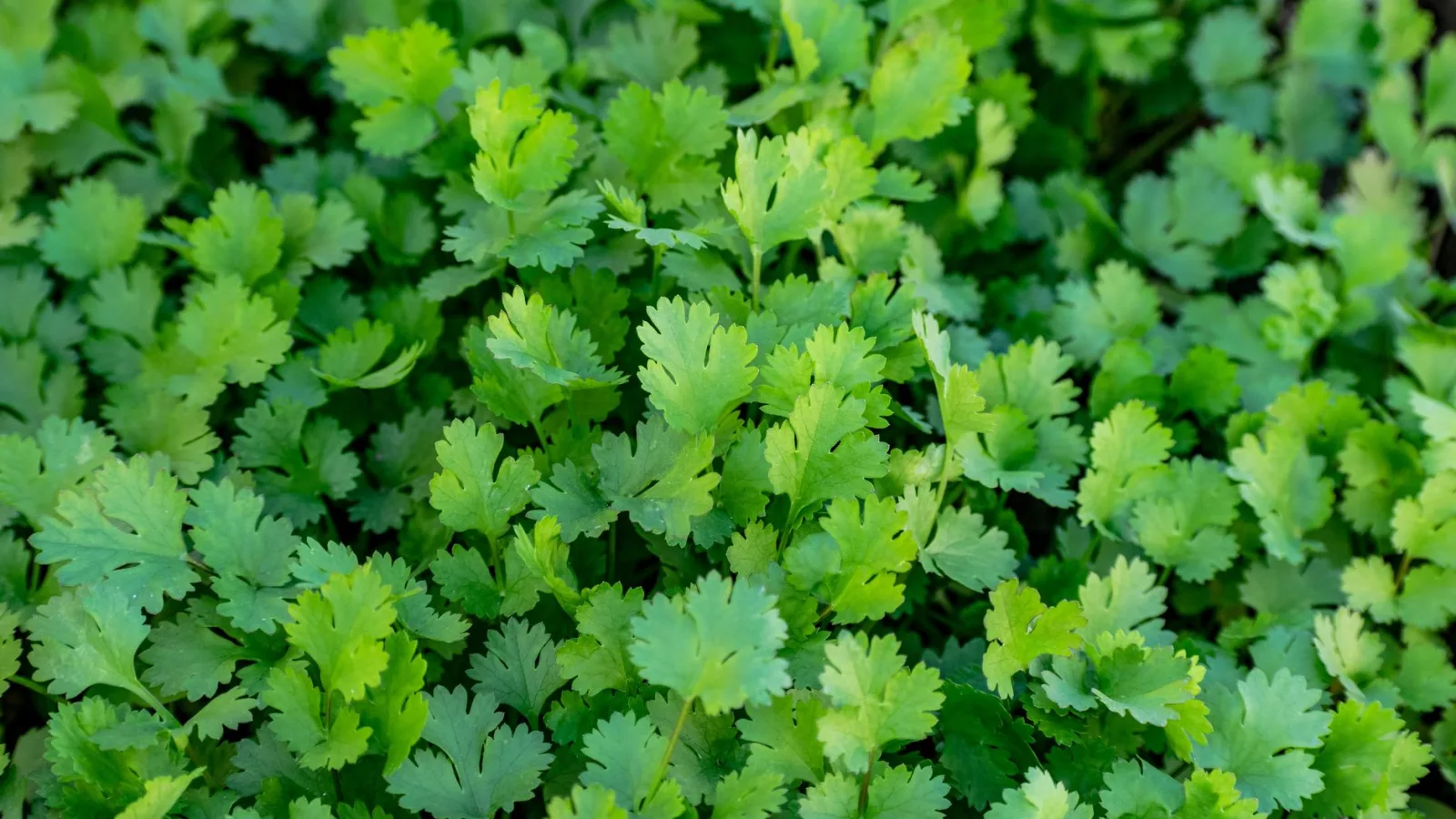
Cilantro, and What the Dongui Bogam Saw in It
Cilantro divides the dinner table like few other herbs, and the Dongui Bogam — Korea's 17th-century medical compendium — had plenty to say about it: warming the gut, cutting fishy odors, even coaxing out a rash. Here's how those old notes line up with what we know today.
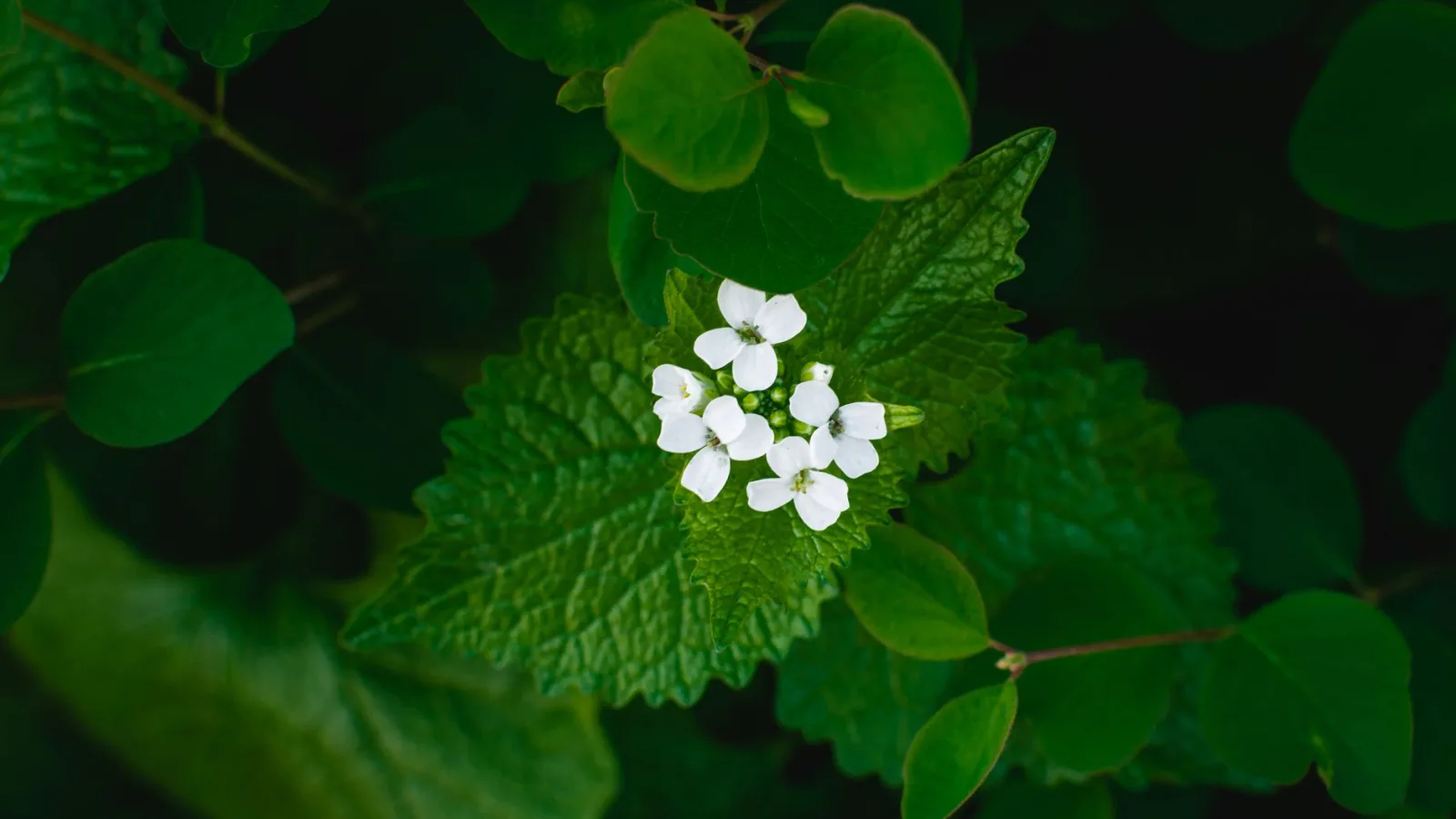
A Yellow Sauce Mixed from White Mustard Seed — What to Serve It With
White mustard sown in an August gap will be ready by late fall, and its seeds carry a heat that only appears once they're crushed and wetted. Here's what's happening inside the seed, and how to turn it into the yellow mustard you already know.
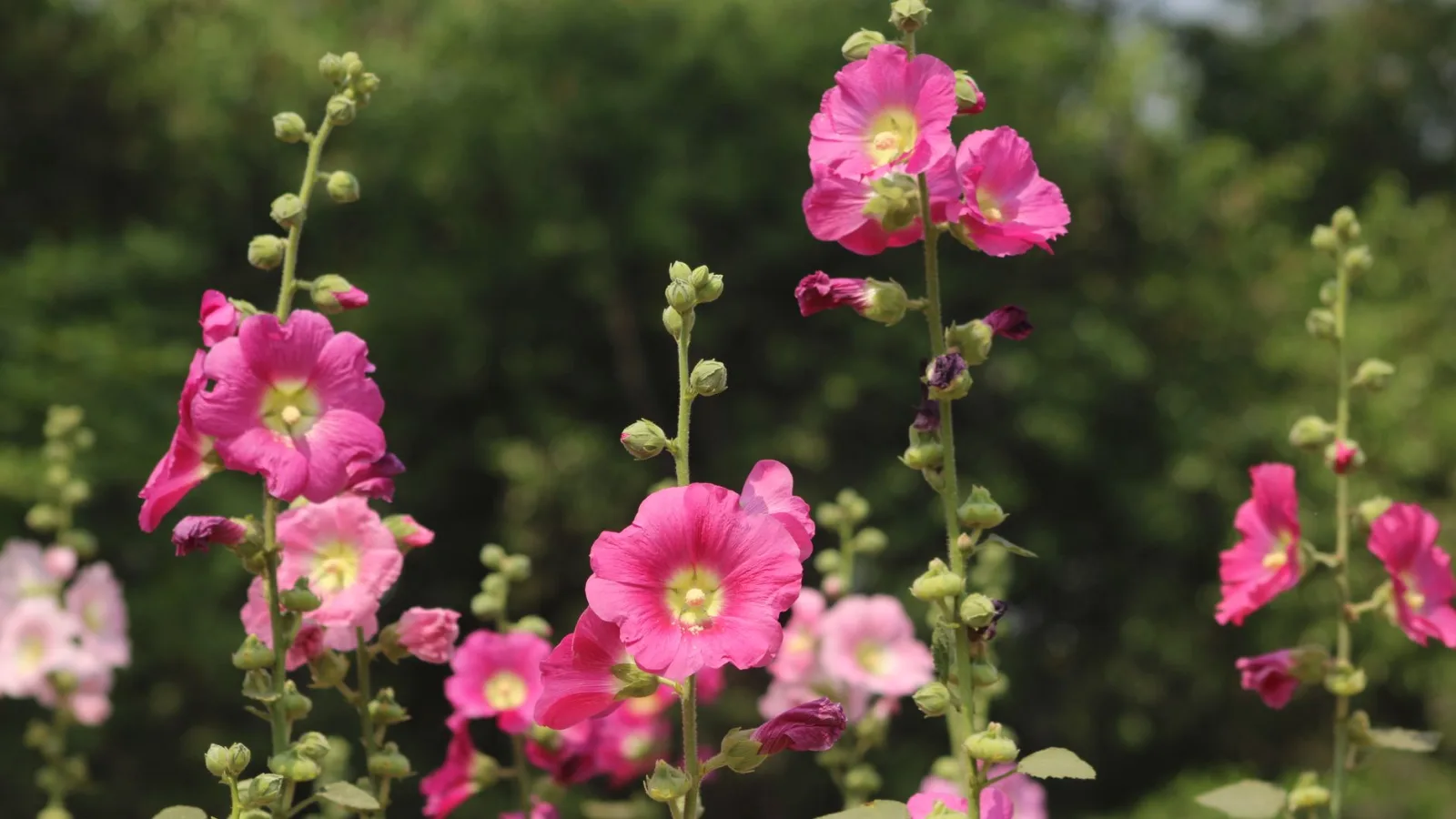
The Hollyhock the Old Books Called Hongchokgyu — Between an Ancient Record and a Modern Analysis
A 400-year-old Korean medical text listed hollyhock as *hongchokgyu*, noting its resemblance to curled mallow — a family tie that modern analysis confirms. Here's where the old record and today's science overlap, where they part ways, and how to collect August seed for next summer's bloom.
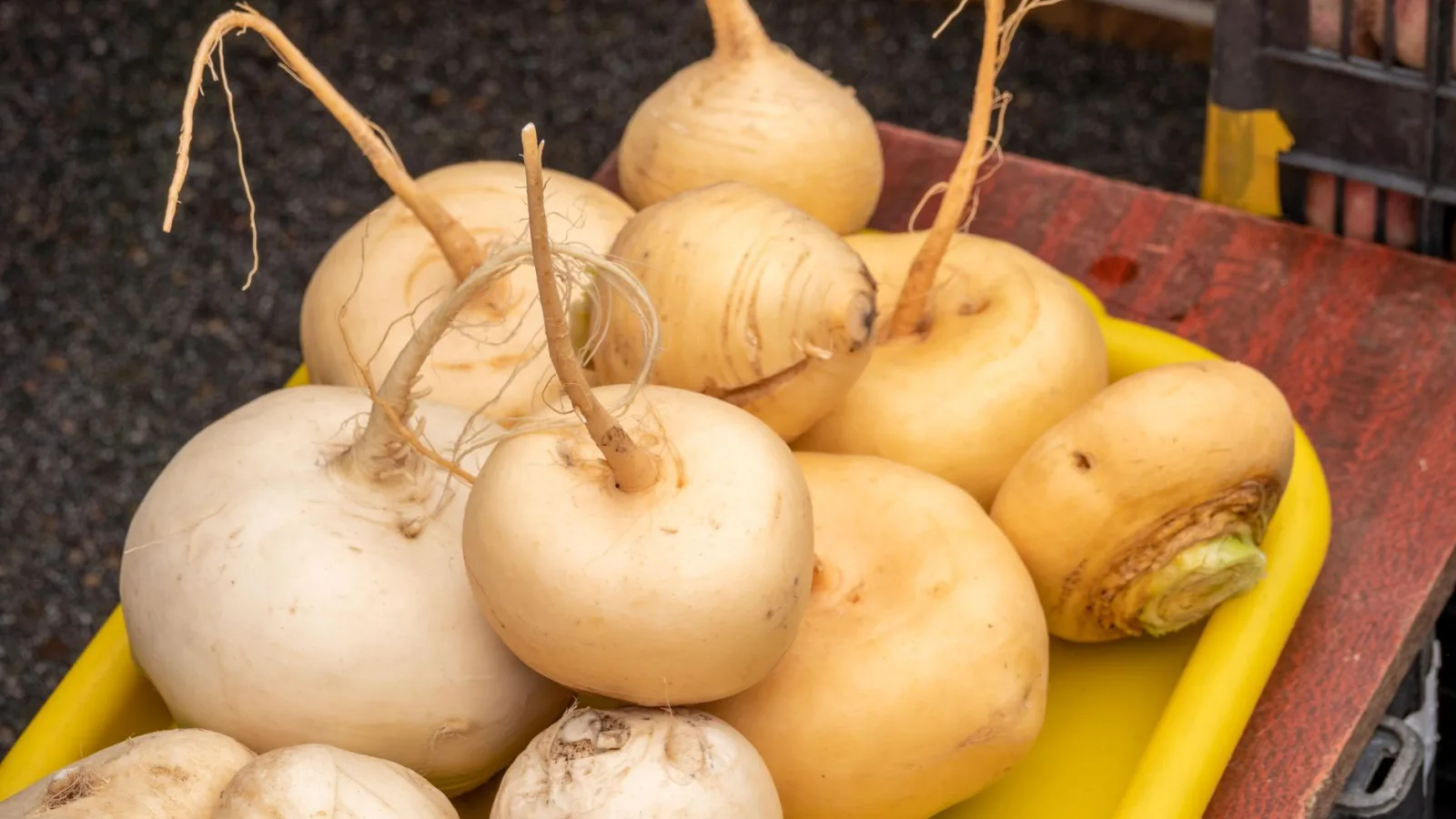
Turnips: What the Dongui Bogam Saw
Turnips give a home gardener something to pick in all four seasons, from spring shoots to winter roots. Korea's 17th-century medical canon, the Dongui Bogam, called them the most useful vegetable of all — here's what it recorded, and how it reads alongside modern nutrition.
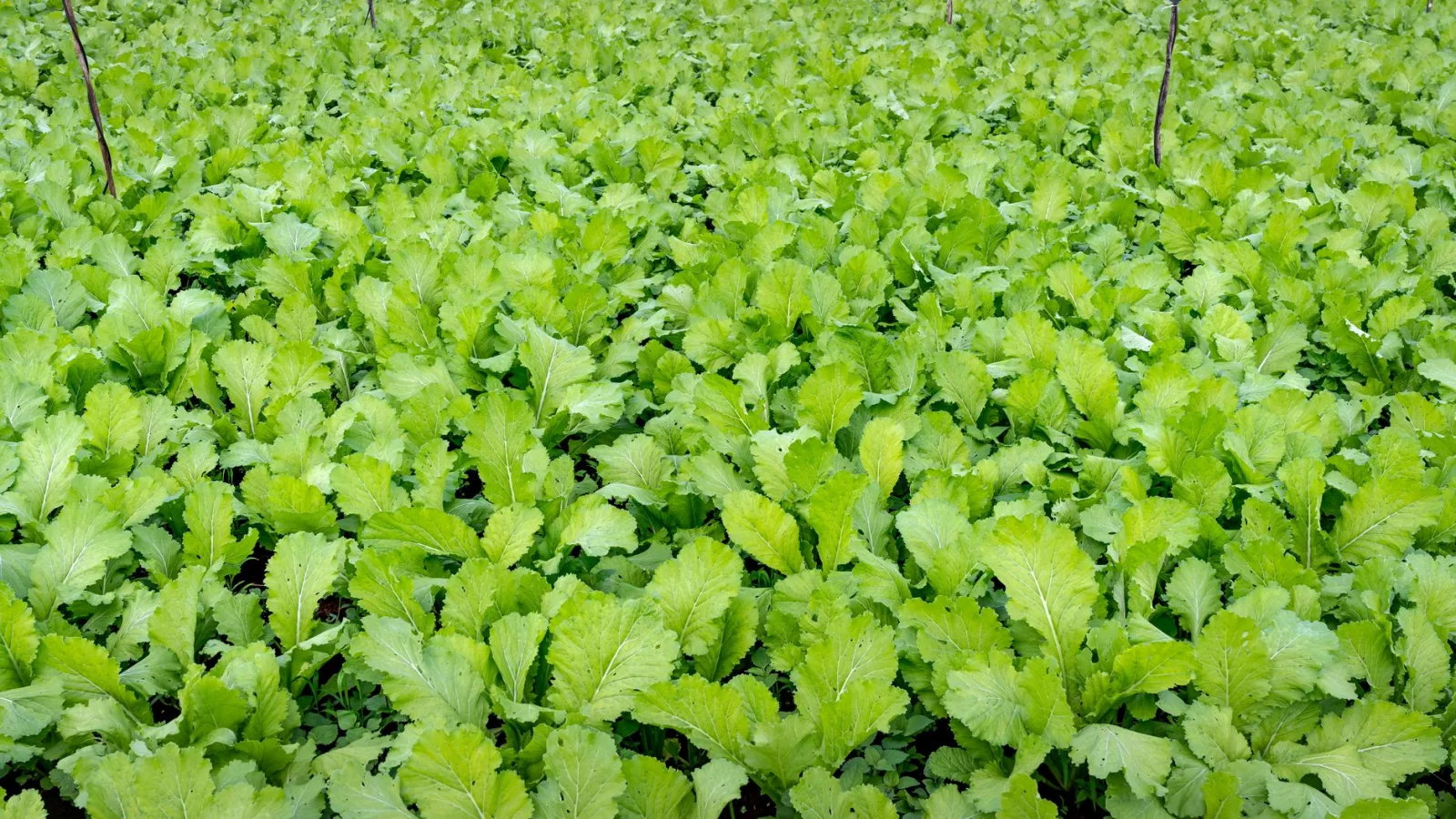
The Radish, as the Donguibogam Saw It
Korean radish shows up at nearly every Korean table — pickled, simmered, dried for winter. The Donguibogam, Korea's great seventeenth-century medical text, praised it first for helping food go down, and modern nutrition arrives at a curiously similar place.
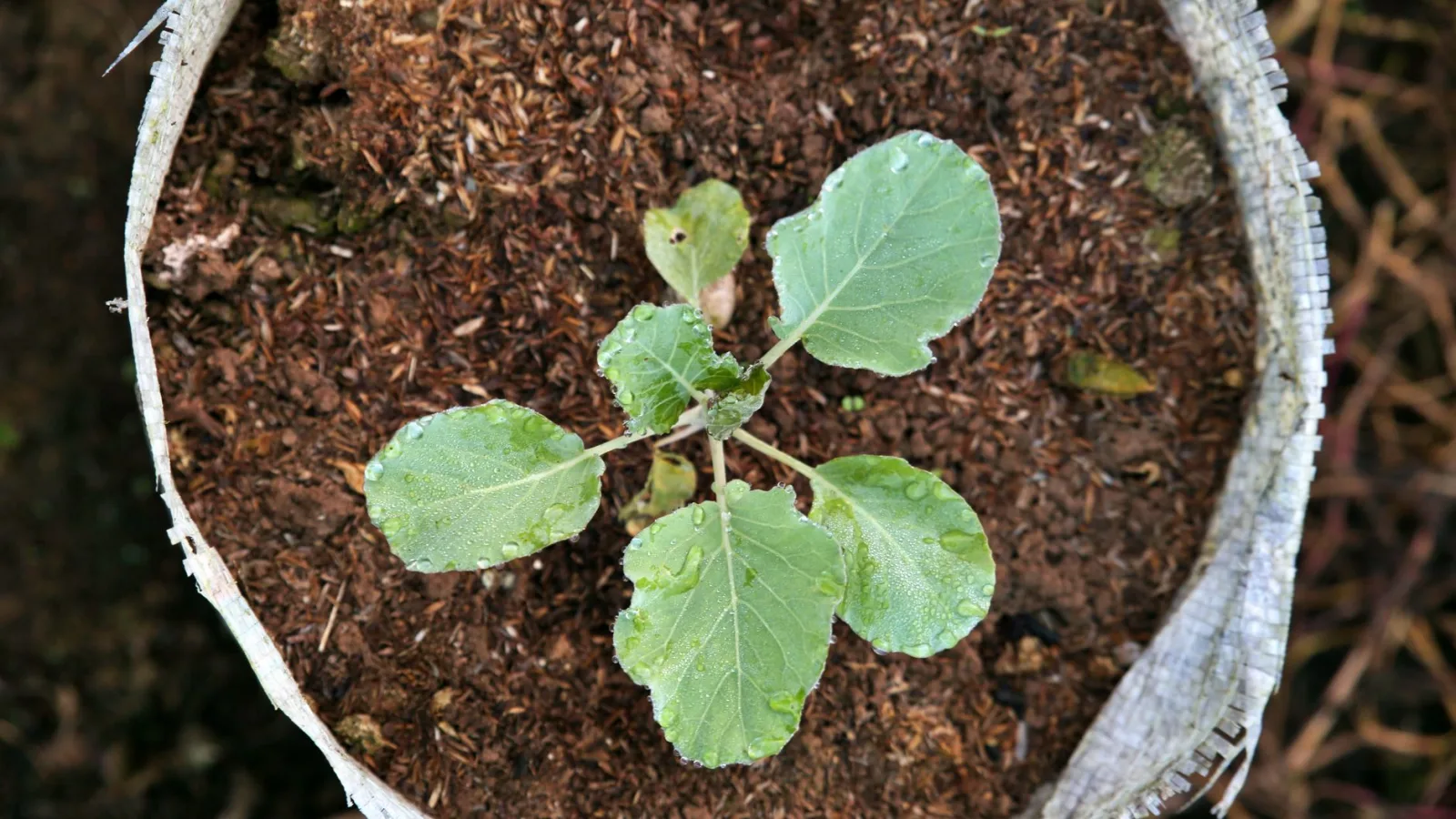
When Soil Runs Low on Sulfur, Vegetables Cut Their Defenses First
Sulfur has quietly drained out of our soils since air-pollution rules cut acid rain, and vegetables short on it dial down the chemical defenses that also give them their flavor. If the newest leaves on your plants look pale, it's time to work some sulfur into the bed.
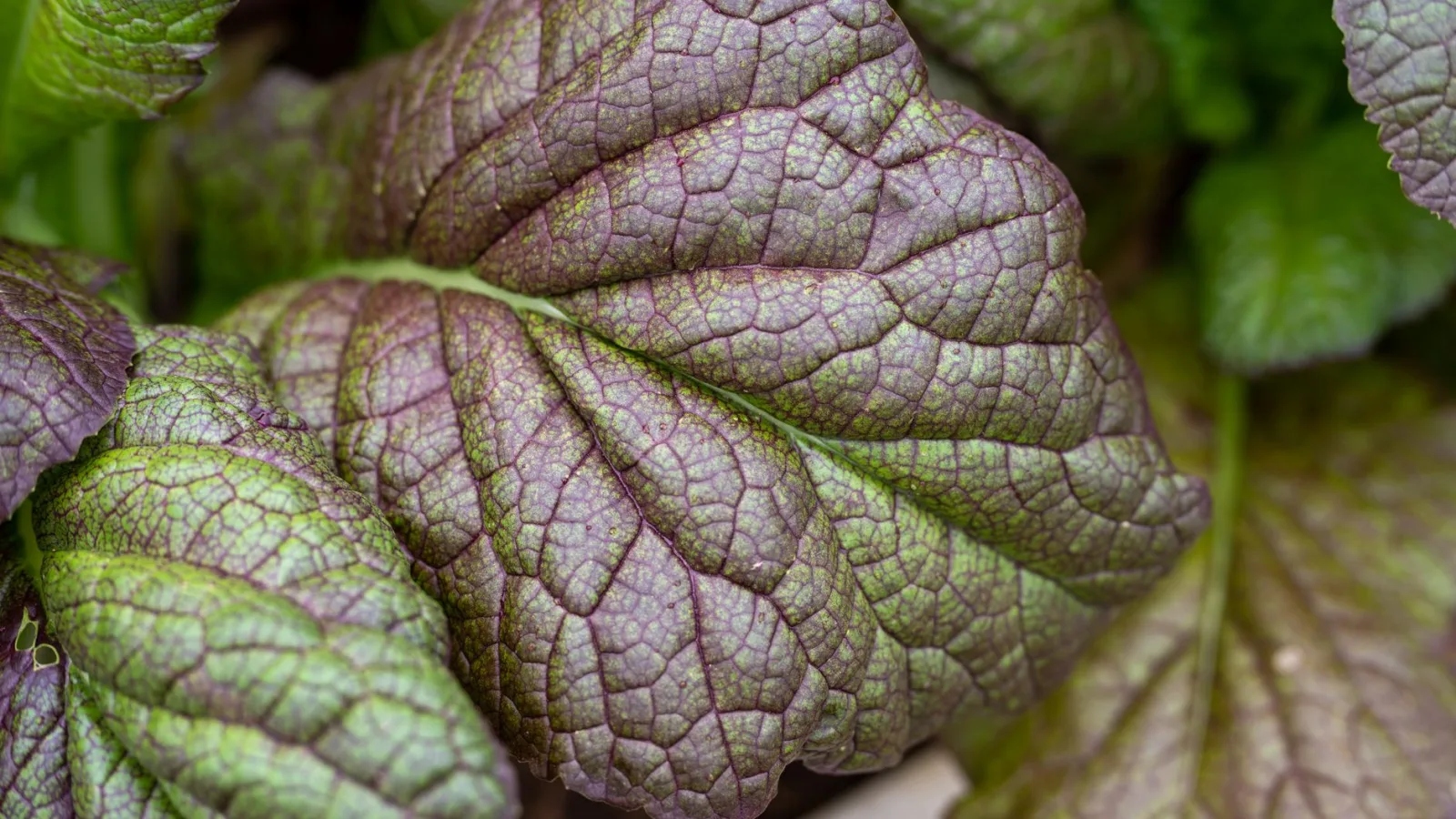
Mustard Greens, as the Donguibogam Saw Them
Korean leaf mustard (gat) only grows thicker and sharper after a frost, and Korea's great medical classic, the Donguibogam, prized it for exactly that heat. Here's what the old text recorded, how it reads today, and how to put a bundle of your own leaves on the winter table.
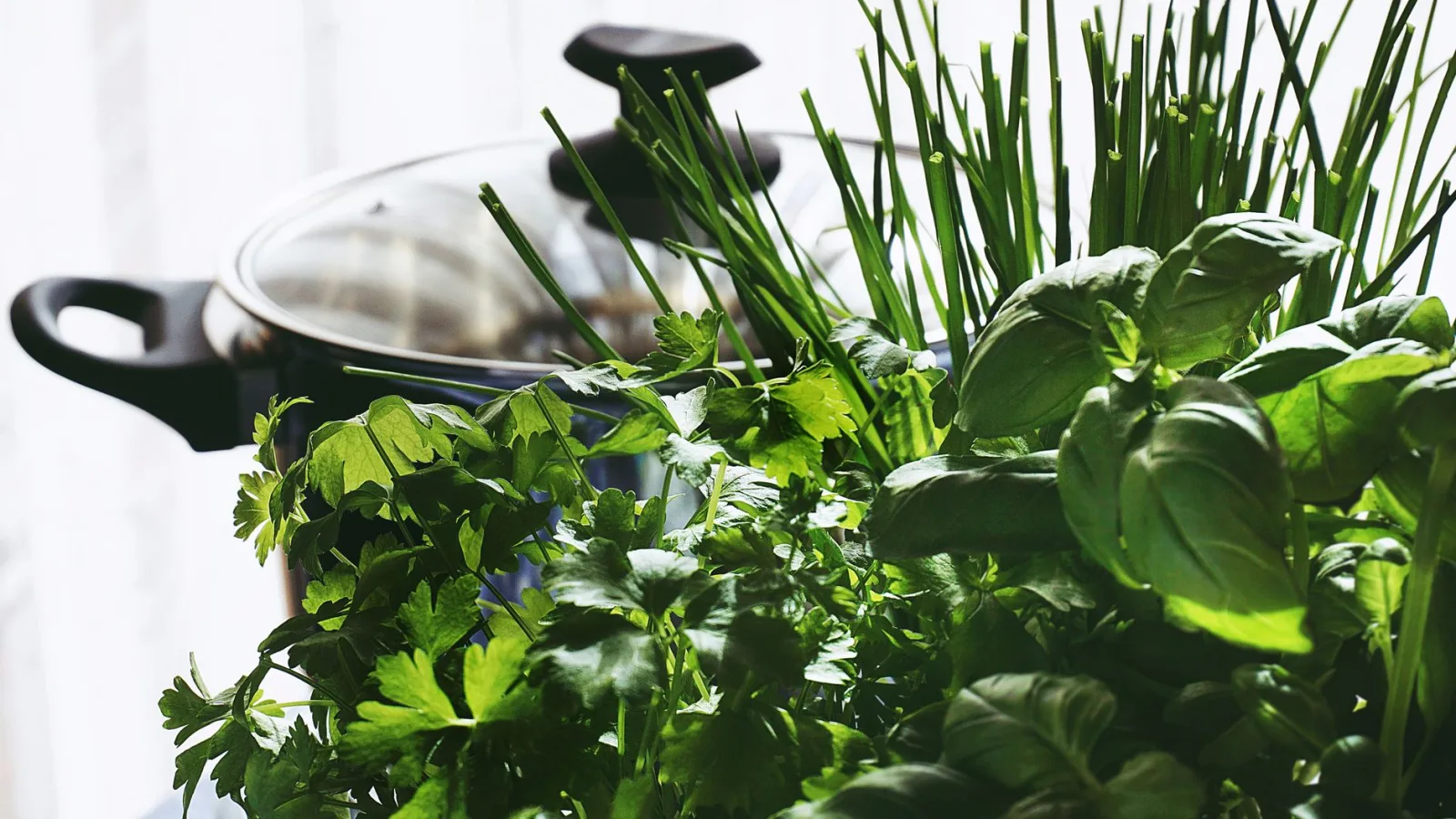
Scallions, Health as the Donguibogam Saw It
Korea's great medical compendium recorded the humble scallion not as a seasoning but as a warming remedy, used mainly at the first sign of a cold. Here's what the old text said, how modern nutrition compares, and how to carry it from the garden to the table.
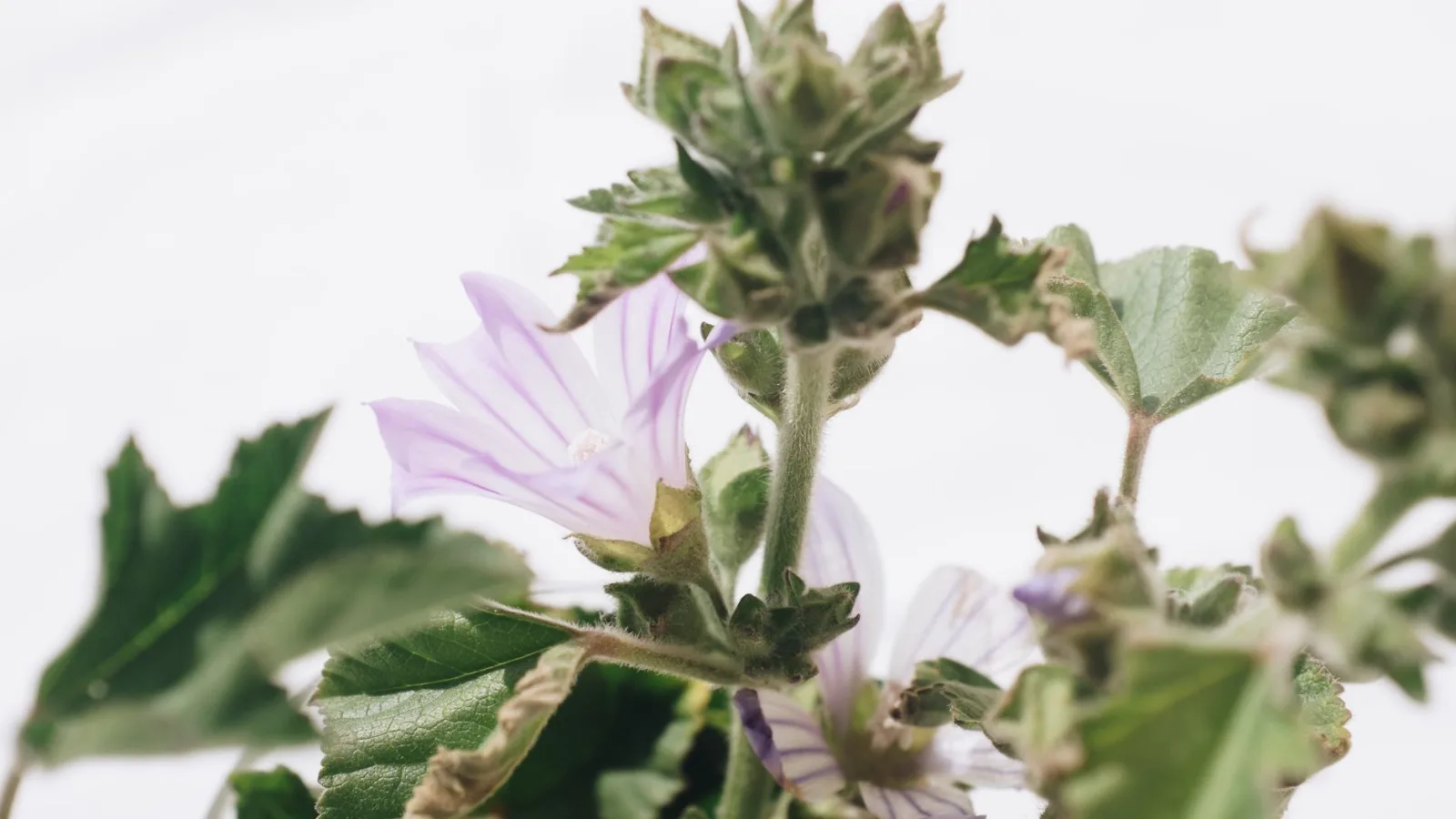
Curly Mallow: What the Donguibogam Saw
Curly mallow (aoug) is the slippery green behind Korea's most comforting doenjang soup, long served to new mothers. Here's how the Donguibogam, Korea's great 17th-century medical compendium, read that slipperiness — and how it lines up with what we'd call fiber today.
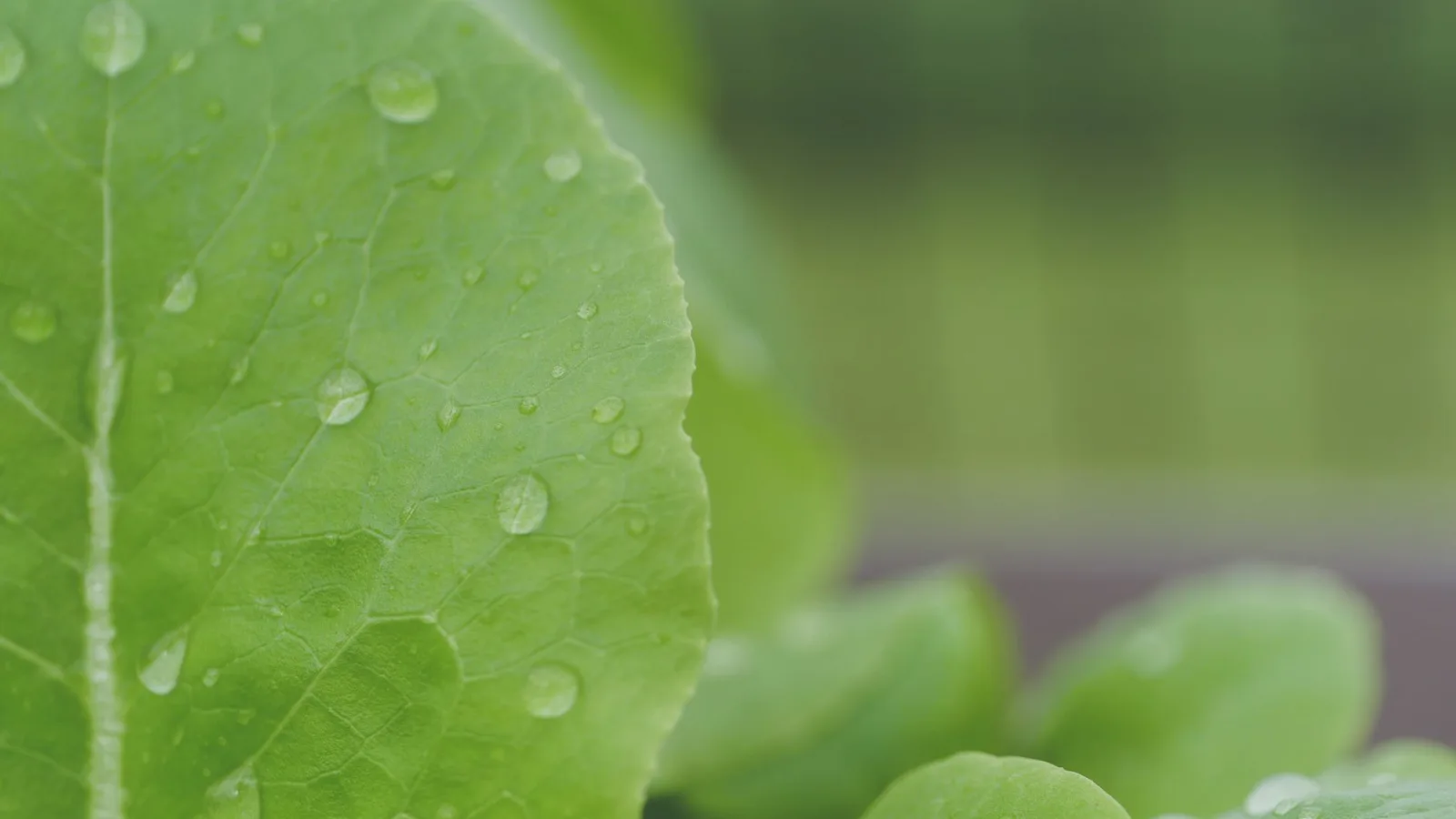
You Side-Dress Today, It Rains Tomorrow — Where Does That Water Go?
Fertilizer spread the day before a storm doesn't stay in the garden — it runs down the furrows and out toward the nearest stream. An eleven-year plankton record from a river in southern China shows how aquatic life shifts closer to the city, and what a home gardener can do about their own runoff.
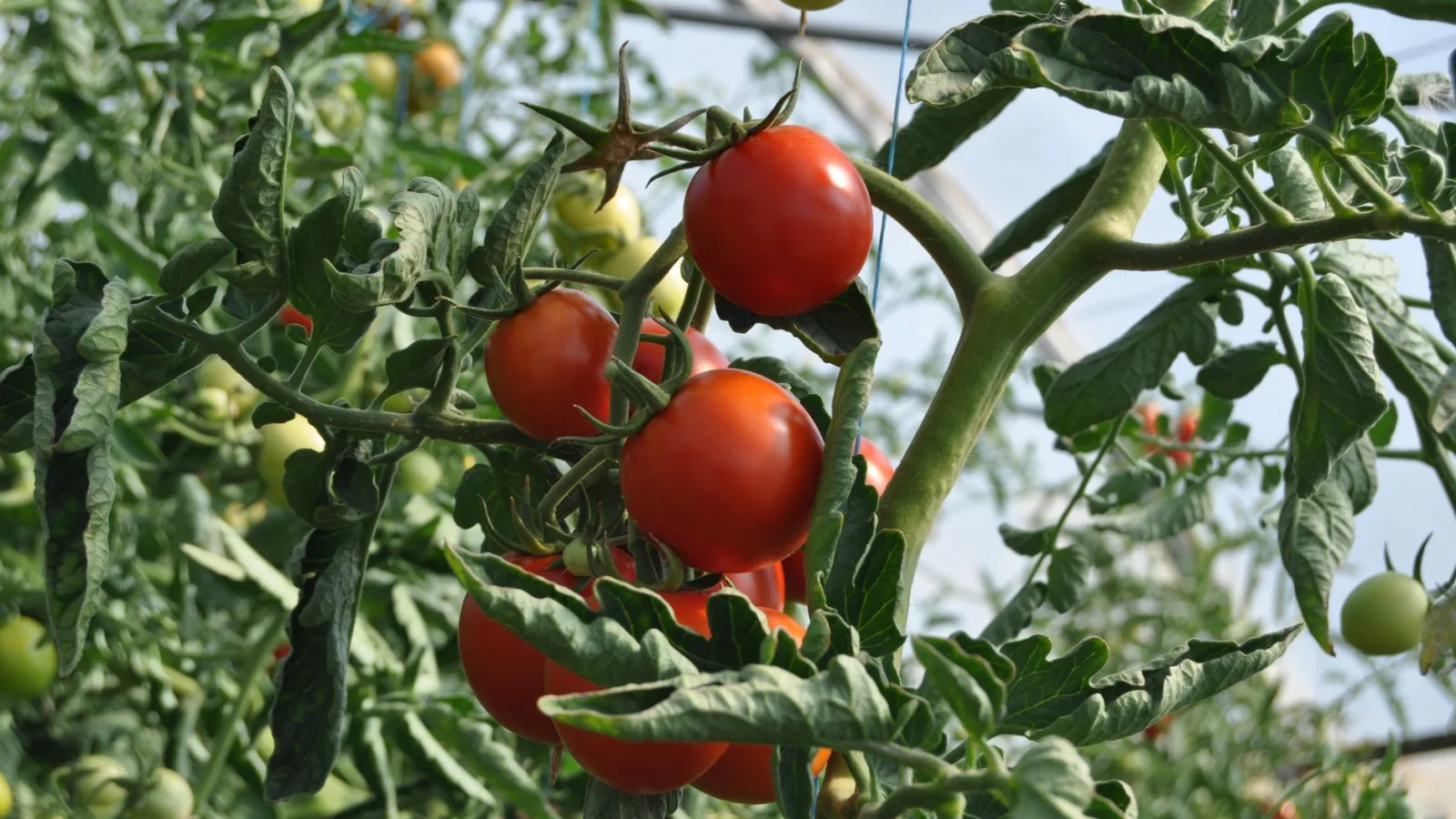
When Your Tomato Seeds Won't Come Up, Check the Soil pH First
Tomato seeds stall out when soil pH drifts too far in either direction, and the damage shows up inside the seed as surging reactive oxygen and falling auxin. Here's what the research found, plus how to test and correct your mix before the next sowing.
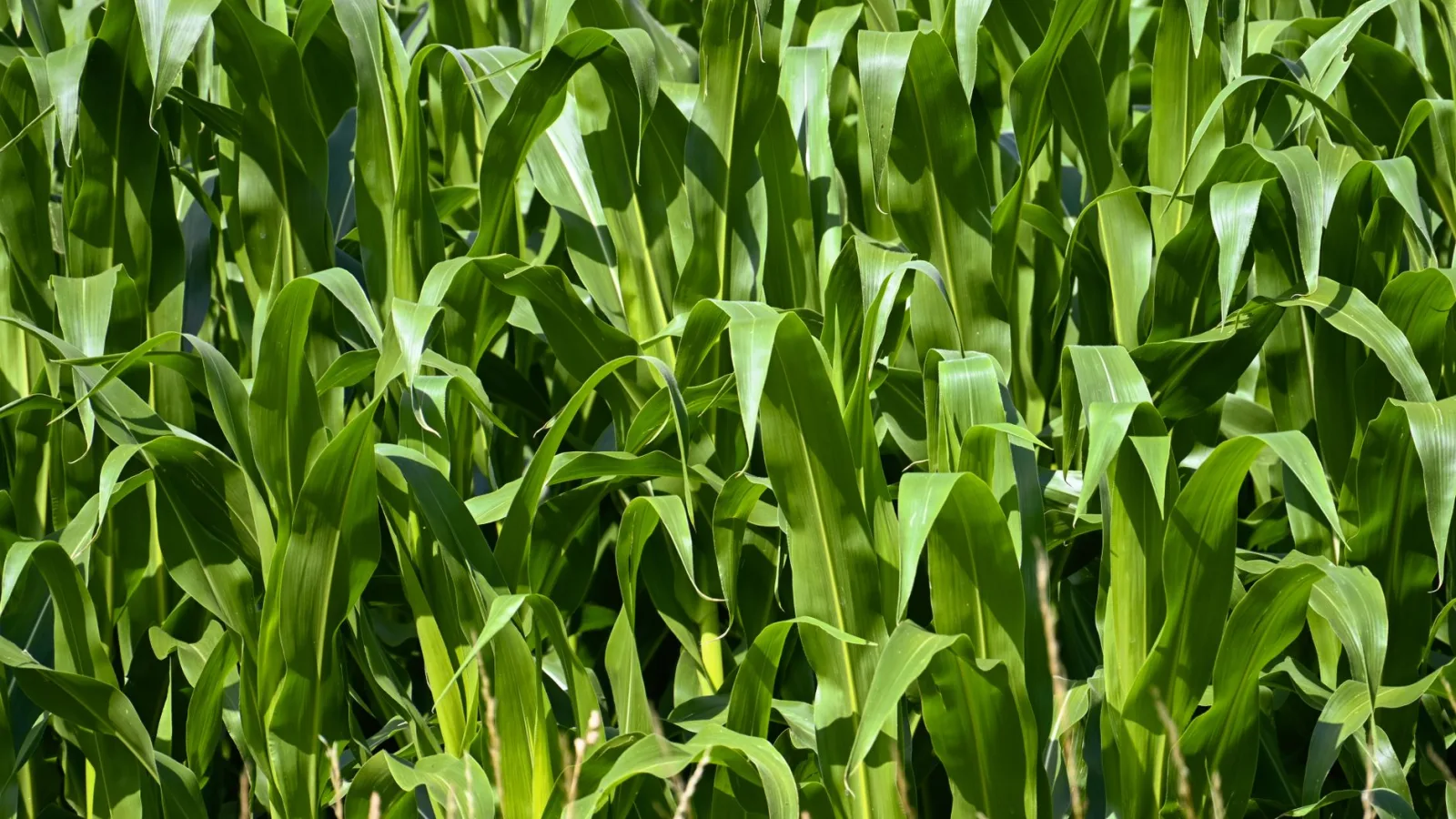
Take Away One Herbicide — What Does a Field Lose?
Illinois researchers put a dollar figure on banning a single herbicide: up to $609 million a year in lost income for corn and soybean farmers. Here's what that math says — and how to keep weeds down in a home garden with nothing but a hoe and a bale of straw.
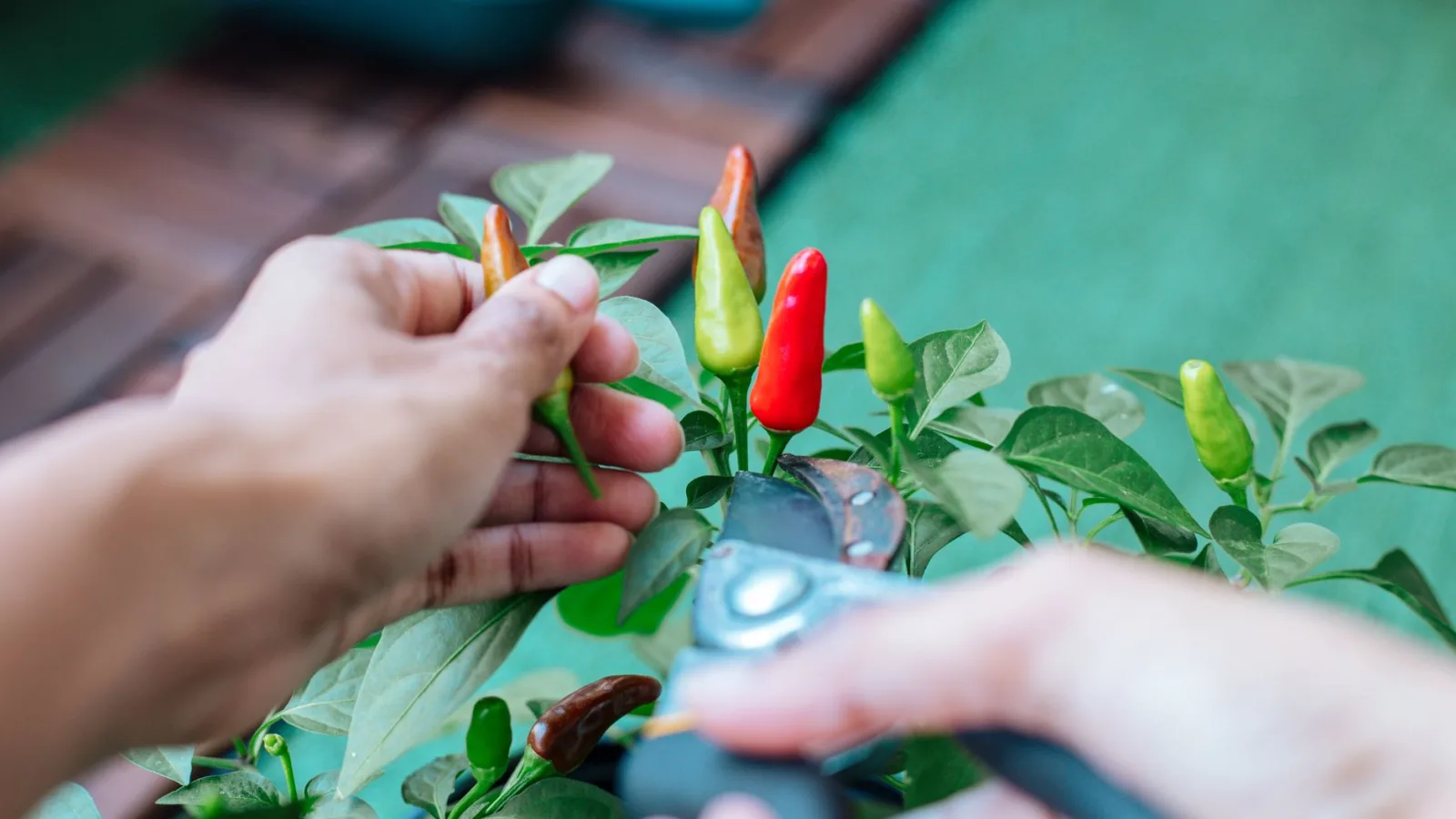
When Last Summer's Plastic Mulch Crumbles in Your Hand
Researchers who compared farmland soils across several countries using a single method found that soil texture and climate — not how growers handled their plastic mulch — drove most of the difference in microplastic buildup. For home gardeners, the practical lever isn't the weather but how much plastic goes into the bed and how soon it comes back out.
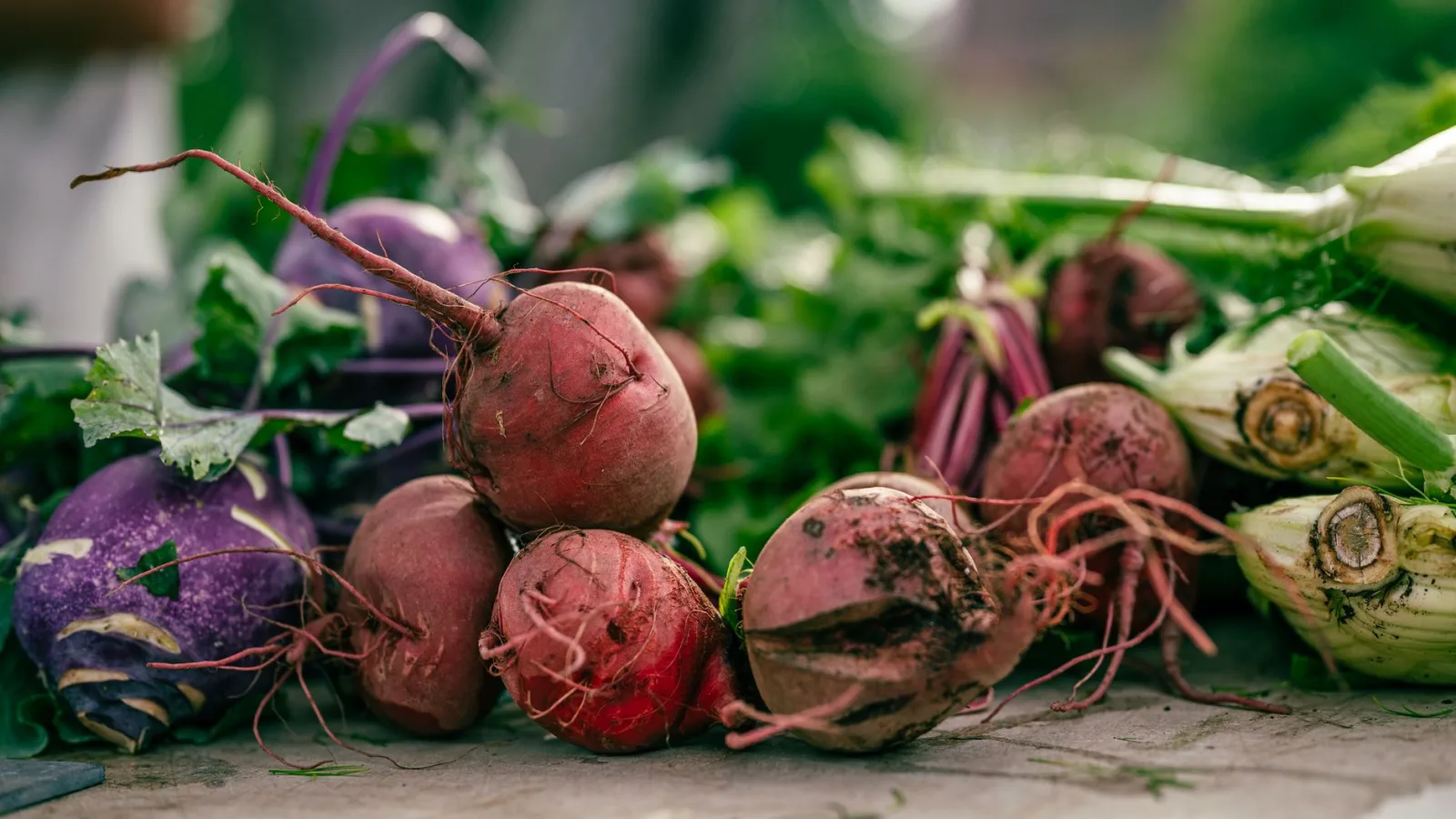
The Tiny Wasp Under Your Beet Leaves Just Got Hemingway's Name
Researchers surveying sugar beet fields in Xinjiang named a newly described wasp after Ernest Hemingway — then found it preys not on the crop's pest, but on the wasp that controls the pest. The same four-link chain plays out in home gardens, which is why a light hand with the sprayer matters.
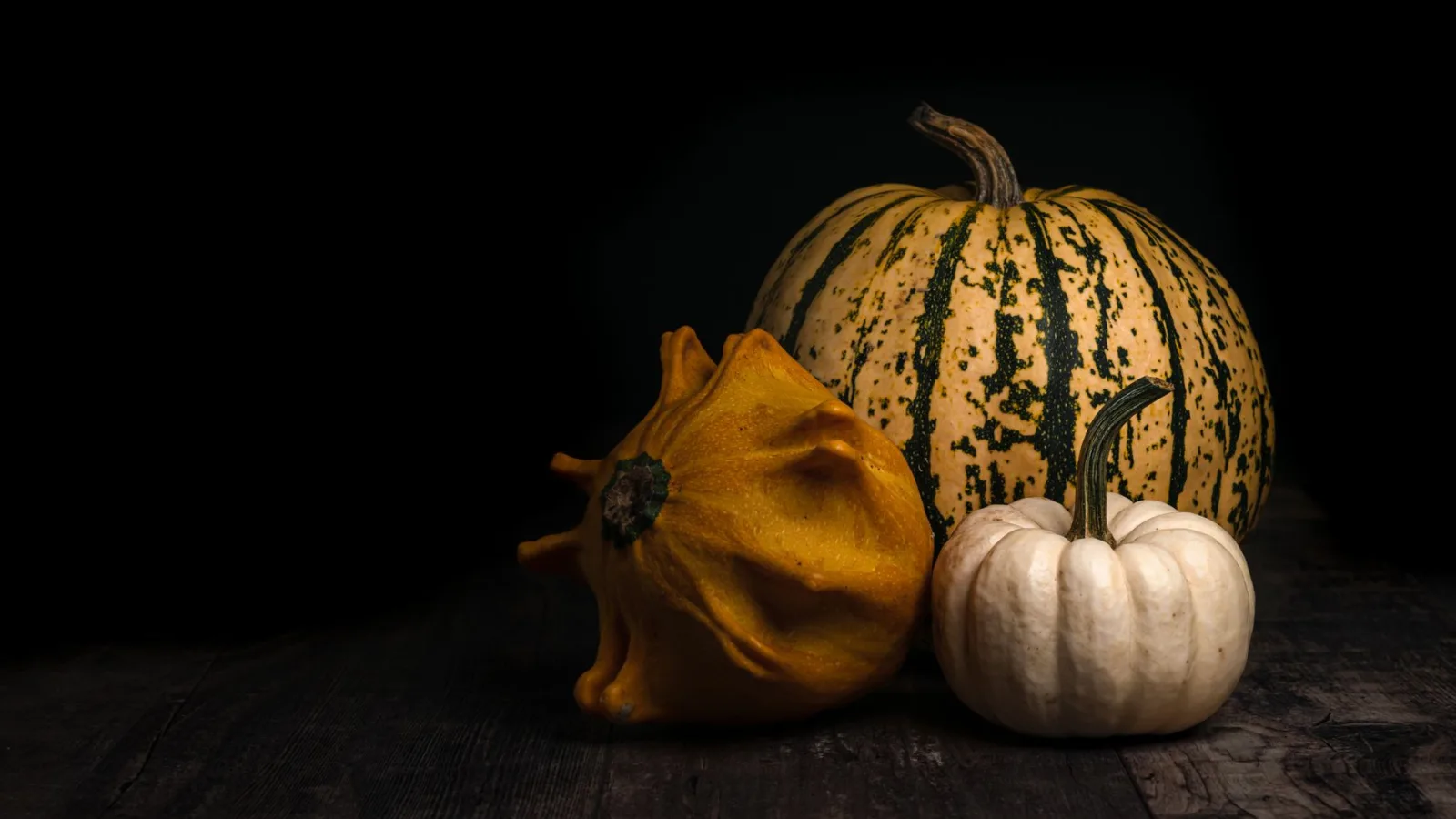
Deep Orange Pumpkin: What Survives the Pot?
Researchers analyzed sixteen compounds in Peru's heirloom loche squash, then boiled it and measured again. The carotenoids that give pumpkin its orange color held up well; the vitamin E and phenolic acids largely did not — and that changes how you should cook it.
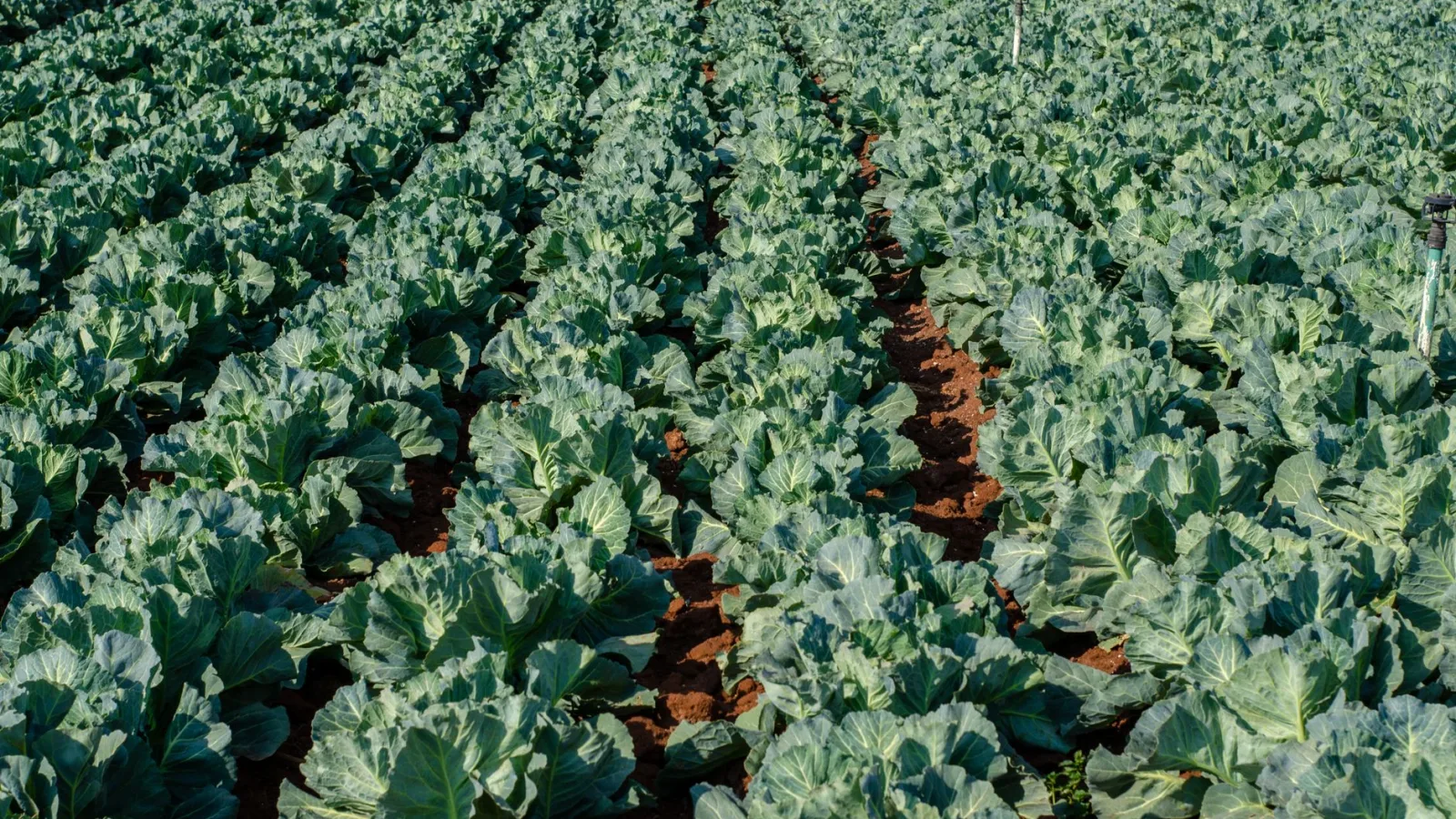
Put the Compost Bin Where Water Doesn't Pool
In flood-prone Alappuzha, India, researchers stacked ten conditions on a map to find ground safe enough to bury waste — and only 3.6% of the district qualified, almost all of the rest ruled out by water. The same questions about pooling, drainage, and slope decide where your compost bin should sit.
Planted Three Times a Year: What the Soil Held Two Meters Down
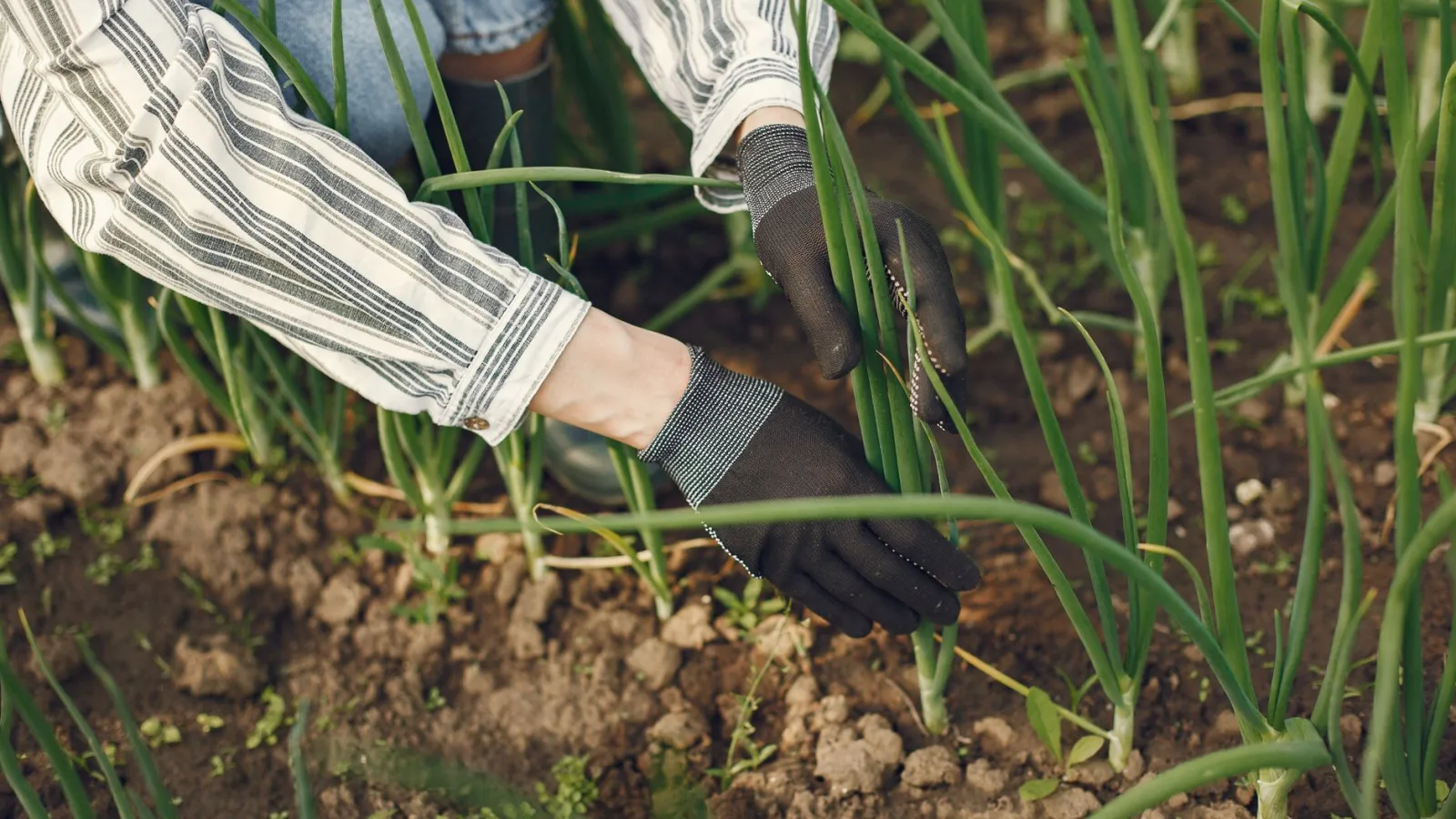
A study in India's Terai region sampled soil down to two meters and found that fields cropped three times a year held more than 1.5 times the organic carbon of fields planted only once. The takeaway for a home garden: keep something rooted in the bed.
They're Making Amino Acids from Carbon Dioxide. So What Happens to the Beans in Your Garden?
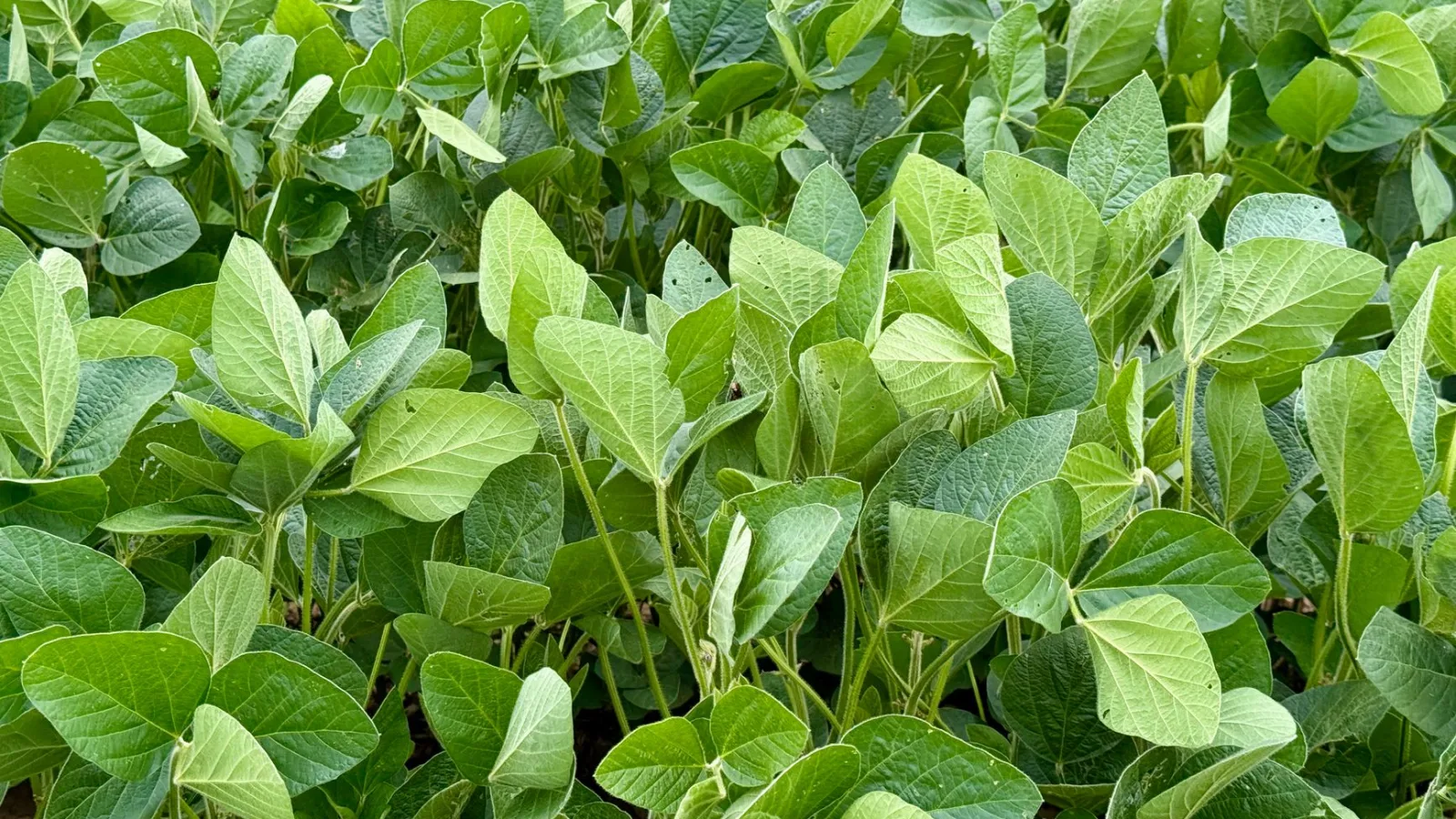
A lab in Munich is using solar electricity to turn carbon dioxide into amino acids — protein grown without soil or a field. Until that scales up, the job still belongs to the pods swelling in your August garden, and they need water now.
Three Leaves — Time to Dig?
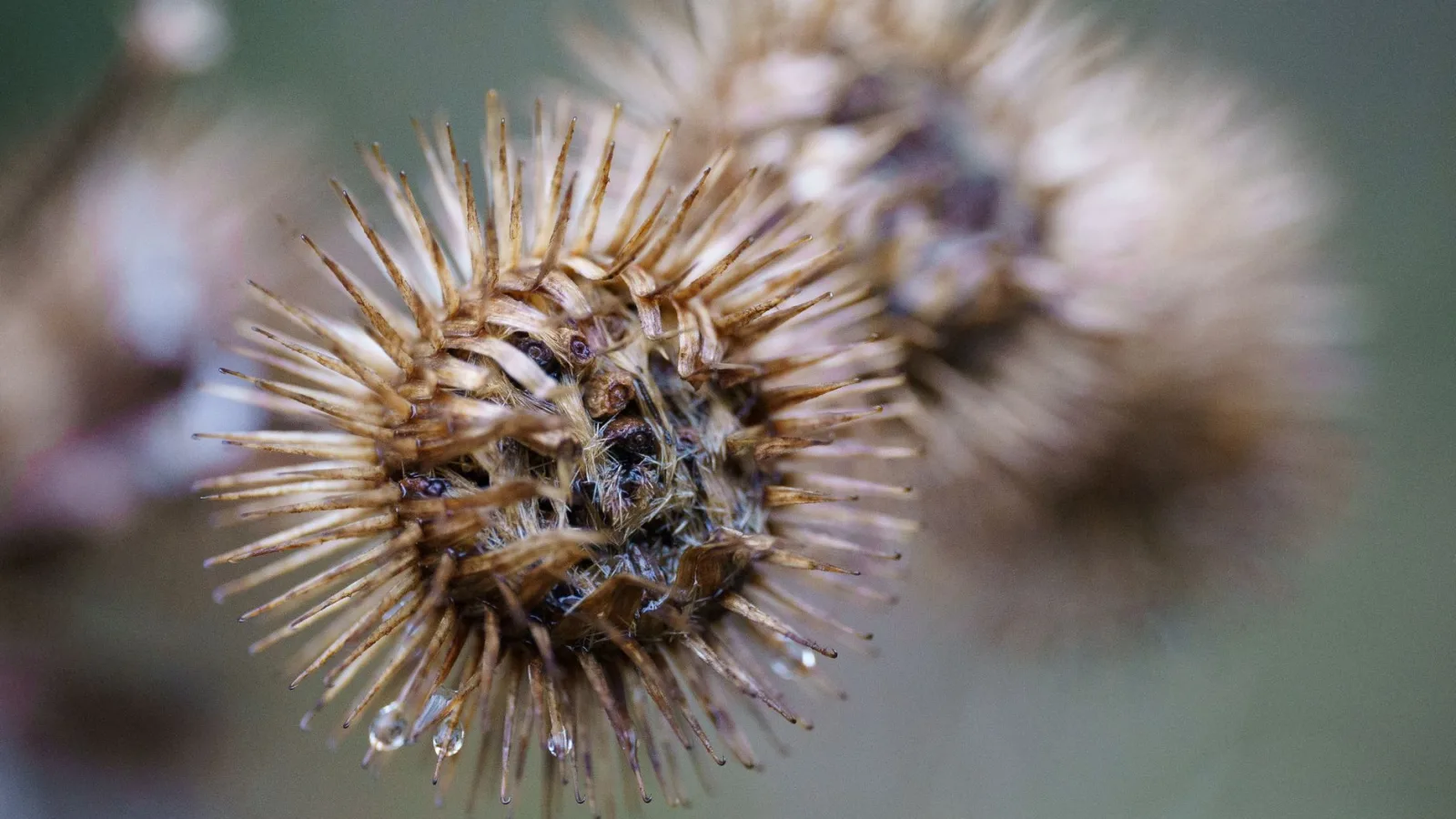
In much of the United States, wild ginseng can legally be dug only once a plant is five years old with three prongs. New research finds that count says surprisingly little about whether the plant will set seed or survive — a caution worth carrying into your own garden beds.
Can You Plant Cabbage in the Same Bed Every Year?
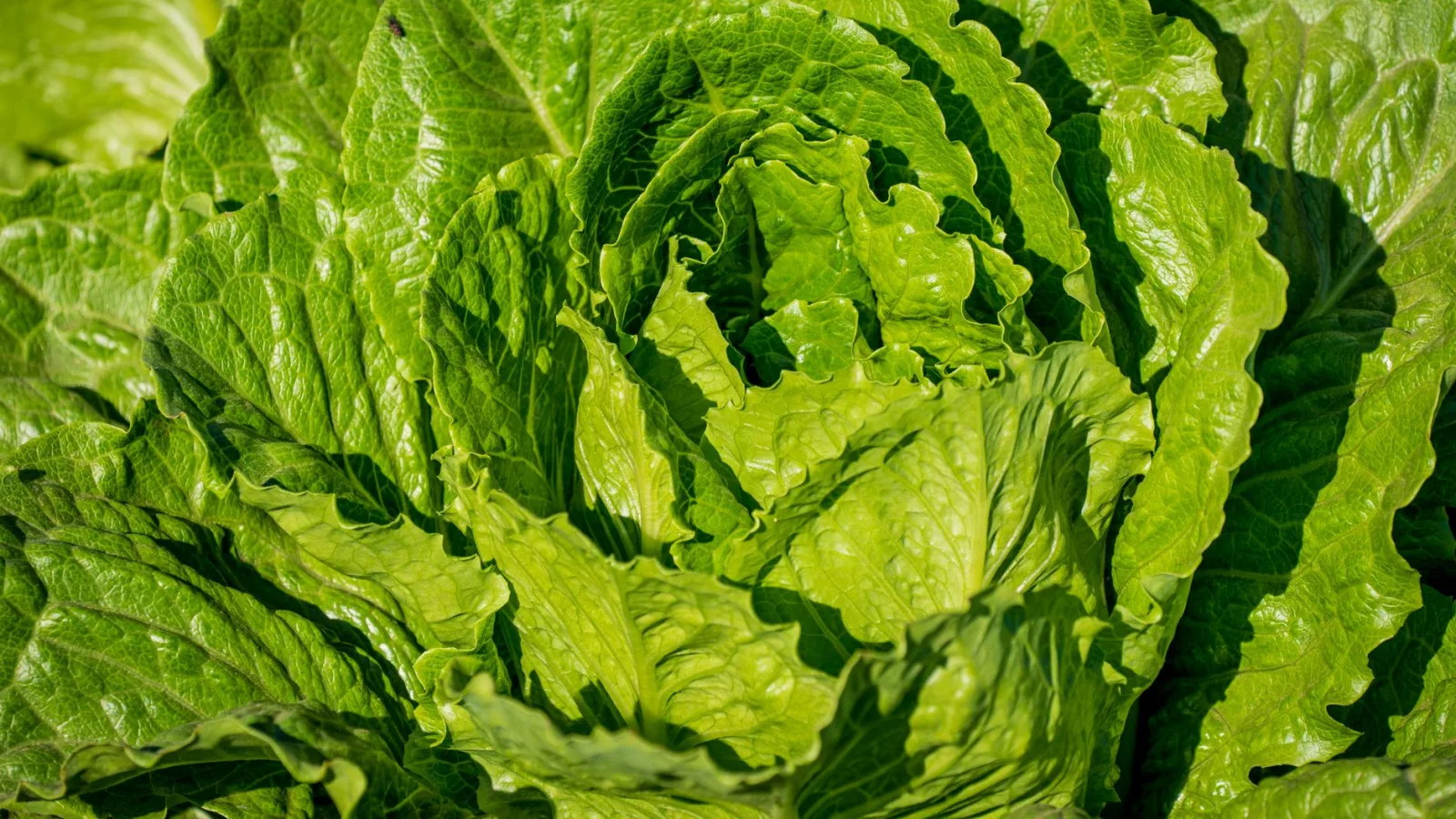
Napa cabbage grown in the same spot year after year draws down the diversity of soil microbes around its roots, and a leaf-blight fungus moves in. Research from Korea's highland cabbage country shows what rotating with soybeans or potatoes changes underground.
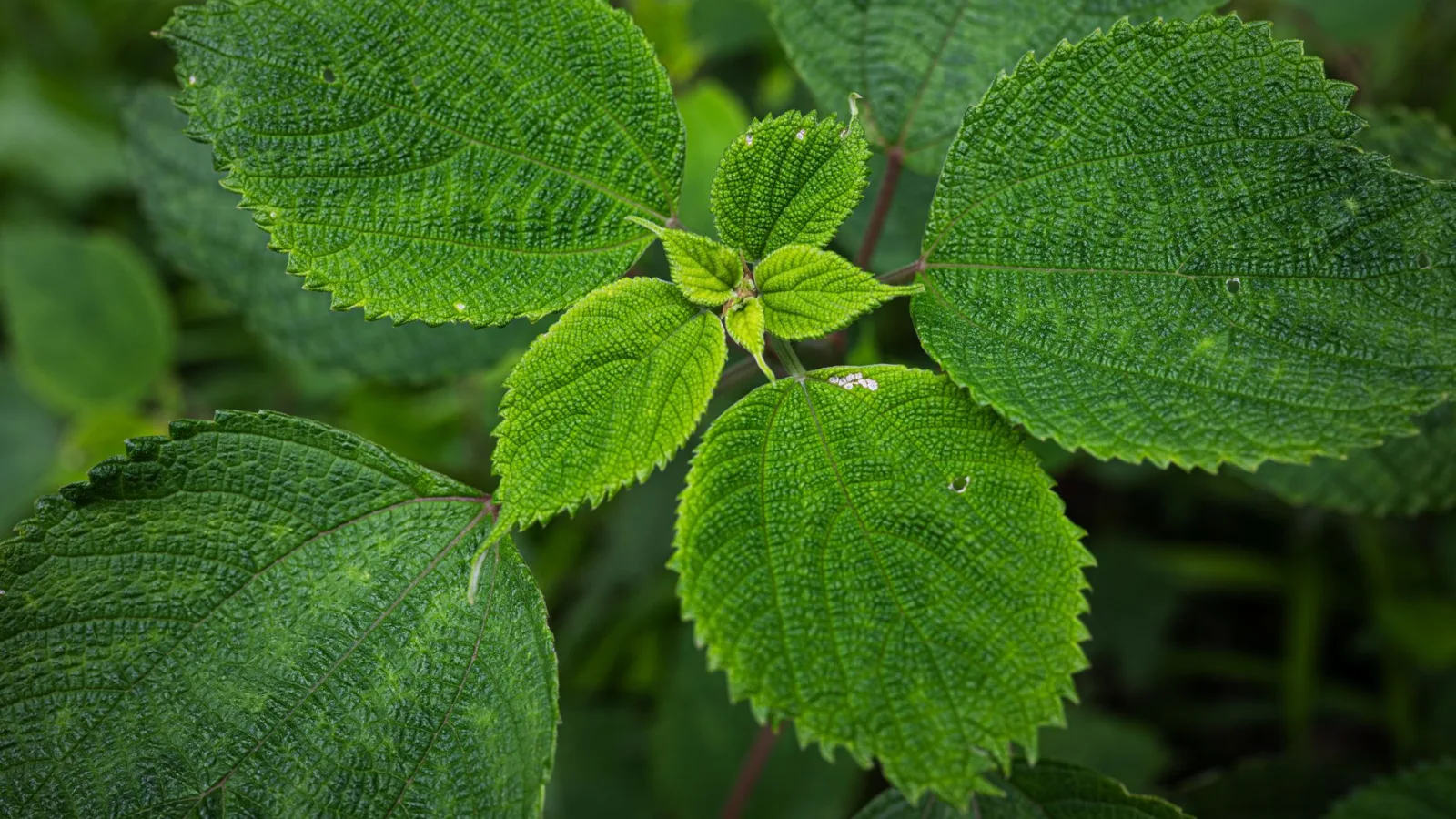
Perilla: What the Donguibogam Saw in It
Korea's classic medical text described perilla as warm and pungent, good for calming a cough and moistening the lungs — and modern nutrition finds a few surprising echoes in that old reading. A look at the leaves, the seeds, and the oil, from garden bed to dinner table.
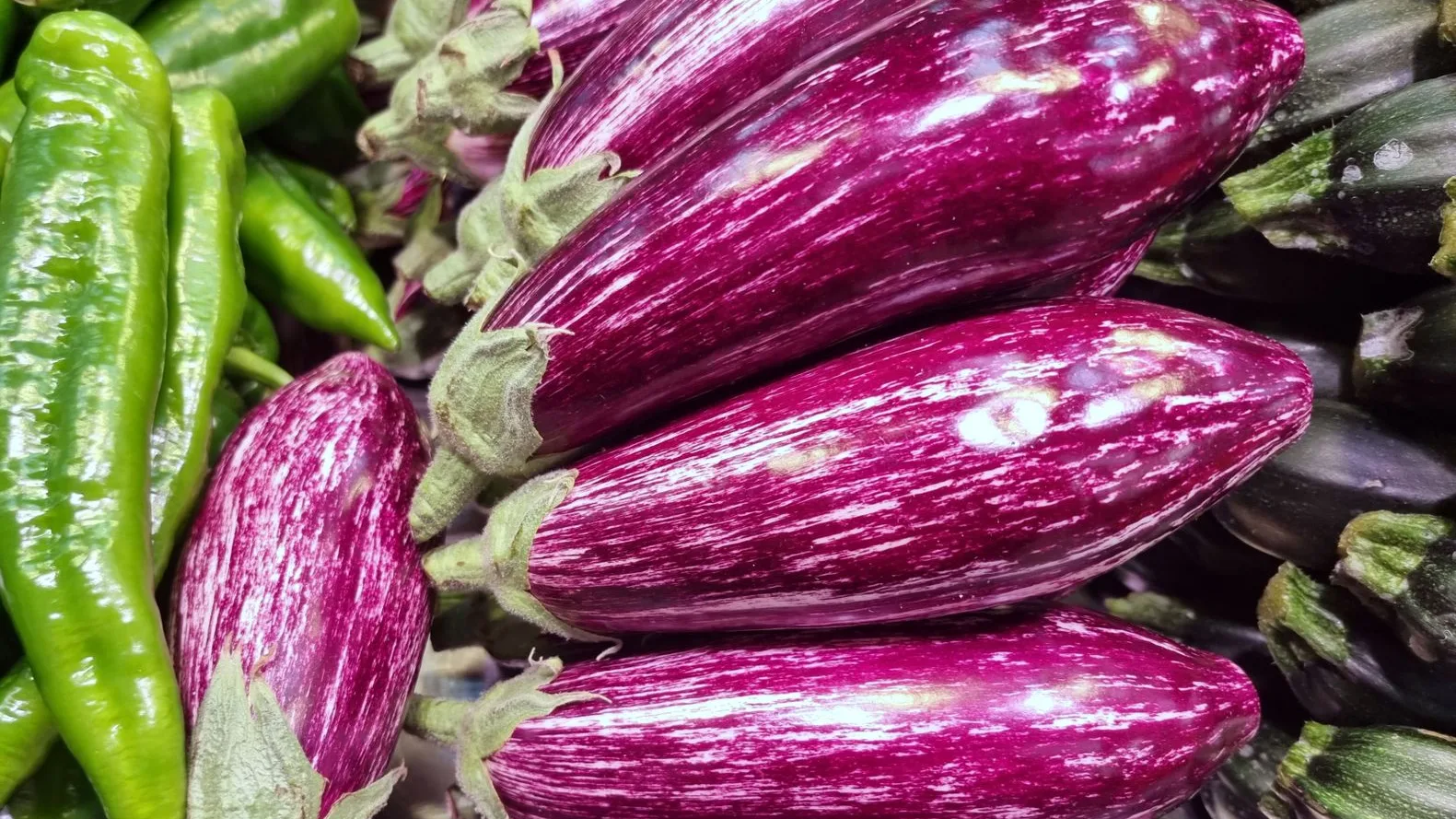
A Dinner Where One Eggplant Stands In for the Meat
A Portuguese study modeled what would happen if kids ate closer to the planetary health diet — and found that piling on vegetables isn't the lever. What needs cutting differs by age, and unless total portions change too, emissions go up rather than down.
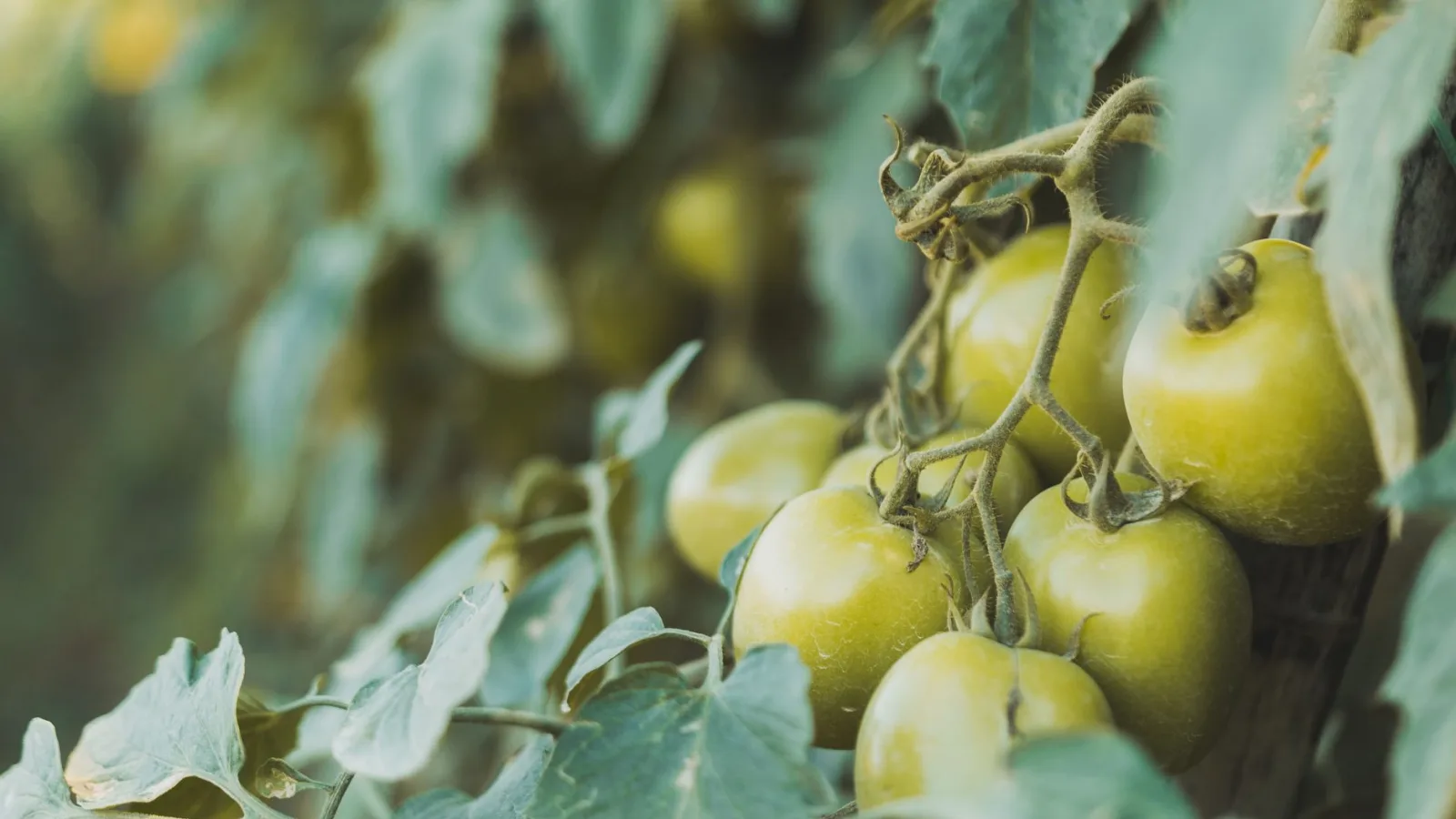
What Makes Some Tomatoes Shrug Off a Drought?
Two tomato plants go into the same soil on the same day, and only one collapses in the July heat. A genome-wide look at 74 tomato genes traces that difference to a single gene that governs when a leaf's pores close — and suggests a few things you can do in your own beds tonight.
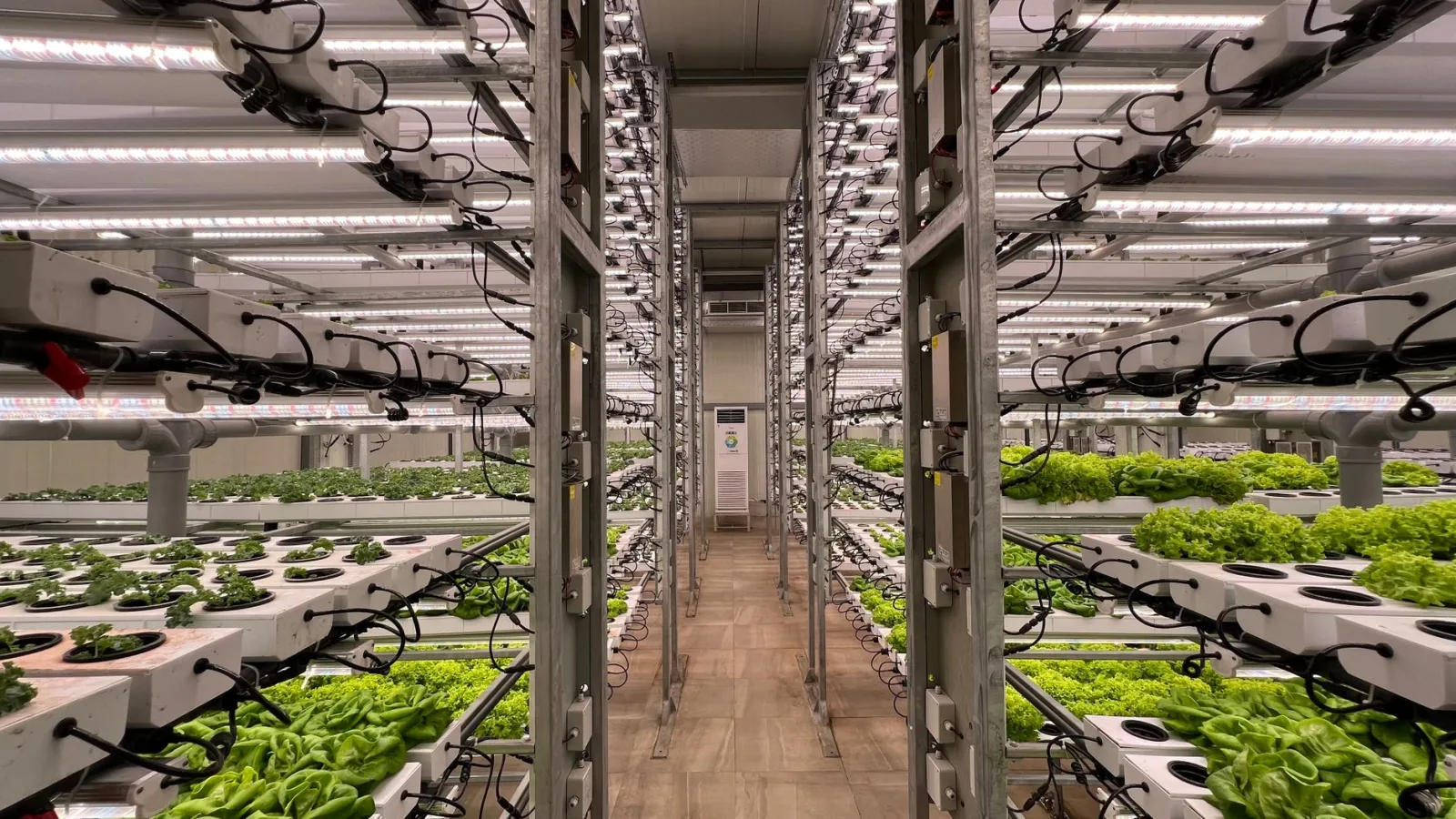
What Light Did Your Lettuce Grow Under?
New research on Batavia lettuce found that the LED spectrum and the watering method both change a head of lettuce from the inside out — its sweetness, its vitamin C, its antioxidants, even its yield. No single setup won on every count, which means the light you choose depends on what you're growing for.
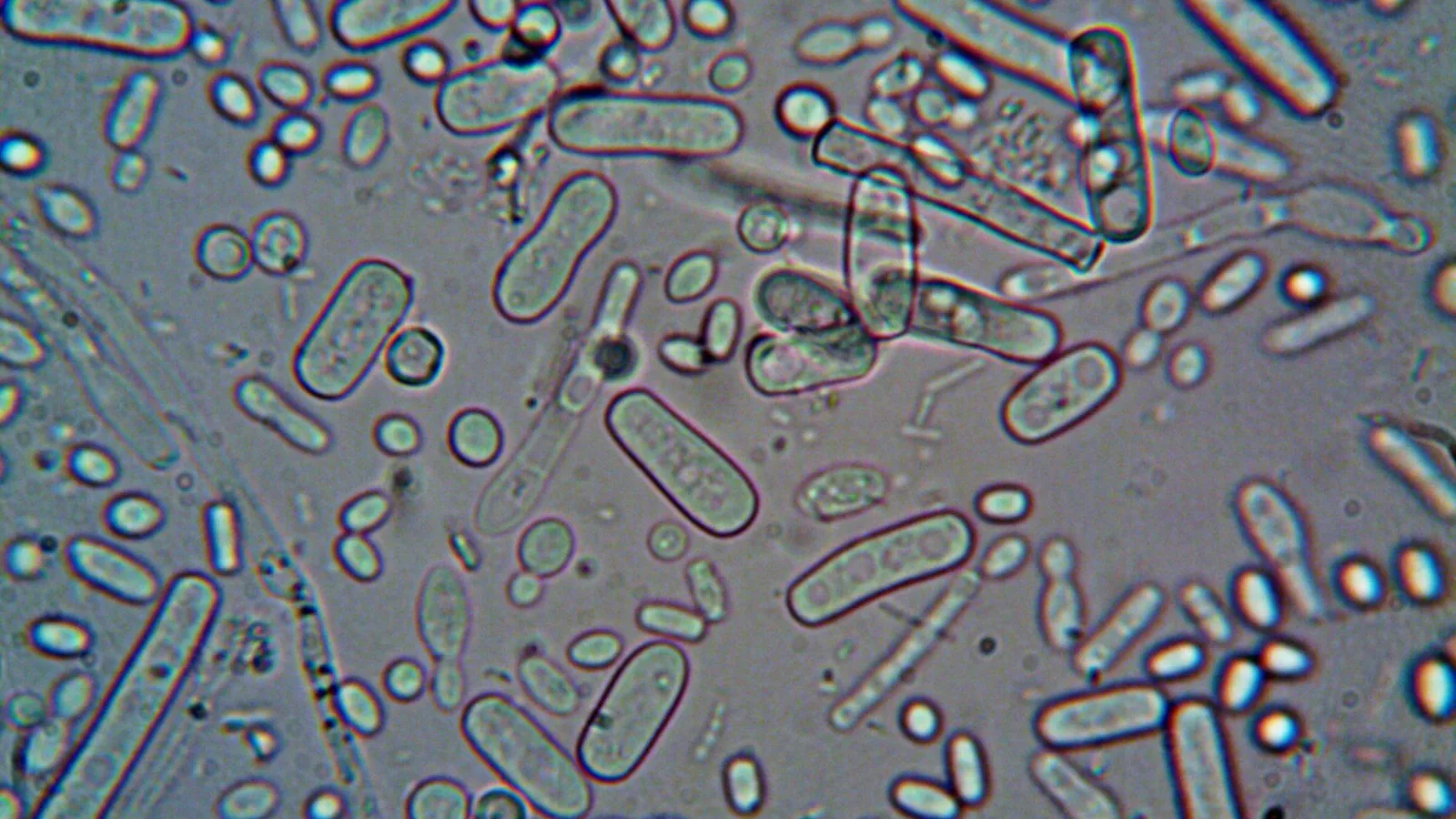
Lactic Acid Bacteria in Fermented Vegetables Help Keep Listeria in Check
Listeria monocytogenes lives in soil and water and keeps growing even at refrigerator temperatures, which makes garden vegetables and ready-to-eat foods worth a second thought. The lactic acid bacteria that drive fermentation create conditions where that pathogen struggles to survive.
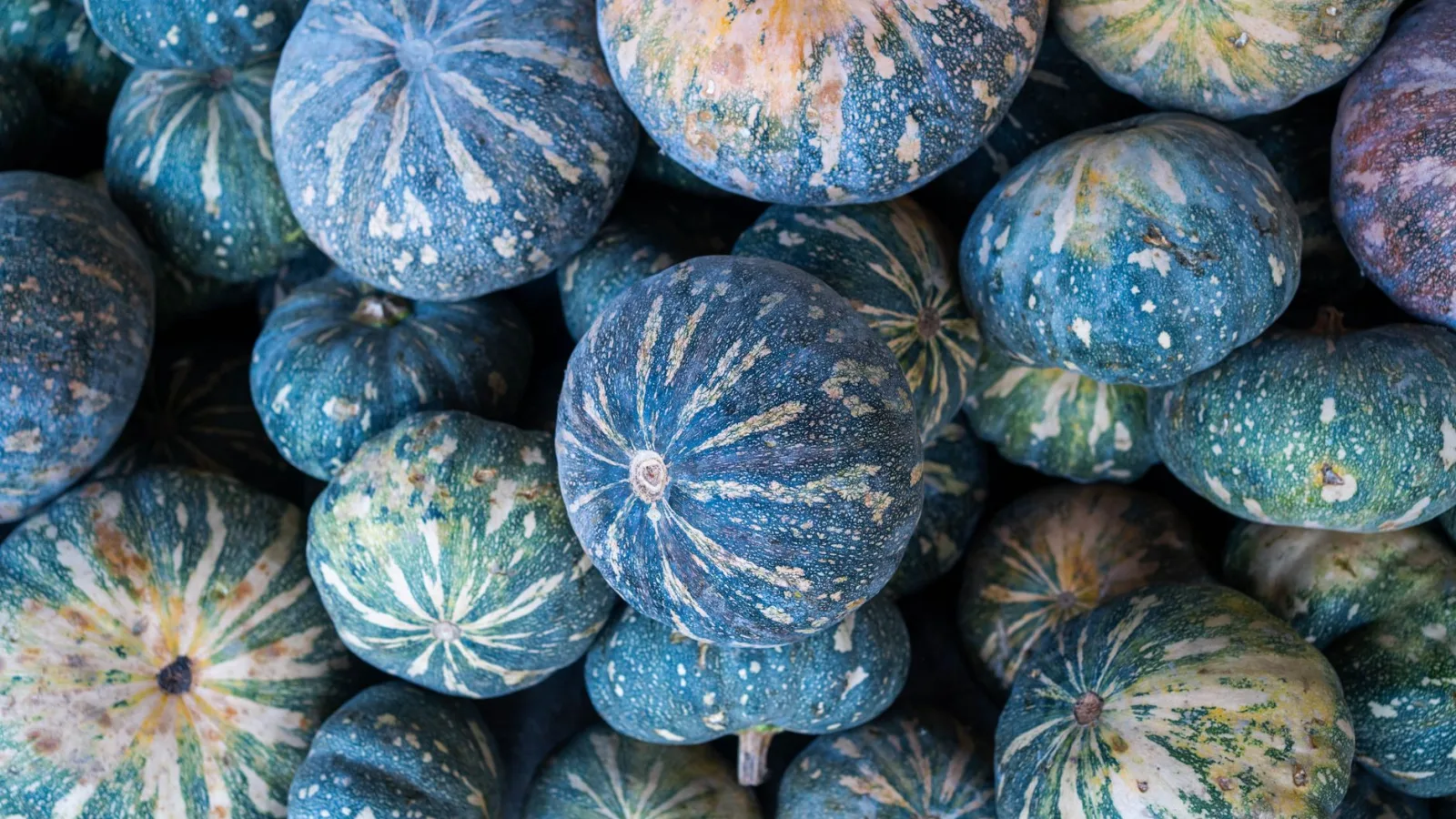
Pumpkin Leaves and Beggarticks: Read This Before You Pull Them
Researchers in Zambia fed diabetic rats extracts of winter squash leaves and Bidens pilosa — the barbed weed that sticks to your pant cuffs — and watched blood sugar fall sharply. Here's what the study found, what it doesn't prove yet, and how to harvest and cook both leaves from a home garden.
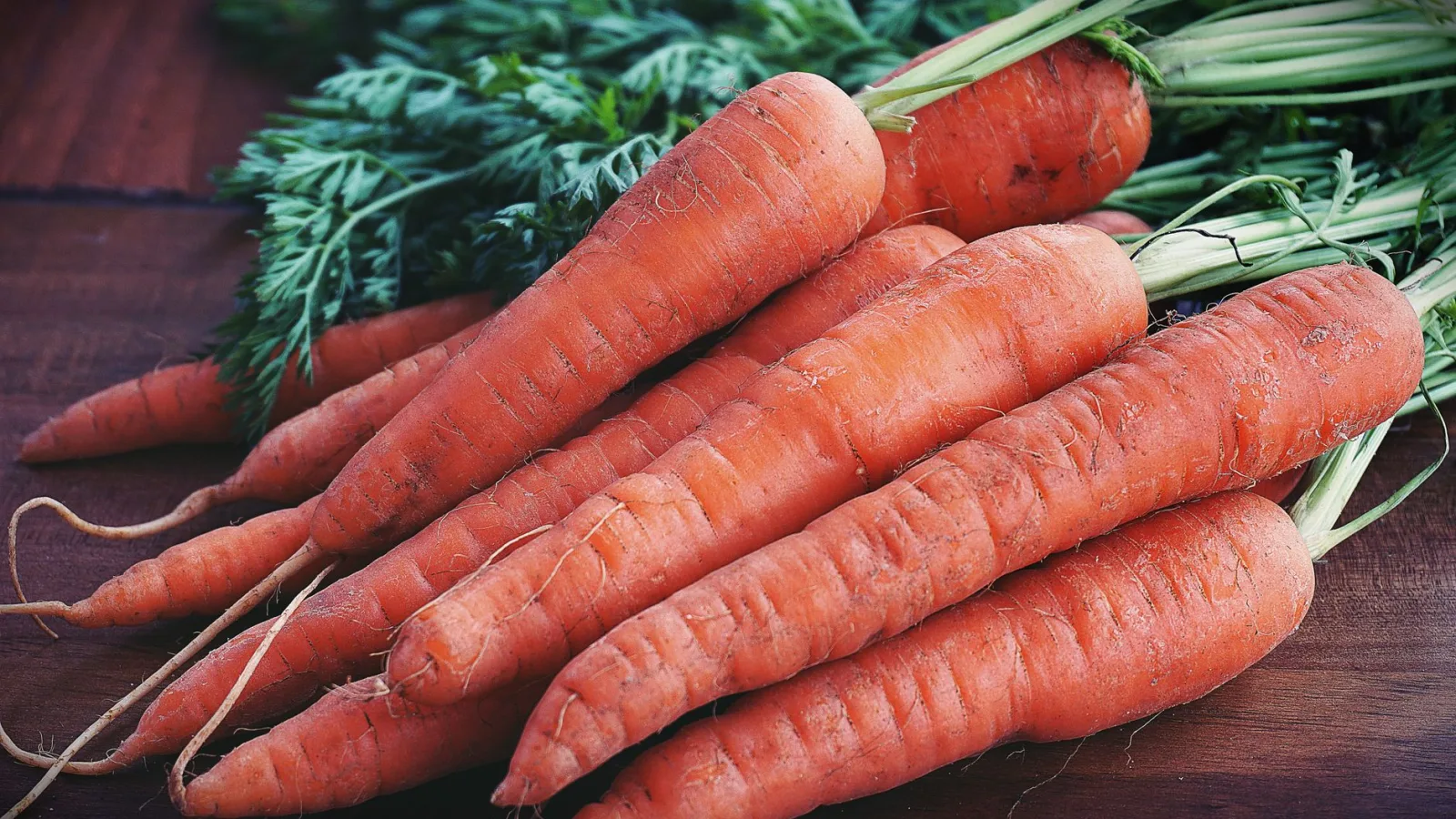
Don't Toss Those Purple Carrot Peels
Purple carrots store most of their anthocyanins and polyphenols in the peel and the layer just beneath it — the part that usually goes in the bin. A 2026 study measured exactly how much is in there, and it suggests a few easy ways to put those peels to work in the kitchen.
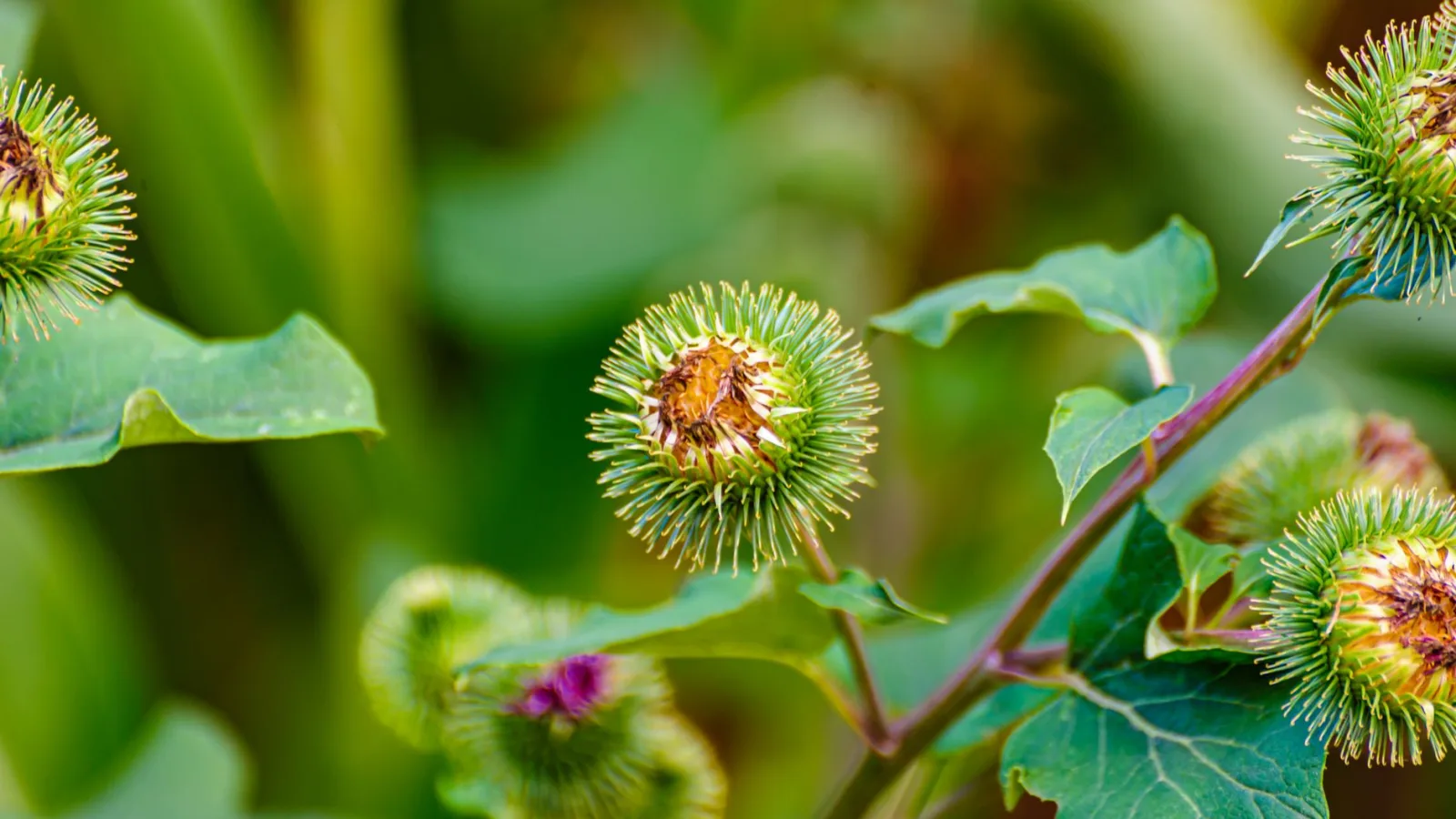
What Sunchokes and Burdock Leave Behind in Your Gut
Sunchokes, burdock, and onions all stockpile inulin, a sugar our enzymes can't break down, so it arrives in the colon intact and gut bacteria ferment it into butyrate. A 2026 mouse study ties that butyrate to a stronger immune attack on tumors — and the summer garden is already growing the raw material.
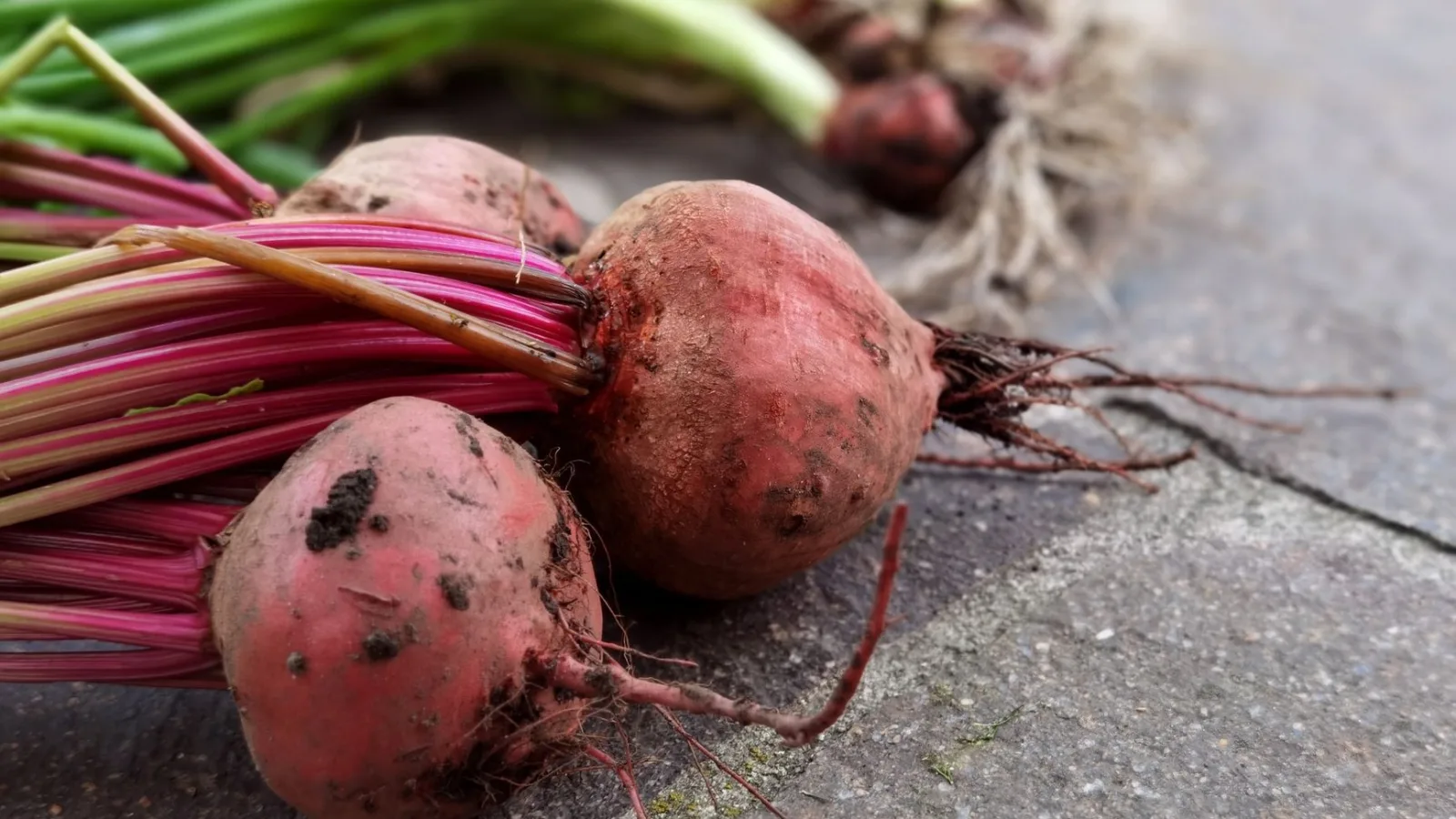
Can Beets and a Stick of Gum Lower Your Blood Pressure?
Nitrate-rich vegetables like beets, spinach, and arugula can nudge blood pressure down for a few hours, but only after mouth bacteria convert that nitrate into nitrite. One clinical study found that chewing gum after a nitrate-rich meal amplified the effect.
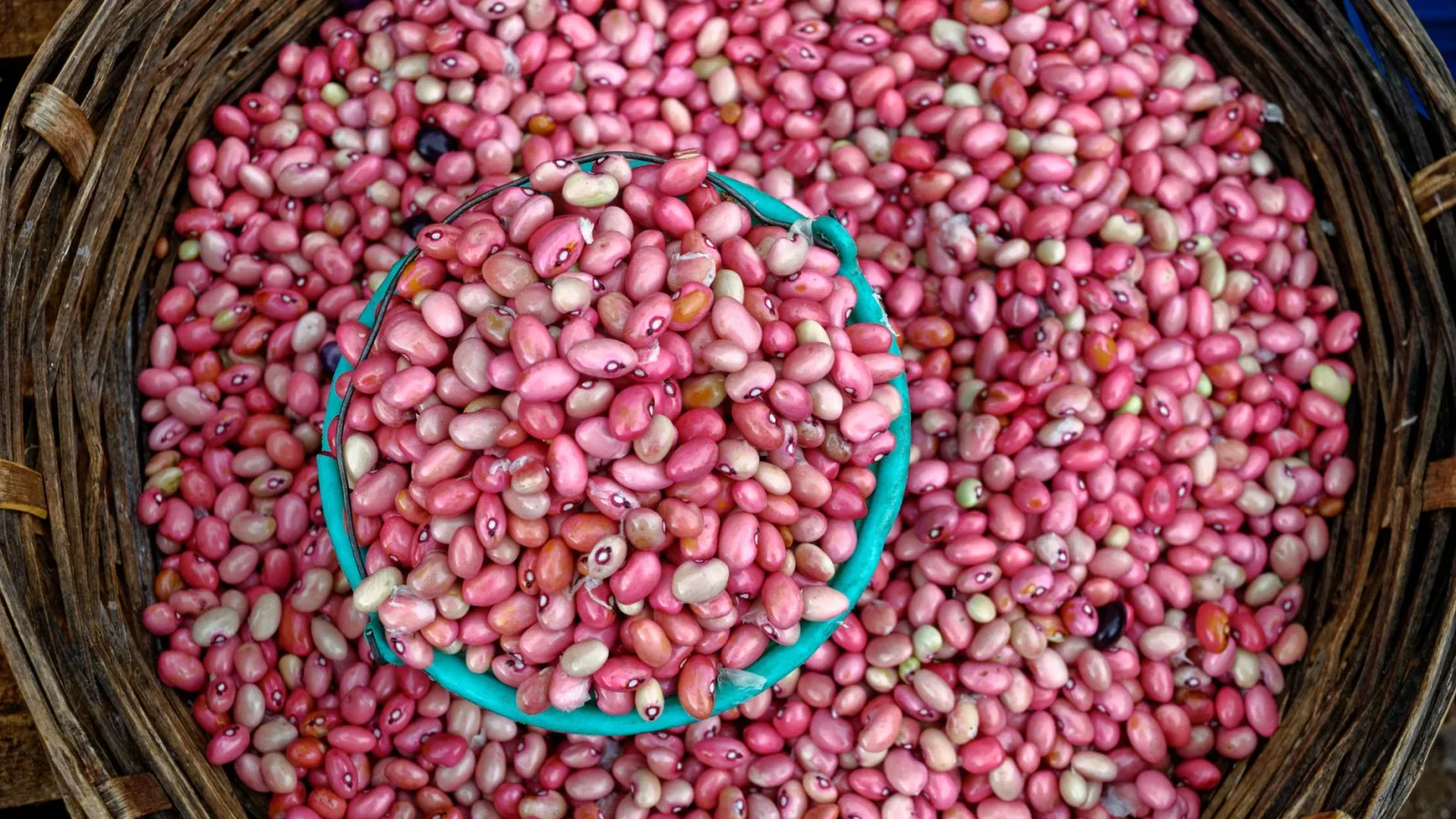
Why the Beans in Your Backyard Plot Made It Into a Global Farming Report
The EAT-Lancet Commission's 2025 report lays out a "planetary health diet" and calculates what the world would have to grow to feed it. The crops at the top of the list — beans, leafy greens, seed oils — are already growing in home gardens.
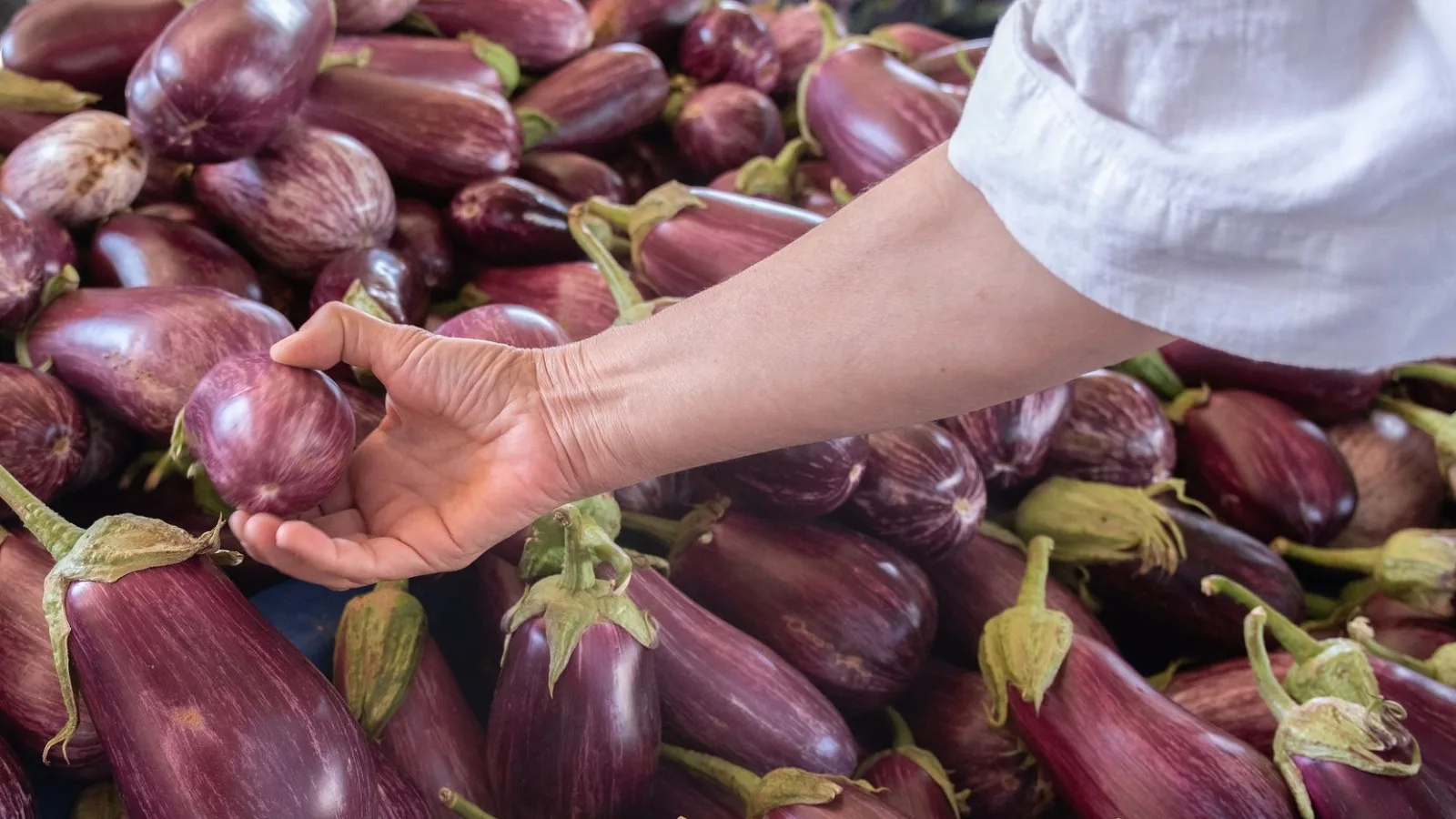
Eggplant: What the Dongui Bogam Saw
The Dongui Bogam, Korea's classic 17th-century medical compendium, treated eggplant as more than a summer side dish: cooling in nature, useful for bruises and stagnant blood, with the roots, stems, and even the calyx put to separate use. Here's how that old record reads alongside what we know today.
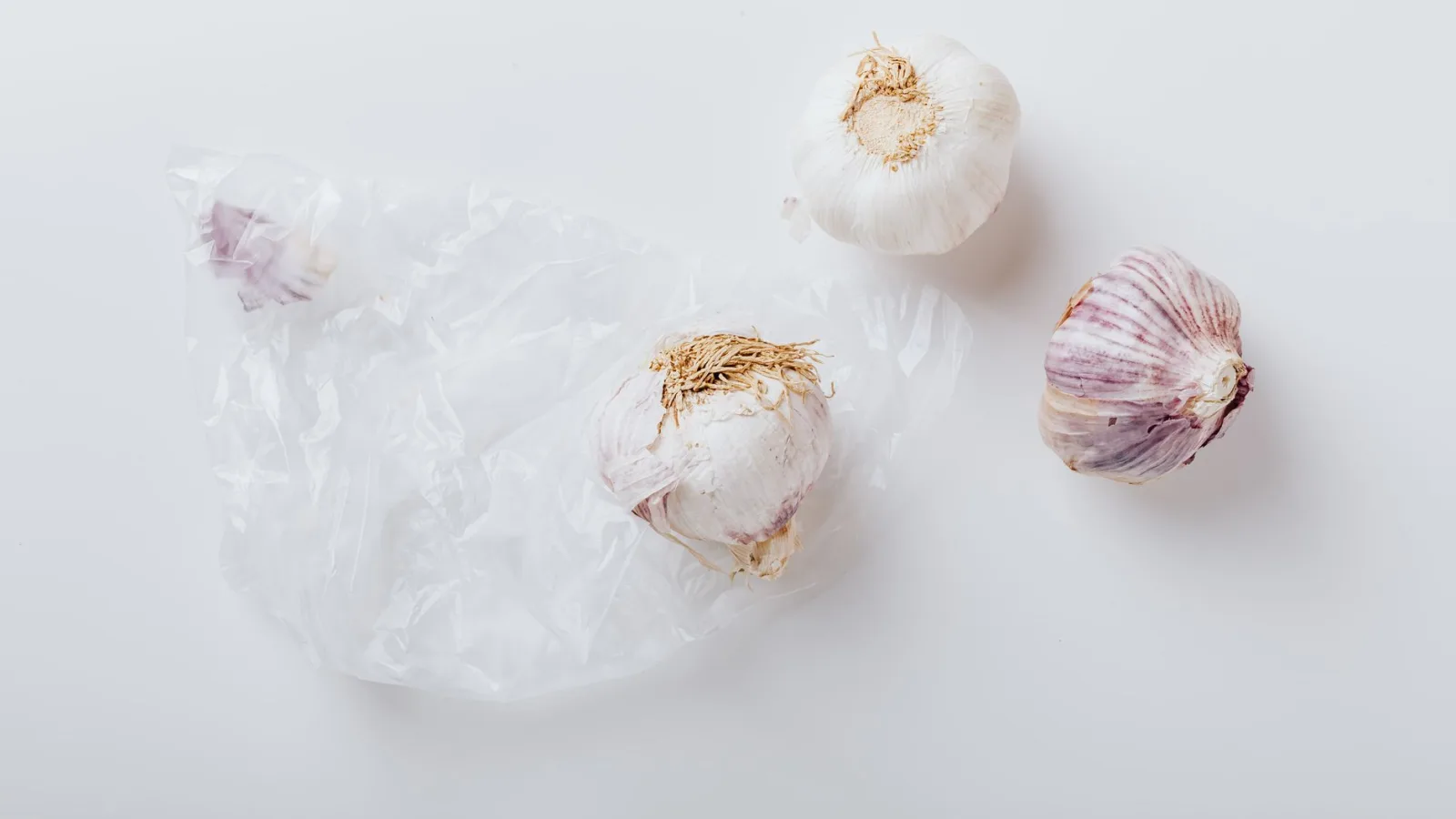
Dusty Days in the Garden, and What One Clove of Garlic Is Good For
A study published this year looked at allicin, the compound that forms when garlic is crushed, in lung cells and mice exposed to silica dust. Here's what it found, what it doesn't mean, and how to handle both the dust and the garlic.
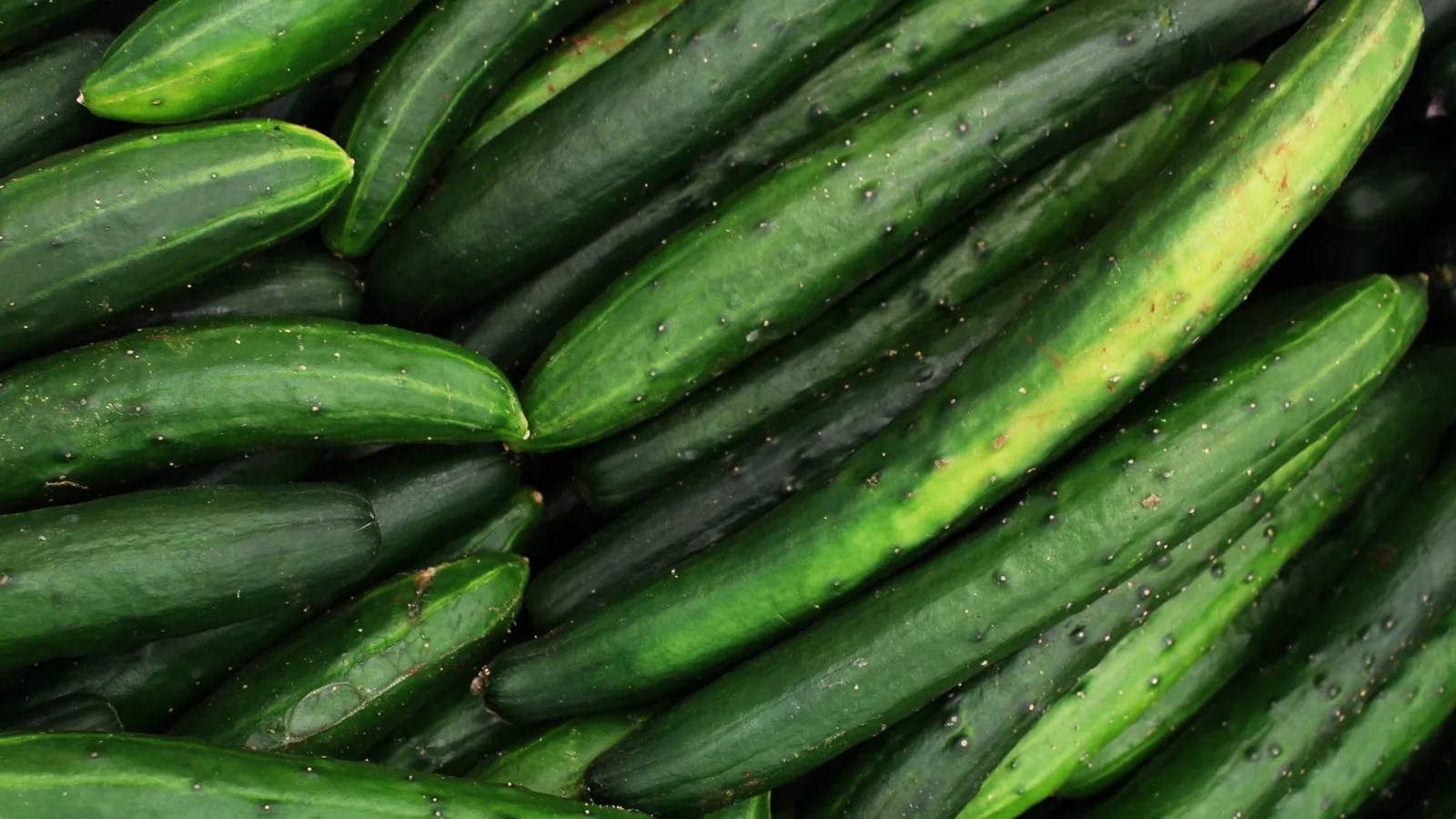
Peak Cucumber Season Is Also a Good Time to Look at Blood Sugar
Vietnam ran the same national health survey on its adults in 2015 and again in 2021, and the share with elevated fasting blood sugar tripled — with risk factors piling up in the same people. Here's what that has to do with a July garden overflowing with cucumbers.
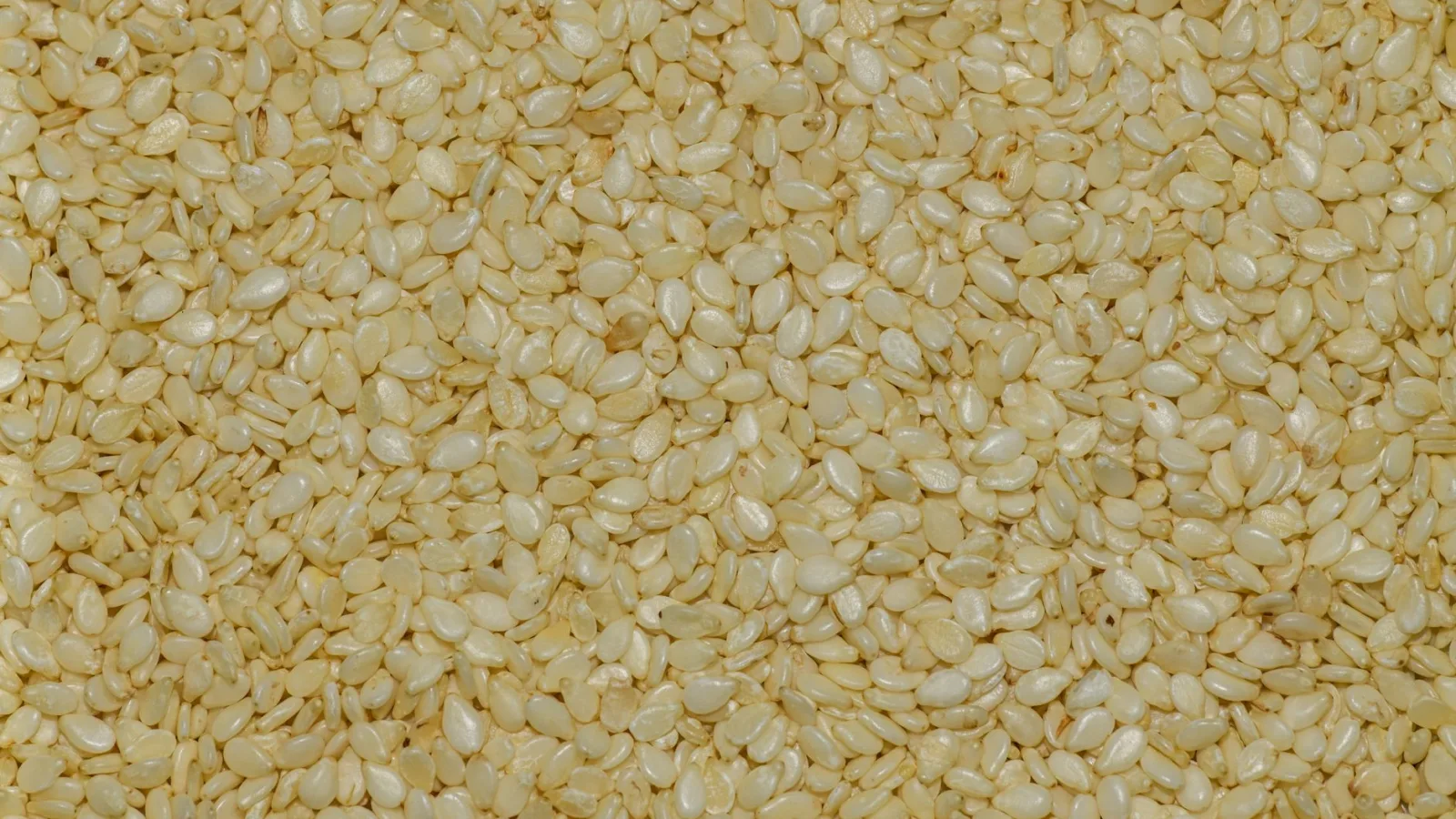
Sesame Harvest Season: A Fresh Look at Food Allergies
Sesame ranks just behind milk and eggs among food allergy triggers in Saudi Arabia, and Korean kitchens lean on it just as heavily. Here's what a review of twenty studies suggests about cutting foods out — and about filling the gaps back in from your own garden.
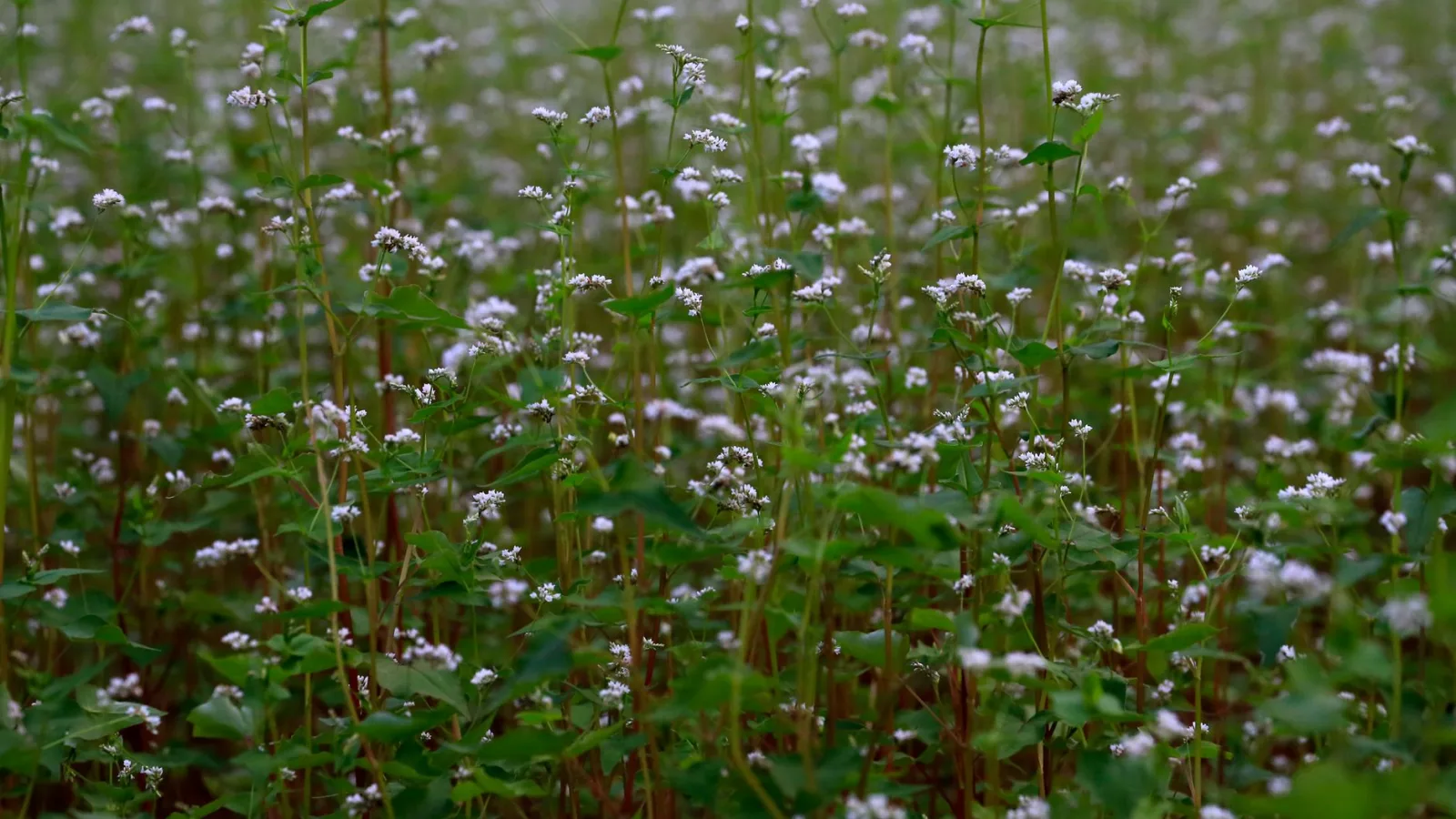
Buckwheat: What a 60-Day Grain Gives Back
Sow buckwheat now in the gaps left by potatoes and corn, and you'll harvest in 60 to 80 days. It asks almost nothing of the soil, and what it returns—rutin, lysine, fiber—is worth knowing before you grind that first batch of flour.
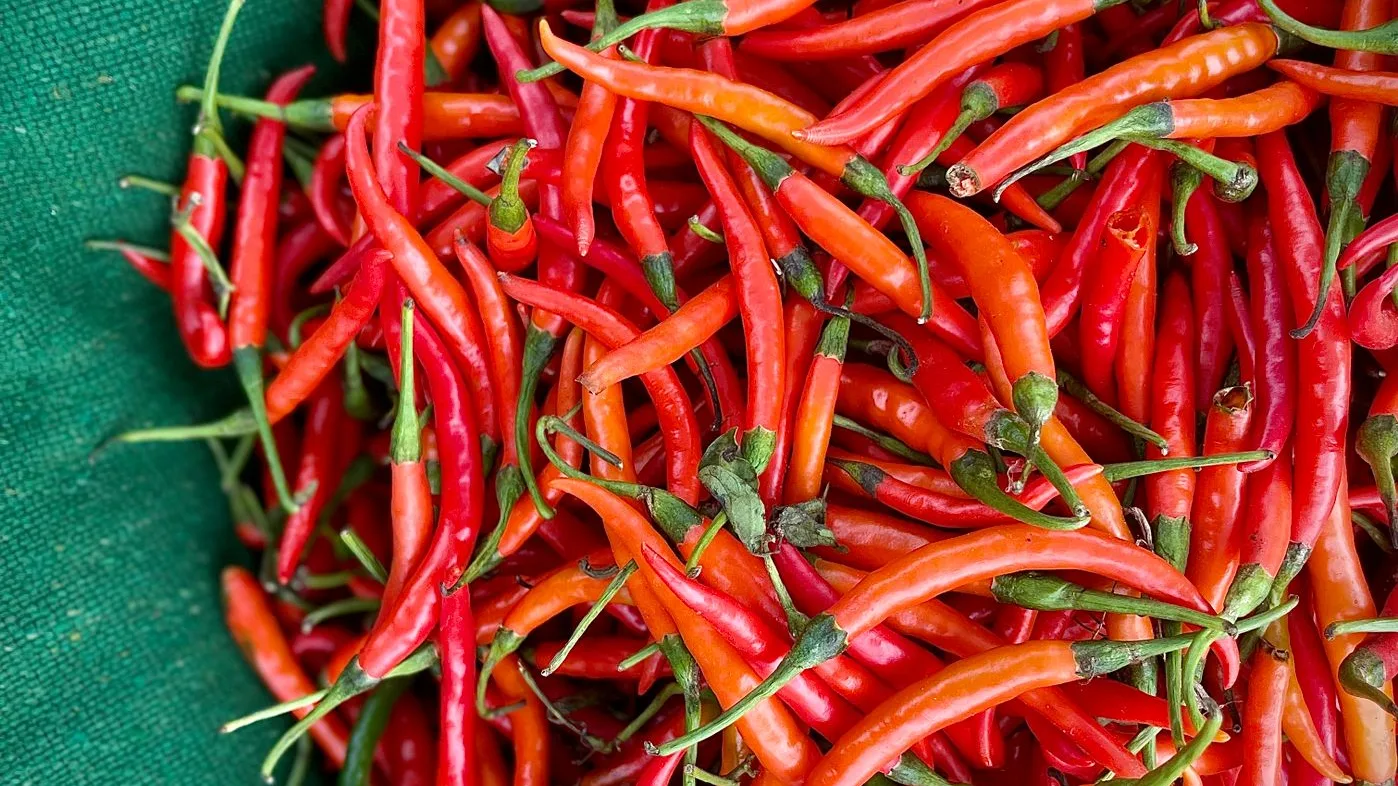
Does Eating a Lot of Chili Peppers Raise Your Risk of Esophageal Cancer?
A large analysis found more esophageal cancer among people who eat the most chili peppers — but the finding says less about the pepper than about how it's eaten. A few small changes at the dinner table are all your garden harvest asks of you.
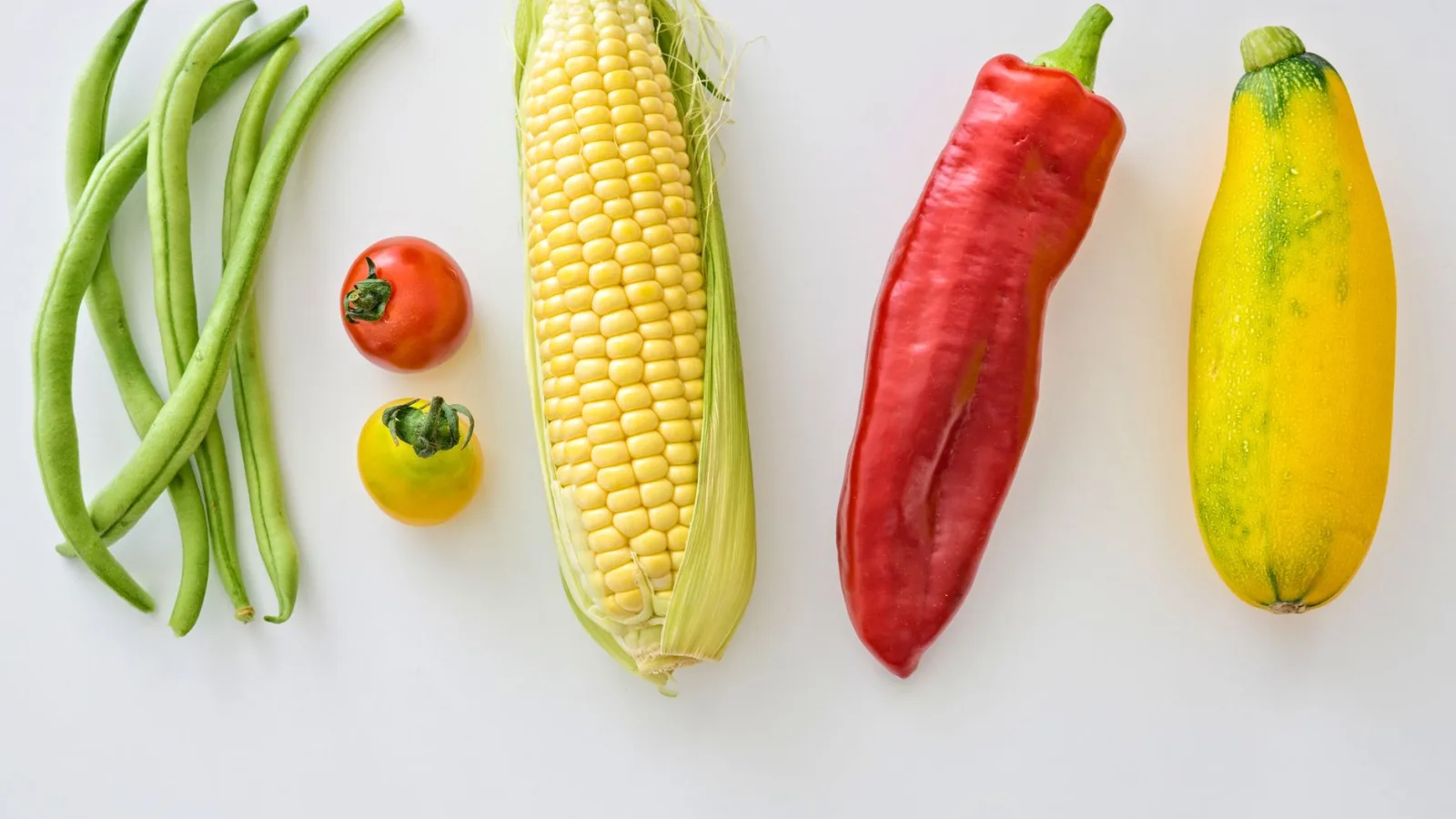
Corn, Beans, and Squash: The Three Sisters Set the Table
The milpa — corn, beans, and squash grown together in one bed — has fed Mexico and Central America for thousands of years, and the same trio grows in Korean home gardens. Research suggests the plant-forward meals it produces may help ease the inflammation, oxidative stress, and gut imbalances tied to obesity.
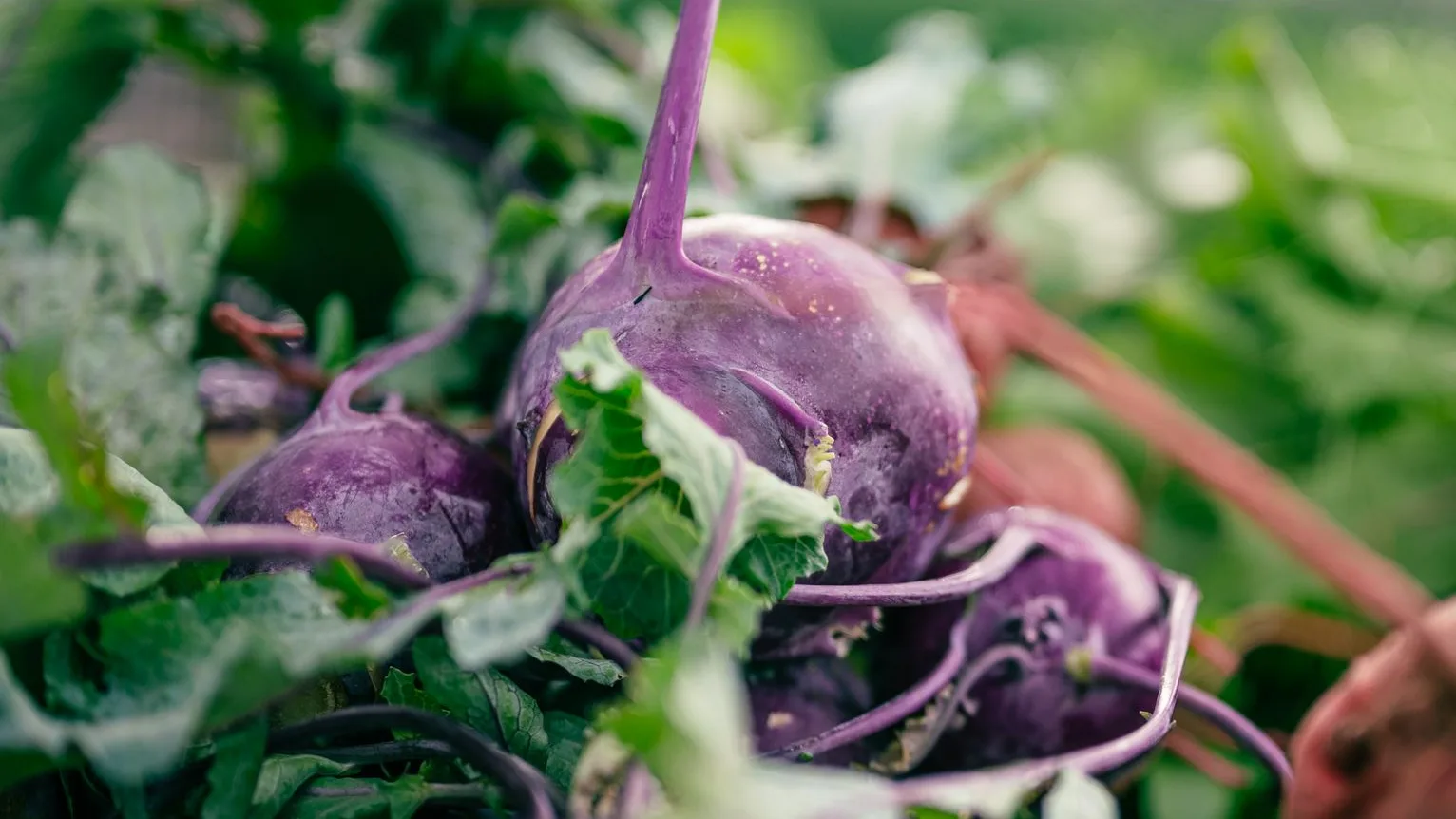
Growing Kohlrabi on Fertilizer That Came from the Bathroom
German researchers grew kohlrabi on fertilizer recovered from human urine and feces, and the bulbs matched those raised on conventional mineral fertilizer. Here's what the trial showed, and how much of it makes sense in a home garden.
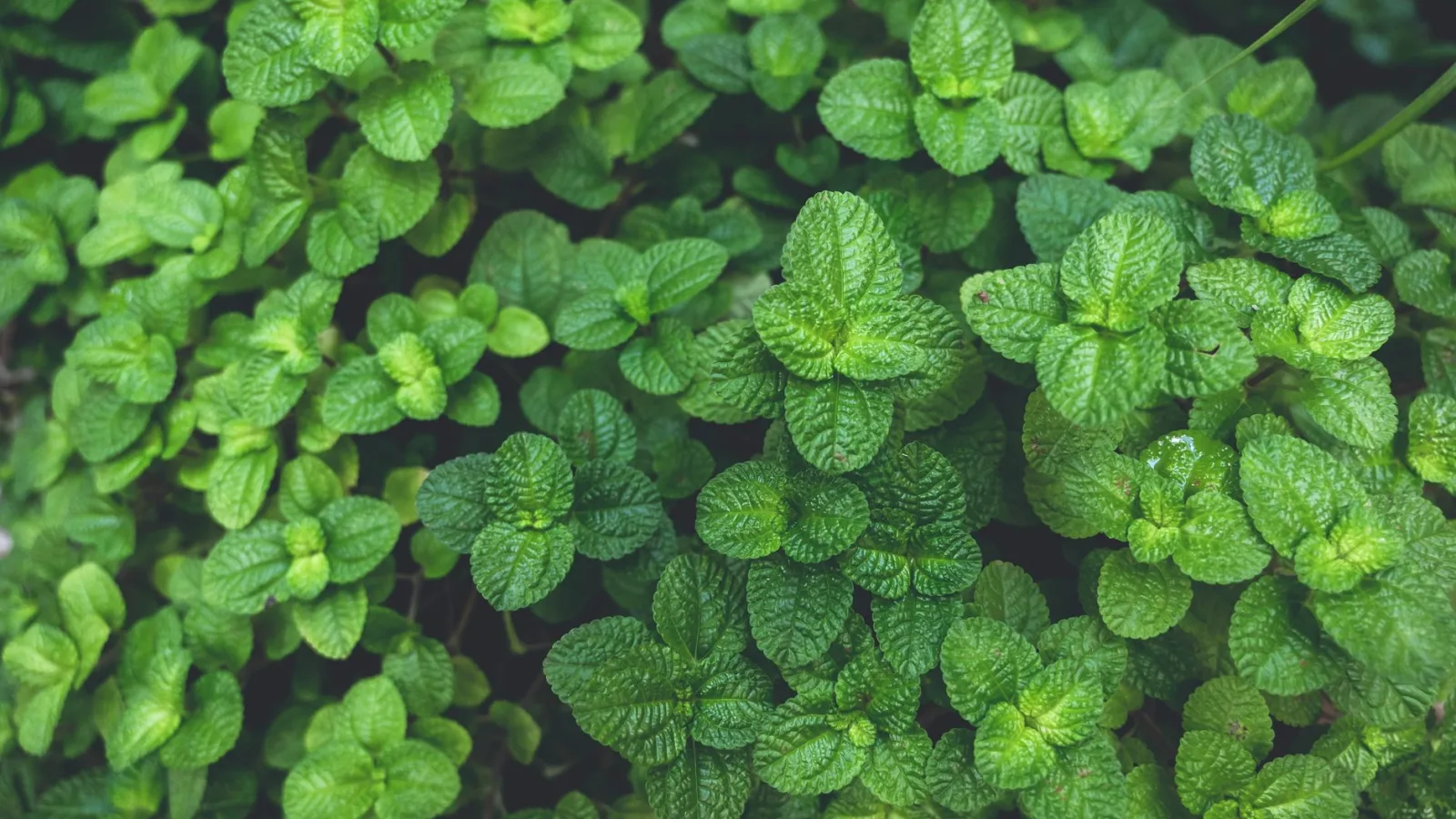
If Your Mint Has Lost Its Scent, Start With the Soil
Sandy soil lets water and nutrients slide straight past the roots, and mint pays for it in fragrance. A two-year Egyptian trial found that spearmint given biochar and fertilizer together yielded the most leaves and the most essential oil — and the same trick scales down to a flowerpot.
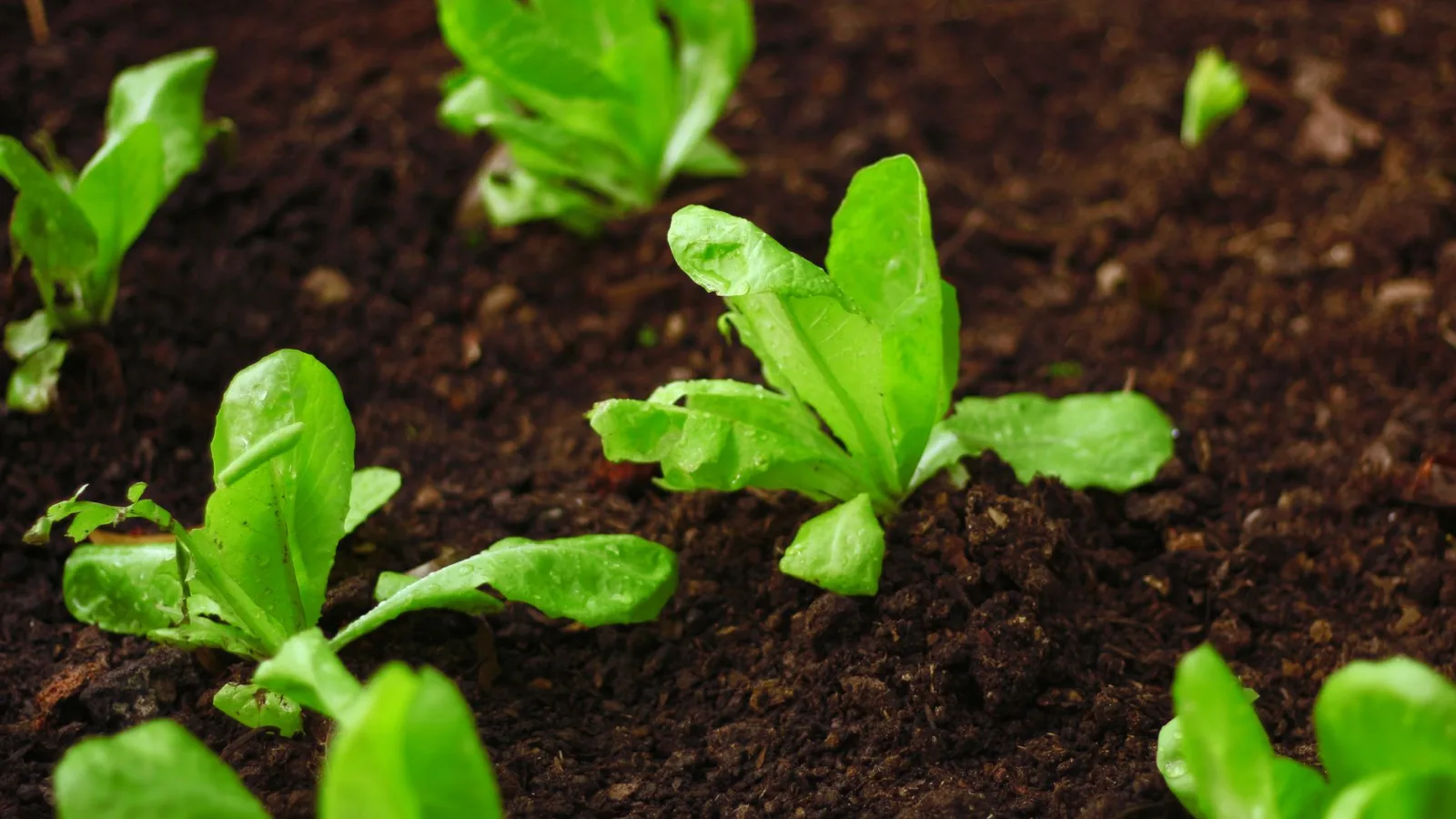
I've Never Smoked. Why Am I Being Told to Worry About Lung Cancer?
A preliminary study found higher lung cancer rates among young nonsmokers who ate the most produce, and researchers pointed to pesticide residue on conventionally grown crops as one possible thread. The science is far from settled, but reducing your exposure is something you can do tonight at the kitchen sink.
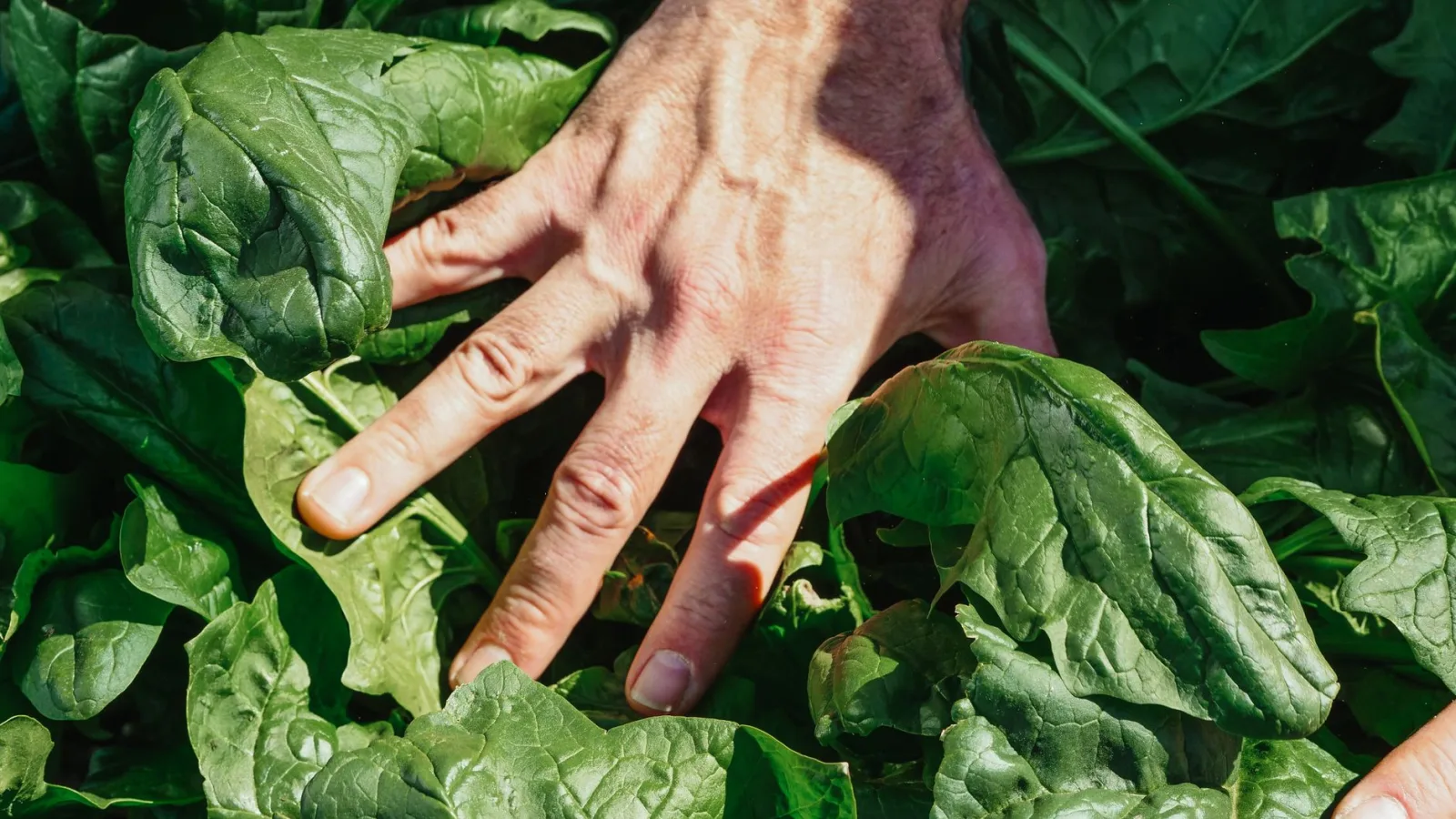
Worried About Your Garden Soil? Spinach, Silicon, and What You Can Do
Spinach grows fast, which means it pulls whatever is in your soil straight into the leaves — minerals and heavy metals alike. A 2026 lab study found that silica cut cadmium buildup in spinach by up to 40 percent, and there's plenty you can do in your own plot before the seed goes in.
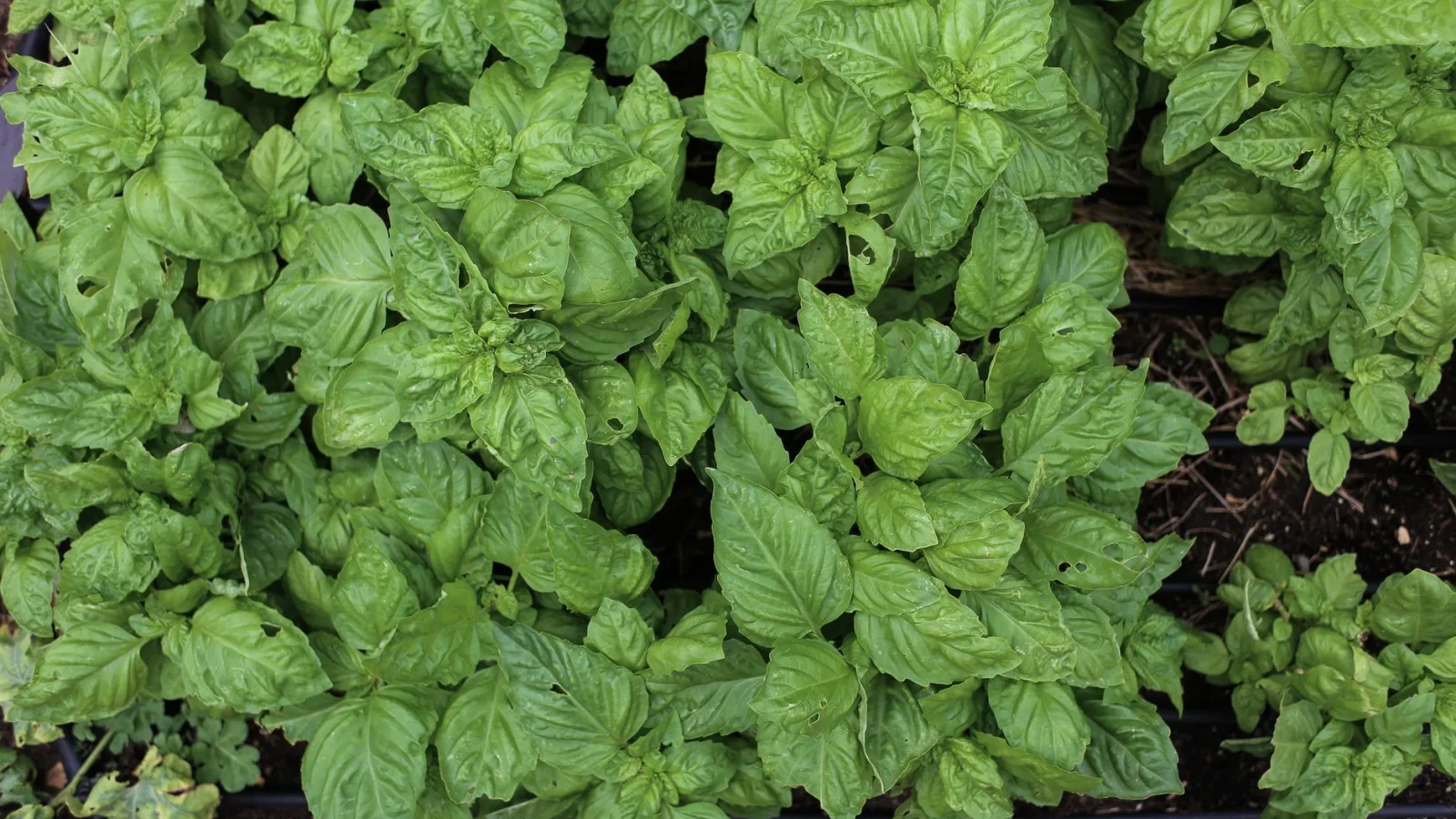
When Your Mouth Is Sore, Take Another Look at the Basil on the Balcony
Basil's aromatic compounds calm inflammation, but saliva washes them off a sore almost immediately. Researchers packed basil extract into tiny lipid particles to make it stay put — and in rats, the resulting gel healed mouth ulcers faster than the drugstore standard.
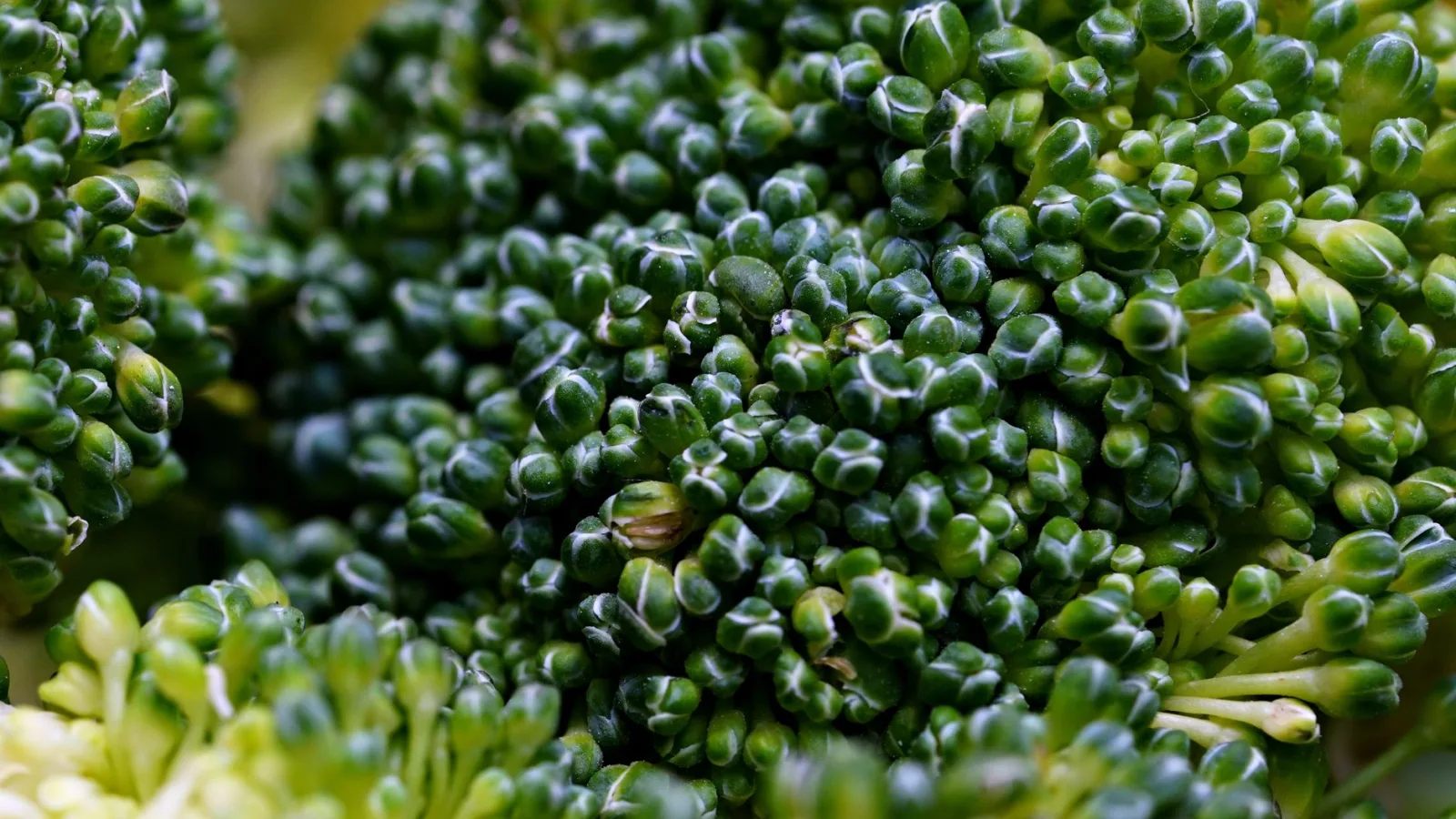
Broccoli Juice Keeps More When the Heat Stays Low
Researchers found that treating broccoli juice with gentle heat plus ultrasound — 40°C for about seven minutes — preserved more polyphenols, chlorophyll, and vitamin C than standard pasteurization. You can't do that at home, but you can borrow the principle: less heat, less water.
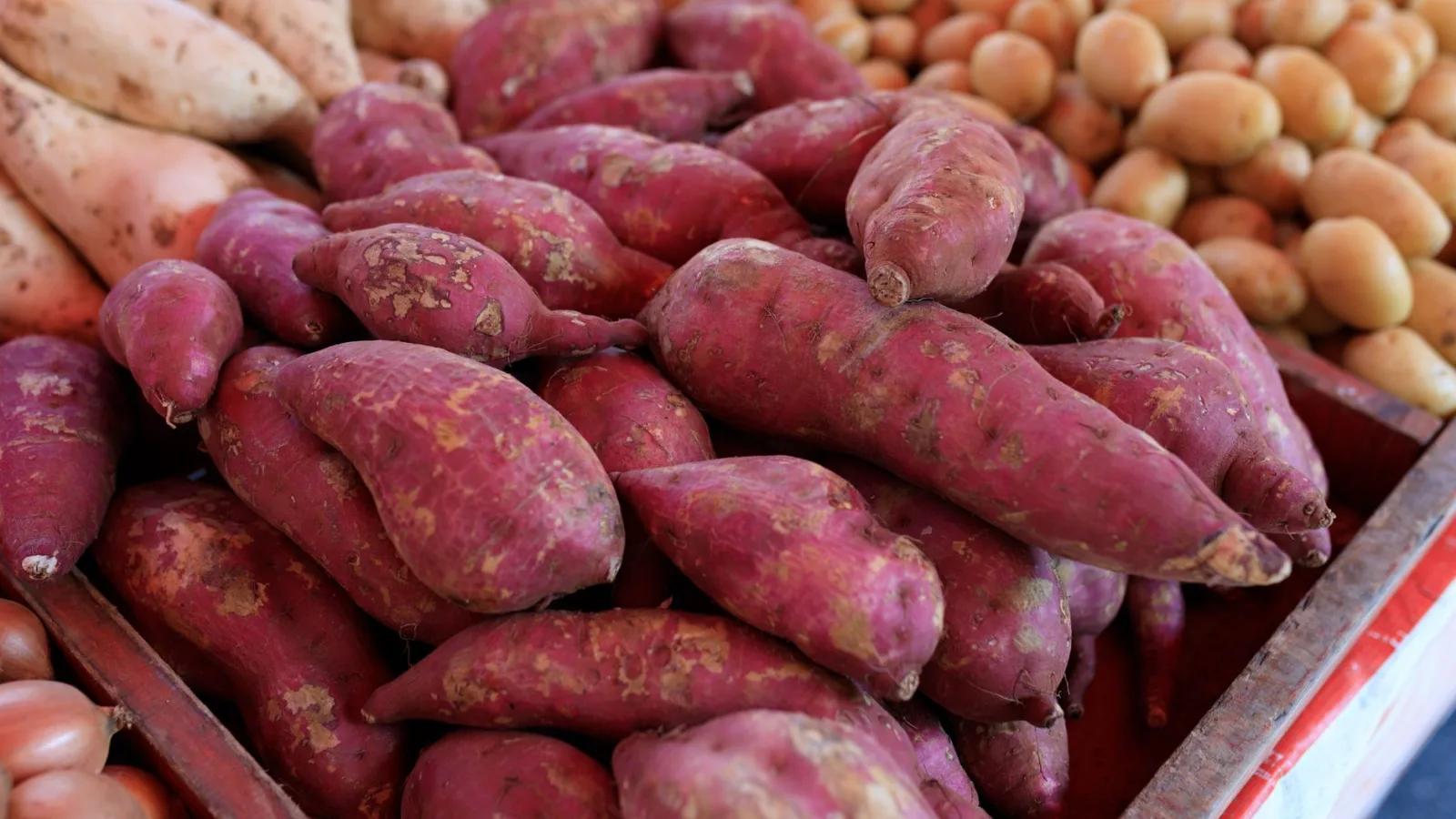
Golden-Fleshed Sweet Potatoes: Can the Harvest Grow Along with the Color?
Deep-orange sweet potatoes are richer in carotenoids, but they've traditionally come with smaller roots and thinner harvests. New breeding work published in 2026 produced two lines that improved on both — and pointed to a gene that helps explain why.
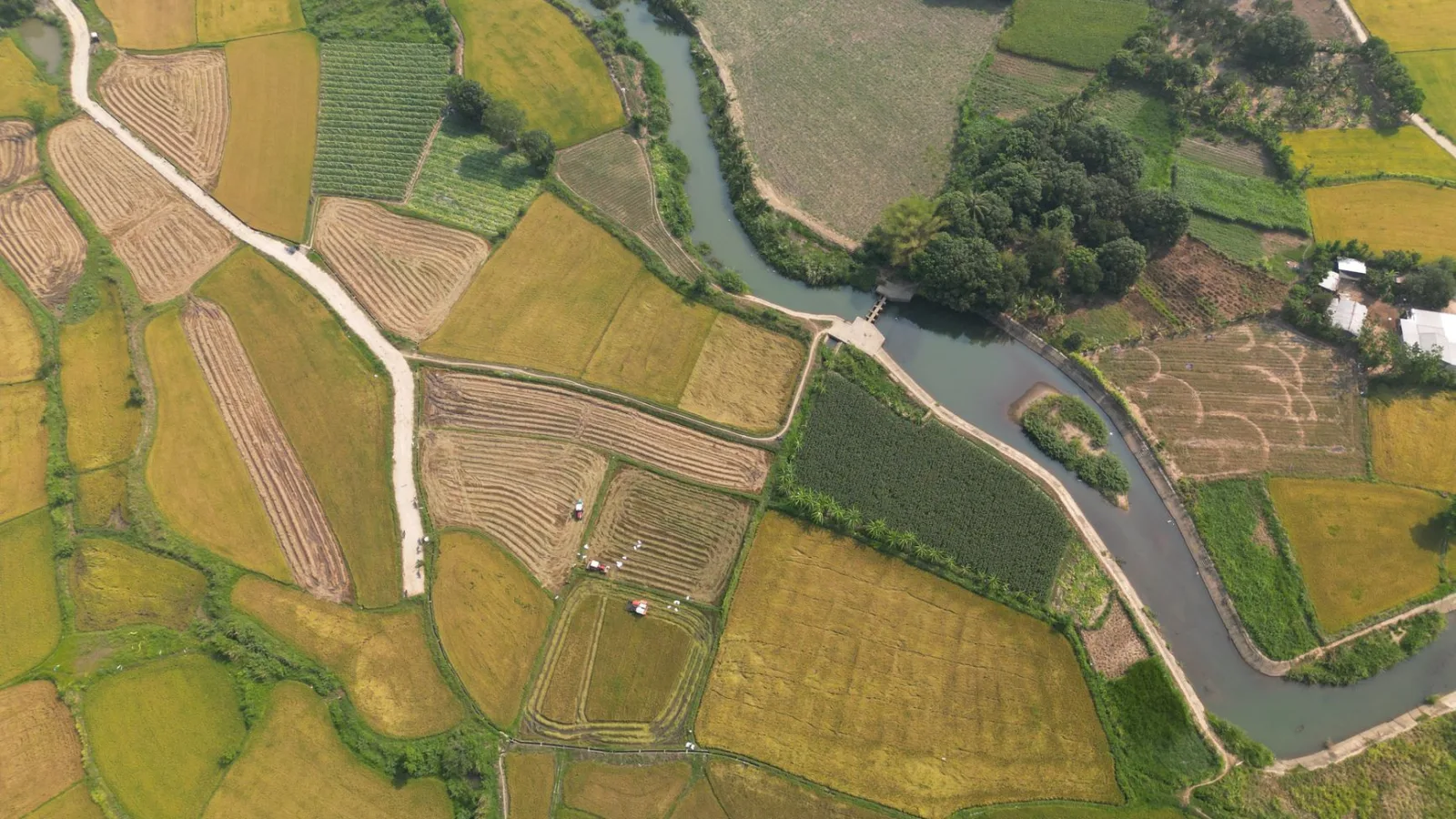
From Seed to Table: What Traditional Farming Keeps Alive
The UN designates long-standing farming landscapes as Globally Important Agricultural Heritage Systems, and researchers at Germany's University of Göttingen looked at what they can teach us about sustainable land use. The answer, it turns out, applies to a balcony planter as much as to a centuries-old rice terrace.
Fat-Regulating Genes and Blood Pressure: What Your Garden Vegetables Can Do
A 2026 study of 510 college students found that variants in the SREBP genes—which regulate how much fat and cholesterol the liver produces—were associated with slightly higher blood pressure readings. The findings are preliminary, but they're a good reminder of why the garlic, garlic chives, lettuce, and cherry tomatoes in your garden are worth eating.
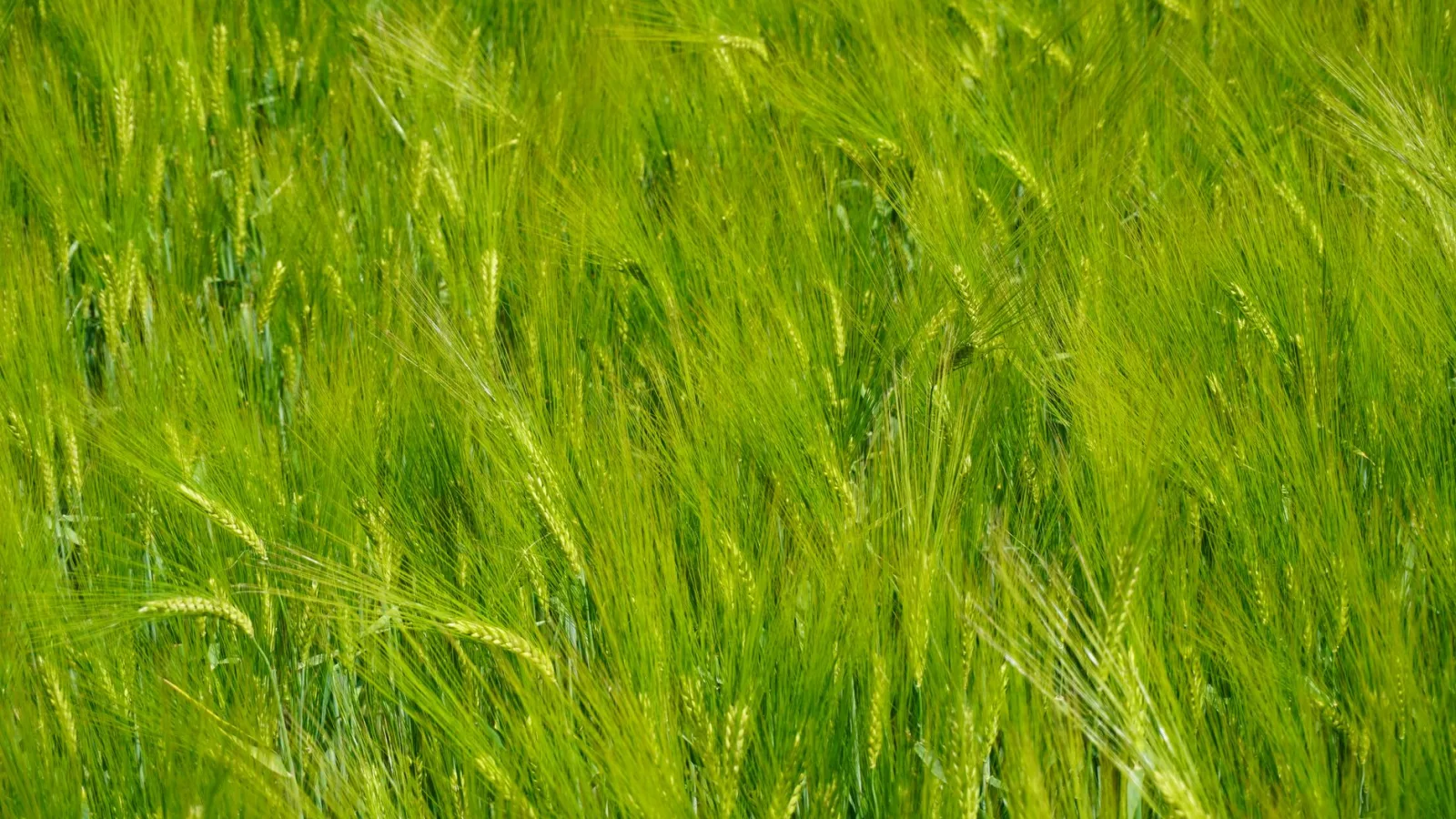
Why a Handful of Naked Barley Belongs in Your Rice Pot
Naked barley sheds its hull the moment you thresh it — no milling required — and it carries more beta-glucan than an equal weight of wheat. Here's what the research says about its effect on blood sugar and cholesterol, plus how to grow a few square yards of it yourself.
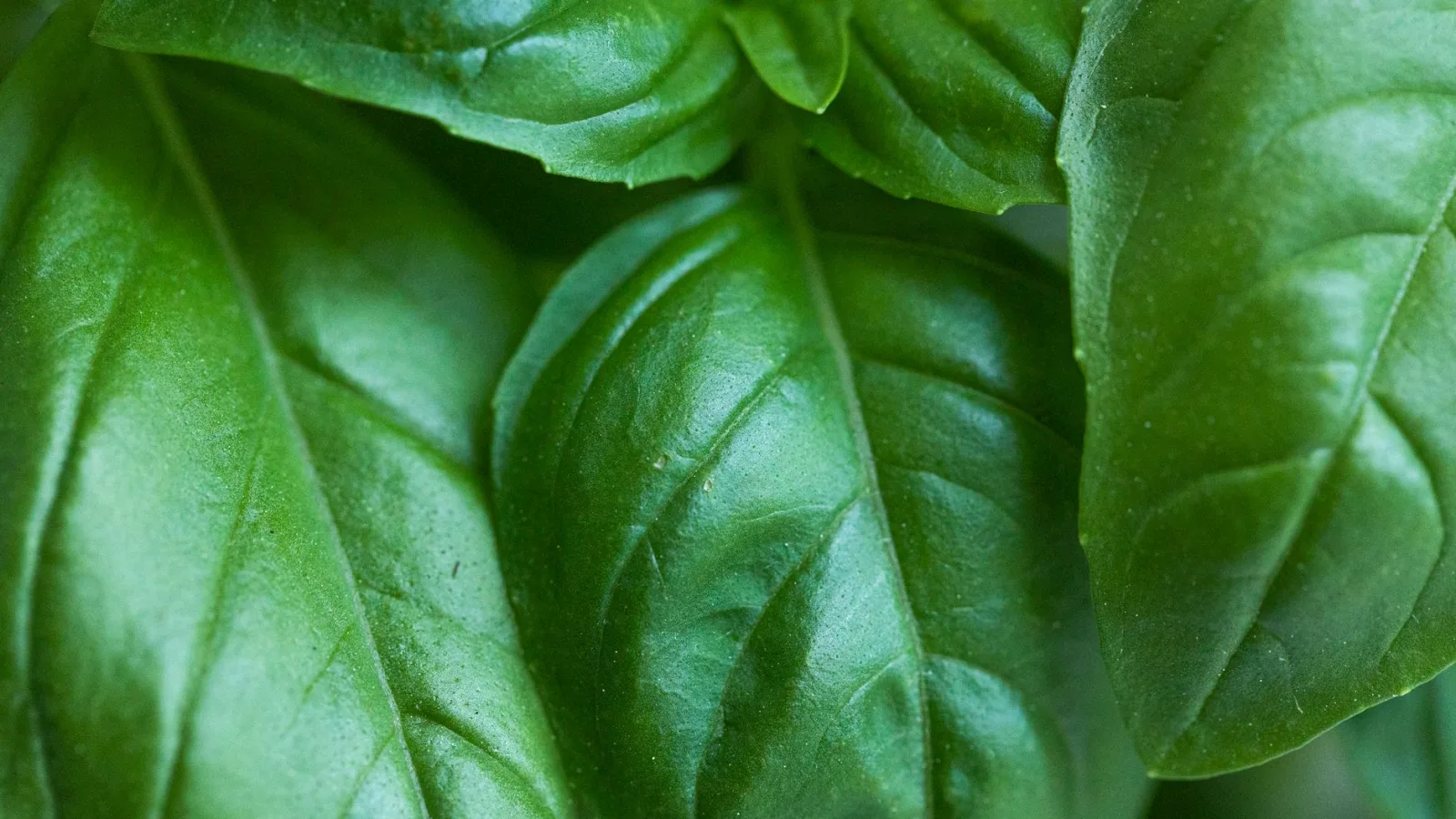
The Root-Level Partner Behind Fragrant Basil
A greenhouse study found that pairing root-dwelling mycorrhizal fungi with a trace amount of selenium boosted basil's photosynthesis by more than 65 percent, along with its chlorophyll, yield, and antioxidants. Here's what that means for the pot on your windowsill.
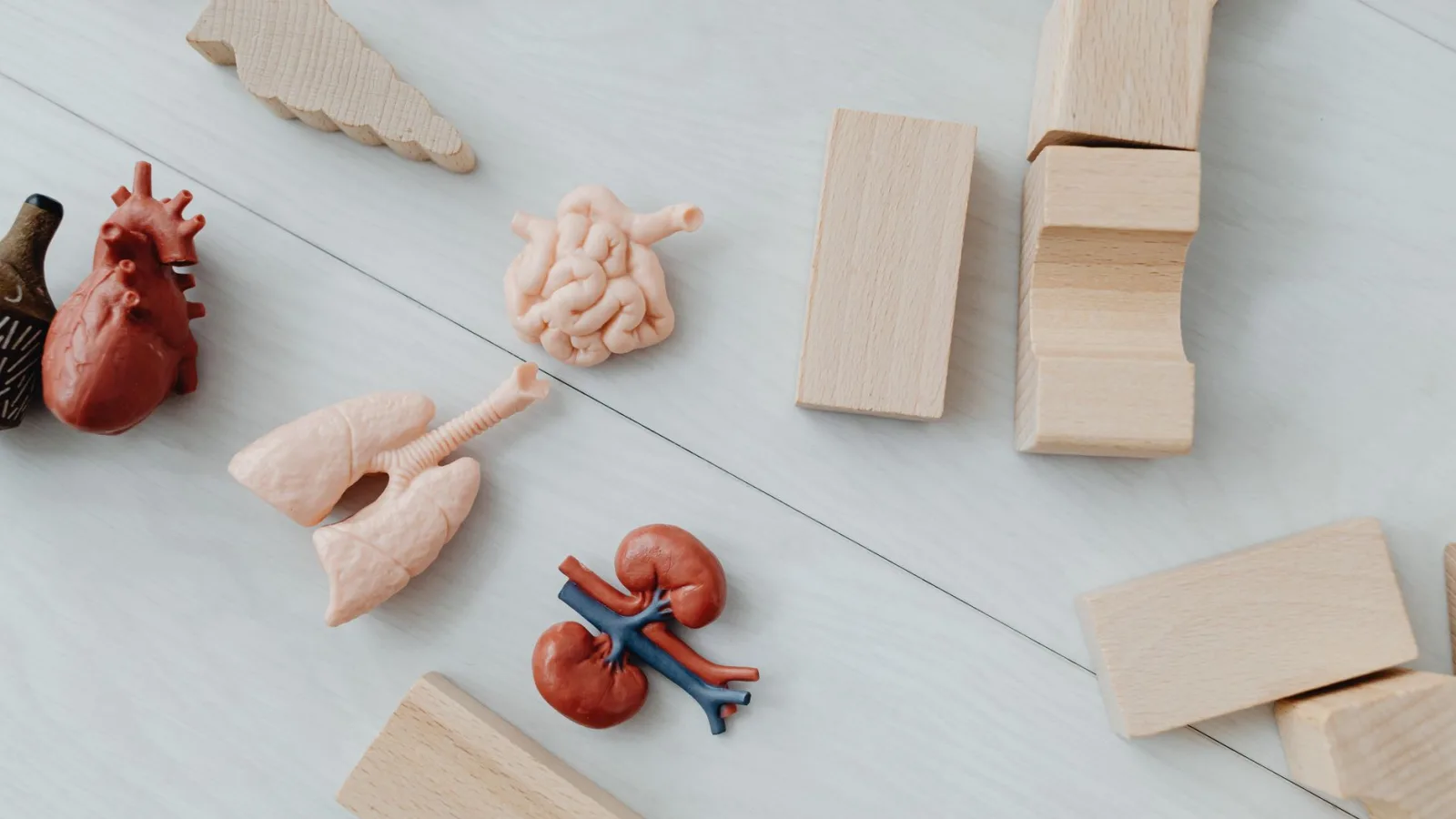
The Bacteria in Your Gut Are Protecting Your Brain
Tens of trillions of bacteria live in your gut, and a 2026 review traces their reach all the way to immune regulation, brain disease, and cancer. Here's how a diverse garden harvest and a jar of homemade kimchi help keep that inner ecosystem in balance.
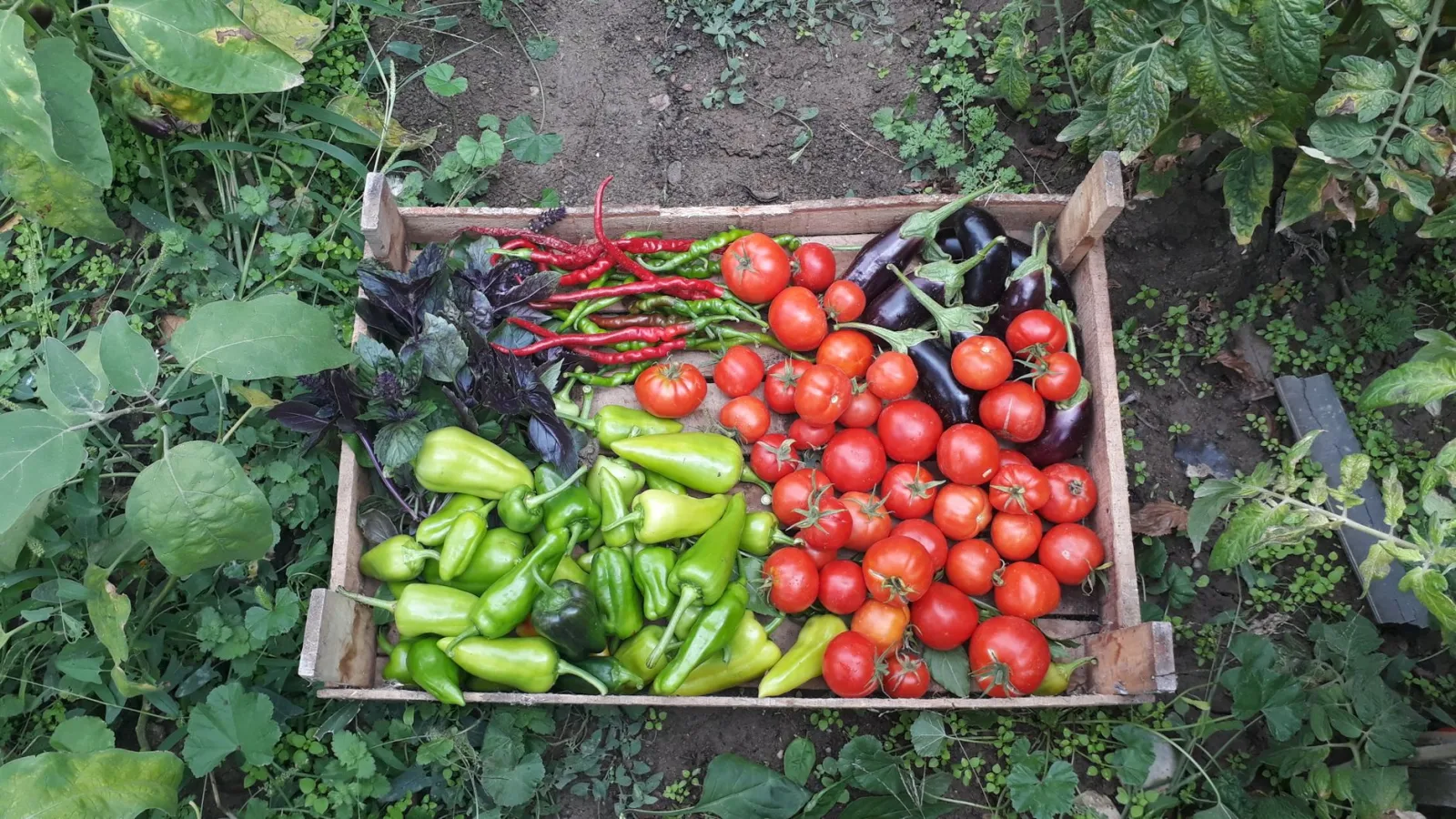
Plants Have a Backup Plan for Heat
When summer heat hits, plants don't just wilt — they sense the temperature at the cellular level and change how they grow. New research shows they have a second sensing system that kicks in when the first one falters, and it may hold clues for breeding heat-tough crops.
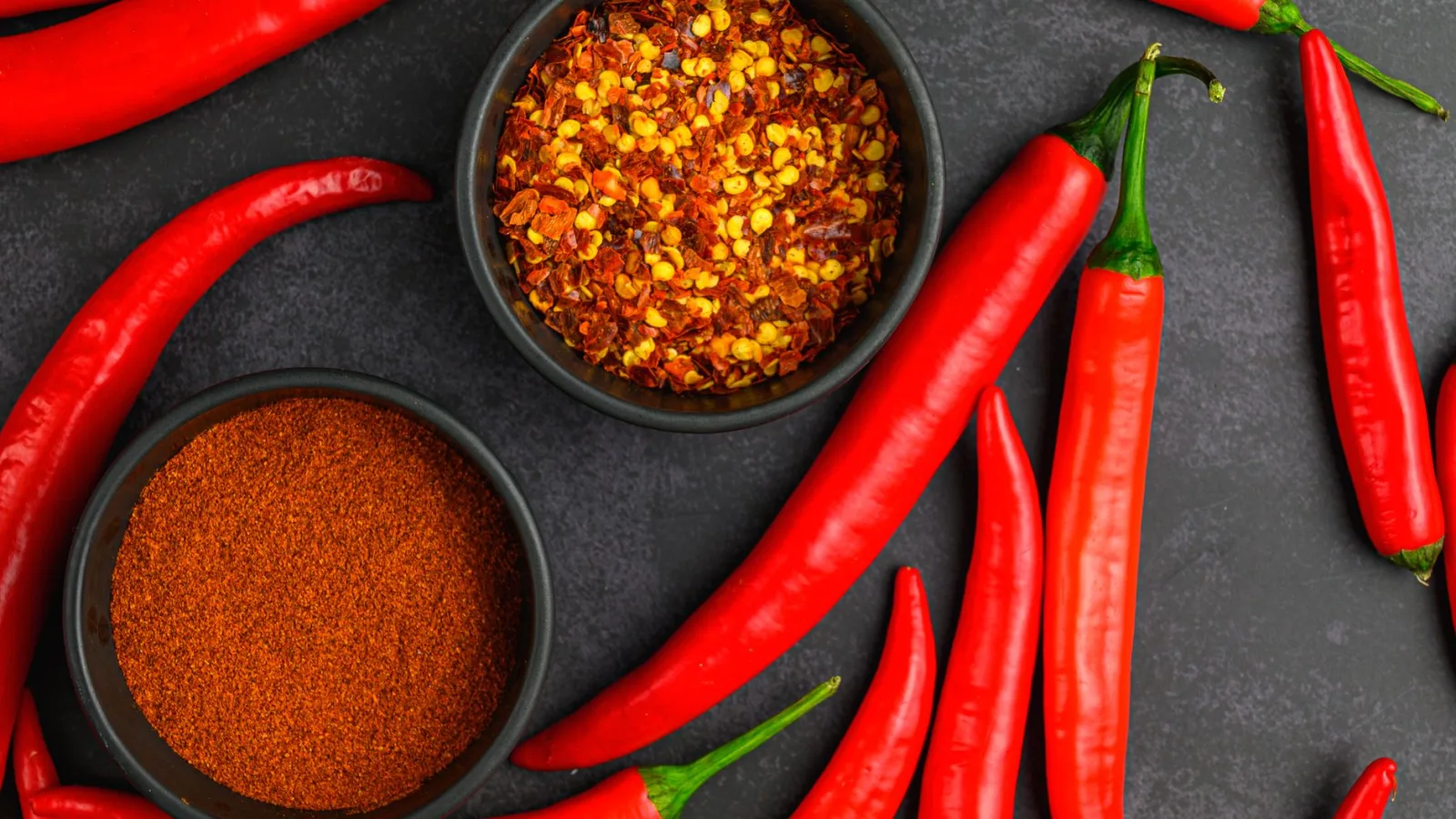
How Peppers Survive the Cold — Now We Can See It Happening Inside the Cell
New 2026 research pinpoints the enzyme pepper plants deploy when the thermometer falls — a cysteine protease that surges 11-fold at 4°C and switches on a cascade of antioxidant genes. Here's what's happening inside the cell, and what it means for your October garden.
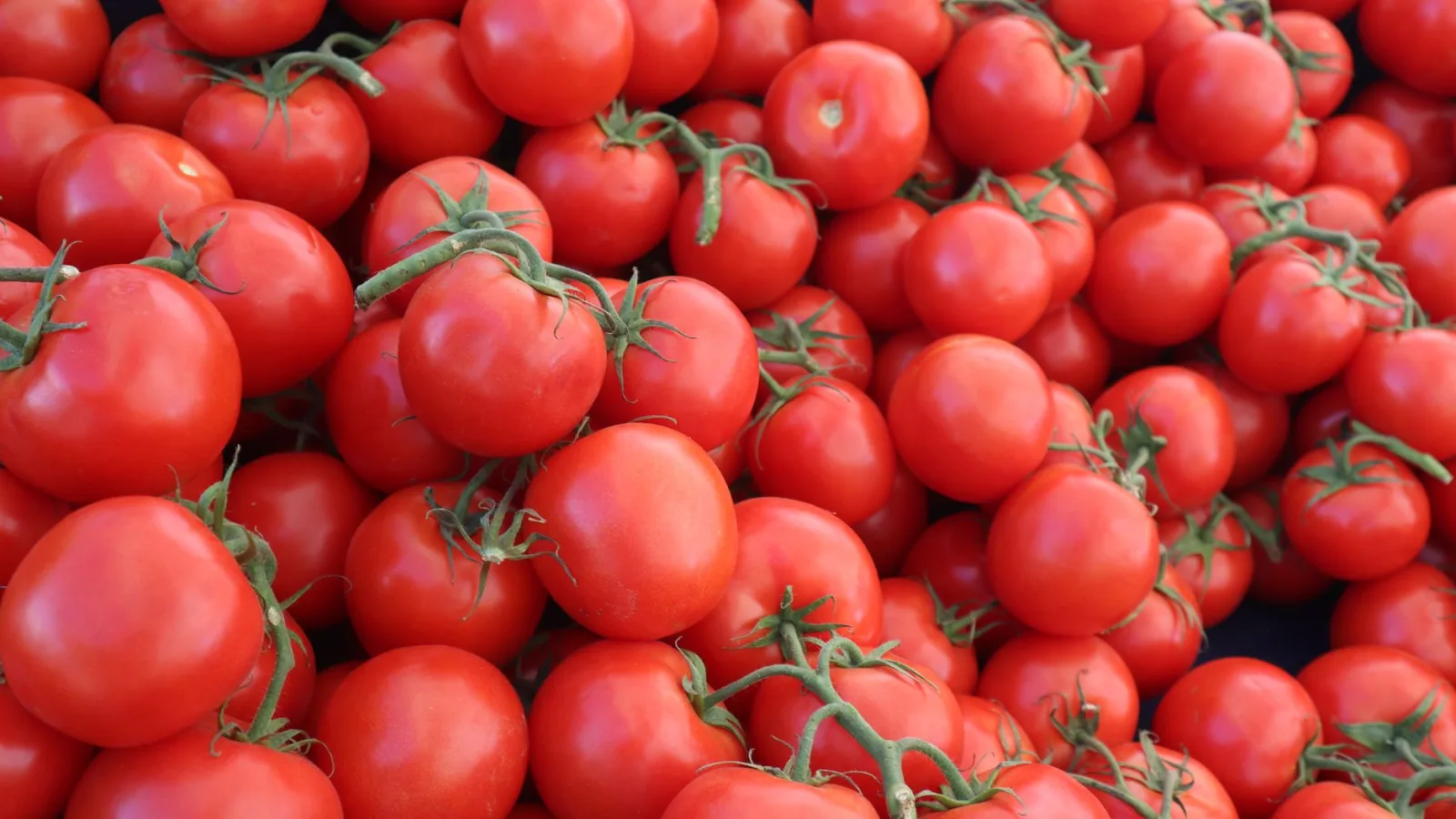
If Your Kitchen Reheats the Same Oil, Keep Tomatoes on Hand
Reheating cooking oil generates oxidation byproducts that a 2026 animal study linked to liver and brain damage in offspring — damage that eased in mothers who also got lycopene. The human-equivalent dose worked out to roughly 150 grams of fresh tomatoes a day.
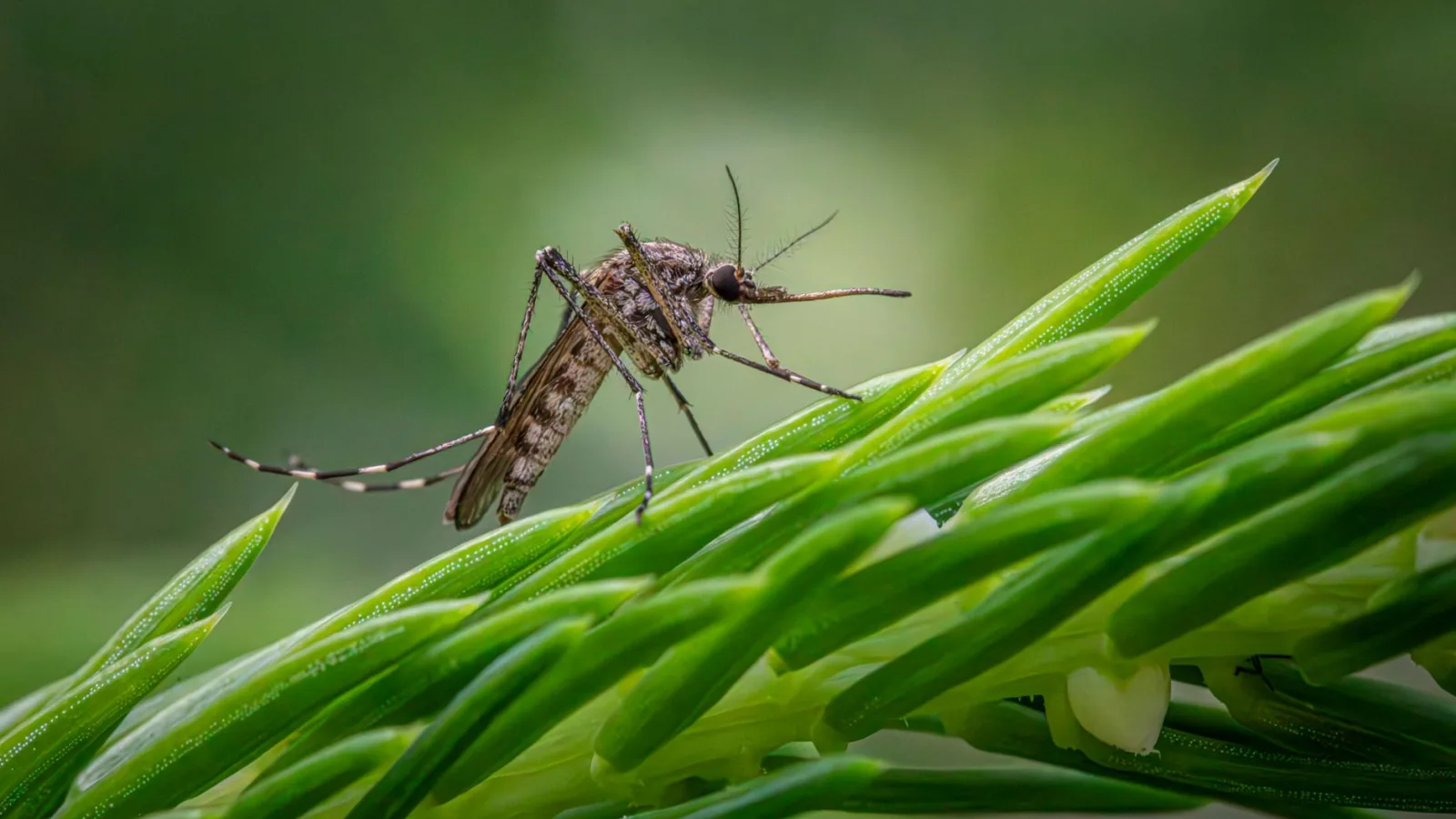
Why City Gardens Draw Fewer Mosquitoes Than Country Plots
A six-year mosquito study in eastern China found that growing crops raises mosquito counts slightly, while dense urban neighborhoods have 32–37% fewer mosquitoes than rural ones. Here's what that means for your rooftop bed or weekend plot.
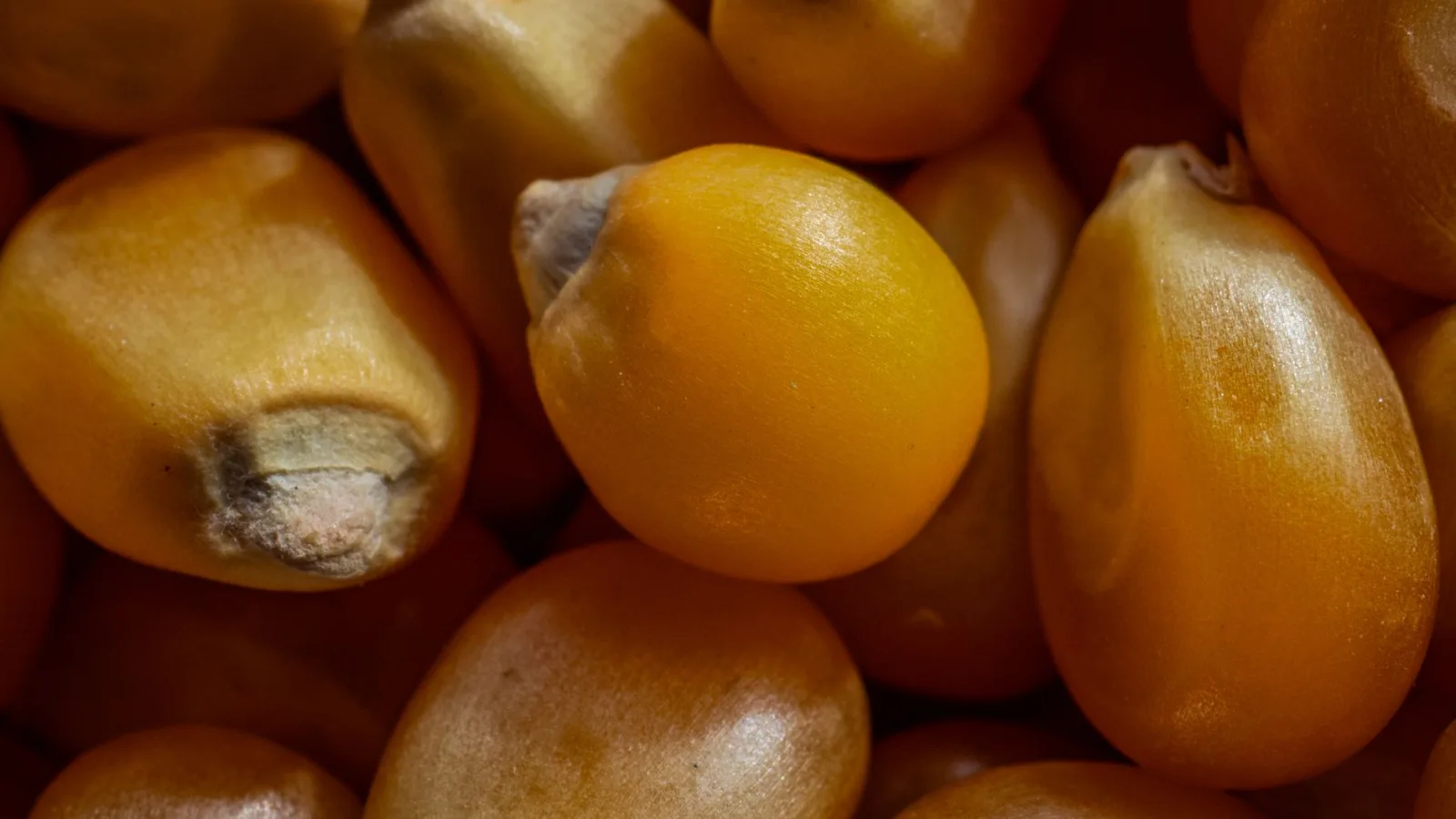
Finding the Genetic Switches Inside a Seed
Researchers in Germany trained an AI model on a small weed's genome — and it went on to predict gene-regulation sites in corn, a plant it had never seen. The finding could speed up how new crop varieties are bred and chosen.
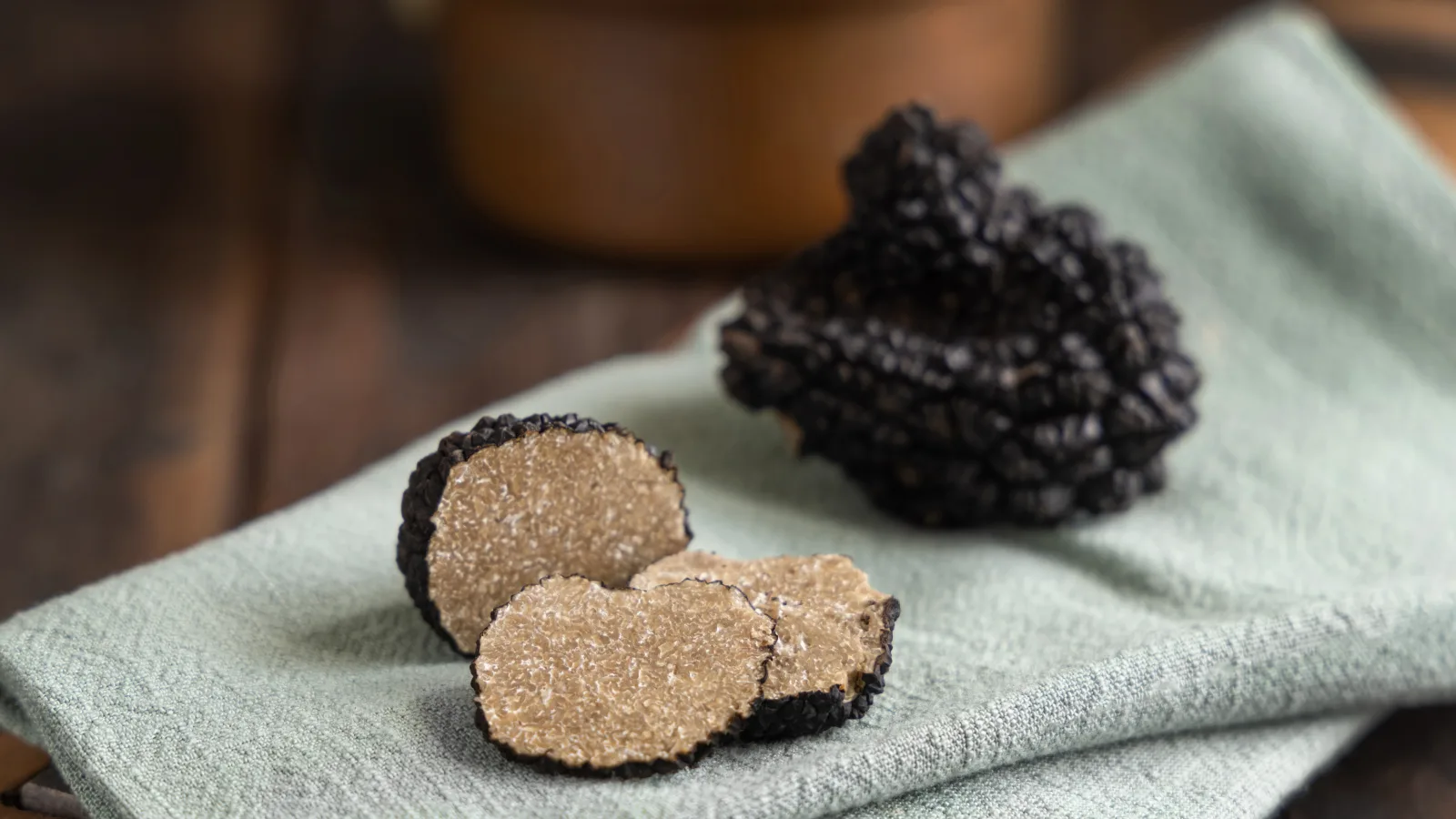
Why Do Truffles Grow Under Some Trees and Not Others?
Truffle growers have long blamed soil pH and lime content when a tree refuses to produce. New research from the University of Stirling points somewhere else: the community of microbes living around the roots — and the truffle may be shaping that community itself.
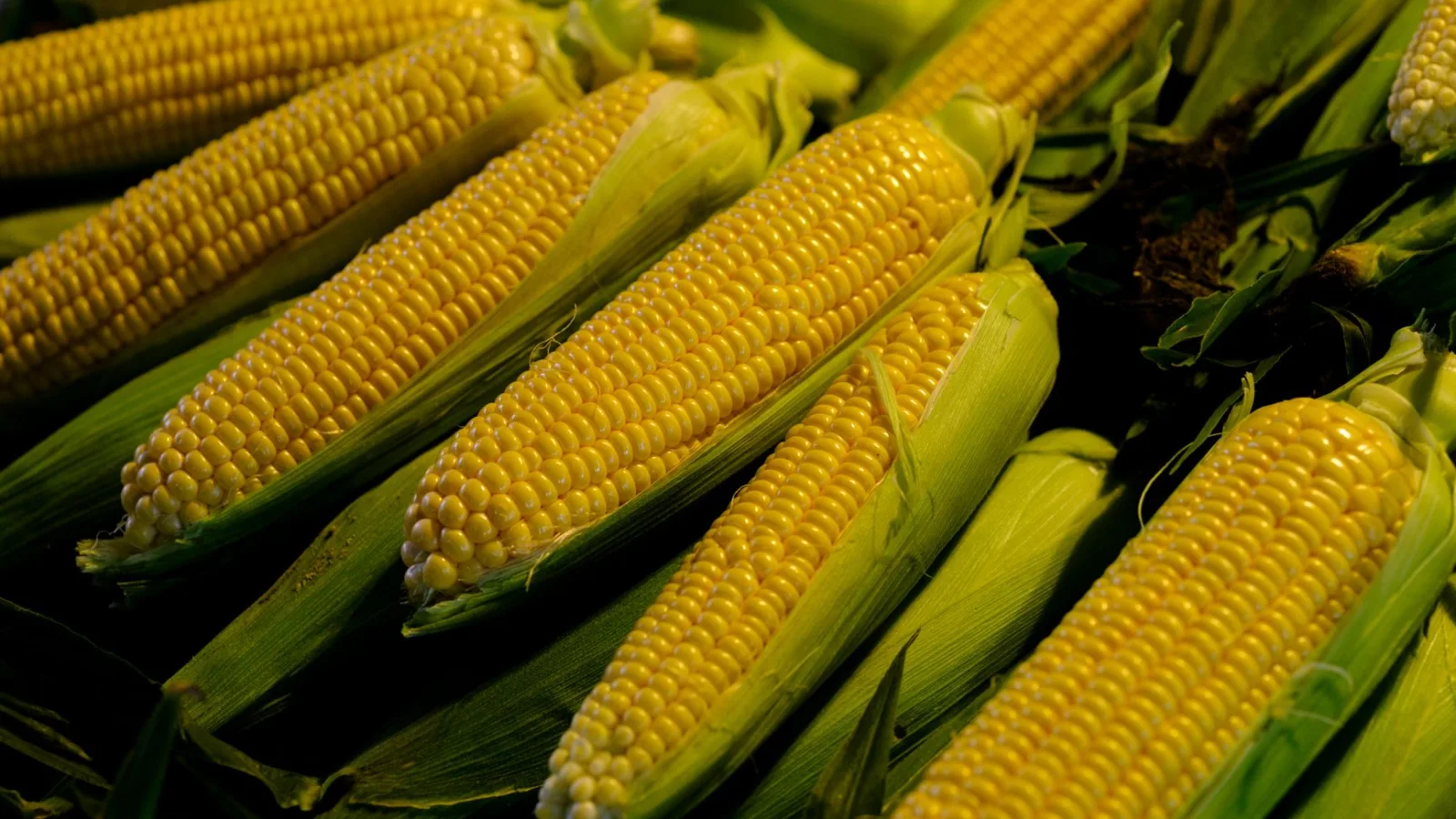
Corn That Takes the Heat Has Help Underground
When corn leaves curl in midsummer, most gardeners reach for the hose — but new research suggests the microbes in the soil around the roots are also part of how corn and sorghum handle high temperatures. Here's what that means for your garden bed.
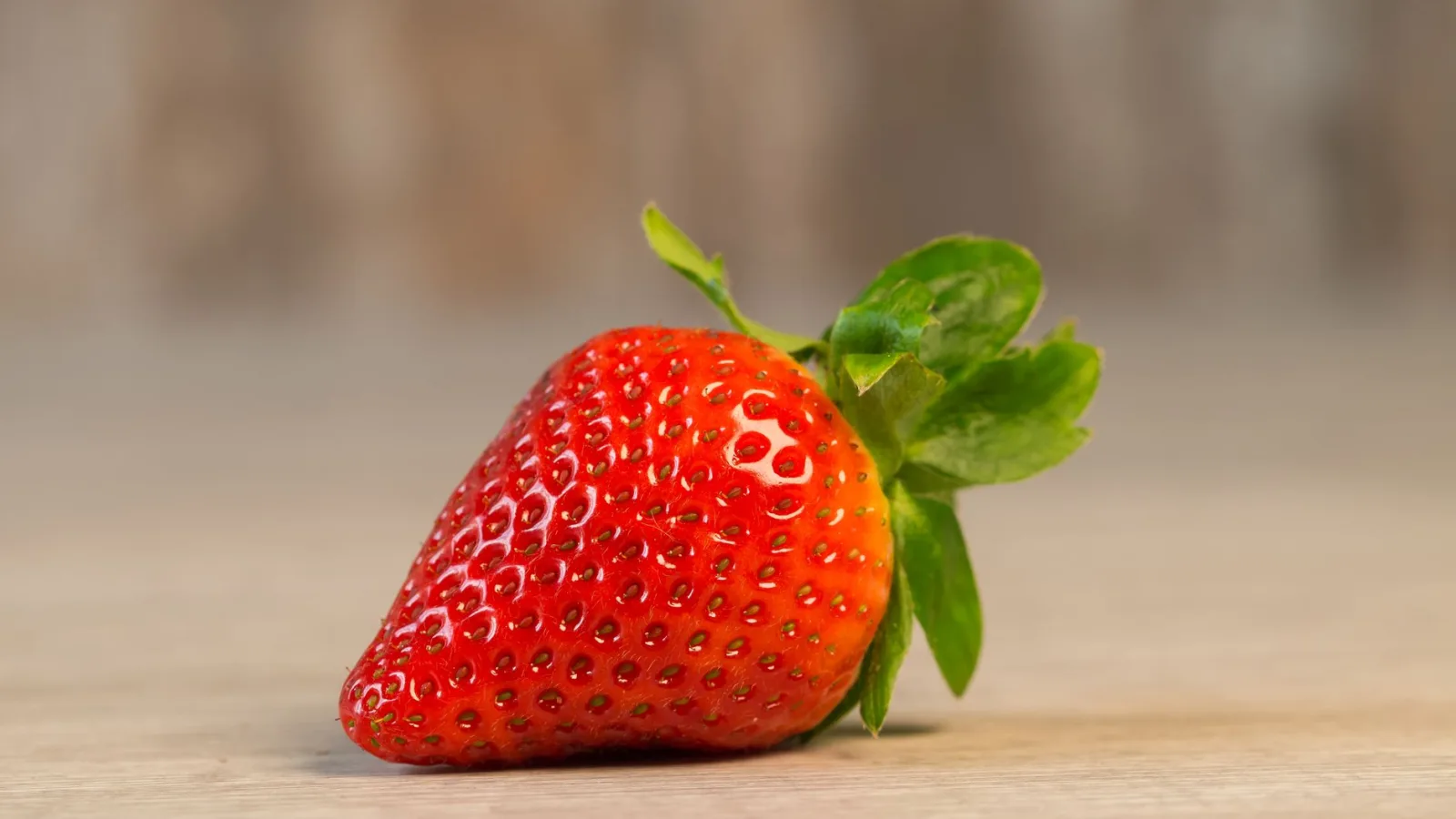
The Strawberry Wasn't Built in a Day
The strawberry in your palm carries the record of at least four wild genomes that merged over tens of thousands of years — and new DNA research has finally sorted out the order they arrived in. Plus how to choose and grow the right cultivar in your own plot.
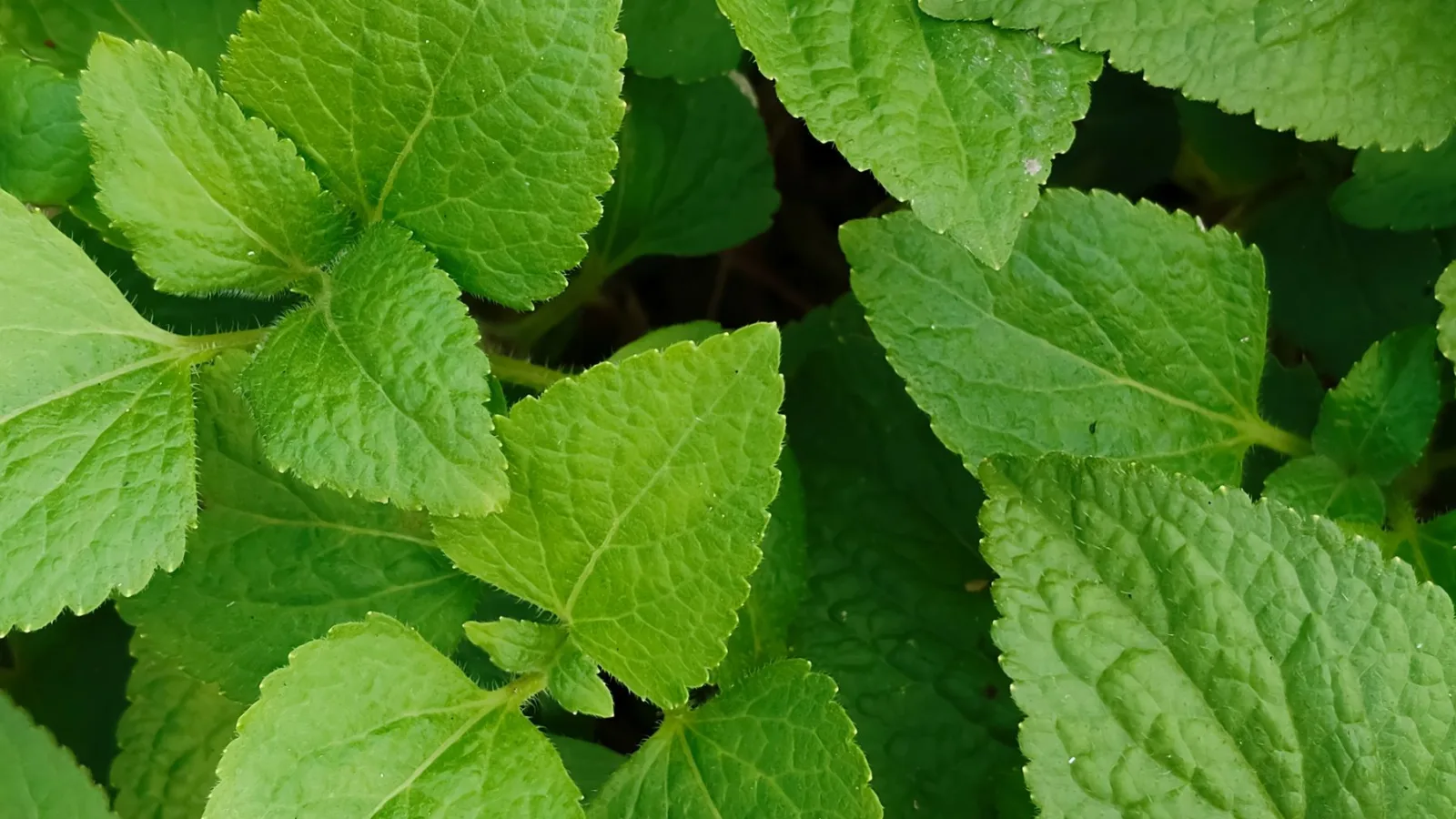
Soil and Water Decide How Your Spearmint Smells
A study of four mountain growing sites in Kashan, Iran, found that identical spearmint produced wildly different essential oils depending on altitude, soil, and moisture — oil yields ranged from 1.08% to 5.04%. The lesson for home gardeners: what you put in the pot shapes what you smell in the leaf.
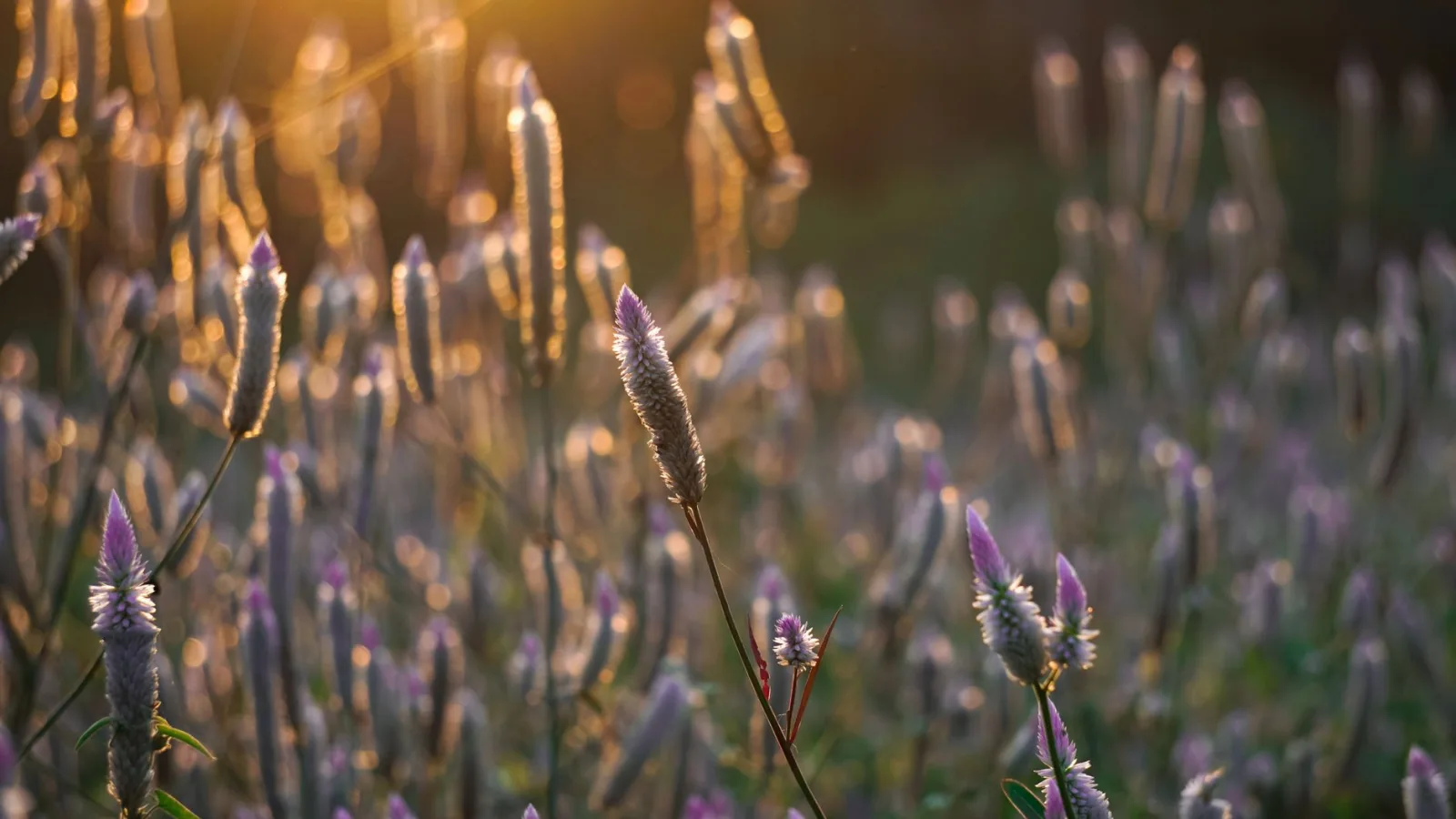
The Plant That Came Back After 60 Years
A birder in outback Queensland photographed an unfamiliar shrub and uploaded it to iNaturalist — and a botanist recognized a plant that hadn't been collected since 1967. The rediscovery started with nothing more than the habit of stopping in front of a plant you can't name.
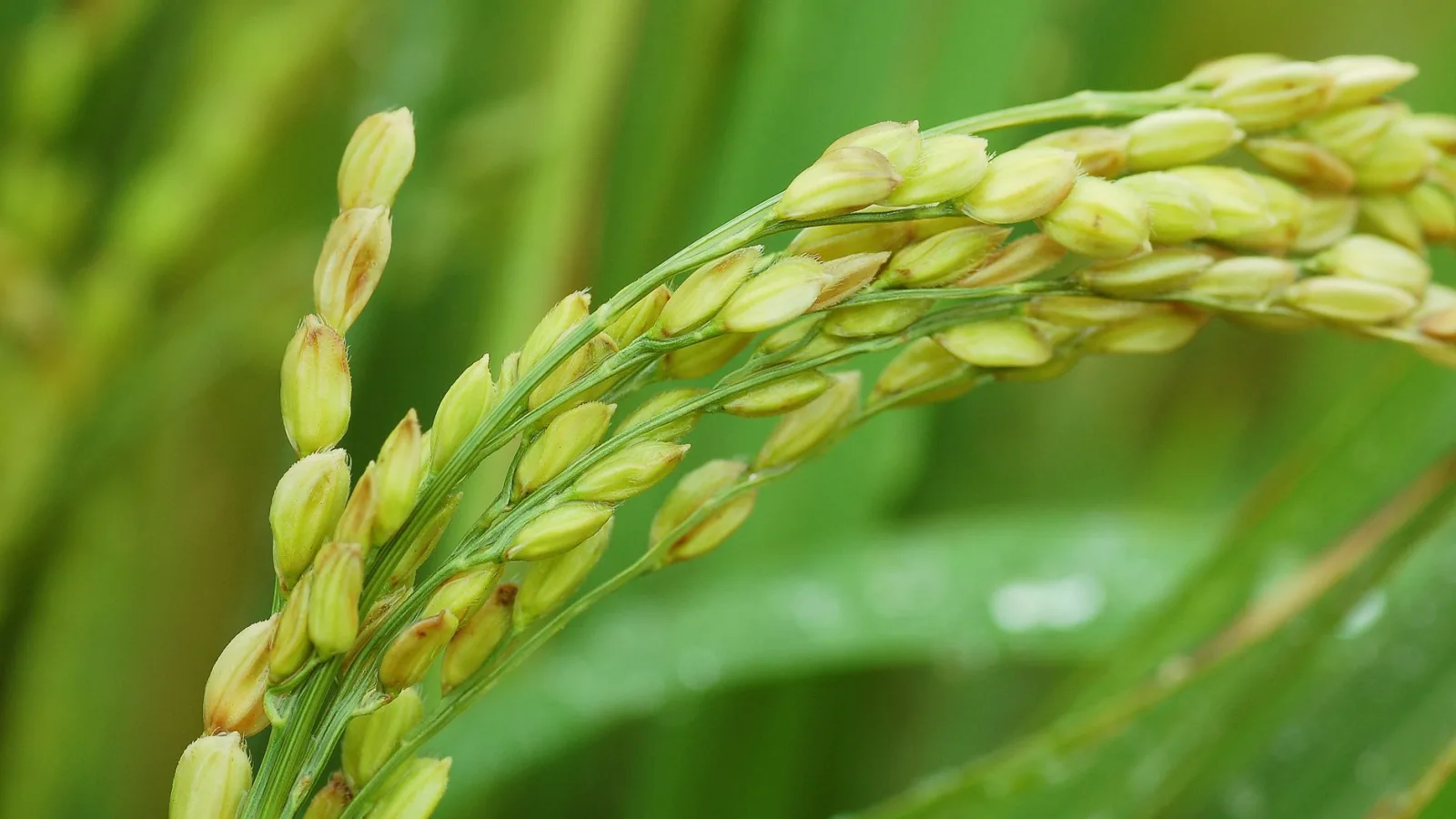
Selenium Helps Rice Take Up Less Heavy Metal
When rice paddies are contaminated, rice plants pull cadmium and arsenic into the grain. Researchers found that a trace element, selenium, prompts roots to release more oxygen and build a protective iron crust that keeps those metals out.
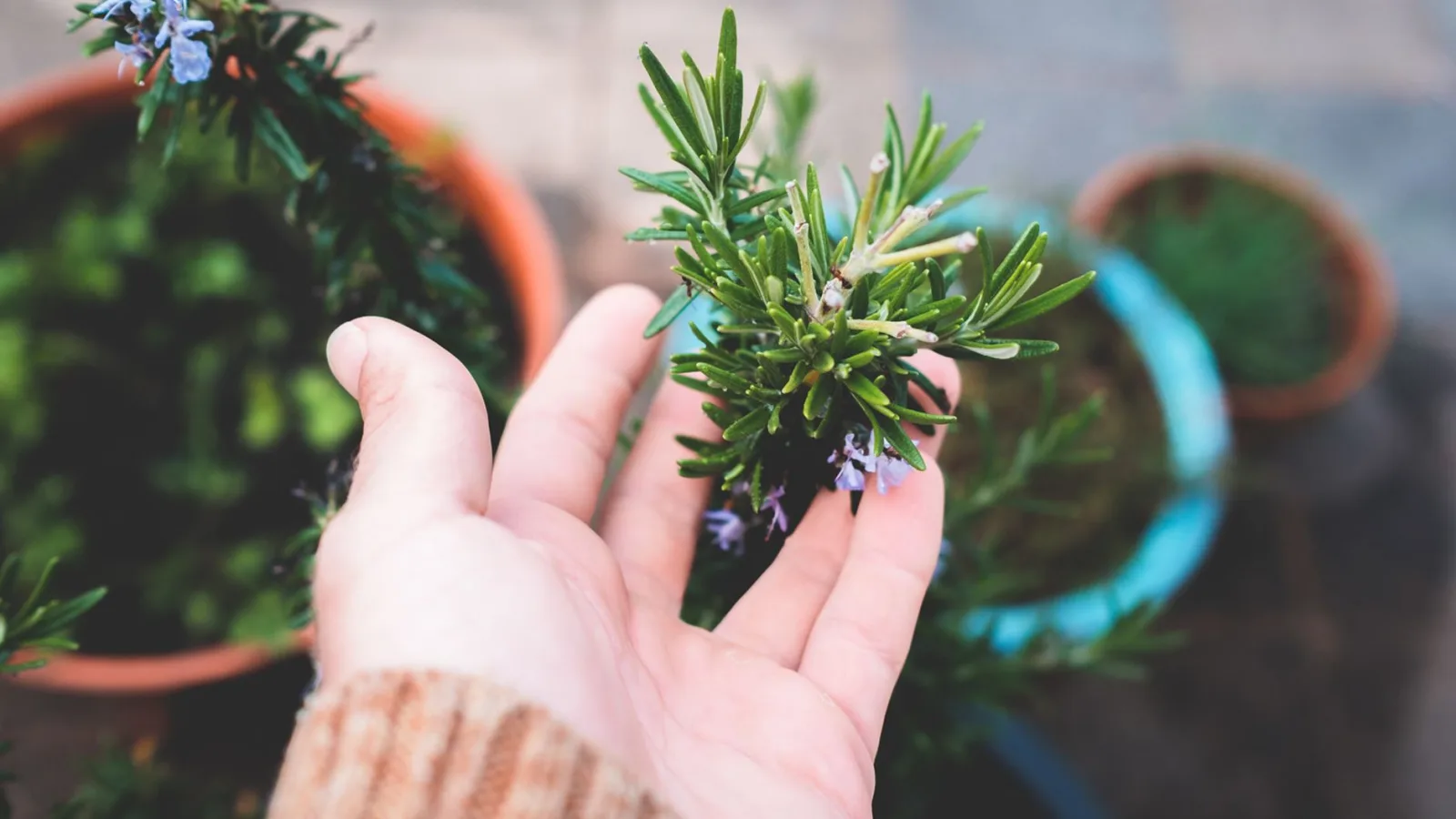
One Rosemary Plant, Now a Subject of Brain Health Research
A 2026 study examined whether extracts of rosemary and apple mint could protect nerve cells, using an intranasal delivery gel in a mouse model of Parkinson's disease. The results are early-stage, but they put a familiar windowsill herb under the microscope in a new way.
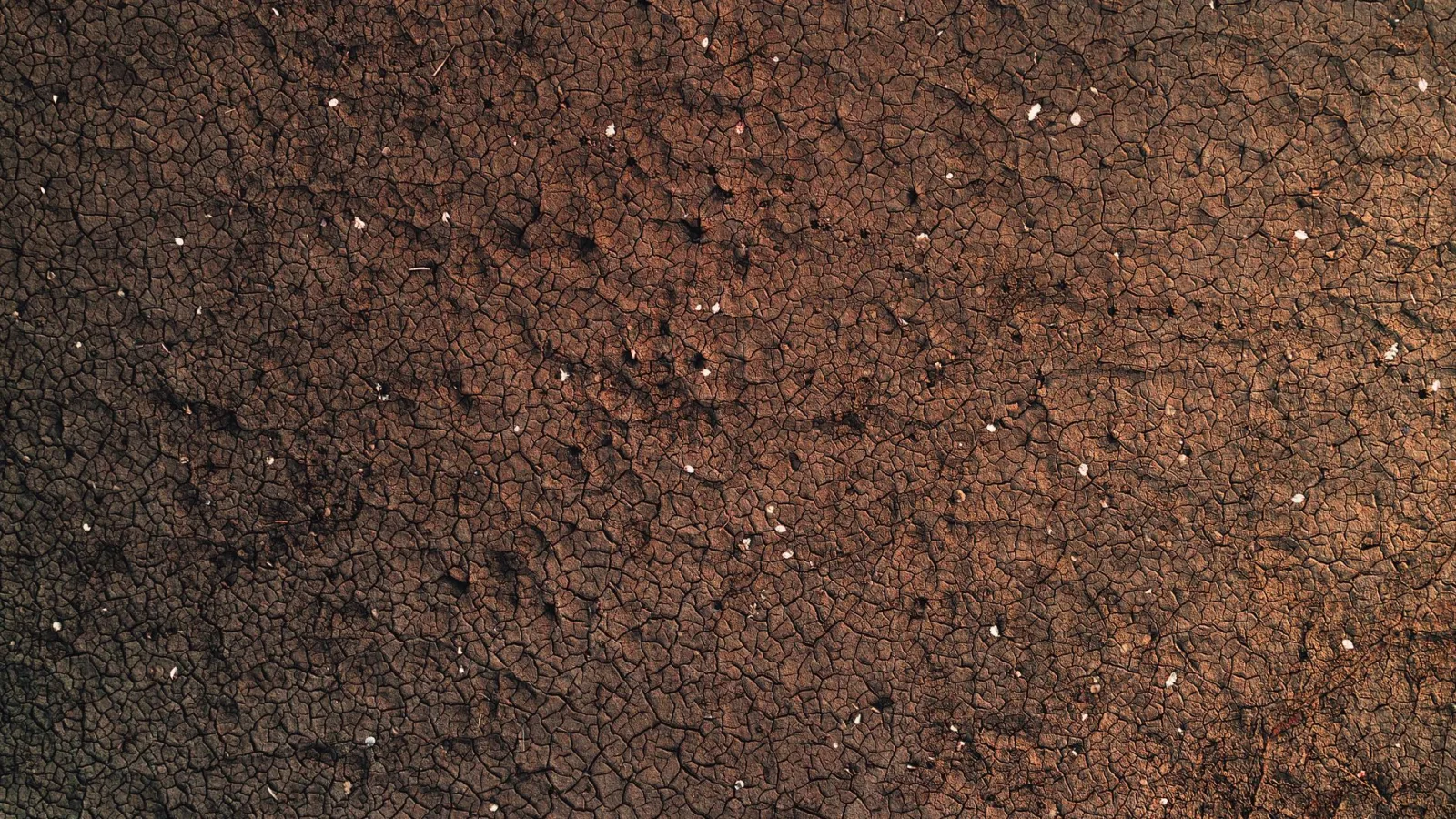
Soil Breathes, Too
A large analysis of forests worldwide finds that nitrogen first speeds up soil microbes, then—past a certain point—slows them dramatically. Here's what that tipping point means for the ground under your own garden beds.
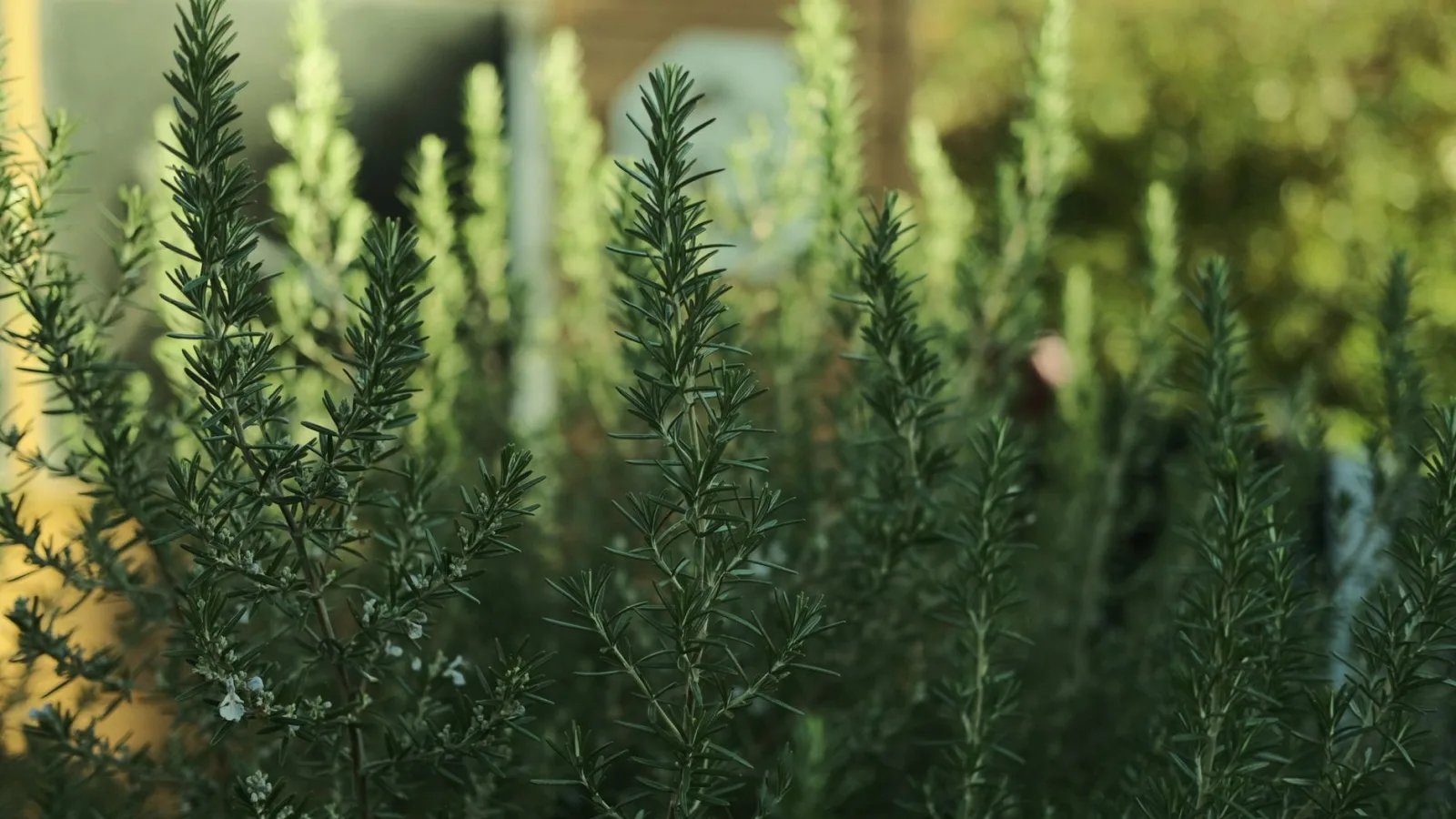
Rosemary and Propolis: Two Everyday Helpers for a Tired Body
Rosemary and propolis are both loaded with antioxidant compounds, and a recent study fed them to ewes in late pregnancy to see how the liver handled the extra energy demand. The findings are promising, though they come from sheep, not people.
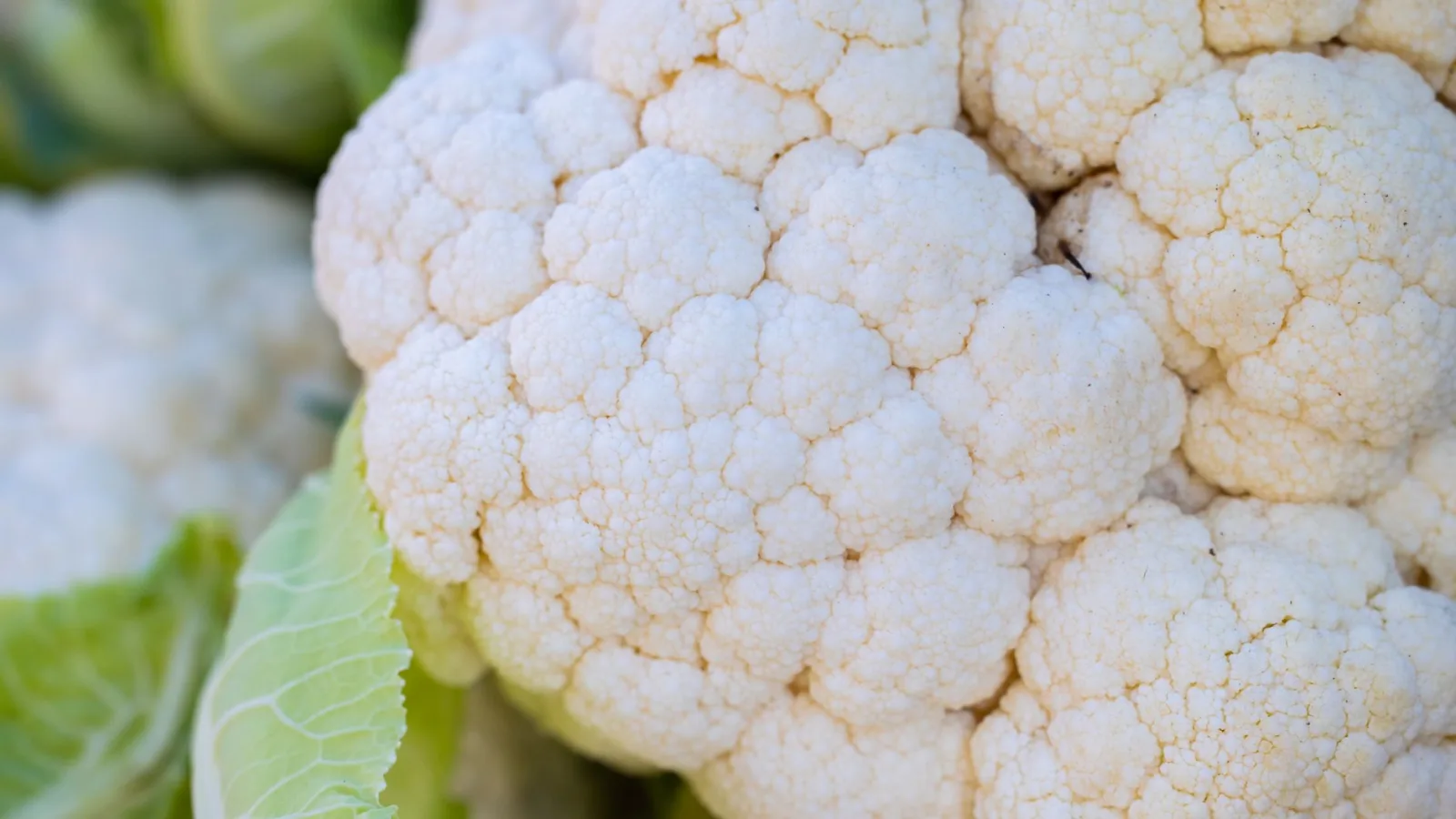
There's Protein in the Cauliflower Leaves You've Been Throwing Away
The big outer leaves you cut away from a cauliflower head are packed with protein, fiber, and vitamin C — but most of that protein stays locked inside tough cell walls. Researchers at RMIT University have found a way to open those walls with ultrasound, and there's plenty a home gardener can do with the leaves in the meantime.
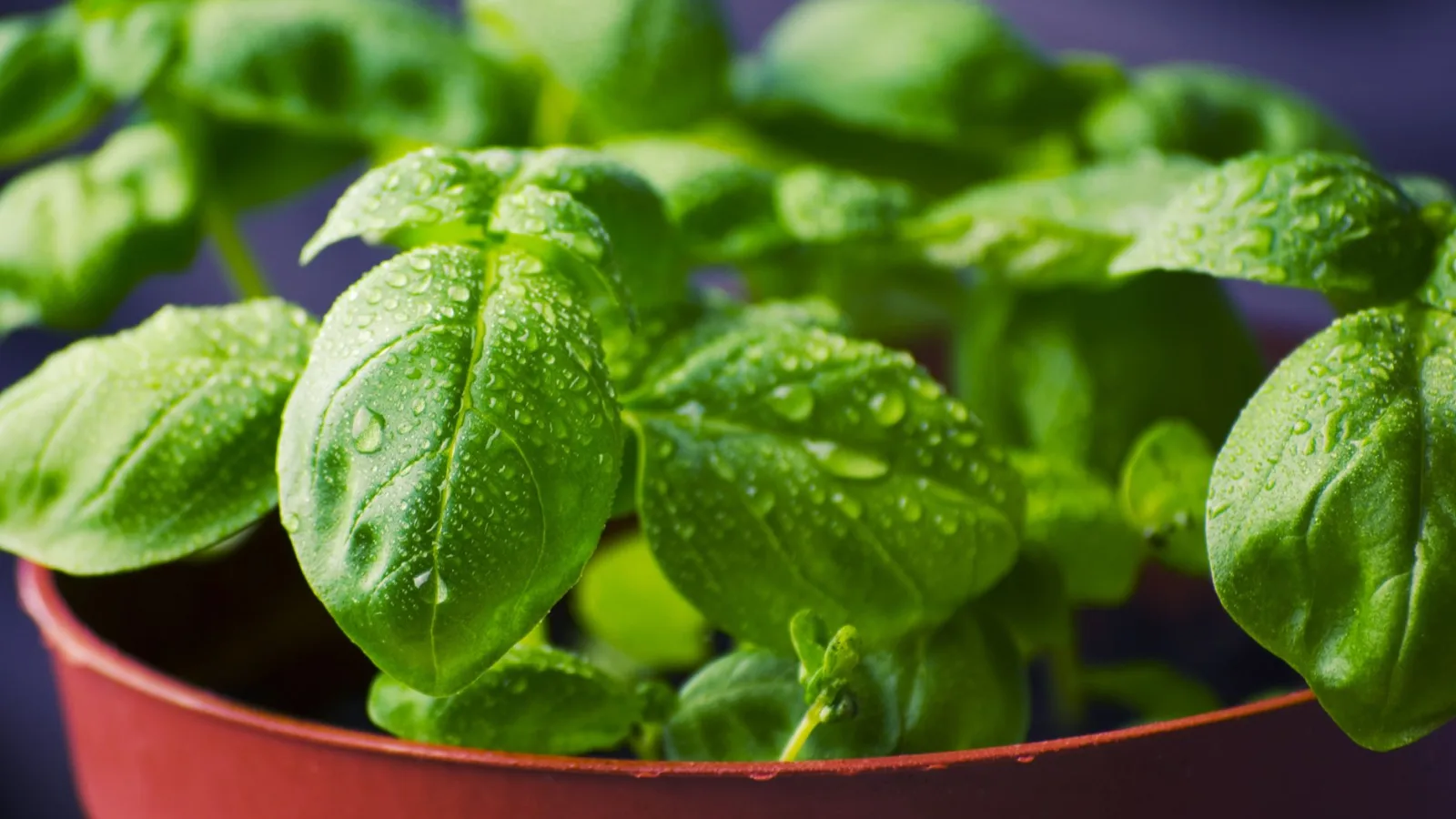
Greenhouse Basil Tastes Better in Half-Shade
A two-season greenhouse study found that cutting light by about half preserved basil's antioxidants while boosting the aroma compounds eucalyptol and linalool. Full shade kept the plant photosynthesizing but stripped out much of its polyphenol content.
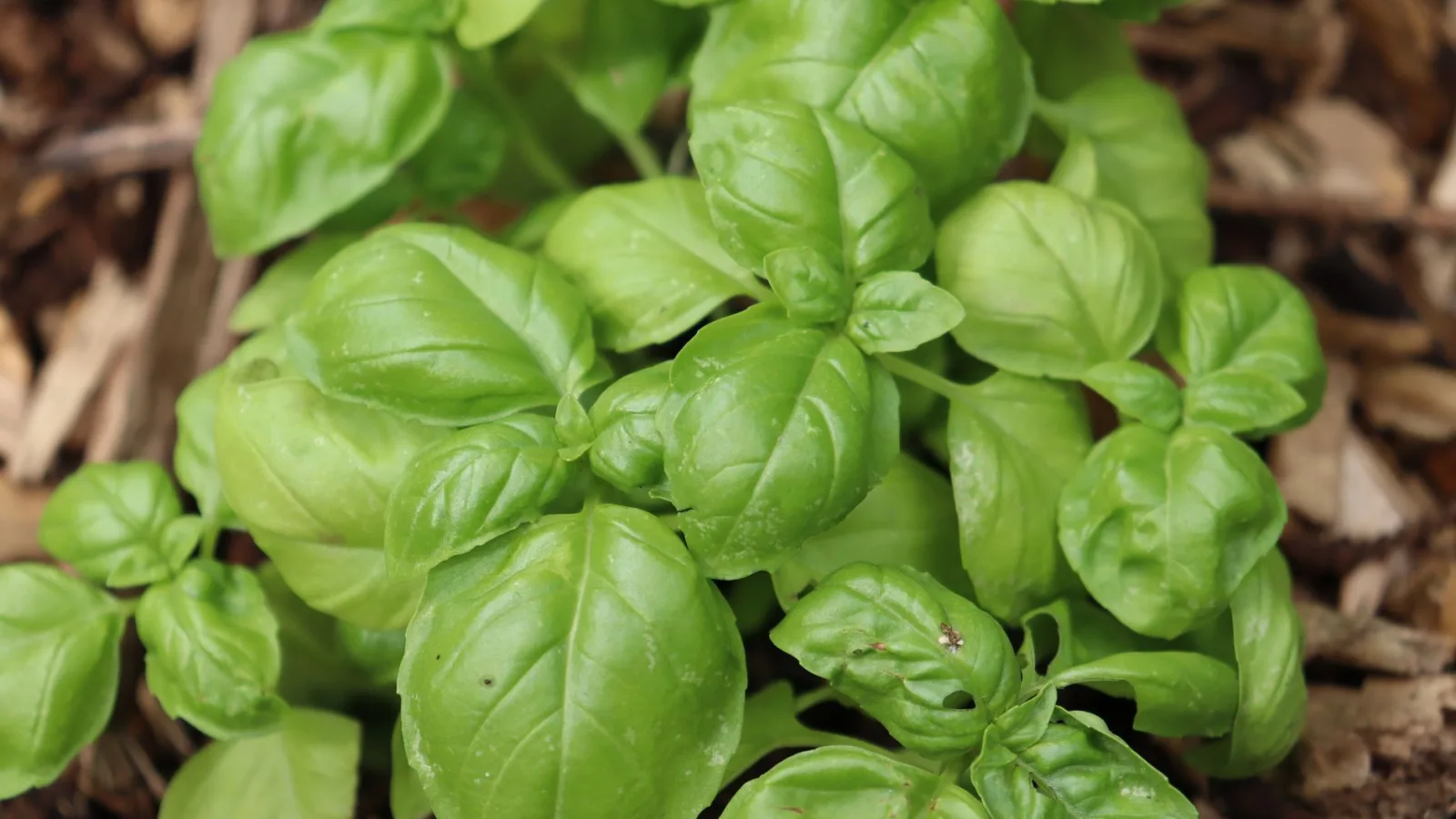
Basil: The Story Behind That Fragrance
Basil's familiar aroma comes from compounds like rosmarinic acid and luteolin — and in a lab study of an Omani basil extract, higher doses left fewer colon cancer cells alive. It's an early, cell-dish finding, not a reason to call basil a cancer fighter.
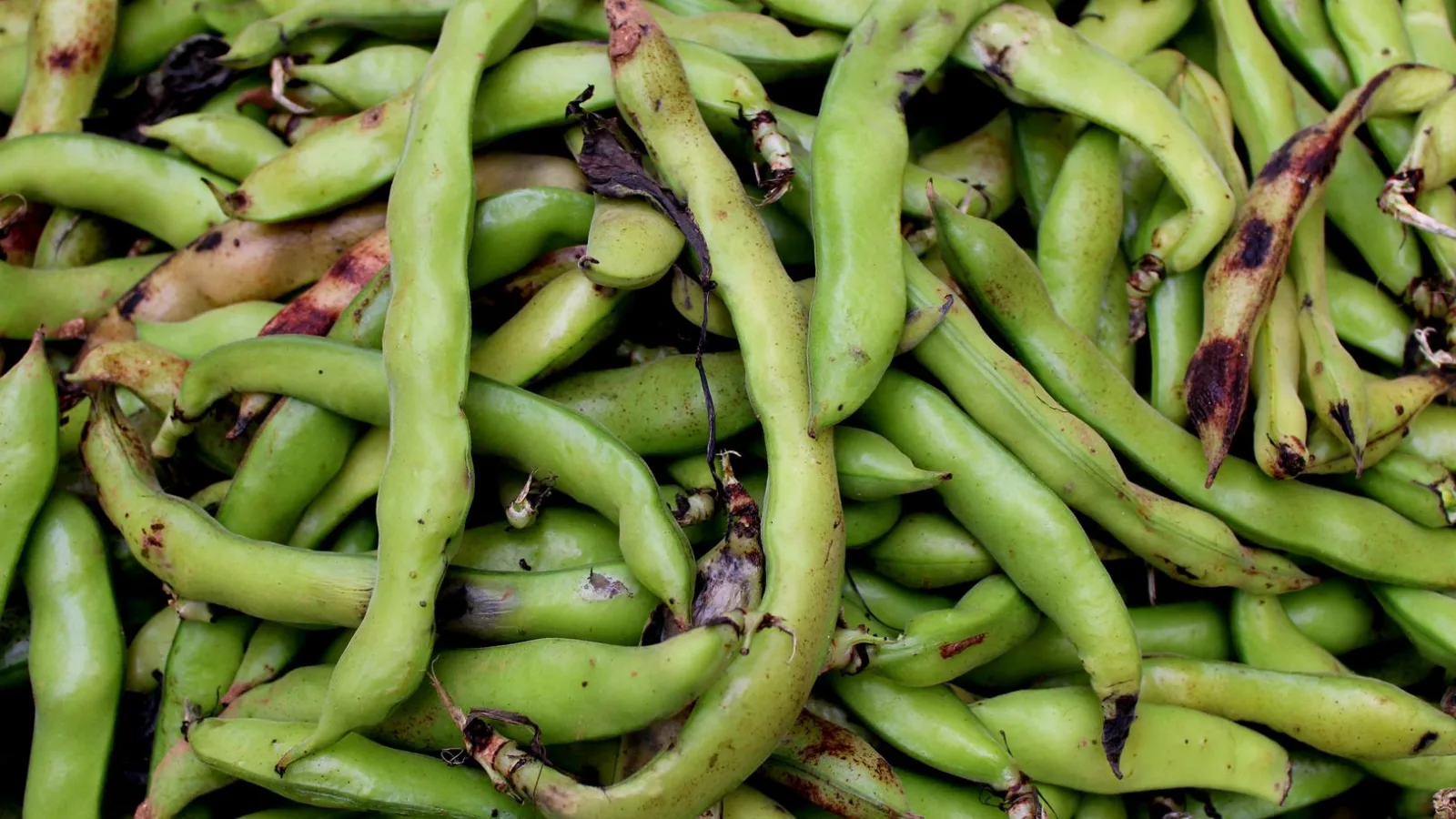
Eating Soy Early in Life May Change Breast Health
For more than three decades, researchers have been testing whether eating soy in childhood lowers breast cancer risk in adulthood. The evidence is suggestive but not settled — and it starts with the tofu and doenjang already on the table.
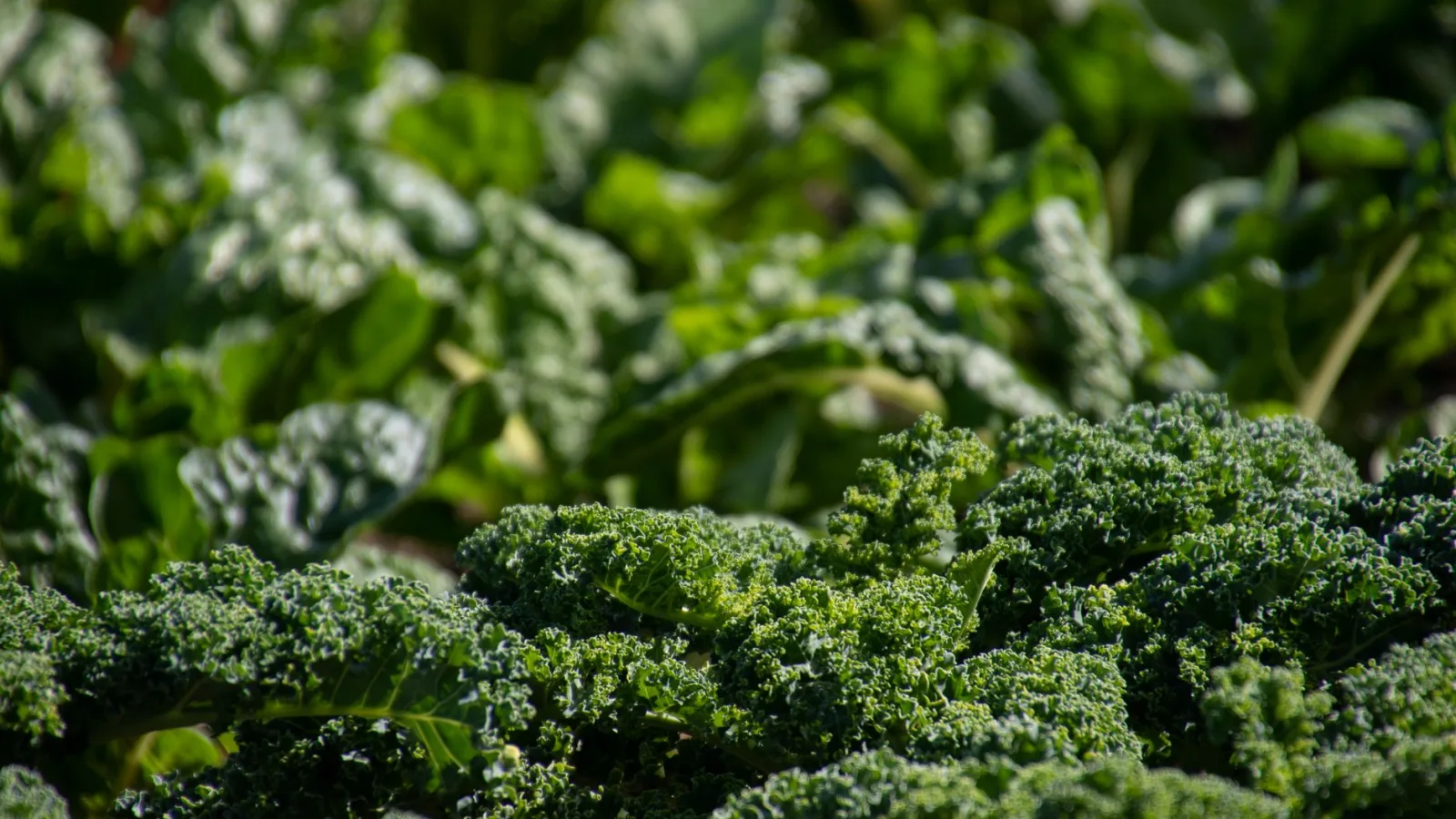
How Garden Vegetables Reach Your Brain by Way of Your Gut
The microbes in your gut turn what you eat into compounds that can influence brain function — and leafy greens from your own garden are among the best raw material. Broccoli sprouts, ready in a week from seed, have become one of the most studied vegetables in this field.

Medicine Works Better in a Well-Tended Body — and That Starts at the Table and in the Garden
A research review finds that diet and daily movement influence how antibiotics are absorbed, distributed, and broken down in the body — and may even play a role in how resistance develops. Good news for anyone who spends their evenings among the rows.
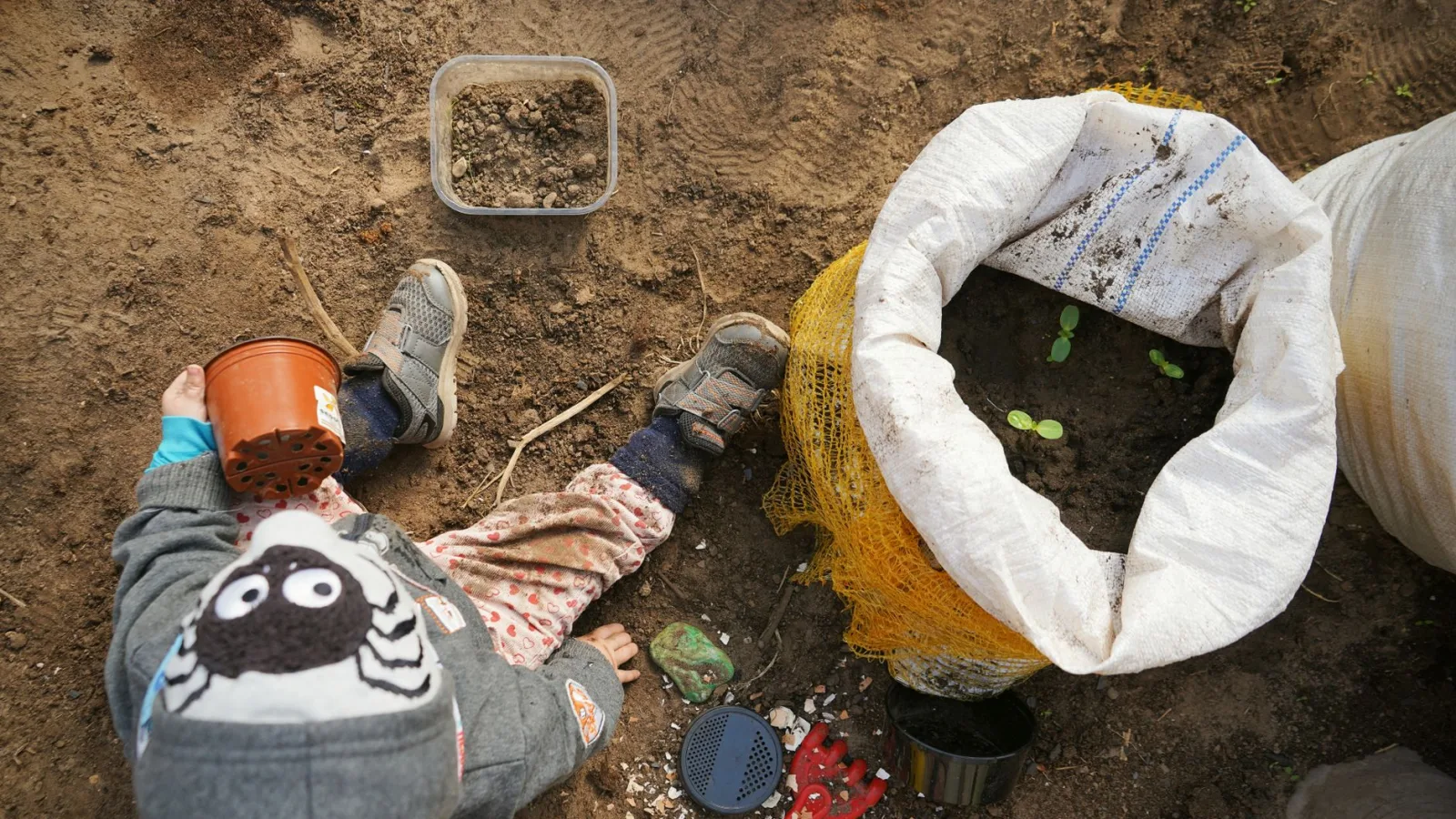
Dirt Under Their Fingernails
Preschoolers in Gyeryong City spend a full growing season returning to the same garden plot—planting seeds, watering, watching, and finally harvesting. What they learn there doesn't fit on a worksheet.
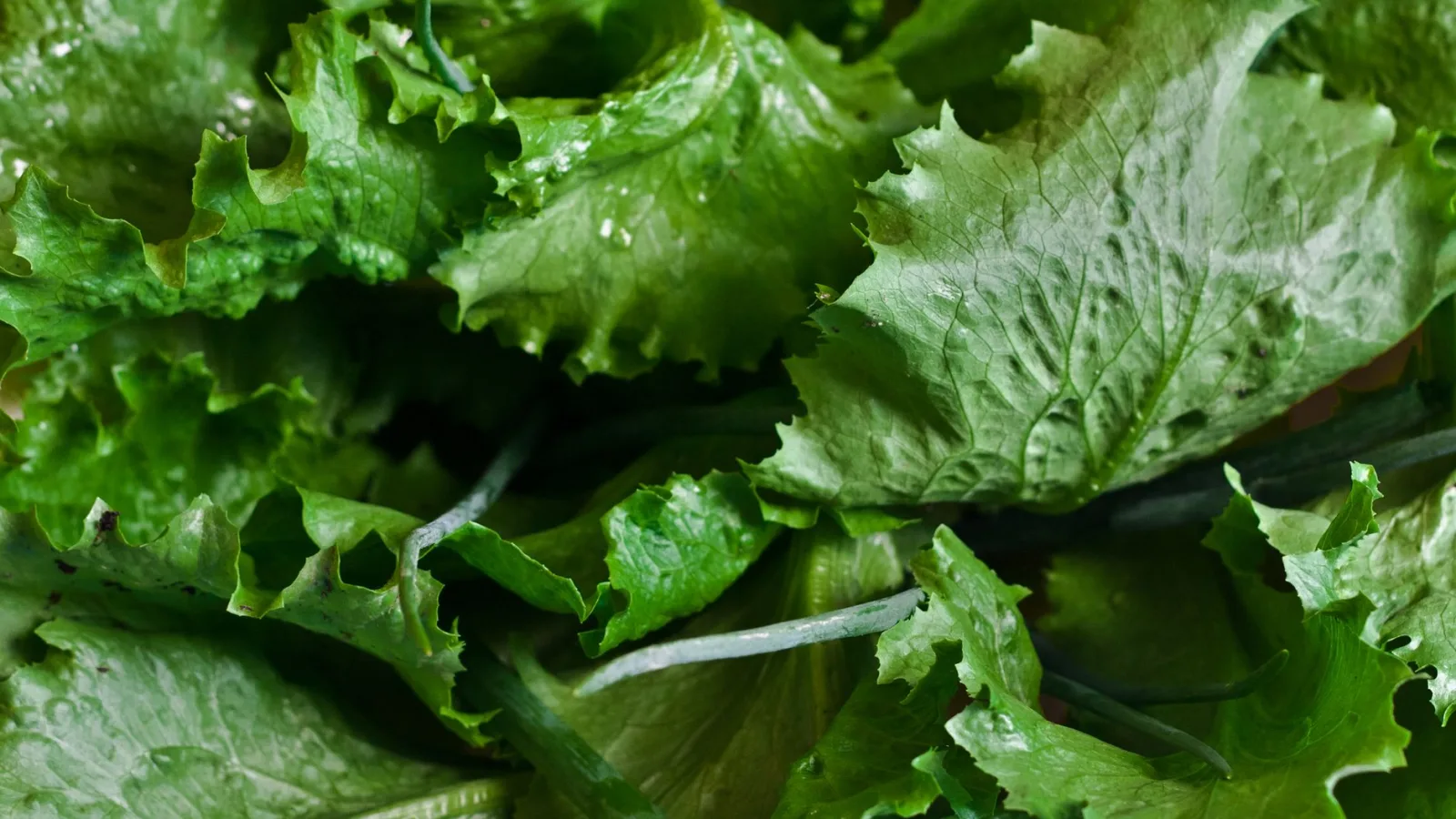
Why Your Lettuce Can Thrive on Less Phosphorus
Pale, undersized lettuce late in the season is often a phosphorus problem, not a watering one. A 2026 study found that humic substances extracted from leonardite, an oxidized lignite mineral, helped lettuce pull more phosphorus from the same soil.
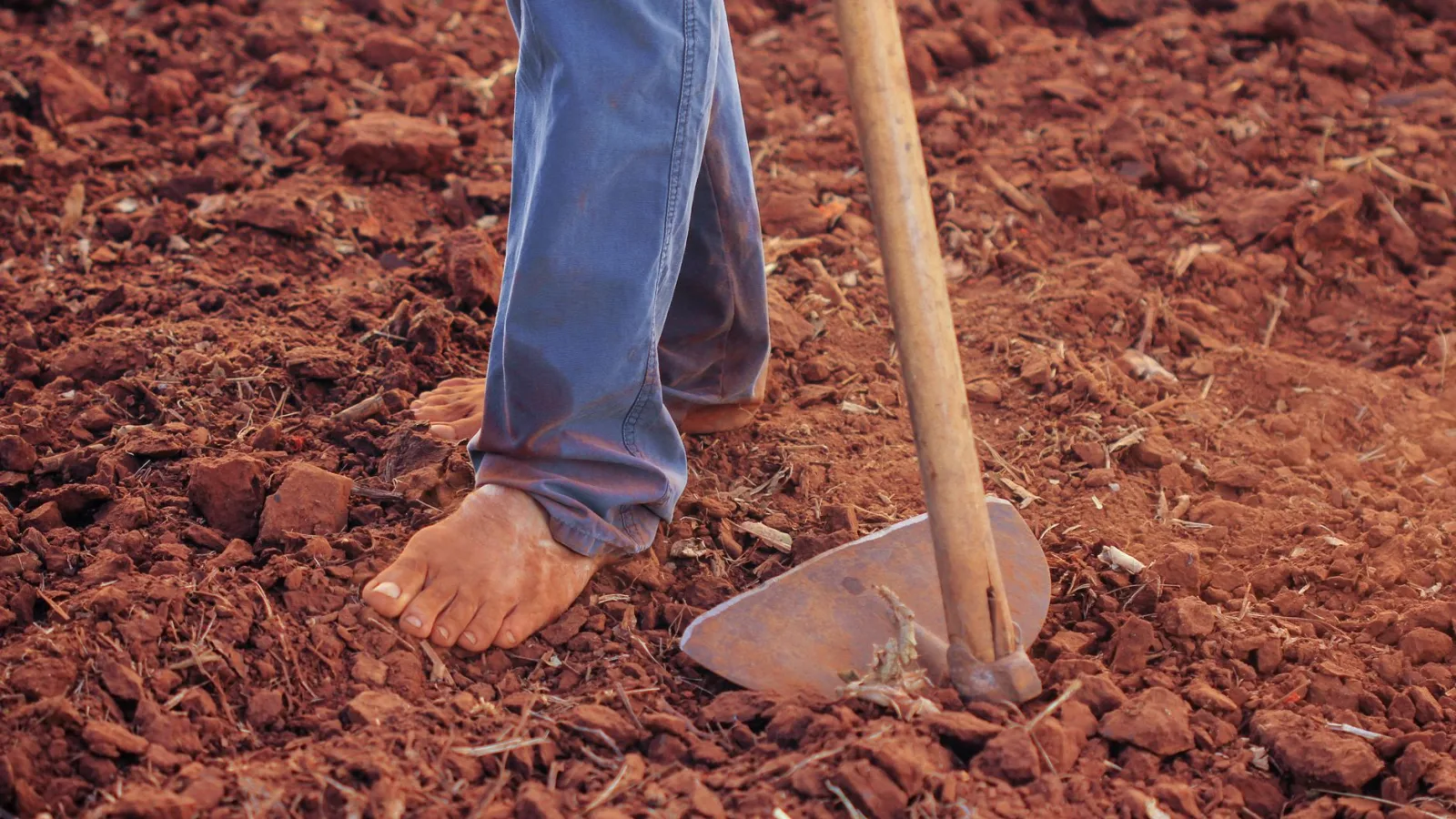
The Season Teachers Reach for a Hoe
Teachers in Chungbuk recently spent a training course learning to plant and tend vegetables themselves, on the theory that you can't hand a child a seed you've never grown. The same lessons transfer, more or less unchanged, to two or three pots on a balcony.
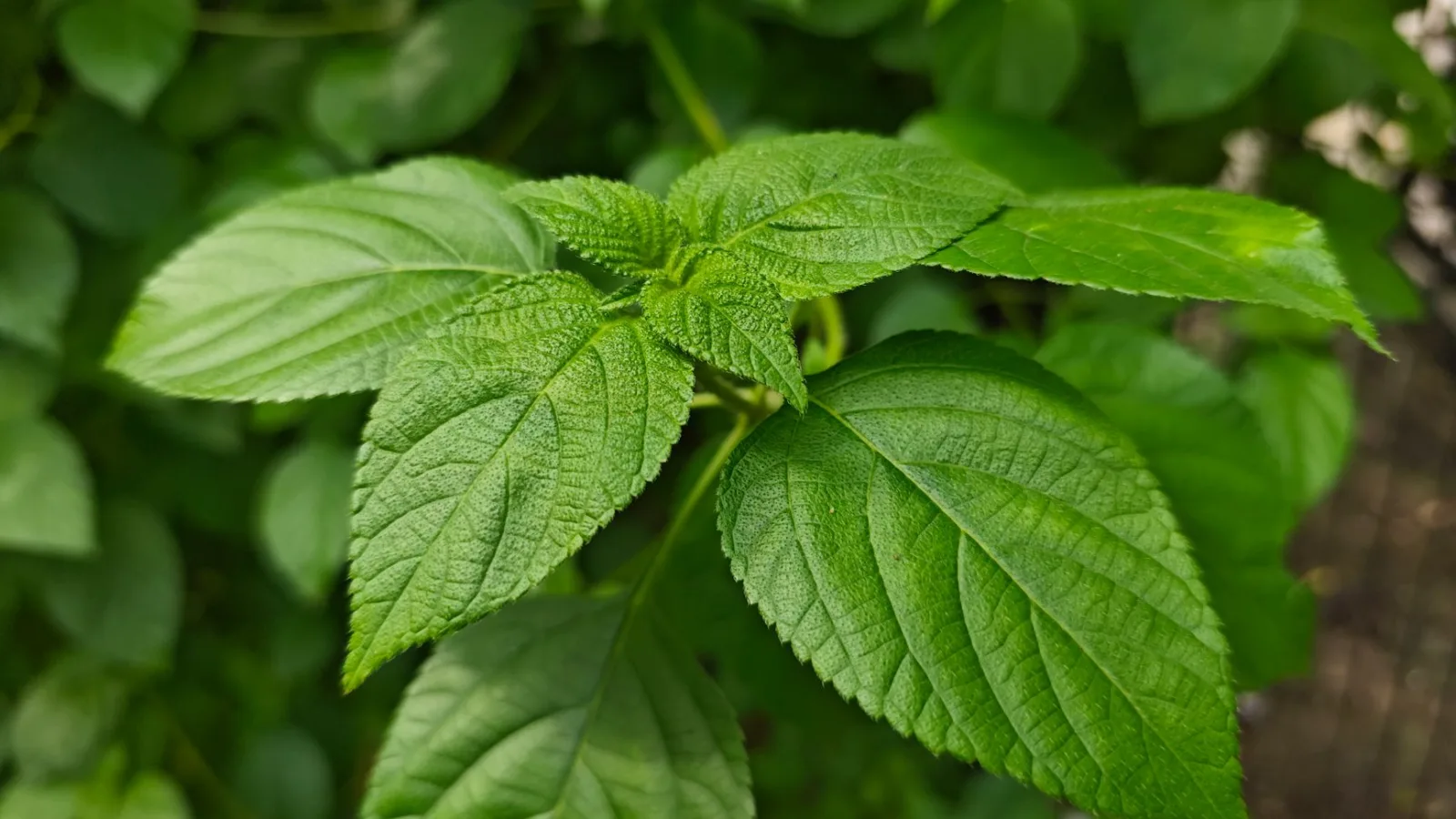
Summer Perilla Leaves: Keeping That Scent Alive
Midsummer perilla leaves are at their most fragrant, and a single harvest can fill a basket faster than you can eat it. Here's why the scent peaks in the heat, what the leaves do for you, and how to store them so they last a full week.
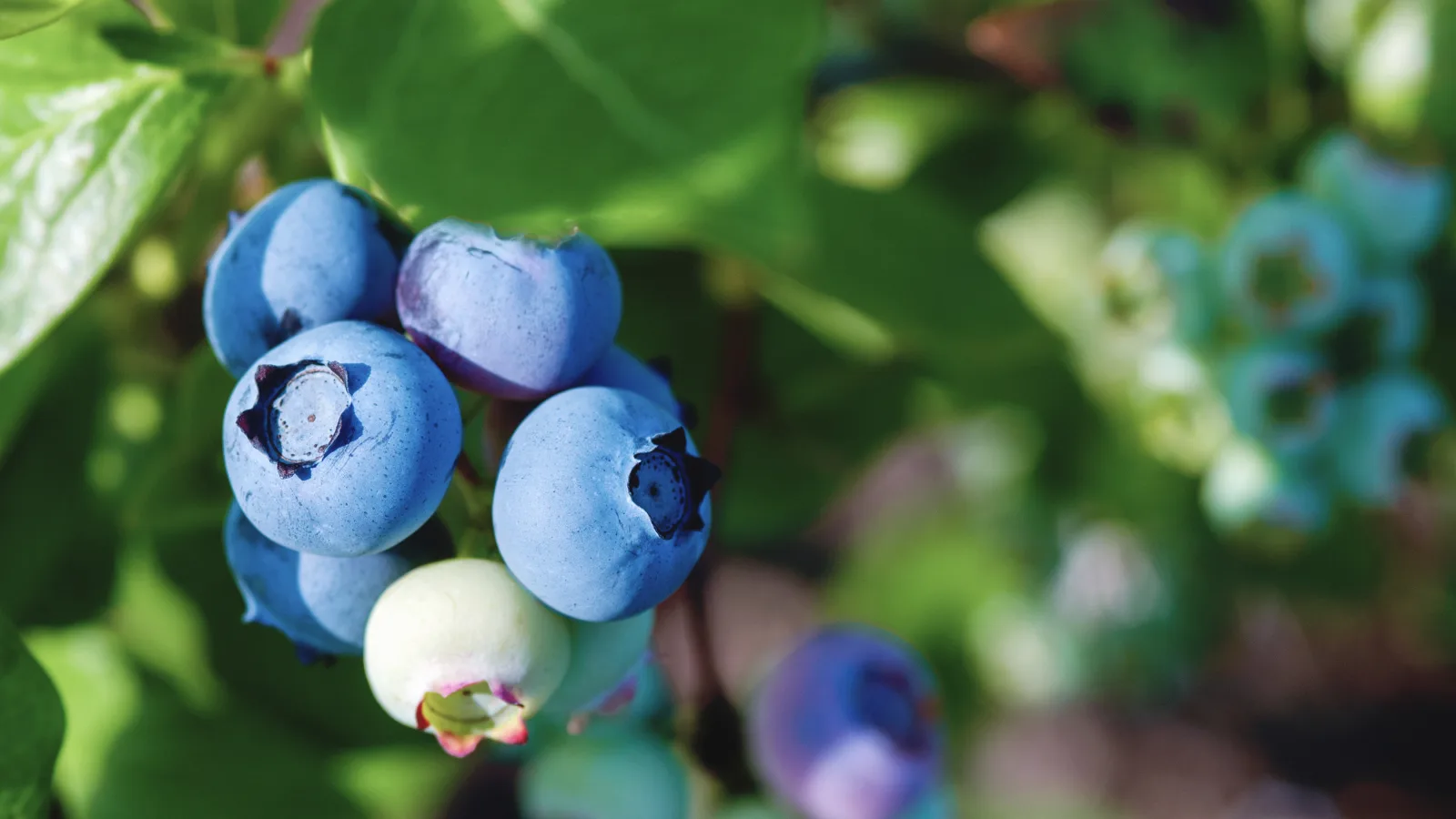
What a Handful of Blueberries and a Knob of Ginger Are Doing
Late-summer garden picks — blueberries, ginger, fall greens — carry plant compounds that nudge the body's own antioxidant defenses. Here's what the research actually supports, and how to cook so more of it survives.
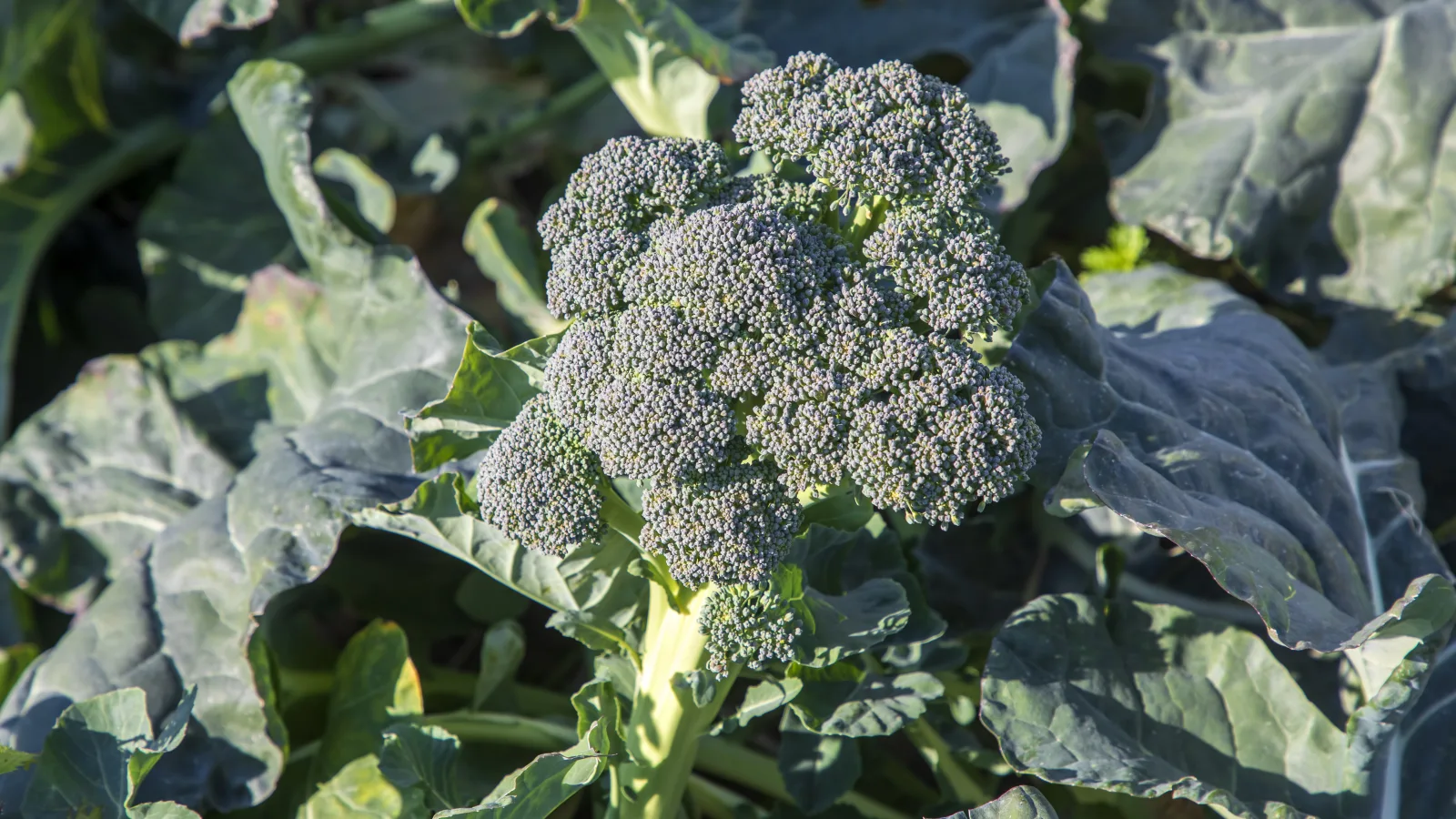
Don't Toss the Broccoli Leaves and Stems
Harvest a broccoli plant and most of it — the thick stalk, the broad leaves — stays behind in the bed. New research on how compounds shift by plant part and maturity suggests those leftovers are worth carrying into the kitchen.
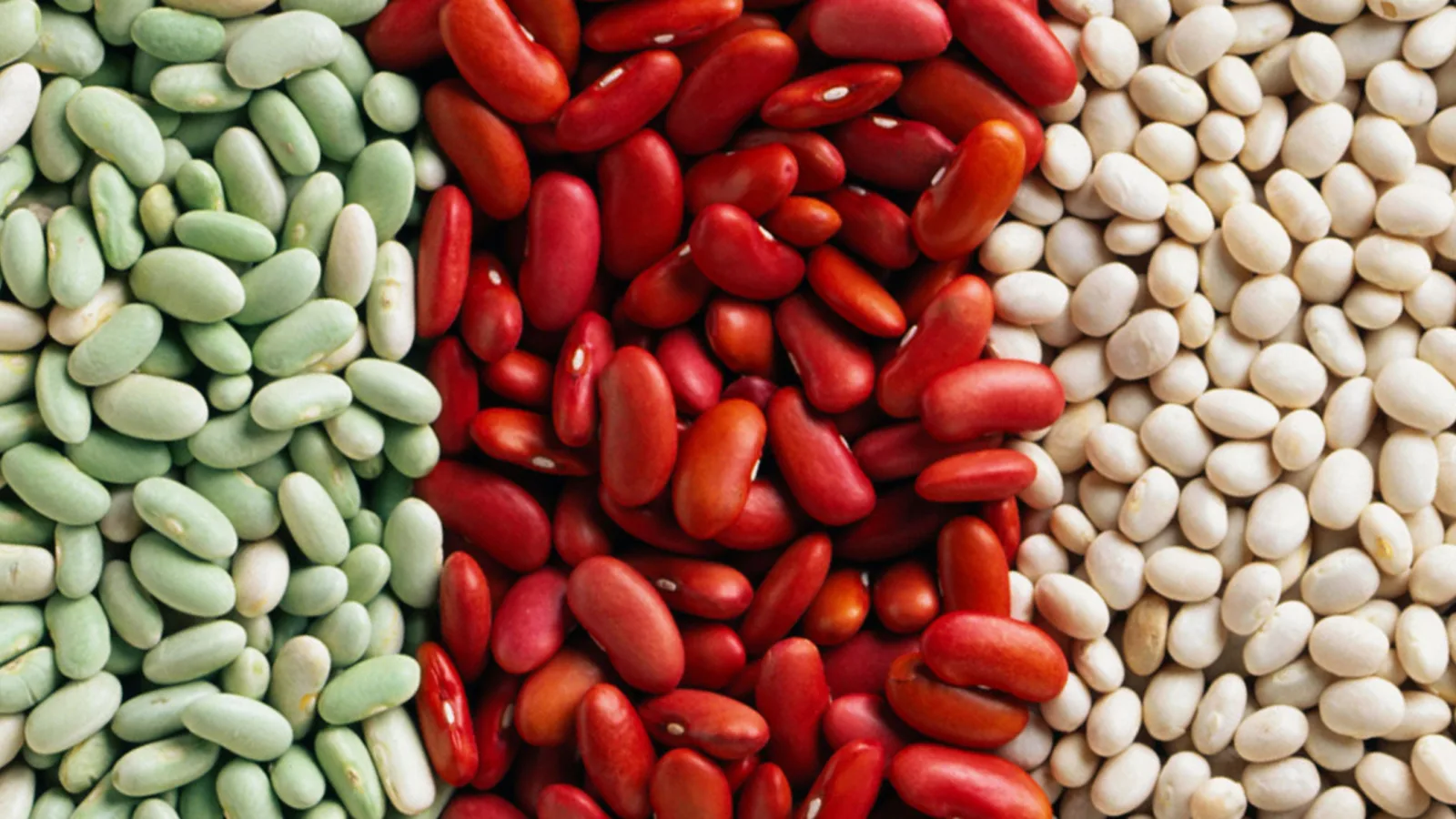
Can Milk Protein Grow Inside a Soybean Seed?
Researchers have gotten plant seeds to store casein, the main protein in milk, by leaning on the seed's own protein-packing machinery instead of a cow's mammary gland. It's still lab-and-greenhouse work — so in the meantime, here's how to carry a row of soybeans through the end of summer.
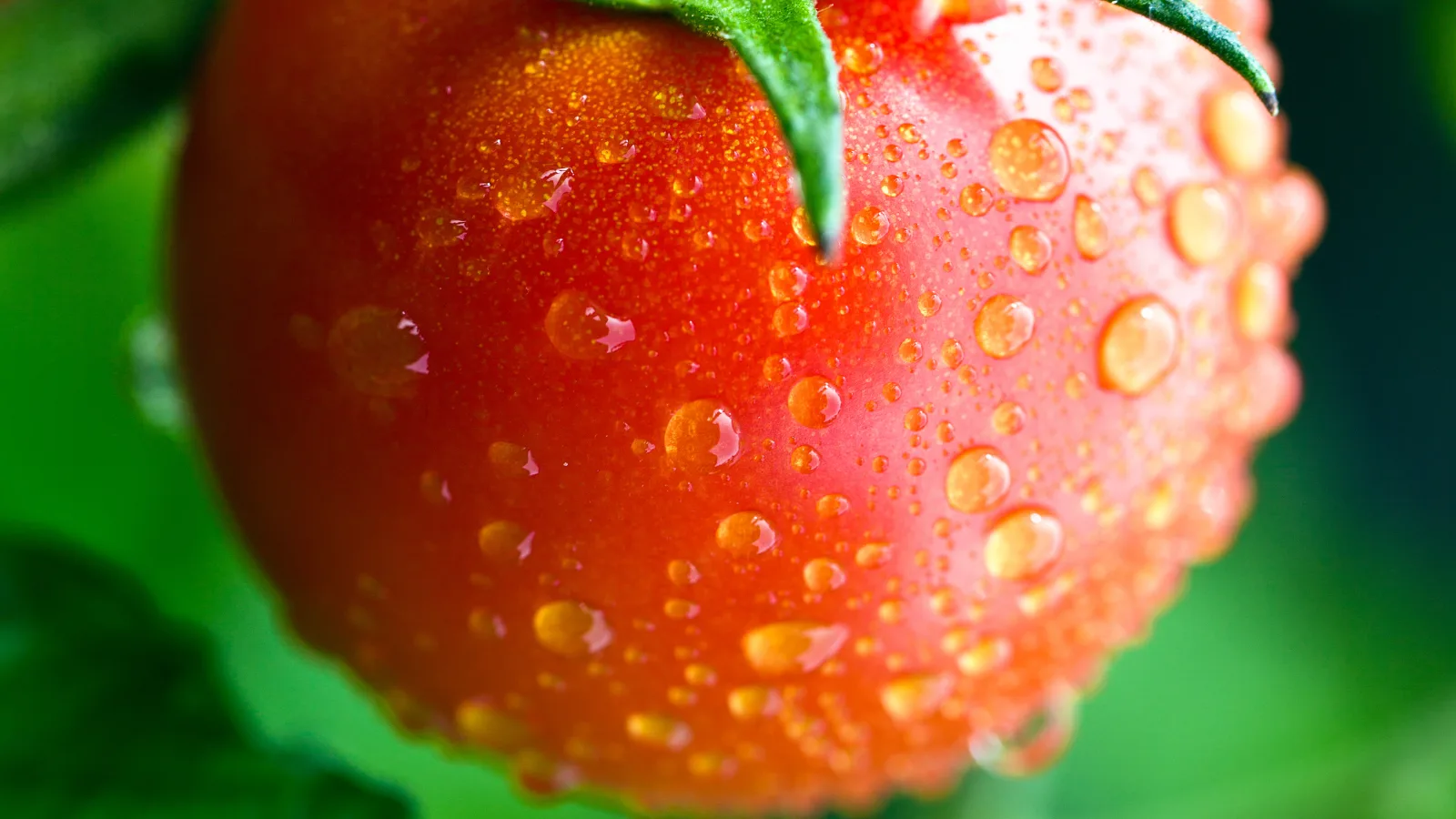
Tomatoes Grown a Little Thirsty Build Up More Antioxidants
Field research on processing tomatoes found that plants given slightly less water raised their antioxidant activity, while heavily stressed plants never fully bounced back after watering resumed. Here's what that means for the pot on your balcony.
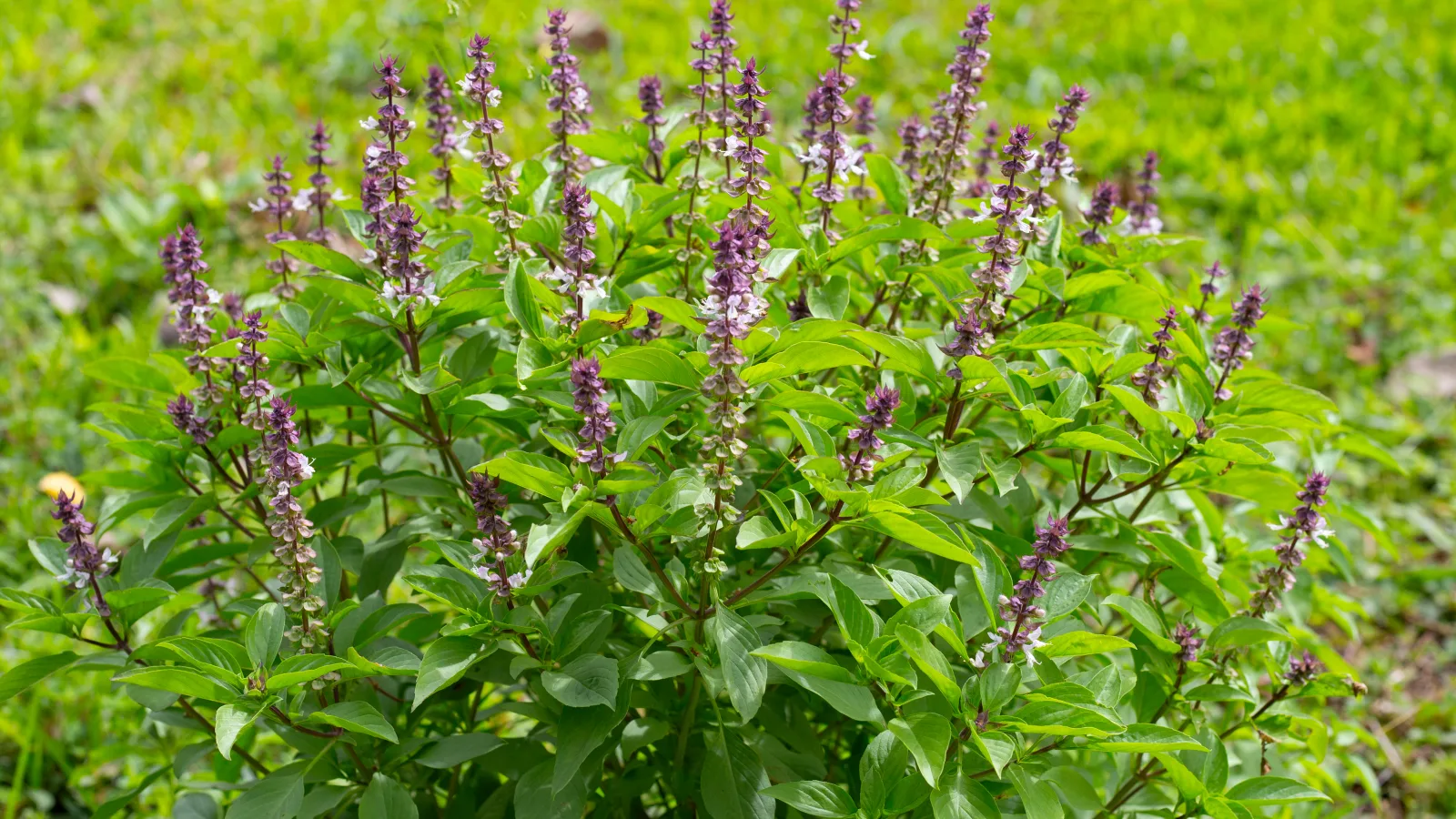
Holy Basil: The Temperature at Harvest Decides How It Smells
Grown from the same seed in the same soil, holy basil smells different depending on the temperatures it lived through in the days before you cut it. A 12-day study explains why — and points to when to harvest for antioxidants, for aroma, or for sheer volume of leaves.
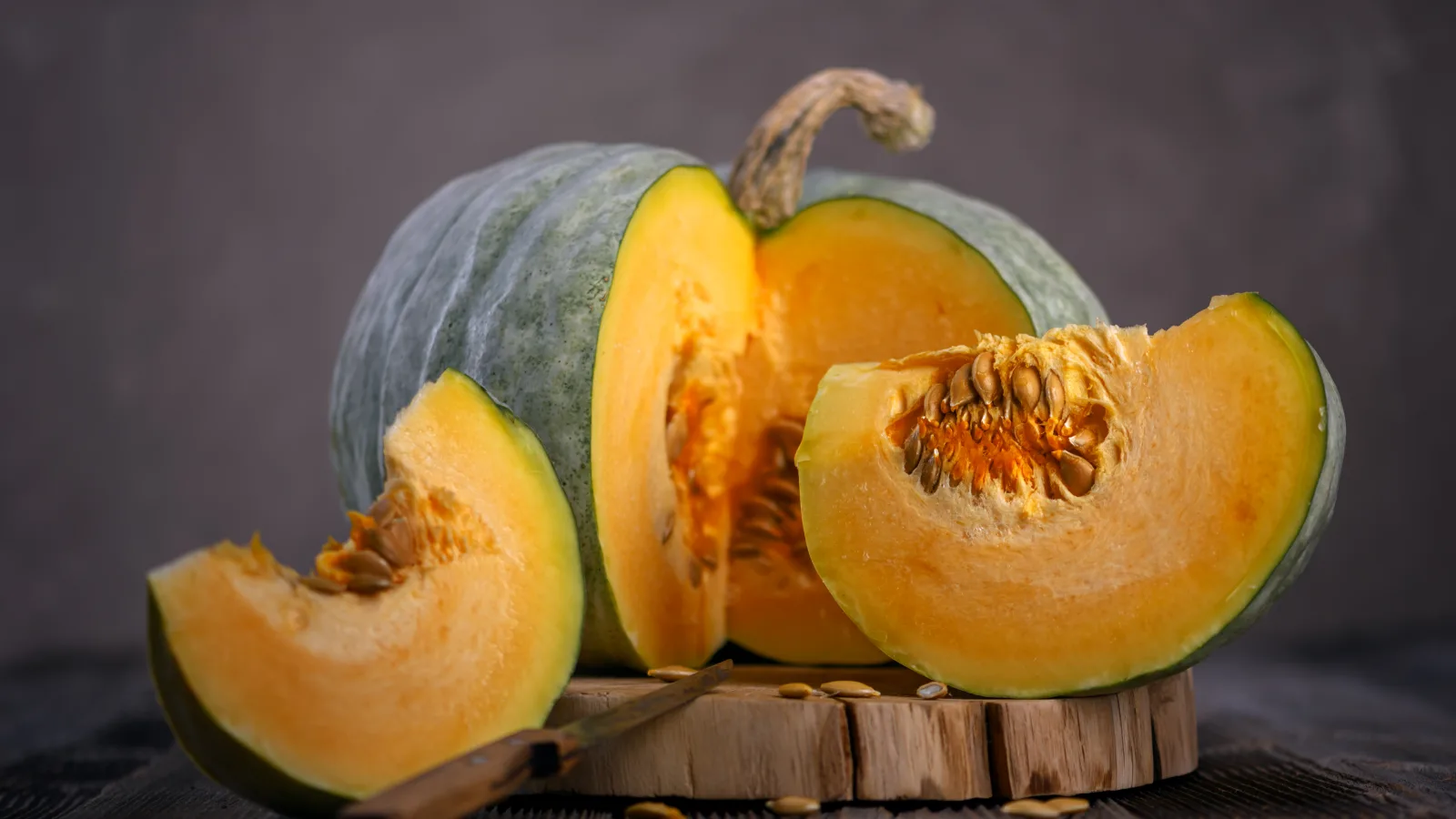
Why the Deepest-Colored Kabocha Is the One You Want
Two kabocha squash from the same row can come up completely different colors inside, and a 2026 genetic study explains why — the answer is a set of four carotenoid pigments, not fruit size. Here's what each pigment does and how to cook squash so you lose less of them.
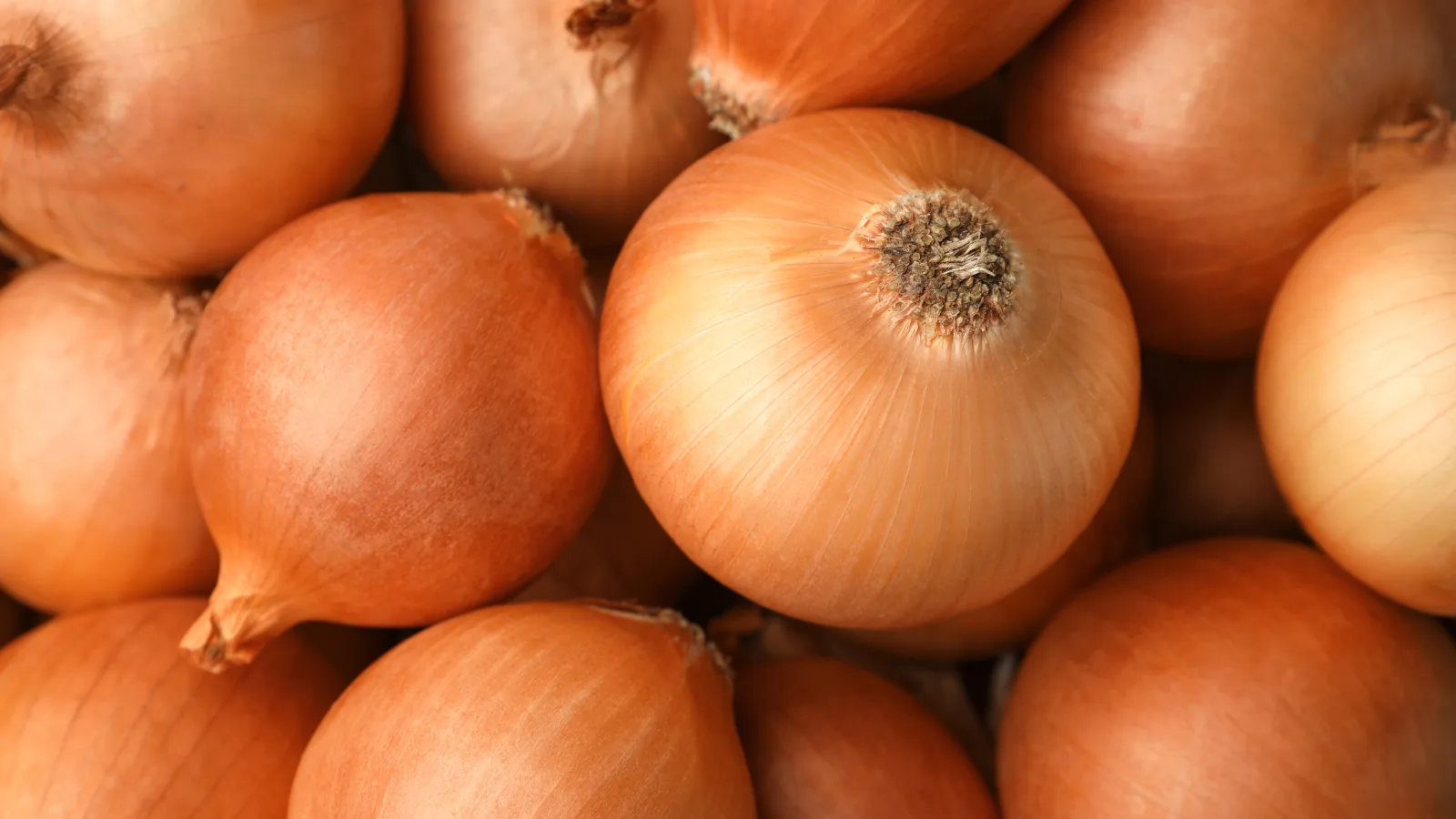
Before You Toss Those Onion Skins, Try Simmering Them First
Researchers analyzed onion skins, kale leaves, and Korean summer squash that markets reject for looking imperfect, and found the papery brown skins carried the most antioxidant compounds of the three. Even the spent pulp left after extraction turned out to be dense in fiber and protein.
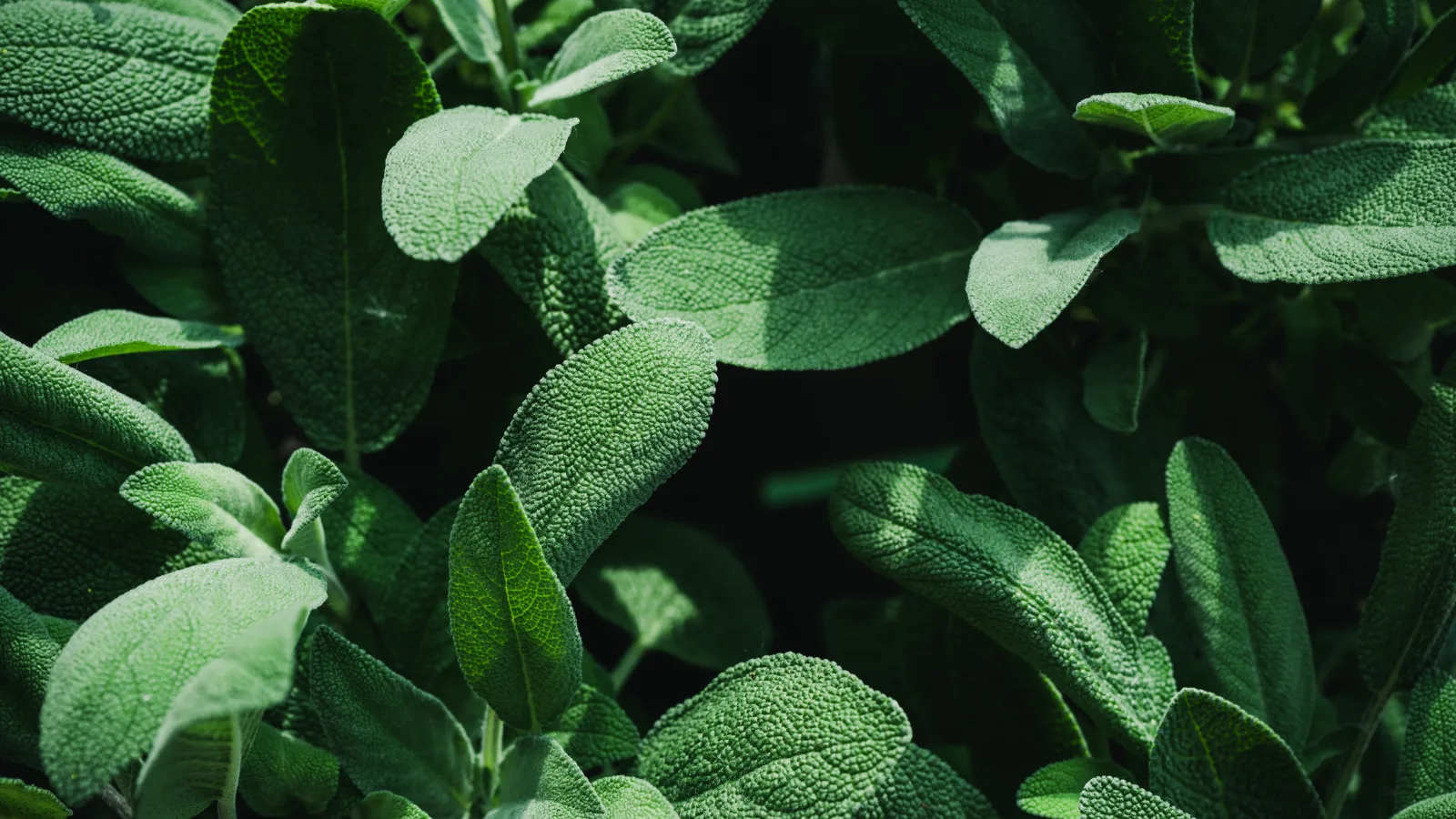
Getting the Most Scent Out of Sage
A 2026 study soaked sage leaves in a plant-derived solvent before distilling them, and both the yield and the aroma profile of the oil shifted. Here's what the research actually showed — and how to lose less scent from the sage in your own garden.
Can a Plate of Summer Vegetables Lower Your Dementia Risk?
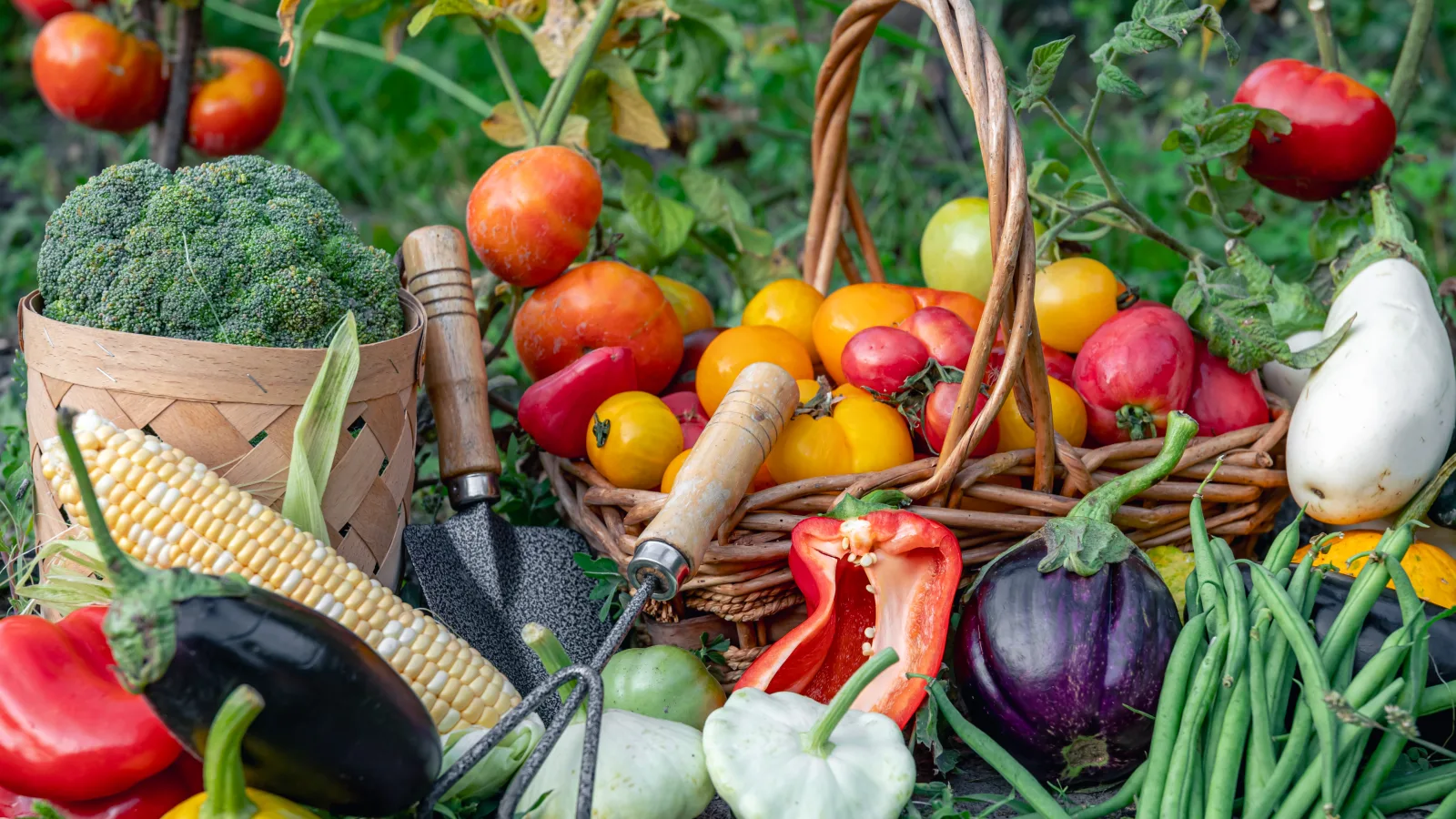
A Swedish study that tracked 1,865 adults over 60 for up to 15 years found that a diet low in inflammation-driving foods was linked to about 30% lower dementia risk — and unlike other healthy-eating patterns, it still mattered for people whose brain biomarkers had already shifted. Most of the foods that earn points are already growing in a July garden.
The Season the Pill Packet Thins Out — and What Garden Vegetables Fill In
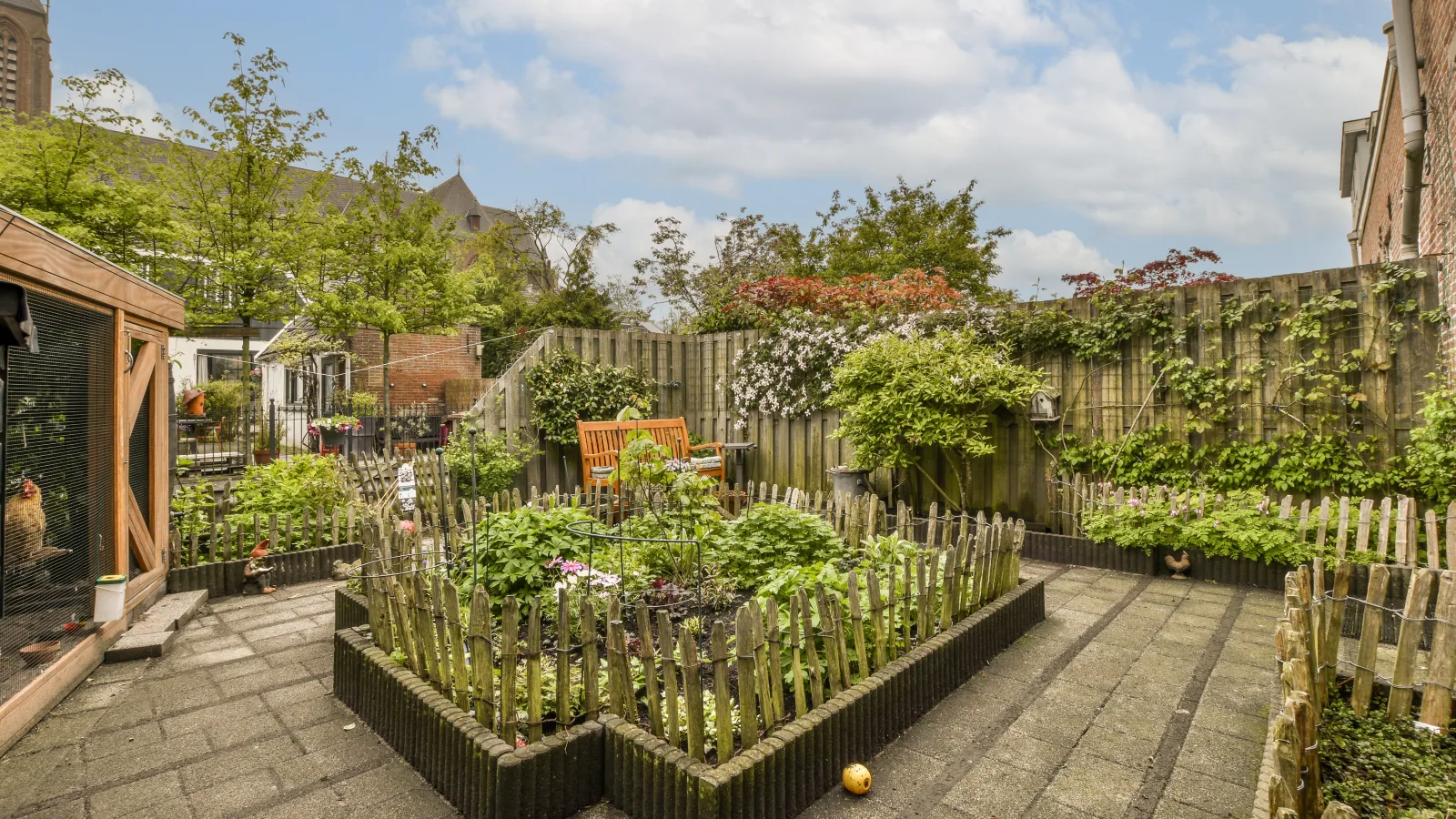
A year-long study of 200 older adults found that ongoing diet and exercise coaching kept people on their medications — and protected their kidneys. The foods that went up on their plates are the ones already growing in a summer garden.
Gardening While Pregnant: How Much to Move, and What to Eat
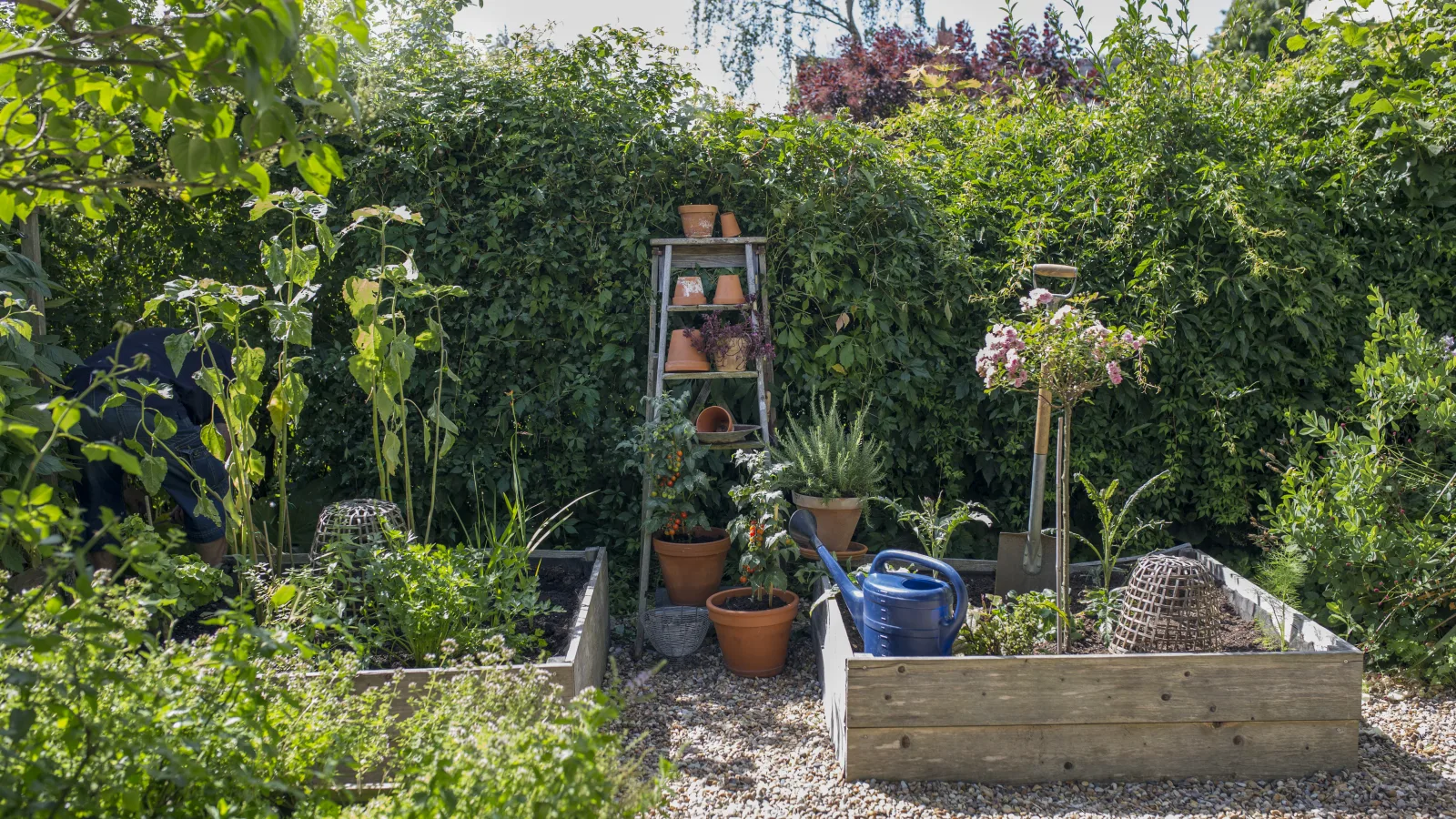
A study of more than a thousand new mothers found that the most active women ate more produce — but also more sweets and fast food. And the lowest rate of preterm birth showed up not in the most active group, but in the one just above the middle.
When Your Soybeans Keep Turning Yellow, Look for Nematodes in the Roots
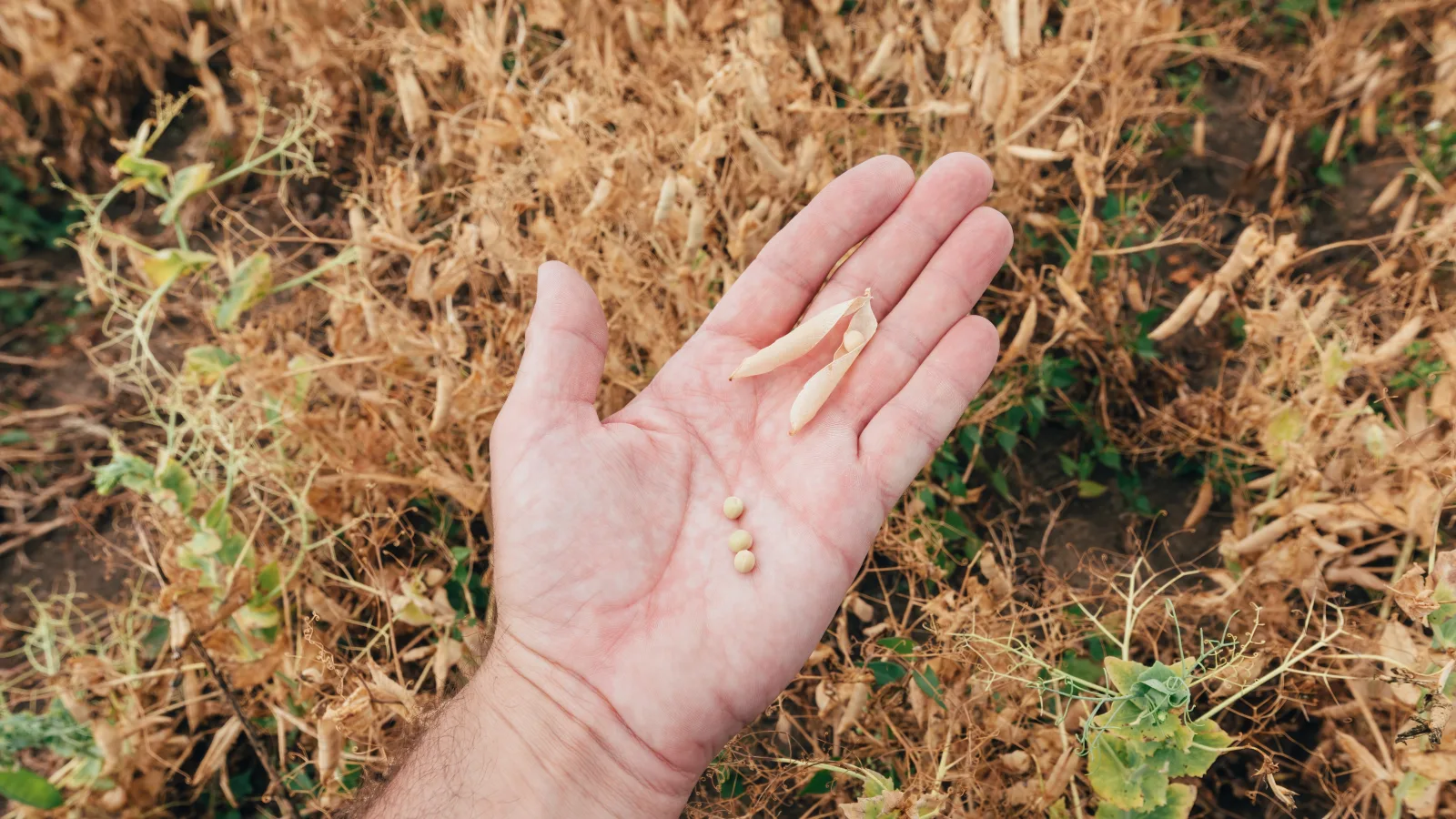
Yellowing, stunted soybeans often point to soybean cyst nematodes, which hijack root cells into a private feeding station. Researchers are now working to shut off that supply line, and home gardeners have simpler defenses of their own.
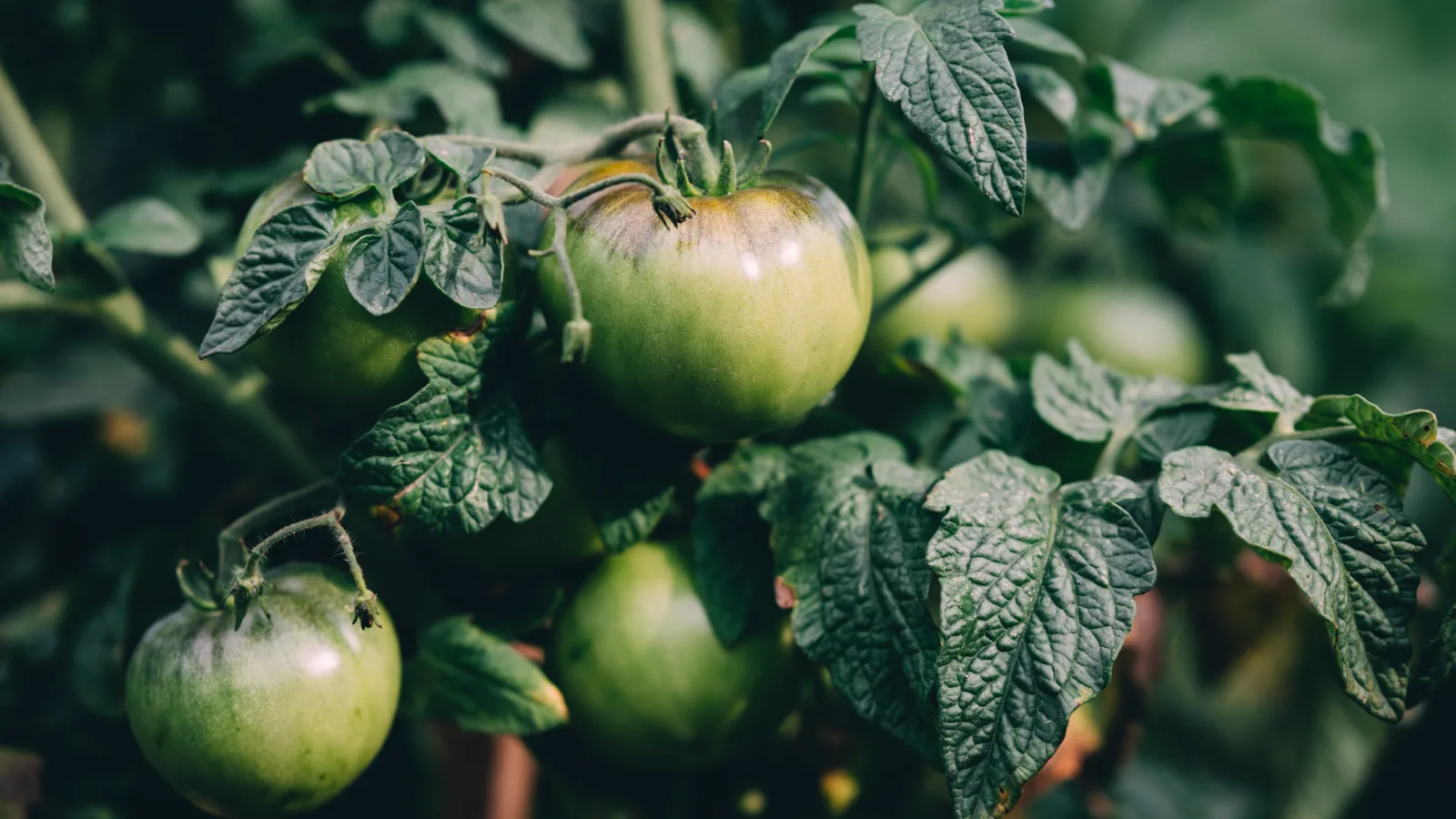
When Tomato Leaves Turn Yellow, Check the Soil for Salt
When tomato leaves yellow from the bottom up and a chalky white film appears on the potting soil, built-up salt is often the culprit. Here's how salt stresses tomatoes, how the plants defend themselves, and a few simple ways to keep your summer pots healthy.
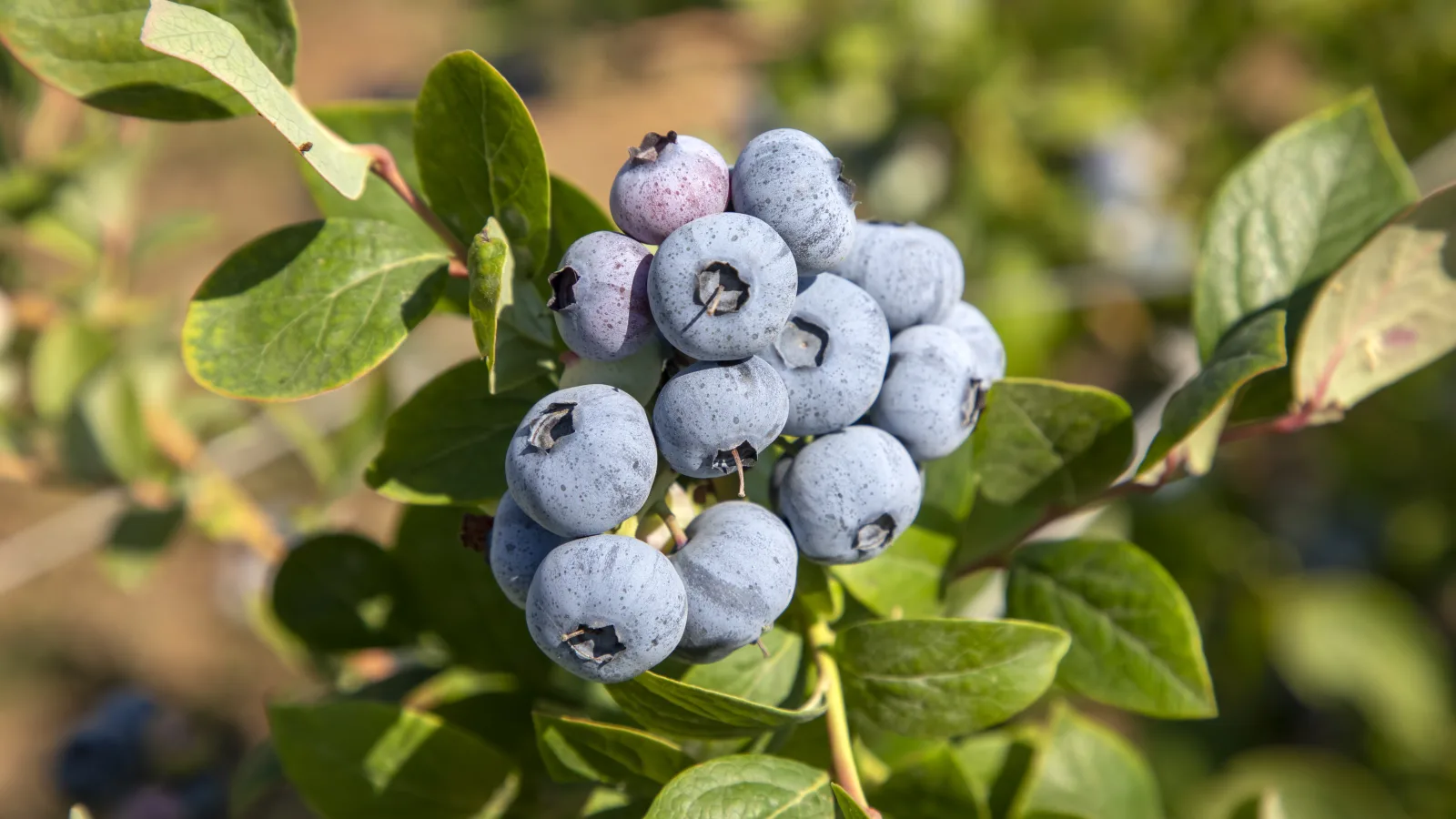
Myricetin in Blueberries — and How to Help Your Body Actually Use It
Myricetin, the antioxidant in blueberries and grape skins, is notoriously hard for the body to absorb because it won't dissolve in water. Researchers used machine learning to find molecular partners that fix that — and the resulting material kept tomatoes fresh longer, too.
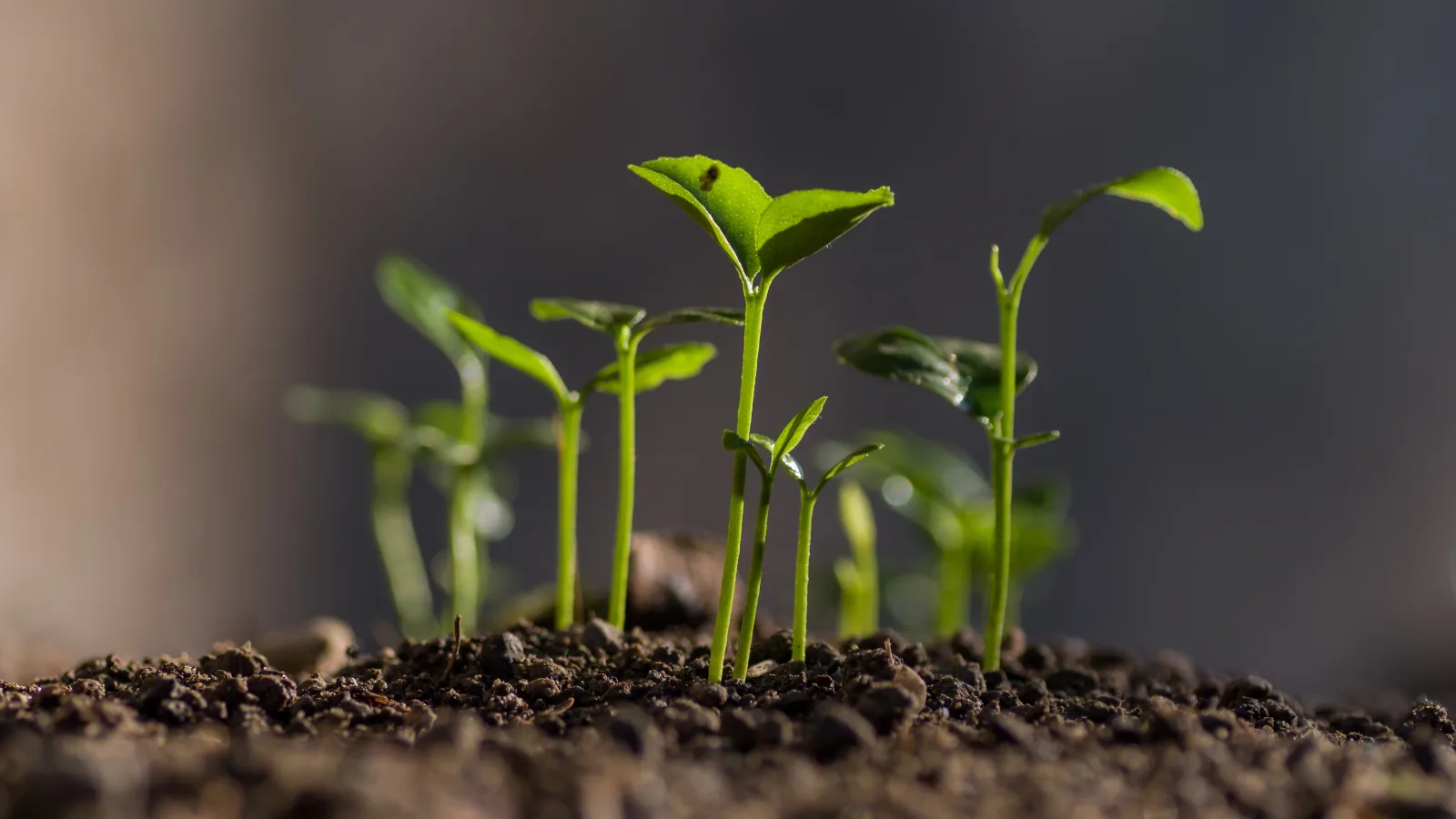
Meet the Heat-Tough Earthworm That Transforms Garden Soil
Earthworms quietly build healthy soil, but heat and drought are thinning their numbers just when gardens need them most. Here's what researchers are chasing and how you can invite more worms into your beds.
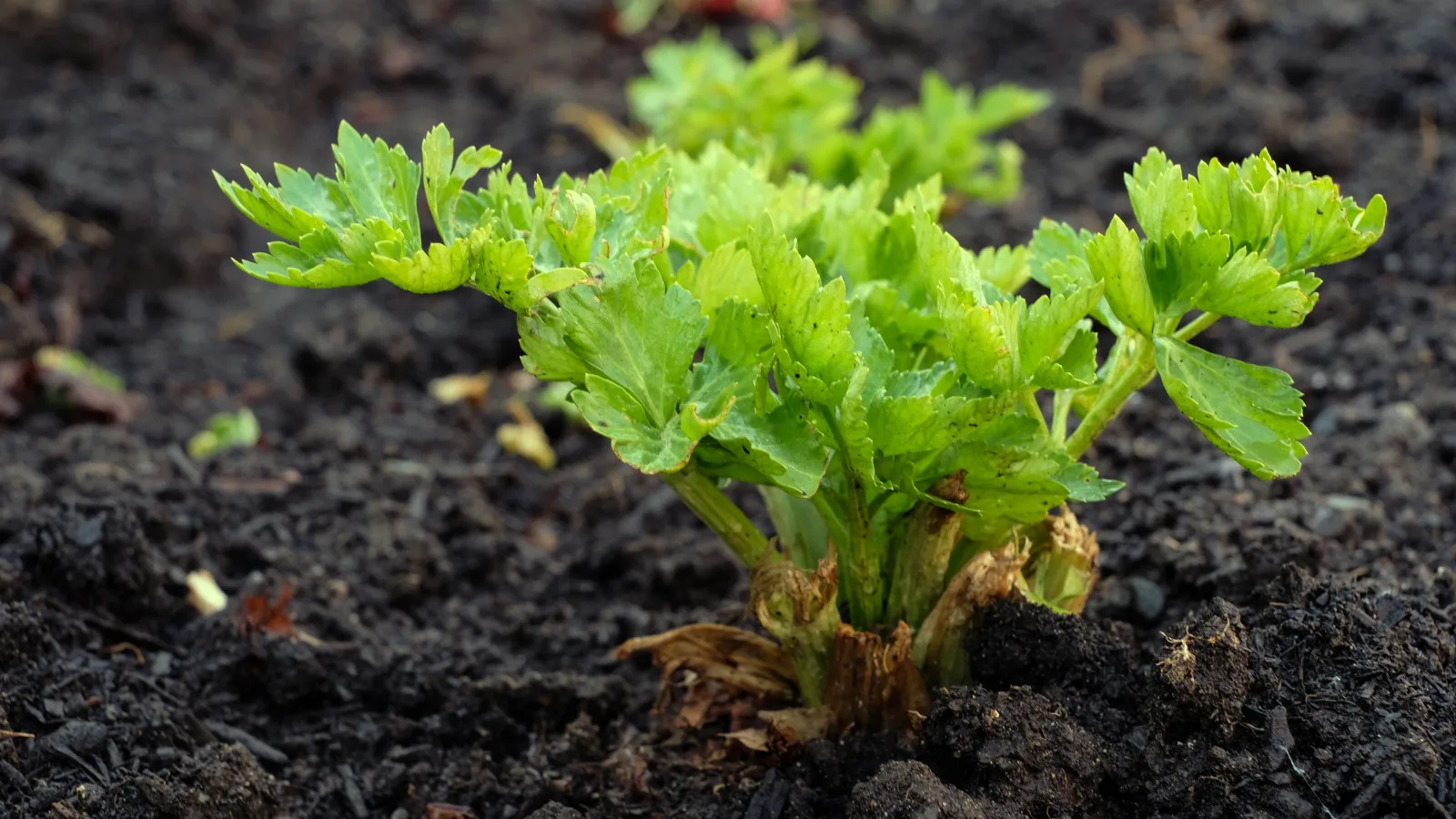
When Your Celery Fades Year After Year, Try a Season of Green Onions
Celery grown in the same bed for years leaves the soil depleted and the plants weak. A simple crop rotation—slipping in a single season of green onions—can revive tired soil, cutting disease by 64% and boosting the next celery harvest by more than 30%.
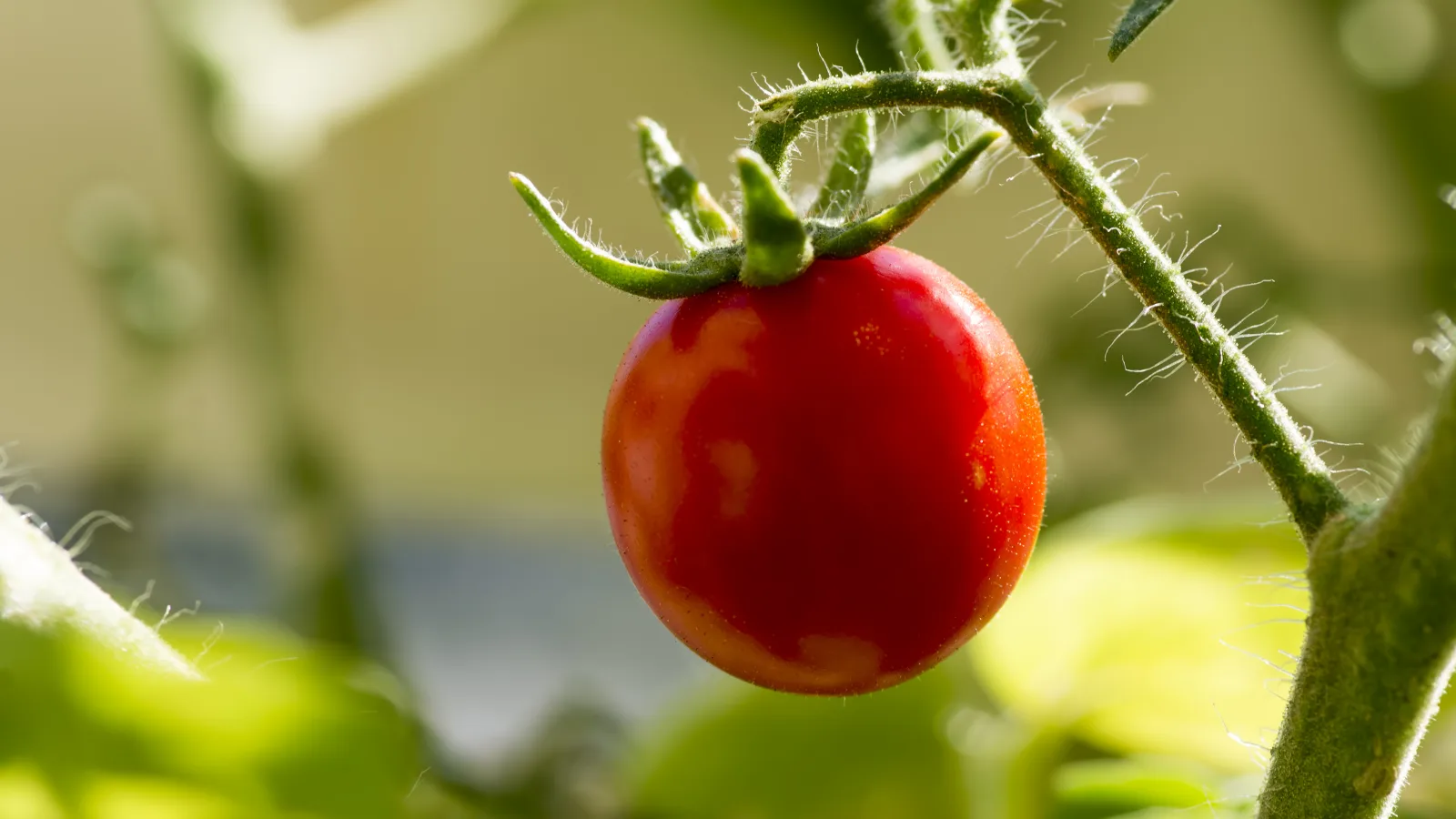
Mix Up Your Plantings, and Your Garden Holds Steady
Fill a whole row with a single crop and one bad summer, or one disease, can wipe it out. German researchers found that dividing a field, rotating crops, and planting a mix cushions both your harvest and the prices you get — and the same logic scales right down to a backyard garden.
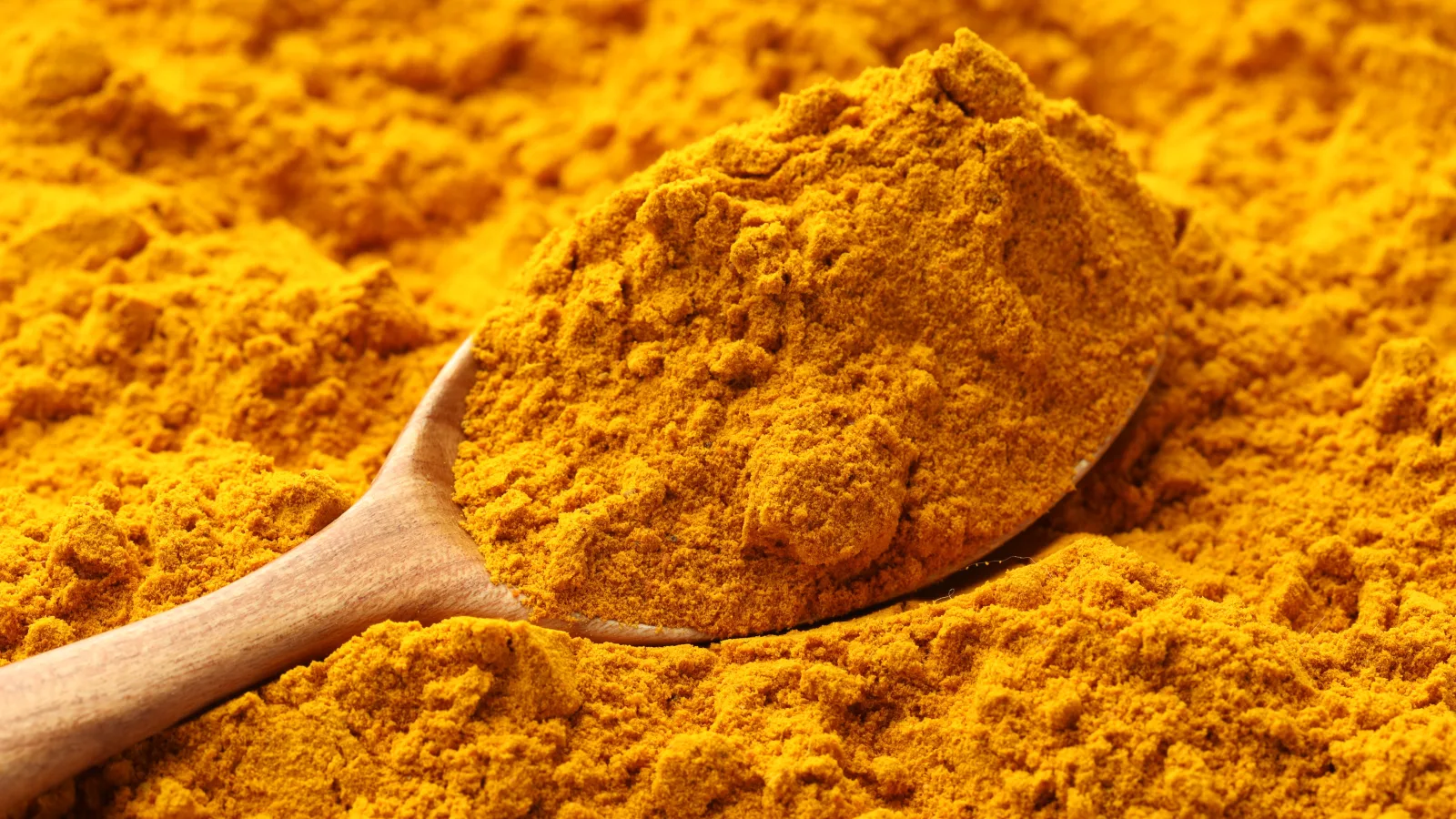
Sore After a Day in the Garden? Could Homegrown Turmeric Help?
A weekend of turning over garden beds can leave you stiff and sore the next morning. Could the turmeric growing in the corner of your plot help you bounce back? A 2026 review of fifteen clinical trials found the most consistent benefit in easing oxidative stress—though the evidence is still thin—along with a few simple ways to enjoy your harvest.
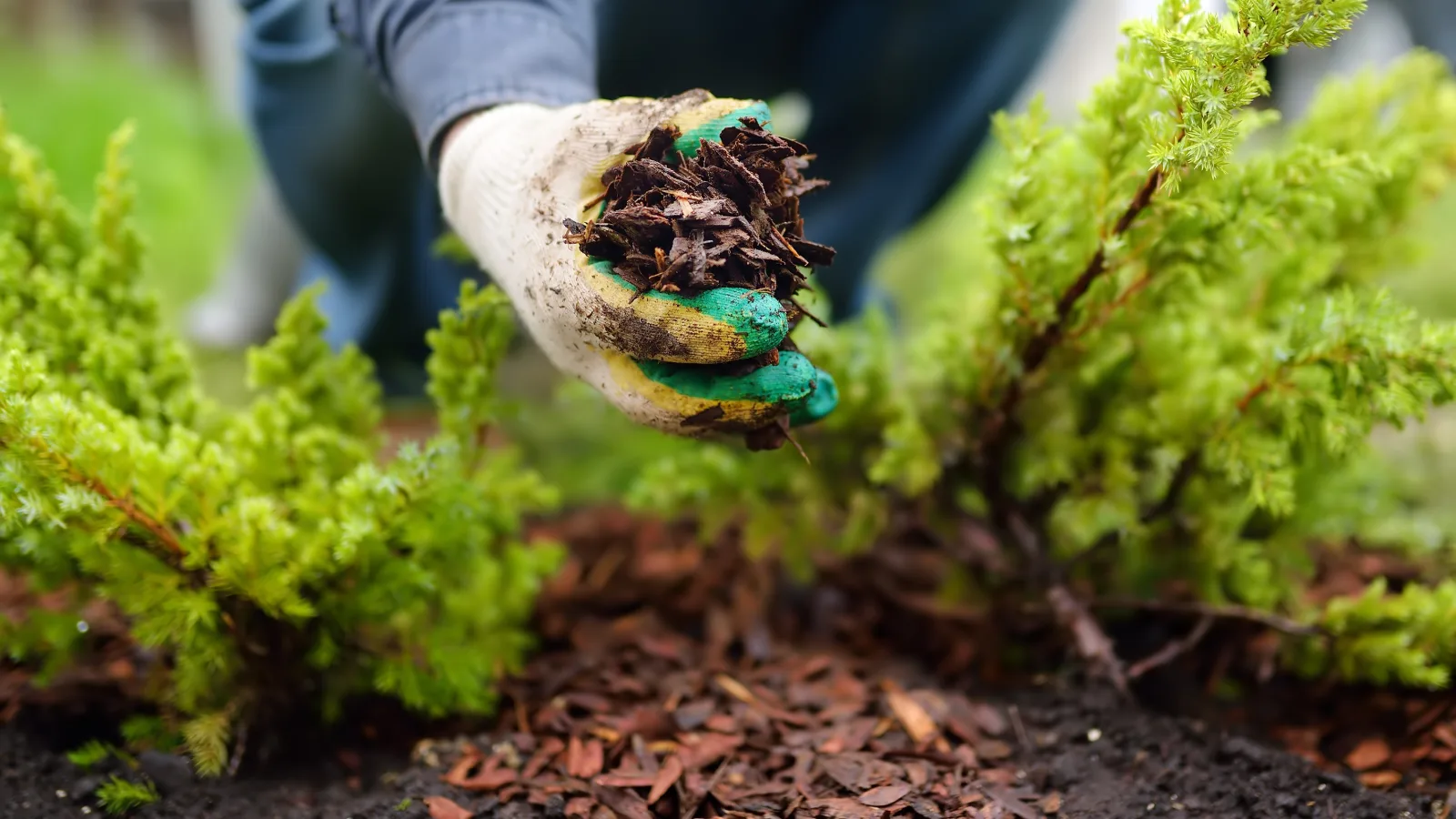
What Happens to the Soil When You Lay Biodegradable Mulch on a Cabbage Bed?
A 2026 field study laid five kinds of biodegradable mulch on cabbage beds and found that, over a single season, the soil held steady, yields rose slightly, and bacteria and fungi responded in different directions.
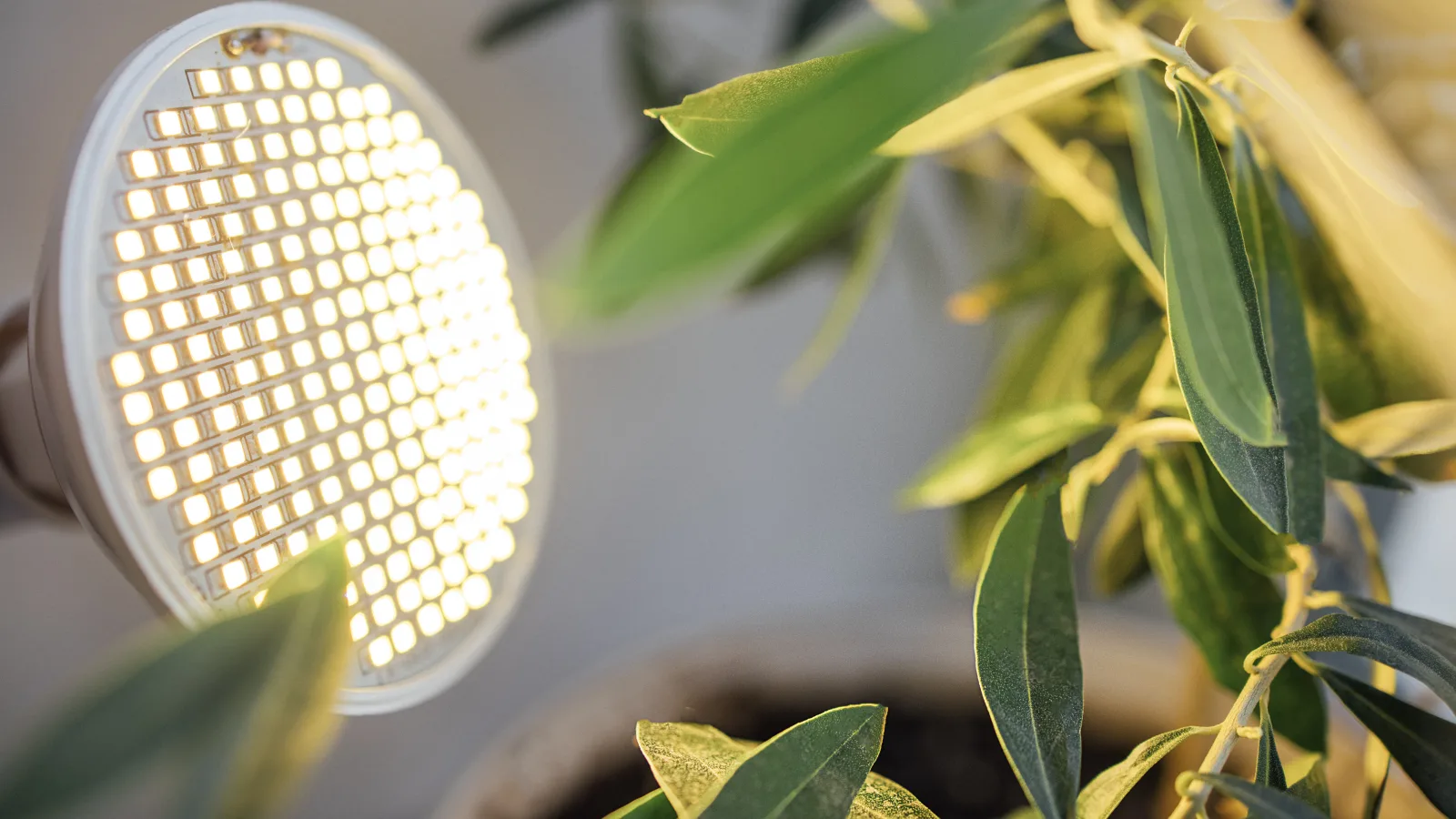
Whether Your Indoor Garden Is Actually Green Depends on Where Your Electricity Comes From
Growing lettuce on your balcony feels like an easy win for the planet—no shipping, no packaging. But researchers at McGill University found that whether indoor growing actually beats field farming on carbon comes down to one thing: where the electricity is generated.
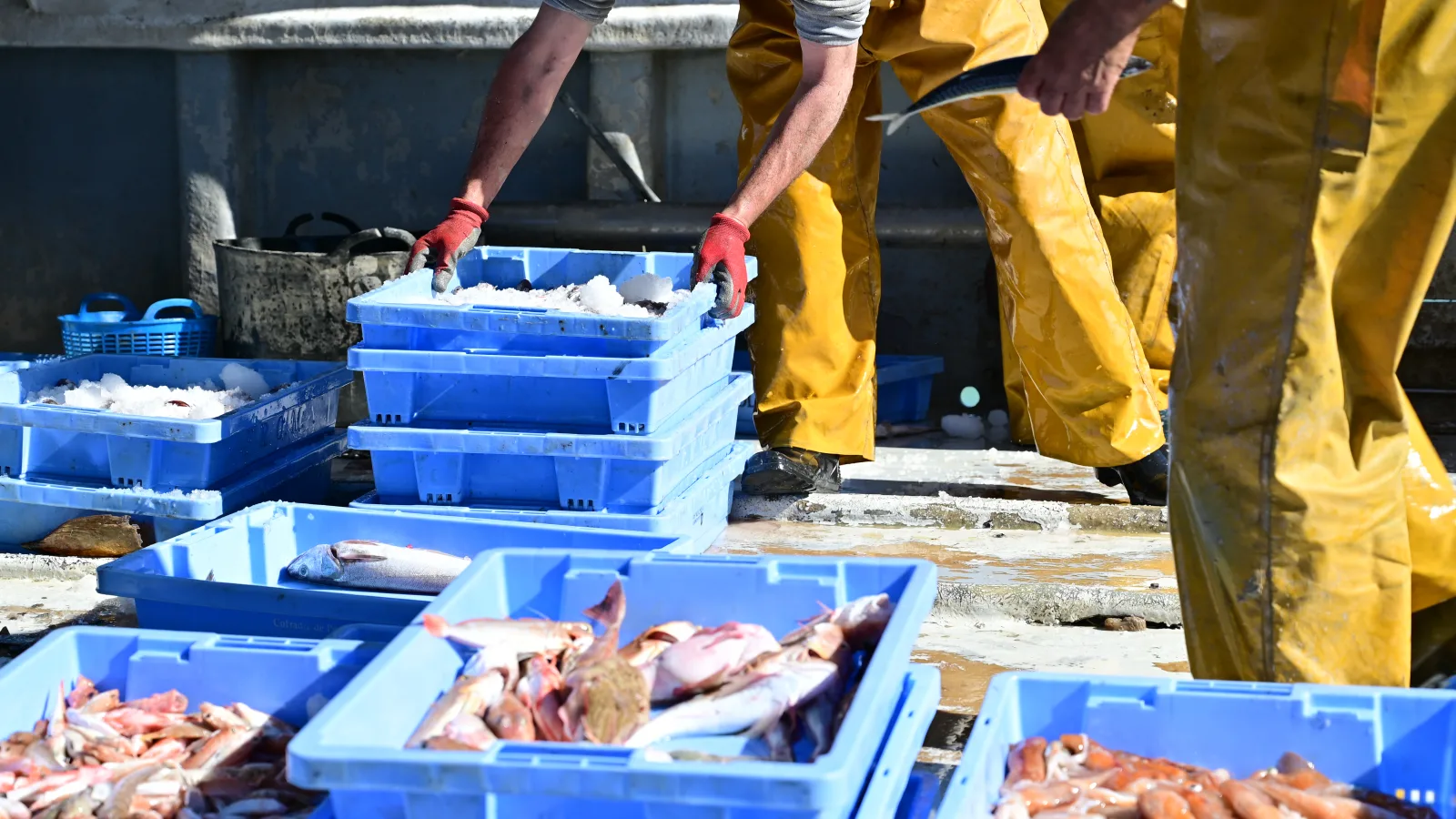
How a Single Fillet of Fish Reaches Our Hands
The vegetables we grow ourselves we know from seed to harvest, but the fish on our plate arrives with its story hidden. A digital platform called IKAN is trying to make that story visible—starting with the migrant workers who catch it.
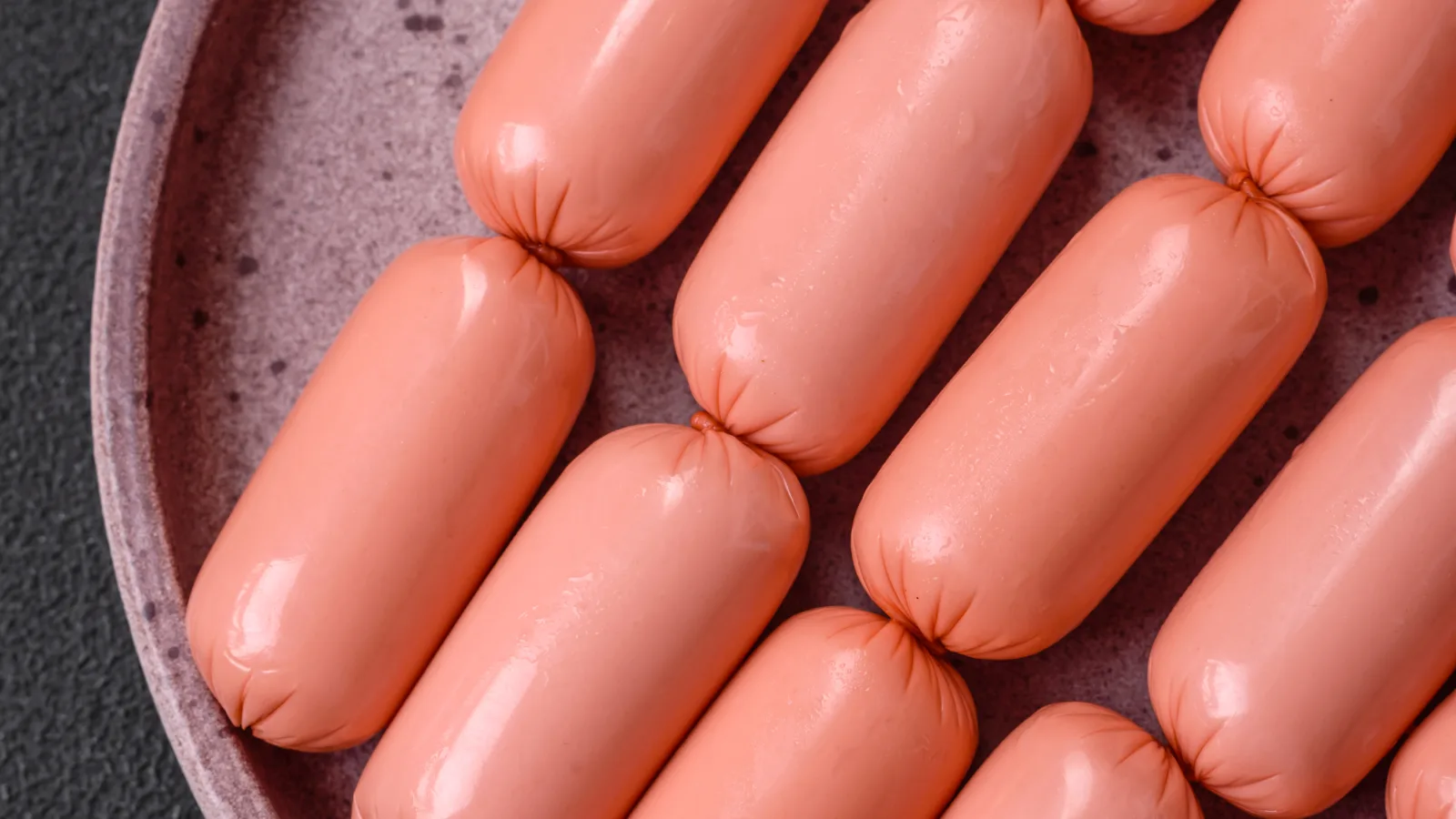
How Much Do Preservatives in Processed Food Raise Your Blood Pressure?
An eight-year study following more than 112,000 people found that diets high in certain food preservatives were linked to higher rates of high blood pressure, heart attack, and stroke. Here's where those additives hide — and why garden vegetables sidestep them entirely.

What to Do Before Mice Move In
A mouse plague overran Western Australia's farmland after the first few mice went unchecked. Here's why mouse numbers explode so quickly — and how to keep them from ever settling into your garden.
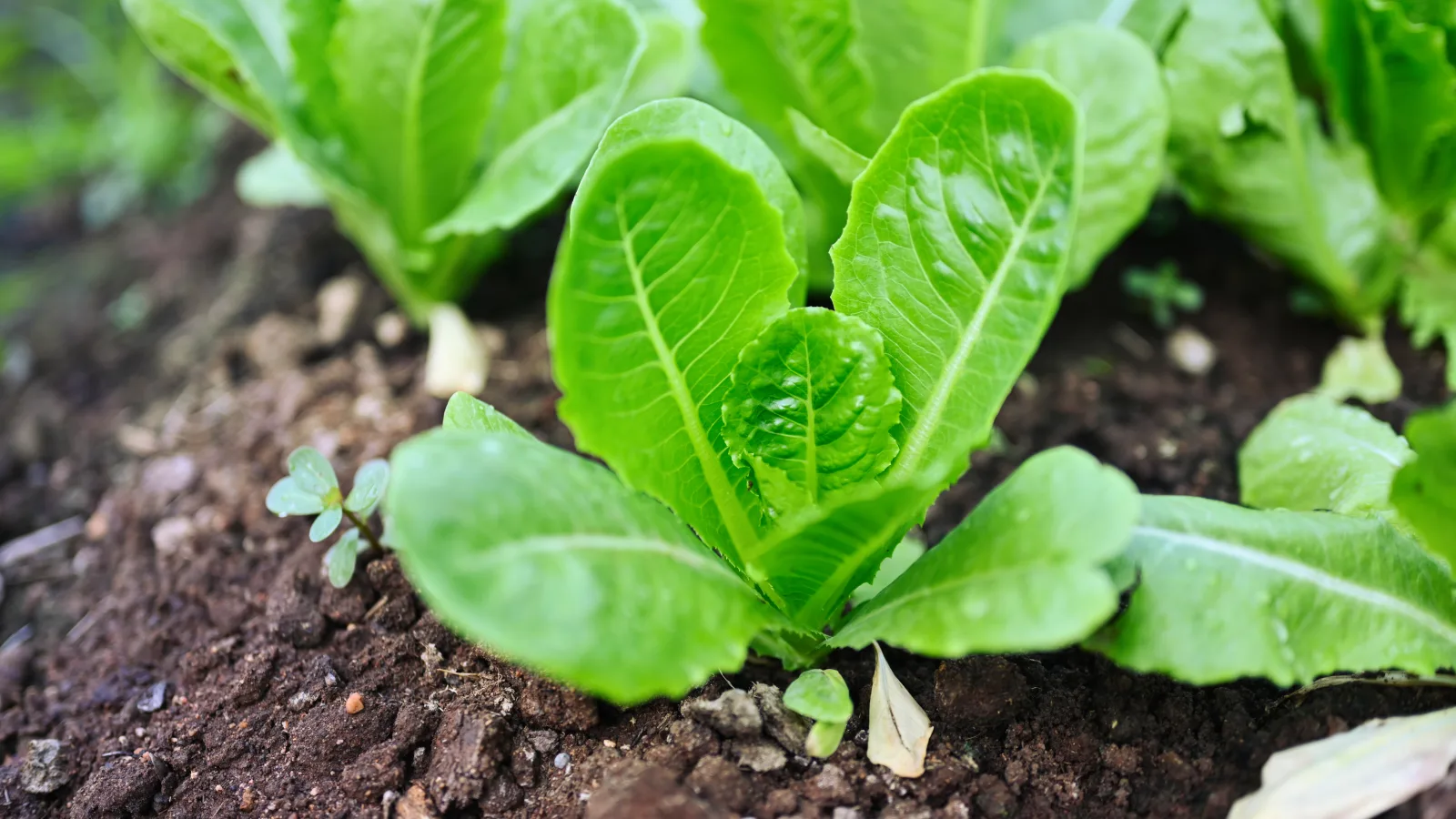
I Gave My Discarded Vegetables Back to the Soil, and My Lettuce Was Never the Same
A 2026 study found that a soil amendment made from vegetable trimmings helped baby lettuce grow as well as chemical fertilizer did, while holding onto far more water. Here's what it means for your own garden.
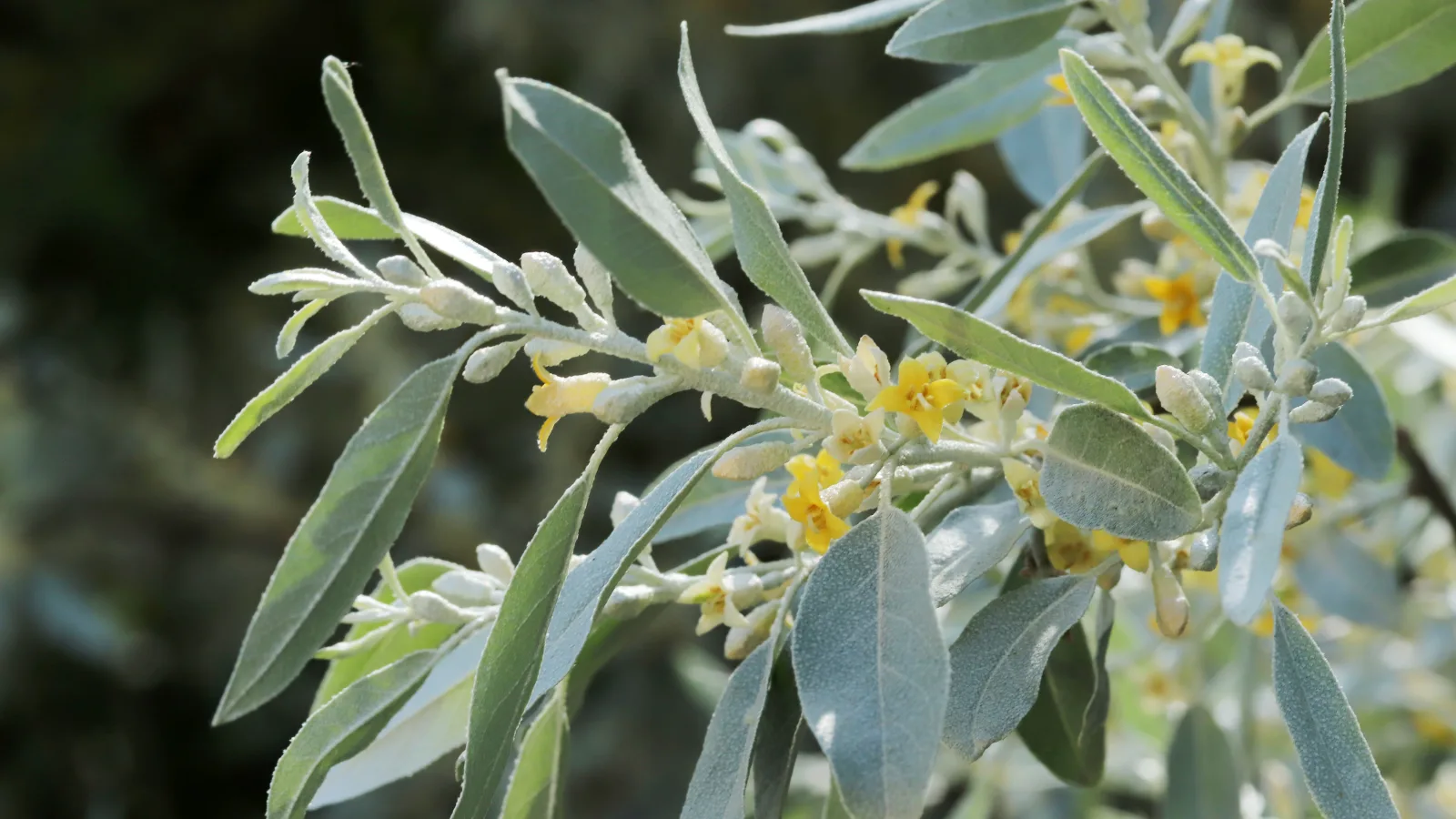
Your Garden's Russian Olive Blossoms Could Become Raw Material for Antimicrobial Nanoparticles
An Iranian research team used extract from Russian olive flower buds to create silver nanoparticles, then confirmed their antimicrobial, antioxidant, and anticancer potential in the lab. It's a striking case of a traditional medicinal plant meeting modern nanomedicine.
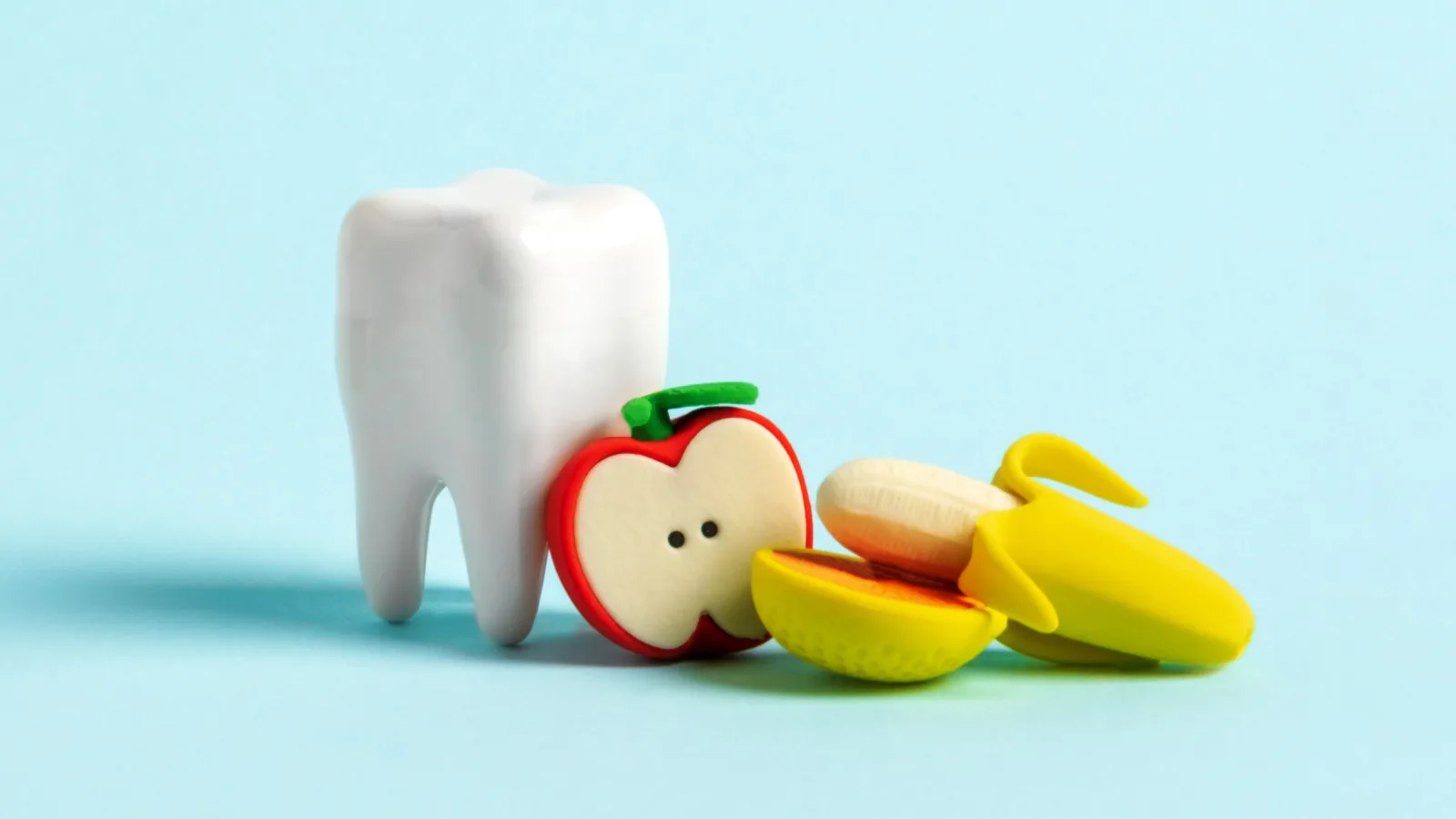
Eat a Little Less, and Your Gums May Change Too
Brushing and flossing aren't the whole story when it comes to gum health. New clinical research suggests that what you eat—and how much—can lower gum inflammation, which is good news for anyone who loves fresh vegetables from the garden.
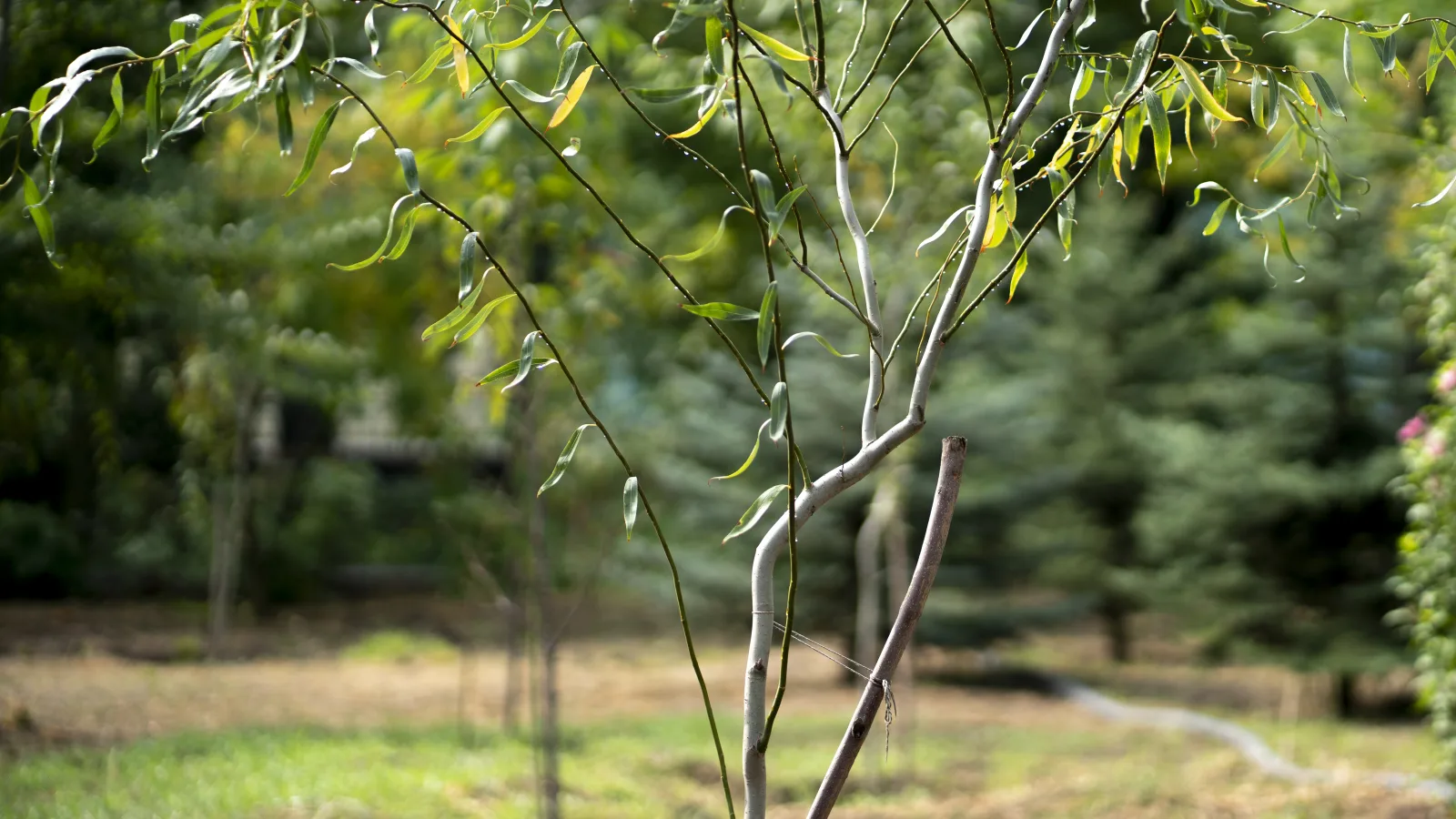
We Planted More Trees, and Fewer Birds Came
Planting trees is usually good for wildlife—but a study of Japanese paddy wetlands found that shelterbelts can crowd out grassland birds, cutting their numbers by more than 70%. Before you plant, take a look at who already lives on the land.
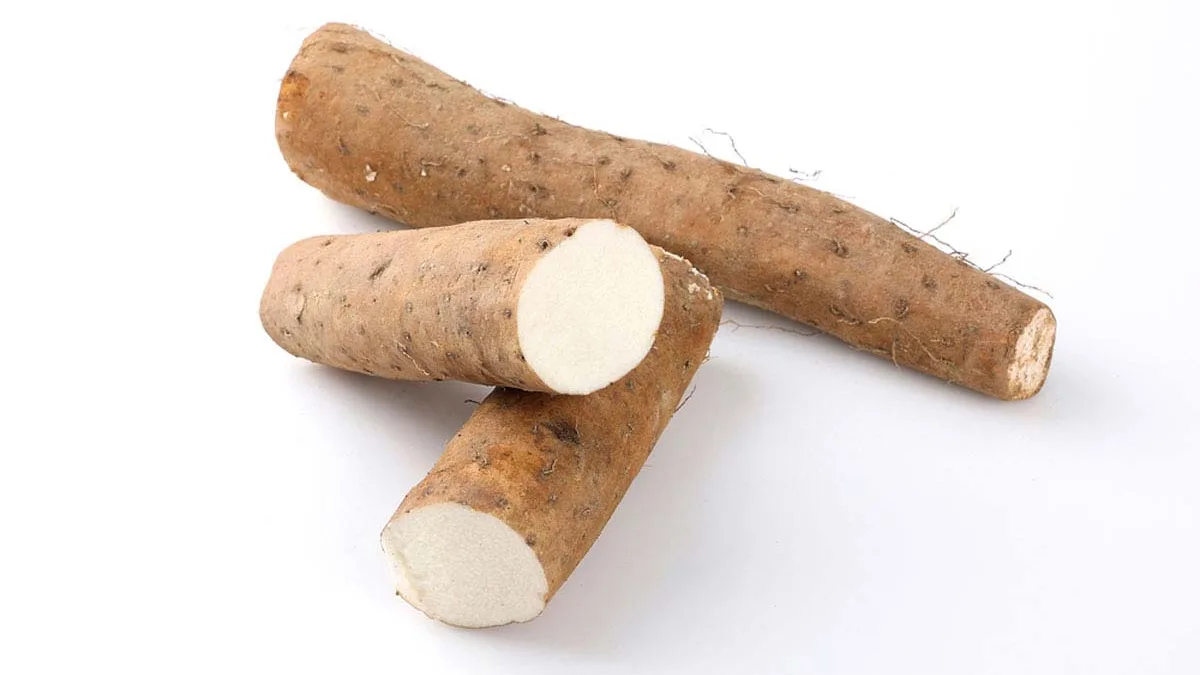
Chinese Yam: What the *Donguibogam* Saw in It
A humble garden root that classical Korean medicine once prized as a top-grade tonic, the Chinese yam was valued not for a quick cure but as an everyday food to be eaten steadily. Here's how the old herbals saw it, how modern nutrition compares, and how to bring it from your garden to your table.
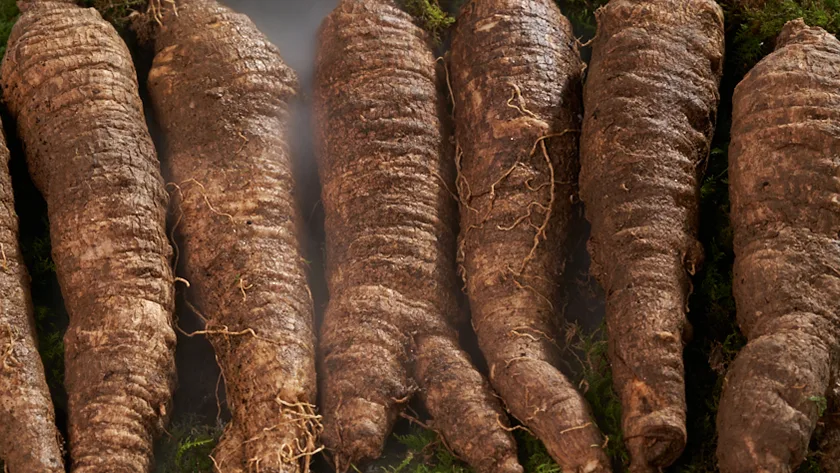
Deodeok: Health Through the Eyes of the Dongui Bogam
Deodeok, a fragrant mountain root that thickens in the garden year after year, was recorded in Korea's Dongui Bogam as "goat's milk" — a mild remedy for the lungs and throat. This column traces how those old records line up with today's nutrition science, and how to bring the root from garden to table.
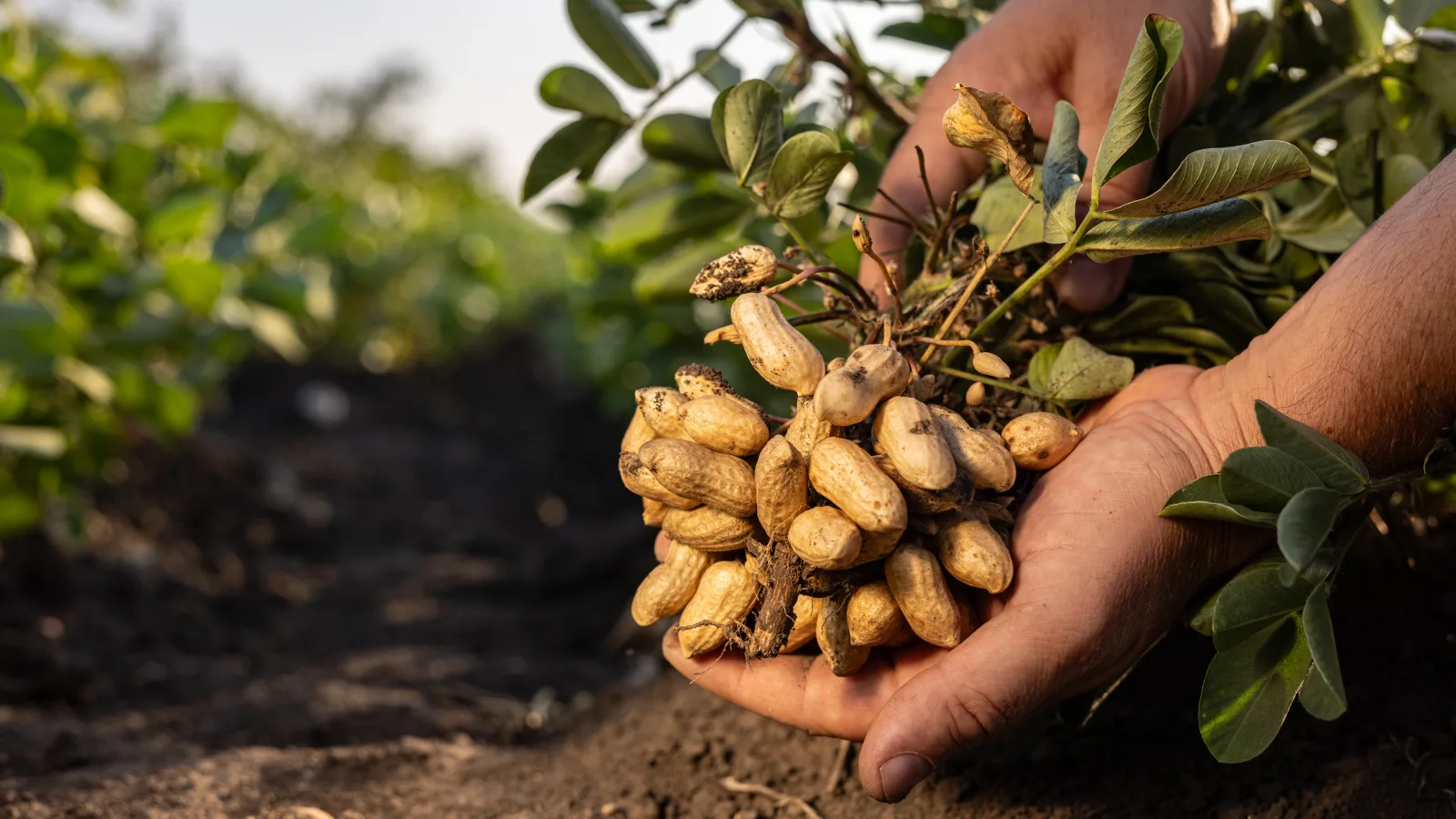
The Peanut Genome Has Been Fully Decoded for the First Time
An international team has decoded the entire peanut genome for the first time, untangling a large, complex code that formed when two wild species crossed long ago. The breakthrough promises faster breeding of hardier, safer varieties—plus a good reason to grow a few plants in your own garden this year.
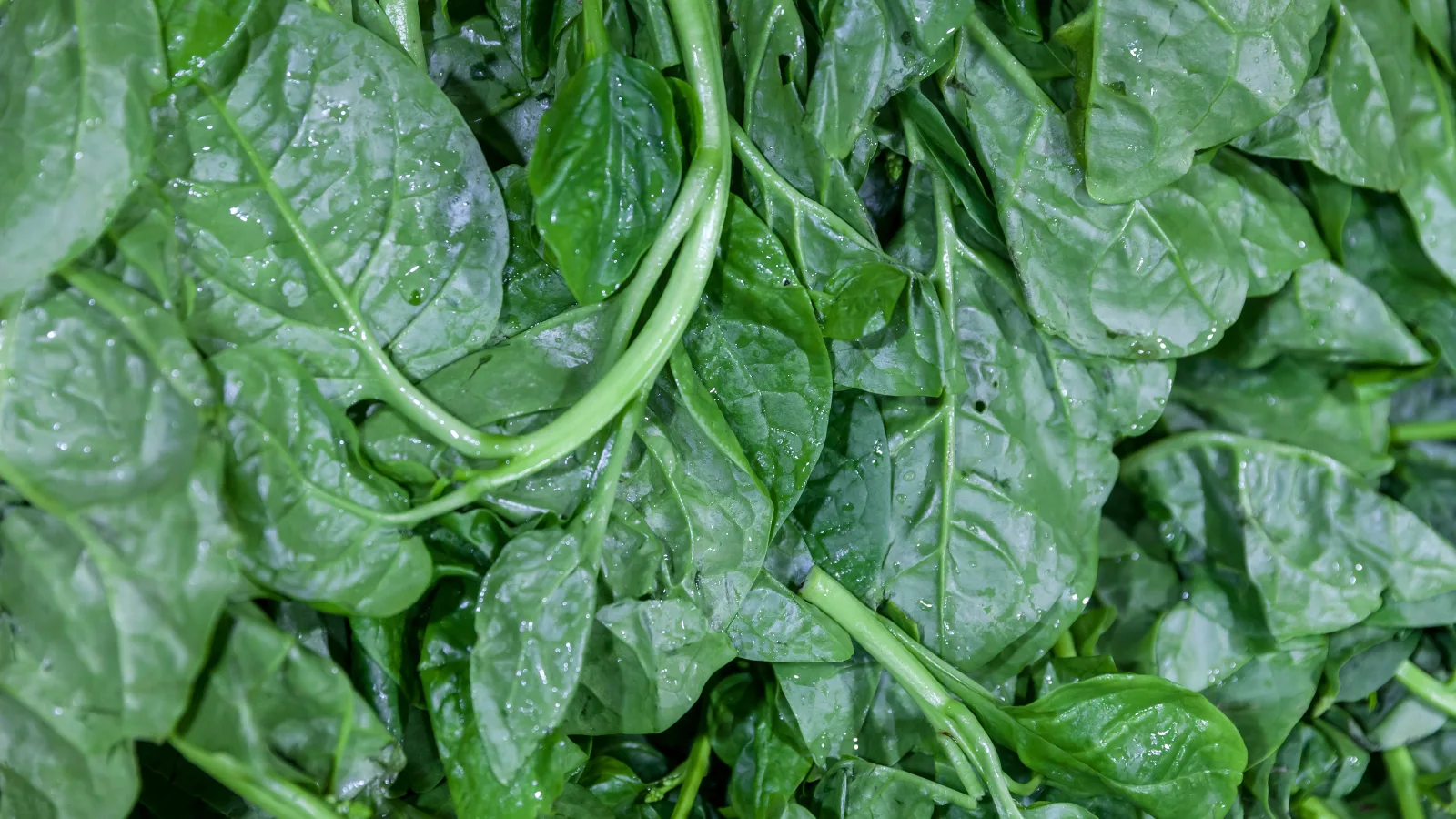
The Benefits of Malabar Spinach
Malabar spinach is a heat-loving vine that keeps your summer garden in greens. A recent study analyzed its leaves, berries, and stems separately—and found that each part has its own strengths.
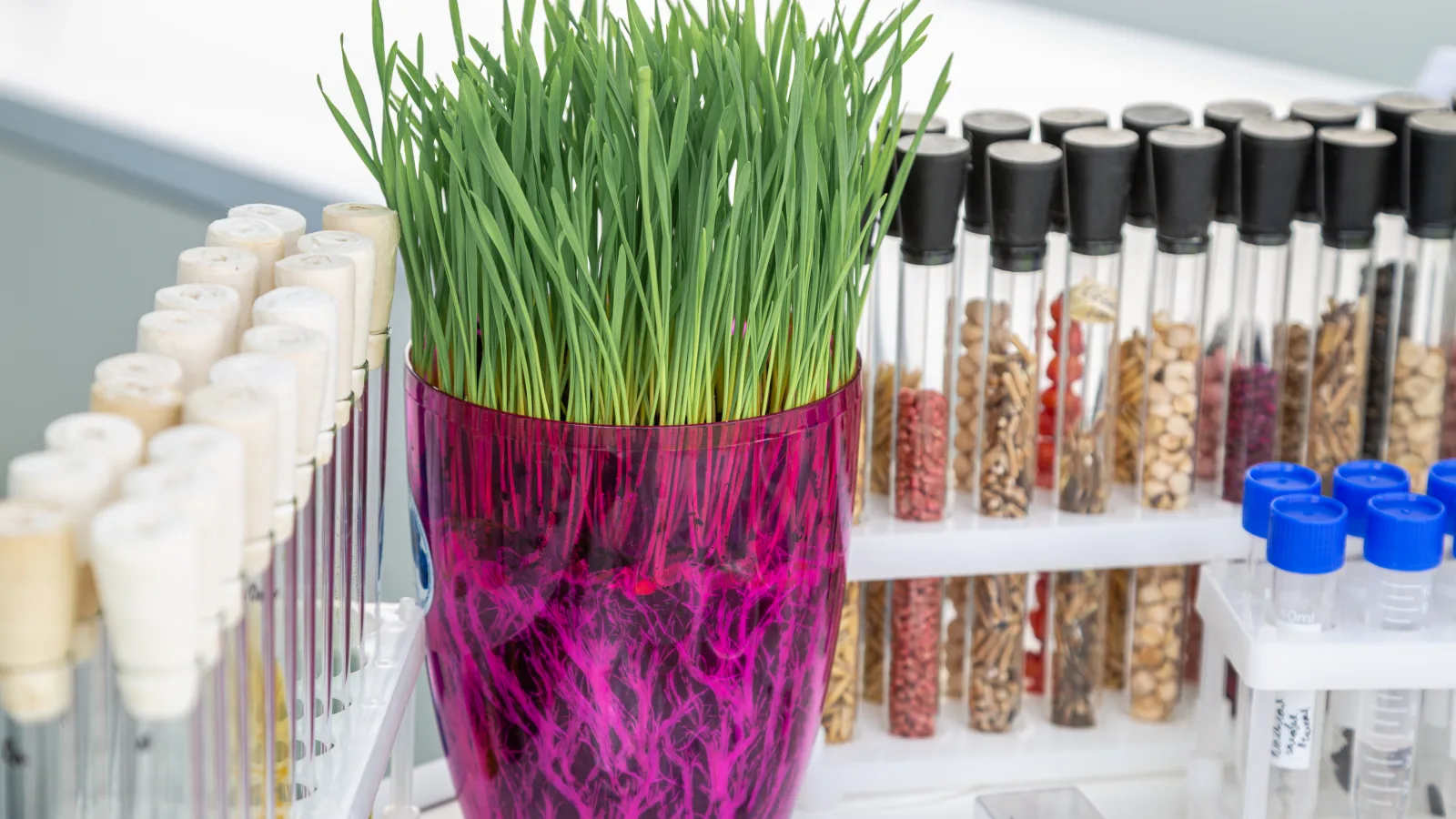
A Glow in the Leaf: Finding Clues to Better Crops, Faster
A new lab technique makes plant leaves glow to reveal which genes to edit, cutting the search time behind crop improvement. Here's what it could mean for the varieties you grow at home.
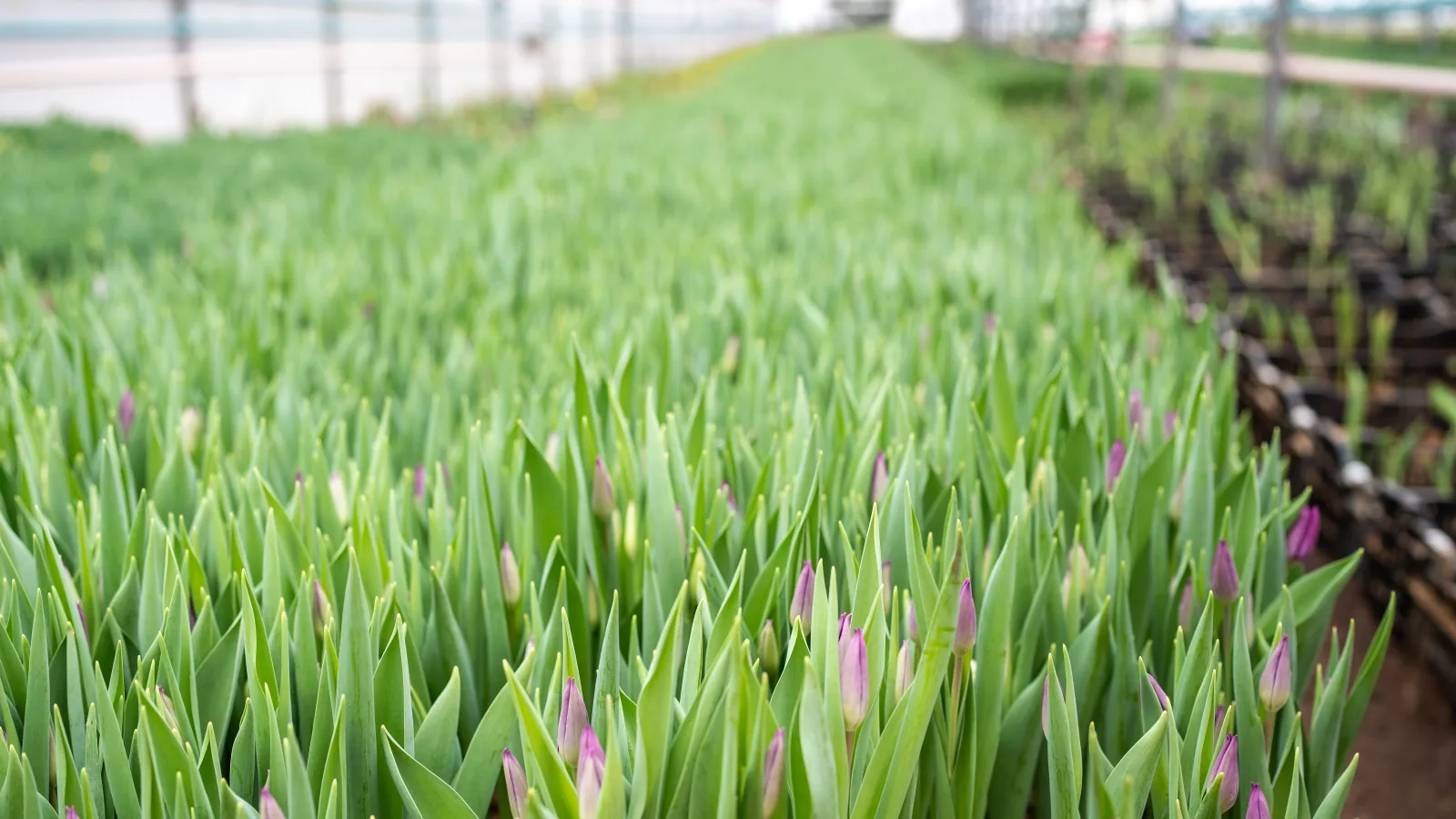
The Netherlands, Export Powerhouse — Until You Look at the Dinner Table
The Netherlands ranks as the world's second-largest food exporter, but a Wageningen University study that counts calories, protein, farmland, and feed — imports included — finds its real contribution to the global food supply is far smaller than its reputation. A balcony garden makes the same point: what actually reaches your table can differ from the headline numbers.
A New Way to Cut Grain Pests, Borrowed From a Familiar Fermentation Microbe
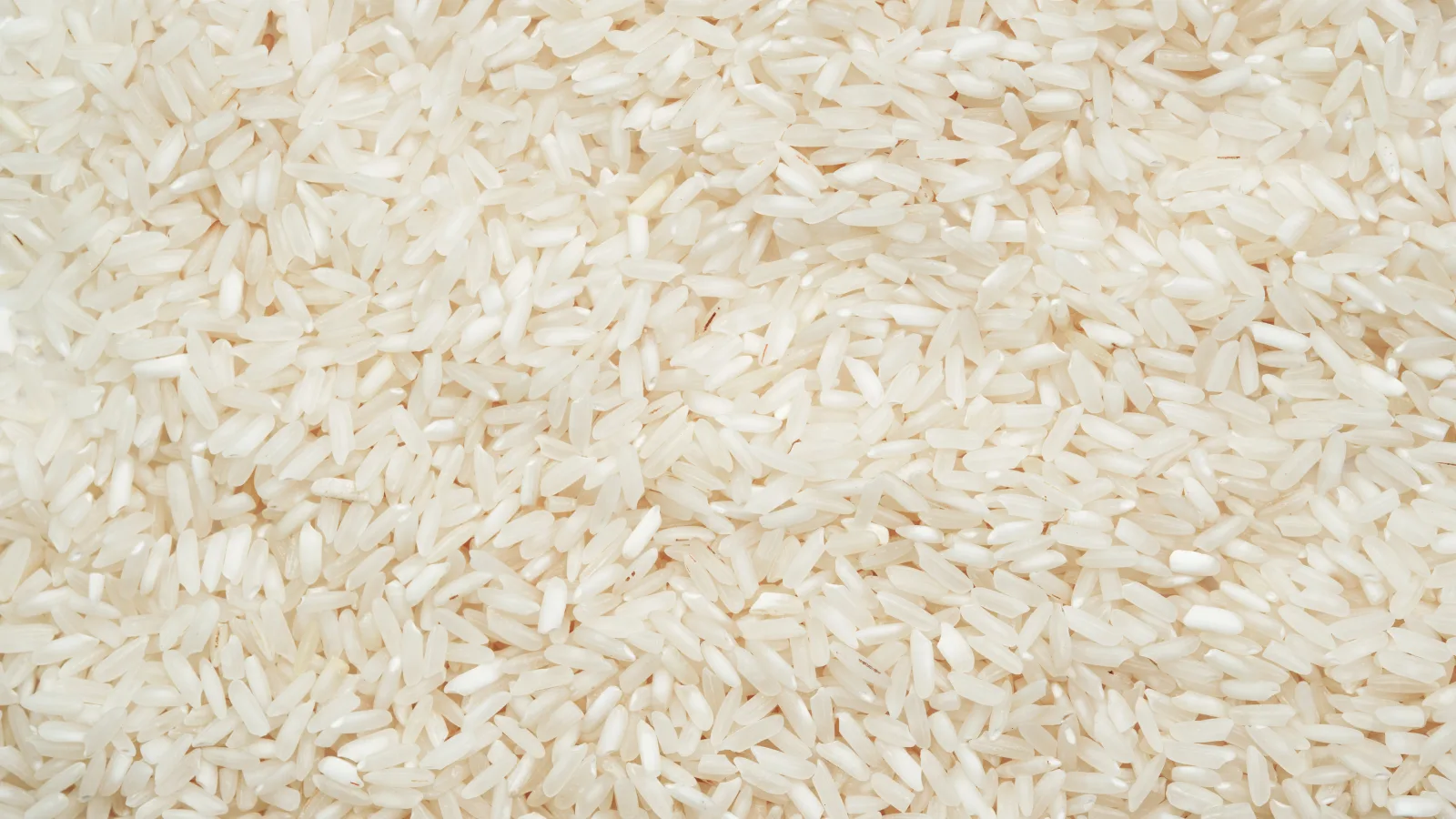
Researchers are testing a gentler way to fight the beetles that infest stored grain: using a well-known fermentation bacterium to switch off a single pest gene, without spraying chemicals on the food you eat.
The Pesticide Rollback Debate: What European Scientists Are Warning About
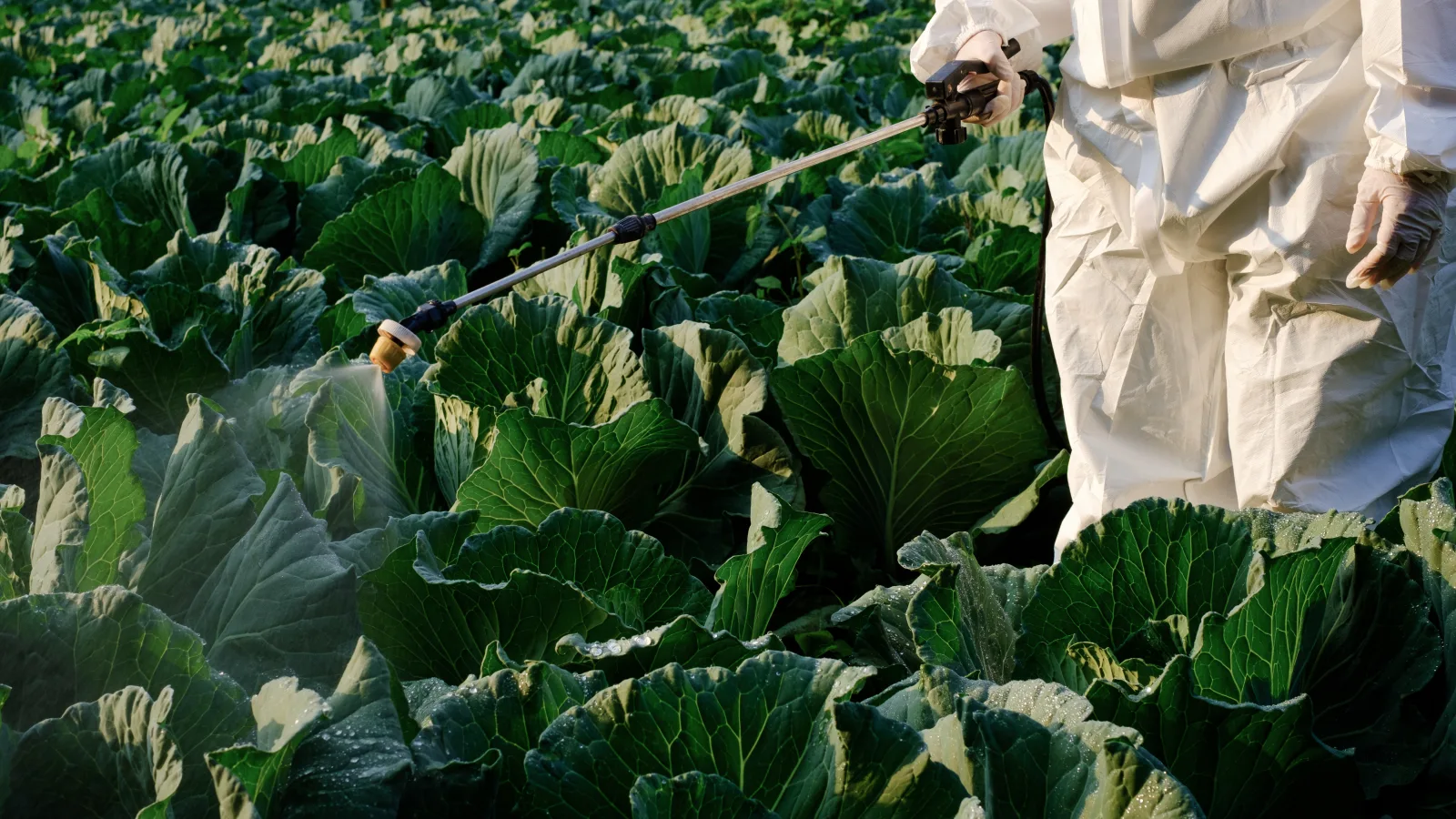
The European Commission wants to streamline how pesticides are approved, but a group of independent scientists warns that faster paperwork could quietly weaken the science that keeps our food safe. Here's why it matters, even at a Korean dinner table—and what you can control from your own garden.
Does a Calcium Pill Really Protect Your Bones?
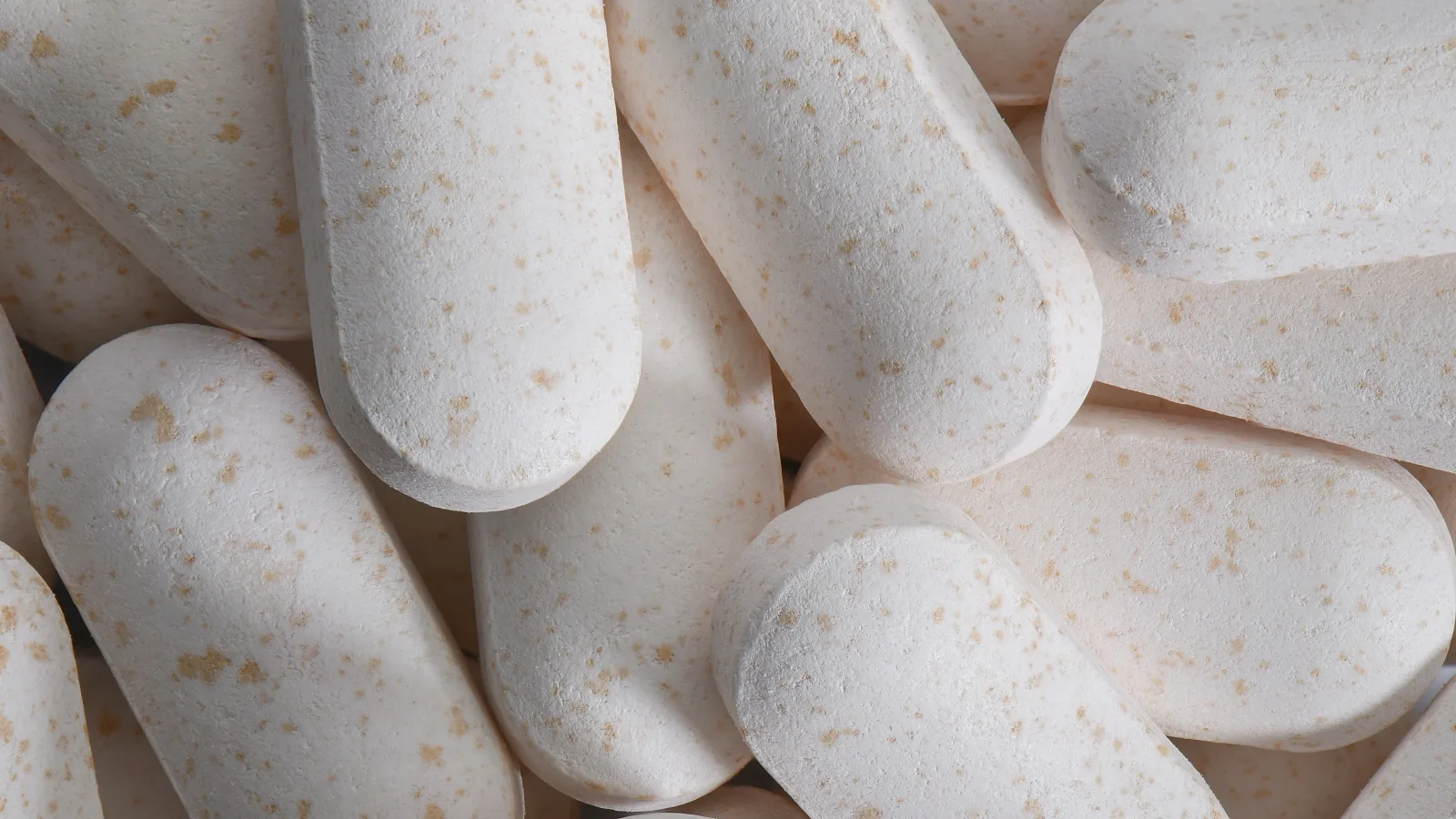
A study of more than 150,000 people found that calcium and vitamin D supplements did little to prevent fractures or falls in healthy older adults. The most reliable path to strong bones runs through calcium-rich garden vegetables, a little sunshine, and the weight-bearing work of tending the soil.
Why Rice Blossoms Chose the Dawn
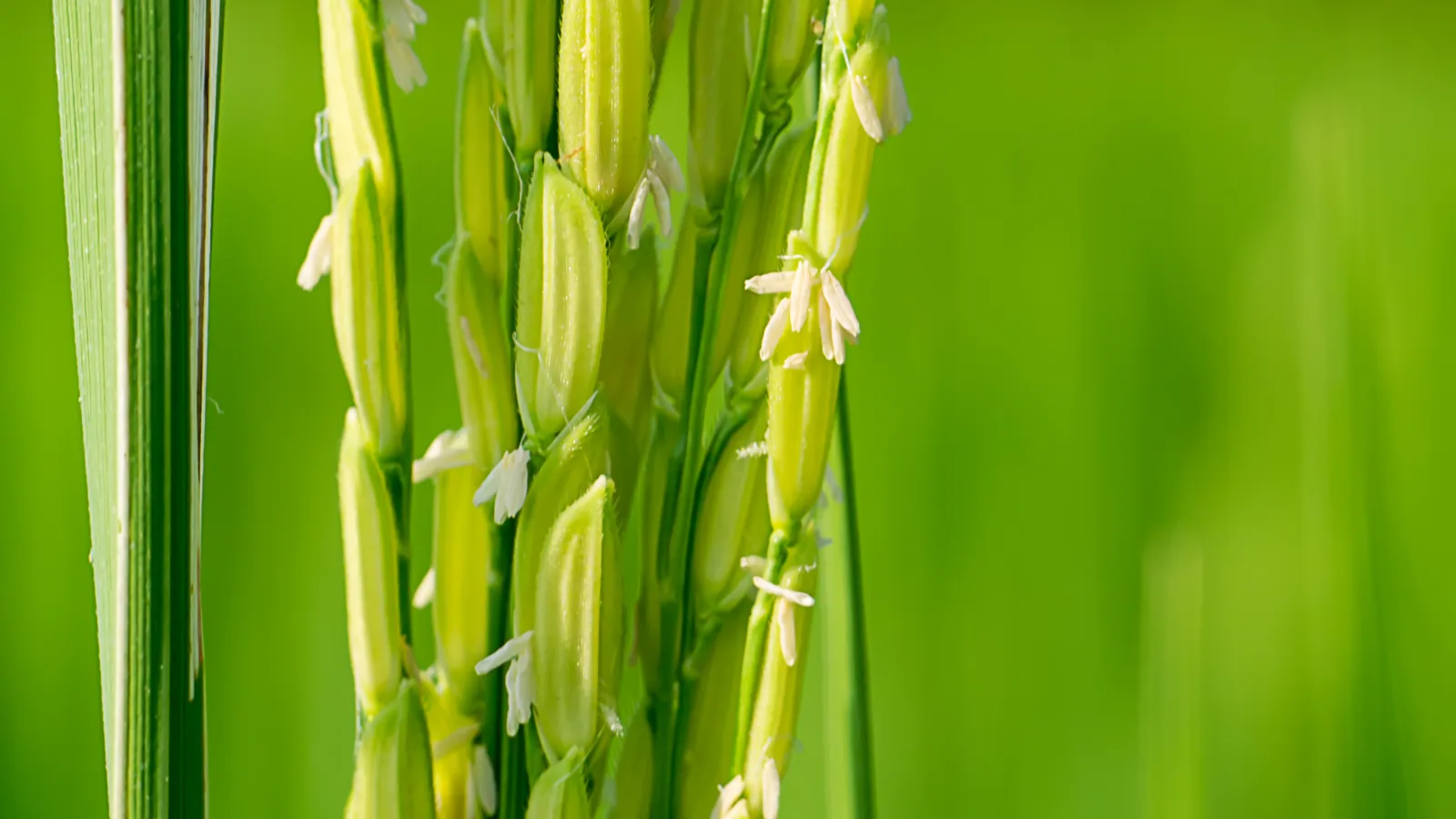
A rice flower stays open for two hours at most, and rising summer heat is wrecking pollination inside that window. Scientists have found a gene, EMF3, that lets the plant bloom at dawn — before the temperature turns hostile.
What the Label Leaves Out
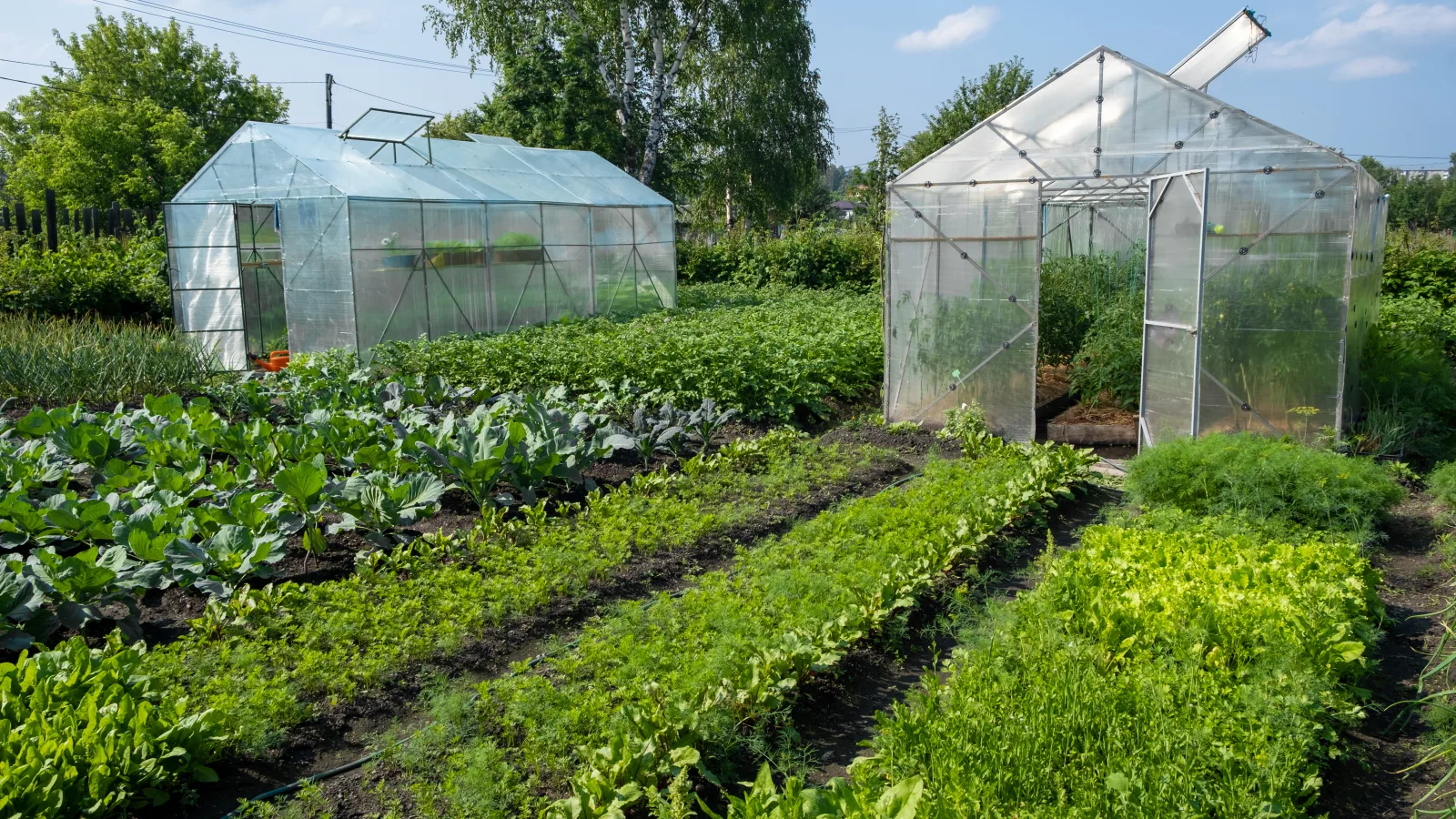
Scientists have identified more than 26,000 chemicals in our food, yet nutrition labels track only a few dozen. Growing a variety of vegetables at home may be the simplest way to take in the many compounds science hasn't even named yet.
A Handful of Rice Husk Ash Can Transform Your Cilantro
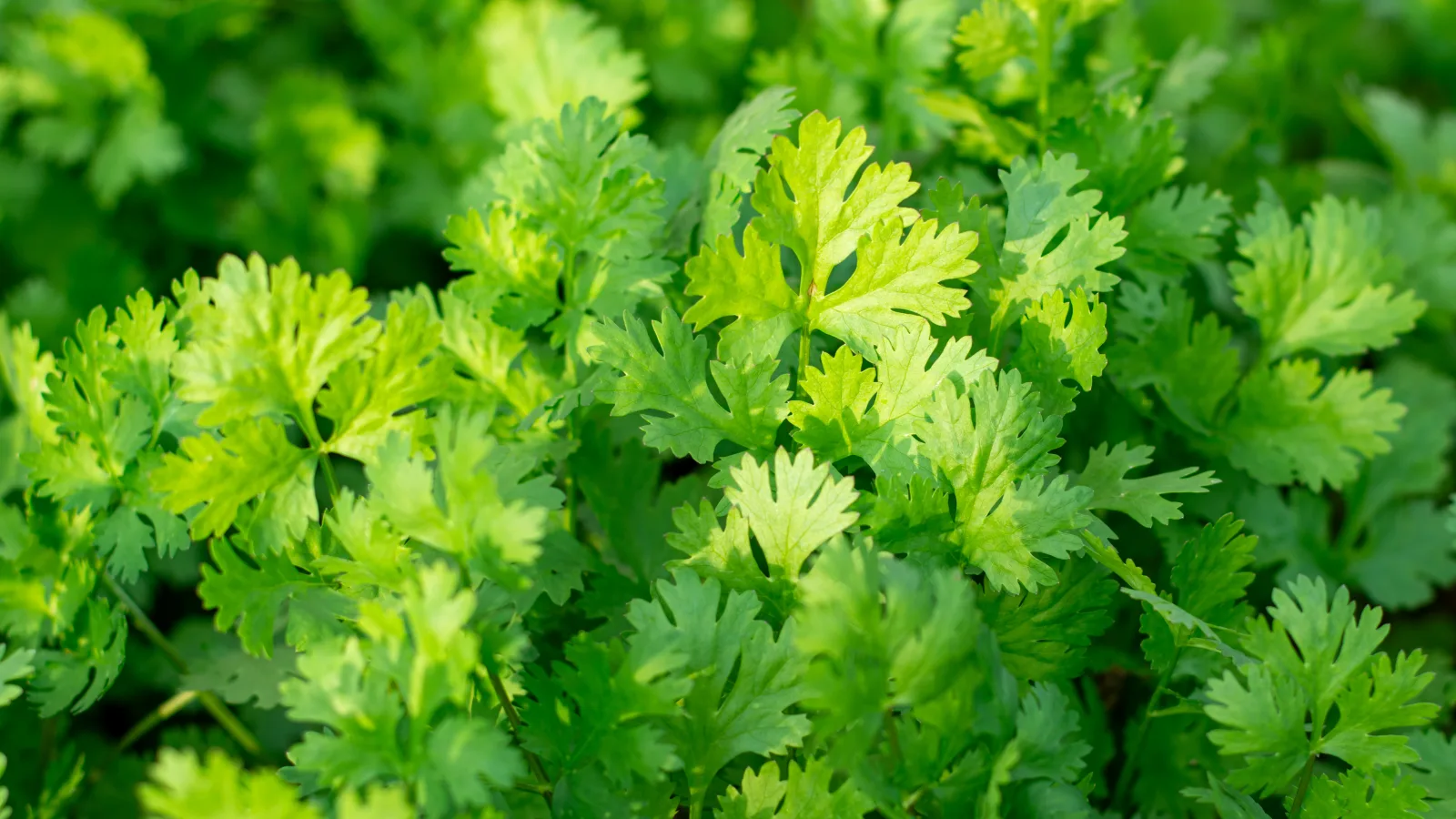
Thin stems and pale, flavorless leaves are a common frustration for cilantro growers — and the culprit is often a hidden silicon shortage. A simple handful of rice husk ash, especially paired with a beneficial soil microbe, can restore vigor, yield, and even nutritional density.
Amaranth: The Leafy Green That Thrives in Scorching Heat
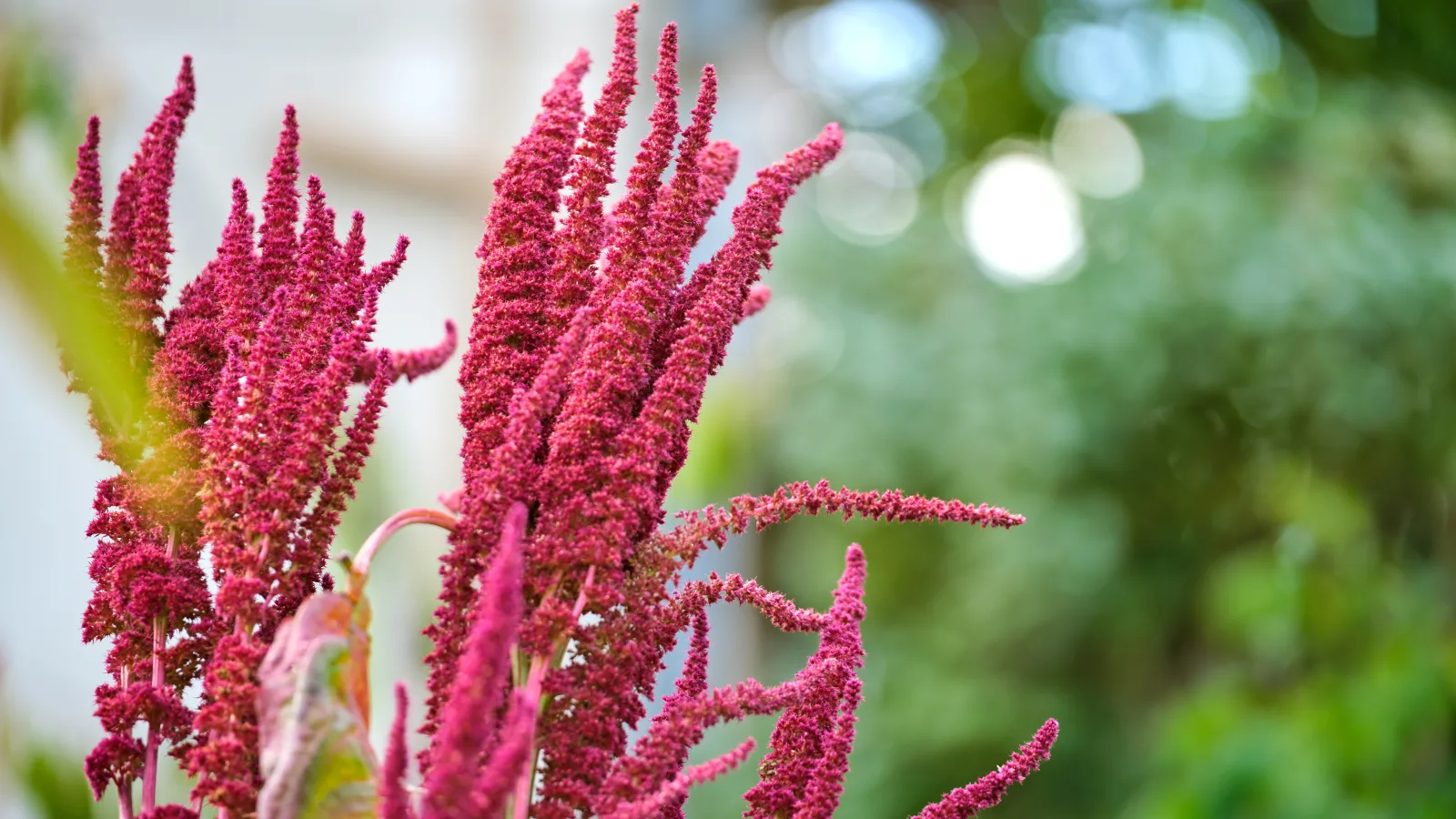
When summer heat sidelines lettuce and spinach, amaranth steps in — a fast-growing, sun-tough leafy green that Rutgers University researchers found to be rich in iron, calcium, and protein. Here's how to grow it and put it to work in the kitchen.
Cutting Out Sugar Completely Can Actually Worsen Your Blood Sugar
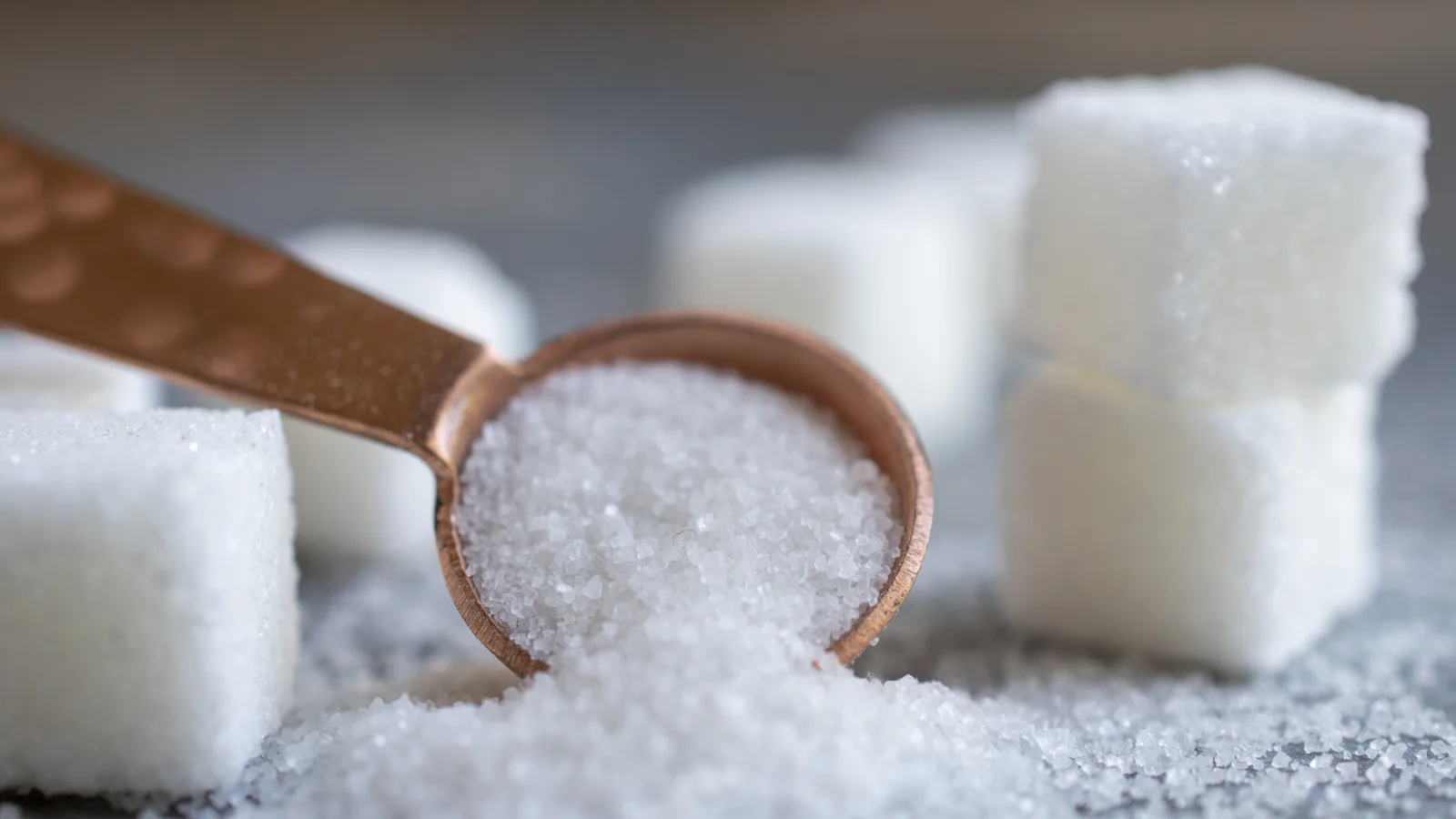
A recent animal study found that removing sugar entirely from a low-fat diet left blood sugar control worse, not better—and shifted the balance of gut bacteria along with it. The takeaway leans toward balance over total elimination.
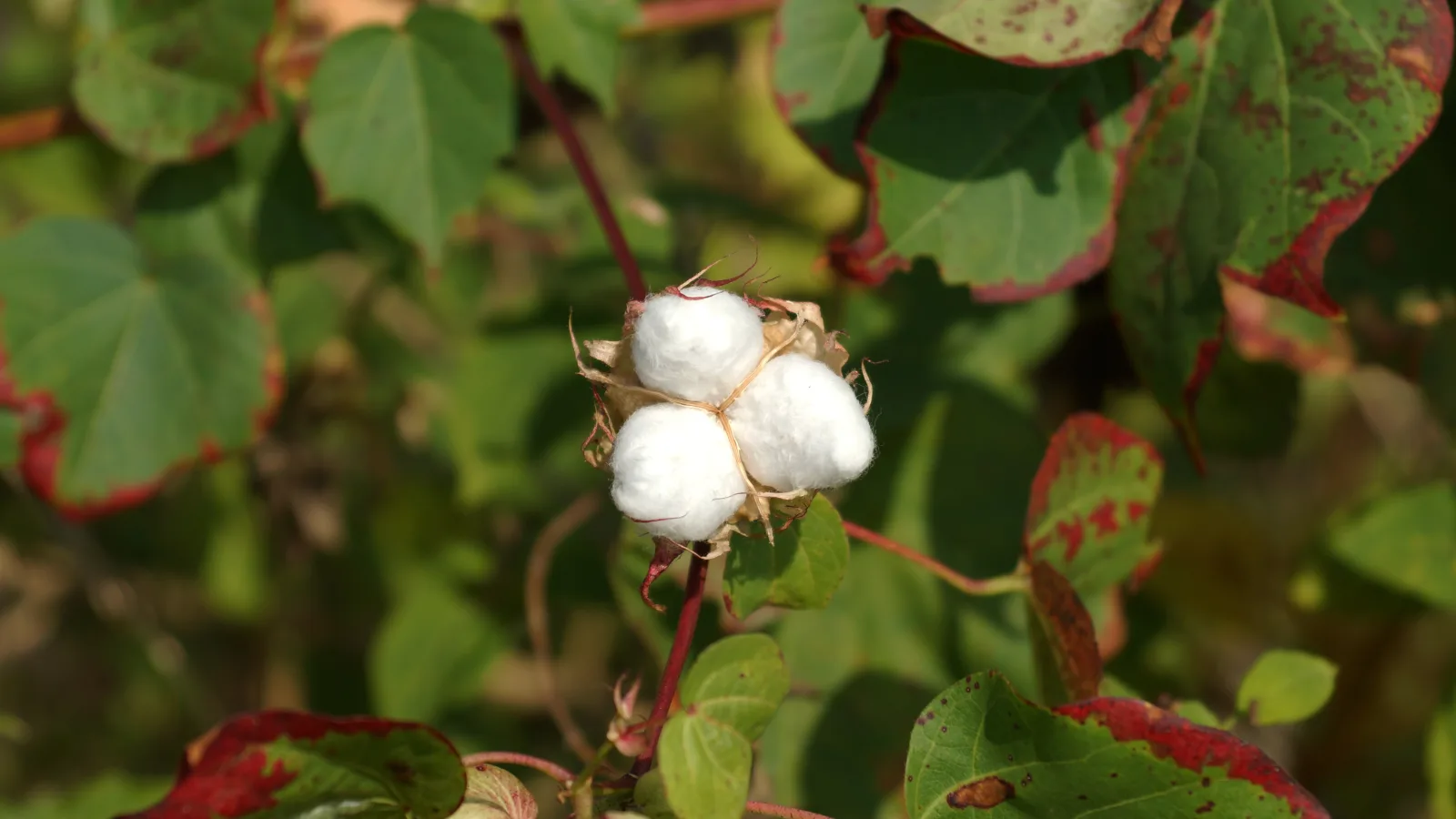
How Cotton Fights Back
Bacterial blight can quietly devastate a container-grown cotton plant, spreading from leaf to boll before most gardeners notice. New resistance-mapping research is helping breeders—and backyard growers—get ahead of the disease.
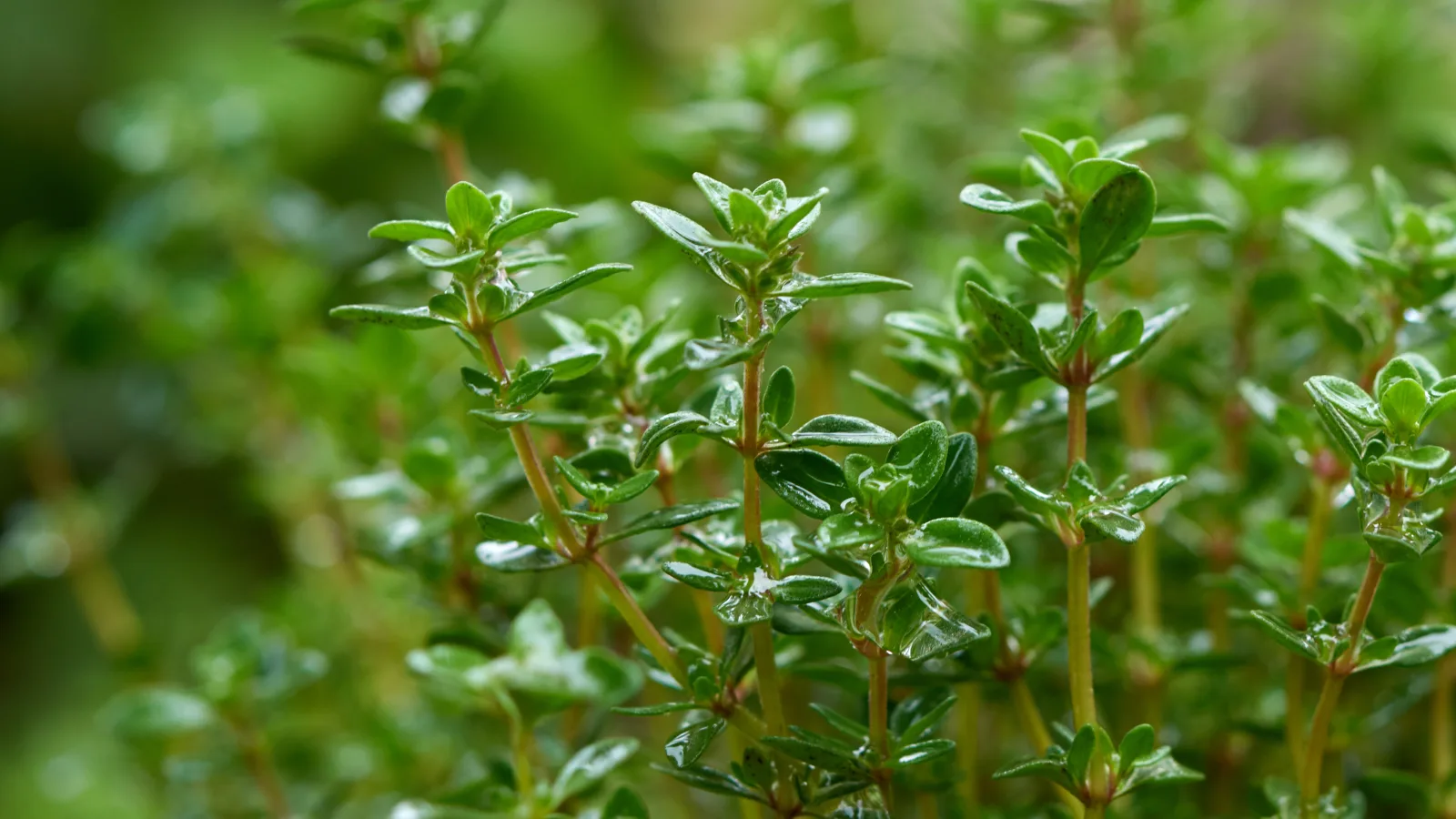
Thyme Slows the Spoilage of Meat
A sprig of garden thyme tucked between cuts of pork keeps the meat fresher overnight—and there's real science behind it. Here's how plant compounds slow the oxidation that turns meat off, and how to put that to work at home.
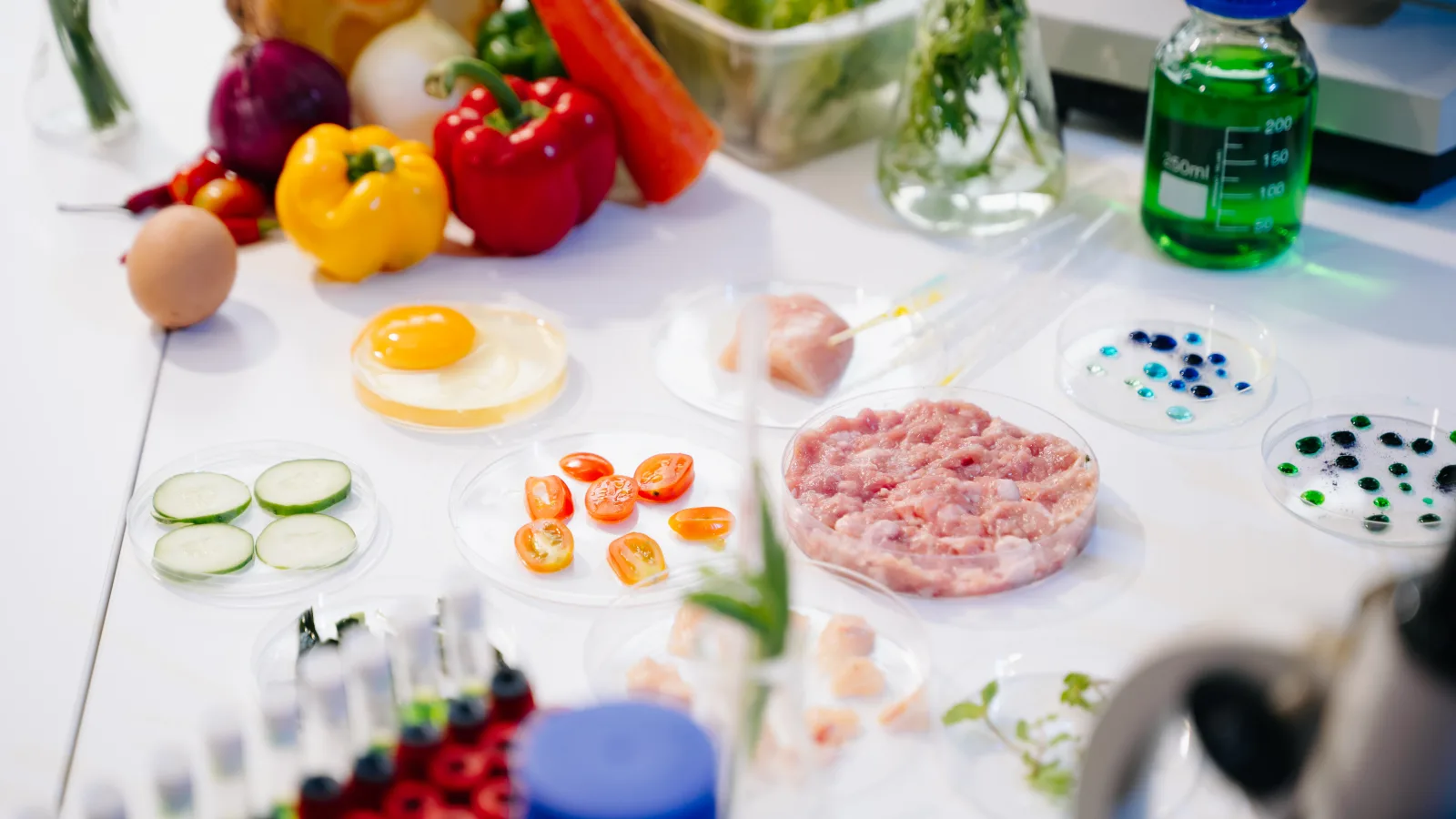
Eating Well but Still Losing Focus?
You're loading up on vegetables, yet every afternoon your concentration slips and your thinking goes foggy. Research suggests the ultra-processed foods sharing your table may be quietly undermining the benefits — and swapping even one snack for something garden-fresh can start to shift the balance.
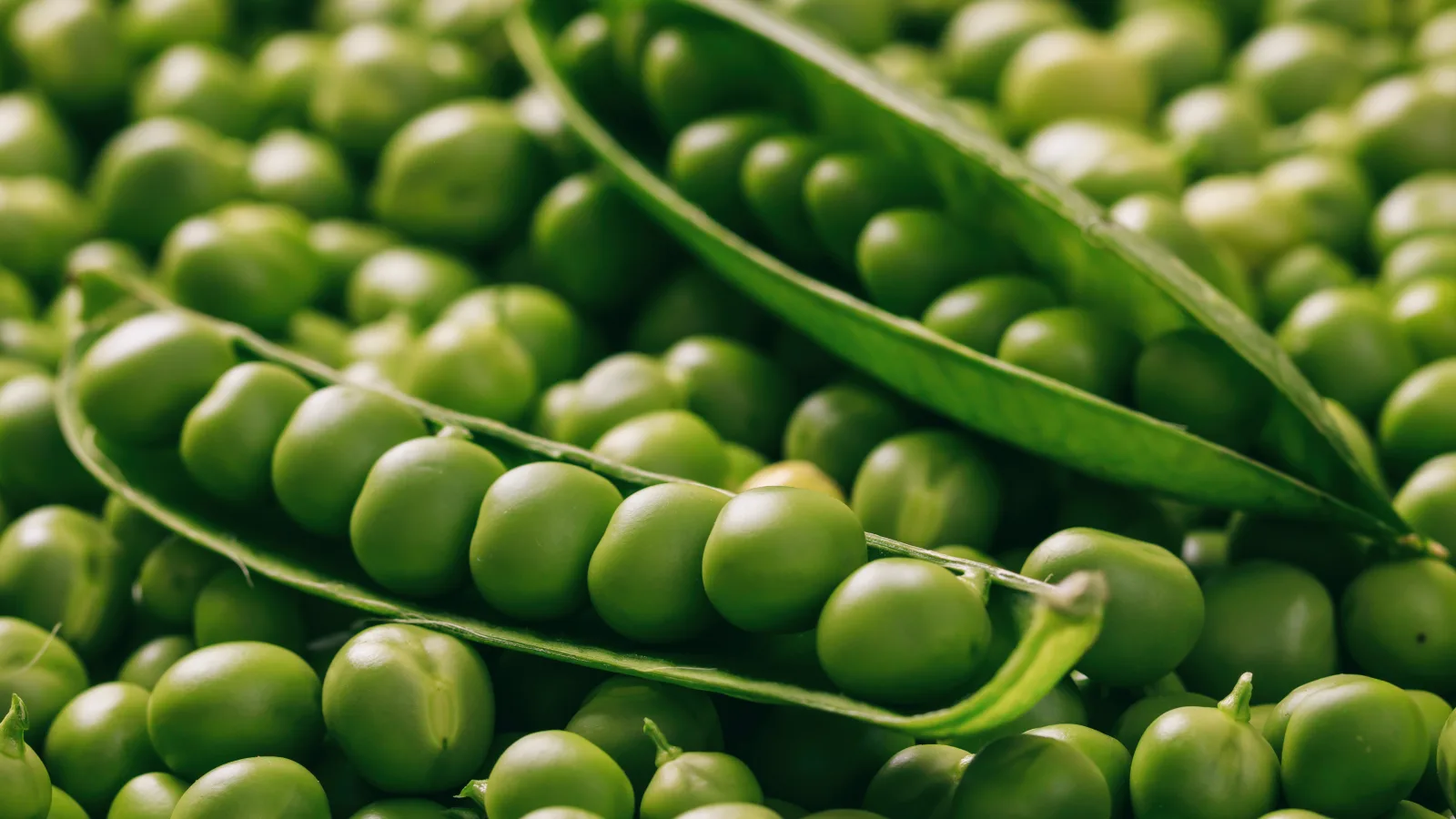
Garden Peas: Health Through the Eyes of the Dongui Bogam
Garden peas have been tended in Korean kitchen plots for centuries, and Korea's landmark 17th-century medical encyclopedia, the Dongui Bogam, tells us exactly why. Gentle, balanced, and quietly sweet, peas were prized for soothing the spleen and stomach, quelling persistent thirst, and steadily supporting the body's underlying foundation.
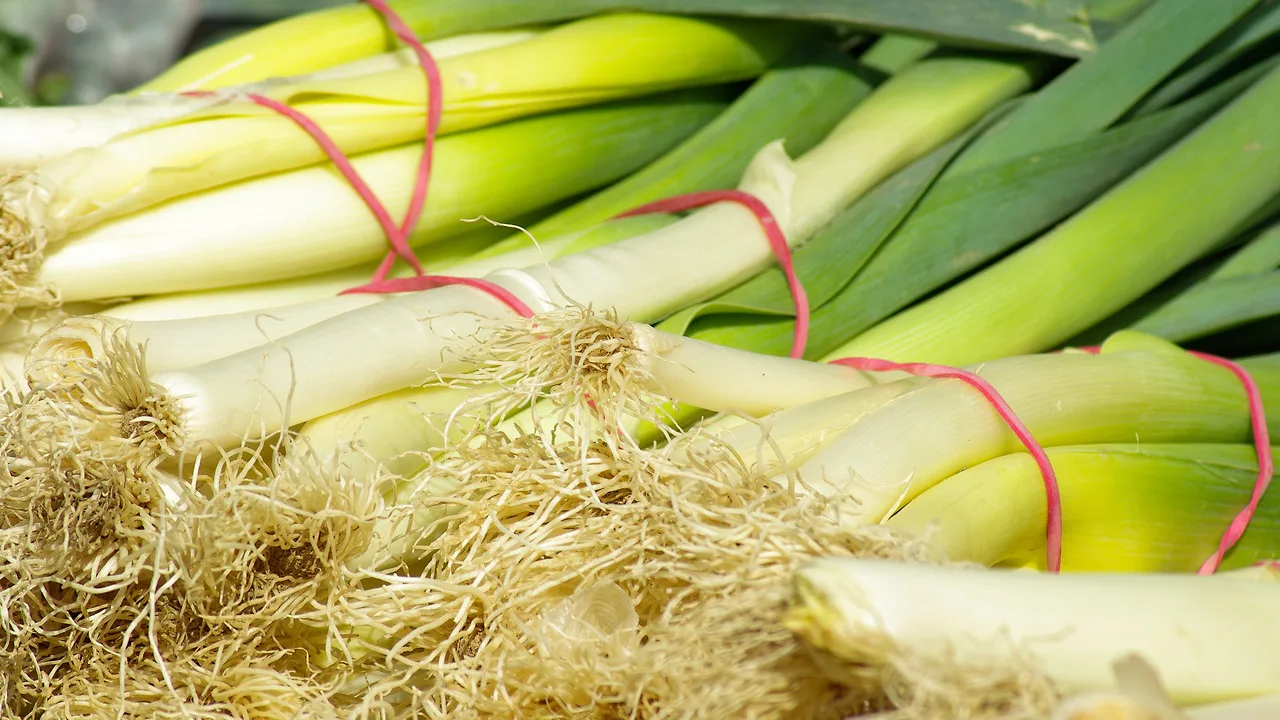
Green Onion Wellness, as Seen by Dongui Bogam
The large green onion growing in your garden has a quietly distinguished history in Korean classical medicine. Dongui Bogam gave its thick white base a dedicated name — chongbaek — and relied on it as a household remedy for early-stage chills, best simmered with ginger in a warming broth.
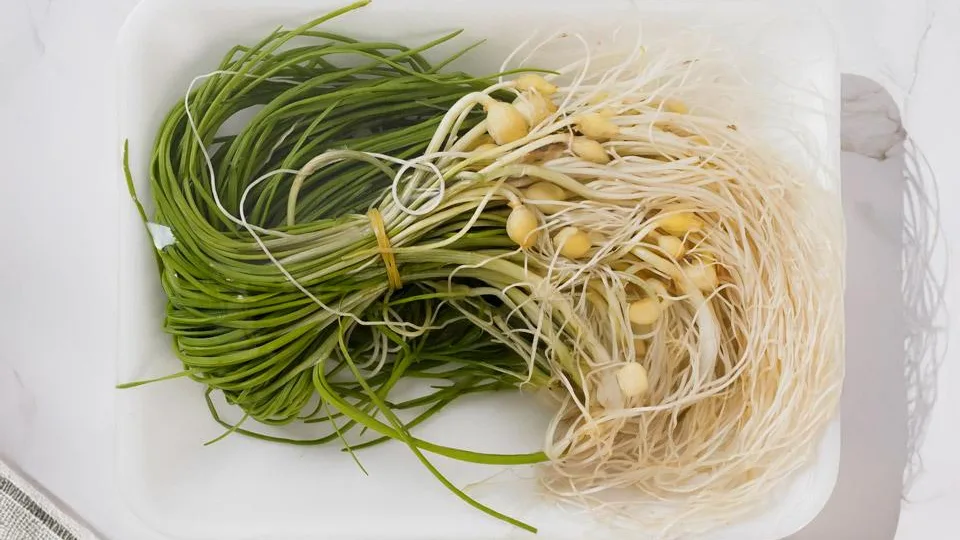
Korean Wild Chive: What Dongui Bogam Said About Its Health Benefits
Korean wild chive turns up almost unbidden in a winter-rested garden, and it has been welcome on the Korean table for centuries. The Dongui Bogam, the landmark 1613 Korean medical encyclopedia, classified it as a warming food for digestion — a view that aligns surprisingly well with what modern nutritional science notices in the same plant.
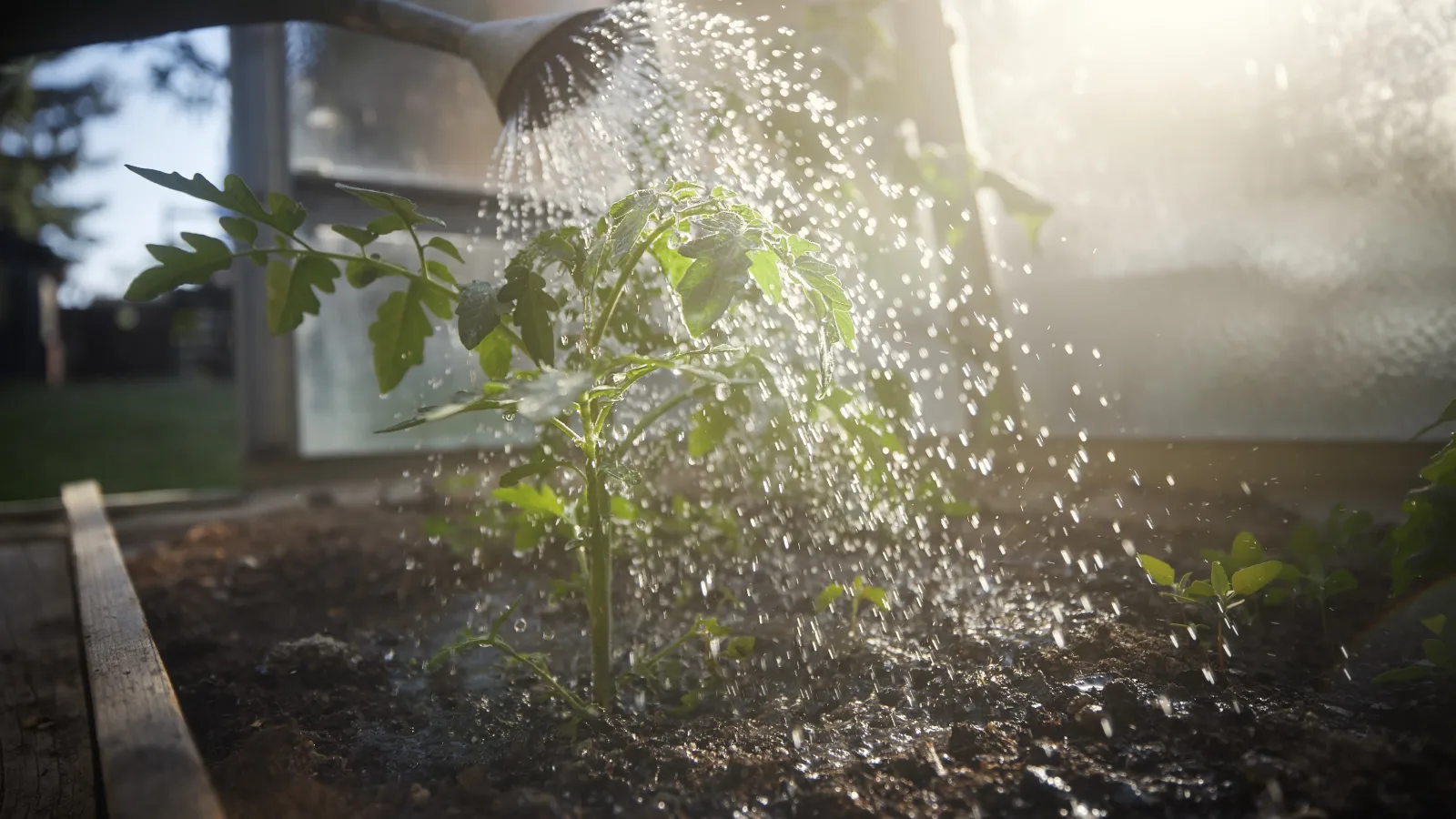
Why Leaves Keep Working Through Heat and Dry Air
A new study from Australia's ANU reveals that heat and dry air stress plants in distinct ways. Knowing the difference can help you water and shade your summer garden far more effectively.
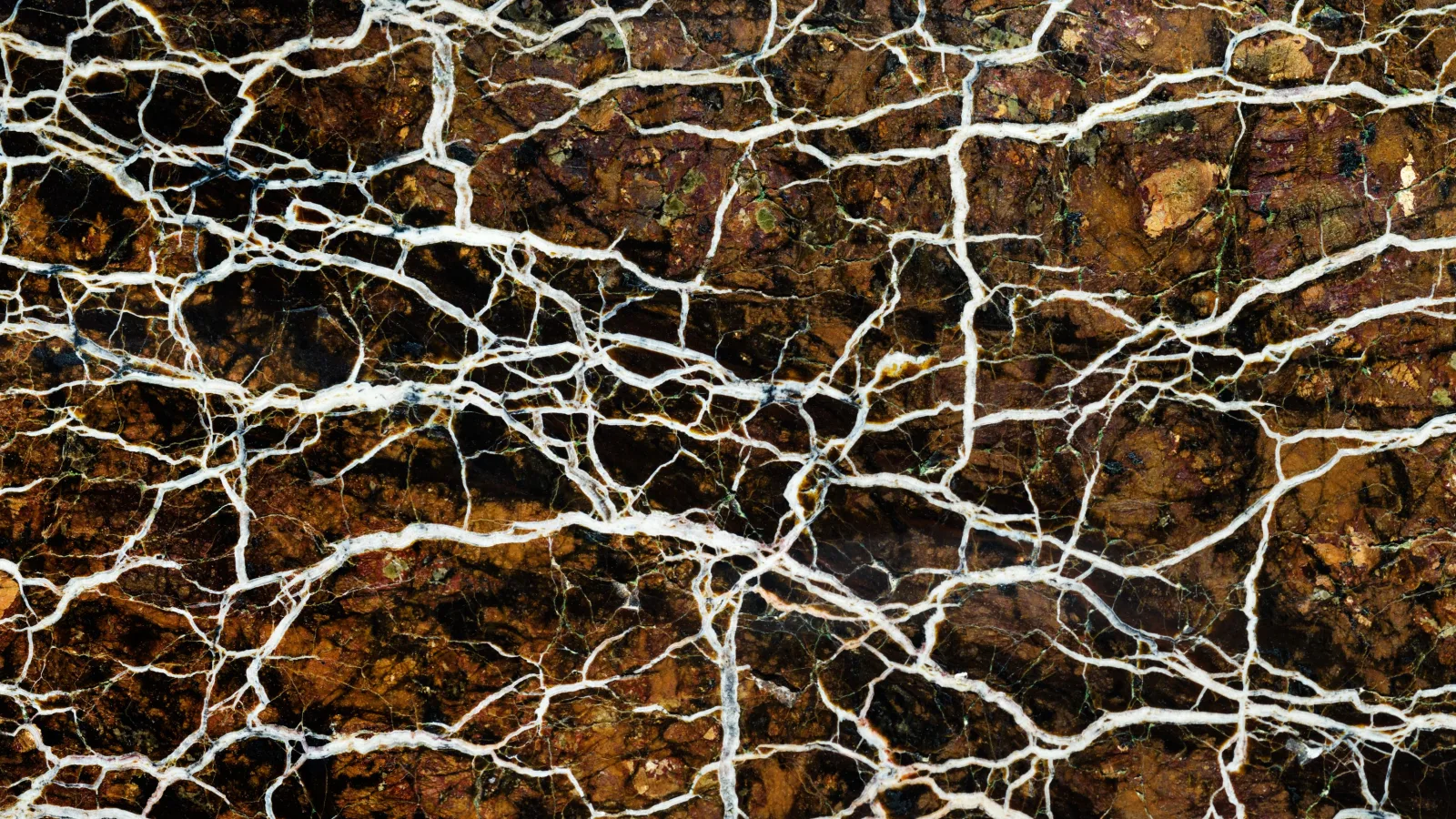
Beneath Your Garden Bed, Fungi Are Feeding Your Plants
An international research team has estimated the total length of Earth's mycorrhizal network for the first time — roughly 110 quadrillion kilometers of invisible fungal threads that feed nearly every plant on land, including the ones in your garden.
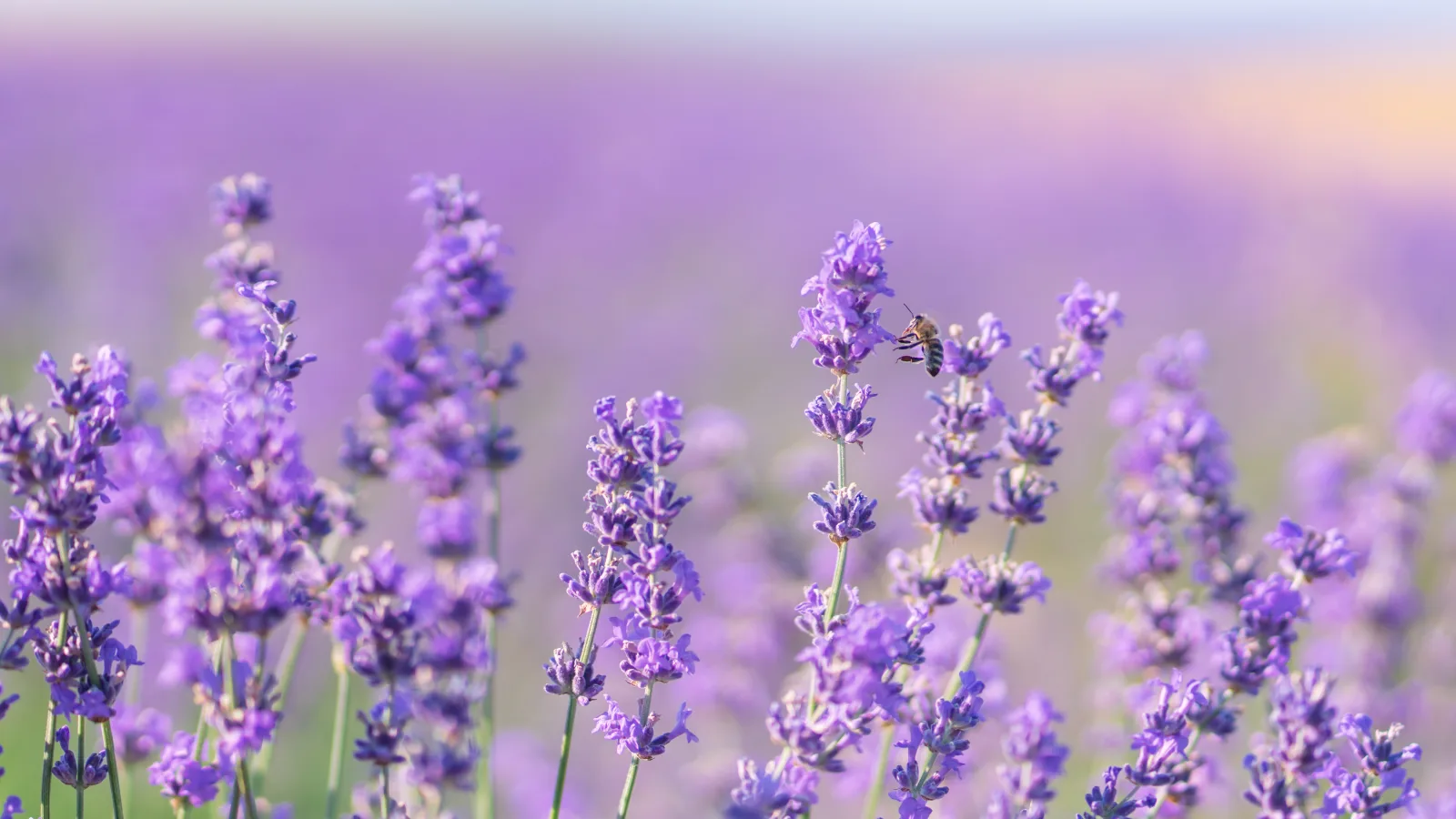
Lavender Gets Richer Every Year You Leave It in Place
Conventional wisdom says rotating crops prevents soil fatigue — but a six-year study from China's premier lavender-growing region found the opposite: lavender left in the same bed year after year produced significantly more essential oil without any loss of fragrance quality.
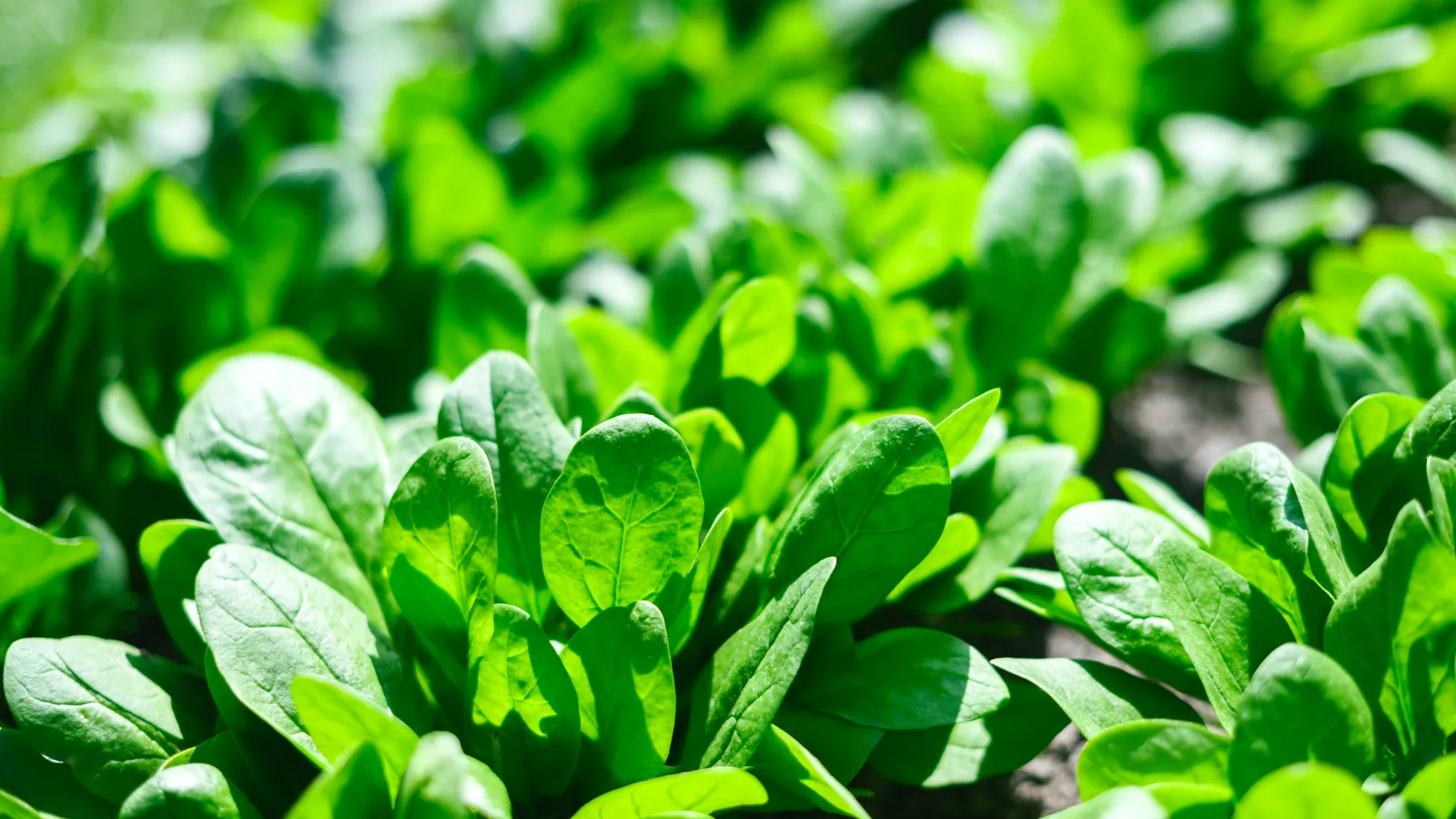
Spinach Holds Its Own in Salty Soil
Salt crust forming on your container soil is a warning sign — but spinach is tougher than it looks. A 2026 study finds that even in high-salinity conditions, spraying selenium directly on the leaves can maintain yields and actually increase the plant's antioxidant content.
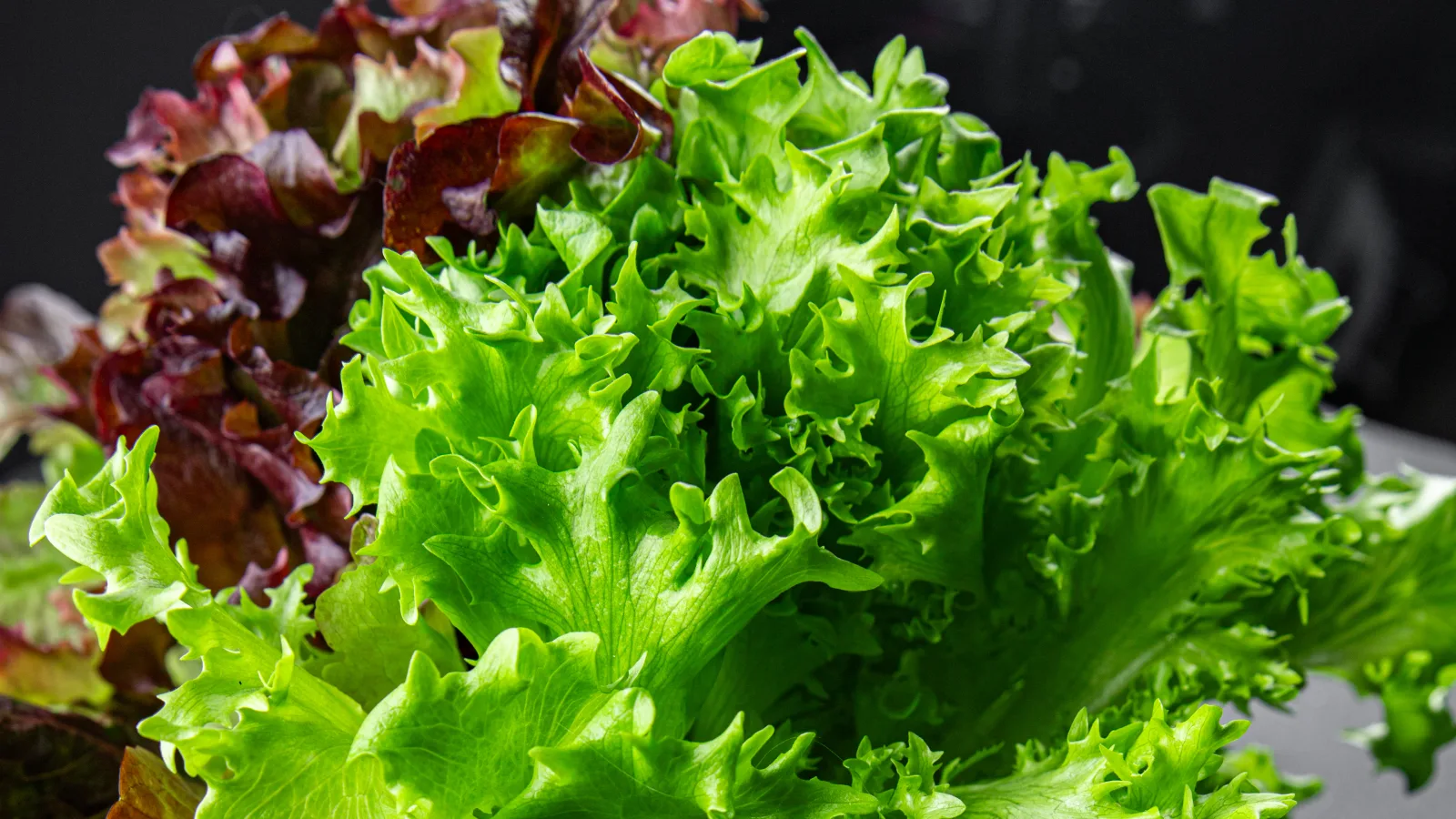
If Your Lettuce Is Growing Slowly, Check Phosphorus Uptake First
Slow growth and pale leaves a month after transplanting may not mean your lettuce needs more fertilizer — the soil could have plenty of phosphorus that the roots simply can't reach. Here's how leonardite humic substances help unlock what's already there.
A Garden That Gets Little Hands Dirty
A season-long garden program in Gyeryong City showed what a few pots of soil can do for young children — and why every family can easily try it at home.
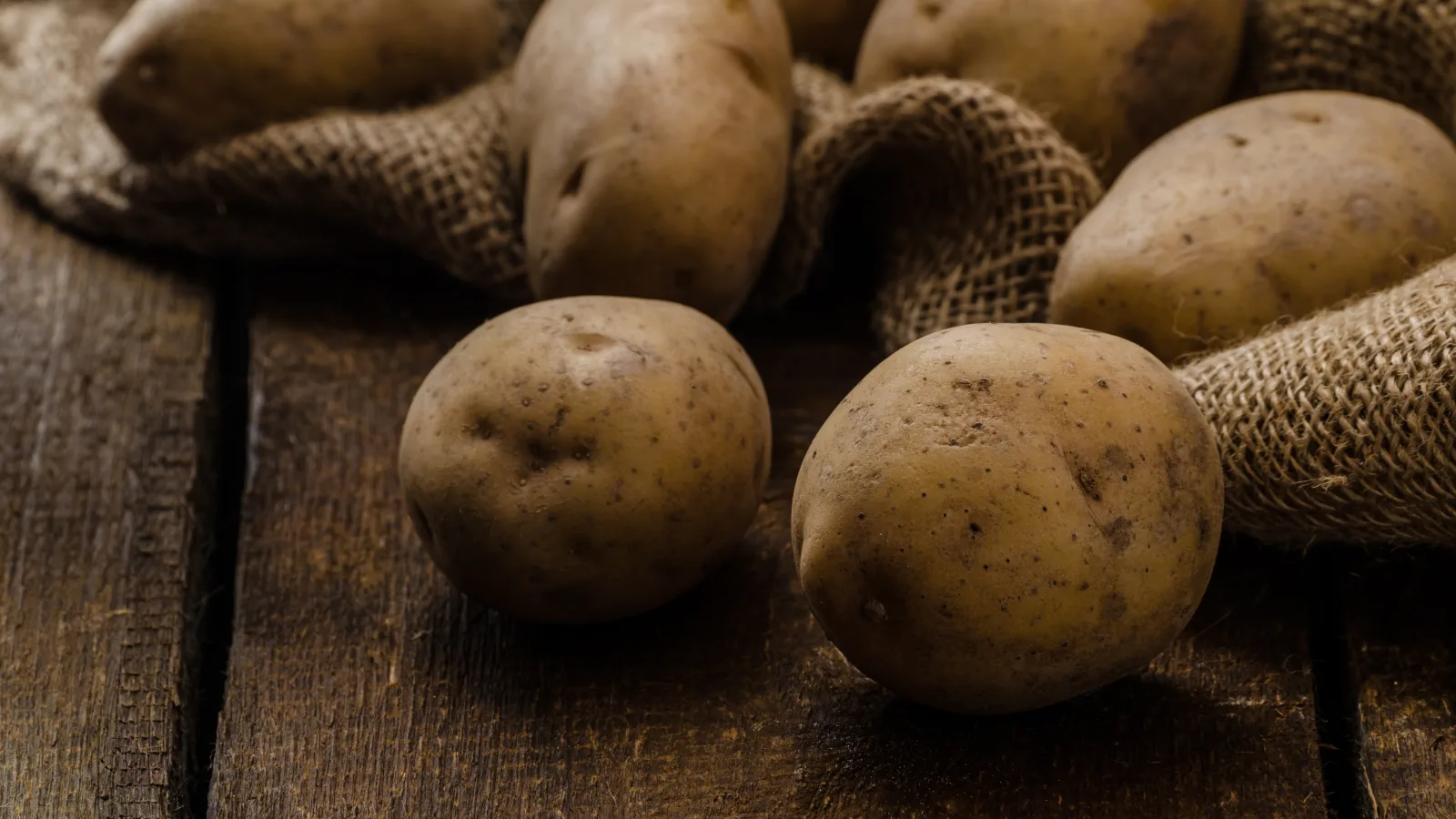
800 kg of Garden Potatoes, Headed for a Neighbor's Table
A community garden in Daejeon donated 800 kg of homegrown potatoes to a local food bank, sending the season's harvest to families in need. Here's why potatoes make such a good crop to share, and how you can pass along your own garden surplus this summer.
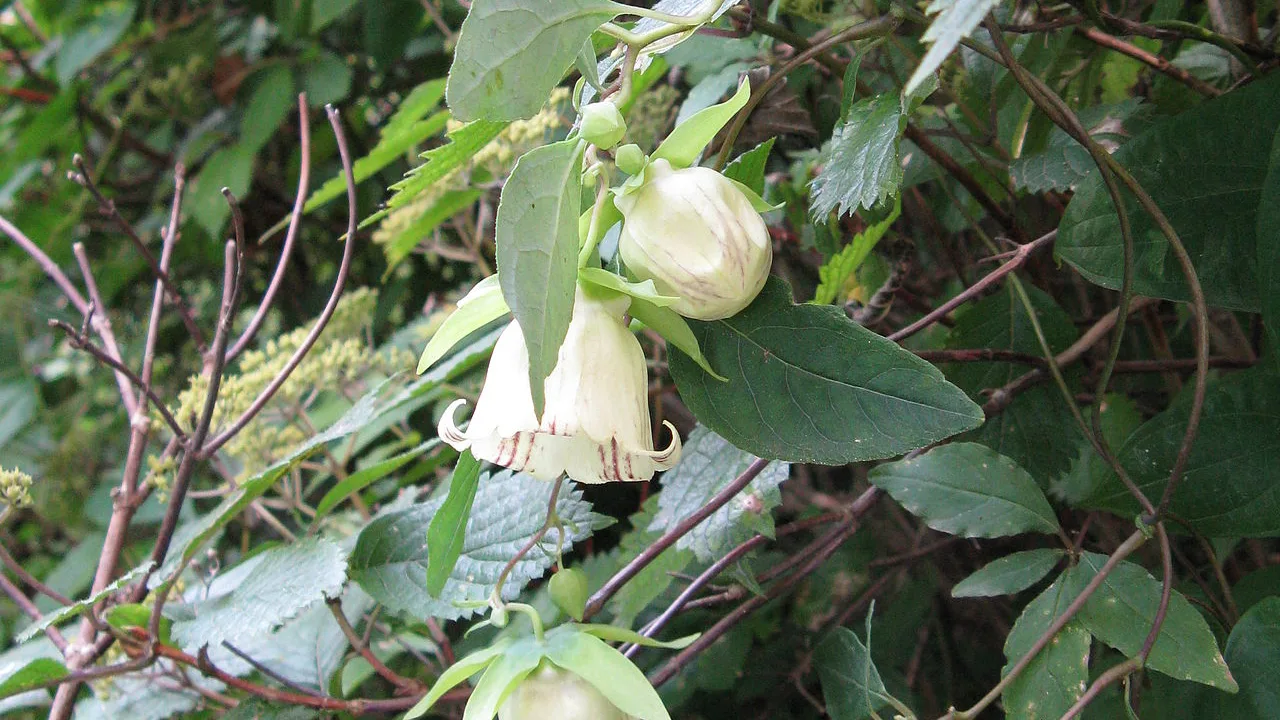
A Single Deodeok Vine on the Balcony, Fragrance and All
Sow deodeok (a bellflower-family root prized in Korean cooking and traditional medicine) in a deep balcony pot, give it a stake to climb, and enjoy its scent for two or three seasons until the roots are ready to harvest.
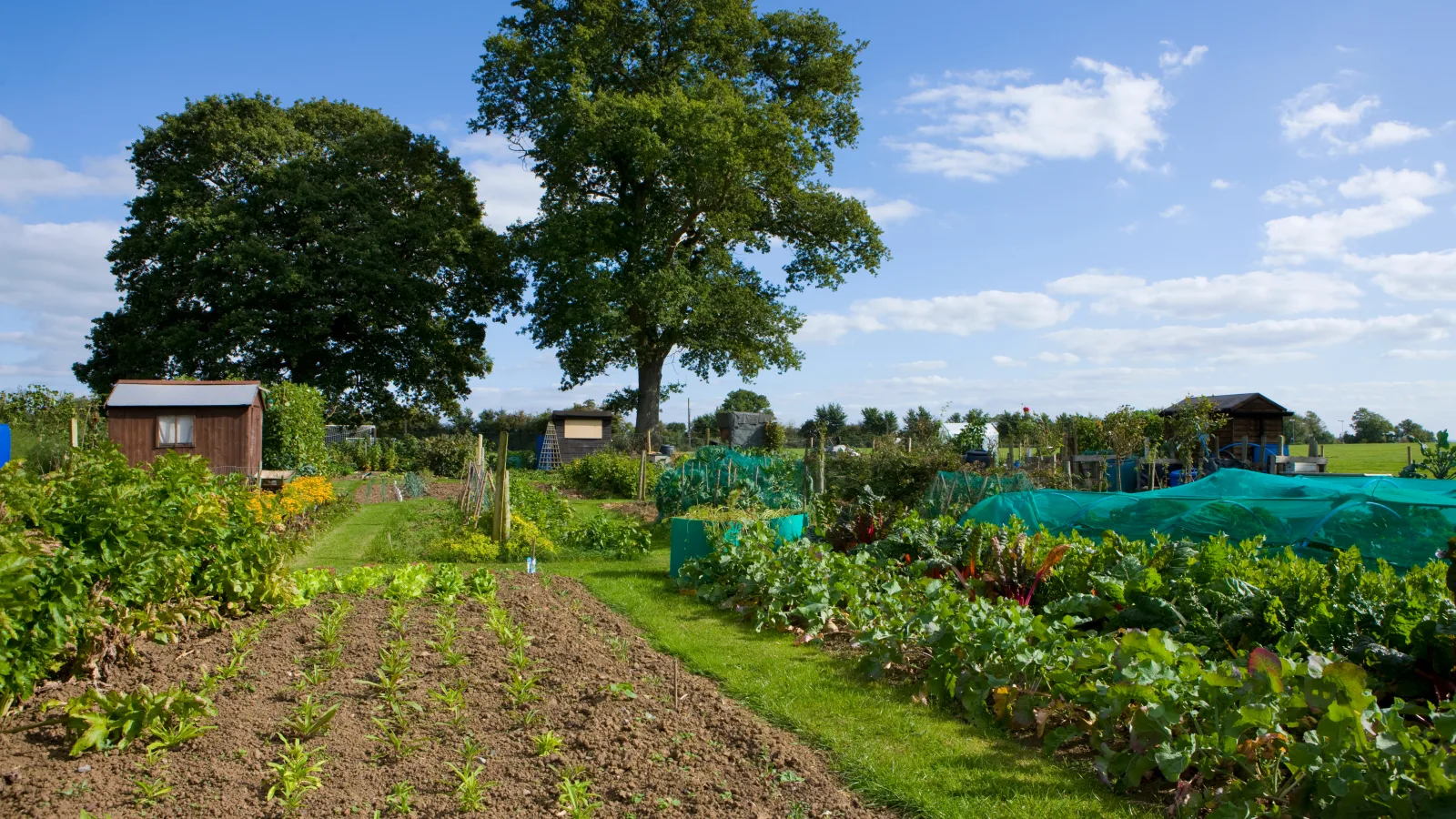
Touching Soil in the Heart of the City: The 'Green Pause'
Urban gardening doesn't require a field—just a few pots, a sunny window, and a little patience. Here's how to start small with lettuce, cherry tomatoes, and basil, and turn ten minutes in the soil into a daily breather.
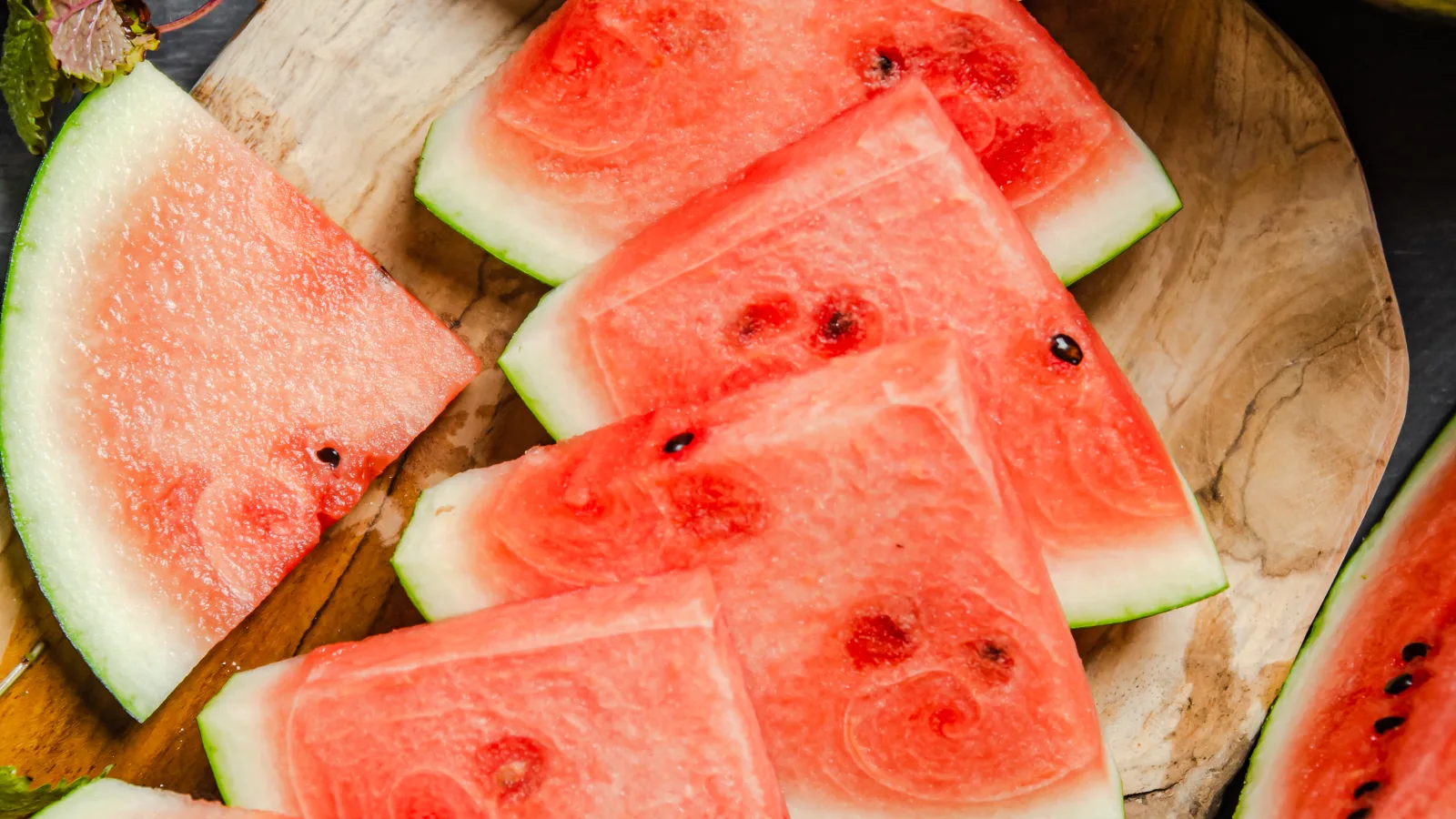
Don't Toss the Watermelon Rind—Turn It Into a Side Dish
The pale layer between a watermelon's red flesh and green skin holds more blood-vessel-friendly citrulline than the fruit itself. Here's how to clean it up and cook it into easy summer side dishes.
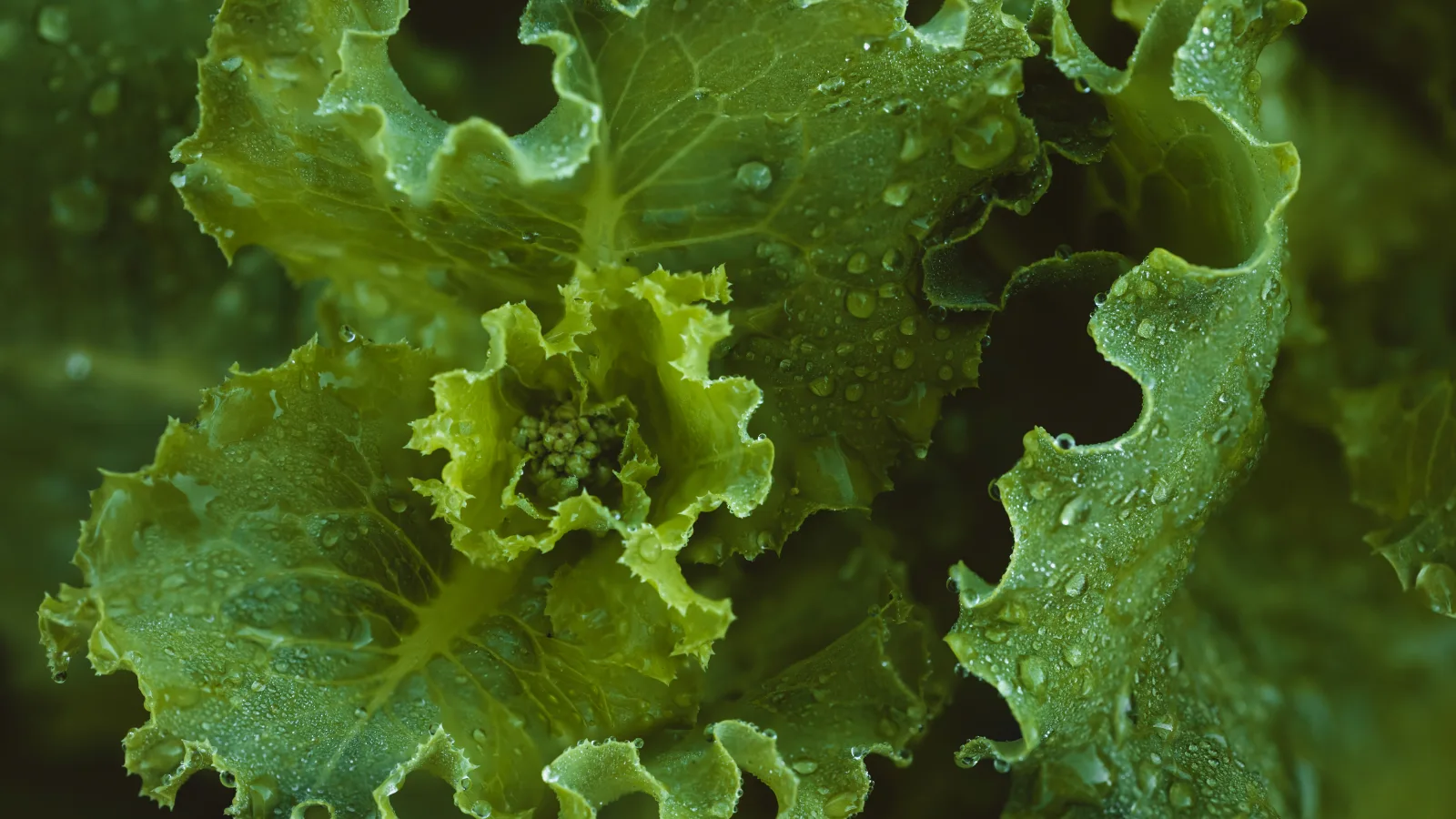
Can a Plate of Lettuce Really Help You Sleep? Here's What the Science Says
The old saying that lettuce helps you sleep turns out to have real clinical research behind it — but not every claimed benefit is equally well supported. We sort lettuce's health effects honestly, from solid evidence to educated guesswork.
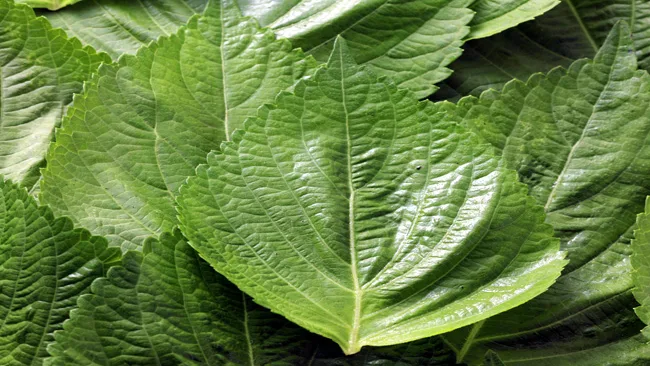
Perilla Grows Back as Fast as You Pick It
Perilla is a crop that grows back as fast as you pick it. Harvest from the bottom up, pinch the growing tip once at five or six nodes, and you'll be gathering tender leaves all summer long.
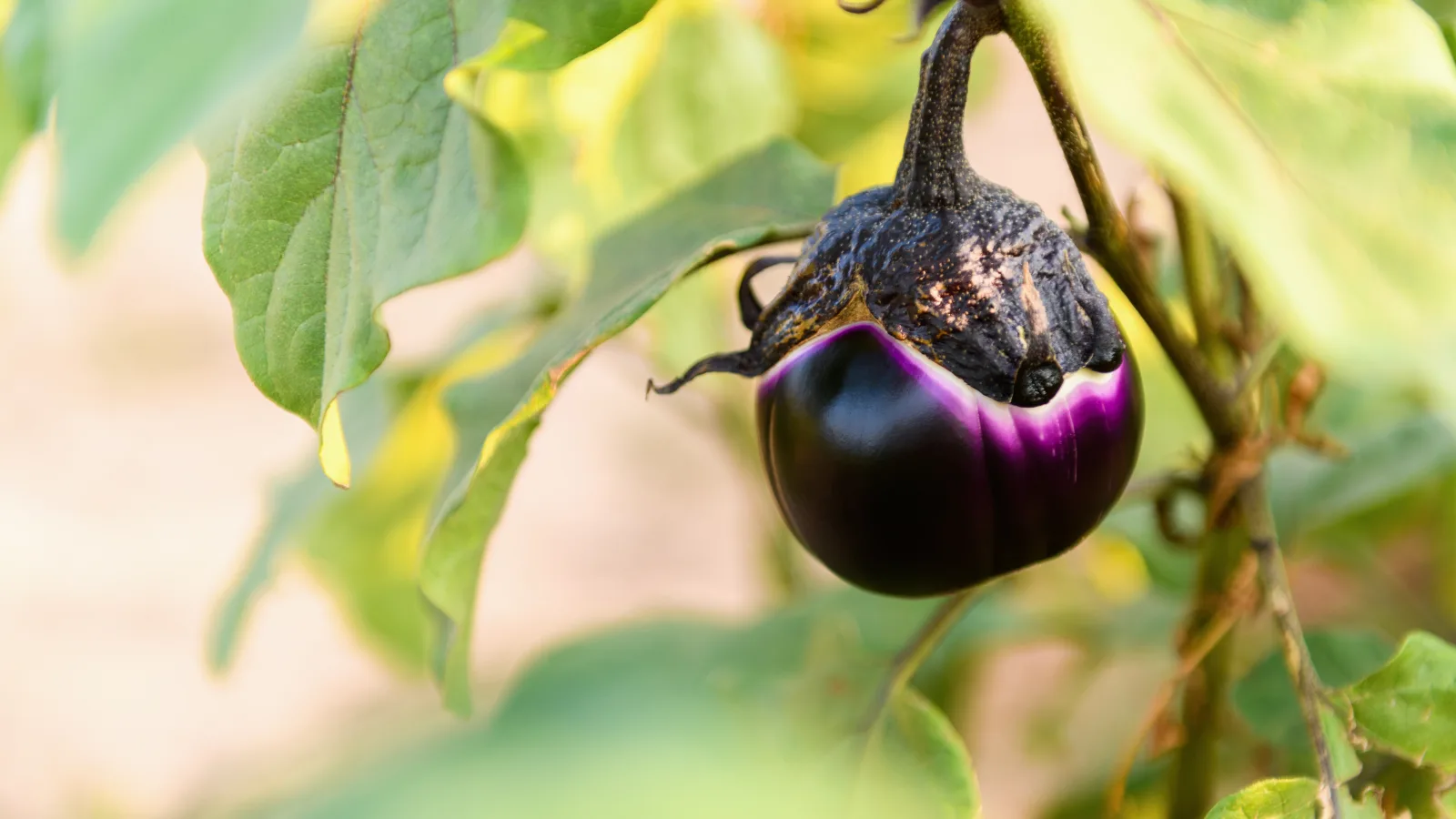
From the Purple of an Eggplant's Skin to Your Bloodstream
The deep purple of an eggplant's skin isn't just color—it's a protective anthocyanin pigment called nasunin that supports our blood vessels too. This piece follows that pigment from the garden bed to the dinner plate, with tips on choosing, cooking, and pairing eggplant to keep its goodness intact.
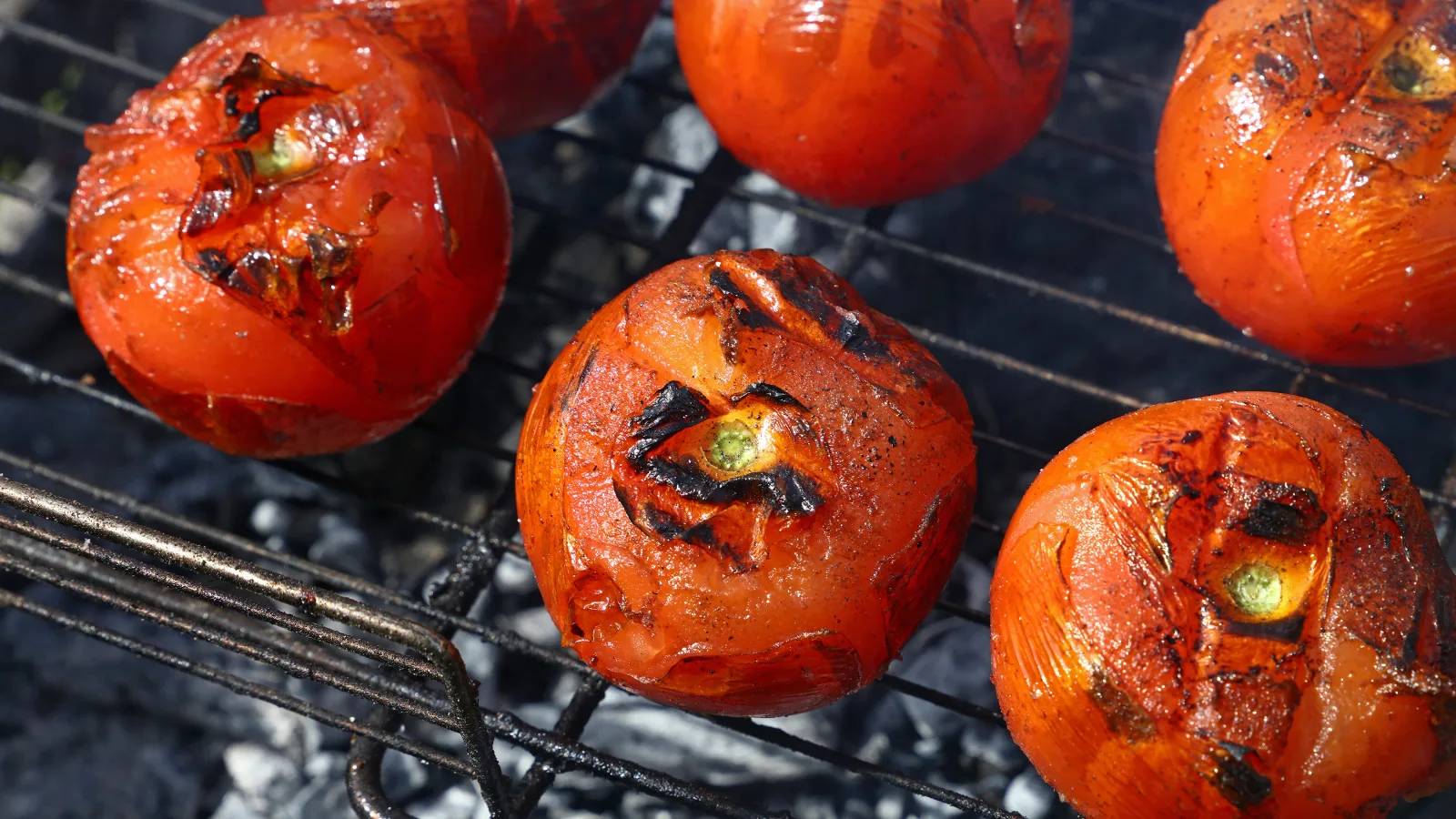
Cook Your Garden Tomatoes — You'll Get Twice the Lycopene
Lycopene, the pigment that turns garden tomatoes red, is linked to lower cancer risk and modest drops in blood pressure and LDL cholesterol. The catch: your body absorbs far more of it when the tomatoes are cooked with a little oil.
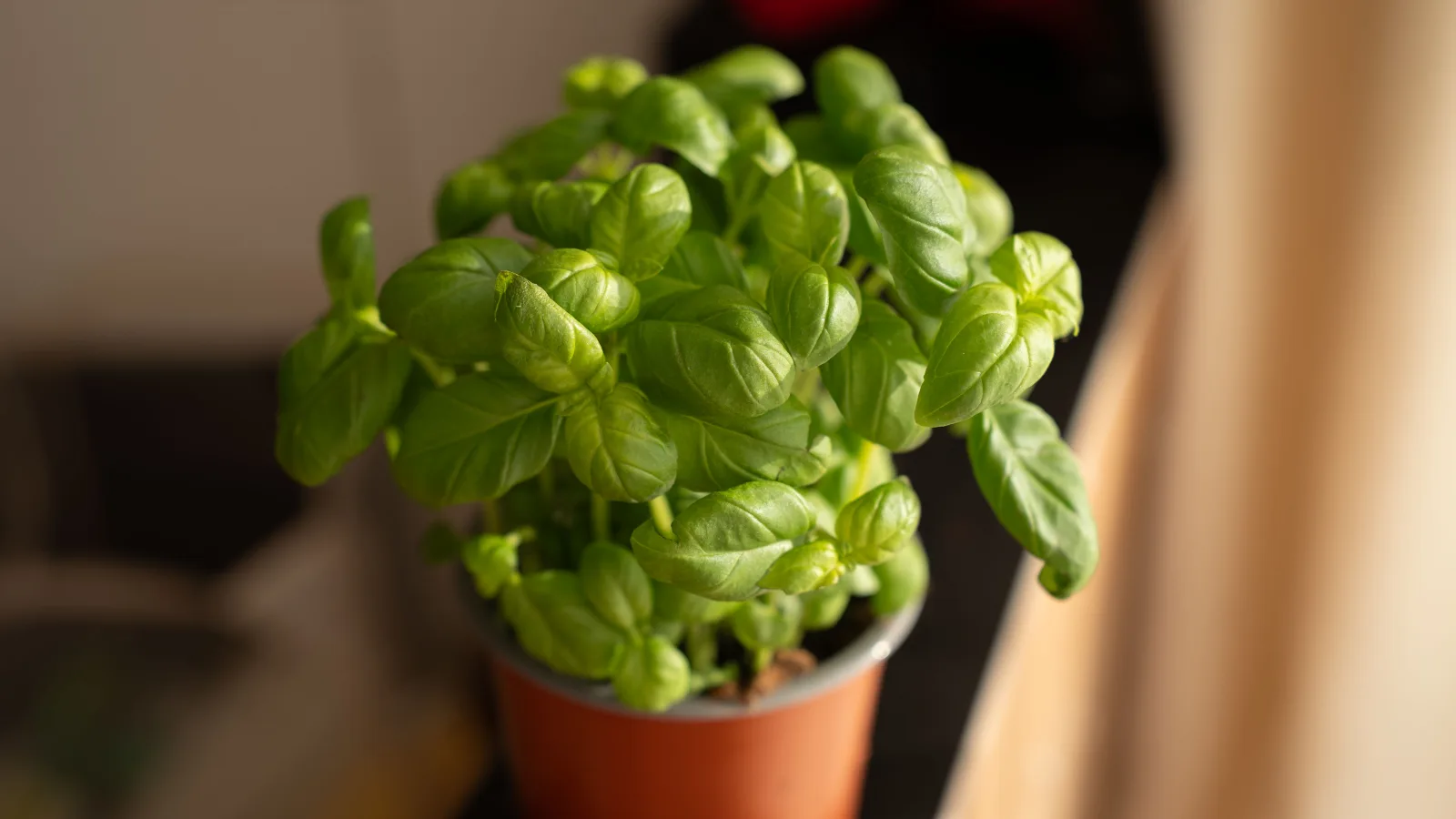
Growing Basil in a Balcony Pot: Start in May and Enjoy the Scent Right Through Fall
Starting basil from a seedling in May sets you up for fragrant leaves from June through October. With sunlight, steady watering, and regular pinching, a single balcony pot delivers fresh harvests all season.
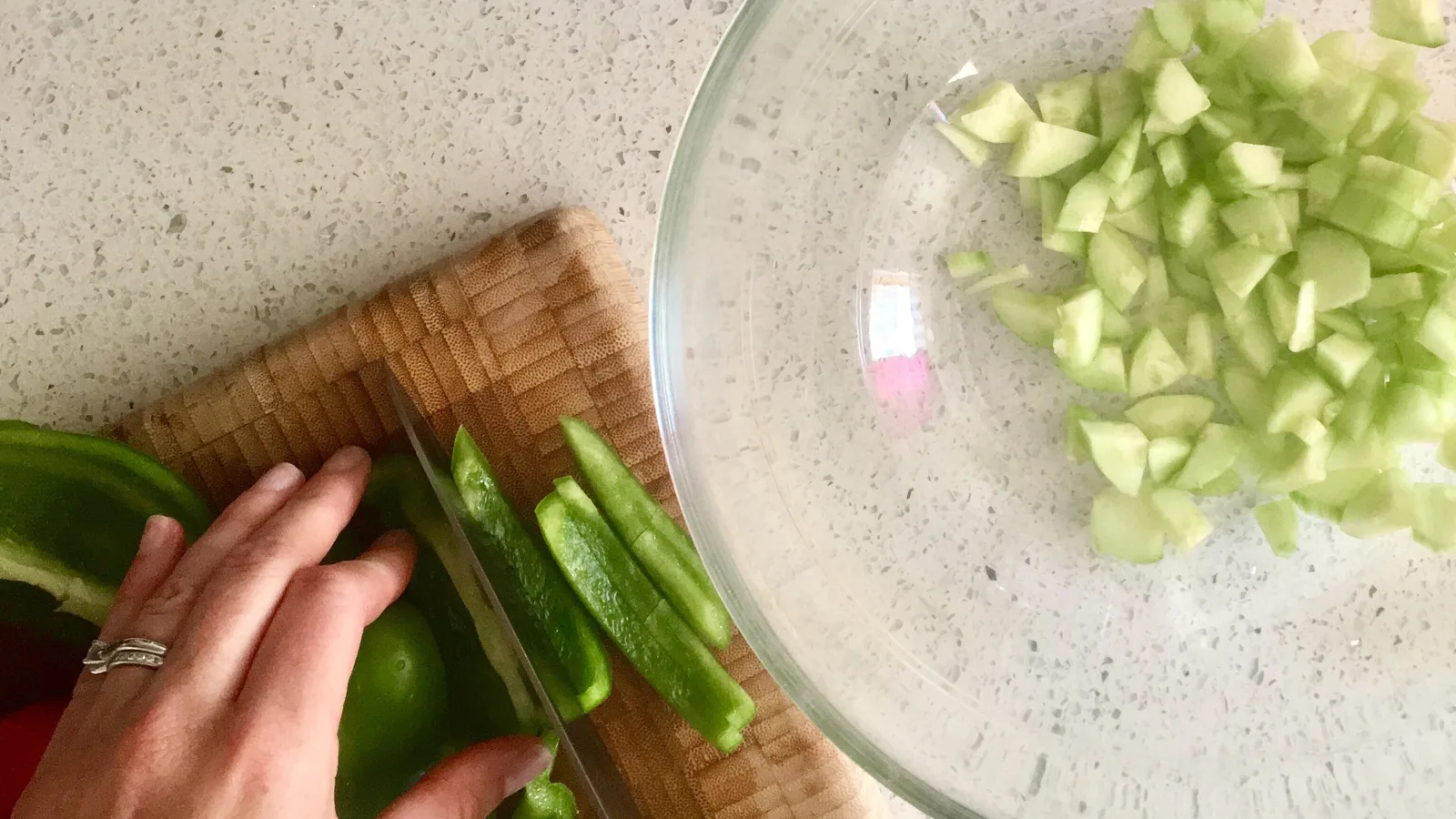
A Bowl of Chilled Cucumber Soup to Cool Down on a Sweaty Summer Day
A no-cook Korean chilled cucumber soup (oi-naengguk) made with garden-fresh cucumbers — tangy, refreshing, and ready in minutes for hot summer days.
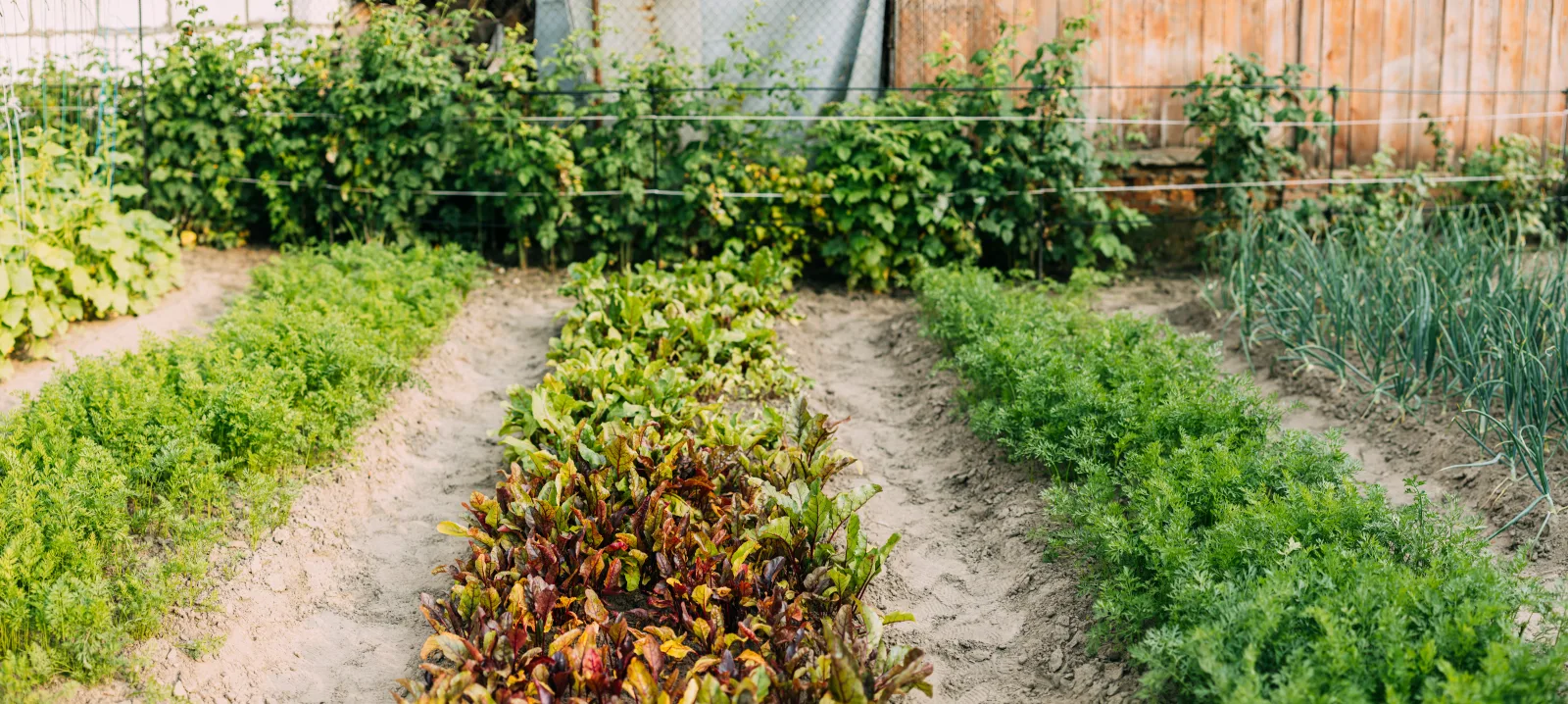
The June Garden: Five Crops It's Not Too Late to Plant
June in the garden has a quiet urgency to it. With the monsoon rains around the corner, it's tempting to think you've missed your chance, but you haven't. The trick is simply choosing the right crops, and these five will still reward a June sowing.
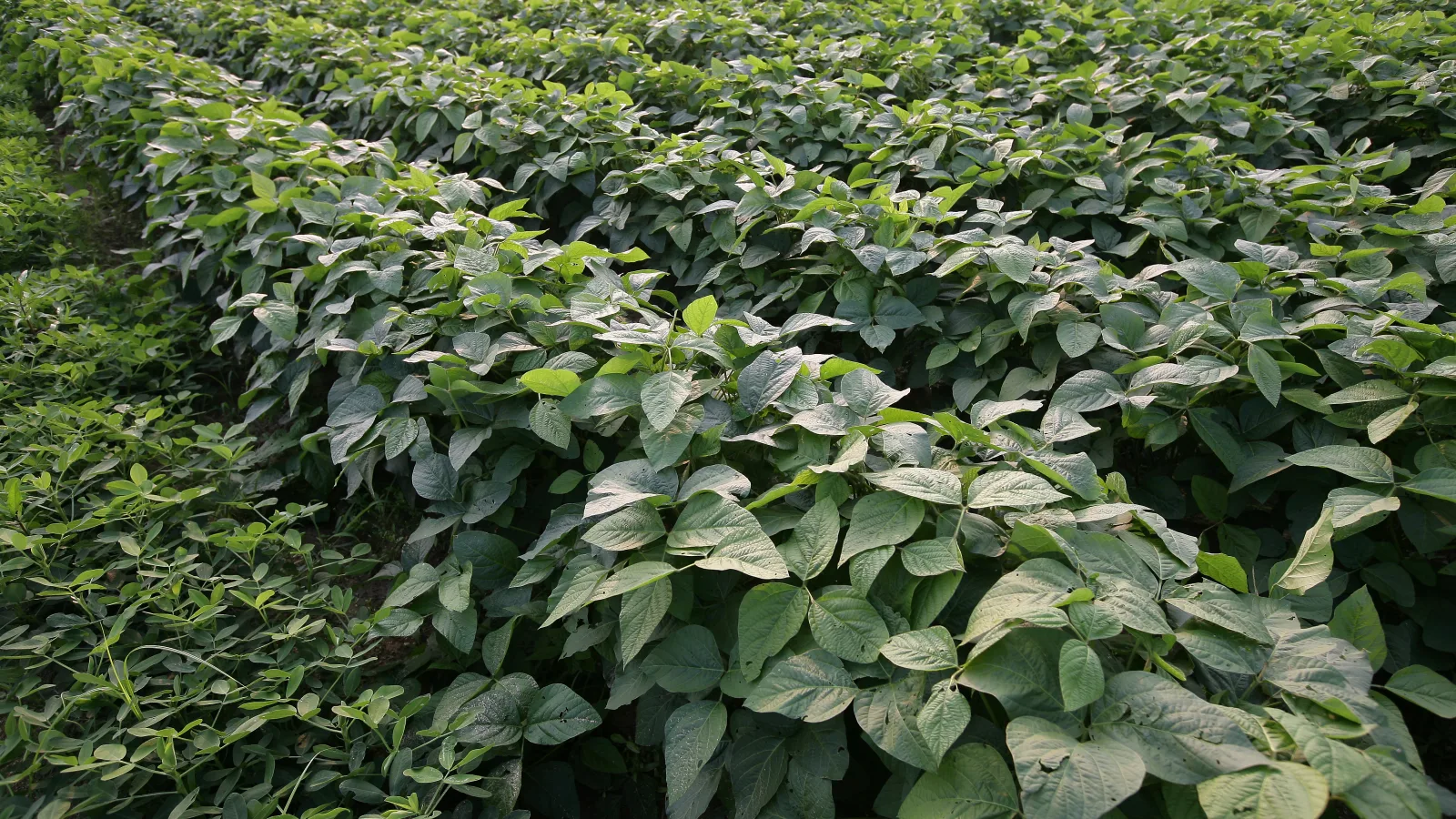
A Handful of Garden Perilla, a Spoonful of Perilla Oil
As summer deepens, perilla spreads through one corner of the garden. We pick its broad leaves for lettuce wraps and press the ripe autumn seeds into fragrant perilla oil. This everyday plant carries something few other vegetable oils can match: an exceptionally rich supply of omega-3.
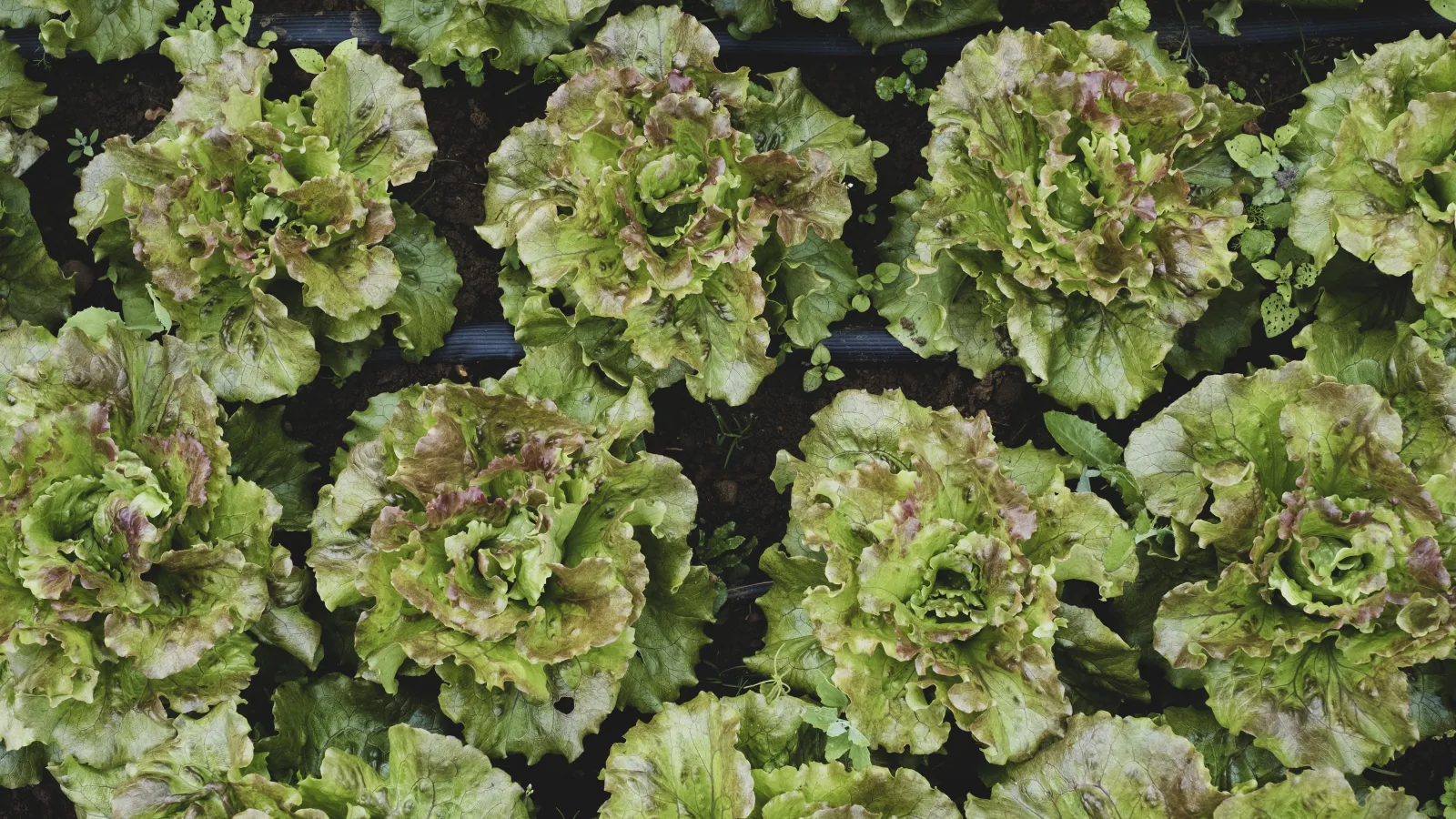
Lettuce in a Jug of Water: A Hydroponic Kit From Seed to Supper
A simple hydroponic kit lets you grow leaf lettuce on the balcony with nothing but water, a small pump, and a bit of light. It's the most foolproof first crop for a city gardener, and a sleep-friendly green on top of that.
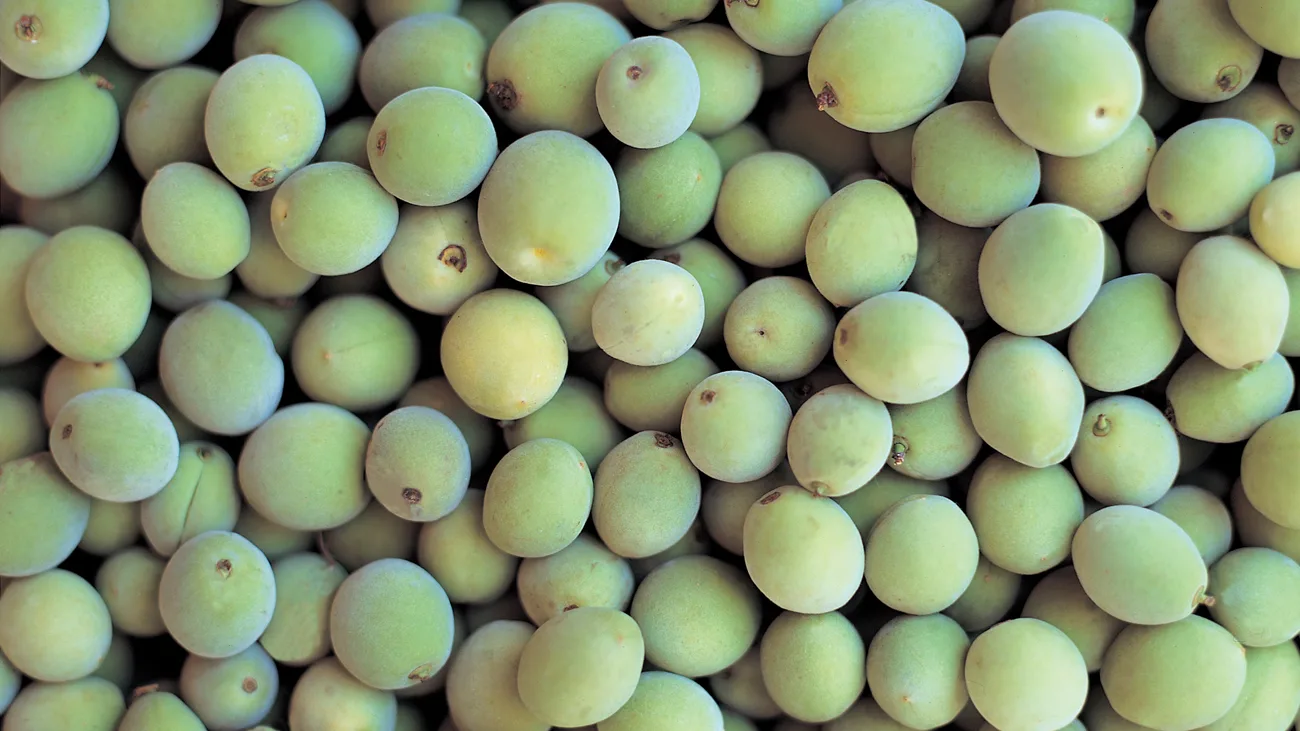
June's First Project: Making Green-Plum Syrup
For about a month each June, firm green plums fill the markets. Layer them with sugar now, and a hundred days later you'll have a jar of homemade maesil-cheong (green-plum syrup) to sip through the heat of summer.
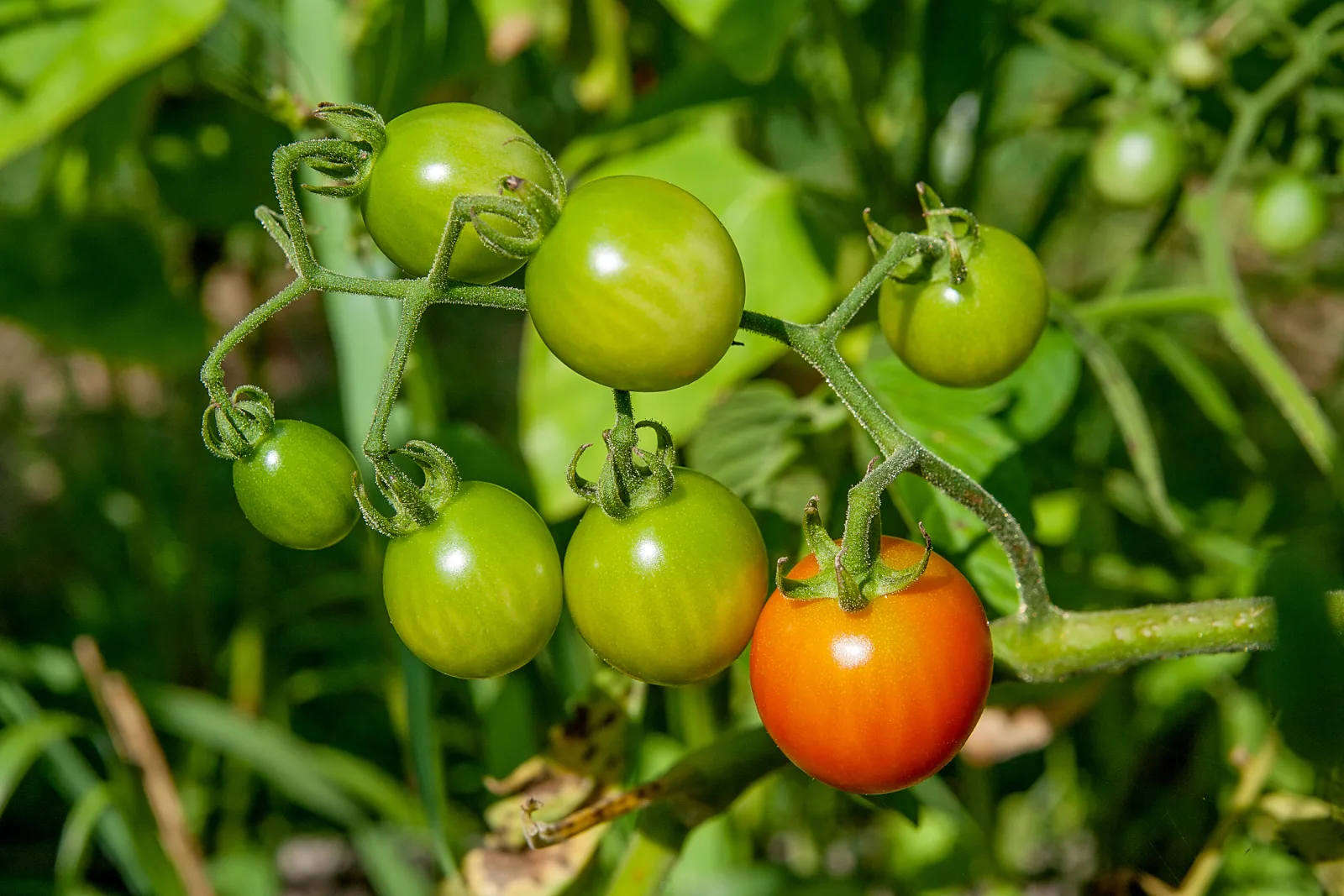
Growing Cherry Tomatoes: One Balcony Pot Is All You Need
Cherry tomatoes are the easiest fruiting vegetable to grow in a single pot, going from a spring seedling to ripe red fruit you pick all summer long. Here's how to plant, pinch, water, and enjoy them right from your balcony.
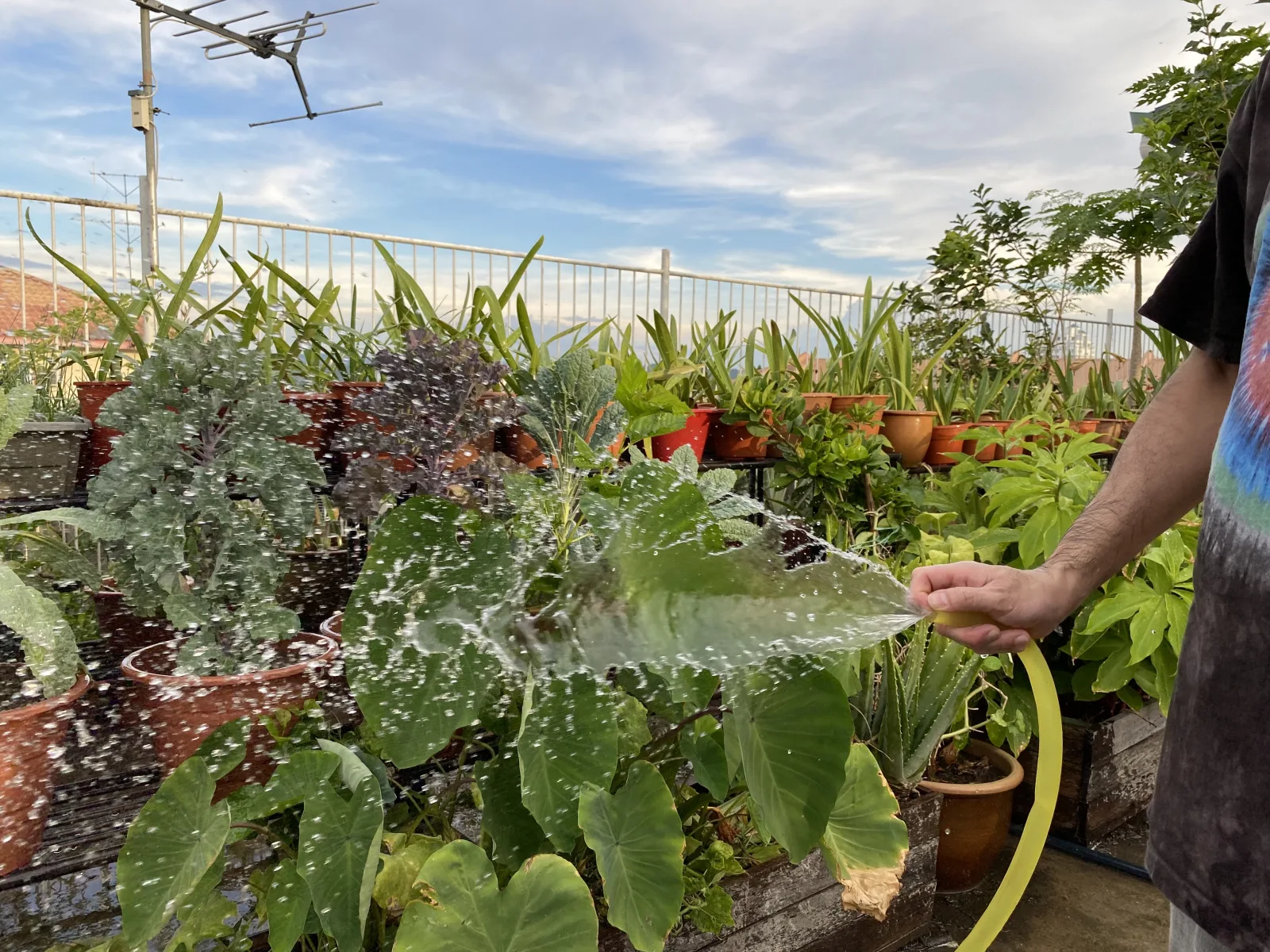
Summer Watering: It's About Timing, Not Frequency
As June's long, heavy sun bakes the soil dry, it's tempting to reach for the watering can again and again. But when you water matters more than how often — the same cupful of water leaves a very different amount behind depending on the hour you pour it.
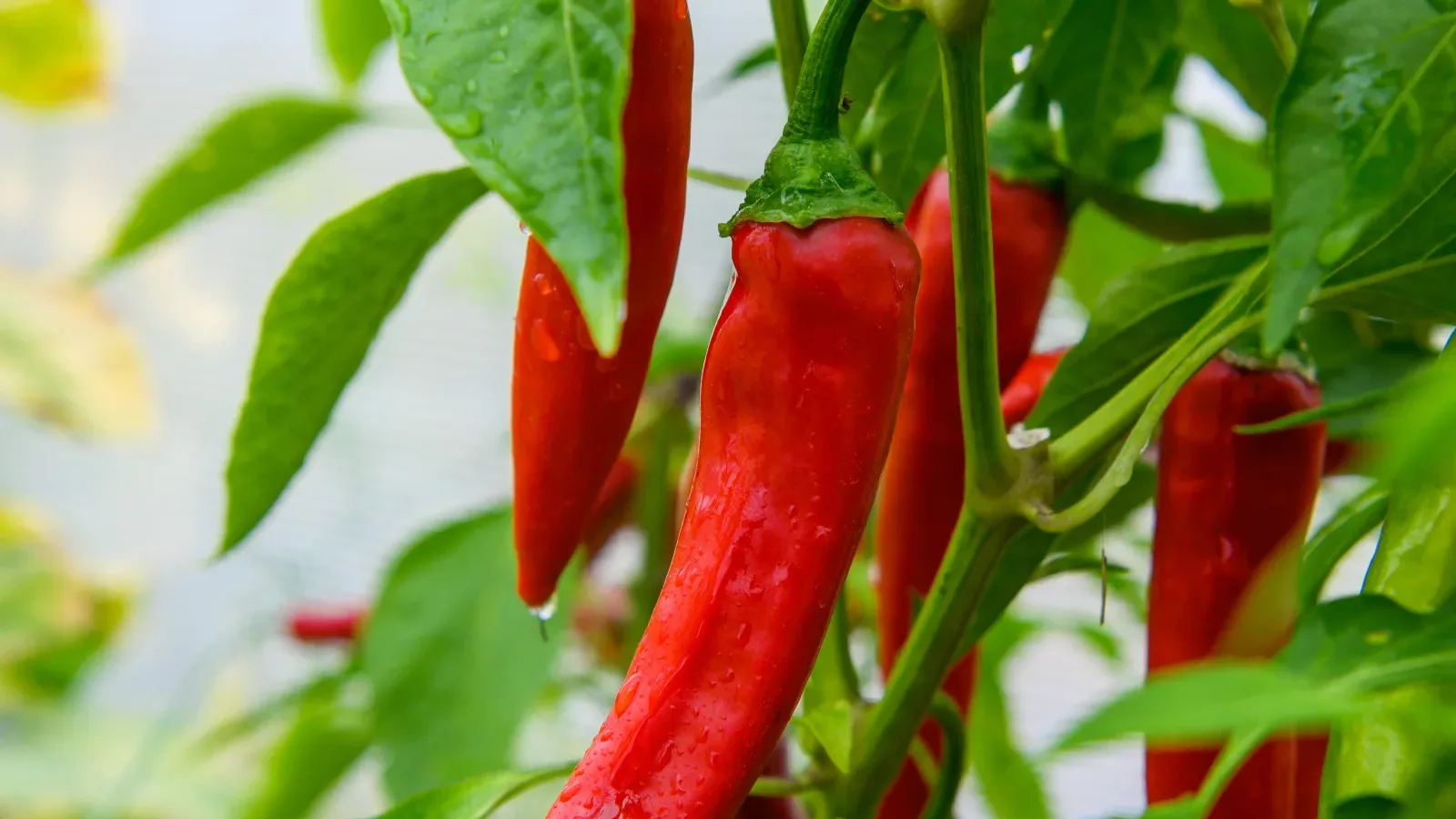
Pepper Anthracnose: Check the Undersides of the Leaves Before the Rain
As June arrives, the rains grow frequent over the pepper patch. Anthracnose doesn't strike suddenly after a long wet spell. It settles onto the leaves and fruit and waits, which is why a quick look underneath the leaves on a clear day can save the entire crop.
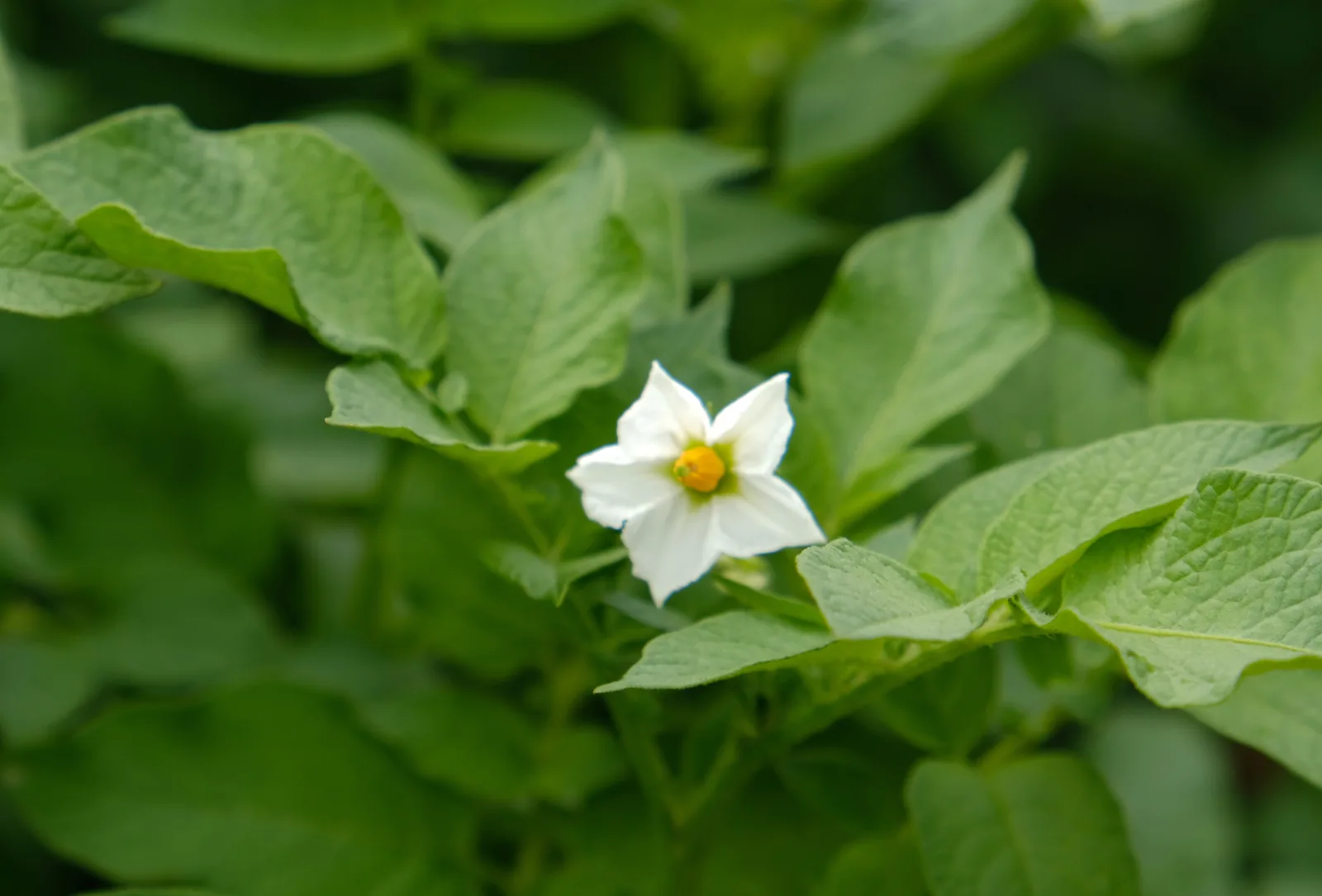
When Potatoes Bloom, the Harvest Is Near
In June, the potato patch is the first thing to catch your eye, with white or pale-purple flowers rising on knee-high stems. The blooms aren't just pretty: they're the earliest sign that the tubers underground are starting to swell and harvest time is approaching.
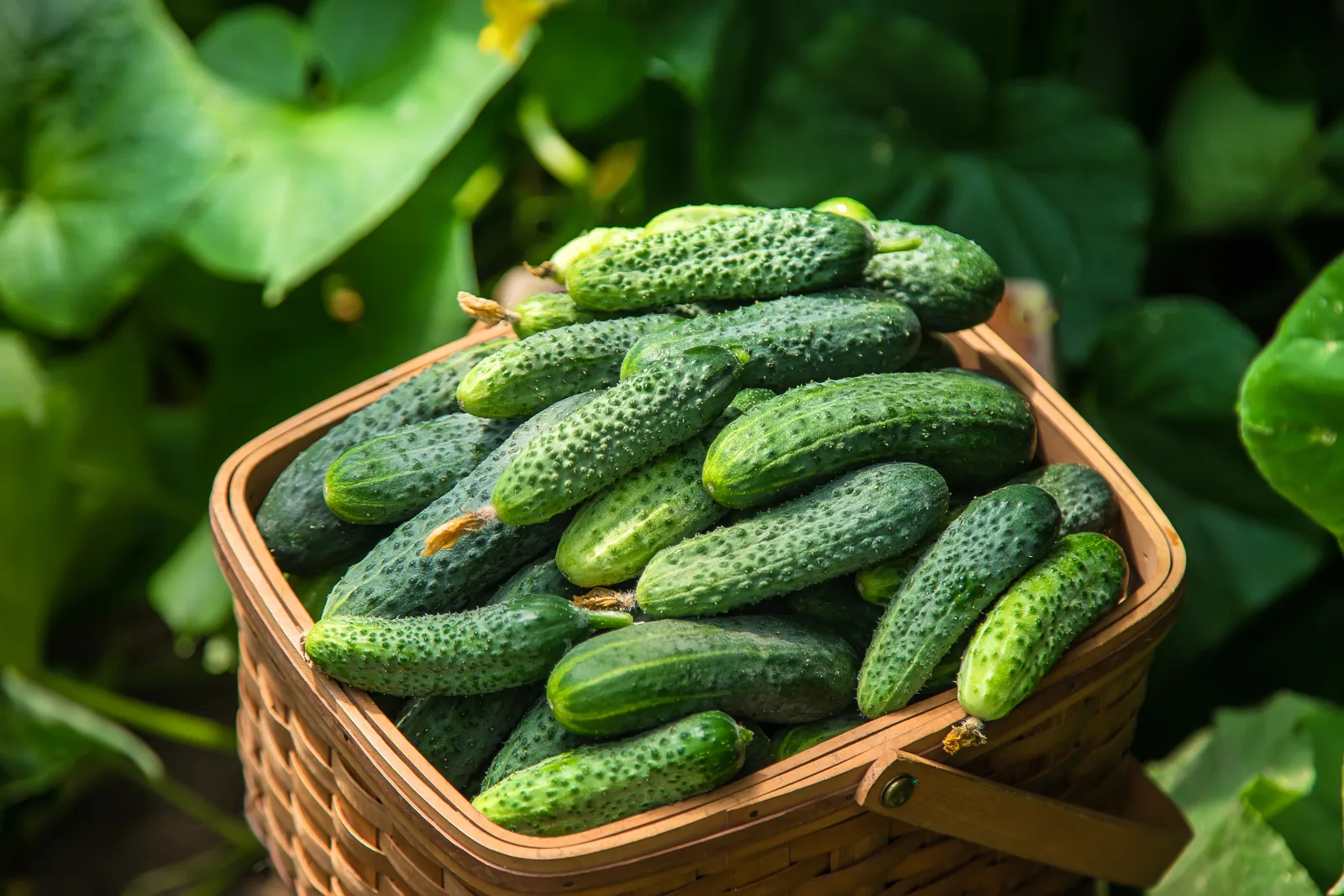
Quick Refrigerator Pickles from Your Misfit Cucumbers
Summer cucumbers ripen all at once, and plenty of them come out crooked or uneven. They taste just fine, so when you can't eat them all fresh, turn them into quick refrigerator pickles. They're ready in a day — all you need is the right brine ratio and to pour it on hot.
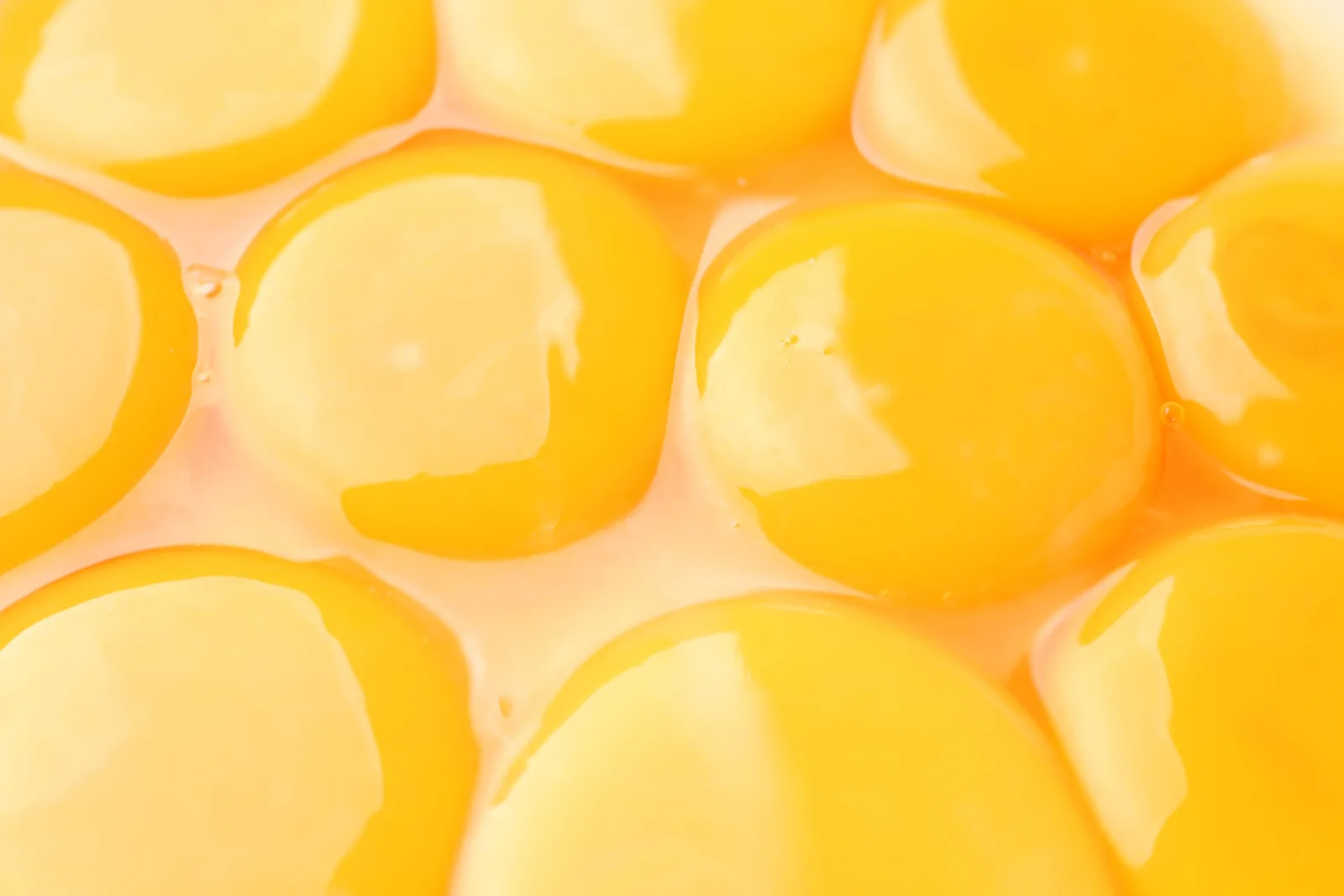
Beating Aphids Without Pesticides
When aphids move onto your balcony lettuce in early summer, you don't want to spray pesticides on greens you'll eat raw. Here's how a simple egg-yolk oil spray keeps them in check, the natural way.
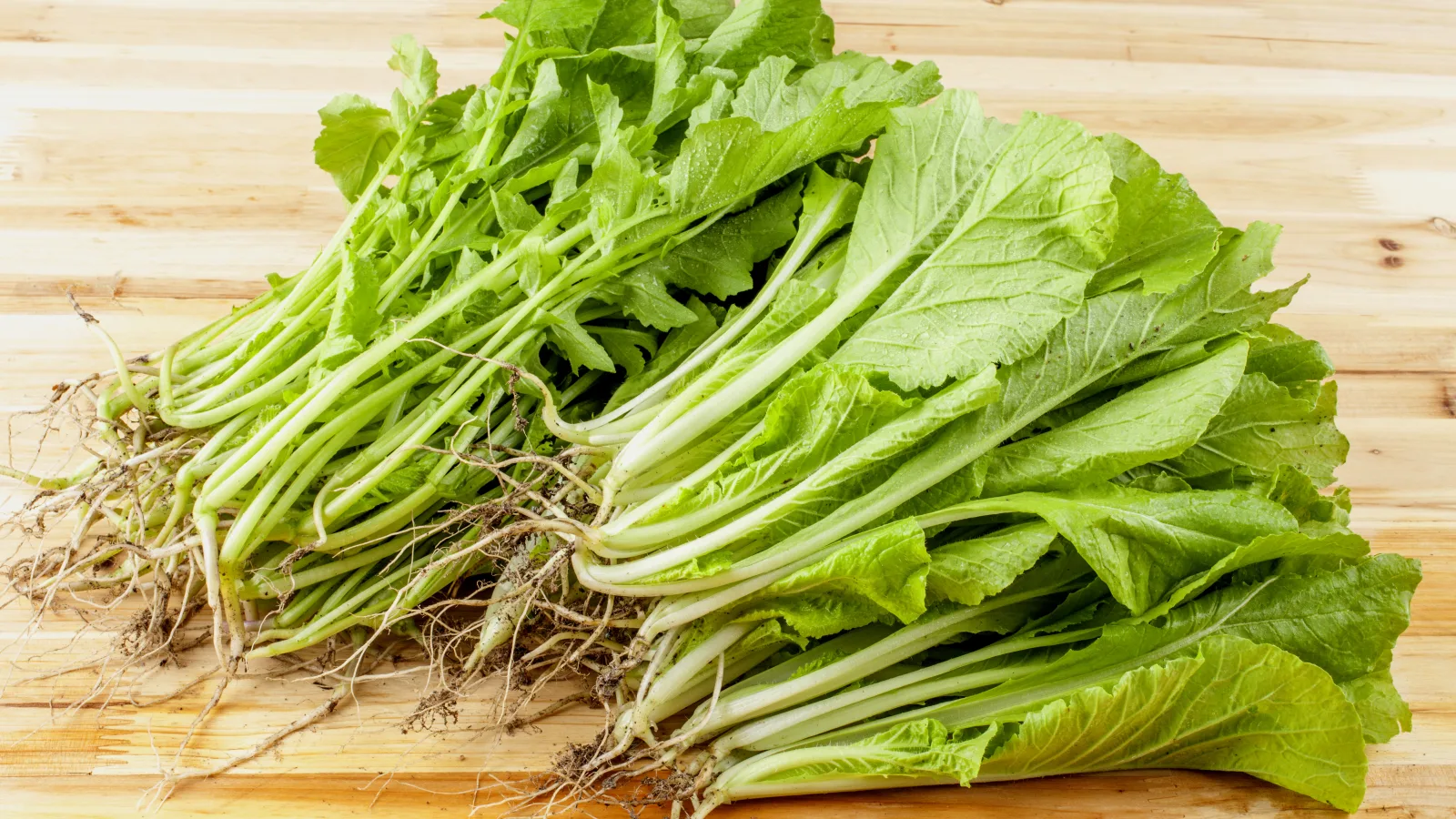
Early-Summer Yeolmu: Half the Crop Is in the Thinning
A week after you sow yeolmu (young summer radish), the seedlings come up shoulder to shoulder—and that crowd is exactly the problem. Thinning them in two rounds is what gives the survivors room to grow broad leaves and straight roots.
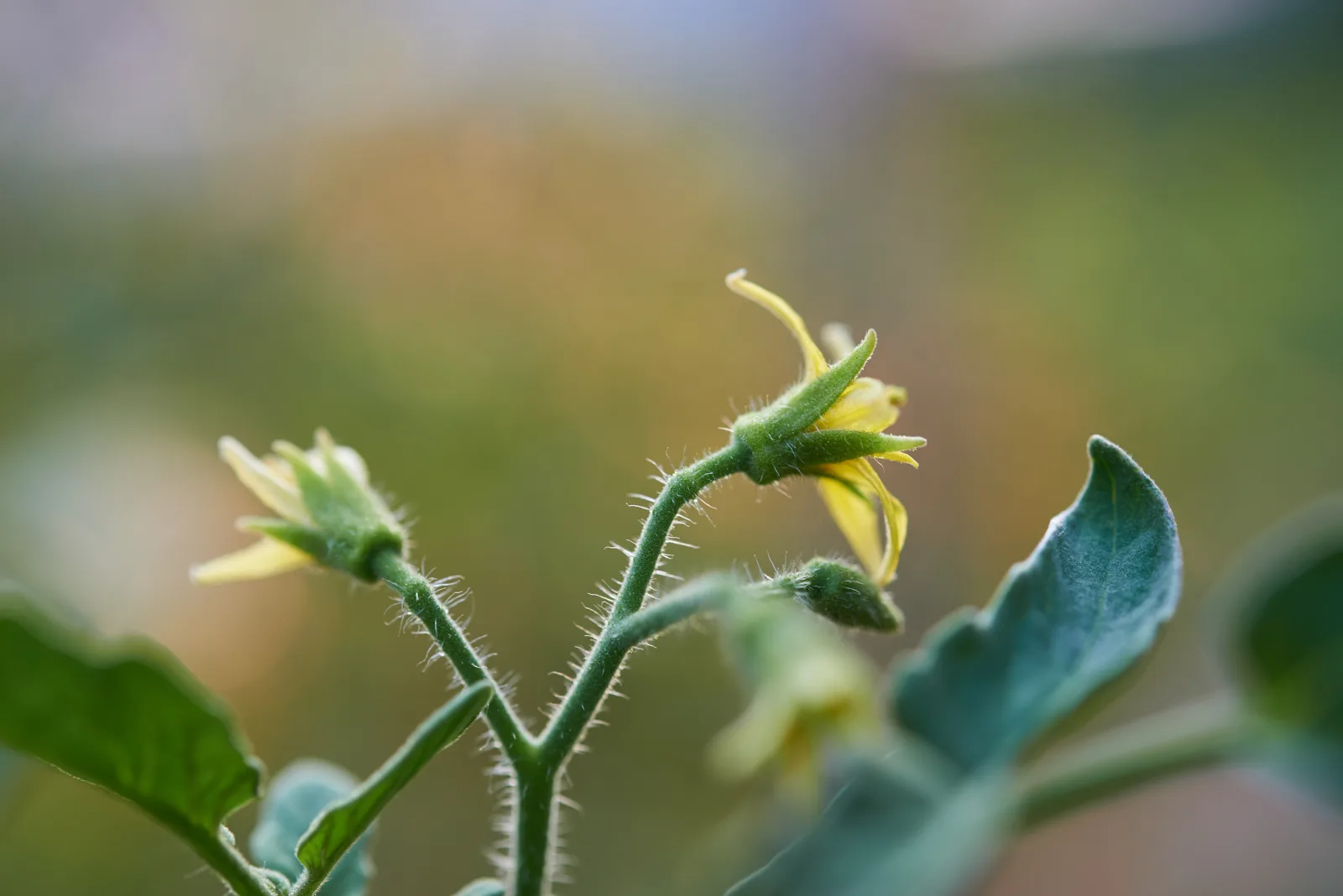
Cherry Tomatoes: When to Pinch That First Sucker
Once your potted cherry tomato reaches knee height, small shoots called suckers begin sprouting where the leaves meet the stem. Knowing when to pinch the first one makes a real difference in how much a single plant yields.
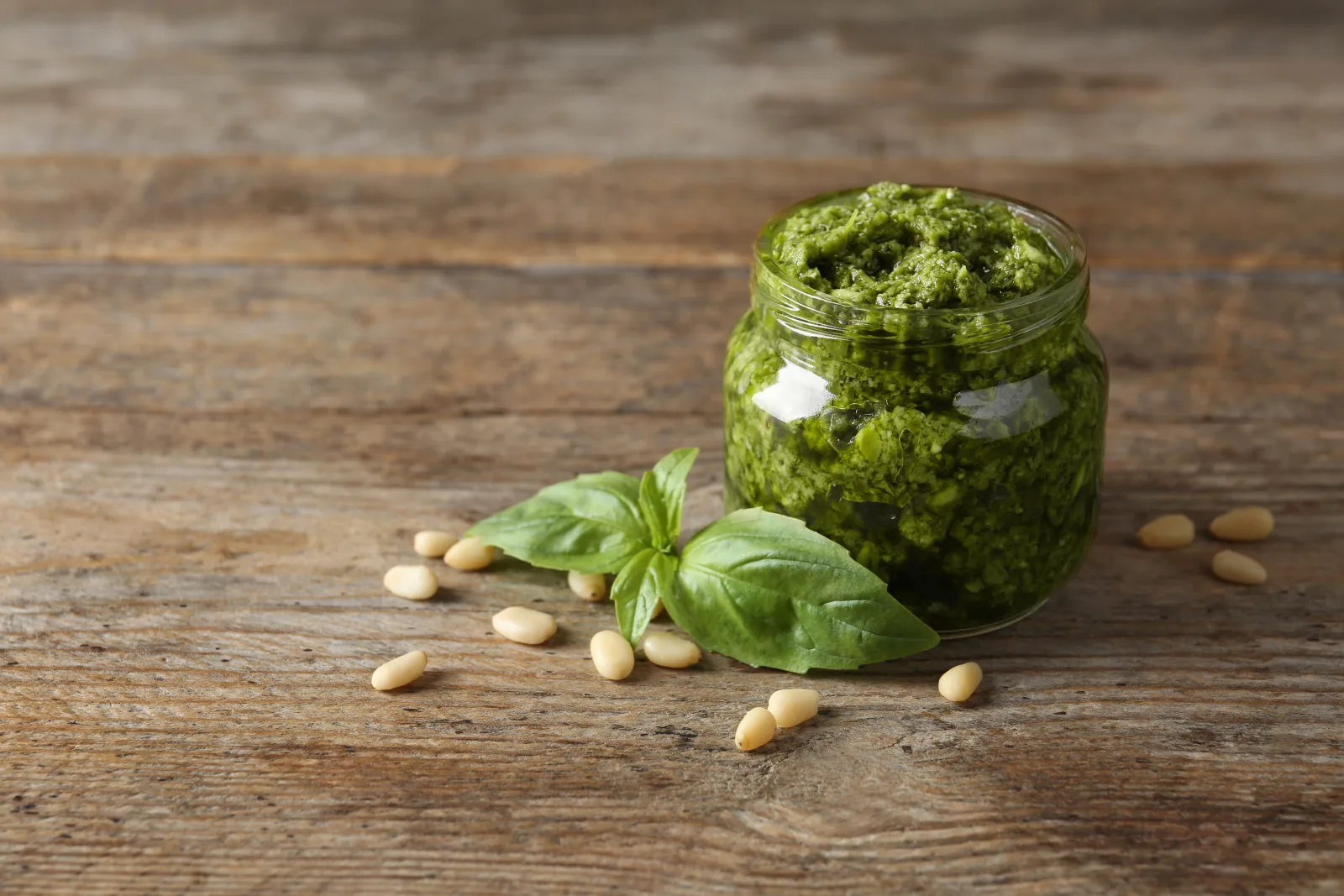
Five-Minute Pesto from Just-Picked Basil
As summer deepens, balcony basil grows faster than you can keep up with. The easiest answer is a fresh pesto you can whip up in five minutes with nothing but a blender.
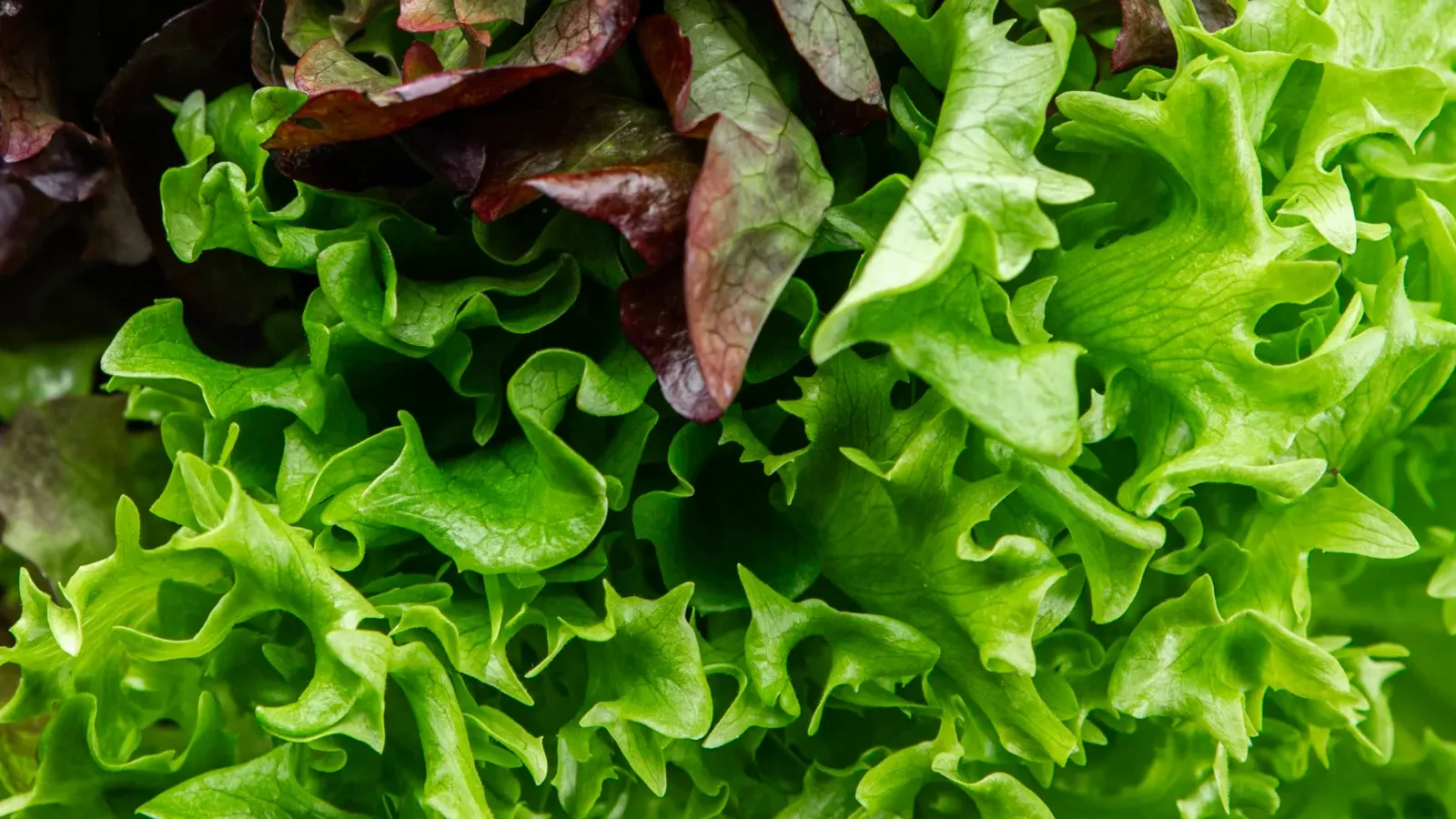
One Lettuce Leaf, a Surprising Dose of Vitamin K
Lettuce is one of the easiest greens to grow on a balcony, and the leaves you pick each evening do more than fill out a salad. The darker the leaf, the more vitamin K it carries, a nutrient that helps keep calcium in your bones.