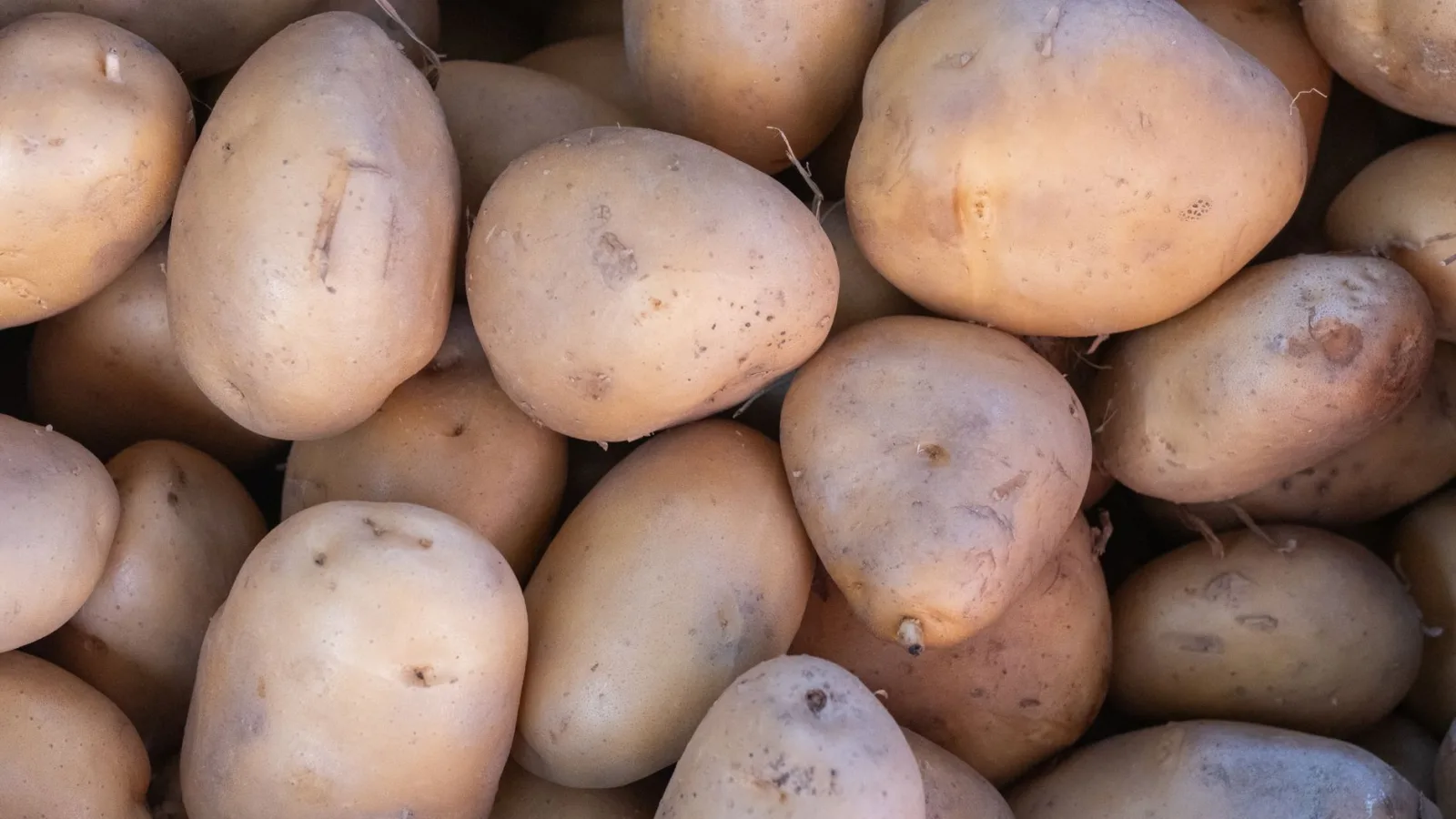
A couple of months after you plant seed potatoes, the soil at the base of the stems starts to bulge ever so slightly. What we harvest from a potato plant isn't seed or fruit but tubers, the swollen underground stems that fill out beneath the surface. That means the moment tuber formation begins has a big say in how much you'll dig up. A research team at Umeå University in Sweden has now shown in greenhouse experiments that the timing of tuber formation shifts when two particular species of soil bacteria are present together.
A Different Response Together Than Alone
Soil is home to thousands of species of microbes. Among them, the beneficial bacteria that settle close to plant roots are known to help plants take up nutrients such as phosphorus and nitrogen, or to keep disease-causing pathogens in check. The Umeå team found that when two specific beneficial species shared the same environment, potato plants responded differently than they did when either bacterium was present on its own.
With both bacteria present, the potatoes began forming tubers earlier, and in the greenhouse trials yields also tended to improve. The researchers suspect that each bacterium sends a different signal to the potato roots, and that the combination triggers a complex response that neither one produces alone. Exactly which compounds are being exchanged, and what pathways the roots use to respond, are questions for follow-up studies.
Why an Earlier Start Matters
The longer the stretch between the start of tuber formation and harvest, the better your chances of bringing in bigger, heavier potatoes. Move that starting point up by even a week, and the tubers get that much more time to grow. The difference is especially noticeable in gardens growing spring potatoes, which need to come out of the ground before the heat of June and July arrives.
That said, this study was conducted in a greenhouse. It hasn't yet been confirmed whether the same results hold in an outdoor garden bed, where soil is natural and temperatures and rainfall vary. The team is continuing to investigate whether pairings of beneficial bacteria could be put to practical use in growing potatoes.
What You Can Do in Your Garden Now
There's no commercial product yet that lets you add the two bacteria identified in this study straight to your garden. But you can start creating a soil environment where beneficial microbes thrive right now.
- Mixing well-finished compost or other organic matter into the soil before planting gives soil microbes good conditions to get to work.
- Working compost in as a base fertilizer 2–3 weeks before planting potatoes gives microbial activity time to settle in.
- Avoid planting potatoes in the same spot year after year. Rotating them with legumes or leafy greens helps keep bacterial diversity in the soil.
- Tilling less often keeps microbial communities intact and undisturbed.
As evidence builds that pairings of beneficial bacteria affect potato harvests, keeping your soil ecosystem healthy looks like a smart path for growing potatoes in the years ahead. Before you plant your seed potatoes this year, try mixing in one extra shovelful of compost.