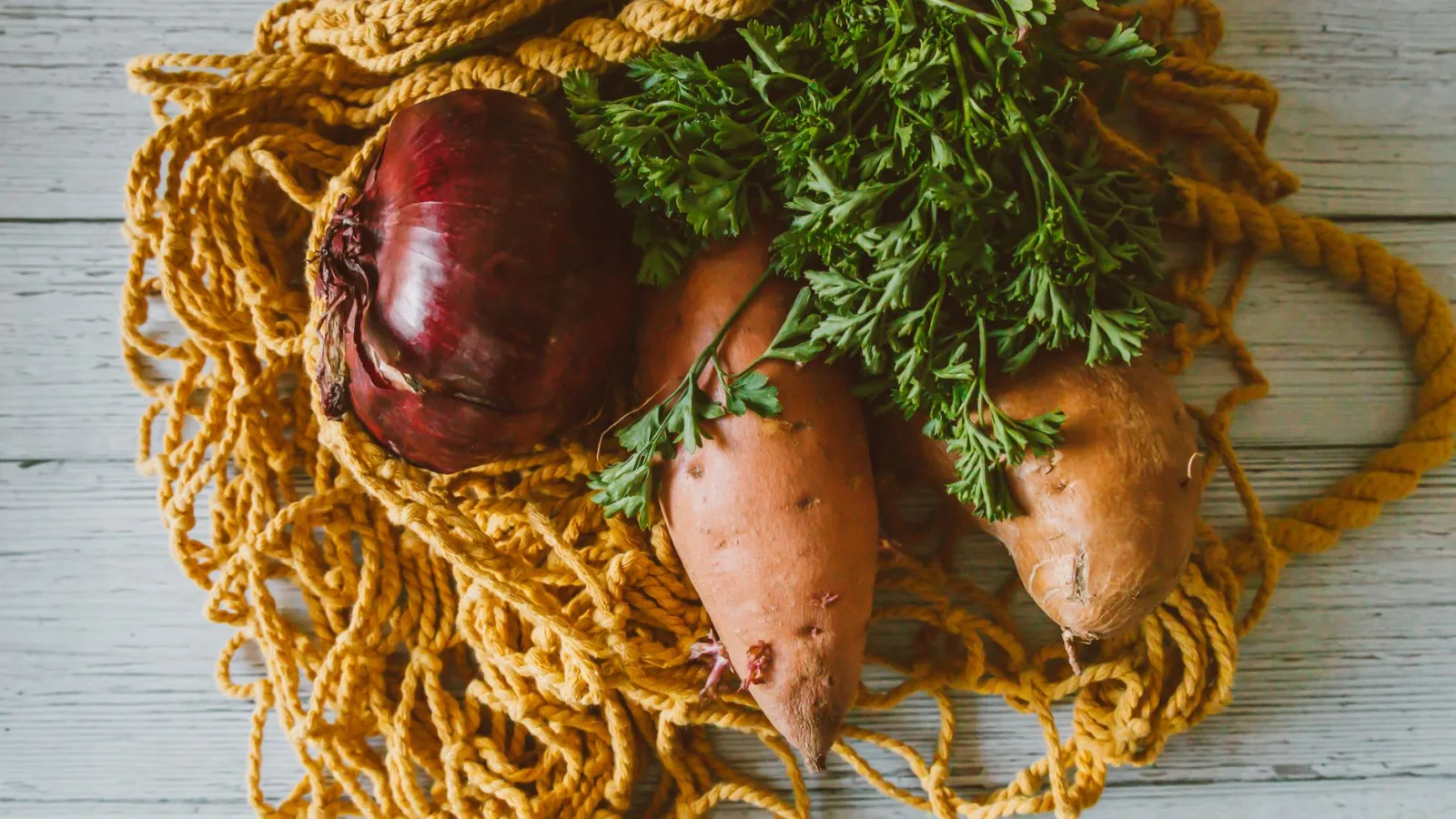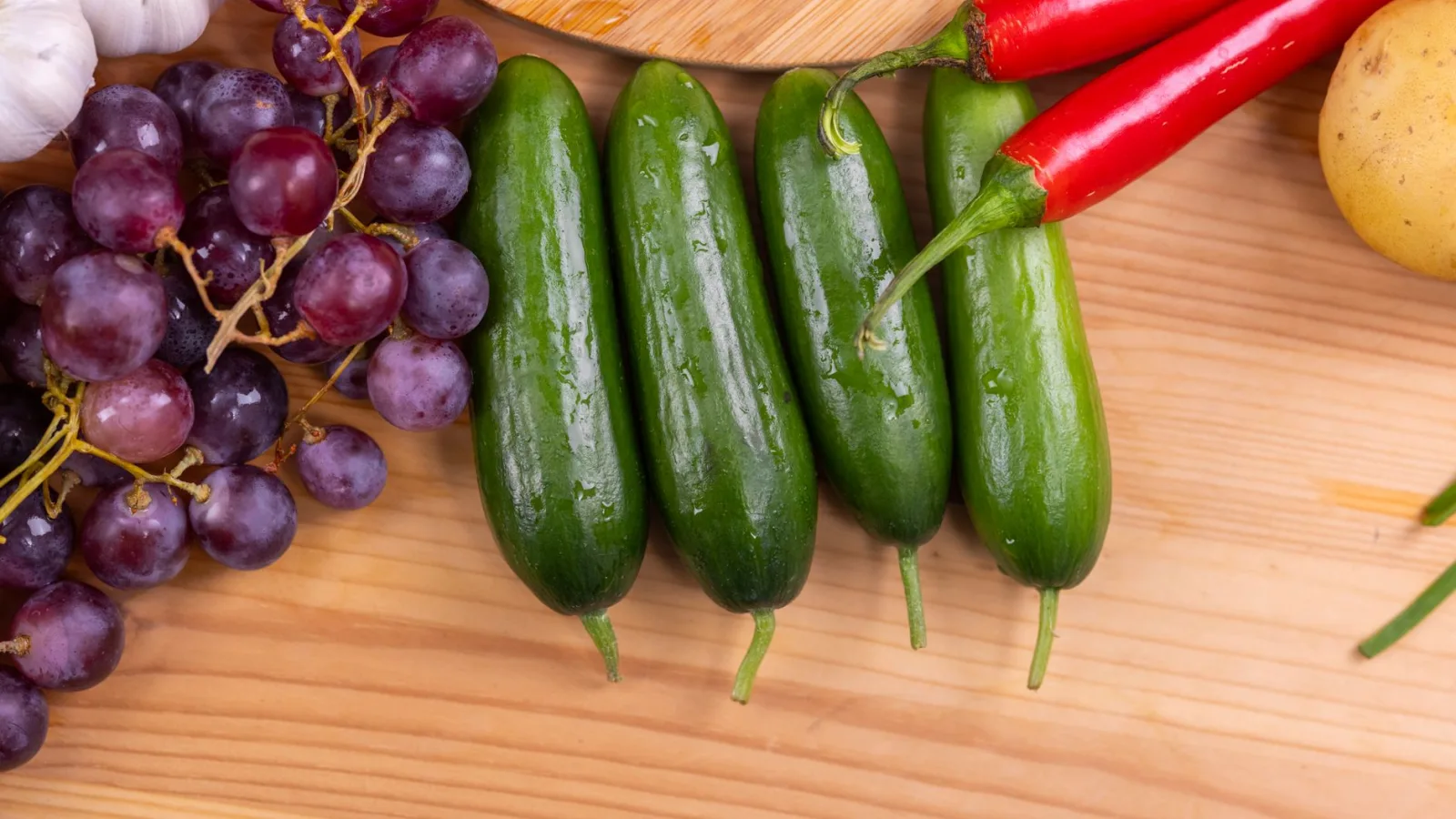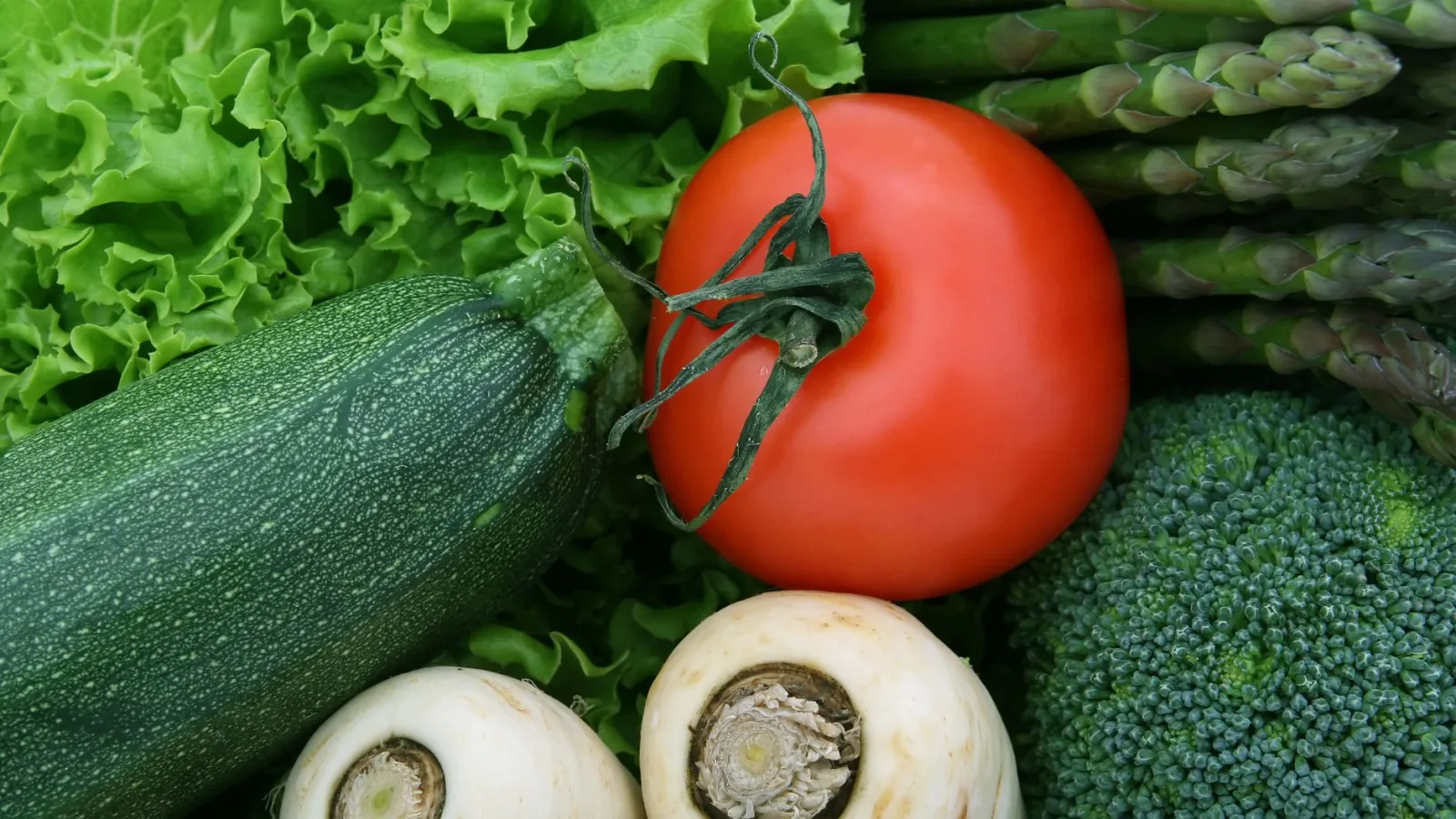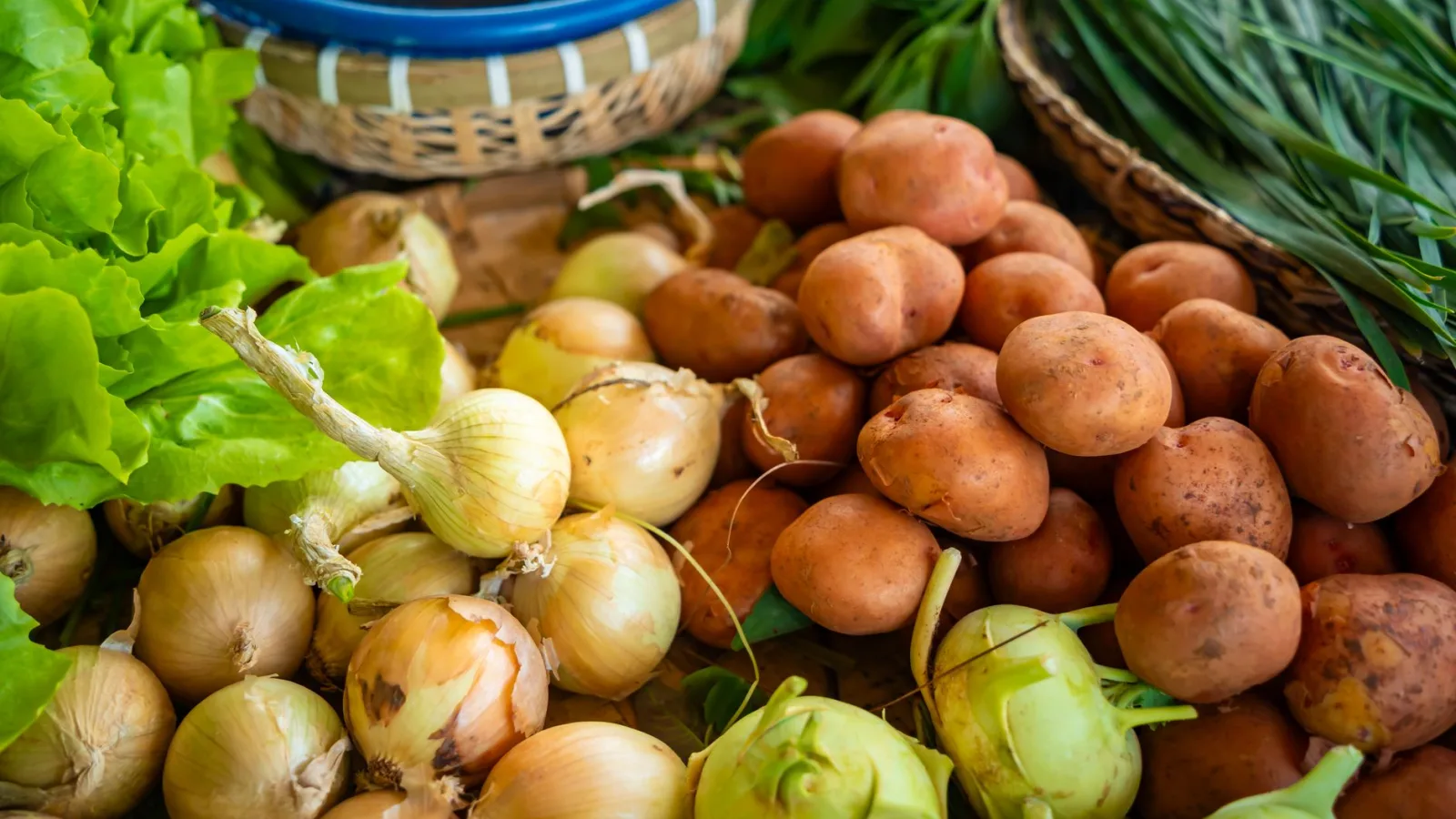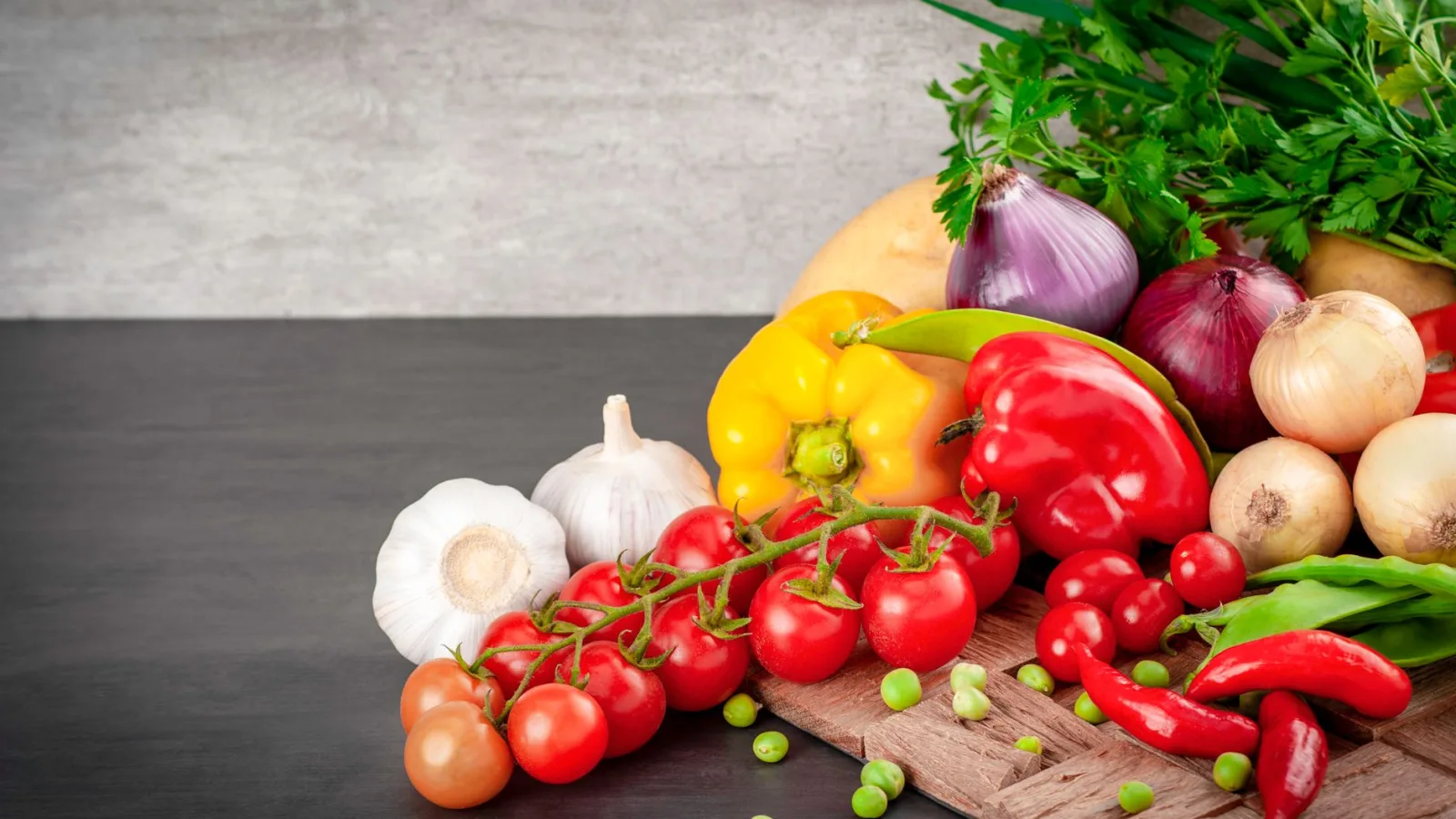
Picture a summer evening and a dinner of cherry tomatoes and lettuce you just picked from your garden. You weren't counting nutrients or thinking about your health. But what happens when meals like that add up over decades? What difference do they make inside your body? One study spent 20 years finding out.
Following 3,042 People for 20 Years
In 2002, researchers in the Attica region of Greece launched a long-term study known as ATTICA. They recorded the eating habits of 3,042 adults with no cardiovascular disease, then checked 20 years later to see who had developed heart or blood vessel disease. Instead of assigning anyone a diet, they sorted participants by how they actually ate and looked at how those habits related to heart health. The final results came out in 2022.
The researchers identified three main eating patterns. The first was a plant-based diet built around vegetables, legumes, and whole grains. The second was a Western diet heavy in processed meats and refined foods. The third was a high-calorie diet that was short on lean proteins low in saturated fat, such as chicken and fish. Together, these three patterns accounted for nearly half of the differences in how participants ate.
The Plant-Based Difference
Participants who stuck closely to the plant-based pattern had about a 26% lower risk of cardiovascular disease after 20 years. That number reflects what a daily habit of putting more vegetables and legumes on the plate did for the heart over decades. It didn't come from a short-term diet program or a particular health food.
By contrast, the group whose diet was high in calories but low in lean proteins like fish and chicken tended to have a higher risk of cardiovascular disease. Getting enough calories isn't the whole story. What you fill them with can shape the health of your heart over the long run.
The Western diet showed no clear difference once age, smoking, exercise, and similar factors were taken into account. This suggests that even with a lot of processed food in the mix, outcomes can vary depending on the rest of your diet and how you live.
Where the Garden Comes In
Knowing that a vegetable-centered diet is good for your heart is one thing. Actually changing how you eat is another. A garden makes that shift a little easier, because it skips the trip to the store. Vegetables go straight from the soil to the table.
- Cherry tomatoes, lettuce, crown daisy (an edible chrysanthemum green), kidney beans, peas: most of what grows in a home garden is a staple of plant-based eating.
- Produce eaten right after harvest is at its freshest, so you get its fiber, vitamins, and antioxidants intact.
- Legumes like kidney beans and peas provide both plant protein and fiber. Put up a trellis of pole beans in one corner of the garden, and you can bring a plate of beans to the table all summer long.
You don't have to give up meat entirely. Simply moving legumes and vegetables to the center of the plate changes the makeup of your diet.
What "Sustainable Eating" Really Means
There's a reason the study included the phrase "sustainable diets" in its title. A diet centered on vegetables and legumes may help your heart, and it also reduces the resources and greenhouse gas emissions that go into raising livestock. The same way of eating can be better for both your health and the environment.
Growing and eating your own seasonal crops is one way to do both at once. Homegrown produce also has a smaller carbon footprint than imported vegetables or greenhouse crops. Bringing vegetables grown outdoors, in season, to that evening's table is about as simple as it gets.
Tonight, try filling your bowl with something you harvested today. A modest meal, repeated over the years, can gradually ease the load on your heart in the decades ahead.