Your morning cup of coffee comes from roughly 70 roasted beans. A few months earlier, each of those beans was a seed inside a berry ripening red in the tropical highlands. While the bean is still inside the fruit, a beetle less than 2 millimeters long bores a hole in the tip of the berry, crawls in, and lays its eggs in the seed. It is the insect coffee farmers fear most. On some farms, an ant about 1.5 millimeters long helps pull that beetle back out of the fruit.
The Beetle Coffee Farmers Hate Most Is Under 2 Millimeters Long
The beetle is the coffee berry borer. The female drills into the berry at its blossom end, the small navel where the flower once was, tunnels down into the seed, and lays her eggs. Her larvae grow up inside, eating the bean as they go. A bored bean weighs less, tastes worse, and molds easily. The borer has spread to nearly every coffee-growing region on earth, and by some estimates it costs the world's coffee farmers hundreds of millions of dollars a year.
What makes it worse for farmers is that sprays barely work. The beetle spends almost its entire life inside the berry, where pesticide applied to the outside never reaches it. The only time it is exposed is the brief moment when a female lands on a fresh berry and starts to dig. Ivette Perfecto's lab at the University of Michigan spent years watching coffee farms in Mexico and Puerto Rico, and saw ants patrolling the berries seize females, head-down in their half-dug holes, and drag them out.
An Ant That Lays Its Eggs in the Room It Cleared
Jonathan Morris, who did his graduate work in the same lab, went through borer-damaged berries on a Puerto Rican farm one at a time, splitting each open. Borer larvae were not all he found. Inside the hollowed-out berries were the eggs and larvae of the little fire ant (Wasmannia auropunctata), along with queens settled into the empty space. The ants were using the room the pest had carved as their home.
The team reads the finding this way. When an ant pulls a borer out, the farmer keeps the berry, and the ant gains a new place to raise its brood. More nest sites could mean more ants, and more ants could mean more protection for the next berry. The researchers have not yet shown in numbers that ants nesting inside berries actually multiplied faster. They are careful to describe it as a possibility, not a proven cycle.
Whose Side Are the Ants in My Garden On?
Coffee is a tropical crop that likes frost-free highlands with an average annual temperature of 18 to 22°C (64 to 72°F). This isn't a story you can transplant straight into a bed of lettuce and peppers. Korean vegetable gardens have no fruit that hollows out into little rooms, and no ant that moves into them. But one habit does carry over. Before you do anything about the ants, look at what they are carrying.
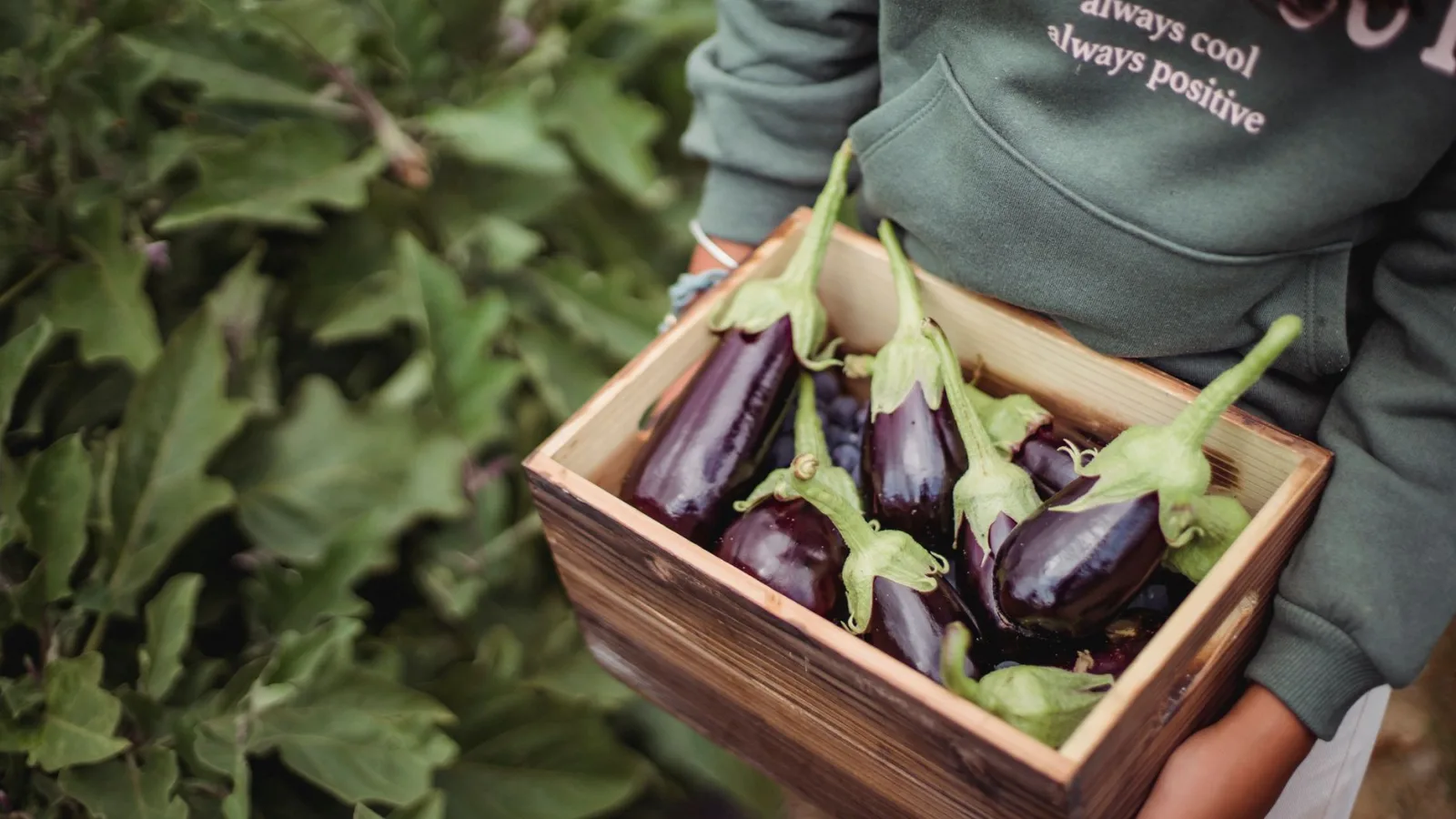
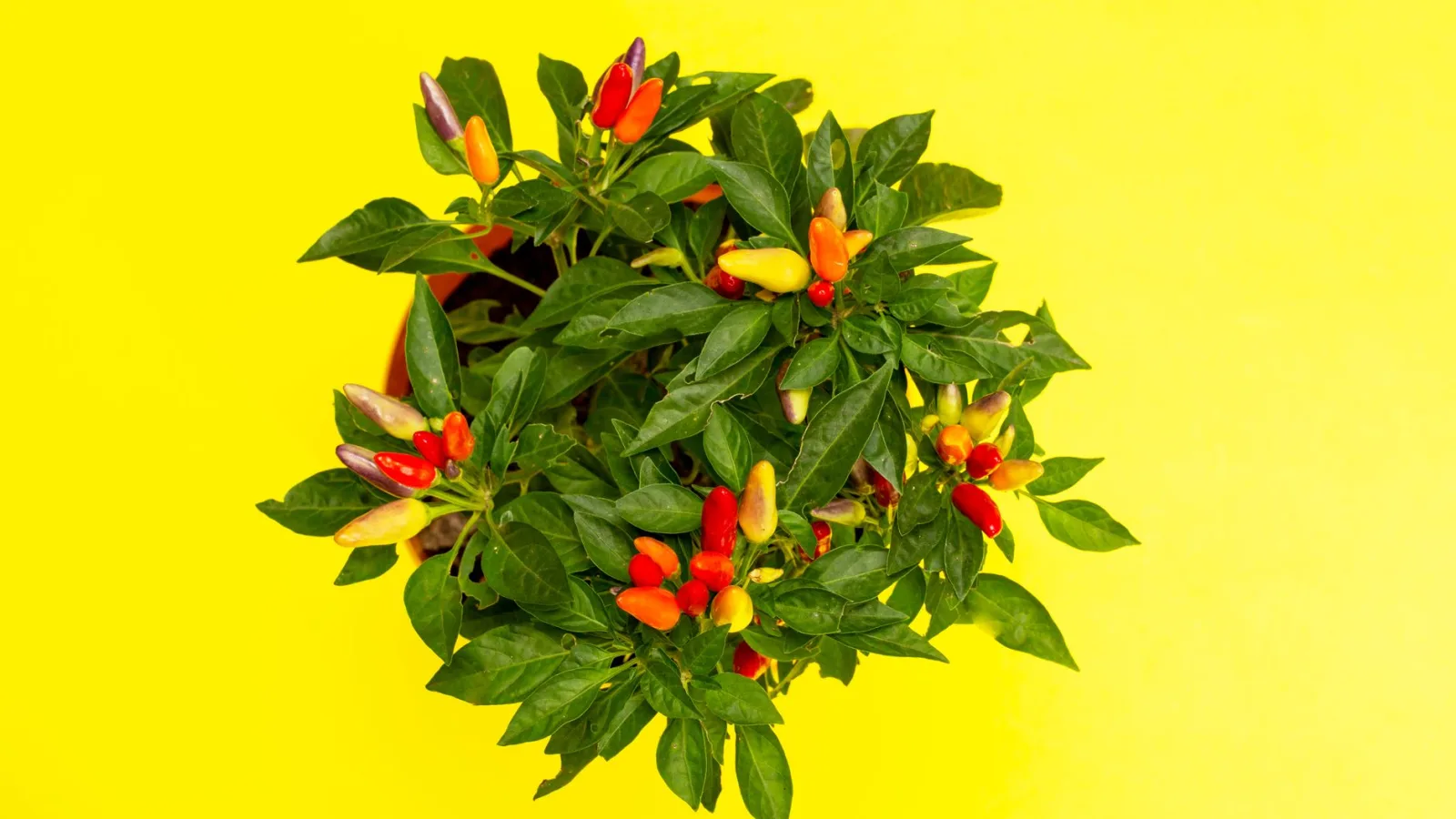
Garden ants do one of two jobs. The ones marching in a line up the new shoots of your peppers and eggplants are usually headed for the honeydew that aphids excrete. They chase off the ladybugs that come to eat those aphids, which makes them a loss for the gardener. The ones roaming the soil and carrying off moth eggs and small caterpillars are helping you, just as the ants on the coffee farm help the farmer. Telling the two apart is simple.
- Follow the ant trail to the top of the stem and flip over the leaves. If aphids are clustered underneath, those ants are guarding them.
- Knock the aphids off with a hard spray of water, then wrap a sticky barrier about a finger's width, 2 to 3 centimeters, around the base of the stem so the ants can't climb back up. There's no need to destroy the nest itself.
- If the undersides of the leaves are clean but ants are busy on the ground, leave them alone. They are thinning out the insect eggs and larvae in your beds.
One more thing is worth noting. The same little fire ant that helps farmers in Puerto Rico is treated as an invasive species in Hawaii and across the Pacific islands, where it stings people and drives out native insects. An ant that helps on one farm has to be kept out on another. That is why ants can't be sorted into good bugs and bad bugs ahead of time.
Before a cup of coffee reaches your table, a farmer, a 2-millimeter beetle, and a 1.5-millimeter ant have all fought over the same berry. Before you pour boiling water on the anthill in your garden, it's worth taking one look at what those ants are holding in their jaws.
Source: Research by Jonathan Morris and Ivette Perfecto's team at the University of Michigan on ants and the coffee berry borer on Puerto Rican coffee farms