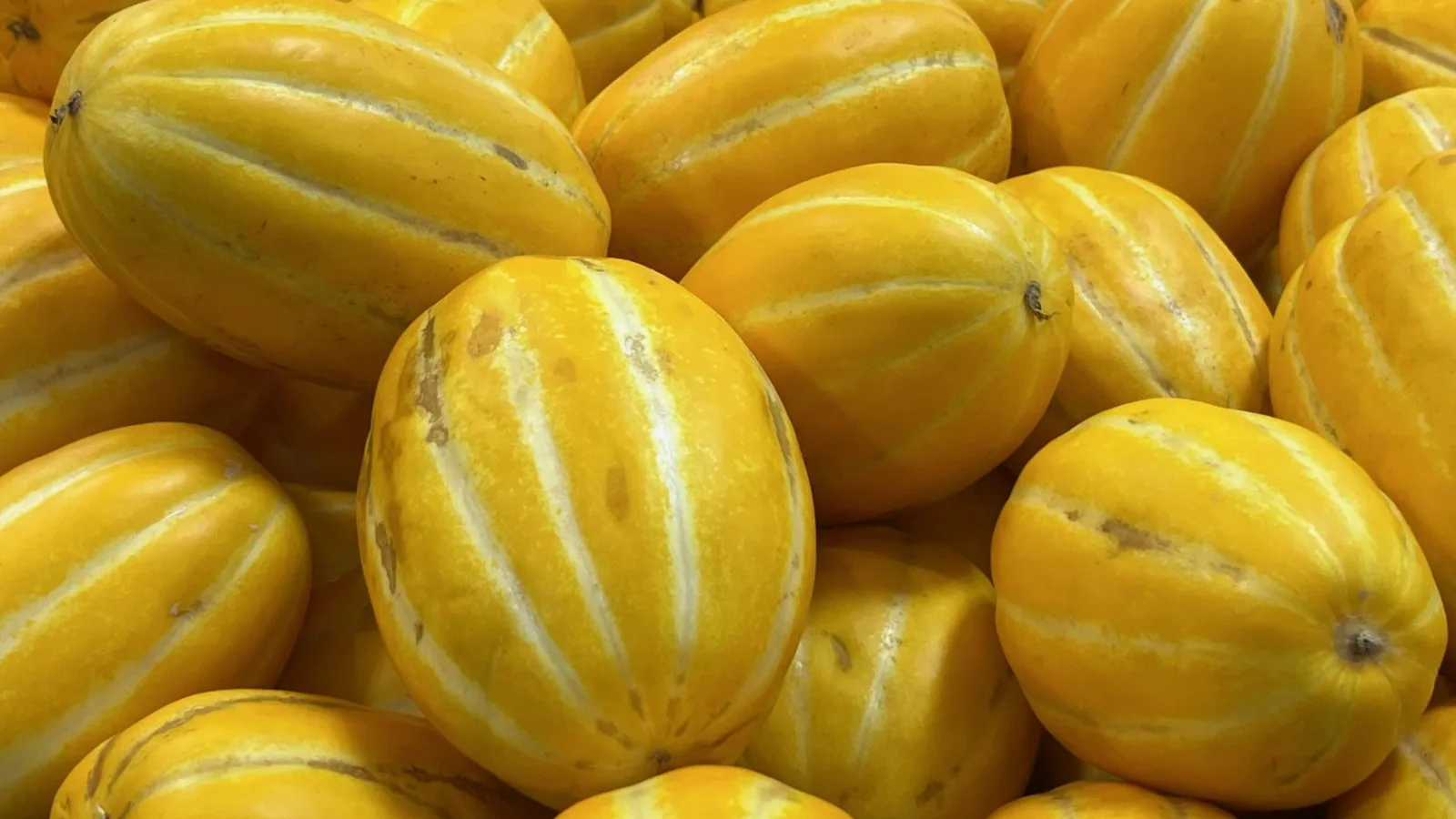
Summer, and a Melon Turning Gold
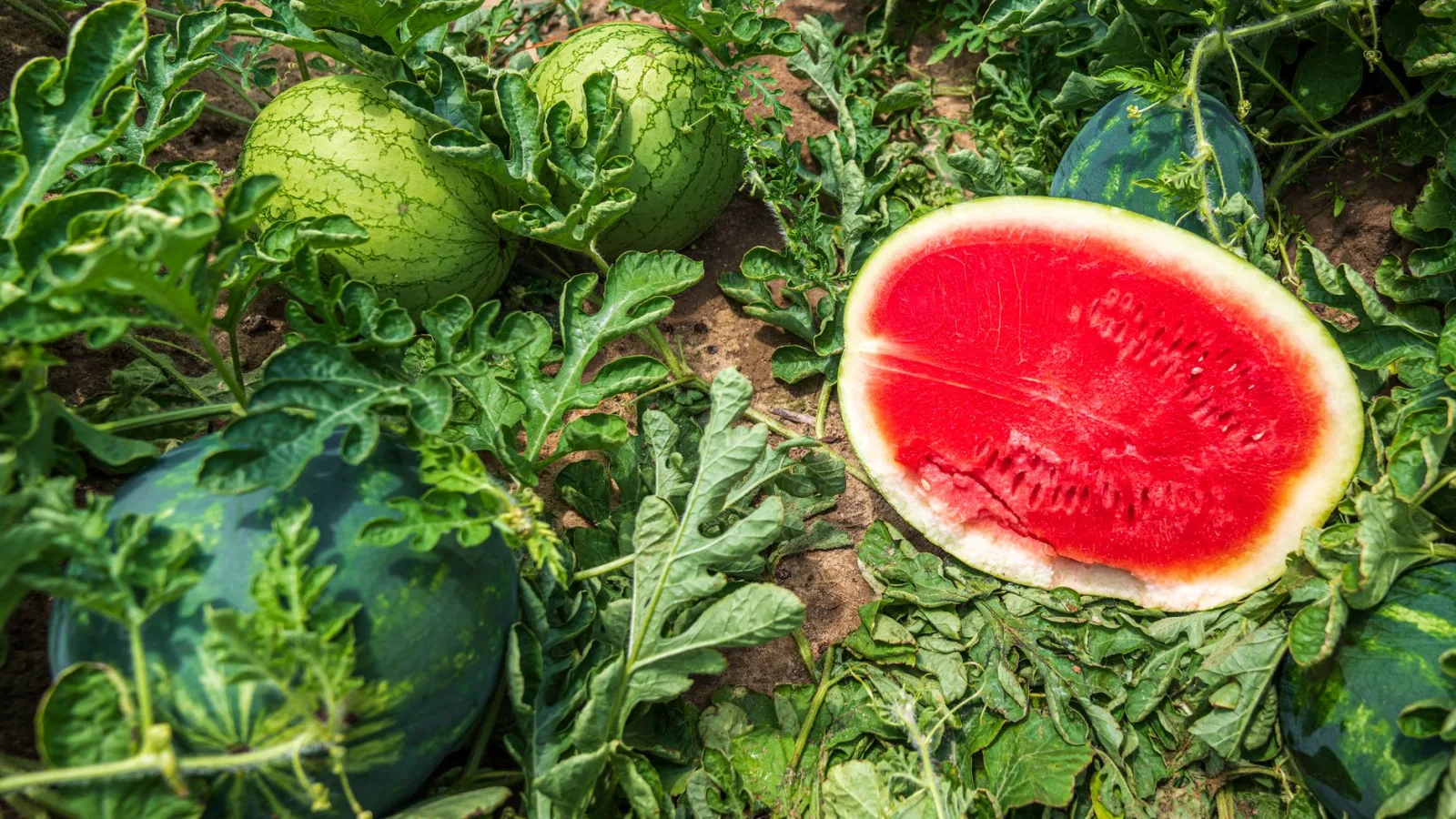
Homi gardeners, walk out to the garden in midsummer and you'll find them: Korean melons (chamoe), gone gold, easing into view between the vines. Lift one and it sits heavy in your hand, a sweet perfume drifting past your nose. They hide under the leaves for weeks, and then one morning you notice the color has deepened — and a whole season of tending comes back to you through your fingertips. On an afternoon when the heat has worn you down, chill one, bite into a slice, and the sweetness spreads across your mouth while the thirst quietly settles. The Korean melon has held its place on our summer tables for a very long time. How did people once see this crop? Let's open the Donguibogam and read together.
What the Donguibogam Says
The Donguibogam (the "Treasured Mirror of Eastern Medicine," compiled in 1613) records the Korean melon — 甛瓜, literally "sweet melon" — as cold in nature and sweet in taste. It even preserves two opinions side by side on whether the fruit carries any toxicity: some said it did, others said it did not. Its chief uses were to quench thirst, to clear beonyeol (煩熱), the feverish restlessness that heat brings on, to promote urination, and to open up blocked energy in the samcho (三焦, the "three burners" that the old medicine mapped through the torso). It adds that the melon was used for sores in the mouth and nose. Our habit of reaching for a melon when midsummer leaves us stifled and parched, in other words, was already written down centuries ago.
The book leaves its cautions alongside. Eat too much, it warns, and an old cold illness (宿冷病) may flare up, the stomach may turn, and the arms and legs may go weak. Anyone carrying abdominal masses (癥癖) or suffering from beriberi (脚氣) was told to stay away from it entirely. And melons that sink in water, or that grow with doubled stems and navels, were said to do a person harm.
Certain parts of the plant were set aside as medicine in their own right. The stem end, gwache (瓜蔕), was held to be bitter in taste and toxic: it was used to draw swelling out of the whole body, to drive off water, and to bring up whatever had knotted in the chest. For jaundice, or for trouble lodged in the chest after eating far too much, it served to make a patient vomit or to push the problem downward. This was a potent drug belonging to the emetic method (吐法), and the Donguibogam treats it strictly as a matter for trained prescription. The seeds, gwaja (瓜子), were said to break up what had gathered in the abdomen and disperse pus and blood — an important remedy for abscesses of the intestines and stomach. The leaves were used for hair loss, the flowers for chest pain and a cough that keeps rising. But the melon you meet in everyday life, Homi gardeners, is perfectly fine as exactly what it is: a fruit to enjoy cold.
Set Beside Today's Nutrition
The Donguibogam saw the melon as a cooling fruit that relieves thirst and feverish heat and keeps the water moving — a reading that flows easily into what we take for granted today. Korean melons are known for their high water content and a fair amount of potassium. All that water makes them good company for thirst on a hot day, and potassium has a hand in the body's fluid balance, which sits close in spirit to the old idea of promoting urination (利小便).
The traditional explanation that people turned to melon when the heat stole their appetite also rings true when you think about what a sweet, cool fruit does at a summer table. Put the old language — relieves thirst and feverish heat, opens the blocked energy of the three burners — into today's words, and you get something like this: it lightens and cools a body worn down by heat. All of which is a comparison between a traditional view and ordinary nutrition knowledge, not a claim that melon cures anything. And it's worth remembering that the Donguibogam set its cautions down right next to its benefits.
From Garden to Table
Homi gardeners, a melon just off the vine is best eaten raw and cold. Peel it, cut it into bite-size pieces, and keep it chilled; on a hot day, hands reach for it again and again. A firmer melon takes well to a light salting for jangajji (Korean brined pickles), or slice it thin and scatter it over a salad for something crisp and clean.
When you prep one, cut generously around the stem end. Since the Donguibogam attributed a strong emetic action to the stem (瓜蔕), it's worth carving that part out deeply before you eat. And because the fruit was considered cold in nature, anyone who runs cold and delicate in the stomach, anyone prone to loose stools, and anyone who is pregnant will rest easier not eating a large amount at once. Moderation in everything: enough to enjoy the coolness of the season is enough. May this summer's garden melons add a little gold to your table.