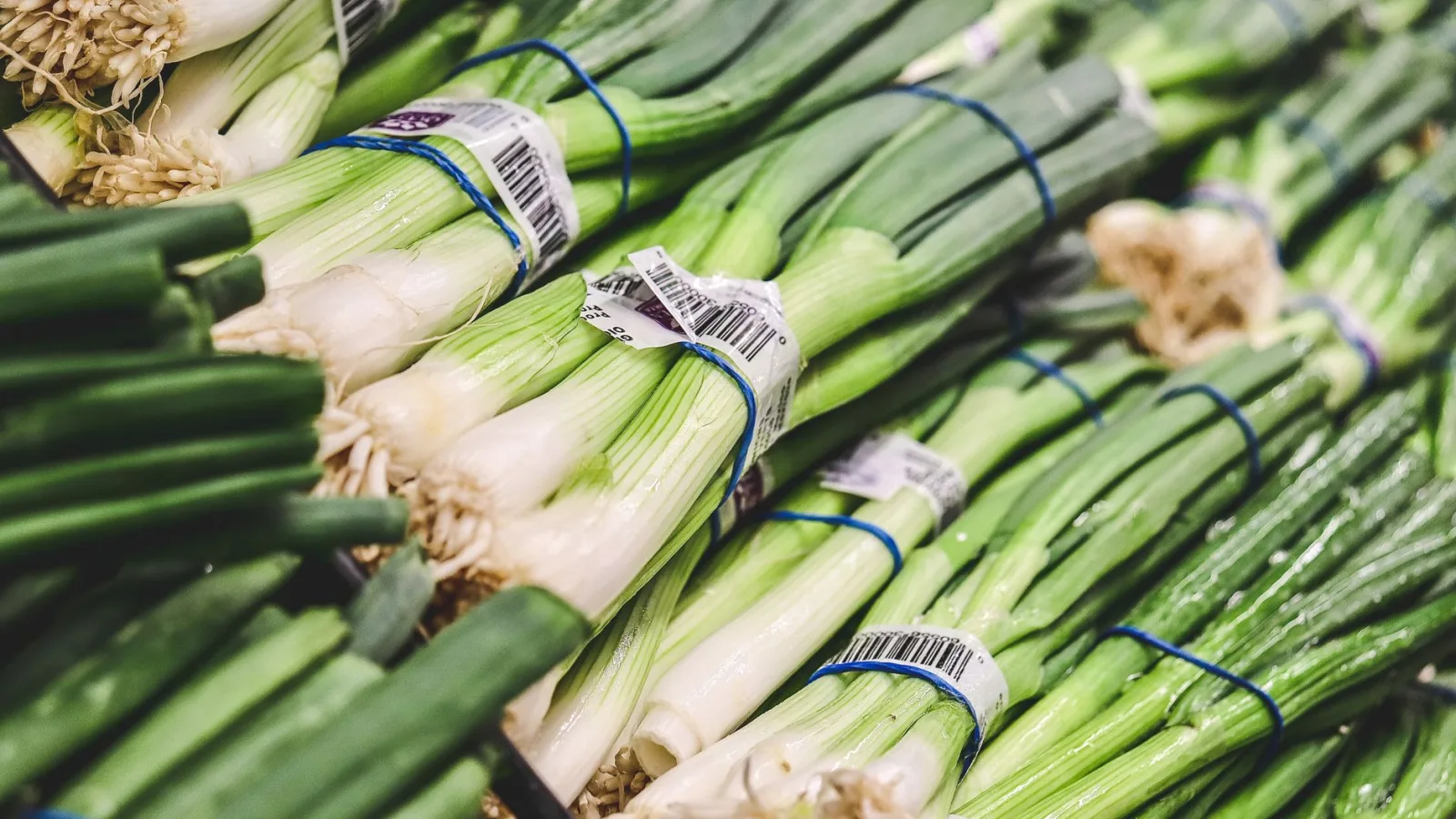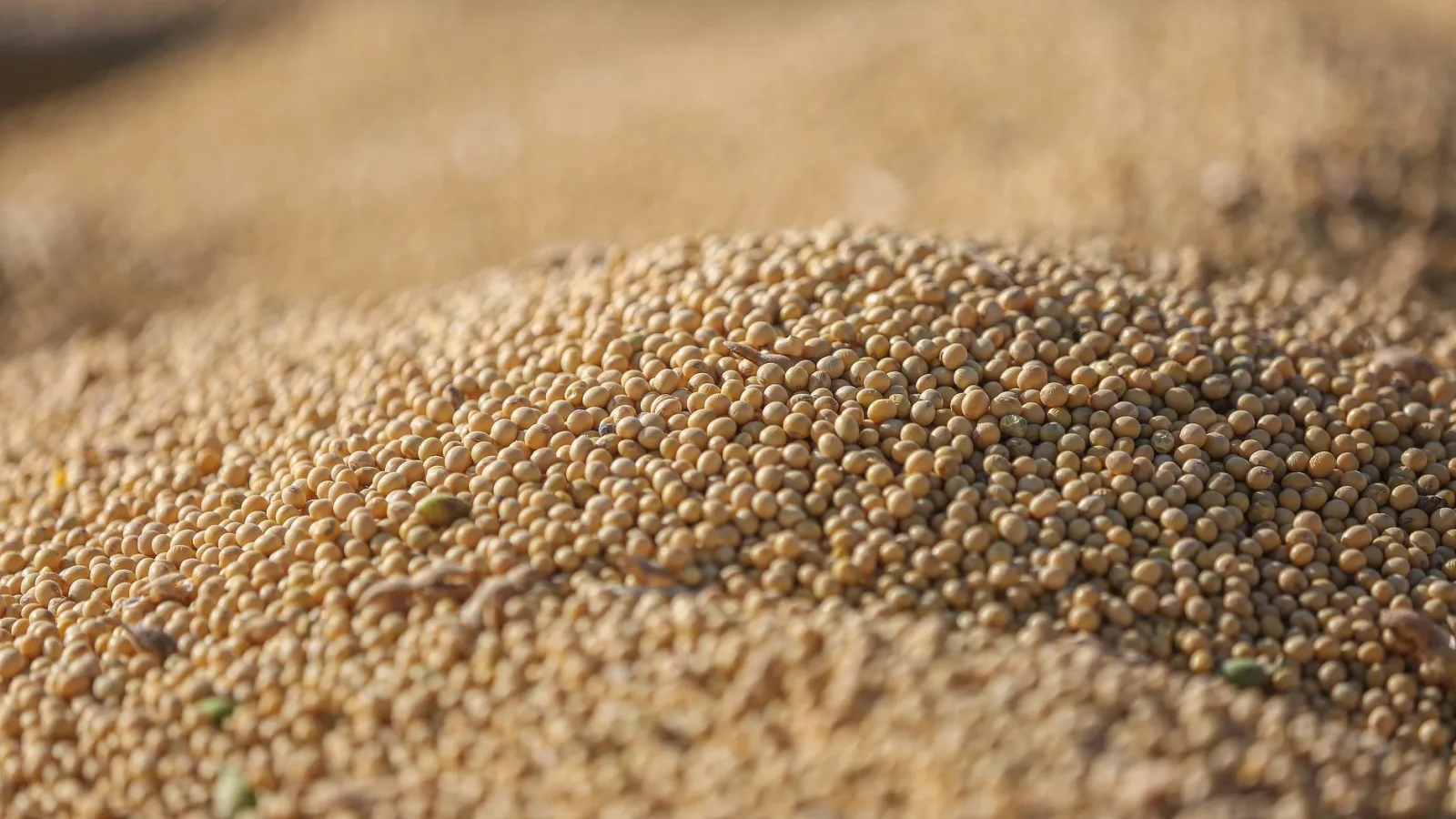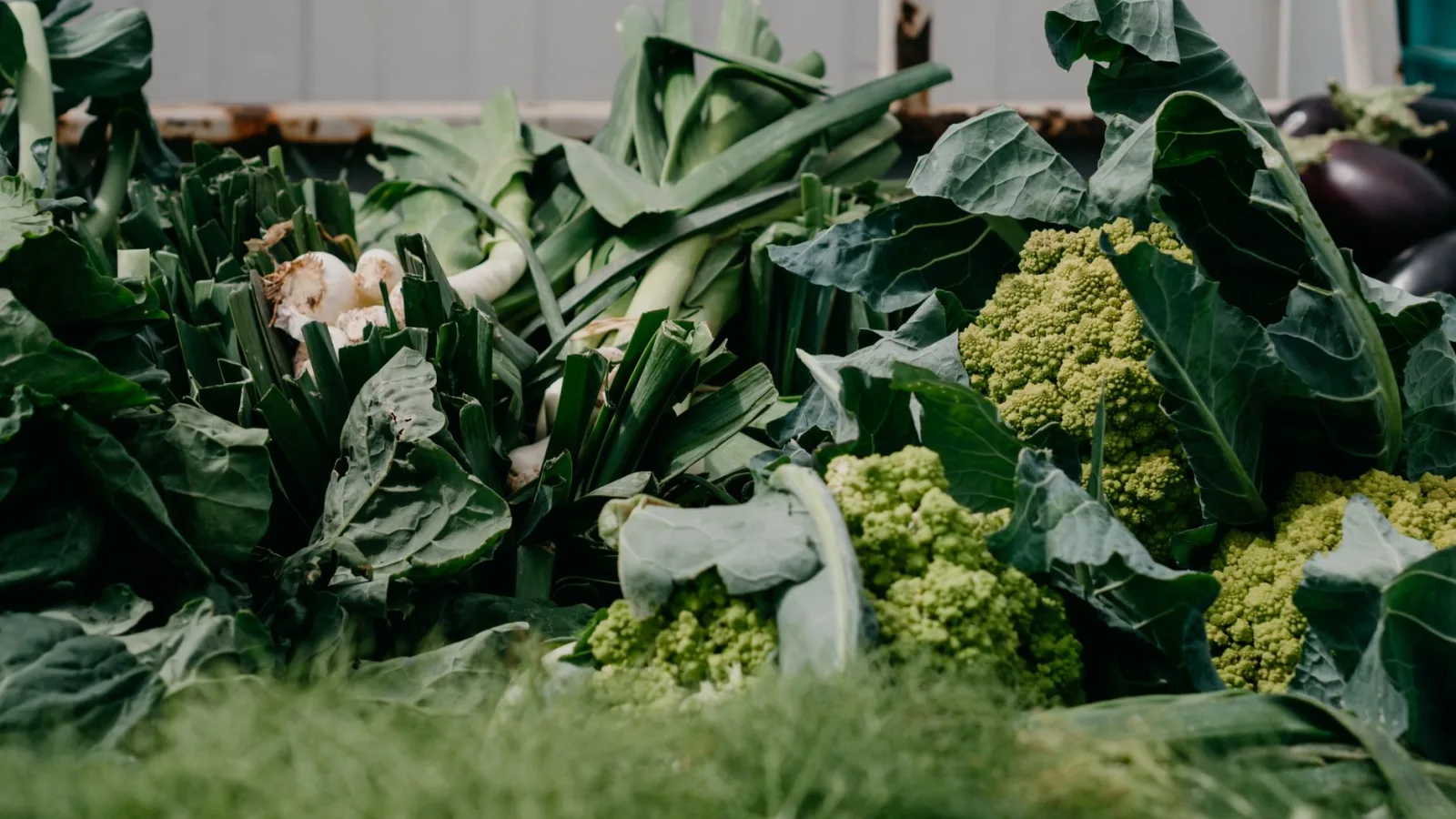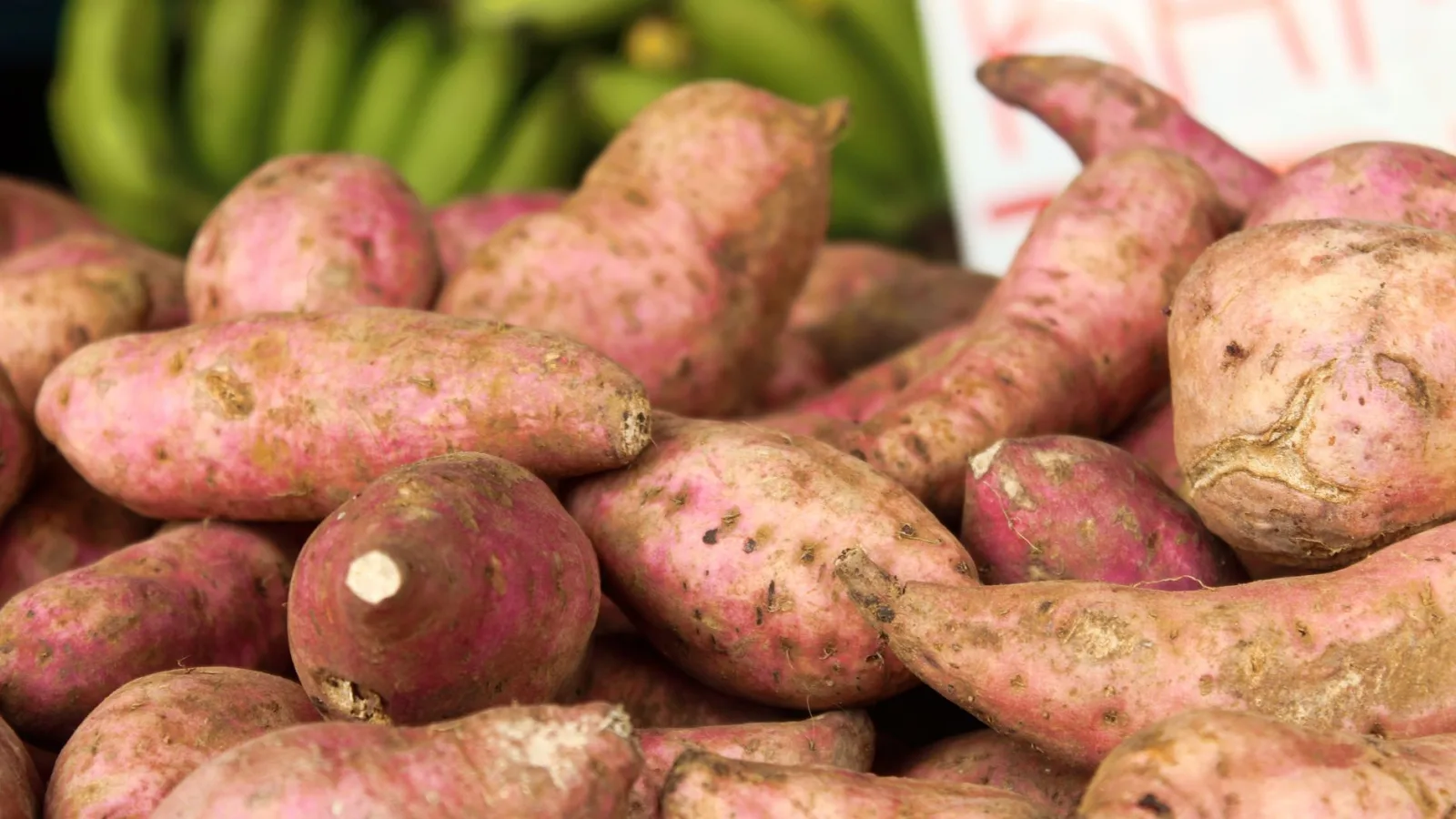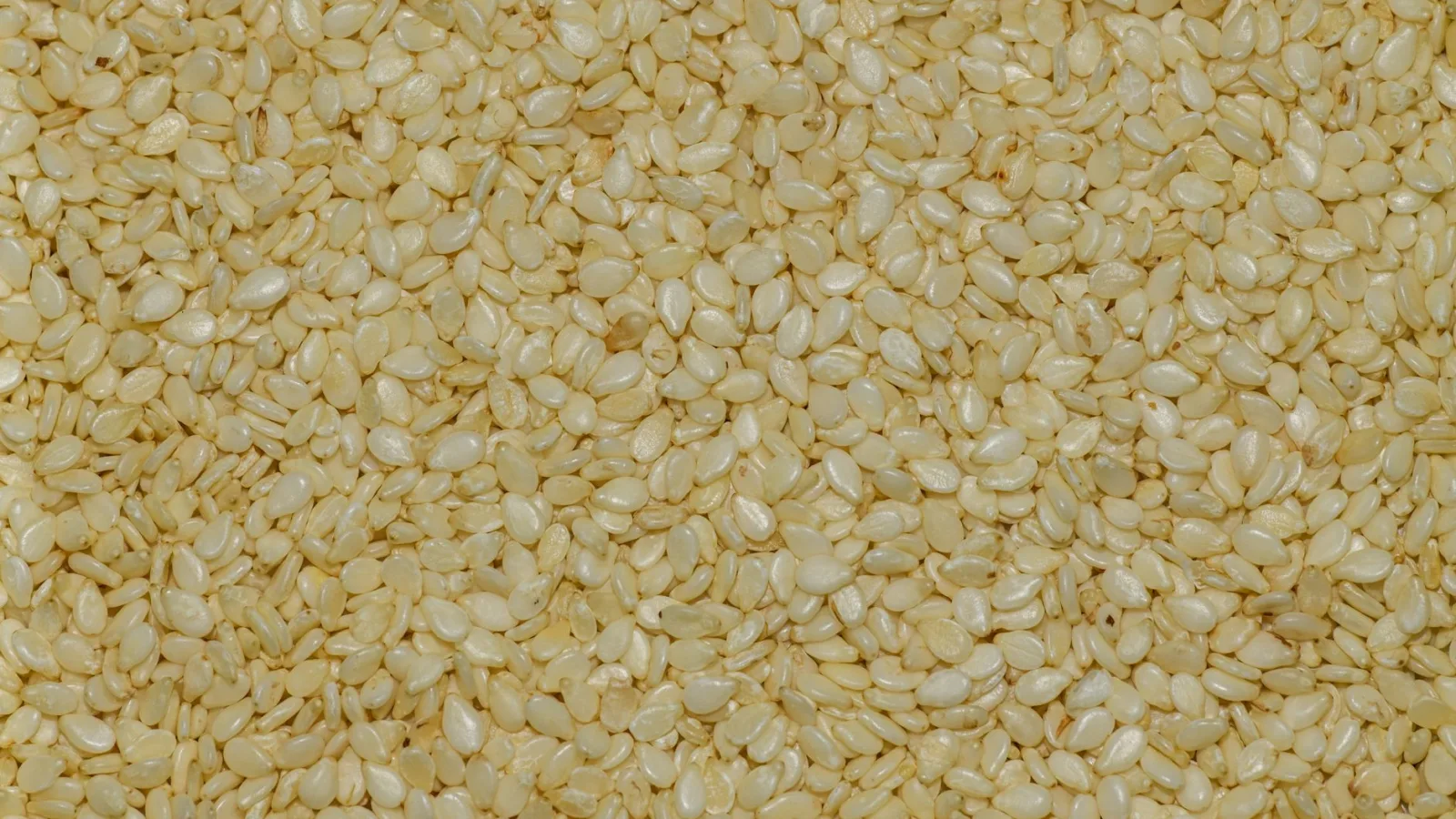
In late July, sesame puts up white flowers in one corner of the garden. Once the lowest pods start to fill out, a month later you'll have enough to toast and grind and set aside. A drop of sesame oil, a spoonful of toasted sesame salt — they go into seasoned greens, they go into soup. And yet this most ordinary of ingredients is, at somebody else's table, the very first thing that has to go.
The Name That Comes After Milk and Eggs
A paper reviewing food allergies in Saudi Arabia came out this year. Pulling together twenty studies and a set of regulatory documents, the researchers found that milk and eggs were the most common culprits there too. What differed from country to country was the name that came next. In Saudi Arabia, sesame and seafood came up again and again — a direct reflection of a table that loves sauces made from ground sesame and serves fish pulled from the Red Sea.
Korean kitchens are in much the same position. Sesame oil and toasted sesame salt go into most side dishes, and salted shrimp and anchovy stock form the base of the broth. Which foods trigger an allergy isn't determined by constitution alone; it shifts with what you eat and how often you eat it. So even with something you grew yourself, it's safer to start a child on a small amount the first time.
What Goes Missing When You Take Something Out
Once there's a diagnosis, the first step is removing the trigger food from the diet. But take milk or eggs out of a child's diet for long enough and calcium, protein, and vitamin D go out with them. That's precisely what worried the Saudi researchers. Even in a region with intense sunshine, a fair number of people run low on vitamin D — and layering an elimination diet on top of that puts a real burden on a growing child. Their recommendation: look not only at what was taken out, but at what went in to replace it.
Korea has plenty of people short on vitamin D as well, largely because so much of the day is spent indoors. Some of that shortfall can be made up from the garden.
- Calcium — Kale, Swiss chard, and perilla leaves, blanched and dressed, add up to a decent amount in a single meal.
- Protein — Peas and kidney beans are ready to pick around now, and they keep well once boiled.
- Vitamin D — Set shiitake mushrooms gill-side up in the sun for half a day and their vitamin D content rises.
Vegetables can only go so far, though, so while a trigger food is out of the diet for any length of time, pair it with a pediatric visit or a session with a dietitian.
What to Keep in Mind When You Share the Harvest
The Saudi Food and Drug Authority has kept up allergen labeling rules and public outreach, and yet food allergy remains a significant problem in the clinic. Most of the surveys rely on self-reporting, so the true scale still isn't pinned down. Labeling and outreach, in other words, aren't enough on their own.
The same issue comes up when you trade produce with the neighbors at the garden. What's in a side dish isn't something you can tell by looking.
- Tape a note to the sharing dish listing what went into it. Just sesame oil, toasted sesame salt, and salted shrimp is already a help.
- When you're sharing with a household that has small children, set aside one dish made without nuts or sesame.
- The first time someone tries a new crop, go with daytime rather than evening, and one thing at a time. If there's a reaction, there's time to deal with it.
If you head out to the garden today, then before you fill a container with perilla leaves or peas to pass along, write one line about what's inside and hand it over with them.
Reference — Systematic review of food allergy in Saudi Arabia, published in Frontiers in Public Health; Saudi Food and Drug Authority allergen labeling regulations