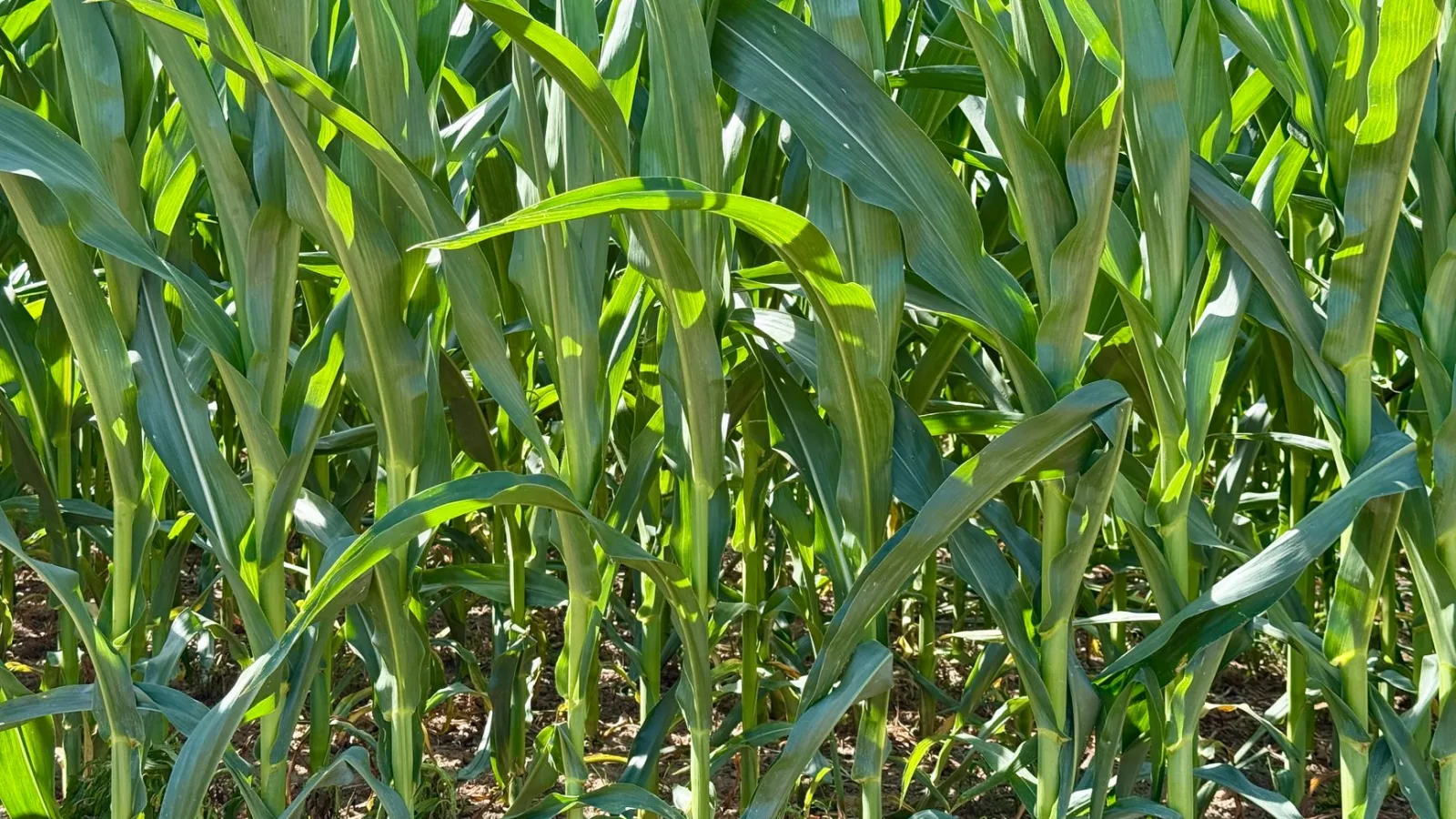
In the summer garden, the ears of corn ripen one by one. The silks dry to brown, and when you peel back the husks, the yellow kernels sit packed in tight rows. Steam an ear, take a bite, and the sweetness fills your mouth. Corn is easy to grow and yields generously, so it becomes a dependable staple from the garden all season long. But if corn is all you eat, your body won't get everything it needs.
What Corn Is Missing
Corn is rich in carbohydrates, but it's low in two of the amino acids that make up protein: lysine and tryptophan. Both are essential amino acids, which means the body can't make them and has to get them from food. On top of that, the niacin (vitamin B3) in corn is locked in a form the body has trouble absorbing. That's why pellagra, a disease that affects the skin and digestion, spread among people in the past who relied heavily on corn. Pair corn with another source of protein, such as beans, meat, or eggs, and those gaps get filled.
How the Maya Solved It
For the Maya of Central America, corn was the foundation of life. It was so central that it ran through their religion and many of their stories. That also meant they lived with corn's nutritional shortcomings for a very long time.
The Maya soaked and cooked their corn in limewater, a process called nixtamalization, which turned its niacin into a form the body could use. They also ate corn with beans to make up for the missing amino acids. Recent research points to yet another solution. When scientists analyzed carbon and nitrogen isotopes in dog and turkey bones from Maya sites, they found that these animals had been raised mainly on corn. It appears the Maya fed their surplus corn to their animals and then ate the meat. In other words, they made up for the protein corn couldn't supply with meat from animals raised on corn. The researchers believe this likely helped offset corn's protein limits.
Getting the Most from Your Garden Corn
You can apply the same principle to the corn in your own garden. Instead of making a meal of corn alone, add some beans. Beans are rich in lysine, the very thing corn lacks, so eating the two together gives you a more complete protein. Try adding kidney beans, black beans, or peas to corn rice (rice cooked with fresh kernels) or to a salad.
- Try planting corn, beans, and squash together in the same bed. This is the milpa system the Maya have practiced for centuries: the beans climb the cornstalks and add nitrogen to the soil.
- Some say that adding a little baking soda to the water when you boil corn helps your body absorb its nutrients, much like the old limewater method. It's folk wisdom, though, so think of it as a casual experiment rather than a sure thing.
This evening, try setting a handful of beans next to your steamed corn. It's a pairing the ancient Maya took a long time to discover.
Reference — Carbon and nitrogen isotope analysis of domestic animal bones from Maya archaeological sites