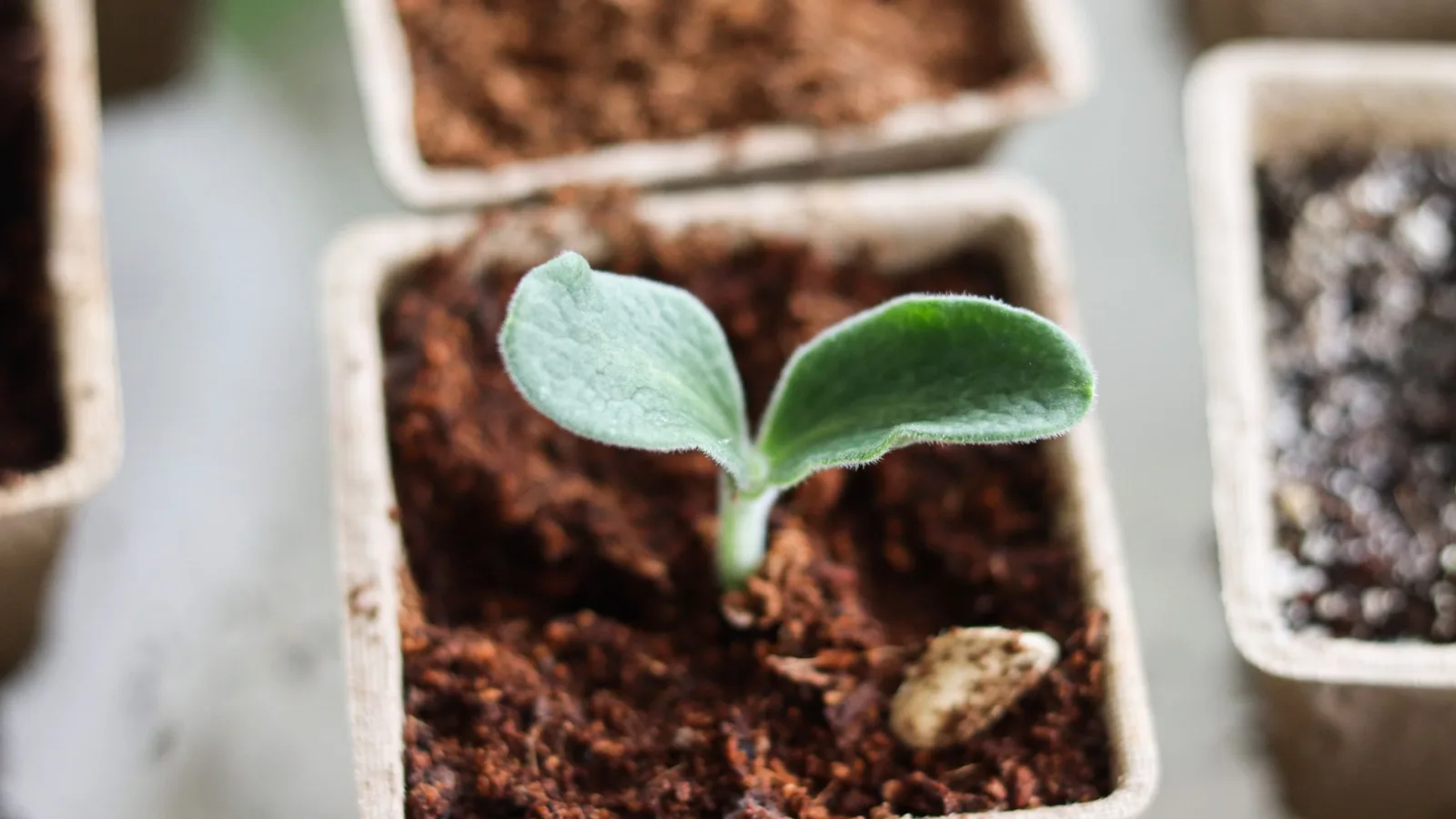
By late September, the small black soybeans in the garden are filling out their pods. In the Northern Hemisphere, plants sown in June are ready to harvest in October and November. Squeeze a pod between your fingertips now and you'll feel small, firm beans inside. You'll be picking them in a few weeks, and prep goes more smoothly if you've already decided how you'll use them. So what goes well with these little black beans?
A Tiny Bean with a Black Coat
The small black soybean, known in Korea as jwinuni-kong, is a very small bean with a black skin. The Korean name means "rat's-eye bean," a nod to its size and shape. In Chinese characters it's written seomoktae (鼠目太), and many people simply call it yakkong, or "medicine bean." Seoritae, another Korean black soybean, is plumper and green inside. When you shop, check both the size of the bean and the color of its interior, and you'll be able to tell the two apart.
Here's what has been identified in the skin and the bean:
- Anthocyanin: The pigment behind the skin's deep color. It dissolves in water, which is why the soaking water turns a reddish purple.
- Isoflavone: A phenolic compound found widely in legumes.
- Saponin: A compound often linked to the foam that rises when you boil beans.
- Protein: Stored in the seed itself.
Small black soybeans are an annual crop that grows through the summer heat, thriving at 25–30°C (77–86°F). Frost kills them. In the Northern Hemisphere, July and August are when the plants flower and fill their pods, and drought during that stretch does the most damage. Soybeans as a whole are grown mostly in Brazil, the United States, Argentina, and India, and the crop originated in China.
Never Eat Them Raw
Raw soybeans contain lectins, along with proteins that keep digestive enzymes from doing their job. According to food science, cooking the beans thoroughly changes these properties, and the long-standing habit of cooking beans before eating them fits that finding. Leaving raw beans alone is old kitchen wisdom. Every dish below starts with cooking the beans all the way through.
Old texts also paid close attention to how beans were prepared. The grains section (穀部) of the Dongui Bogam, Korea's classic 17th-century medical encyclopedia, lists the small black soybean as yeodu (穭豆) and gives its old Korean name as "hyogeun geomeun kong," or "small black bean." Hyogeun is an archaic word for "small." The book describes the bean as warm in nature, sweet in taste, and free of toxins. It rates the black, hard, small ones, called ungdu (雄豆), as the best. It also held that the nature of beans changes with preparation, so it lists boiled bean broth, tofu, roasted beans, and meju (blocks of boiled soybeans left to ferment, used as the base for Korean soy sauce and pastes) as separate entries. Keep in mind that what old medical texts say doesn't line up with today's understanding. Read them as a record of how people used to eat beans.
With Rice: Cook It in the Soaking Water
The easiest pairing is rice. Start by soaking the beans in water. Because they're so small, they need less soaking time than other black soybeans. Add the soaked beans to the pot with the rice, and don't pour out the soaking water. Use it to cook the rice. The rice picks up a soft tint, and the anthocyanins that leached out of the skins stay in the pot. When the rice is done, press a bean between your fingers to make sure it's soft all the way through.
With Soy Sauce and Rice Syrup: Kongjaban
Kongjaban is a Korean banchan, or side dish, made by simmering boiled beans in soy sauce and mulyeot (a clear Korean rice syrup). It's served alongside rice. First boil the beans until they're cooked through, then add the soy sauce and syrup and let them simmer slowly over low heat. If the heat is too high, the skins will split. A slow simmer keeps them whole and gives them a glossy sheen. Sprinkle on sesame seeds near the end. Make a big batch once, and you'll have it on hand for several meals.
Roasted and Finely Ground: A Nutty Cup
The Dongui Bogam lists roasted beans separately from boiled ones, and roasted beans can be ground into a drink. Put the beans in a pan and keep shaking it the whole time they roast so they cook evenly. Let the roasted beans cool completely before grinding, or the powder will go damp. Stir the powder into water for a toasty, nutty drink. It's good on mornings when there's no time to sit down to a proper breakfast.
Today, head out to the garden and squeeze a few pods to see how full the beans are. When you harvest, soak a handful first and cook it into your rice.
Sources: Dongui Bogam, Grains section (穀部), Yeodu (穭豆) · Korean National Standard Food Composition Table