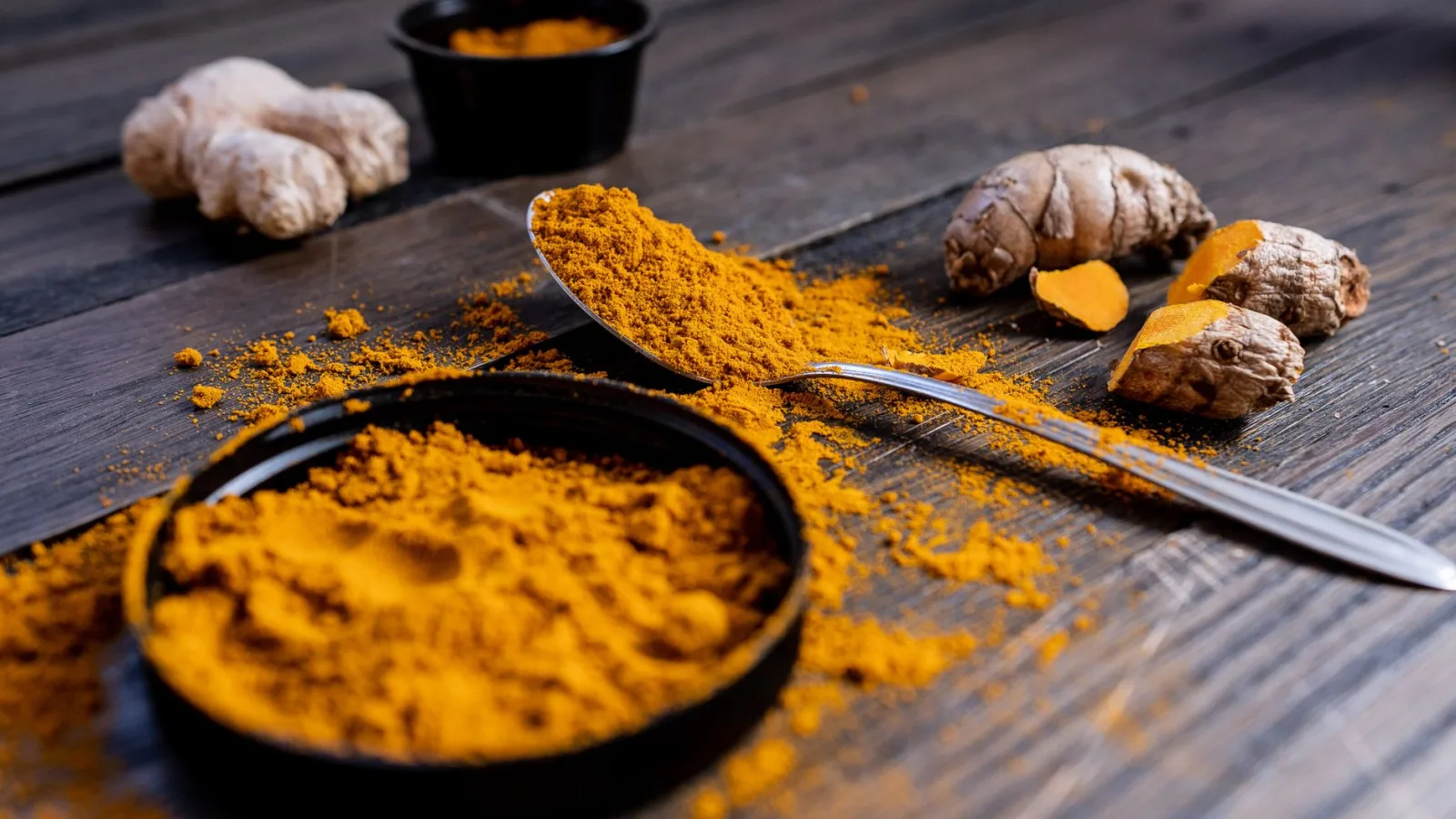
In the Northern Hemisphere, turmeric planted in spring is still growing in late October, its broad leaves hanging on until the first frost. As harvest day nears, first-time growers often ask whether ulgeum and ganghwang, the two Korean names for turmeric, are the same thing. Anyone who has spotted two bags of yellow powder side by side at the market, one under each name, knows the moment of hesitation over which one to buy.
Two Parts from One Plant
Turmeric (Curcuma longa) is a perennial in the ginger family. It's grown for its rhizome, which swells underground, and the yellow powder that goes into curry is made from that same rhizome. In Korea, both the plant and its rhizome are commonly called ulgeum.
The official pharmacopoeia, however, names each part separately. The rhizome is listed as ganghwang (薑黃) and the tuberous root as ulgeum (鬱金). So the ulgeum of the garden and kitchen may not be the same part as the ulgeum of the herbal pharmacy. The plump rhizome you dig from your garden bed is, by its pharmacopoeia name, ganghwang.
The Dongui Bogam Recorded the Two as Opposites
Older medical texts kept the two names apart as well. In the Dongui Bogam, the landmark 17th-century Korean medical encyclopedia, the herbs section (草部) gives ulgeum (鬱金) and ganghwang (薑黃) separate entries. It describes ulgeum as cold in nature and ganghwang as hot, so despite their similar names, the two were treated as distinct remedies.
The ulgeum entry describes its taste as pungent and bitter and says it is non-toxic. It notes that the herb grows in many places, offers a rule of thumb for choosing it ("the best ones are shaped like a cicada's belly"), and explains how to prepare it: rinse in water, then dry over a low fire. Keep in mind that this is a record from a classical medical text, separate from the judgments of modern medicine. A "cold" or "hot" label alone is no basis for deciding how much to eat.
What You Dig in the Garden Is the Rhizome
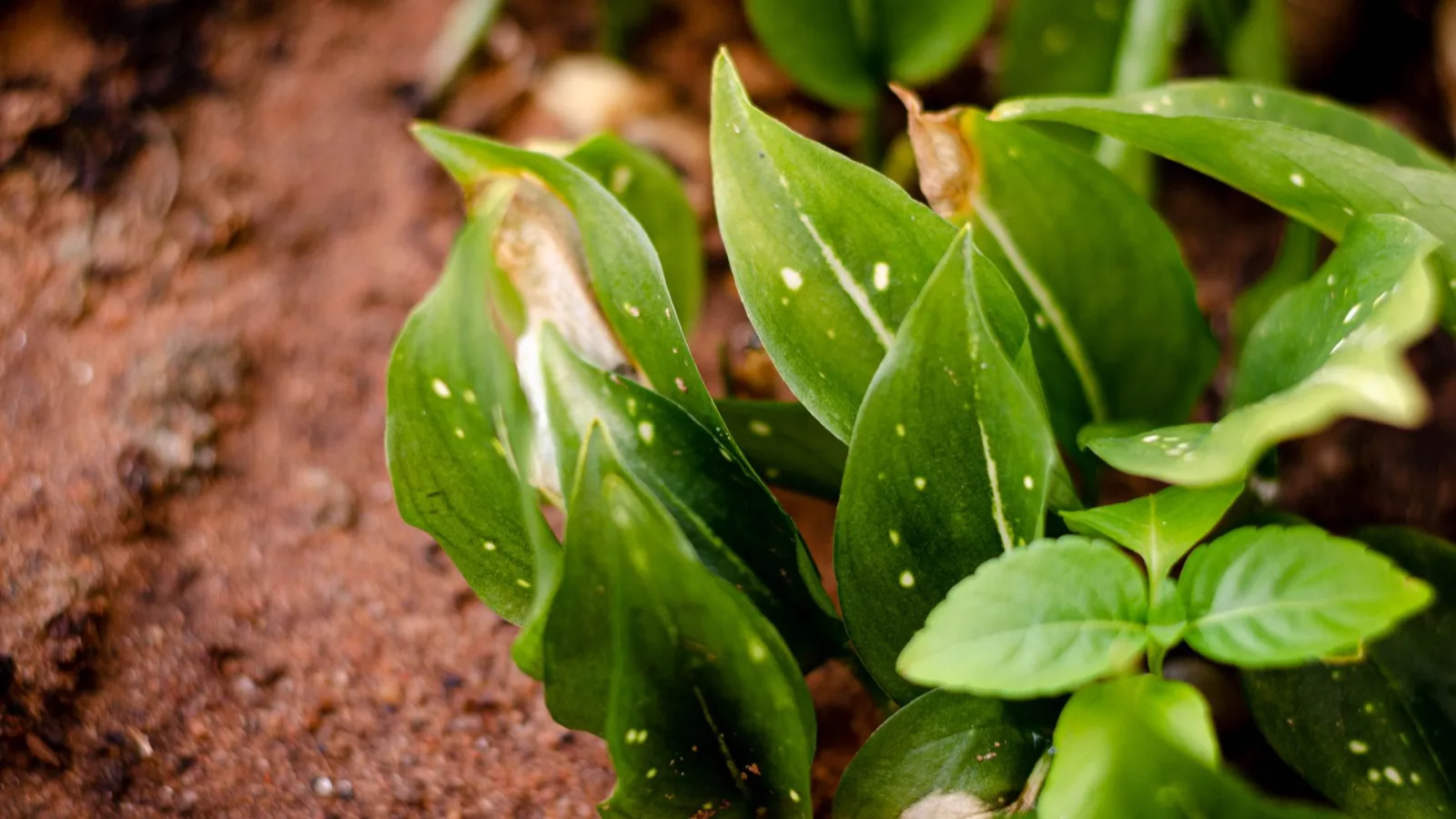
In the Northern Hemisphere, seed rhizomes (pieces of rhizome saved for planting) go into the ground in late April. The leaves fill out all summer, and harvest comes in November, once frost knocks the foliage down. Worldwide, turmeric is grown mostly in India, Bangladesh, Myanmar, Indonesia, and China.
Where winters are fairly mild, turmeric can be grown in open ground. Where frost arrives early, plant it in a large container at least 30 cm deep. Either way, the rhizomes won't survive winter in the soil, so it's a one-season crop. After harvest, set aside seed rhizomes for next year's planting. You'll find planting and harvest months, along with composition data, in our turmeric crop guide.
What to Check on a Bag of Yellow Powder
Korean markets carry yellow powder labeled ulgeum alongside powder labeled ganghwang. Because the two names can point to different parts depending on who's using them, the name alone won't tell you what was ground. Check the ingredients list first: does it say rhizome or tuberous root, and is the botanical name given as Curcuma longa?
The color comes from curcuminoids, polyphenol pigments such as curcumin and demethoxycurcumin. In analyses comparing cultivars and growing regions, dried rhizomes generally contained 2–5% curcuminoids, and even within a single cultivar the figures varied widely depending on where it was grown and how it was dried. These are data on composition only and say nothing about preventing or treating disease. The earthy, slightly bitter aroma comes from essential-oil compounds, turmerone and zingiberene.
Before the Name, Consider the Amount
Whether it's labeled ulgeum or ganghwang, the amount you stir into a curry or stir-fry is not the same thing as a supplement concentrated for curcumin. Curcumin barely dissolves in water, so little of it is absorbed, but products that add piperine, a compound from black pepper, raise that amount. Cases of liver injury have been reported with high-dose, absorption-enhanced products. A long history as a kitchen spice is no reason to step up a supplement.
- If you have gallstones or a condition that blocks the bile ducts, talk with the clinician treating you before eating more than spice-level amounts.
- If you take medication that slows blood clotting, don't start a supplement on your own; such drugs can interact with high-dose turmeric supplements.
- If you have surgery or a procedure coming up, tell your care team ahead of time about any supplements you take.
In the kitchen, spice-level amounts are plenty. Curcuminoids dissolve in fat, so briefly frying the powder in oil spreads its color and aroma evenly. Cook it too long and the aroma fades, so add it near the end and finish with a generous grinding of black pepper. For a warm drink made with milk or coconut milk, one teaspoon per mug is enough; any more and the bitterness takes over.
Today, pull that bag of yellow powder from your cupboard and start by reading the plant part and botanical name in the ingredients list.
Source: Dongui Bogam, herbs section (草部), entries for ulgeum (鬱金) and ganghwang (薑黃).