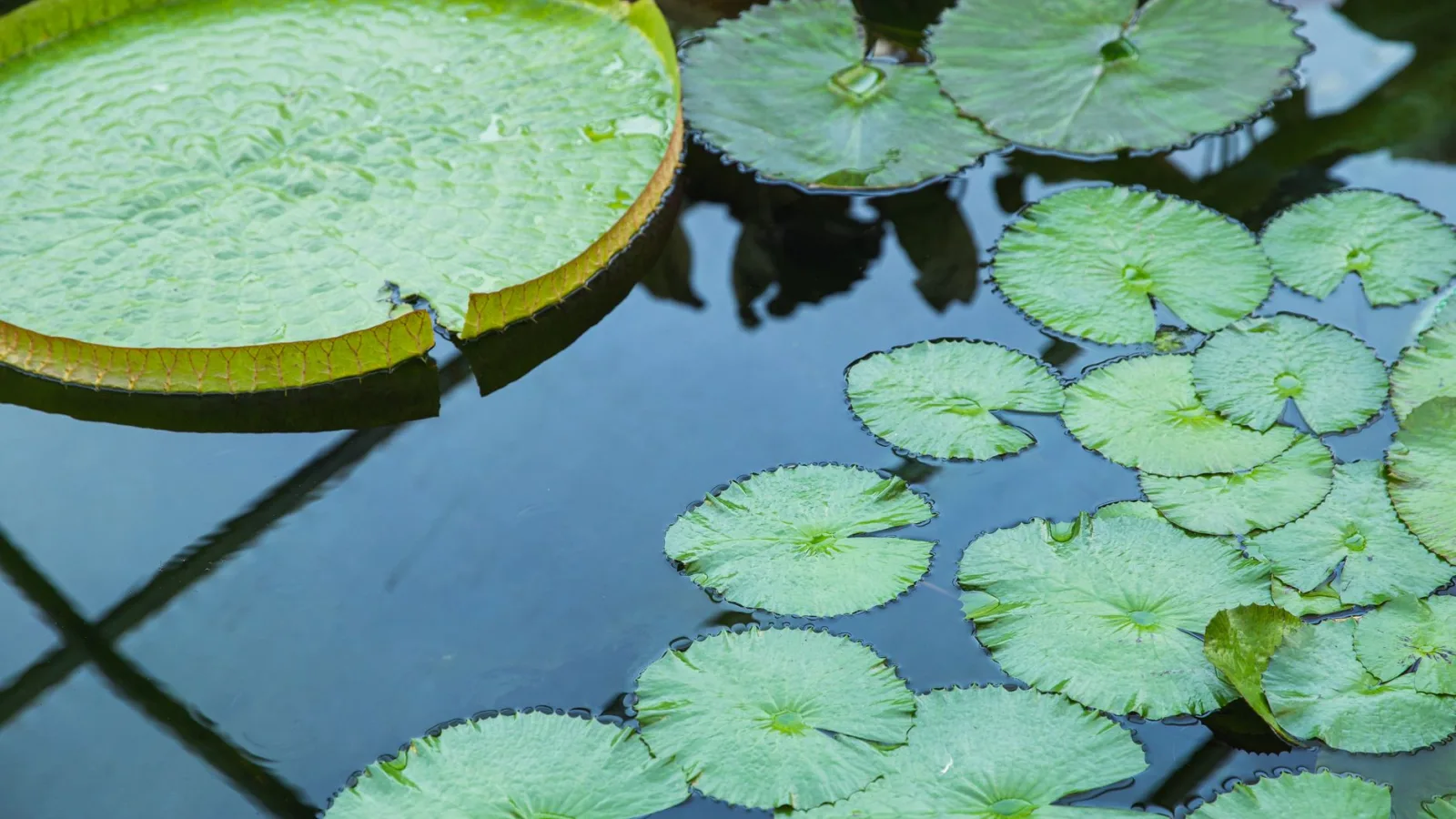
In the Northern Hemisphere, once November arrives, the olbangae stems standing in a stone water basin turn yellow and dry. Drain the water, dig through the mud, and your fingers close around dark, hard tubers. People harvesting them for the first time almost always ask the same question first: Can I just bite into one raw?
Tubers Grown in Water Aren't for Eating Raw
Olbangae (Eleocharis kuroguwai) is a perennial aquatic plant in the sedge family, found mainly in China, Korea, and Japan. Its upright green shoots look like leaves but are actually hollow stems. The edible part is the tuber that forms in the mud beneath the water. From start to finish, that tuber grows submerged in water and mud.
Parasitology literature identifies the surfaces of aquatic vegetables, the fruits and tubers grown in rice paddies, ponds, and ditches, as one route by which the giant intestinal fluke (Fasciolopsis buski) reaches people. Larvae that have developed inside freshwater snails attach to the outside of water plants and become cysts called metacercariae. They enter the body when someone chews the plant raw or peels it with their teeth. A backyard water basin is simpler than a rice paddy, but it's hard to keep a constant eye out for snails. That's why olbangae grown in water should never be tossed raw into a seasoned salad or blended into a drink, and never handed to children as a raw snack.
Scrub, Peel With a Knife, and Cook It Through
- Scrub freshly dug tubers under running water with a brush or your hands to knock off the mud. Instead of leaving them to soak, wash them with the tap running.
- Peel them with a knife on a cutting board. Don't strip the skin off with your teeth. Whatever is clinging to the surface would go straight into your mouth.
- Cook the peeled flesh all the way to the center. For stir-fries, slice them thick and cook over high heat. For rice or juk (Korean rice porridge), chop them finely and cook them right along with the grain.
- When adding them to meatballs or mandu (dumpling) filling, mince them and squeeze out the excess moisture. Once everything is cooked, cut one open to check the center. Season with salt at the very end.
When you're done prepping, wash the knife and cutting board before slicing any salad greens. That keeps the muddy water from the raw tubers from getting onto vegetables you'll eat raw.
They Stay Crisp Even When Cooked
Some of you may hear "cook it" and worry first about texture. After all, most tuber vegetables go soft when cooked for long.
Researchers studying a close relative, the Chinese water chestnut (Eleocharis dulcis), found that ferulic acid in its cell walls is cross-linked, which keeps the tissue from softening easily even after heating. The study didn't look at olbangae directly, but since both are tubers from the same genus, you can expect a similar texture. In a stir-fry, it holds its crunch among the softened vegetables, and the longer it cooks, the sweeter it gets. This research examined tissue structure and composition and has nothing to do with preventing or treating disease.
What's sold in cans as "water chestnuts" in English-speaking countries is usually this Chinese water chestnut. When you look up recipes or nutrition information in English, check the scientific name to tell the two species apart.
Nutrients and Historical Records
The tuber is rich in starch. This storage carbohydrate was traditionally ground into flour, and when added to porridge it dissolves into the liquid and thickens it. Dietary fiber makes up the cell walls and gives the tuber its chew, and potassium is a mineral commonly found in tuber vegetables. Reference guides don't list specific amounts, so it's best to think of olbangae as an ingredient that supplies part of a meal's carbohydrates.
The Vegetables section (菜部) of the Dongui Bogam, Korea's classic 17th-century medical encyclopedia, includes an entry for ou (烏芋), listed with its old Korean name, olmae (올ᄆᆡ). It describes the plant as slightly cold in nature and both bitter and sweet in taste, and it sets two notes side by side: that it is not toxic, and that some say it is. It says the root is good to eat once boiled until cooked, that it was dug and eaten in the first and second months of the lunar calendar, and that in famine years people gathered it in large amounts to live on. People back then cooked it too.
That same entry, however, likens the plant's leaves to arrowheads. Olbangae has no leaves, only hollow stems standing straight up. For that reason, scholars disagree on whether ou actually refers to olbangae. This comes from a historical medical text and has not been confirmed by modern medicine.
Planting times and basin care are covered in the olbangae entry in Homiclub's Crop Guide. In the Northern Hemisphere, plant in April–May and harvest from November through the following January.
If you dug up some olbangae today, peel one with a knife, slice it, and stir-fry it over high heat. Then cut a piece open to make sure it's cooked all the way through.
Sources: Heo Jun, Dongui Bogam, Vegetables section (菜部), entry on ou (烏芋) · Parasitology literature on the transmission route of the giant intestinal fluke · Research on ferulic acid in the cell walls of the Chinese water chestnut