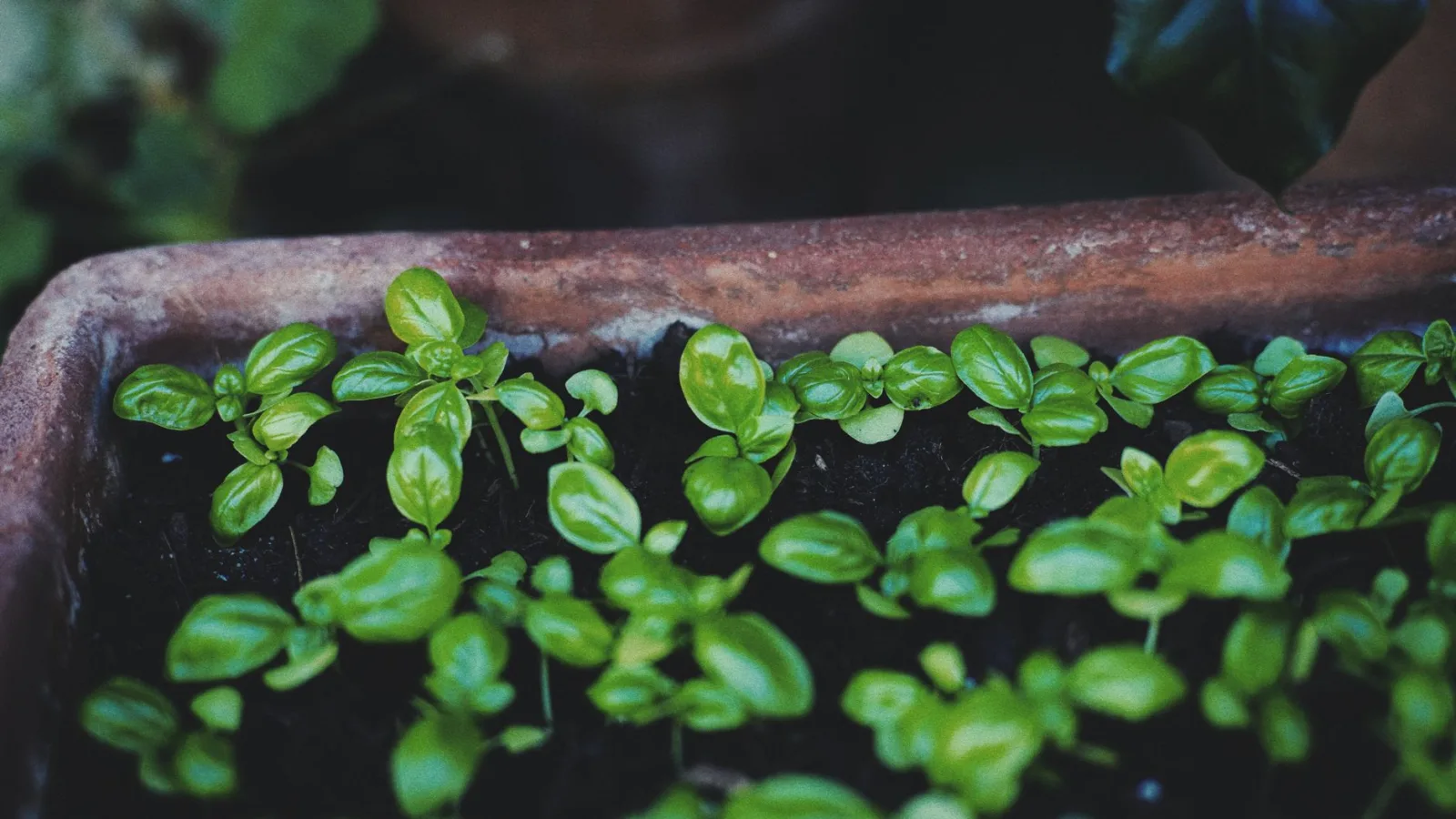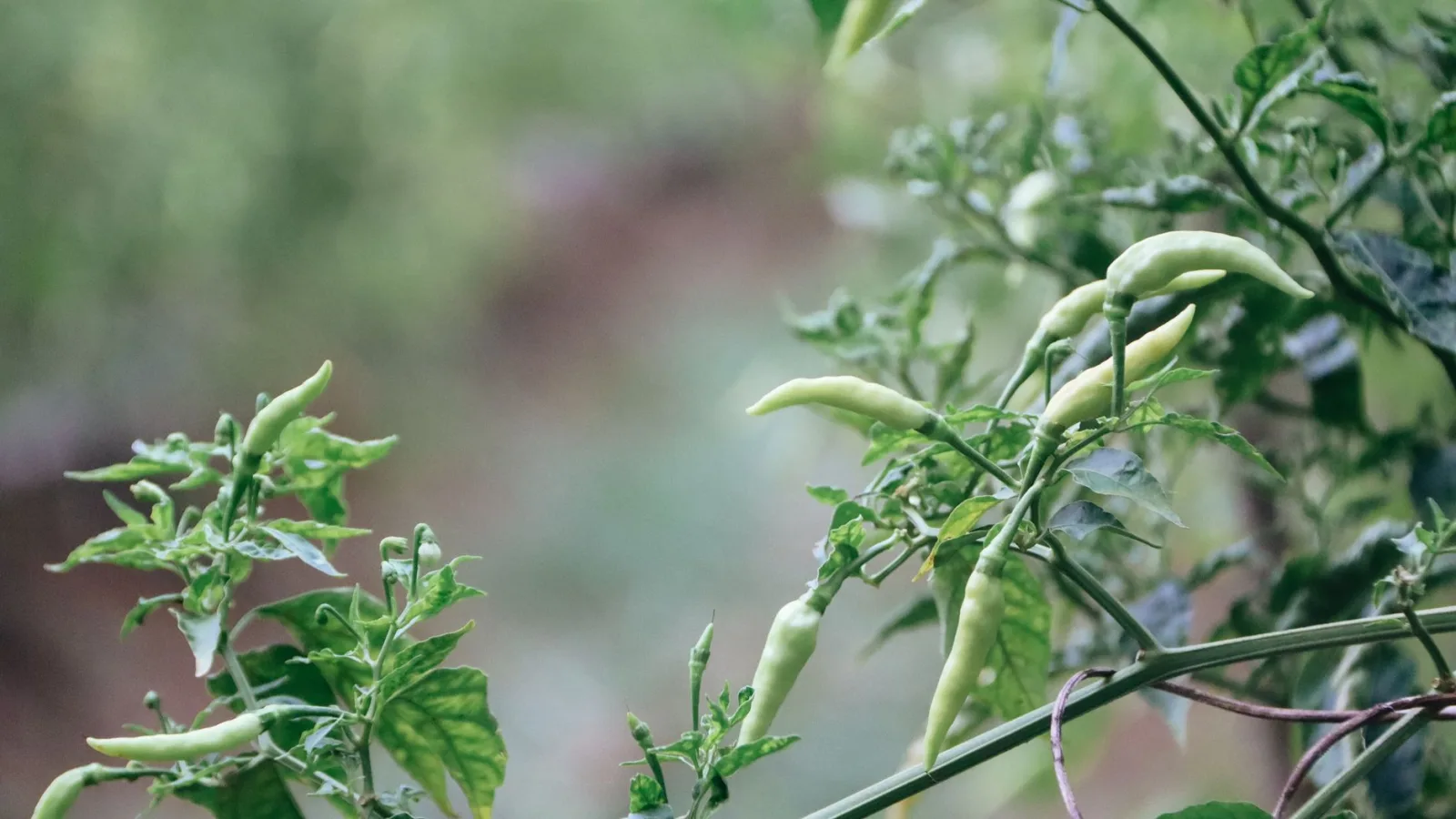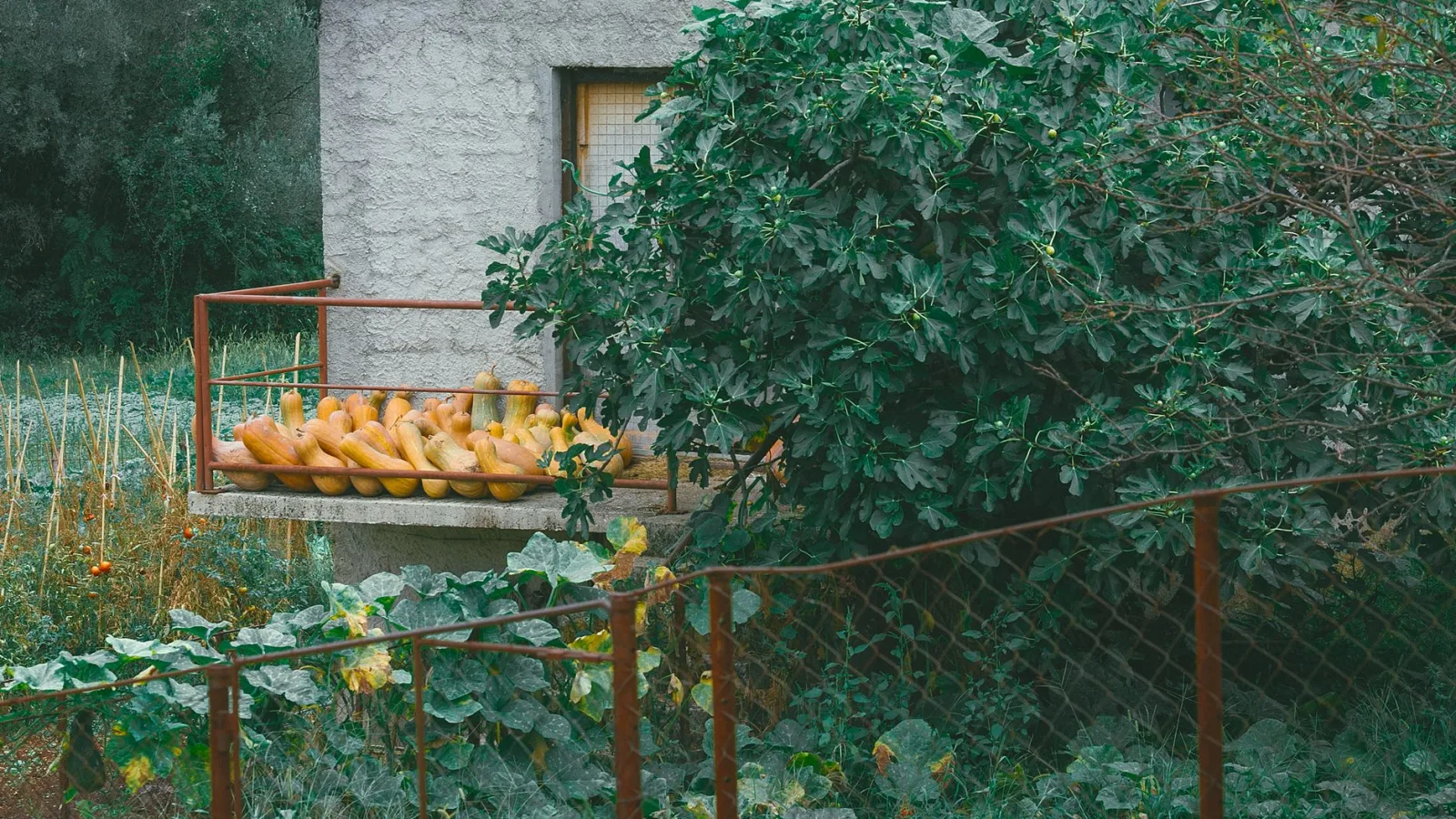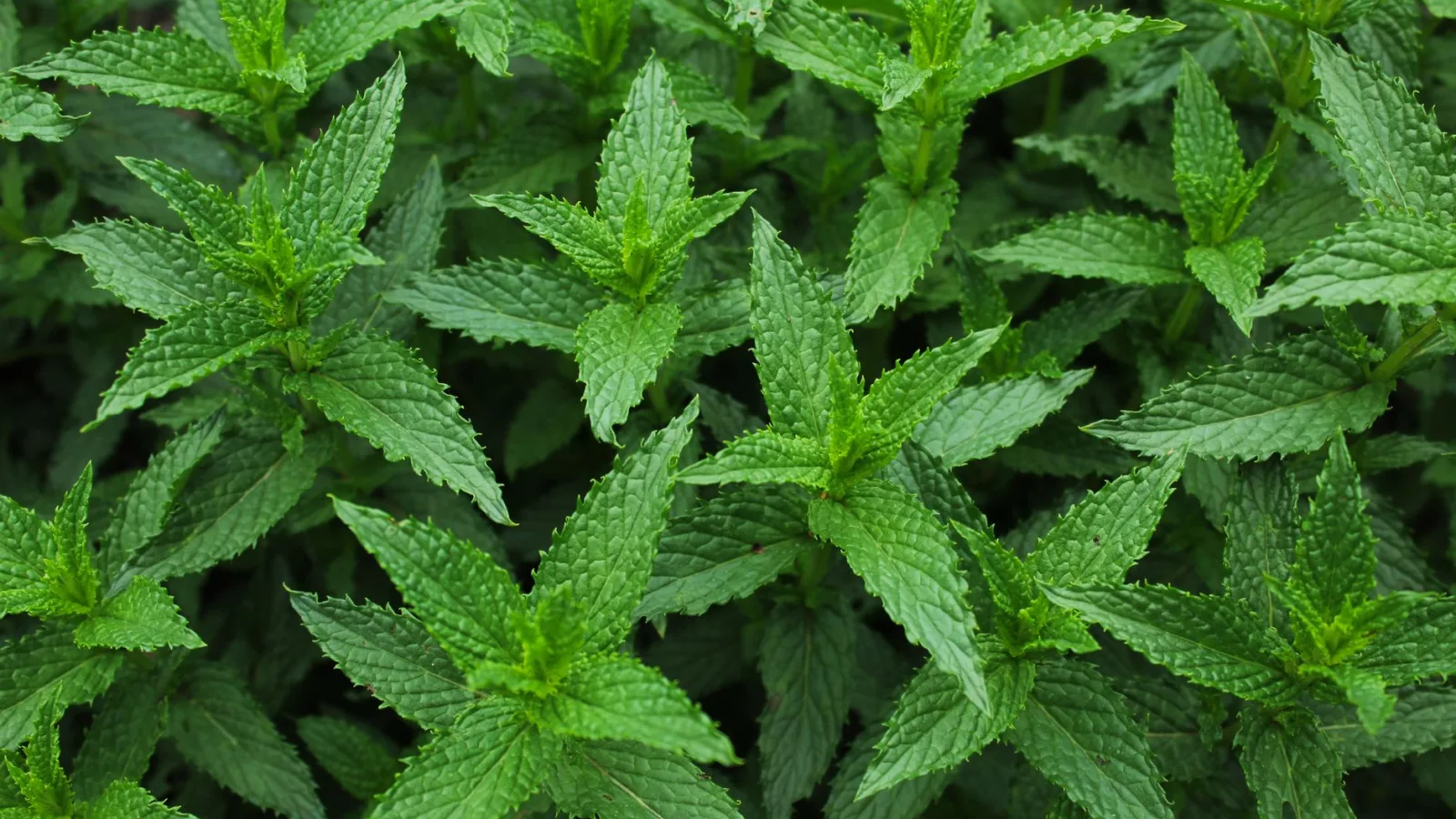
Some evenings you come in from the garden with a few leaves of lettuce and a fistful of garlic. If that happens to be the week your doctor put you on antibiotics for a lingering cold, here's a question worth sitting with: does what you put on the table — and how far you walked that day — have anything to do with how that medicine moves through you? One research review, pulling together findings from several fields, took up exactly that connection.
The Problem of Antibiotic Resistance
Antibiotic resistance now ranks among the largest challenges in global health. Drugs that once worked reliably are losing their grip, and treating infections by leaning on a single medication is getting harder. So researchers have widened their attention beyond the compounds themselves to the condition of the body receiving them. The observations keep accumulating: what you eat and how much you move affect how a drug is absorbed, metabolized, and distributed.
Move Your Body and the Medicine Changes
That steady physical activity strengthens immune function is fairly well established. Working a garden — hands in the soil, hauling water — counts. According to this review, regular movement doesn't just support immunity; it also affects how quickly a drug travels through the body and breaks down. Alongside that, researchers observe a trend toward greater diversity in gut bacteria. A well-balanced gut microbiome is thought to help both with how a drug acts and with recovery itself.
The reverse also holds. When someone barely moves, and obesity, poor nutrition, or metabolic disease enter the picture, the same dose can distribute through the body differently. In a body carrying more fat, certain drugs linger longer or reach their target less effectively. These everyday conditions are one reason the same prescription works differently from person to person.
What You Eat Changes What Gets Absorbed
Food touches drug absorption even more directly. The vitamins and minerals in vegetables and fruit are the foundation your body works from as it takes up medication and fights off infection. Micronutrients tied to immunity — zinc and vitamin C among them — lend a hand in recovery. And there are reports that foods carrying functional compounds, such as garlic, ginger, and berries, can work alongside antibiotics to good effect.
But not every pairing is a happy one. Some foods, taken with certain drugs, reduce absorption or blunt the medicine's effect. The best-known example: calcium in milk and dairy binds with some antibiotics and gets in the way of absorption. So when you're taking medication, follow your prescription's guidance on which foods to pair it with and how much time to leave between them. The fact that garden vegetables are good for you doesn't mean piling them on at the same hour you take your pills is a good idea.
Daily Habits Feed Into Managing Resistance
Evidence is slowly emerging that the way we live alters our gut bacteria and our metabolism, and that those shifts have a hand in how resistance develops. Much of this is still too early to state as settled fact. Still, people who eat well and keep moving have more room to get through an infection while leaning less on medication. Looking ahead, researchers are studying how to match drug choice and dosage to a person's own habits and metabolic state, along with new formulations that deliver active compounds to the body more effectively.
None of this replaces medicine, of course. Treating an infection starts with following your doctor's orders. But the fact that your ordinary meals and ordinary movement become the conditions supporting that prescription — that's welcome news for anyone who keeps a garden.
Tonight, make a meal from what you harvested, then pick up the watering can and take one more turn down the rows. A day of eating well and moving steadily builds a body that receives medicine better when medicine is needed.
Source: SAGE Open Medicine, an integrative review on antibiotic pharmacokinetics and lifestyle