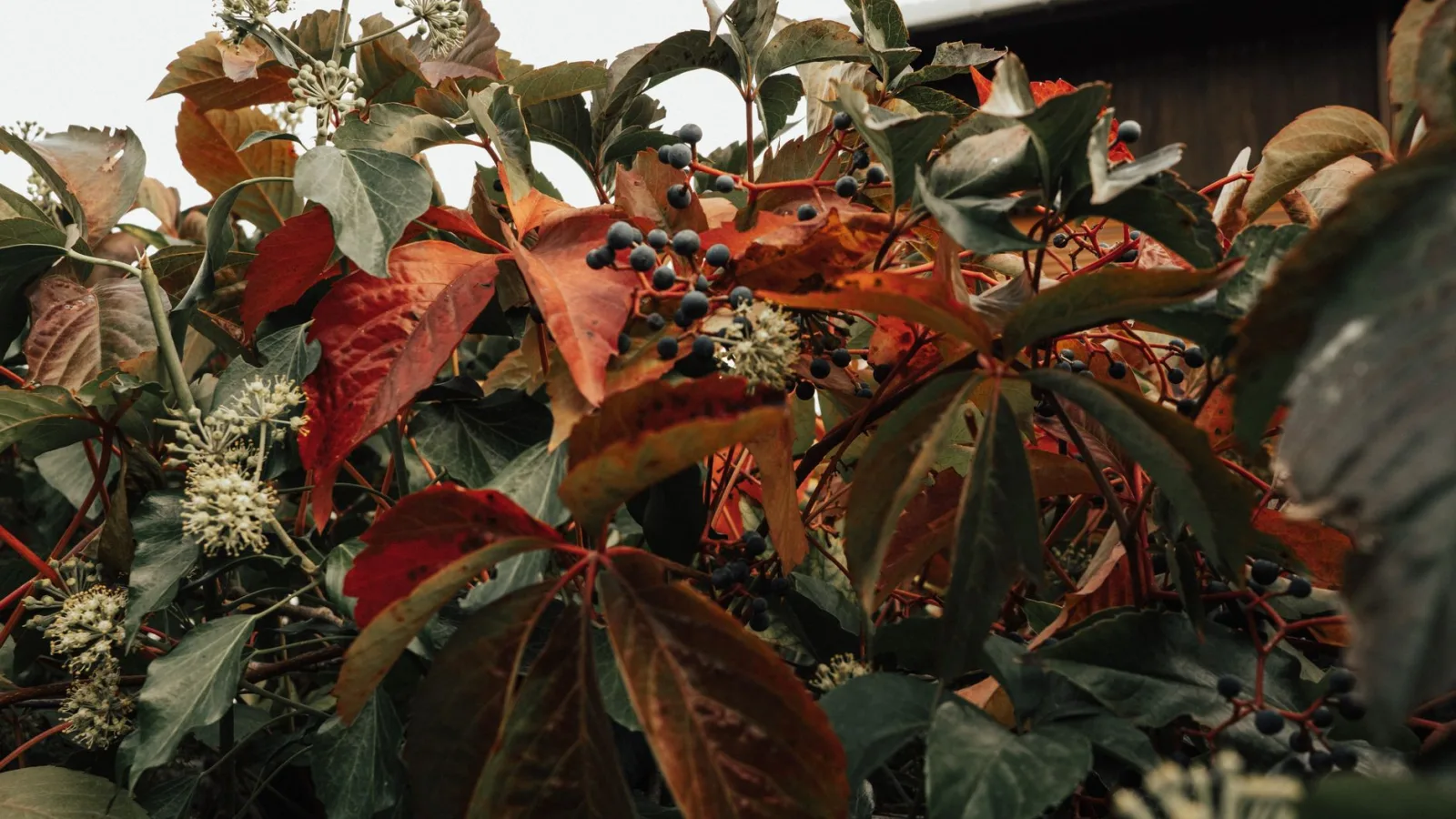
On the shade trellis, the vines have dropped their leaves, and a few fruits still hang there, dried brown. Press the skin and it crackles; give one a shake and the seeds roll around inside. Standing in front of them, visitors to the garden tend to ask the same thing: what is it good for? The evidence for an answer comes down to one passage in an old medical text and a handful of studies on the plant's compounds.
The Passage Preserved in the Donguibogam
Heo Jun's Donguibogam, the Korean medical classic published in 1613, lists this vine in its Tangaek-pyeon, the volume on medicinal ingredients, under the name sagwa (絲瓜). It also records the alternate names cheolla (天羅) and cheollaksa (天絡絲), and notes that the leaves are called ujayeop (虞刺葉). A line on its origins follows: the seeds were obtained from China and planted here, and the fruit looks like a cucumber but grows far longer and larger (自中原, 得子移種, 形如胡瓜, 極長大).
Its uses are set down in two lines. The young fruit is boiled and eaten with ginger and vinegar; the dried fruit is stripped of its skin and seeds, and the inside is used to scrub dishes (枯者去皮及子, 用瓤滌器). In this passage, as transcribed in Homiclub's luffa crop guide, luffa appears as both a vegetable for boiling and a household tool for washing up. It is a record from more than 400 years ago that notes a name, an appearance and a use, and it can't be read as a medical judgment by today's standards.
Research on Its Compounds Is Still at the Lab Stage
These are the compounds that have been identified by name in the fruit.
- Cellulose fiber: Inside the ripe fruit it weaves itself into a net, which becomes the sponge just as it is.
- Mucilage polysaccharides: Long used as an ingredient in skin toners.
- Triterpenoid saponins: They taste bitter and increase as the fruit ripens.
- Cucurbitacins: Bitter compounds found in gourd-family fruits; once in a while, a plant turns up with an unusually high amount.
For the saponins and mucilage polysaccharides, there are published studies that analyzed the compounds and measured their antioxidant activity (their ability to slow oxidation). For the fruit itself, Du and colleagues published a paper in 2006 in which they isolated antioxidant substances and measured their activity in test tubes. Most of this work has been done in the lab. No study has yet confirmed that the same effects occur in the body when people eat luffa or apply it to their skin. For now, that is as far as an answer to the "what is it good for" question can go.
When You Eat It, Bitterness Is the Thing to Watch
The one effect eaters experience firsthand comes from bitterness. Cucurbitacins are also the reason an unusually bitter cucumber or squash shows up now and then. Eating a lot of a bitter fruit from the gourd family can cause vomiting and diarrhea. If one bite tastes distinctly bitter, spit it out and throw that fruit away.
Once a fruit has grown past 20 cm and fibers have begun to form inside, it is a mass of indigestible fiber and is no longer considered edible; the bitterness grows stronger along with it. Saponins are concentrated in the seeds, and eating them as they are can upset your stomach, so even with a young fruit, scrape the seeds out if they have matured. The sap collected from the stem has traditionally been used on the skin, and drinking it is not recommended.
Boiled, With Ginger and Vinegar, Just as the Record Says
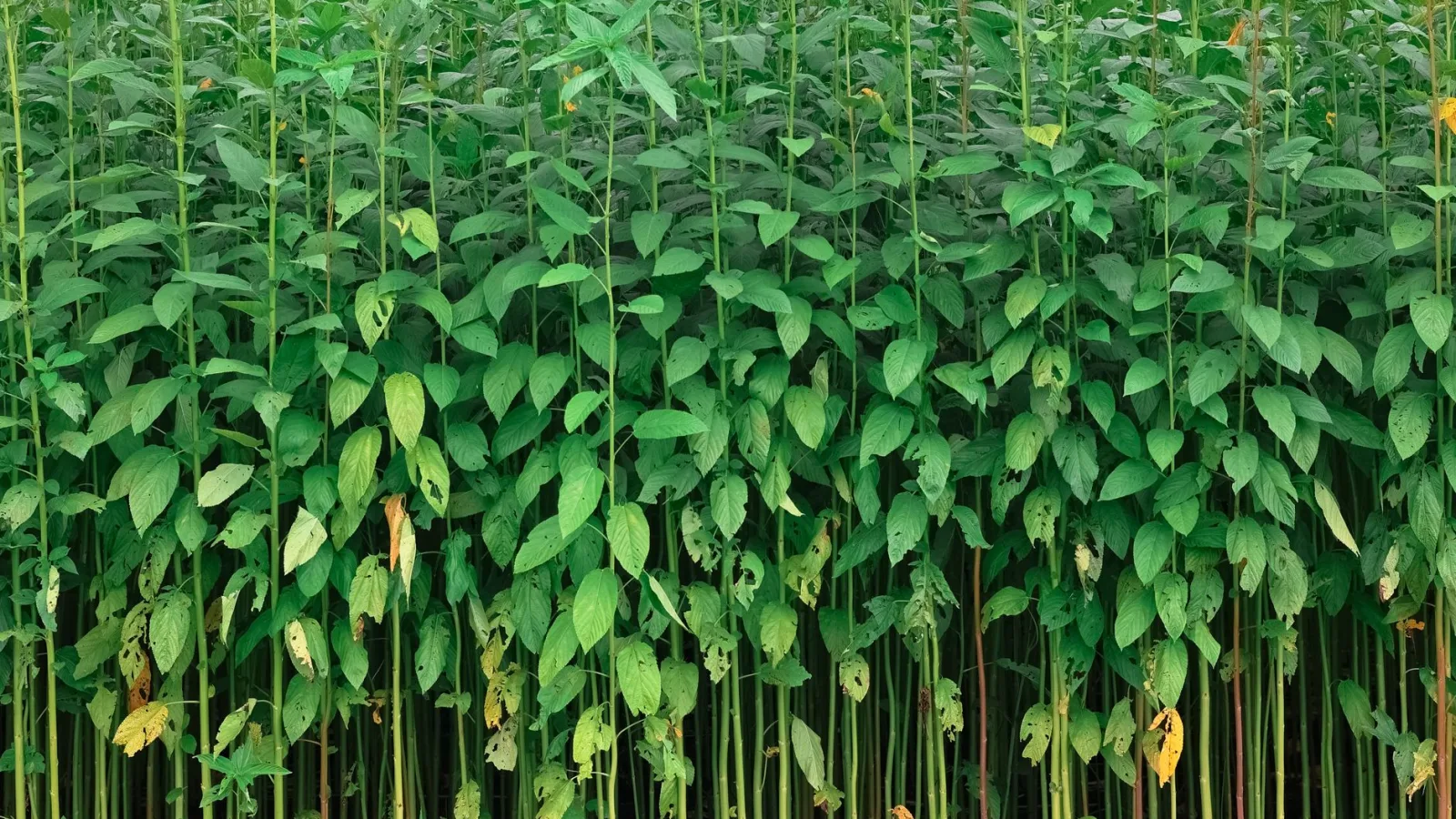
As for eating, what has come down to us is cooking the young fruit. Luffa is an annual vine in the gourd family, widely grown in China, India, Vietnam, Guatemala and Egypt. In the Northern Hemisphere, the seeds go in the ground in April or May and the harvest runs from July through October. The fruit to eat is what you pick during that window, before it reaches 20 cm.
Try it the way the Donguibogam describes. Slice young fruit 1 cm thick until you have 200 g, boil it in 1,000 ml of boiling water for 2 minutes, and lift it out. Toss it with 5 g of julienned ginger, 15 ml of vinegar and 2 g of salt. The original text gives no quantities, so these numbers are a starting point for a first try; add more vinegar to suit your taste. The ginger's fragrance and the tang bring a mild-tasting fruit into focus.
Luffa releases a lot of water in a stir-fry, so cook it briefly over high heat with ingredients that cook quickly, such as eggs or shrimp. This is the most common pairing across the Chinese-speaking world. For a soup made with doenjang (Korean fermented soybean paste), try slicing it thin and using it in place of aehobak (Korean young squash), adding it just before you turn off the heat. It soaks up broth well but turns mushy if it simmers too long.
The dried fruits still on the vine can be skinned, seeded and put to work at the sink. Don't eat the seeds you shake out; tuck them into a paper bag instead. They are the seeds you'll plant again next April or May.
Sources: Heo Jun, Donguibogam, Tangaek-pyeon (1613) · Du Q. et al., "Antioxidant constituents in the fruits of Luffa cylindrica" (a synonym of Luffa aegyptiaca, the luffa), Journal of Agricultural and Food Chemistry (2006) · Homiclub Crop Guide