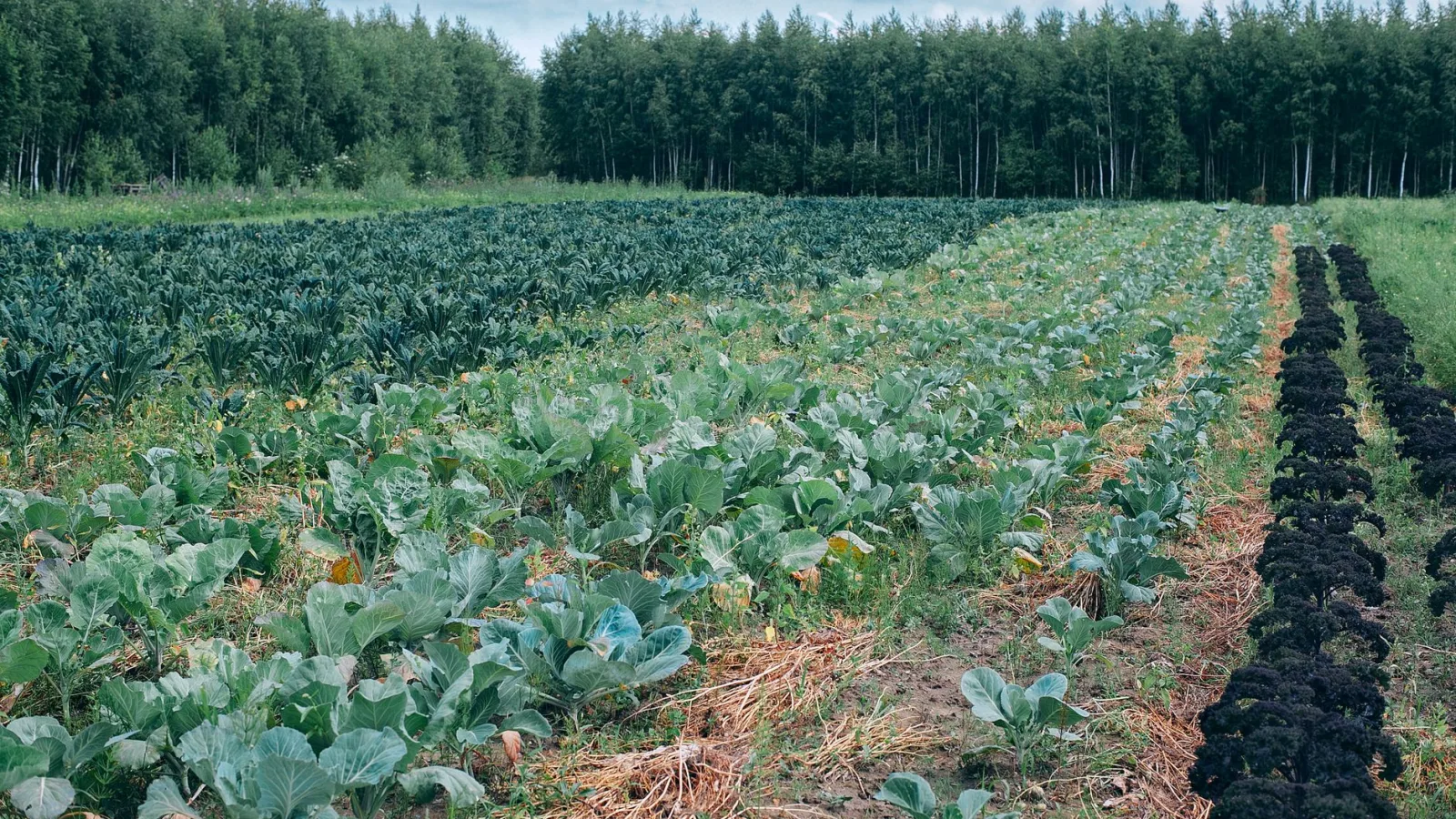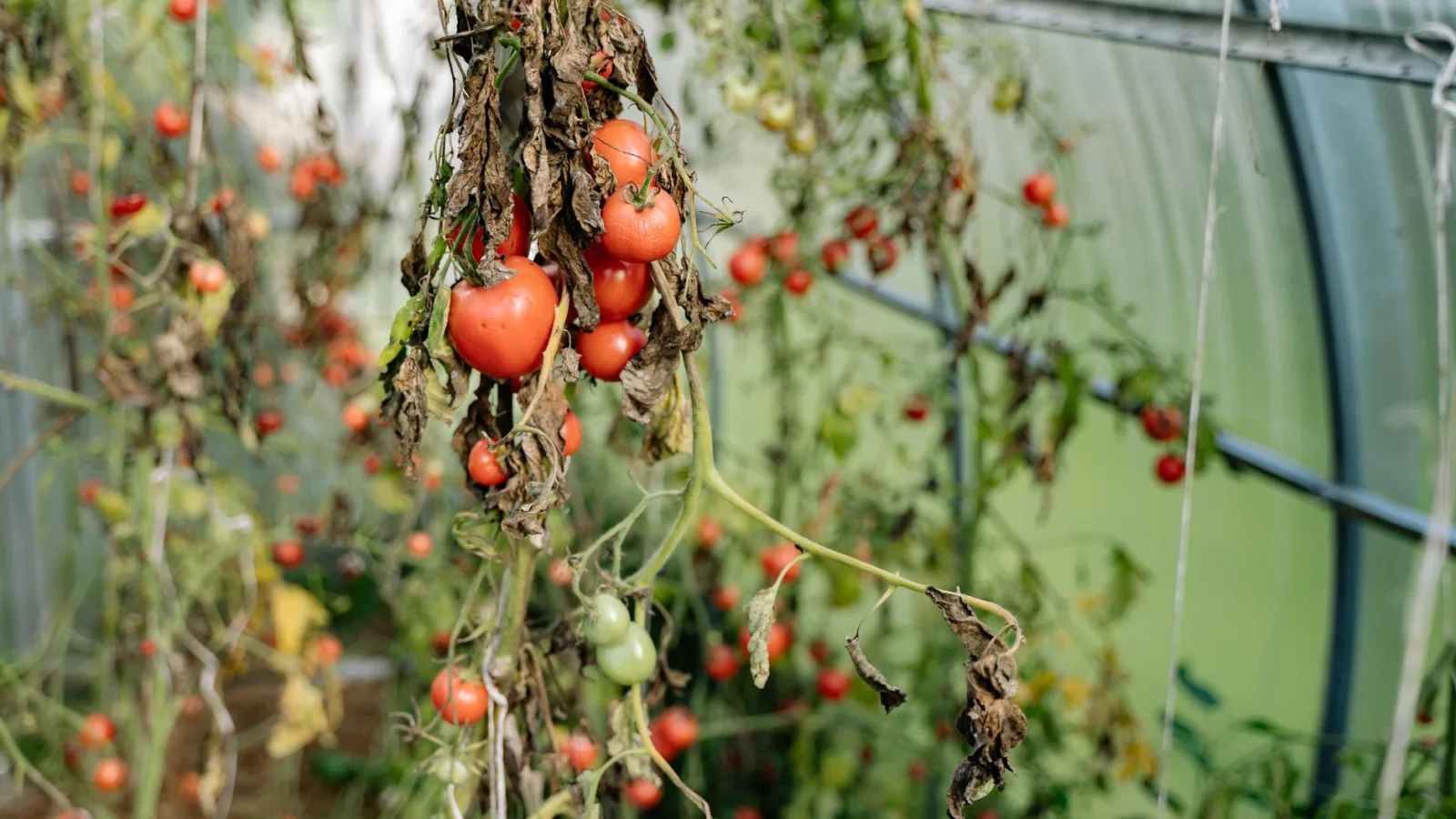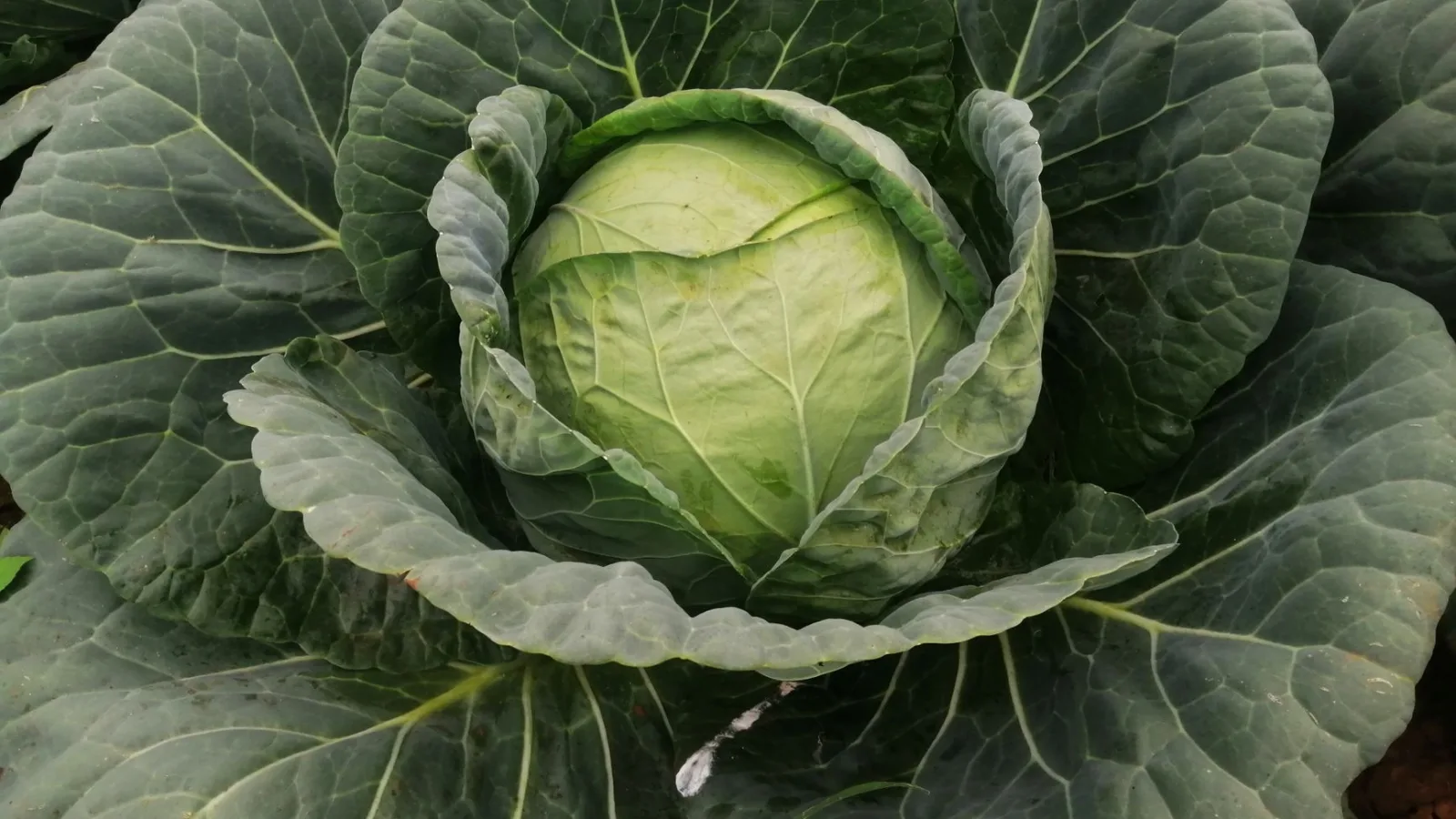
Just as the fall napa cabbage you transplanted in late August begins to fill out its heads, there comes a day when one leaf near the base turns translucent, as if soaked through with water. Press it with a fingertip and it collapses without resistance, releasing a sour smell. That is bacterial soft rot. Watch it spread to the neighboring leaves within a day or two, and you start to wonder why the soft patch widens so quickly. A study published in 2026 offers part of the answer.
What Happens Inside a Soft Spot
Soft rot in cabbage is caused by a bacterium called Pectobacterium carotovorum. It lingers in soil and water, then slips in through insect feeding holes or scrapes and releases enzymes that dissolve plant cell walls. Once the pectin that glues cells together breaks down, the leaf tissue turns slimy and leaks juice.
The researchers tracked which genes were active at the center of a soft spot versus its edges as the bacteria spread through cabbage leaves. They tagged the genes with green fluorescent protein (GFP), which glows when a gene switches on, and compared the brightness at each location. As the disease progressed, glucose and pectin first accumulated at the center of the lesion and then gradually declined, while the edges stayed low in sugar.
At the Sugar-Poor Edges, the Bacteria Get Moving
The team found that flagellar genes were more active at the edges. Flagella are the thin, whip-like filaments bacteria spin to swim. Behind this difference was a regulatory protein called cAMP-CRP (cyclic AMP–receptor protein complex), which becomes active when glucose runs short. In the sugar-poor margins, the bacteria ramp up the genes they use for movement and migrate outward into healthy tissue.
Another regulatory protein, KdgR, which responds to the breakdown products of pectin, also played a part in this position-dependent difference. The genes for cell-wall-dissolving enzymes, however, were active at similar levels at the center and the edges. The bacteria keep dissolving tissue throughout the lesion while stepping up their movement at the edges to widen their territory.
When the researchers inoculated cabbage with bacteria lacking cAMP-CRP, the difference between center and edge disappeared, and the soft spots struggled to expand. Bacteria missing only KdgR showed no such change. The team also identified several previously unknown genes under cAMP-CRP's control. One caveat: these results came from inoculating cabbage leaves in the lab, so whether the same thing happens in fields with varying weather and soil remains to be seen.
What to Do in the Garden and the Kitchen
This study does not deliver a new way to control the disease. Still, the observation that the bacteria enter through wounds and migrate toward the sugar-poor edges is worth keeping in mind as you grow and trim your cabbage.
- Handle seedlings gently when transplanting and weeding so you don't nick the leaves or roots. Since bacteria also enter through insect damage, check the undersides of leaves often.
- Water the soil at the base rather than the leaves, and raise your beds so water doesn't pool. Soft rot spreads fast in hot, humid weather.
- Pull any rotting plant the day you spot it and get it out of the garden. It's best not to plant cabbage in the same spot year after year.
- If a harvested head has a soft leaf or two, trim well beyond the visible boundary. Given that bacteria were on the move at the edges, the seemingly healthy tissue right next door may already be infected.
Soft-rot bacteria are not known to cause disease in people. That said, rotting tissue is an easy home for other microbes too, so a head that has gone soft all the way through is safer thrown out than eaten. Healthy napa cabbage is high in water and provides vitamin C and fiber, so enjoy it fresh as ssam (leaf wraps) or in kimchi. Stored with a few outer leaves left on, in a cool spot with good airflow, harvested heads develop fewer soft spots.
Next time you're out in the garden, lift the lower leaves of your cabbages one by one and look for any watery, translucent patches.
Reference: Microbiological Research, 2026, "Spatiotemporal Interplay of cAMP-CRP and KdgR in Regulating the Pathogenicity of Pectobacterium carotovorum"