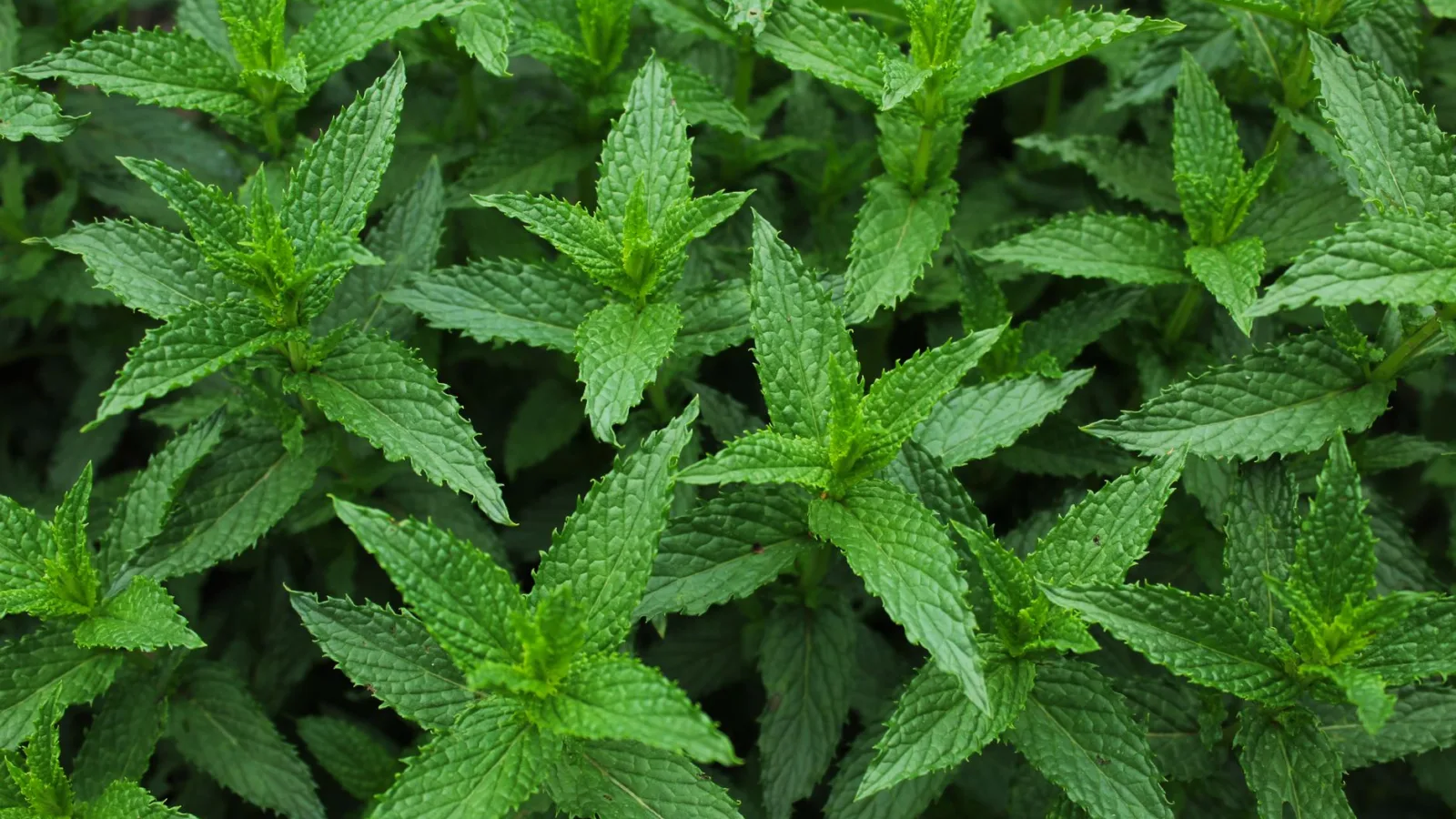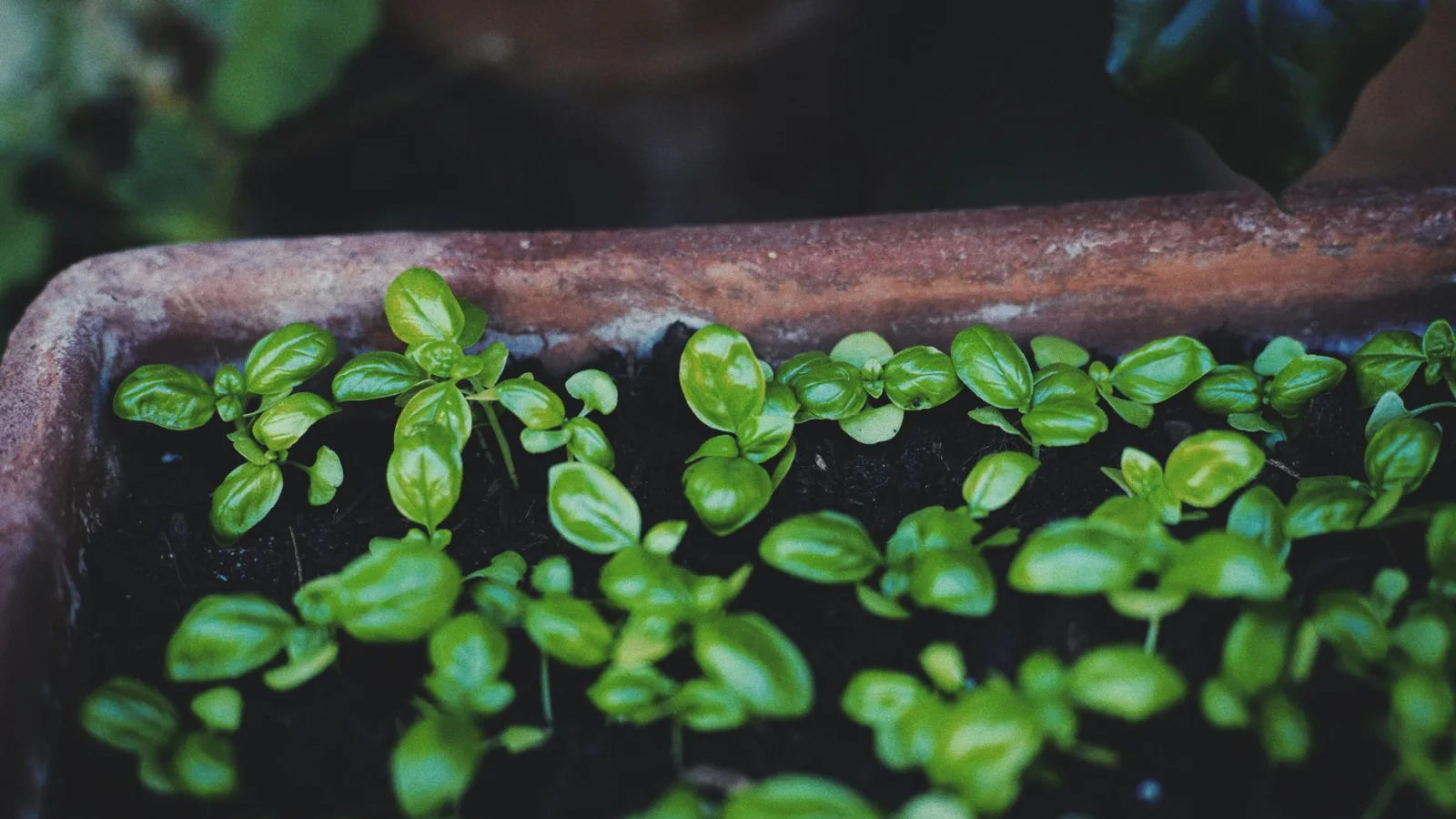
In the Northern Hemisphere, September is when the basil on your balcony starts sending up flower spikes. You pinch them off, grab a handful of leaves to scatter over tomato pasta, and find yourself wondering what these leaves actually do for your body. Search "basil benefits" and you'll find article after article listing them. But trace those articles back to the research they cite, and some of it turns out to be about a different plant from the one in your pot.
When Reading Research, Start With the Scientific Name
The basil you cook with is sweet basil, scientific name Ocimum basilicum. It's widely grown in India, Egypt, Indonesia, Thailand, and Italy. Holy basil is a separate species, Ocimum tenuiflorum, known in India as tulsi. Because both plants carry the name "basil," it's easy to read them as one and the same.
Several clinical studies in India have tested holy basil extract in people. Those studies used a different species, and an extract rather than the leaf, so their results can't be applied directly to the sweet basil in your pot. When you come across a paper or article, check the title and abstract first: does it say basilicum, or tenuiflorum (formerly sanctum)? That single word tells you whether the findings are about cooking basil at all.
What We Know So Far About Sweet Basil Leaves
Basil's fragrance comes from its essential oil, mainly from compounds called linalool and eugenol. The leaves also contain beta-carotene and vitamin K. Analyses of the leaf's composition have repeatedly confirmed the presence of rosmarinic acid and eugenol.
Once we move on to what basil does inside the body, the evidence gets thinner. Test-tube and animal studies have reported changes in antioxidant markers, but very few studies have looked at what happens in people who eat basil in everyday culinary amounts. Some research has also found that basil essential oil slowed the growth of various bacteria and fungi. Those results, however, came from adding concentrated oil directly to a culture medium (the nutrient material used to grow microbes in the lab). There's no evidence yet that a few leaves on your pasta do the same thing inside your body. We've laid out the conditions of each study in the basil entry in Homiclub's Crop Guide.
Steeping basil leaves as an after-meal drink is a long-standing custom in South Asia and the Mediterranean. That practice is best understood as tradition. No modern research has confirmed what changes in the body after drinking it.
How to Eat Basil to Make the Most of Its Proven Nutrients
Beta-carotene and vitamin K are fat-soluble, so your body absorbs them better when you eat them with some fat. Pesto genovese, made by blending basil, pine nuts, and garlic with olive oil, fits the bill nicely. A classic Italian caprese of tomato, mozzarella, and basil drizzled with olive oil is a good choice for the same reason. The lycopene in tomatoes is also better absorbed alongside oil.
The essential oils behind basil's aroma don't hold up well to heat. Long cooking dulls the fragrance, so add fresh leaves to pasta or pizza after it's done cooking. Tossing them into a dressing made with lemon juice or vinegar is another way to keep the aroma intact, since no heat is involved. Basil tends to turn black in the fridge, so cut whole stems and stand them in a glass of water at room temperature instead. In the Northern Hemisphere, a pot sown in May will keep you in leaves from June through October. Rather than harvesting a big batch all at once, pick only what you need when you need it. The flavor stays fresher that way.
Before You Eat a Lot of It
Basil leaves are rich in vitamin K, which plays a role in blood clotting, and some compounds in the essential oil may affect how platelets clump together. If you take an anticoagulant such as warfarin, avoid eating large amounts of pesto in one sitting, and try to keep your usual intake steady. If you're on any medication, talk with your doctor or pharmacist before making changes to your diet.
High-dose supplements are a different matter from the leaves. Basil essential oil contains estragole (also called methyl chavicol). Animal studies have raised concerns about liver strain and possible cancer risk when this compound is taken in large amounts over long periods as a supplement. The amounts in leaves used for cooking or brewed as tea are considered dietary levels and are generally regarded as safe. Just don't treat essential oil capsules or concentrated extracts as if they were the same food as a handful of fresh leaves.
Tonight, enjoy a few basil leaves with a drizzle of olive oil. And the next time you click on an article about basil's health benefits, look for the word basilicum first.