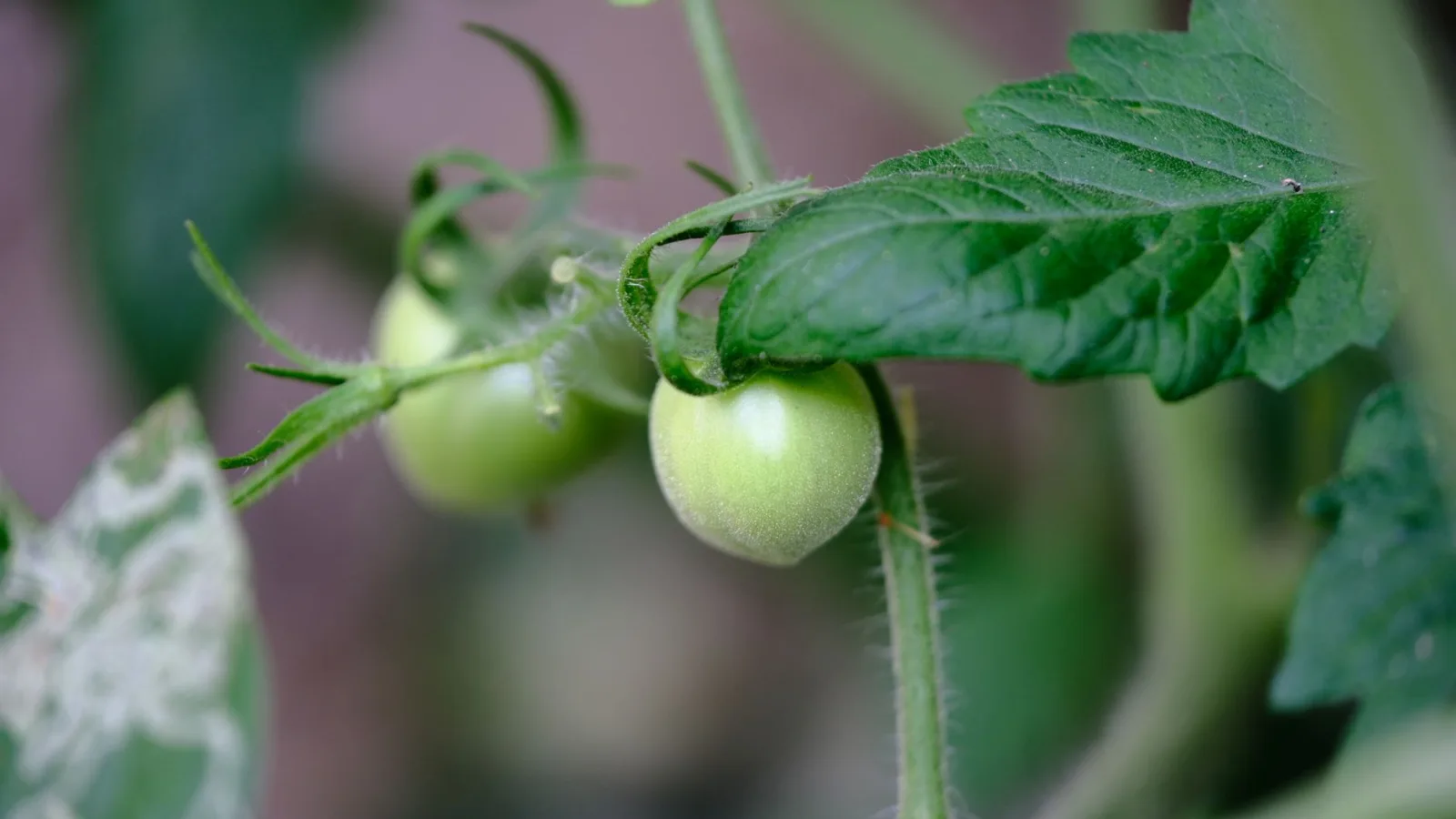
In late summer, when the garden tomatoes all turn red at once and you carry in a full basket, a few of them start going soft around the stem within days. If you've ever winced at tomatoes spoiling before they make it to the table, you're not alone. One group of researchers set out to tackle this problem with the leaves of a tropical fruit: the mangosteen.
Tiny Carbon Particles From Mangosteen Leaves
Mangosteen is a fruit grown mainly in the hot, humid parts of Southeast Asia, such as Thailand, Indonesia, and Malaysia. The researchers sealed leaves from the tree in a container with a solvent, then applied high heat and pressure to produce carbon particles just a few nanometers across. These particles are known as carbon quantum dots, and they glow in a particular color when light hits them.
What came out depended on how water-like the solvent was, a property chemists call polarity. Strongly polar solvents yielded small particles that glowed blue, while weakly polar solvents produced larger ones that glowed red. The red particles had broader stretches of linked carbon and more hydroxyl groups on their surface, whereas the blue particles carried more oxygen and nitrogen.
The Red Particles Were Better at Fighting Oxidation and Bacteria
When the two were compared in the lab, the gap was wide. Measuring how much of each was needed to cut the unstable, oxidation-causing molecules in half, the researchers found the red particles did the job at less than half the concentration the blue ones required. And only the red particles held back Escherichia coli and Staphylococcus aureus, two bacteria that can spoil food or cause food poisoning.
Keep in mind, though, that these are measurements of the particles themselves, taken in a test tube. The study did not look at what happens when people eat them, and the particles were made as a raw material for packaging, not as food. Brewing mangosteen leaves into a tea won't give you the same effect.
Mixed Into a Film, They Slowed Tomato Ripening
The researchers blended both kinds of particles into polyvinyl alcohol (PVA) film. PVA is a clear plastic used in things like the dissolvable pouches that hold dishwasher detergent. Films containing the particles filtered out more ultraviolet light than plain film did, and the film with red particles blocked the most. The researchers attributed this to the broad stretches of linked carbon in the red particles, which absorb UV light more effectively.
Tomatoes wrapped in this film ripened about 7 to 14 days later than those wrapped in the comparison film. The researchers emphasized that they had packed UV protection along with antioxidant and antibacterial properties into a single film. Which of those properties actually slowed the ripening, however, still needs sorting out. Nor does the study summary tell us whether the particles migrate into food or whether prolonged contact is safe. Before packaging like this shows up on store shelves, a good deal more safety testing will have to accumulate.
How to Keep Tomatoes Longer at Home
You can't use this film at home just yet. But the two culprits the study targeted, light and bacteria, are things you can cut down on in your own kitchen. Tomatoes keep ripening after they're picked. Their red pigment, lycopene, is known as an antioxidant. Eating them at their peak, before they turn, means less waste and better flavor.
- Store them stem-side down in a cool spot out of direct sunlight. Less moisture escapes through the stem scar that way.
- Let underripe tomatoes finish ripening at room temperature, and eat the fully ripe ones first. Long stays in a refrigerator below 10°C (50°F) tend to dull both aroma and texture.
- Keep them separate from apples, bananas, and other fruits that give off lots of ethylene, the gas that speeds ripening.
- Pull out any bruised or nicked tomatoes and cook with them first. Bacteria that get in through a wound spread easily to the neighbors.
Take the tomatoes you picked today and set them stem-side down on a shaded shelf rather than a sunny windowsill.
Reference: ACS Physical Chemistry Au, 2026. A study of red- and blue-emitting carbon quantum dots derived from mangosteen leaves for UV-shielding and active packaging.