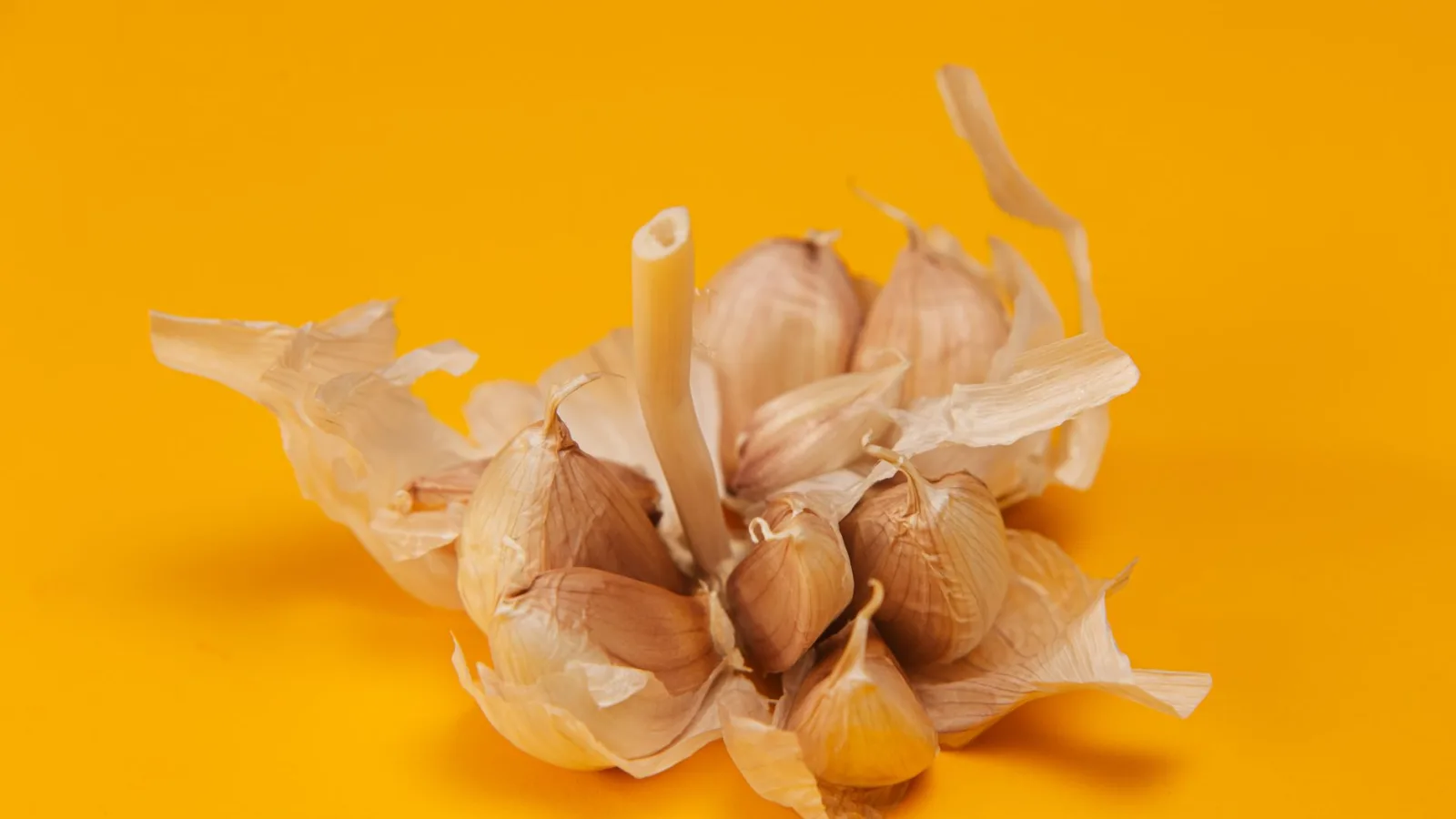
This is the time of year to clear a corner of the garden before the first frost and choose a spot for garlic. In the Northern Hemisphere, garlic goes in between September and November, spends the winter in the ground, and is harvested the following May through July. Break a head of seed garlic into cloves and push them into the soil pointed end up. You won't have much to do all winter, and green shoots will come up in spring. But many readers want one question settled before we talk about the garden: Is garlic really good for blood pressure?
First, the Question Everyone Asks
When people look up garlic's health benefits, they tend to search for the same four things: blood pressure, blood lipids, blood sugar, and liver enzymes. Each has been studied in human clinical trials, and there are quite a few of them. That's exactly why it's worth looking at what those trials actually gave people.
- Blood pressure: The clinical trials that looked at blood pressure gave participants garlic supplements. Meta-analyses that pooled several of these trials found changes in blood pressure readings.
- Blood lipids: These trials used standardized garlic extracts or supplements. Several reports have looked at lipids together with the organosulfur compounds found in alliums, the plant family that includes garlic, onions, and leeks.
- Blood sugar: Studies of glucose metabolism, taken together, are mixed. The supplement forms and trial designs vary so much that no conclusion can be drawn yet.
- Liver enzymes: Some supplement studies have tracked liver enzymes, but the results are inconsistent. The accurate summary is that nothing has been confirmed yet.
Garlic in a Clinical Trial vs. Garlic in Your Kitchen
Supplements and extracts are made to contain a consistent amount of their active compounds. Participants take a fixed daily dose and keep taking it for weeks or months. The garlic you cook with works under different conditions. The amount varies from meal to meal, its compounds change as it roasts or simmers, and the foods you eat with it change every time. So you can't take the results of a supplement trial and apply them directly to a few cloves in a stir-fry or a batch of kimchi.
That doesn't take away any reason to eat garlic. It just means sticking to what has been shown. The current evidence supports talking about prevention and modest benefit. It does not support expecting garlic to work as a treatment.
No Allicin Until You Chop
An intact garlic clove contains a compound called alliin, which has almost no smell. When you mince garlic with a knife or crush it in a mortar, the cells break open and alliin turns into allicin. That's when the sharp bite and the familiar garlic aroma appear. Allicin is also the compound garlic researchers have studied most. This is why a soup made with whole cloves tastes different from one made with minced garlic.
A few pairings are also worth knowing. When you eat garlic with foods rich in vitamin B1 (thiamine), such as pork, allicin binds with the B1 to form allithiamine. Korean food and nutrition science has long held that this pairing helps the body absorb B1. When you cook garlic in olive oil, some of its organosulfur compounds move into the oil, which helps absorption and also flavors the oil. If raw garlic is too harsh for you, try soaking peeled cloves in honey and eating them that way. Some classical herbal texts warned against eating large amounts of garlic and honey together, but modern food chemistry gives that warning little support, and normal amounts are fine. Garlic simmered with ginger into a warm drink for chills is a remedy with a long history in both Korean and Chinese tradition.
If You Take Medication
Garlic has been reported to inhibit platelet aggregation, the clumping of platelets that helps blood clot. If you take an anticoagulant such as warfarin or an antiplatelet drug, adding garlic supplements or high-dose extracts can raise your risk of bleeding. Garlic eaten as part of meals rarely causes problems. If you're on medication, though, keep your intake steady and don't suddenly eat much more or much less than usual. If you have surgery or a procedure coming up, tell your care team ahead of time that you take garlic supplements.
Eating a lot of raw garlic at once also calls for caution. The Dongui Bogam, a 17th-century Korean medical classic, classed garlic among the pungent, strong-smelling vegetables and advised against eating large amounts of it for long periods. If your stomach lining is sensitive or you have reflux, eating several raw cloves on an empty stomach can cause heartburn and irritation. When you eat garlic raw, eat less of it, and cook it when you can. Cooked garlic is much gentler on the stomach.
In the Garden This Fall, in the Kitchen Tonight
The world's top garlic producers are China, India, Bangladesh, Egypt, and South Korea. Much of that garlic is grown over the winter, and once it's planted it needs little care, so it's an easy crop even for first-time gardeners. The planting and harvest calendar, good pairings, and key compounds are all in the garlic entry in the Homiclub Crop Guide. Take a look before you head out to the garden.
You have one job in the garden and one in the kitchen today. In the garden, if you're in the Northern Hemisphere, clear a spot for fall planting and pick out your seed garlic. In the kitchen, try using minced garlic instead of whole cloves in tonight's soup or stir-fry. Rather than searching for more about blood pressure, start with what actually changes on your plate tonight.