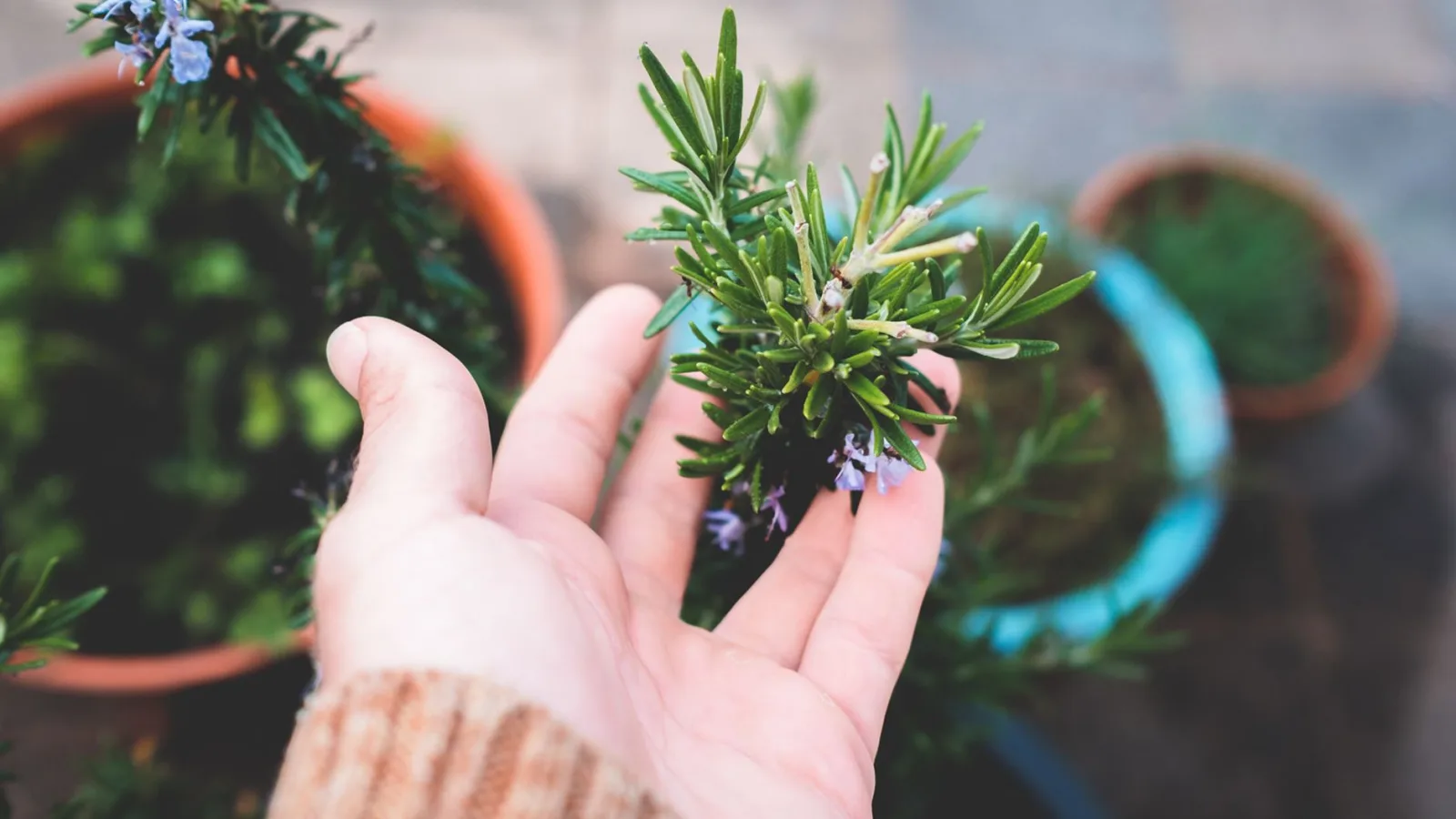
Snip a sprig of rosemary from the pot on your balcony, roll it between your palms, and your hands hold the scent for hours. What you're smelling are polyphenols — rosmarinic acid, carnosol, and their relatives. A plant that has lived in European kitchens and physic gardens for centuries has lately turned up somewhere unexpected: neuroscience labs. A 2026 paper in an international journal examined whether extracts of rosemary and apple mint might protect nerve cells, testing the idea in an animal model of Parkinson's disease.
Rosemary and Apple Mint: Old Friends in the Garden
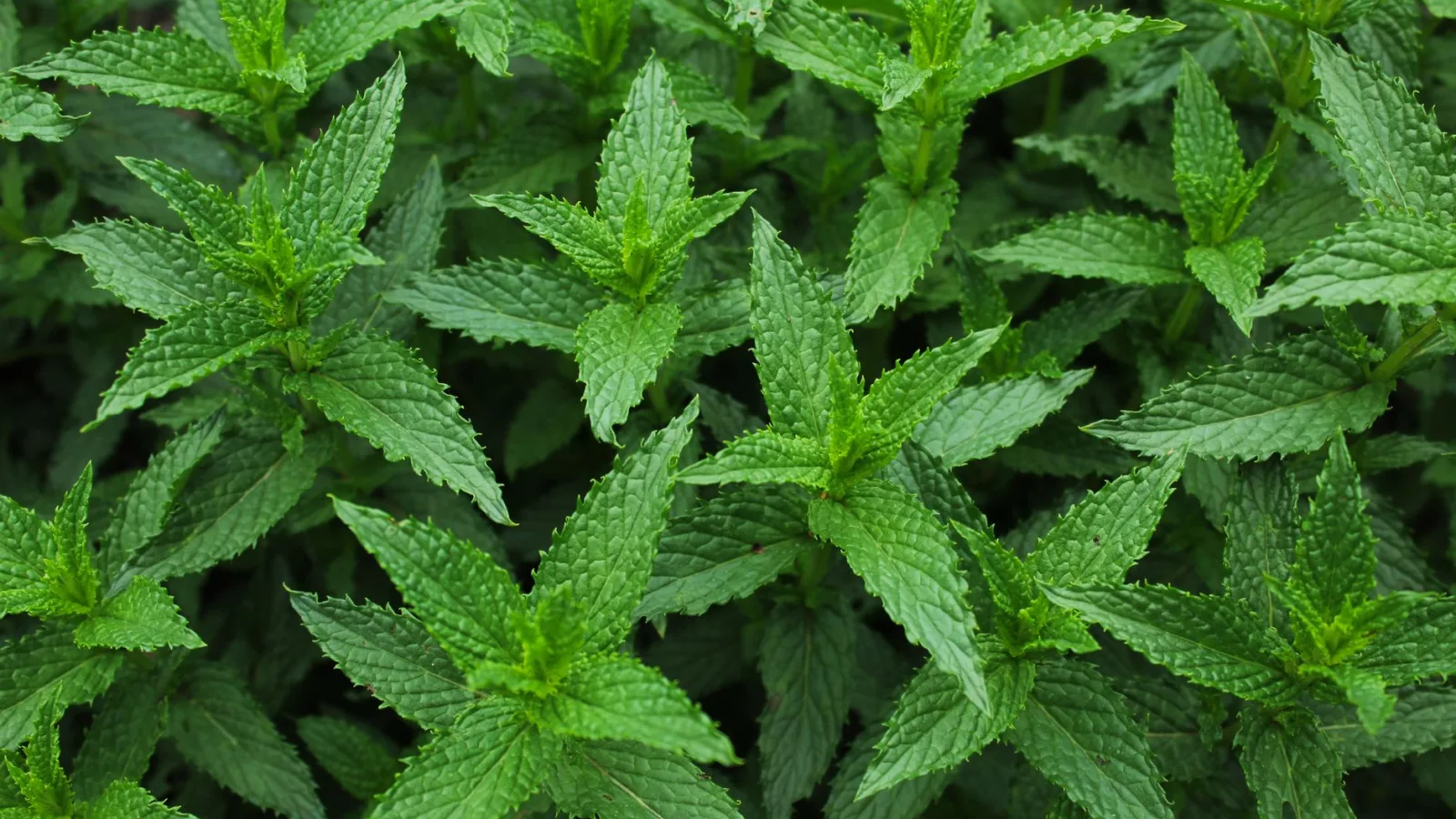
Rosemary (Rosmarinus officinalis) is a Mediterranean native that wants what its homeland offers — full sun and dry feet. It takes happily to a balcony pot or a south-facing bed. Its leaves carry a whole family of polyphenol antioxidants, including rosmarinic acid, carnosic acid, and luteolin, and the biological activity of those compounds has drawn steady research attention. Apple mint (Mentha rotundifolia) has broader leaves than most mints and a gentler, rounder fragrance, and it brings both aromatic compounds and phenolics to the table — useful in a teapot and in the kitchen alike. Both plants have long histories in European folk medicine. Basic research on their antioxidant and anti-inflammatory properties came first; the question of whether they might also protect nerve tissue is where the work is heading now.
Through the Nose, Closer to the Brain: The Delivery Route Under Study
The researchers loaded both plant extracts into a carrier — a hyaluronic acid–tyramine (HA-Tyr) hydrogel — designed to be absorbed through the lining of the nose. That route has interested scientists for a while, since it offers relatively direct access toward the brain and can bypass the blood-brain barrier. The gel adhered well to the nasal membrane and released its contents gradually over 24 hours.
In human nerve cells exposed to a neurotoxin, the rosemary-loaded gel reduced the production of reactive oxygen species and nitric oxide in a dose-dependent way. Expression of caspase-1, a protein tied to cell death, went down, while nerve growth factor expression went up. The apple mint extract showed antioxidant activity too, but rosemary was the clear standout when it came to protecting the nerve cells themselves.
What Changed in the Parkinson's Model
When mice with induced Parkinson's disease received the rosemary gel through the nose, their motor coordination, forelimb use, and exploratory behavior improved. Anxiety-related behavior eased as well. Dopamine itself did not rebound, but the researchers measured a drop in DOPAC (dihydroxyphenylacetic acid), a metabolite formed as dopamine breaks down — which they read as a sign that the extract was acting on dopamine metabolism.
These are observations from an animal study, and that distinction matters. There is no basis yet for assuming the same effects would appear in people; clinical testing is still ahead. What the work does offer is a careful, systematic look at how rosemary extract might play a role in protecting nerve cells.
Growing Rosemary and Mint at Home
Give rosemary well-draining soil and water it only after the top layer has dried out completely. In a sunny spot, it does perfectly well as an indoor potted plant. It roots easily from cuttings, so a single plant can become half a dozen. Apple mint, on the other hand, spreads aggressively — keep it in a container or a bed of its own.
Dry the leaves for tea, or toss fresh sprigs in with roasted meat or pasta. Better yet, put a rosemary plant in the ground today.
Reference: International Journal of Biological Macromolecules, 2026 · Harnessing intranasal delivery of natural plant extracts and tyramine-modified hyaluronan hydrogels for neuroprotection in neurodegenerative diseases