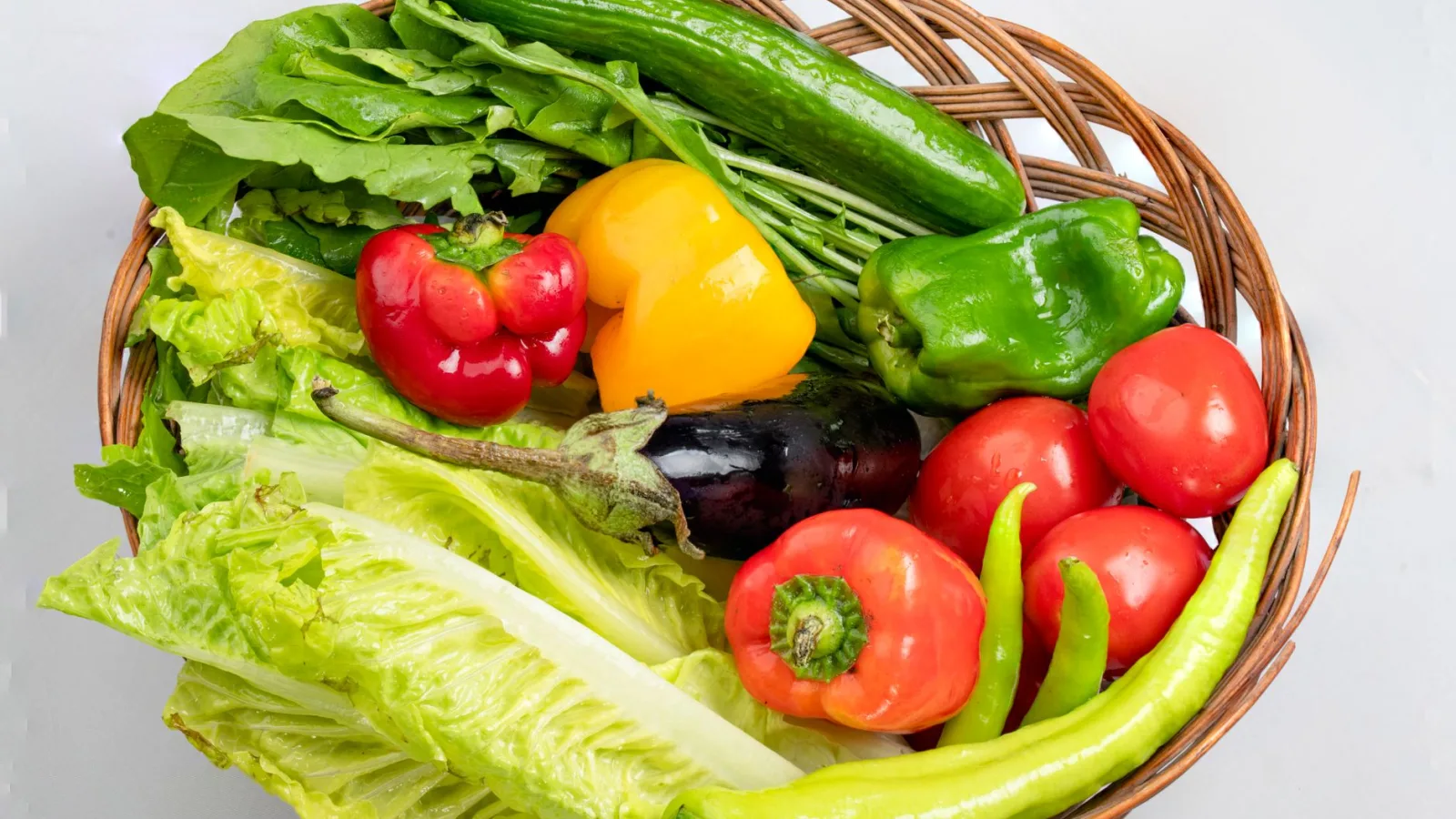
In October, Northern Hemisphere gardens still have pepper plants holding their last fruit. Pick a basket of green chiles before the frost and you'll start craving a spicy, brothy dinner. If your household makes curry or tom yum, that means pulling a can of coconut milk from the pantry. A crop that temperate gardeners can hardly hope to harvest ends up in the same pot as their homegrown vegetables. So how did a medical text from more than 400 years ago describe this fruit?
Yaja (椰子): The Coconut in the Dongui Bogam
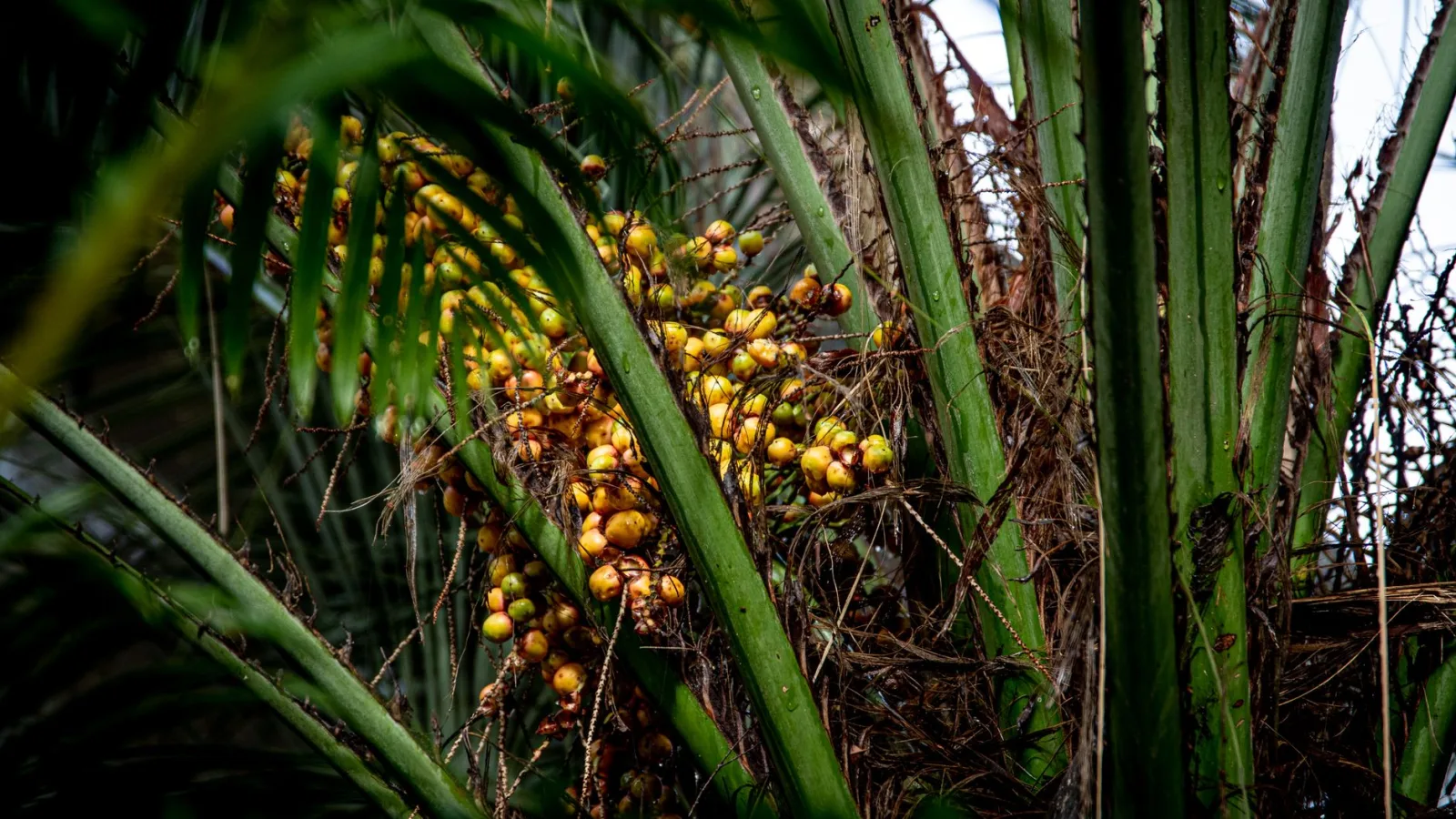
The Dongui Bogam (Treasured Mirror of Eastern Medicine) is a medical text compiled by Heo Jun and published in Joseon-era Korea in 1613. It lists the coconut under the name yaja (椰子) in its section on fruits (果部). The fruit, it says, is as large as a gourd and covered in a rough husk like palm bark, with a round, hard shell inside. The flesh inside the shell is as white as pork fat and tastes like walnut, and within the flesh is a milky juice.
The entry carries the mark 【唐】, which the book used for medicinal ingredients that didn't grow in Joseon and had to be imported. The text adds that the fruit comes from scorching lands beyond the southern seas. Old medical writing doesn't line up with modern judgment, though, so the question of how coconut affects the body has to be answered separately through nutrient analysis. You can read more about the original text in Homiclub's Dongui Bogam entry on coconut.
The White Flesh and the Juice, by the Numbers
The coconut milk sold today is made by grating the white flesh and pressing out its liquid, and coconut oil is the fat extracted from that same flesh. Analyze coconut oil and you'll find that most of its fatty acids are saturated, with lauric acid, a 12-carbon fatty acid, making up the largest share. That composition is also why the oil melts at around 24°C (75°F) and turns solid and white below that. Where the Dongui Bogam compared the white flesh to pork fat, modern analysis explains the same quality by naming its fatty acids.
The liquid inside the shell is now sold on its own as coconut water, and the Dongui Bogam's "milky juice" most likely refers to it. Among fruit juices, coconut water is relatively high in potassium, and analyses show that the amount varies with the fruit's ripeness and where it was grown. The flesh also contains insoluble dietary fiber.
The old record described the fruit by its appearance, its taste, and the land it came from. Today's analysis measures fatty acids and minerals instead. That analysis reveals what the fruit is made of; it does not show that coconut prevents or cures any disease. Plenty of ads promote coconut oil as a healthy fat, but what the analysis actually confirms goes only this far: it is an oil made mostly of saturated fat.
Can You Grow It in Your Garden?
Coconut palms are grown widely along tropical coasts in countries such as Indonesia, the Philippines, and India. These are the same conditions as the "scorching lands" the Dongui Bogam described. In temperate climates with frost, the tree has a hard time surviving winter outdoors, and getting it to fruit is harder still. That's why the planting and harvest months are left blank in Homiclub's coconut crop guide.
In a temperate garden, look after the vegetables that share the pot with coconut instead. Gather the last of your peppers and basil before the frost, and they're ready for a coconut milk curry. The tropical fruit brings rich, fatty flesh and potassium-bearing juice, and the garden's peppers and basil add heat and fragrance.
How to Use Coconut Milk and Oil
- Curry and tom yum: Coconut milk tames the heat of a spicy broth and gives it body. If you pour it all at once into a boiling pot, the fat will separate, so lower the heat first and add it in two or three additions. Shake the can before opening, and use the solid cream layer on top along with the rest.
- Coconut rice: Swap part of the cooking water for coconut milk. The richness soaks into each grain and gives the rice a nutty flavor. Replace all of the water, though, and the rice tends to turn mushy. Southeast Asia's mango sticky rice also pairs rice with coconut milk.
- Toasted coconut chips: Lightly toast dried coconut slices in a dry skillet or the oven to deepen their aroma. They burn quickly, so turn off the heat the moment they turn golden, then scatter them over salads or yogurt.
- Choosing an oil: Virgin (pressed) coconut oil carries its coconut flavor straight into whatever you cook. For stir-fries or roasting where you don't want that flavor, use refined oil. Solidifying and melting again and again doesn't change the oil, so if the whole jar has turned solid and white, just use it as is.
Because coconut oil is mostly saturated fat, it's a safer bet to alternate it with other oils such as olive oil rather than making it your only cooking oil. Potassium levels in coconut water vary from product to product, so if you've been advised to limit your potassium intake, check the nutrition label before drinking it.
Tonight, slice in the peppers you picked before the frost, pour in the coconut milk in two additions, and simmer a pot of curry.
Sources: Heo Jun, Dongui Bogam, Tangaek-pyeon (Materia Medica), Fruit section (果部), "Yaja (椰子)" (1613) · Homiclub Crop Guide nutrient data