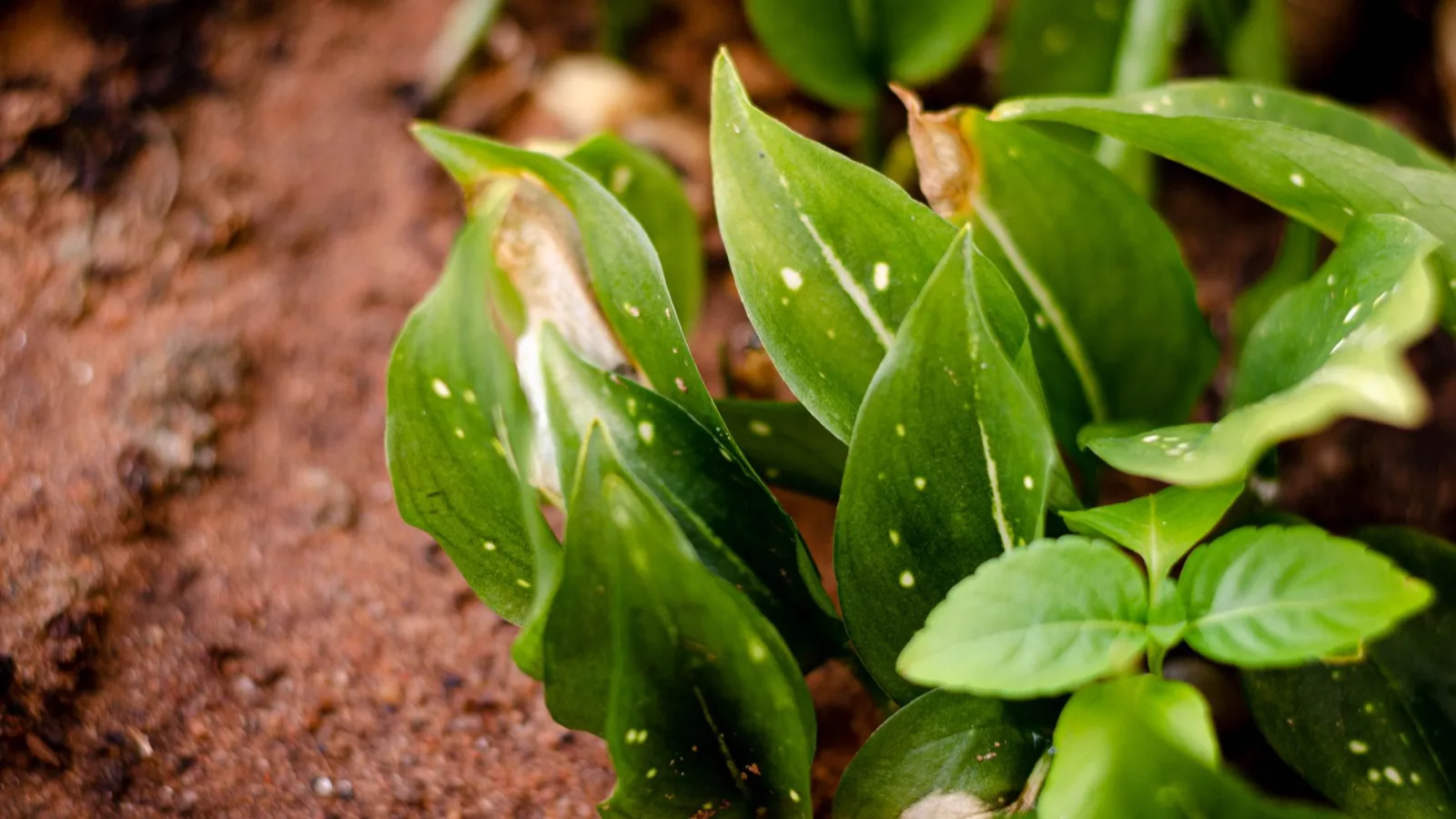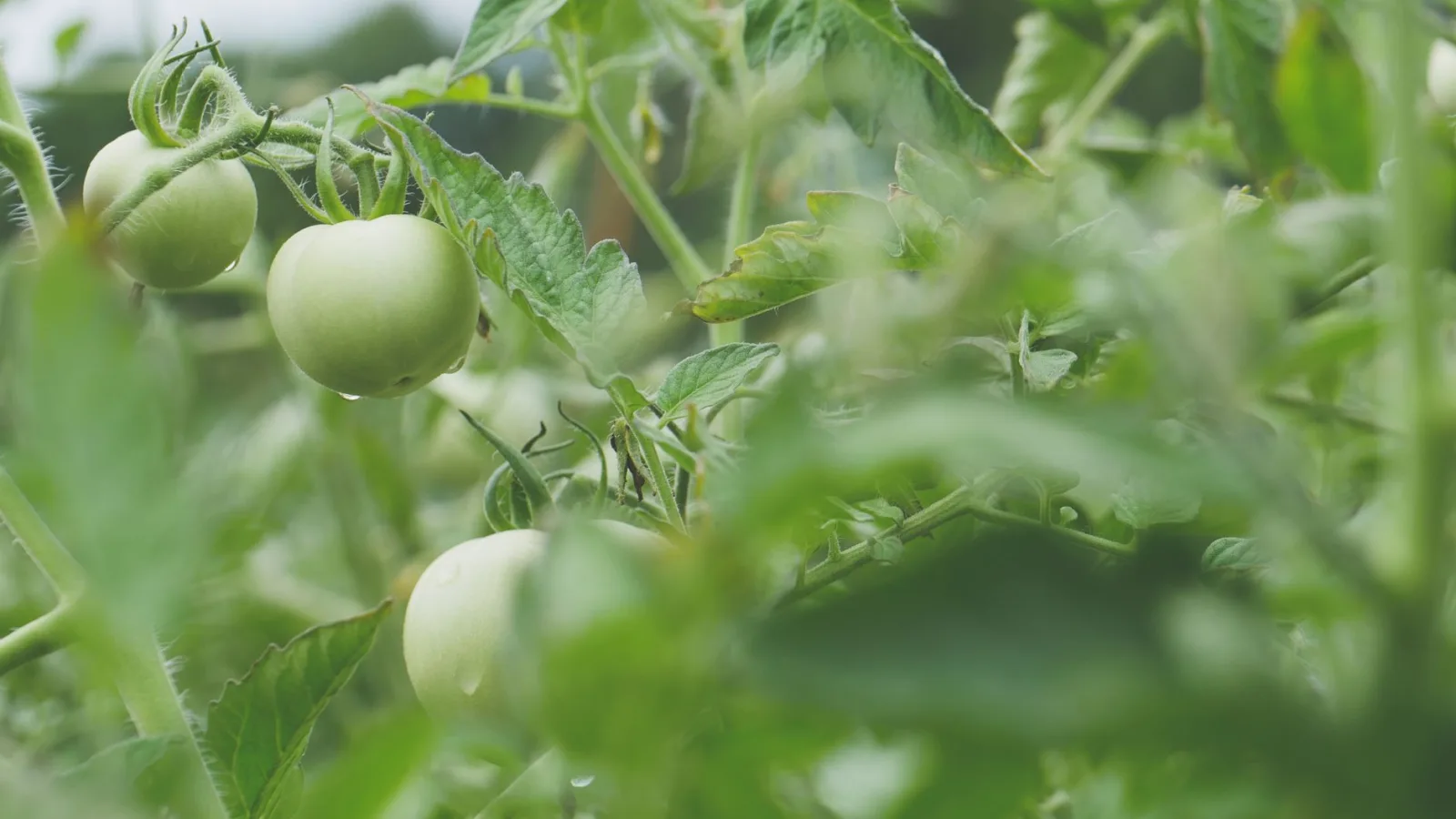
The morning after a rain, the bed right up against the road is speckled with muddy splash marks. Dark smudges cling to the lower tomato leaves, and once the water dries, a fine black dust stays behind. If you've ever watched street runoff creep into your beds during a heavy summer storm, you know the scene. That water carries more than mud. It's mixed with particles shed by wearing tires.
Roadside plots are more common than ever, so it's time to take a closer look at what's in that dust.
A Tire Additive Called 6PPD Is Building Up in Garden Soil
Tire rubber cracks when it's exposed to ozone and oxygen. To prevent that, manufacturers add antioxidants, and the most widely used one is 6PPD. When 6PPD reacts with ozone in the air, it turns into a different compound called 6PPD-quinone. In 2020, U.S. researchers identified it as the cause of mass die-offs of spawning coho salmon in Washington State streams, and governments in many countries began considering regulations. Tire dust washed off the pavement rides stormwater into roadside soil and right into garden beds.
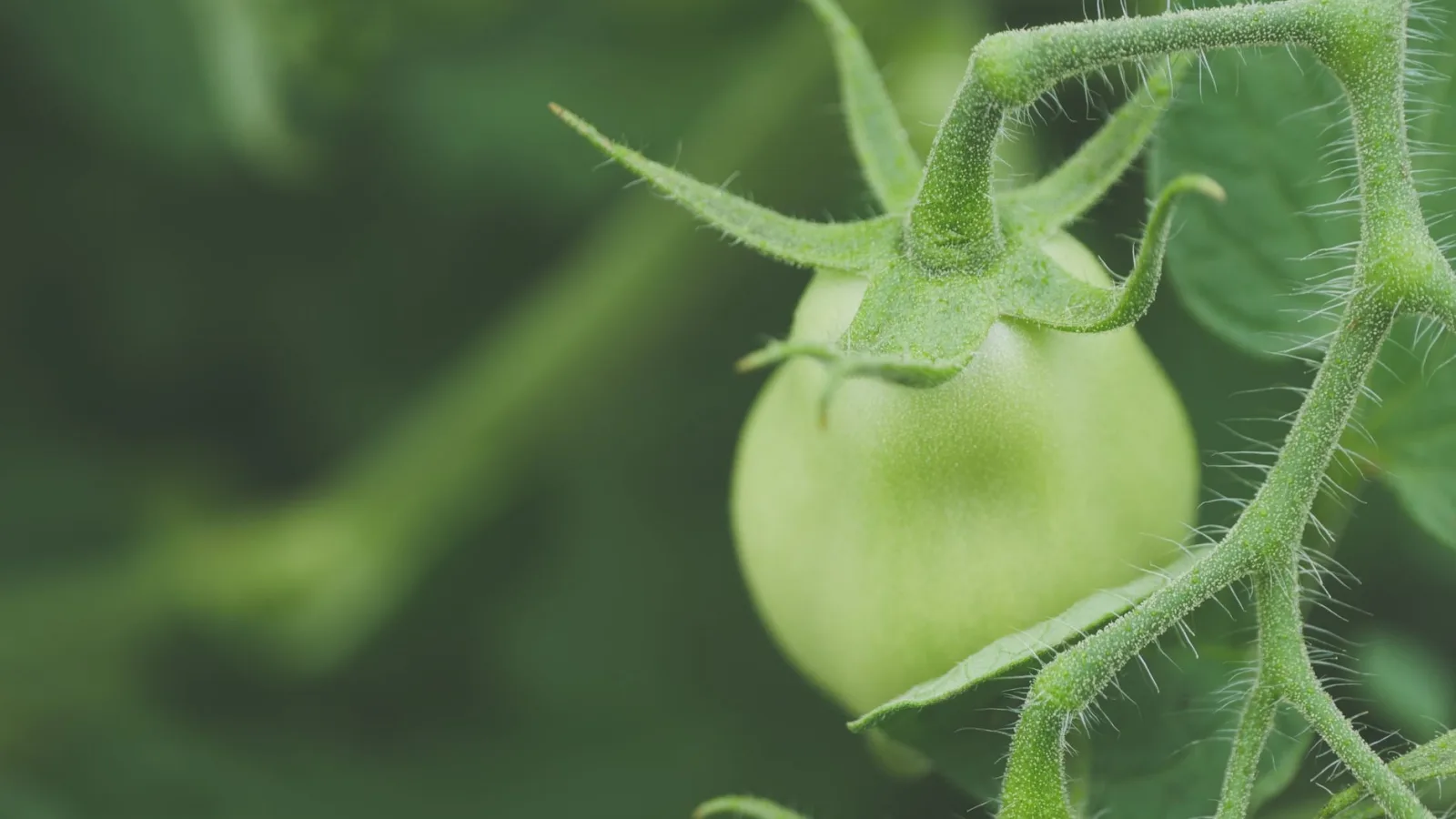
In a recent experiment, tomatoes exposed to 6PPD showed a sharp rise in reactive oxygen species, the unstable molecules that damage cells, in their leaves. Their photosynthetic capacity also dropped. The plants stayed short, and their roots didn't spread as far. How much of this carries over to the fruit we actually eat is still an open question, because the data aren't there yet.
Jasmonic Acid: A Defense Compound Plants Make Themselves
Jasmonic acid is a hormone plants produce on their own when insects bite them or their leaves get torn. It belongs to the same chemical family as the compounds behind jasmine's scent. One research team sprayed jasmonic acid on the leaves of 6PPD-exposed tomatoes and then tracked changes in both gene expression and metabolites.
The sprayed tomatoes recovered much of their photosynthesis and growth. They also changed how they spent their resources. They ramped up carbohydrate breakdown to fuel their defenses, and they temporarily dialed down the genes that drive upward growth so they could redirect resources toward making flavonoids. Flavonoids are the compounds that give leaves and fruit their color and help neutralize reactive oxygen species. Computer simulations also indicated that jasmonic acid binds readily to chalcone synthase, the enzyme that carries out the first step of flavonoid production. Still, these results come from lab conditions, and more work is needed to confirm that the same thing happens out in real gardens.
What to Check in Your Roadside Garden Today
- Set beds a few meters back from roads and parking lots. If you can't, plant tall crops along the front edge or put up a low barrier to block rain splash.
- Hold off on harvesting right after a rain, and wait until the top layer of soil has dried.
- Rinse leafy greens from roadside beds under running water for more than 30 seconds, and peel off the outer leaf or two.
- Cover the ground with straw or landscape fabric to keep soil from splashing up onto your plants.
It's too early to recommend spraying jasmonic acid products in your garden. Depending on the concentration and timing, they can reduce fruit set, and field-scale testing isn't finished. A more practical approach is to tend your garden in a way that leaves your plants enough reserves to make their own defense compounds. That means watering on a steady schedule, spreading out nitrogen fertilizer instead of applying it all at once, and removing aphid-covered leaves promptly.
For today, just check the single row closest to the road. If you find black dust on the undersides of the leaves, plant flowers or herbs there instead of leafy greens, starting with your next sowing.
Reference — Journal of Hazardous Materials, a multi-omics study of how jasmonic acid eases 6PPD toxicity in tomatoes