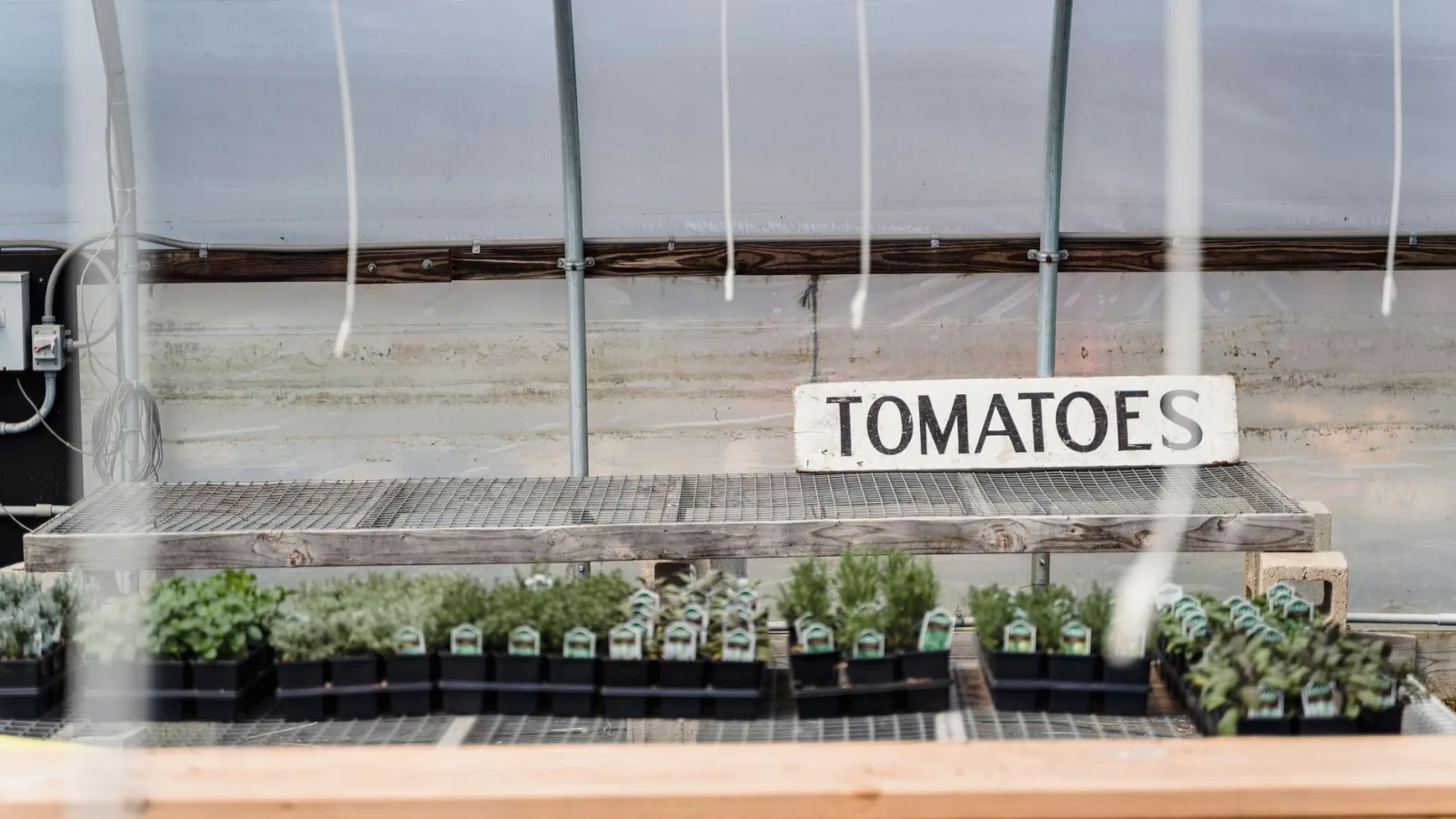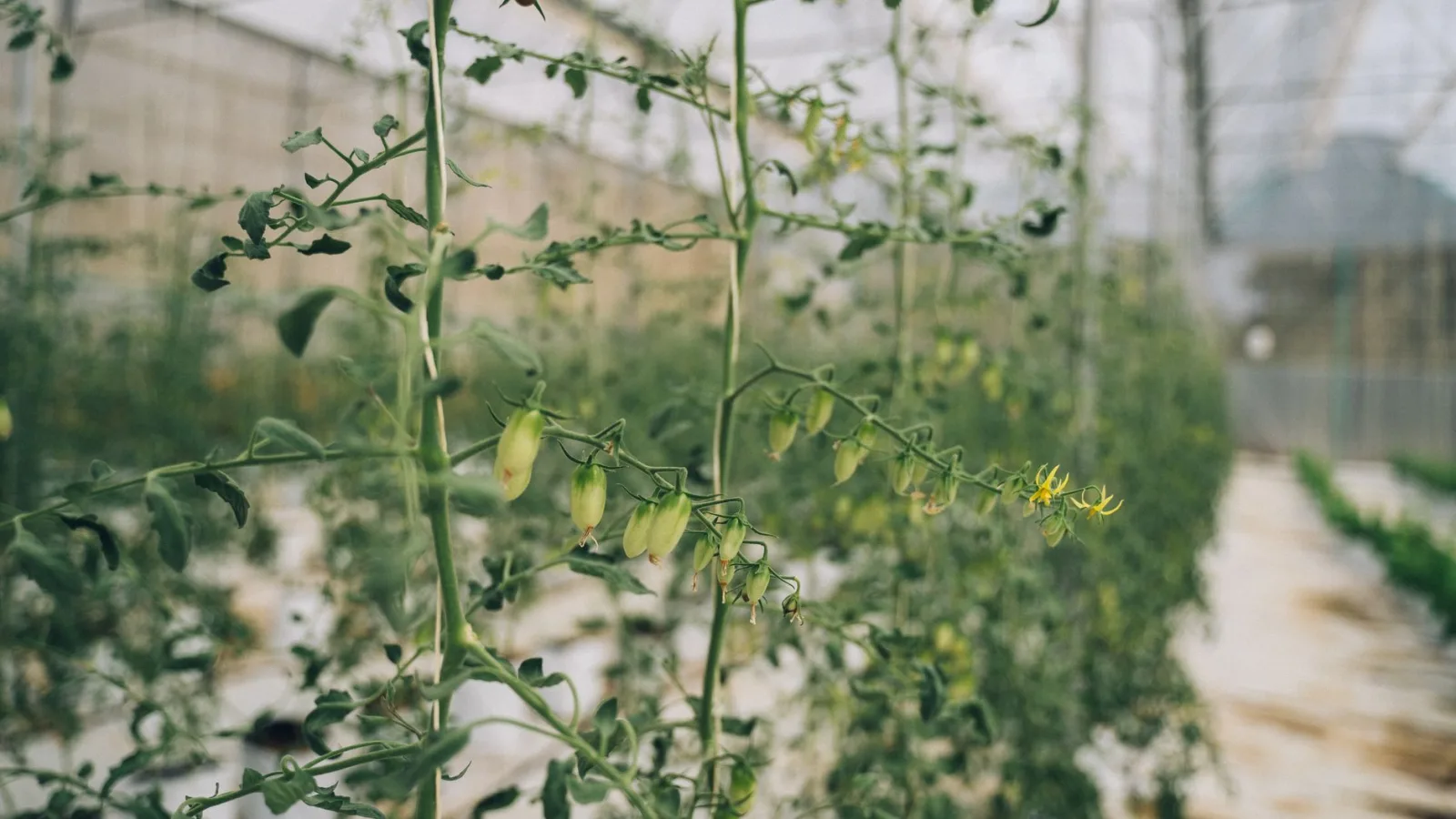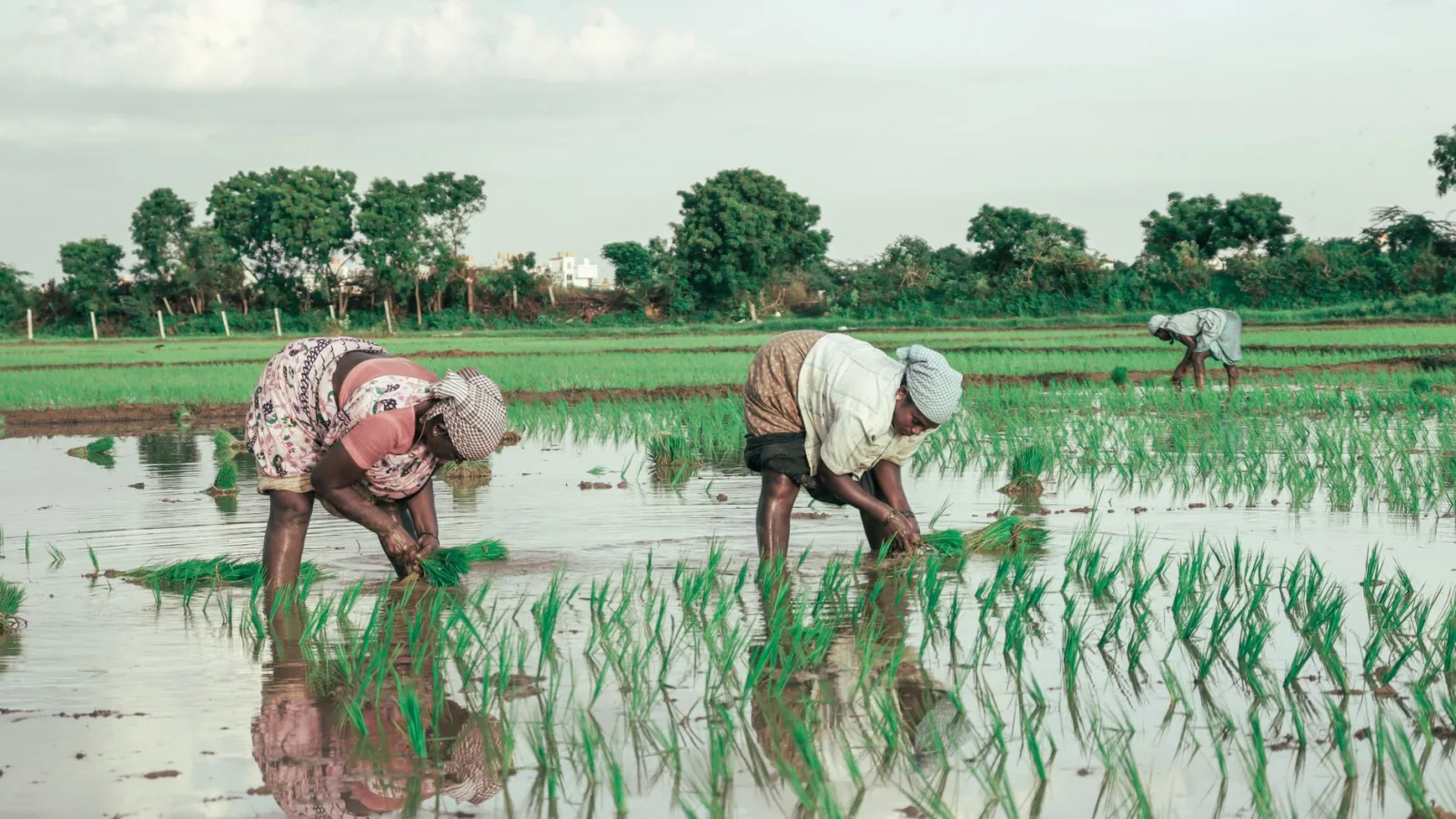
In September, the garden still shows the marks of the summer just past. Some lettuce bolted early in the heat, and some chili pepper plants rotted at the roots after a sudden downpour. Then the neighbor in the next plot mentions, "Once I covered the soil with straw, it didn't dry out as fast," and the following spring you find yourself bringing a bundle of straw to the garden. You're much more likely to give it a try than if you'd read the same advice in a pamphlet.
The Wilder the Weather, the More We Need New Methods
The climate grows more erratic every year, and extreme weather such as heat waves, droughts, and torrential rain is becoming more common. That's why agricultural researchers say one of their top priorities is getting weather-protective techniques to farmers faster. Researchers have already developed a number of useful methods. There are varieties that hold up well to heat and drought. There's mulching, which means covering the soil surface with straw or fallen leaves to keep moisture from evaporating. Managing water by collecting rainwater and saving it for dry spells is another example.
Researchers say the hard part comes after a technique is developed. Two big challenges remain: getting more farmers to hear about new techniques and understand them well, and helping farmers adapt those techniques to their own fields so they take hold across whole regions.
Farmers Follow the Fields of Neighbors They Trust
For a farmer, switching to a new variety or method is a decision that puts a whole year's harvest on the line. It's hard to make that change on the word of an unfamiliar agency alone. It's a different story when a neighbor from the same village, working similar soil in the same weather, tries it first and shows the results. Experts who bring new farming techniques to growers have reported cases from many regions where farmers who trusted one another adopted new techniques faster. Researchers are still studying the conditions under which trust matters most, so it's too early to settle on a single answer.
Trust also helps when farmers adapt a technique to their own land. A watering schedule recommended by a research station may not suit sandy soil. When neighbors talk openly about what went wrong instead of keeping it to themselves, each of them finds what works for their own field sooner. Those conversations mostly happen between people who don't blame each other.
The Same Thing Happens in City Gardens
City gardens are smaller, but the process is much the same. Whether it's a rooftop container garden or a community plot, a method that works for one gardener soon spreads to the plots next door. Say a neighbor recommends a heat-tolerant variety, and it lets you harvest leafy greens like lettuce and perilla (a fragrant, minty leaf that's a Korean kitchen staple) all summer long. Then it becomes easier to keep fresh vegetables on the table. But unproven methods can spread the same way. With any tip you hear from someone else, it's safer to test it on a small patch first.
As you plan next year's garden, try these steps.
- Write down the crops that did well despite this summer's heat and rain, including their variety names.
- For any method you tried, such as covering the soil with straw or leaves or collecting rainwater, note what worked and what fell short.
- Share your notes with your plot neighbors, and when they pass along a method, try it on one or two plants first.
When you head out to the garden today, pick the crop that grew best in the plot next to yours this summer and ask your neighbor how they grew it.
Source: "The Spread of Climate-Adaptive Farming Innovations and Trust Among Farmers," an article on international agricultural research