Come autumn, yellow and white chrysanthemums brighten a corner of many a vegetable garden. But plant mums in the same spot year after year, and a season arrives when the stems grow thin and the clumps aren't as full as they used to be. You're watering and feeding just as you always have, yet only the mums are flagging. This has a name: it's the damage left behind by continuous cropping, growing the same plant in the same ground over and over. It's a problem that commercial growers of cut-flower chrysanthemums have wrestled with for a long time.
Soil Gets Tired When It Only Ever Grows Mums
Grow chrysanthemums in one spot for several years and the nutrients in the soil fall out of balance. The enzymes that break down organic matter and release nutrients to the roots lose their activity too. Out of sight, the community of microbes living around the roots also drifts off balance. With each passing season the variety of bacteria increases, while the diversity of fungi actually shrinks.
The trouble is that pathogens multiply in soil this unbalanced. As Fusarium, the fungus that rots roots and causes wilt, builds up, the chrysanthemums can no longer draw real strength from the ground. The damage of continuous cropping is what you get when lopsided nutrients, weakened enzymes, and a collapsed microbial balance all pile up together.
Corn and Napa Cabbage: Two Different Jobs in the Rotation
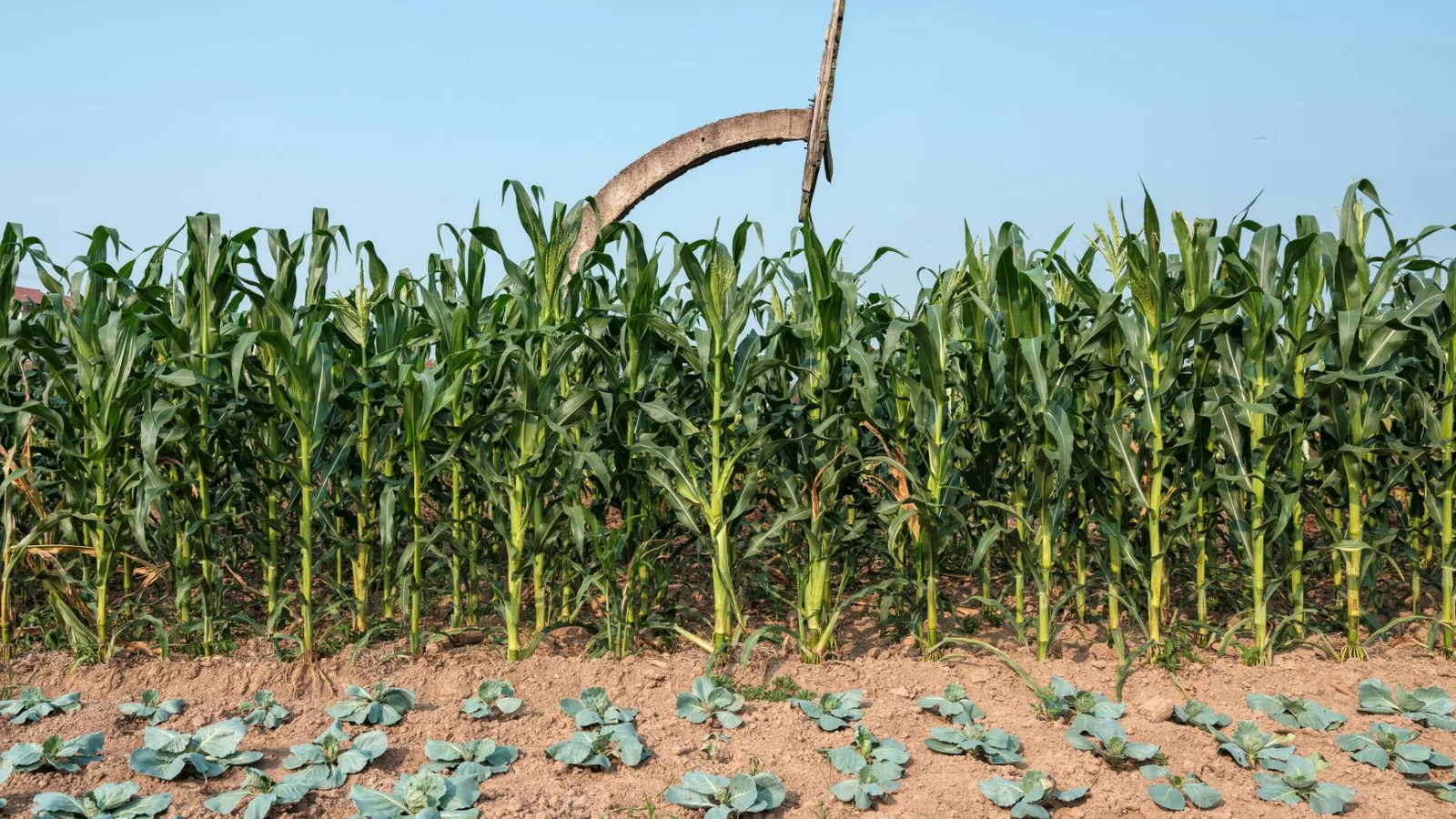
A recent study looked at what happens to the soil and the chrysanthemums when corn or napa cabbage (the Korean cabbage used for kimchi) is rotated into a mum bed for a single season. At day 60 after planting, chrysanthemums grown after a rotation had noticeably thicker stems than those planted in continuously cropped ground, and both their leaves and roots weighed more. The activity of soil enzymes that break down nitrogen, phosphorus, and organic matter rose as well, and the share of wilt-causing Fusarium dropped by roughly 17 to 28 percent.
The two crops helped the soil in different ways.
- Corn worked mainly to restore the microbial community around the roots and bring soil enzyme activity back into balance.
- Napa cabbage leaned toward building up phosphorus and other nutrients in the soil, bulking up young chrysanthemum plants early in the season, and suppressing disease-causing fungi.
Try a Rotation in Your Own Garden
Once you've cut this fall's chrysanthemums, don't fill that spot with mums again next year. Lend it to another crop for a season. If you'd like a generous harvest of leafy greens while keeping soil pathogens in check, plant napa cabbage. If what you want is to revive the soil's own microbes and enzymes, plant corn. Rotate for one season, then bring the mums back, and you'll feel in the vigor of their roots how much softer the tired soil has become.
If your garden is too small to move things around, simply alternating what you plant each year, even container by container or row by row, still helps. The better a spot has been for chrysanthemums, the more it deserves a year's rest with a different crop.
If this year's mums didn't measure up to past seasons, hand that spot to napa cabbage or corn for the next one. Giving the soil a season off is what puts a strong flower stem back on next year's chrysanthemums.